Albergaccio di Castellina

A wood-and-stone trattoria on the Via Fiorentina, Albergaccio di Castellina earns its Michelin Plate recognition by working within Tuscan culinary tradition rather than against it. The kitchen applies creative instincts to regional produce without losing sight of where it is. At a mid-range price point in the heart of Chianti Classico, it represents an honest case for the region's ingredient-led cooking.
Pearl is the En Primeur Club membership app — saves, bookings, and concierge access live there. Same editors, same standards.
- Address
- Via Fiorentina, 63, 53011 Castellina in Chianti SI, Italy
- Phone
- +39 0577 741042
- Website
- ristorantealbergaccio.com
- Directions
- Get directions
 Saves & bookings on Pearl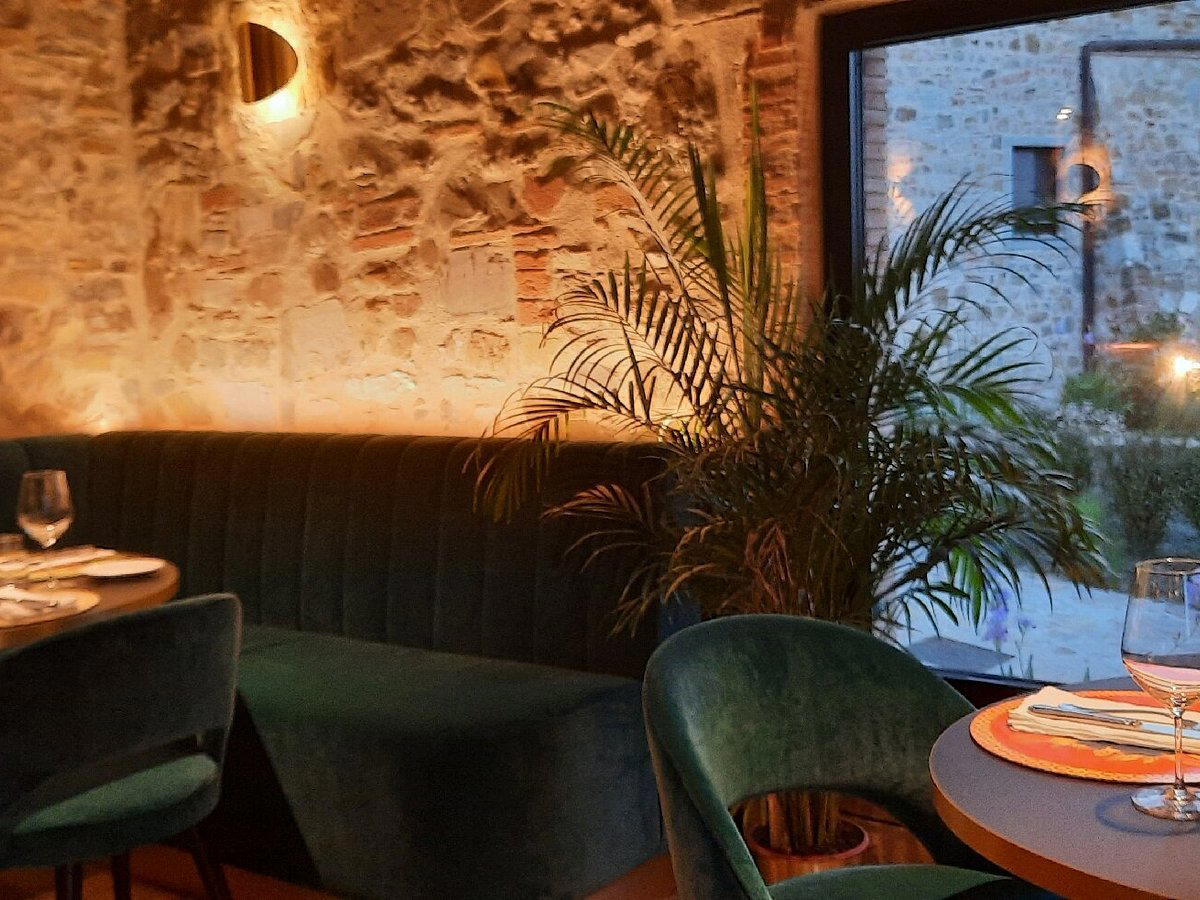
Stone Walls, Regional Logic
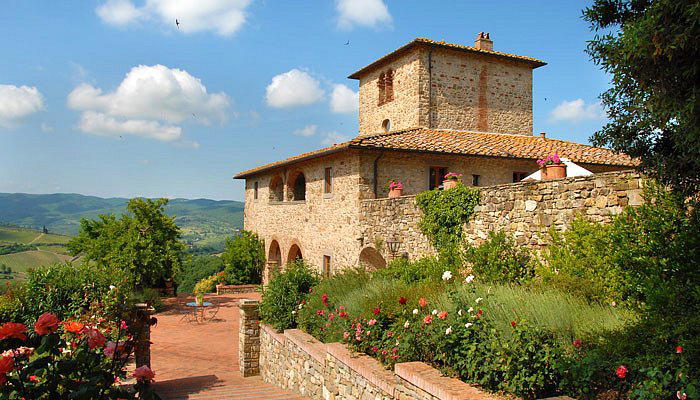
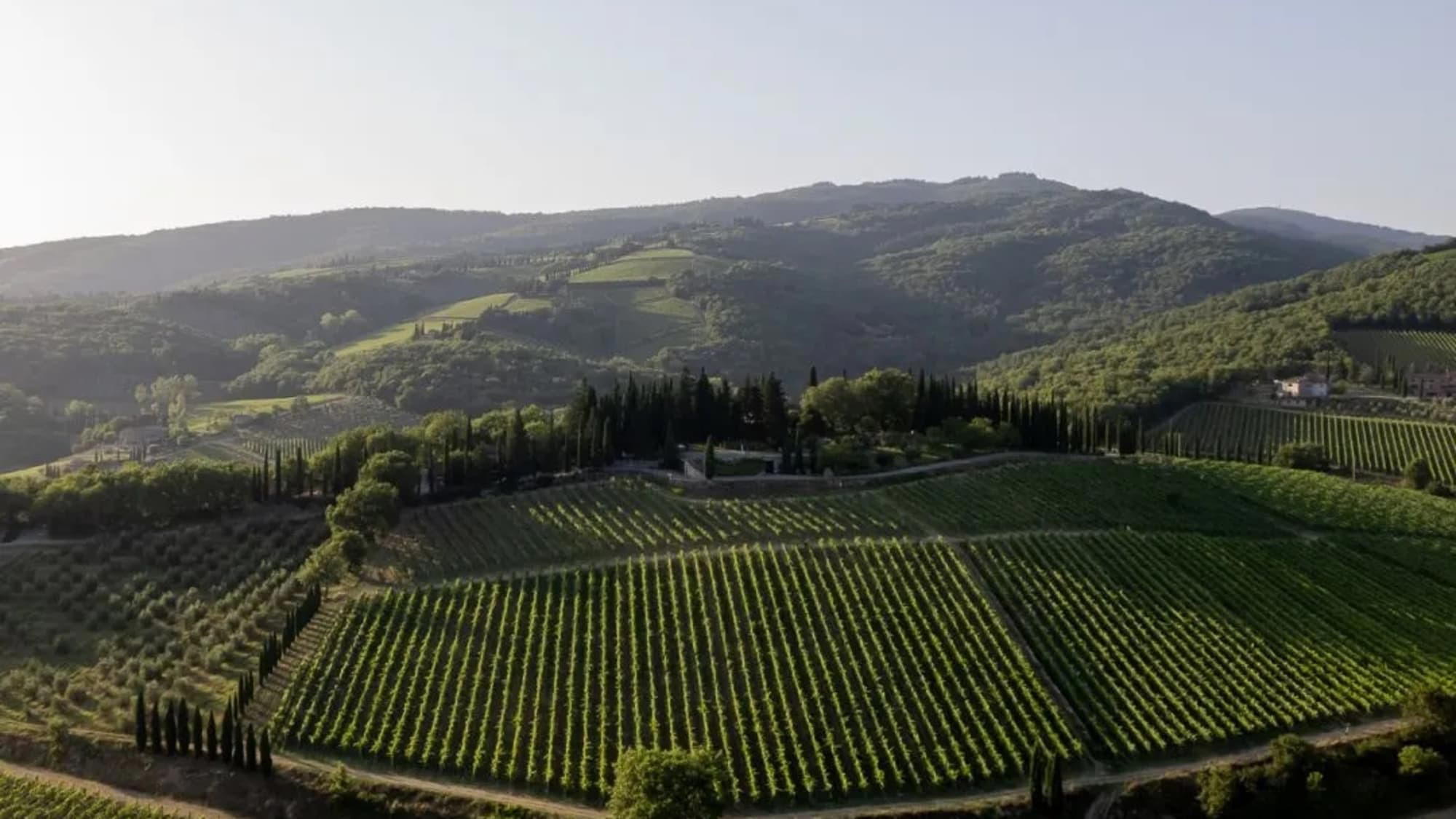
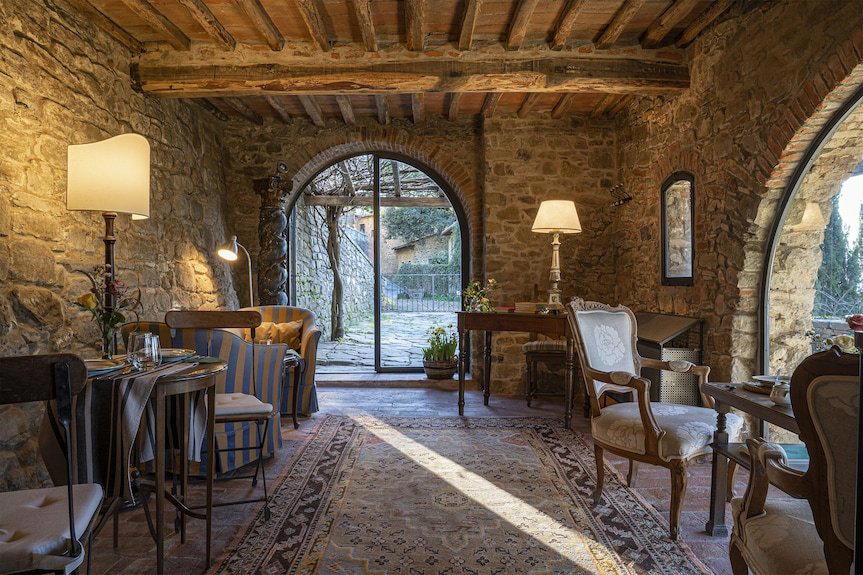
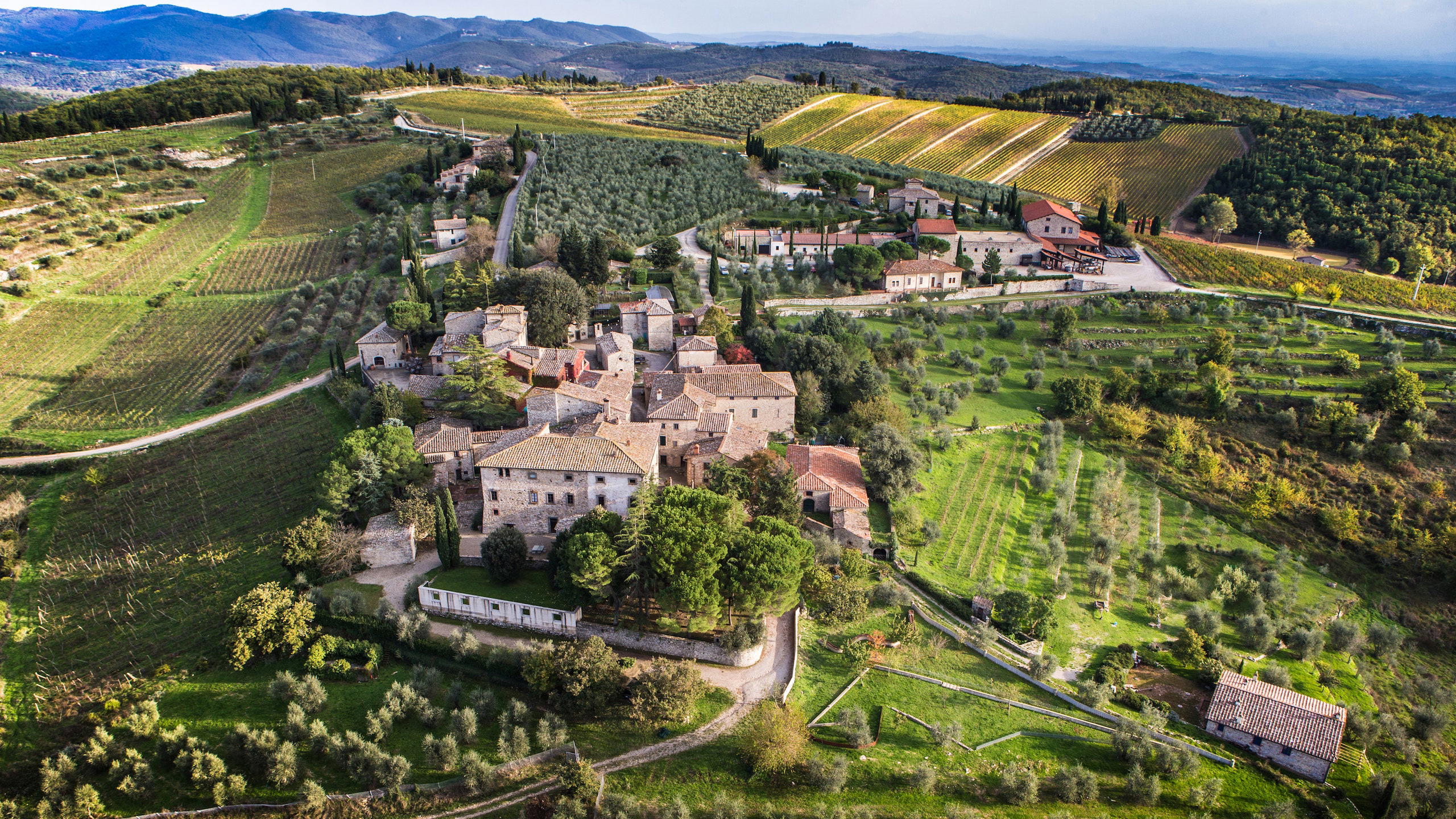
Castellina in Chianti sits on a ridge between Florence and Siena, and the town's character has always been shaped more by agriculture than tourism. The vineyards and olive groves that ring it are not backdrop; they are the economy. Restaurants that take root here and hold on do so by maintaining a credible relationship with what grows and is raised nearby. Albergaccio di Castellina, on Via Fiorentina at the edge of town, operates inside that logic. The building announces itself through material rather than signage: exposed stone and aged wood set a tone that is rustic without being theatrical. This is a room that has absorbed decades of Chiantigiana winters, and it shows in the way it settles around a table.
What the Michelin Plate Signals in This Context
Michelin's Plate designation, held here in both 2024 and 2025, does not carry the headline weight of a star, but it is a meaningful signal in the context of Chianti's mid-market dining. The Plate indicates that Michelin inspectors found consistently good cooking worth flagging to travellers. In a region where wine tourism has created a category of restaurants that coast on scenery and cellar lists, that distinction matters. The comparison set is not Enoteca Pinchiorri in Florence, which operates at the three-star summit of Italian fine dining, nor Osteria Francescana in Modena, where culinary reinvention is the explicit project. Albergaccio di Castellina sits in a different tier: a kitchen where the ambition is precision and produce, not provocation. That is a harder brief to hold to consistently than it sounds.
The broader Italian creative canon, from Le Calandre in Rubano to Enrico Bartolini in Milan, operates at price points and formal registers that belong to a different conversation entirely. What Chianti's mid-market restaurants are tasked with is translating the region's ingredient story into a meal that earns its price without relying on the wine list to do the heavy lifting.
The Ingredient Case for Chianti Classico
The Chianti Classico zone, bounded by the hills running south from Florence toward Siena, produces some of central Italy's most documented agricultural output. Sangiovese grapes draw greater attention, but the wider agricultural calendar includes wild boar, porcini, pecorino from the Crete Senesi, Chianina beef raised on the plains to the east, and white truffles from San Miniato in season. Kitchens in this corridor have access to a sourcing network that most restaurants in larger Italian cities pay a premium to replicate. The question is always whether the cooking honours that access or simply relies on it.
Albergaccio di Castellina's Michelin notes describe a kitchen that leans toward imaginative dishes without betraying regional flavours and produce. The phrasing matters: the kitchen applies creative instincts without departing from the ingredient geography that defines Tuscan cooking. This is a deliberately bounded form of creativity, one where the constraint is the region itself. It places the restaurant in a tradition shared by kitchens like Caino in Montemerano and L'Asinello in Castelnuovo Berardenga, both of which work within Tuscan produce logic while exercising editorial control over how that produce is presented.
The contrast is instructive when set against kitchens that operate at a distance from their ingredient sources, restaurants like Reale in Castel di Sangro or Uliassi in Senigallia, where the creative project is regional in spirit but formally ambitious in execution. The restaurant is making a different argument: that the ingredients of the Chianti hills, handled with confidence and restraint, carry a meal without requiring conceptual scaffolding.
The Price Point and What It Implies
The restaurant sits in the €€ tier, which in Castellina in Chianti places it in the accessible mid-market alongside Tavola di Guido, rather than in the destination-dining register.5 across 460 reviews is a reasonable proxy for sustained delivery: that volume of reviews over time tends to filter out individual service anomalies and reflect the kitchen's base level. It is a signal that the restaurant has maintained a consistent standard across a wide range of diners, not just favourable critics or repeat loyalists.
For visitors planning time in Chianti, the €€ pricing means the restaurant functions well as an everyday dinner option rather than a special-occasion booking. The Michelin Plate adds a layer of confidence to that calculation: this is not a restaurant where consistency is in doubt.
Planning a Visit
Via Fiorentina runs along the western approach to Castellina, making the restaurant a natural stopping point for those arriving from the Florence direction on the SR222. The restaurant is at number 63. Booking ahead is recommended. Chianti's dining rhythm follows agricultural seasons closely, and the autumn months, when porcini and truffle supply peaks, tend to draw higher demand across the region's better kitchens. Booking ahead for any visit between September and November is prudent.
For a broader read on what Tuscan creative cooking looks like at the other end of the ambition spectrum, Dal Pescatore in Runate, Piazza Duomo in Alba, and Quattro Passi in Marina del Cantone are useful reference points for how Italian regional cooking scales upward. Atelier Moessmer Norbert Niederkofler in Brunico represents the rigorous current articulation of Italian alpine ingredient philosophy, a useful contrast for thinking about how different regions build culinary identity from a specific landscape.
At-a-Glance Comparison
Comparable venues nearby, for context on price, style, and recognition.
| Venue | Cuisine | Price | Awards | Notes |
|---|---|---|---|---|
| Albergaccio di CastellinaThis venue — the venue you are viewing | Modern Tuscan | $$$ | Michelin Plate | Not listed |
| Tavola di Guido | Seasonal Tuscan Farm-to-Table | $$$ | Michelin Plate | Castellina in Chianti |
| Fonterutoli | Traditional Tuscan Osteria | $$$ | Not listed | Fonterutoli |
| Innocenti Wine Experiences | Contemporary Italian Wine Experiences | $$$ | Michelin Plate | Poggibonsi |
| Il Doretto | Italian Seafood in Farmhouse Setting | $$$ | Michelin Plate | Cecina |
| Il Merlo | Italian Seafood Mediterranean | $$$ | Michelin Plate | Lido di Camaiore |
Recognition history
Dated appearances from independent guides and award organizations, with the underlying list record or original source where available.
Michelin Plate
Michelin
Michelin Plate
Michelin
Michelin Plate
Michelin
Continue exploring
More in Castellina in Chianti
Restaurants in Castellina in Chianti
Browse all →
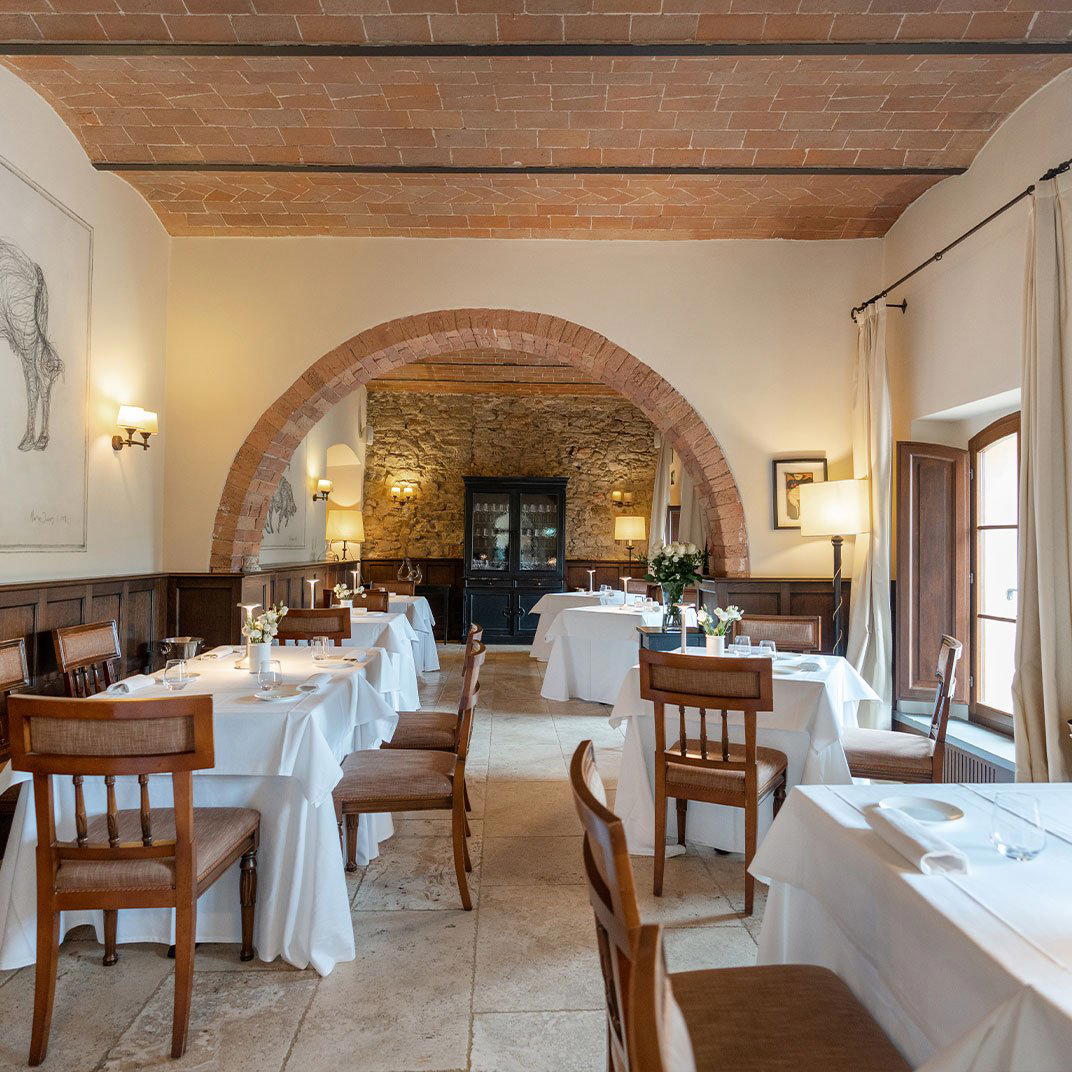
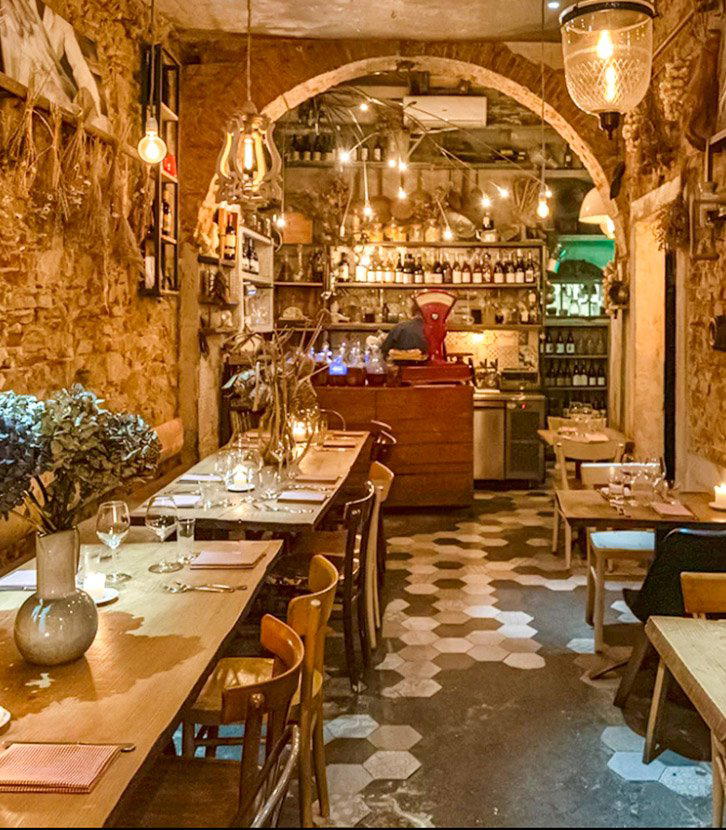
Bars in Castellina in Chianti
Browse all →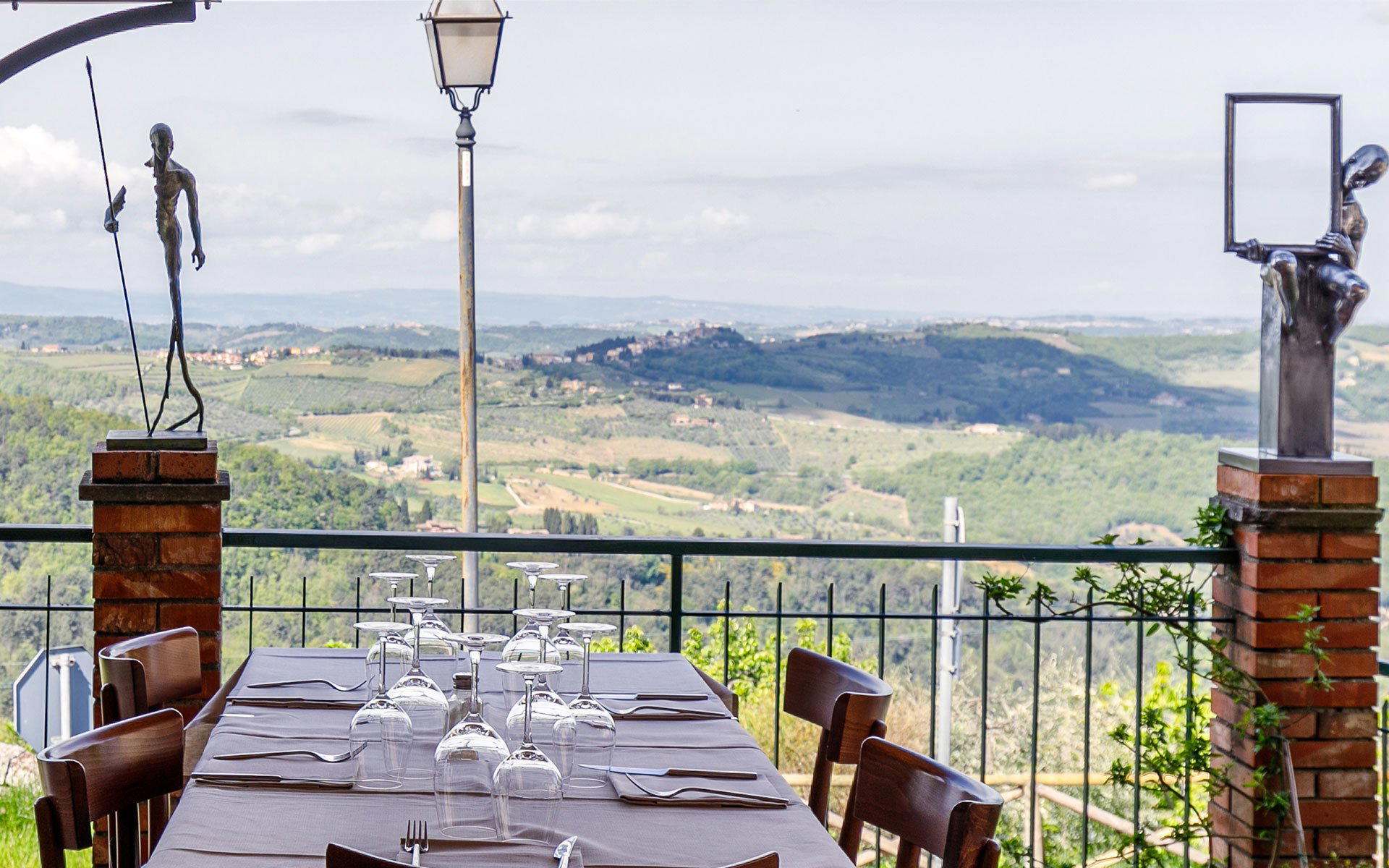
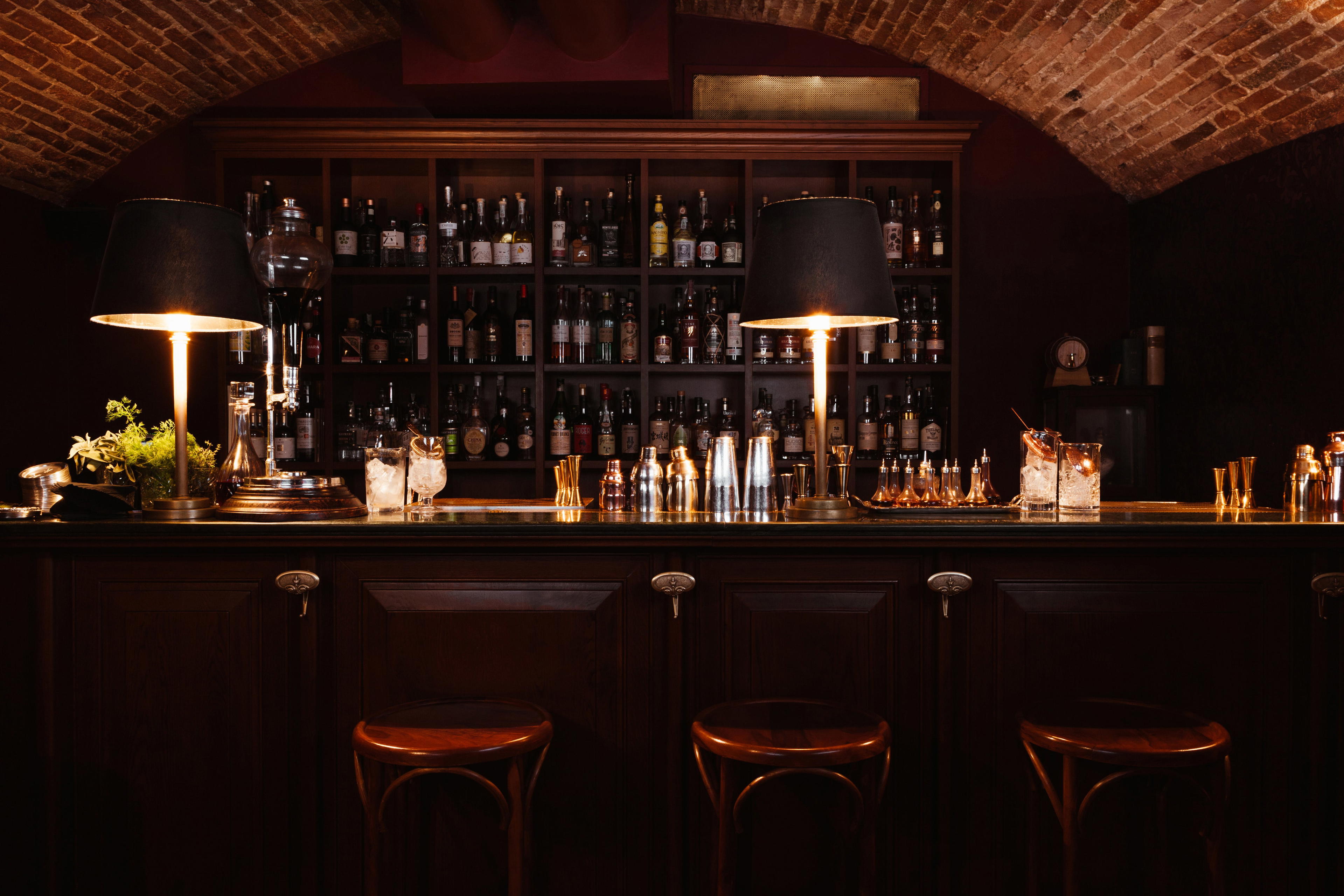
Hotels in Castellina in Chianti
Browse all →
At a Glance
- Rustic
- Elegant
- Cozy
- Intimate
- Date Night
- Special Occasion
- Terrace
- Panoramic View
- Extensive Wine List
- Farm To Table
- Local Sourcing
- Vineyard
Current opening hours
- Monday
- 12:30–2:30 PM, 7:30–9 PM
- Tuesday
- 12:30–2:30 PM, 7:30–9:30 PM
- Wednesday
- 12:30–2:30 PM, 7:30–9:30 PM
- Thursday
- 7:30–9:30 PM
- Friday
- 12:30–2:30 PM, 7:30–9:30 PM
- Saturday
- 12:30–2:30 PM, 7:30–9:30 PM
- Sunday
- Closed
Hours can change for holidays and private events. Last verified .
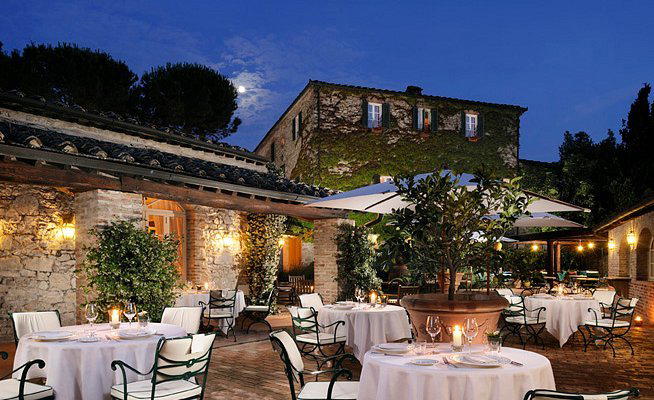
Lovely setting with panoramic terrace views, warm and welcoming atmosphere praised for its relaxing patio and elegant yet not stuffy interior.