







Taian Table holds three Michelin stars in 2024 and 2025, a Black Pearl Diamond, and a place on La Liste's global ranking with 91.5 points — making it one of Shanghai's most decorated fine-dining addresses. Chef Christiaan Stoop's Modern European tasting menu format occupies a quiet residential lane in Changning, a location that underscores the restaurant's deliberately understated positioning within China's most competitive dining city.
Pearl is the En Primeur Club membership app — saves, bookings, and concierge access live there. Same editors, same standards.
- Address
- China, 465弄161号CN 上海市 长宁区 镇宁路 465 邮政编码: 200031
- Phone
- +8617301605350
- Website
- sh.taian-table.cn
- Directions
- Get directions
 Saves & bookings on Pearl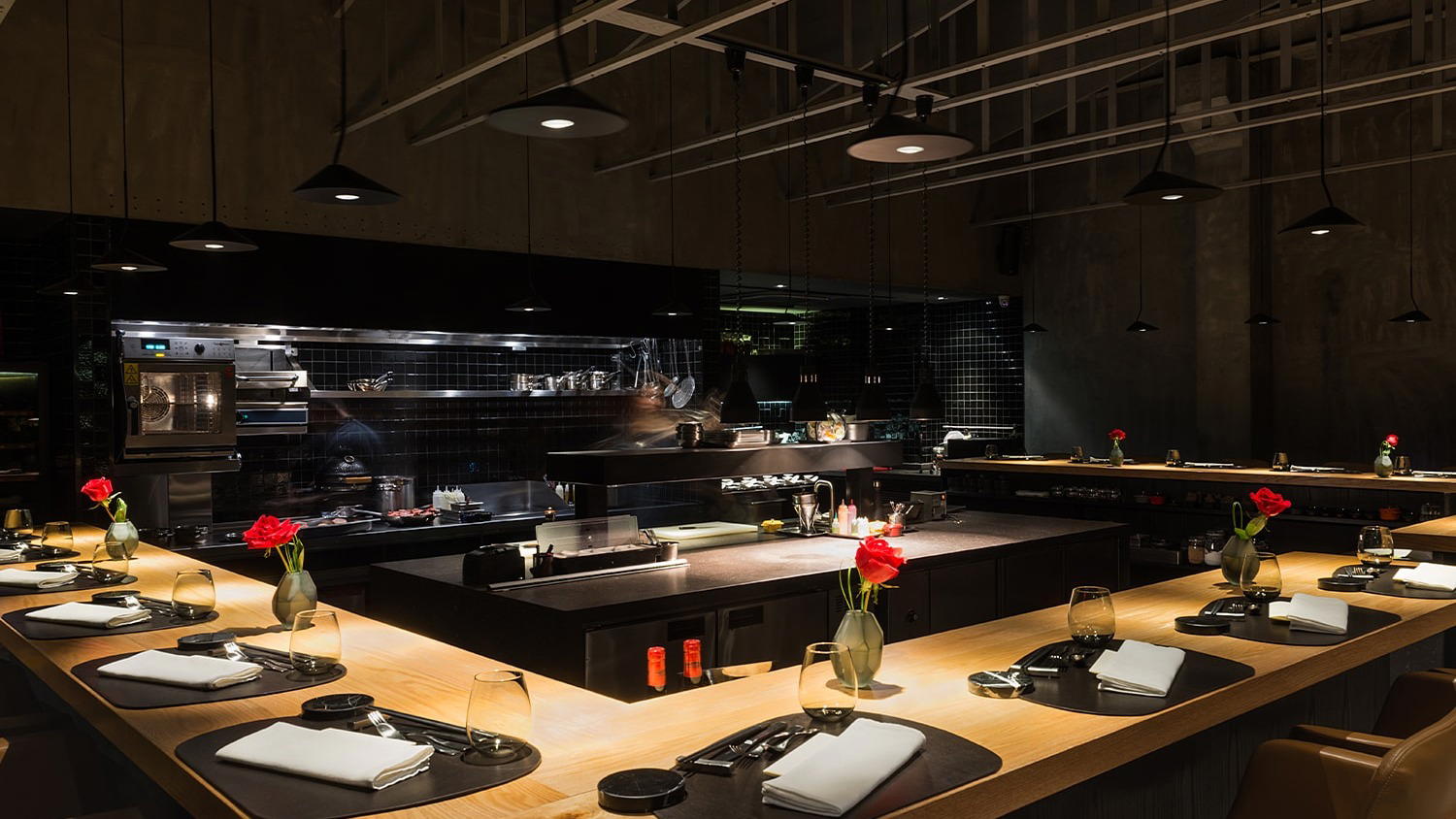
A Lane Address in a City That Rewards Finding Things
Shanghai's most decorated restaurants rarely announce themselves. The city's fine-dining tier has developed a particular grammar over the past decade: the harder something is to locate, the more seriously it tends to be taken by the people who seek it out. Taian Table operates inside that logic with unusual commitment. Its address on Zhenning Road, in a residential lane compound in Changning, sits well away from the Bund's spectacle and the Xintiandi circuit — the two gravitational centres that pull most international visitors through the city's dining map.
Changning is not a neighbourhood that appears in shortlists of Shanghai dining districts. It is residential, low-rise in places, and without the colonial-era grandeur of the French Concession blocks immediately to its south. That distance from the obvious dining corridors is, in practice, a function of Taian Table's positioning: a restaurant at this level needs no footfall from pedestrians, no proximity to hotel lobbies, and no ambient buzz from neighbouring venues. It exists for people who are specifically looking for it, which is a form of filtering that the most serious tasting-menu operations in any city eventually adopt.
Three Stars, Twice
The credential stack behind Taian Table is substantial and, at this point, consistent. The restaurant has held three Michelin stars in both 2024 and 2025, placing it in the highest tier of the Michelin Shanghai guide alongside a small cohort of addresses that have demonstrated the kind of sustained performance the guide requires for that designation. Three stars, in Michelin's own framing, signals a destination worth travelling to specifically — a threshold that very few restaurants in any city reach, and fewer still hold across consecutive years.
Beyond Michelin, the 2025 award year added two further recognitions that situate Taian Table in different but overlapping peer sets. La Liste, the French government-backed ranking that aggregates global critical opinion and guide data, awarded 91.5 points, a score that places the restaurant among the top tier of La Liste's global roster. Les Grandes Tables du Monde, the association of roughly 200 high-end restaurants across more than 30 countries, also recognised Taian Table in 2025. Membership in that body is by invitation and peer assessment, and the list skews heavily European; the handful of Chinese mainland restaurants included represent a narrow cross-section of the country's contemporary fine dining. A Black Pearl Diamond from the Black Pearl Restaurant Guide, the most prominent China-focused fine-dining ranking, rounds out a set of credentials that spans both international and regional frameworks simultaneously, a combination shared by very few Shanghai restaurants.
For context, Shanghai's three-Michelin-star tier is small. In a city with one of Asia's most competitive restaurant markets, and a dining public with both the resources and the appetite for serious tasting-menu formats, sustaining three stars requires a consistency of execution that no single meal can capture. The consistency signal is the repeated award, not the award itself.
Modern European in Shanghai's Western Fine-Dining Context
Shanghai has carried a significant Western fine-dining infrastructure since at least the 1990s, when hotel dining rooms brought European brigade kitchens to the city at scale. That infrastructure has matured considerably. The city now has a tier of Western fine-dining addresses that operate independently of hotel groups, with their own culinary identities and guest bases, competing against each other and against the city's Chinese fine-dining tier rather than simply filling a vacuum.
Taian Table belongs to that independent tier. Its Modern European format, under Chef Christiaan Stoop, works within a tradition of European tasting-menu cooking that has become fully naturalised in Shanghai, drawing on local produce where relevant, responding to the city's dining culture and calendar, but rooted in techniques and reference points that are identifiably European in origin.
The comparison with New York is instructive for calibrating expectations. Restaurants like Le Bernardin in New York City and Atomix in New York City operate in the same global tier of serious tasting-menu restaurants with long critical track records. Taian Table's award profile positions it in that conversation, a restaurant whose recognition is not local or regional but genuinely international in scope.
What This Address Means for the Meal
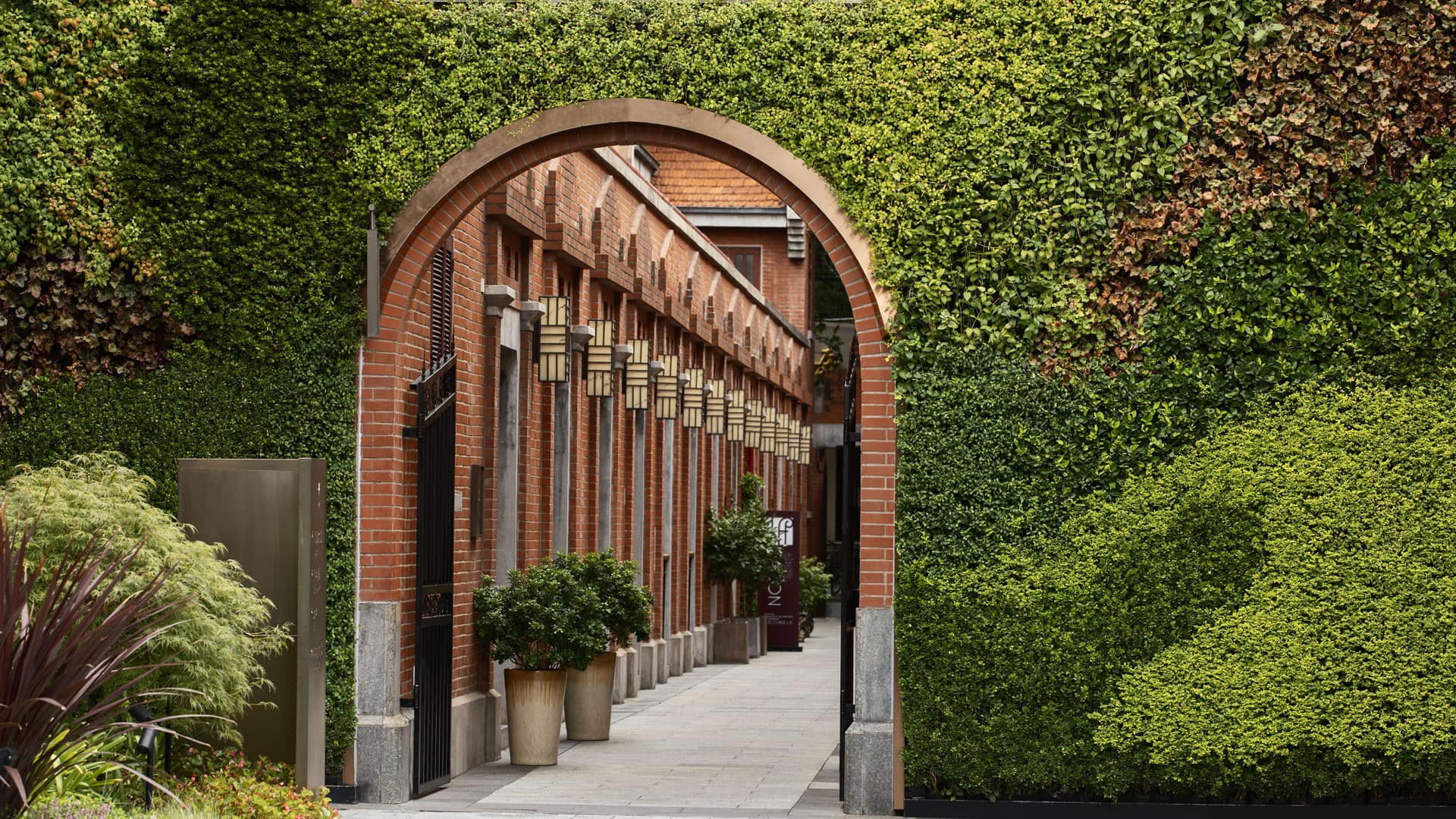
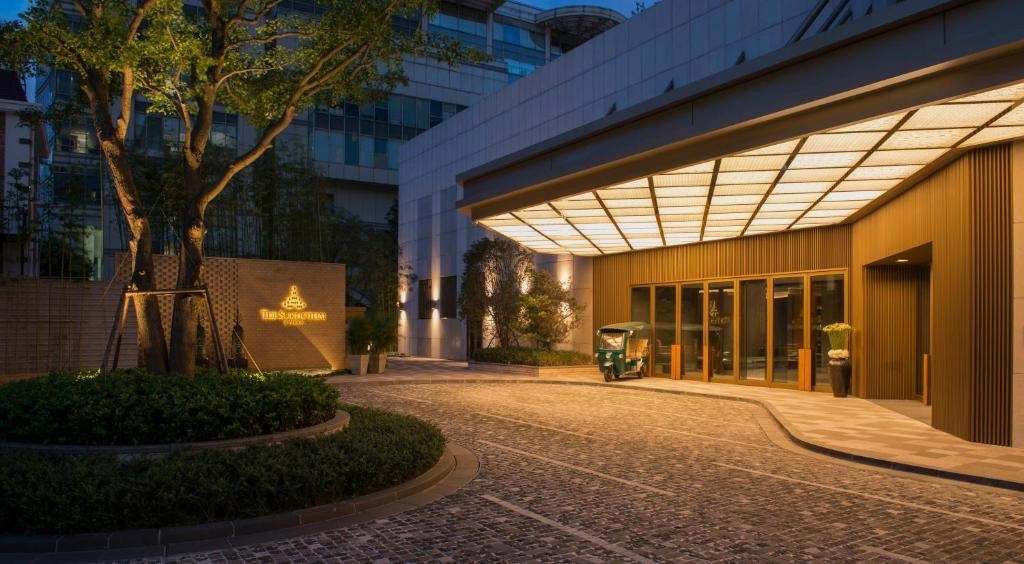
The lane compound setting has practical consequences for the experience that differ from hotel dining rooms or street-level restaurant spaces. Arriving on Zhenning Road at night, the transition from the surrounding residential streets into the restaurant's environment is abrupt in the way that high-commitment dining environments often engineer. The physical remove from commercial streets means the ambient noise level, the visual context, and the pace of the surrounding neighbourhood are all different from what guests experience at a Bund-facing restaurant or a venue on a busy Jing'an intersection.
For a tasting-menu format, which depends on sustained attention, pacing, and the accumulation of a sequence of courses over two or more hours, that remove matters. The residential lane setting is not incidental to the format; it is appropriate to it. This is a pattern visible in serious tasting-menu restaurants across multiple cities: the physical environment is chosen or designed to support a particular kind of meal, and convenience of location is deliberately traded for control of atmosphere.
Shanghai's other high-end tasting-menu addresses offer a useful comparative frame. Fu He Hui, the vegetarian fine-dining restaurant that also carries top-tier recognitions, similarly occupies a setting that prioritises environment over street visibility. 102 House operates in the Cantonese fine-dining register with comparable attention to spatial experience. These are restaurants where the address is part of the product.
Placing Taian Table in Shanghai's Broader Dining Map
Shanghai's fine-dining tier divides broadly into three tracks: Chinese regional cooking at its most refined, Western fine dining in tasting-menu format, and hybrid approaches that work across both. Taian Table sits in the second track. Its peer restaurants in the Chinese regional tier, Xin Rong Ji (West Nanjing Road) for Taizhou-inflected cooking, or Bao Li Xuan in the Cantonese register, are drawing on entirely different culinary traditions and serving a partly different guest base, even at the same price tier. A visitor building a Shanghai dining programme across multiple nights would treat these as complementary rather than competing choices.
For guests whose itineraries extend beyond Shanghai, the same tier of tasting-menu and regional fine dining exists in other Chinese cities. Ru Yuan in Hangzhou and Xin Rong Ji in Chengdu represent comparable levels of ambition in their respective cities. In the wider region, Chef Tam's Seasons in Macau and Imperial Treasure Fine Chinese Cuisine in Guangzhou operate in the same award tier, as does Dai Yuet Heen in Nanjing and Xin Rong Ji (Xinyuan South Road) in Beijing.
Planning a Visit
At the three-Michelin-star level in Shanghai, advance booking is not optional. The small cohort of restaurants at this tier fills well ahead, particularly for weekend sittings and during the autumn and spring seasons when the city's business travel and tourism volume peaks. The ¥¥¥¥ price tier is consistent with global three-star tasting-menu pricing, budget for a full-evening commitment in terms of both time and expenditure.
| Venue | Cuisine | Price Tier | Awards | Format |
|---|---|---|---|---|
| Taian Table | Modern European | ¥¥¥¥ | Michelin 3★ (2024, 2025); La Liste 91.5pts; Les Grandes Tables du Monde; Black Pearl Diamond | Tasting menu |
| 8 1/2 Otto e Mezzo Bombana | Italian | ¥¥¥¥ | Michelin 2★ | À la carte / tasting menu |
| Fu He Hui | Vegetarian fine dining | ¥¥¥¥ | Michelin-recognised | Tasting menu |
| Xin Rong Ji (West Nanjing Road) | Taizhou | ¥¥¥¥ | Michelin-recognised | À la carte |
For a full picture of where Taian Table sits within Shanghai's dining ecosystem, see our full Shanghai restaurants guide. For accommodation, bars, and experiences in the city: hotels, bars, wineries, and experiences.
How It Stacks Up
| Venue | Cuisine | Price | Awards |
|---|---|---|---|
| Taian TableThis venue — the venue you are viewing | Modern European, Innovative | ¥¥¥¥ | Michelin 3 Stars, Black Pearl 1 Diamond (2025), Les Grandes Tables Du Monde Award (2025) |
| Fu He Hui | Vegetarian | ¥¥¥¥ | Michelin 2 Star |
| Ming Court | Cantonese | ¥¥¥ | Michelin 1 Star |
| Polux | French | ¥¥ | French, ¥¥ |
| Royal China Club | Chinese, Cantonese | ¥¥¥ | Chinese, Cantonese, ¥¥¥ |
| Scarpetta | Italian | ¥¥¥ | Italian, ¥¥¥ |
Recognition history
Dated appearances from independent guides and award organizations, with the underlying list record or original source where available.
Black Pearl 1 Diamond
Black Pearl
La Liste Top Restaurants
La Liste
Les Grandes Tables du Monde Member
Les Grandes Tables du Monde
Opinionated About Dining Top Restaurants in Asia Ranked #62
Opinionated About Dining
Star Wine List
Star Wine List
Black Pearl 1 Diamond
Black Pearl
La Liste Top Restaurants
La Liste
Michelin 3 Stars
Michelin
Opinionated About Dining Top Restaurants in Asia Ranked #85
Opinionated About Dining
The Best Chef Three Knives
The Best Chef
World Culinary Awards China's Best Restaurant 2025 #1
World Culinary Awards
Michelin 2 Stars
Michelin
Opinionated About Dining Top Restaurants in Asia Ranked #132
Opinionated About Dining
Opinionated About Dining Top Restaurants in Asia Highly Recommended
Opinionated About Dining

At a Glance
- Intimate
- Modern
- Elegant
- Sophisticated
- Date Night
- Special Occasion
- Celebration
- Open Kitchen
- Chefs Counter
- Design Destination
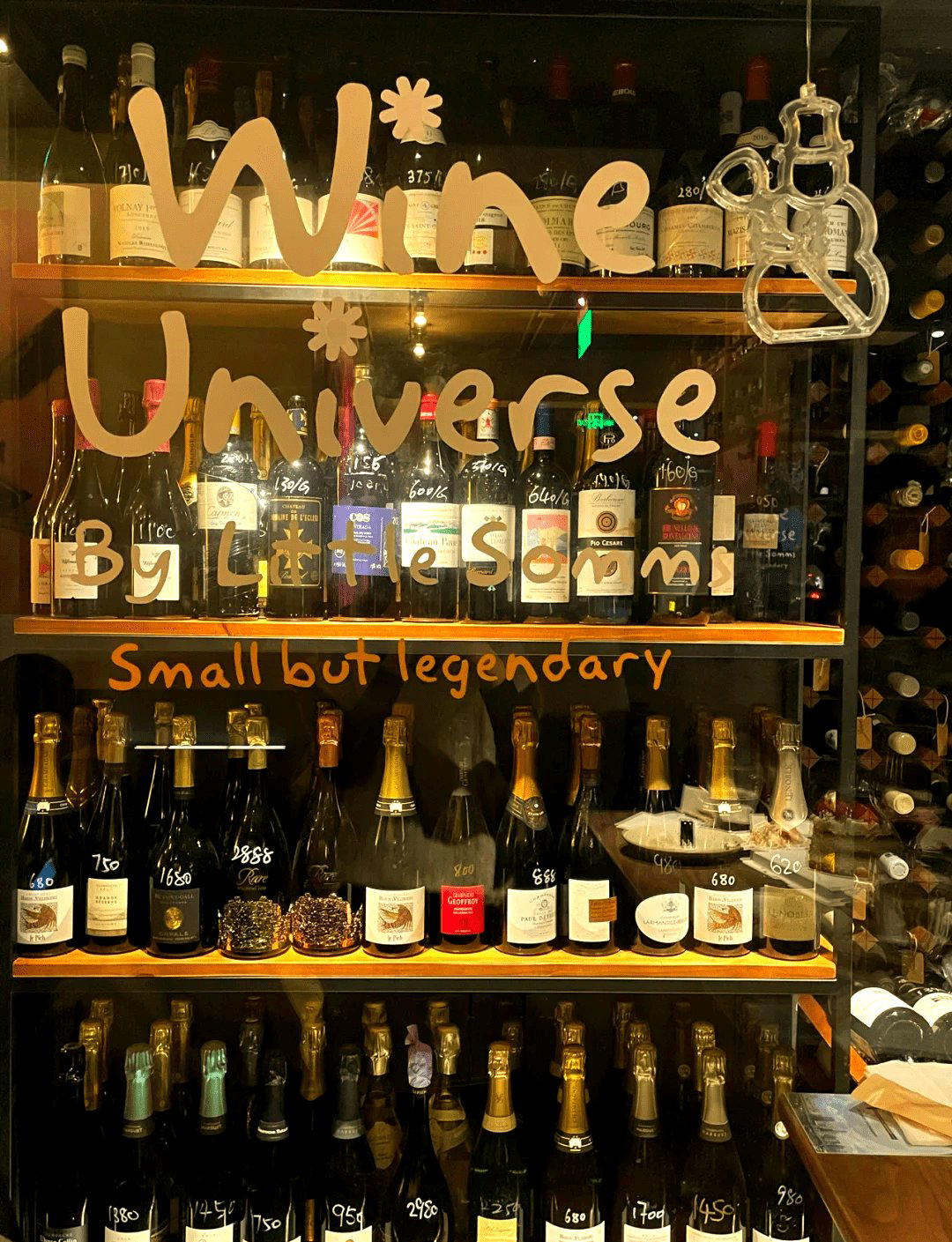
- Extensive Wine List
- Sommelier Led
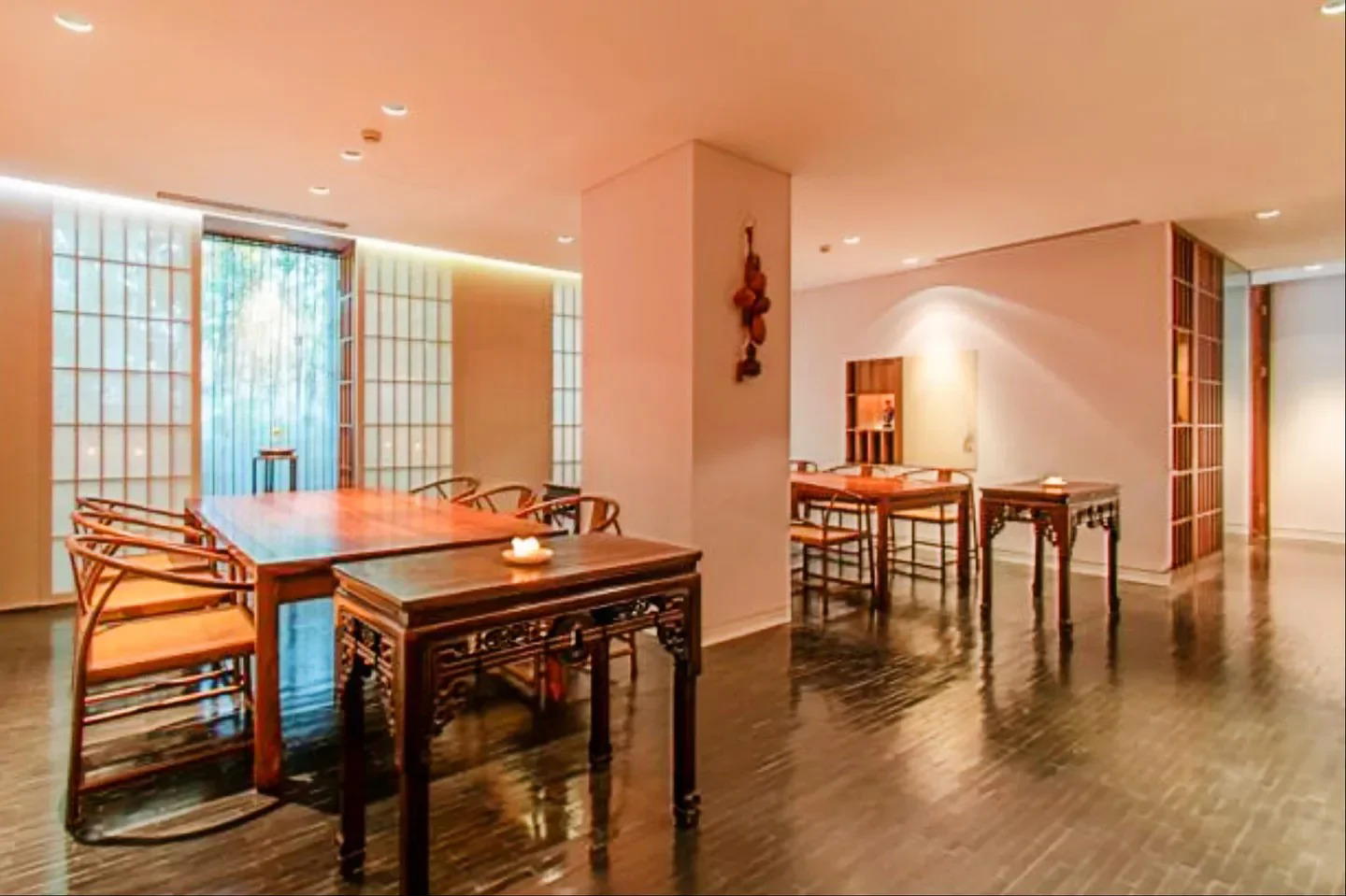
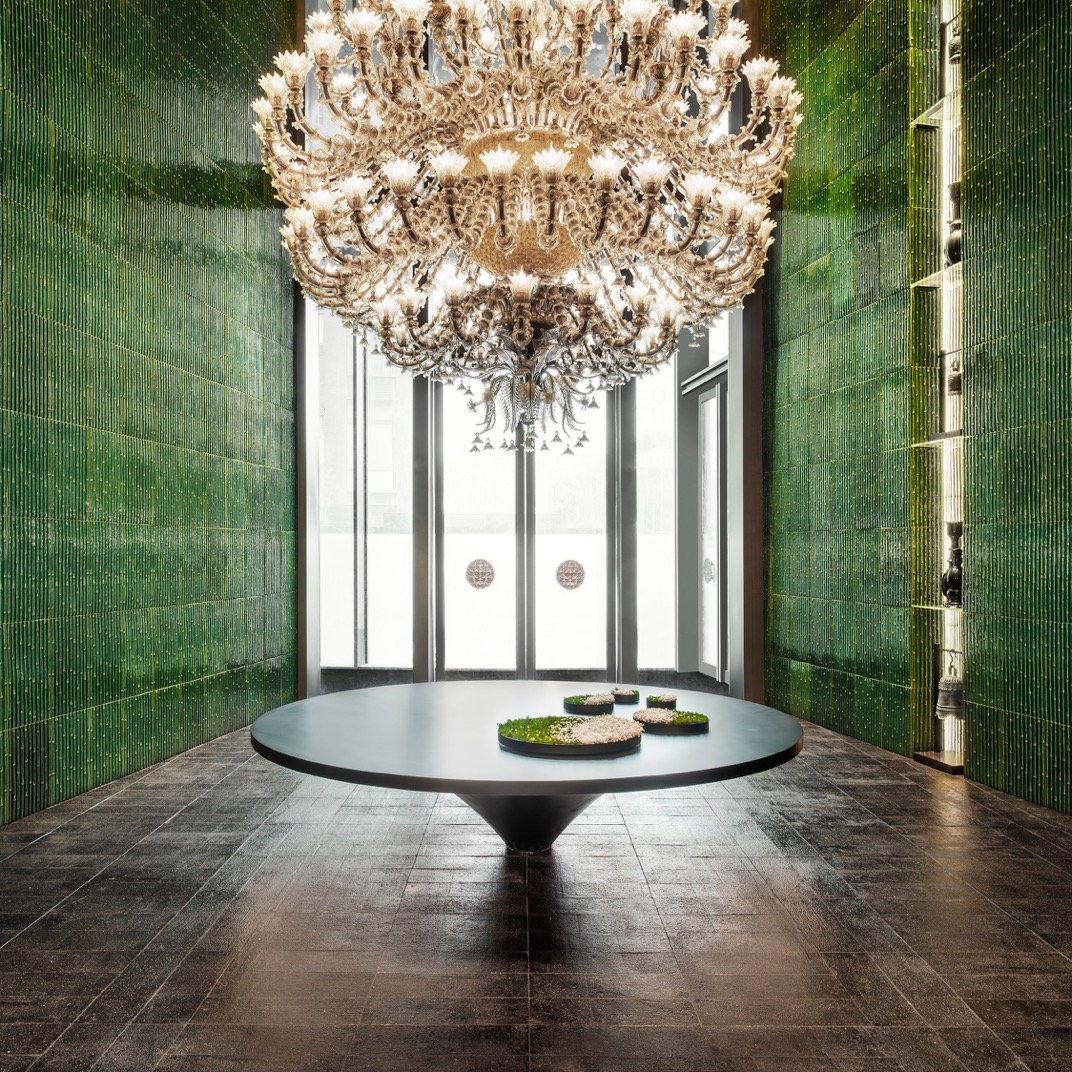
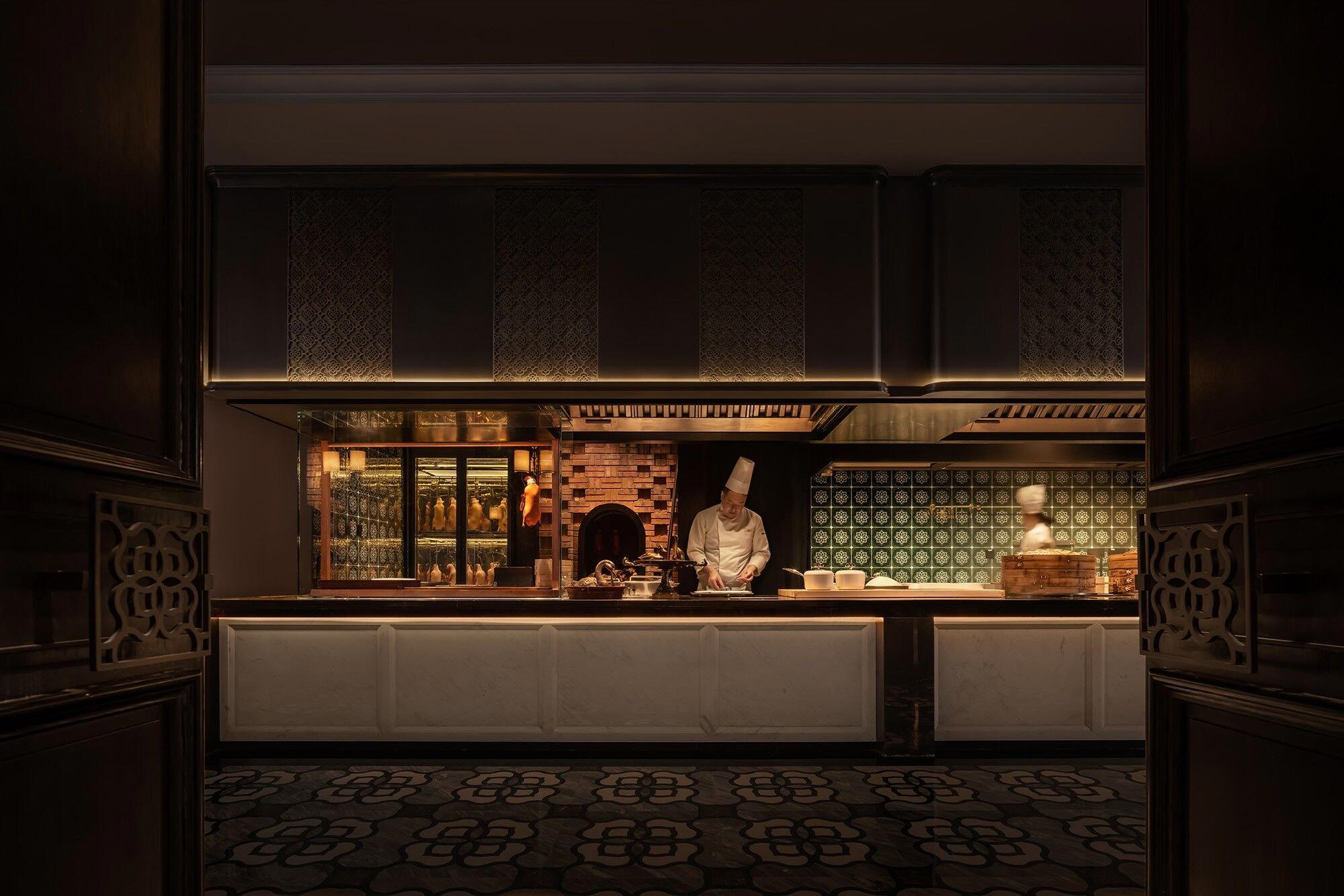
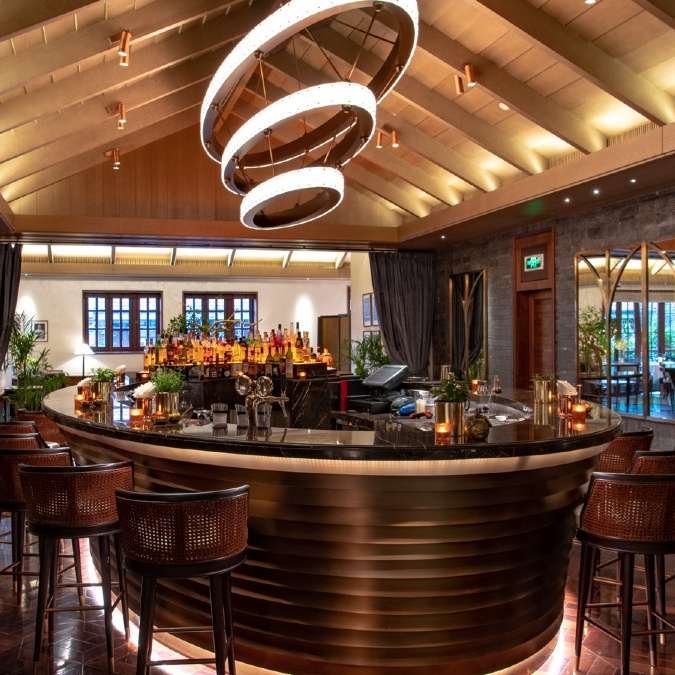
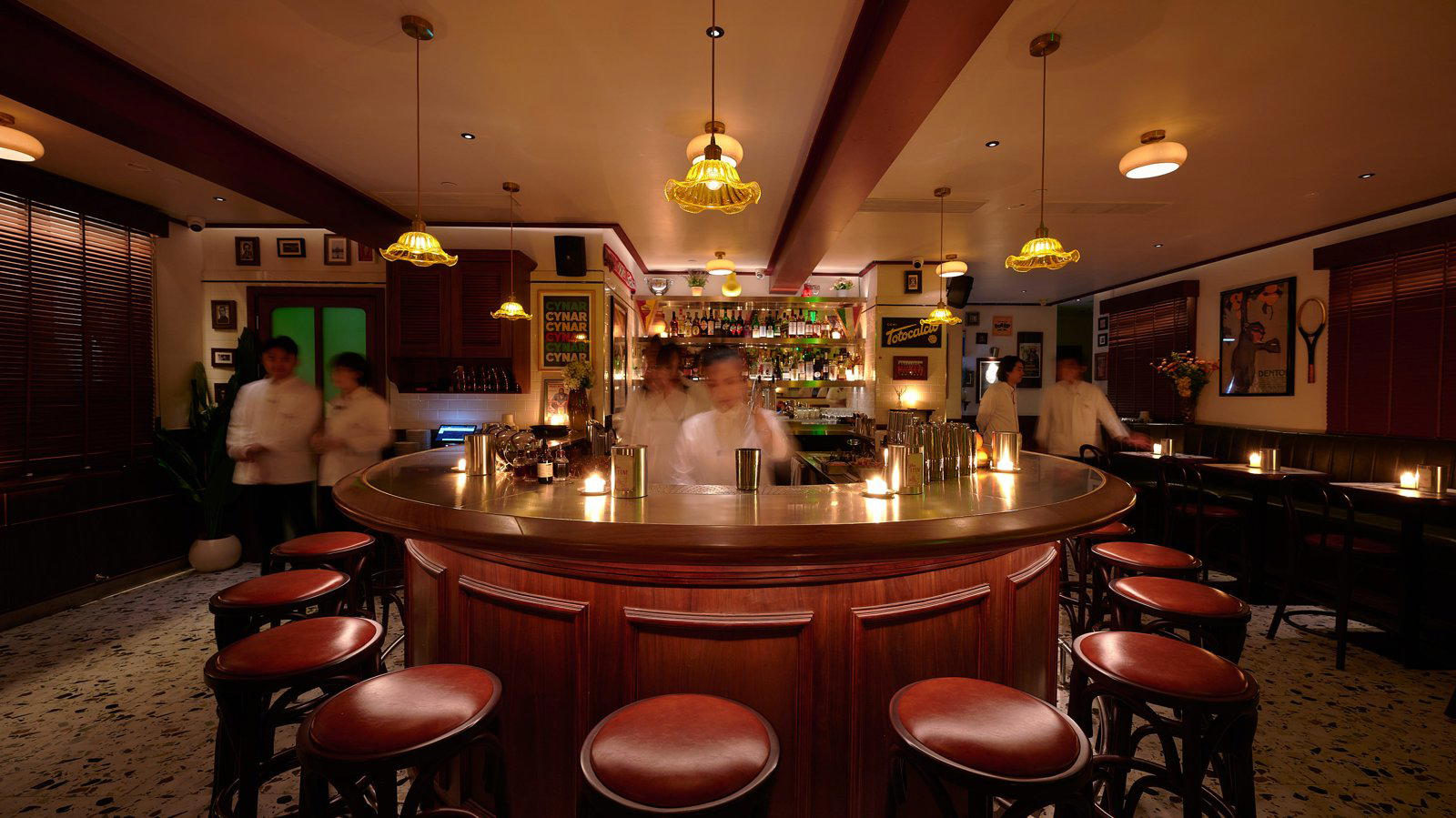
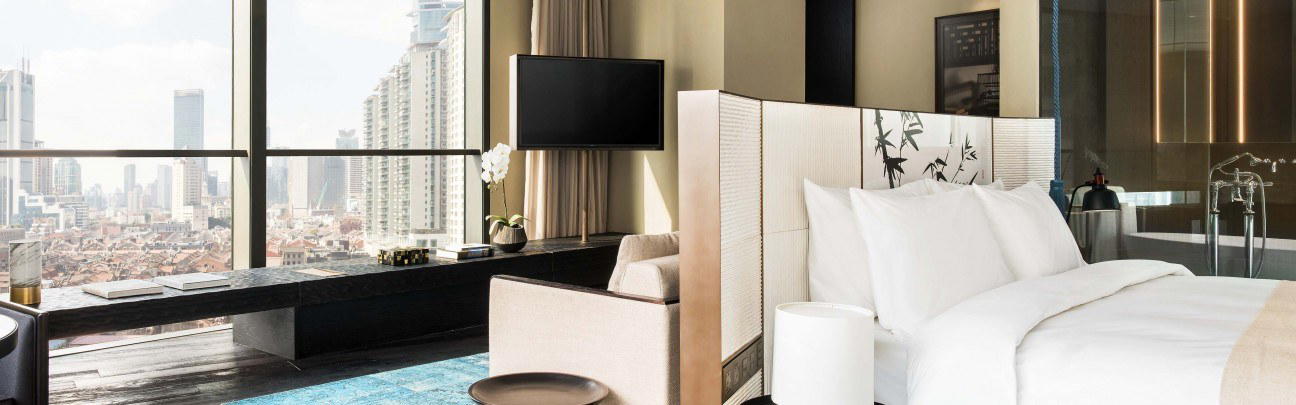
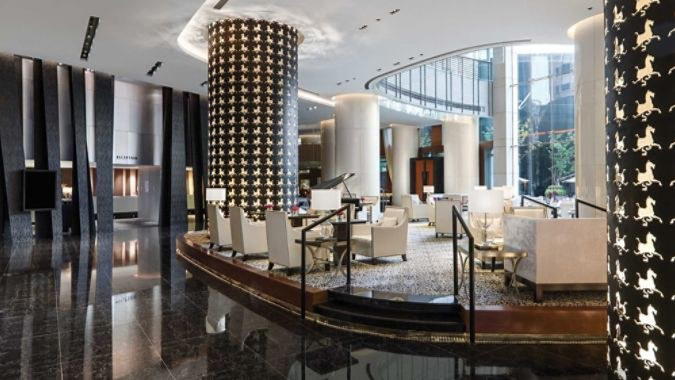
Sleek, modern space with dim lighting and lounge-like atmosphere; counter seating surrounds an island kitchen creating an intimate yet energetic vibe with close interaction between diners and chefs.
Know Before You Go
- Getting there
- China, 465弄161号CN 上海市 长宁区 镇宁路 465 邮政编码: 200031