







Sorn holds three Michelin stars and ranked #1 in Asia on the Opinionated About Dining list for 2024 and 2025, making it Bangkok's most decorated Southern Thai restaurant. Chef Supaksorn 'Ice' Jongsiri structures a multi-course menu around hyper-local ingredients sourced exclusively from Southern Thailand, from Tapi River prawns to Andaman squid. Booking months ahead is standard; Saturday is the one night the kitchen closes.
Pearl is the En Primeur Club membership app — saves, bookings, and concierge access live there. Same editors, same standards.
- Address
- 56 Sukhumvit 26, Khlong Tan Nuea, Khlong Toei, Bangkok 10110, Thailand
- Phone
- +66 99 081 1119
- Website
- sornfinesouthern.com
- Directions
- Get directions
 Saves & bookings on Pearl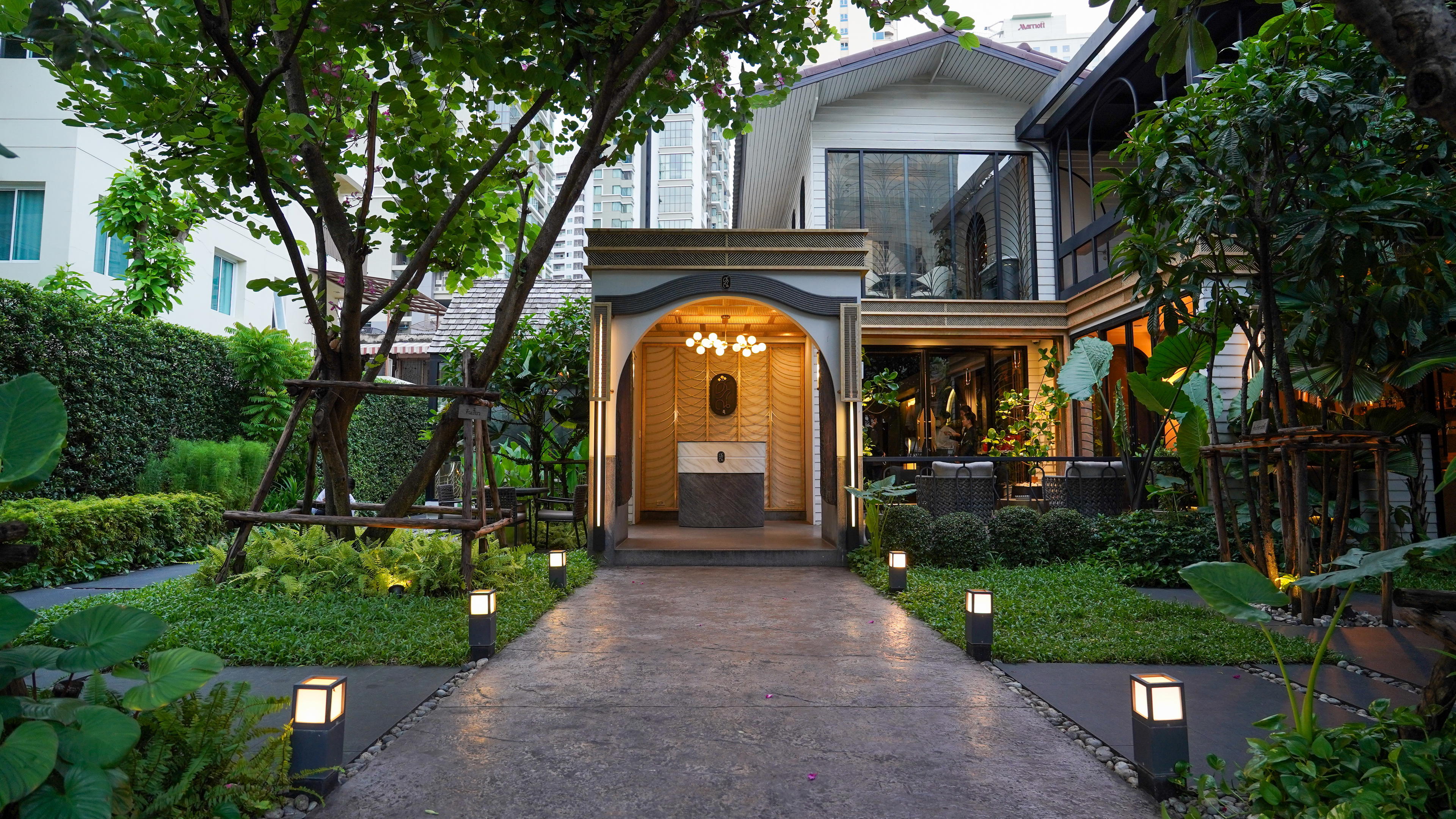
A Sukhumvit Alley, a 90-Year-Old Building, and Southern Thailand on a Plate
The address on Sukhumvit 26 gives little away. From the main road, the soi narrows into the kind of quiet residential lane where residents park motorcycles and hang laundry, not the approach most diners expect before a three-Michelin-star meal. The building itself belongs to an earlier Bangkok, before high-rises defined the skyline. That physical setting does something useful: it signals immediately that Sorn is not performing a version of Southern Thai cuisine dressed up in contemporary design language. The cooking comes from somewhere specific, and the building says so before a single dish arrives.
Bangkok's fine-dining tier has deepened considerably over the past decade. At the summit of that market, several restaurants now hold three Michelin stars: Baan Tepa, Côte by Mauro Colagreco, and Gaa sit in that bracket alongside Sorn, each working a different culinary tradition. What separates Sorn within that cohort is its sourcing geography. Where most high-end Bangkok kitchens draw ingredients nationally or internationally, Sorn draws exclusively from the south: the rivers, coasts, and markets of a region that runs from Chumphon to the Malaysian border.
The Southern Pantry: Why Geography Is the Menu
Southern Thai cuisine operates on different terms from the central Thai cooking most international visitors know. The heat is more insistent, the use of turmeric more pronounced, and the reliance on coconut-rich curries has a different register than the royal-influenced dishes of Bangkok's traditional restaurant culture. Sourcing exclusively from that region is not simply a provenance story; it determines what can appear on the menu and, more importantly, what cannot.
The ingredients that recur in Sorn's multi-course format reflect the coastal and riverine biodiversity of the south: Tapi River prawns from the waterway running through Surat Thani, Phuket lobster from the Andaman Sea, and squid from the same waters. The Tapi River system and the Andaman coastline produce shellfish with flavour profiles shaped by their specific ecosystems, the brackish river conditions, the tidal patterns, the seasonal variation in water temperature. That specificity is what a hyper-local sourcing philosophy at this level actually means: not just sourcing Thai ingredients, but sourcing ingredients that can only come from one stretch of coast or one river basin.
For diners accustomed to the sourcing language of European fine dining, where Breton lobster or Line-caught Cornish bass signals regional precision, Sorn applies equivalent rigour to a culinary geography that most non-Thai diners have not encountered at this depth. Restaurants like Chom Chan in Phuket and Juumpo in Phang Nga operate within the same regional tradition at a different price point, offering useful comparison for those who want to understand Southern Thai cooking across formats before or after visiting Bangkok. PRU in Phuket takes a farm-to-table approach anchored in the same southern region.
The Menu Architecture: From Snacks to Shared Feast
The structure of the meal at Sorn follows a deliberate sequence. The opening phase moves through bite-sized snacks, building an introduction to the flavour framework: the heat levels, the fermented notes, the herbaceous brightness that defines southern cooking. The mid-section incorporates salads, which in the Southern Thai tradition carry more textural complexity and sharper dressing than the dressed greens a Western diner might expect. The meal closes with a shared format, where the larger, ingredient-led preparations arrive at the table together.
Temperature control is treated as a structural element of the meal rather than a kitchen detail. The kitchen brigade is documented as working to deliver dishes at precise temperatures, which means the sequence has a tempo that rewards attention. Photographing dishes at length works against the intended experience; the food is designed to be eaten at the moment of arrival.
The Kan Chu Piang, Sorn's interpretation of Kan Chiang Pu (blue swimmer crab leg), is the dish most cited in coverage of the restaurant. The cultural context matters here: in Thai households, the crab leg is reserved for the senior or most cherished at the table. Sorn's version joins crab roe paste with the swimmer leg meat, served chilled in a small granite mortar with a yellow chilli dip. The dish functions as a cultural reference embedded in technique, the kind of signal that rewards diners who understand what they are being offered.
Spice levels are not moderated for an international audience. That is a deliberate position. The chilli heat of Southern Thai cooking is maintained at the level the cuisine actually demands, which distinguishes Sorn from the smoothed-out versions of Thai fine dining that adjust heat to meet assumed visitor preferences. For the Bangkok fine-dining market more broadly, that commitment represents a minority stance, and it narrows the audience while deepening the experience for those who can engage with it.
Recognition and Where Sorn Sits in the Rankings
The awards record at Sorn is extensive enough to require a calibrated reading rather than a list. Three Michelin stars have been held consecutively through 2024 and 2025. The Opinionated About Dining list, which aggregates rankings from a large pool of experienced diners and industry professionals across Asia, placed Sorn at number one in Asia for both 2024 and 2025, moving up from number two in 2023. The World's 50 Best placed the restaurant at number 56 in 2023, 39 in 2022, and 38 in 2024, with an Asia placement of number 16 in 2025. La Liste scored Sorn at 97 points in 2025 and 98 points in 2026. The Black Pearl awarded one Diamond in 2025.
What the cumulative weight of those results signals, across different evaluation methodologies and voter pools, is that Sorn occupies a consistent position at the summit of its category, with no meaningful disagreement between the major systems about its standing. For diners who cross-reference rankings before booking, the convergence is unusually clear.
Other Southern-influenced Thai cooking in the capital includes Janhom. For a more casual register of Thai regional cooking in Bangkok, Beer Hima in Chatuchak takes a different format. Beyond Bangkok, AKKEE in Pak Kret, Aeeen in Chiang Mai, Angeum in Ayutthaya, and Agave in Ubon Ratchathani map the spread of serious regional cooking across Thailand. The The Spa in Lamai Beach offers a different angle on the southern Thai experience for those travelling to the Gulf coast.
Planning a Visit
Sorn opens Tuesday through Friday and Sunday, 6 to 10 pm, with Saturday the one consistent closure. Reservations are essential and usually need to be secured well in advance. The service team explains the sourcing and cultural context of each dish. Sorn is on Sukhumvit Soi 26 in Bangkok.
| Venue | Cuisine | Price | Michelin | Booking Lead Time |
|---|---|---|---|---|
| Sorn | Southern Thai | ฿฿฿฿ | 3 Stars | Months in advance |
| Baan Tepa | Thai Contemporary | ฿฿฿฿ | 3 Stars | Weeks ahead |
| Gaa | Modern Indian | ฿฿฿฿ | 3 Stars | Weeks ahead |
| Côte by Mauro Colagreco | Mediterranean | ฿฿฿฿ | 3 Stars | Weeks ahead |
What Dish Is Sorn Famous For?
The dish most associated with Sorn in published coverage is Kan Chu Piang, the restaurant's version of Kan Chiang Pu (blue swimmer crab leg). In Thai food culture, the crab leg carries social significance: it is traditionally reserved for the respected or beloved person at the table. Sorn's preparation combines crab roe paste with the swimmer leg meat, served cold in a granite mortar alongside a yellow chilli dip. The dish references both a specific ingredient from Southern Thailand's Andaman-facing fisheries and a cultural hierarchy embedded in how Thais share food at home. Chef Supaksorn "Ice" Jongsiri uses this dish as a point where technique, sourcing, and cultural memory converge. The broader cuisine at Sorn draws on the hyper-local produce of Southern Thailand, including Tapi River prawns and Phuket lobster, but it is the crab preparation that guests and critics return to most consistently as representative of what the kitchen is doing.
Booking and Cost Snapshot
Comparable venues nearby, for context on price, style, and recognition.
| Venue | Cuisine | Price | Awards | Notes |
|---|---|---|---|---|
| SornThis venue — the venue you are viewing | Klong Toei Khwaeng, Fine Southern Thai | $$$$ | Michelin 3 Star | Not listed |
| Sühring | Not listed | $$$$ | Michelin 3 Star | Thung Maha Mek, Modern German Fine Dining |
| Nusara | Sanam Luang, Modern Thai Tasting Menu | $$$$ | Michelin 1 Star | Not listed |
| Gaggan Anand | Khlong Toei Nuae, Progressive Indian | $$$$ | Michelin 1 Star | Not listed |
| Baan Tepa | Wang Thonglang Khwaeng, Thai | $$$$ | Michelin 2 Star | Not listed |
| Nahm | Si Lom, Traditional Thai Fine Dining | $$$$ | Michelin 1 Star | Not listed |
Recognition history
Dated appearances from independent guides and award organizations, with the underlying list record or original source where available.
Black Pearl 1 Diamond
Black Pearl
La Liste Top Restaurants
La Liste
Michelin 3 Stars
Michelin
Opinionated About Dining Top Restaurants in Asia Ranked #1
Opinionated About Dining
Star Wine List
Star Wine List
World's 50 Best Asia's Best Restaurants #12
World's 50 Best
Black Pearl 1 Diamond
Black Pearl
La Liste Top Restaurants
La Liste
Michelin 3 Stars
Michelin
Opinionated About Dining Top Restaurants in Asia Ranked #1
Opinionated About Dining
Tatler Best Restaurants Thailand
Tatler
Tatler Listed in Best Restaurants Asia-Pacific
Tatler
The Best Chef Three Knives
The Best Chef
World's 50 Best Best Restaurants #17
World's 50 Best
World's 50 Best Asia's Best Restaurants #16
World's 50 Best
Michelin 3 Stars
Michelin
Opinionated About Dining Top Restaurants in Asia Ranked #1
Opinionated About Dining
World's 50 Best Best Restaurants #38
World's 50 Best
Opinionated About Dining Top Restaurants in Asia Ranked #2
Opinionated About Dining
World's 50 Best Best Restaurants #56
World's 50 Best
World's 50 Best Best Restaurants #39
World's 50 Best
Continue exploring
More in Bangkok
More from Chef Supaksorn "Ice" Jongsiri
Browse all →
Restaurants in Bangkok
Browse all →
Bars in Bangkok
Browse all →
At a Glance
- Elegant
- Well Known
- Sophisticated
- Intimate
- Special Occasion
- Celebration
- Date Night
- Open Kitchen
- Standalone
- Design Destination
- Sommelier Led
- Extensive Wine List
- Local Sourcing
- Sustainable Seafood
Current opening hours
- Monday
- 6–10 PM
- Tuesday
- 6–10 PM
- Wednesday
- 6–10 PM
- Thursday
- 6–10 PM
- Friday
- 6–10 PM
- Saturday
- Closed
- Sunday
- 6–10 PM
Hours can change for holidays and private events. Last verified .
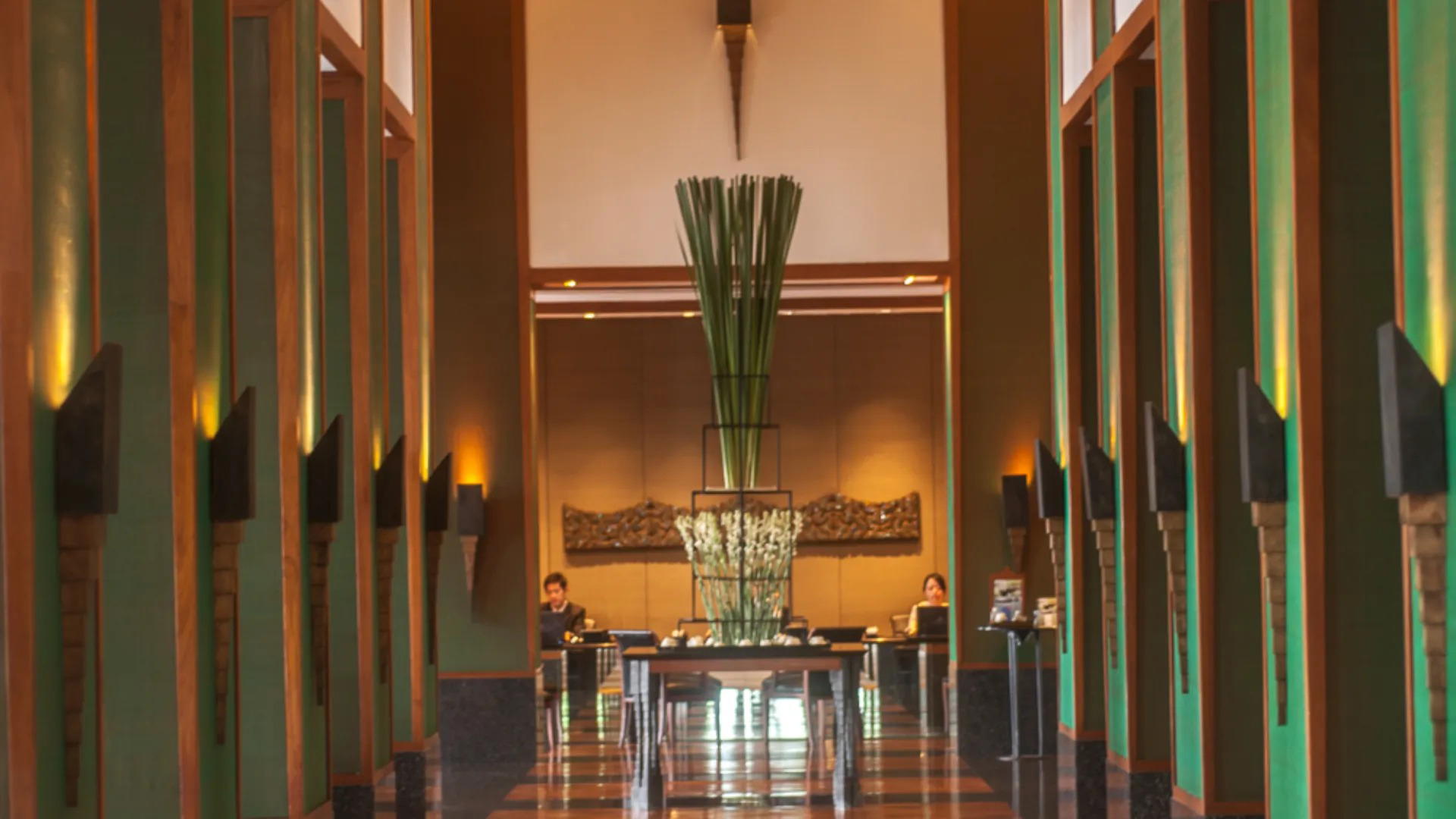
Refined and intimate setting with attentive, knowledgeable staff providing personalized dining experiences in a small-scale venue along a lush street off Sukhumvit Road.