Saison





.png?width=120&quality=80)









2 Michelin Stars · World's 50 Best #22 · La Liste Top Restaurants
Our verdict
Saison belongs to the Bay Area's serious farm-to-table lineage, but its vocabulary is fire, coastal sourcing, and a dining room built around the kitchen rather than separated from it. Richard Lee's current era keeps the restaurant in San Francisco's high-end Progressive American conversation, backed by OAD, La Liste, James Beard, Relais & Châteaux, AAA, and World's 50 Best recognition.

Pearl is the En Primeur Club membership app, where members save venues, book tables and use the concierge.
Saison is a San Francisco restaurant with $$$$ pricing and a smart-casual dress code. Its verified cuisine is Progressive American and Californian, and the chef/owner is Richard Lee. For diners comparing higher-end restaurants in the city, those are the most reliable anchors: the restaurant is positioned around contemporary American cooking with a California frame, without needing to add unverified claims about a specific menu format, room design, cellar, service style, or individual dishes.
The confirmed schedule also points clearly to dinner service rather than lunch. Saison is closed Monday and Sunday, and opens Tuesday through Saturday from 5–9:30 pm. That makes it a planned evening choice in San Francisco, especially for diners looking for a premium restaurant rather than a casual drop-in meal.
Progressive American and Californian cooking in San Francisco
Saison's verified cuisine categories are Progressive American and Californian. Those labels are useful because they place the restaurant within a modern San Francisco context while avoiding over-specific promises about ingredients, techniques, courses, or preparations that are not part of the confirmed record. The safest way to read the restaurant is as a high-end San Francisco dining room led by Richard Lee, with a cuisine identity rooted in contemporary American and California cooking.
For comparison, Harbor House, Progressive American, Californian in Elk is another Northern California restaurant associated with Progressive American and Californian cooking, though it is not in San Francisco. Saison's confirmed setting is San Francisco, and its role is as a city-based, premium option rather than a broad stand-in for the whole region.
The verified recognition available here is limited but useful: Saison appears as a 2026 Relais & Châteaux restaurant.
Richard Lee's Saison
Richard Lee is the verified chef/owner of Saison. That fact is more reliable than building the page around unsupported biographical claims, founding dates, or detailed descriptions of the restaurant's evolution. For a premium guide, the important confirmed point is that the current identity can be described through Lee's leadership, the Progressive American and Californian cuisine listing, and the restaurant's position in San Francisco's high-price tier.
Within San Francisco, diners may naturally compare Saison with other premium restaurants such as Benu, Aphotic, Luce, and The Wild. Each has its own identity, so the practical comparison for Saison should stay grounded in the verified basics: San Francisco, $$$$ pricing, smart-casual dress, Richard Lee, and Progressive American, Californian cuisine.
Diners who need those details should confirm directly with the restaurant before booking.
How to read the room before choosing it
Saison is best approached as a premium San Francisco dinner choice. The confirmed hours are Tuesday through Saturday, 5–9:30 pm, with Monday and Sunday closed. The price level is $$$$, and the dress code is smart casual. Those facts make it more appropriate for a planned dinner than for a quick, informal meal.
For a broader read on the city around it, start with Our full San Francisco restaurants guide, then use the adjacent city guides for where the night can expand: Our full San Francisco hotels guide, Our full San Francisco bars guide, Our full San Francisco wineries guide, and Our full San Francisco experiences guide. San Francisco has a wide range of dining rooms, and Saison should be considered one premium option within that broader city context.
The wider Northern California context can be useful, but the clearest description remains simple: Saison is a San Francisco restaurant serving Progressive American, Californian cuisine under chef/owner Richard Lee, with $$$$ pricing, smart-casual dress, and dinner hours Tuesday through Saturday.
Frequently asked questions
Can I bring kids to Saison?
Saison has $$$$ pricing and dinner hours in San Francisco, so it is best understood as a premium evening restaurant.
Is Saison formal or casual?
Saison lists a smart-casual dress code. It is a $$$$ restaurant in San Francisco serving Progressive American, Californian cuisine, with dinner hours Tuesday through Saturday.
How would you describe the cuisine at Saison?
Saison serves Progressive American, Californian cuisine.
How much does it cost to eat at Saison?
Pricing at Saison is listed as $$$$.
What are the opening hours for Saison?
Hours at Saison: Monday closed; Tuesday 5–9:30 pm; Wednesday 5–9:30 pm; Thursday 5–9:30 pm; Friday 5–9:30 pm; Saturday 5–9:30 pm; Sunday closed.
At-a-Glance Comparison
Comparable venues by cuisine and price in the same metro.
| Venue | Cuisine | Price | Awards |
|---|---|---|---|
| SaisonThis venue (the venue you are viewing) | Modern Fire-Forward Fine Dining | $300–500 | 2 Michelin Stars · World's 50 Best #22 |
| Aphotic | Seafood | Not listed | 1 Michelin Star |
| Benu | Modern Asian Fusion Fine Dining | $150–200 | 3 Michelin Stars · World's 50 Best #33 |
| Luce | European | Not listed | Michelin Plate · Wine Spectator Best of Award of Excellence |
| The Wild | Modern Californian Live-Fire Seafood | $100–150 | Michelin Plate |
| Harbor House | Hyper-local Coastal Fine Dining | Not listed | 2 Michelin Stars · La Liste Top Restaurants |
Recognition history
Dated appearances from independent guides and award organizations, with the underlying list record or original source where available.
Michelin 2 Stars
Michelin
World's 50 Best North America's Best Restaurants #22
World's 50 Best
La Liste Top Restaurants
La Liste
Star Wine List
Star Wine List
James Beard Award Semi Finalist
James Beard Award
Full recognition history (30 entries)
Forbes 5-Star
Forbes
Les Grandes Tables du Monde Member
Les Grandes Tables du Monde
Opinionated About Dining Top Restaurants in North America Ranked #7
Opinionated About Dining
Relais Chateaux Award
Relais Chateaux
San Francisco Chronicle Top 100 Bay Area Restaurants #83
San Francisco Chronicle
Wine Spectator Grand Award
Wine Spectator
AAA 5 Diamond
AAA
Forbes 5-Star
Forbes
La Liste Top Restaurants
La Liste
Michelin 2 Stars
Michelin
Opinionated About Dining Top Restaurants in North America Ranked #3
Opinionated About Dining
Relais Chateaux Award
Relais Chateaux
We're Smart World 1 Radish
We're Smart World
Wine Spectator Grand Award
Wine Spectator
Wine Spectator Best of Award of Excellence
Wine Spectator
World's 50 Best North America's Best Restaurants #21
World's 50 Best
Michelin 2 Stars
Michelin
Opinionated About Dining Top Restaurants in North America Ranked #4
Opinionated About Dining
Opinionated About Dining Top Restaurants in North America Ranked #4
Opinionated About Dining
World's 50 Best Restaurants #98
World's 50 Best
World's Best Wine Lists Awards WBWL 3-Star
World's Best Wine Lists Awards
World's 50 Best Restaurants #46
World's 50 Best
World's 50 Best Restaurants #37
World's 50 Best
World's 50 Best Restaurants #27
World's 50 Best
Robb Report 100 Greatest American Restaurants of the 21st Century #9
Robb Report
Continue exploring
More in San Francisco
Restaurants in San Francisco
All restaurants in San Francisco →
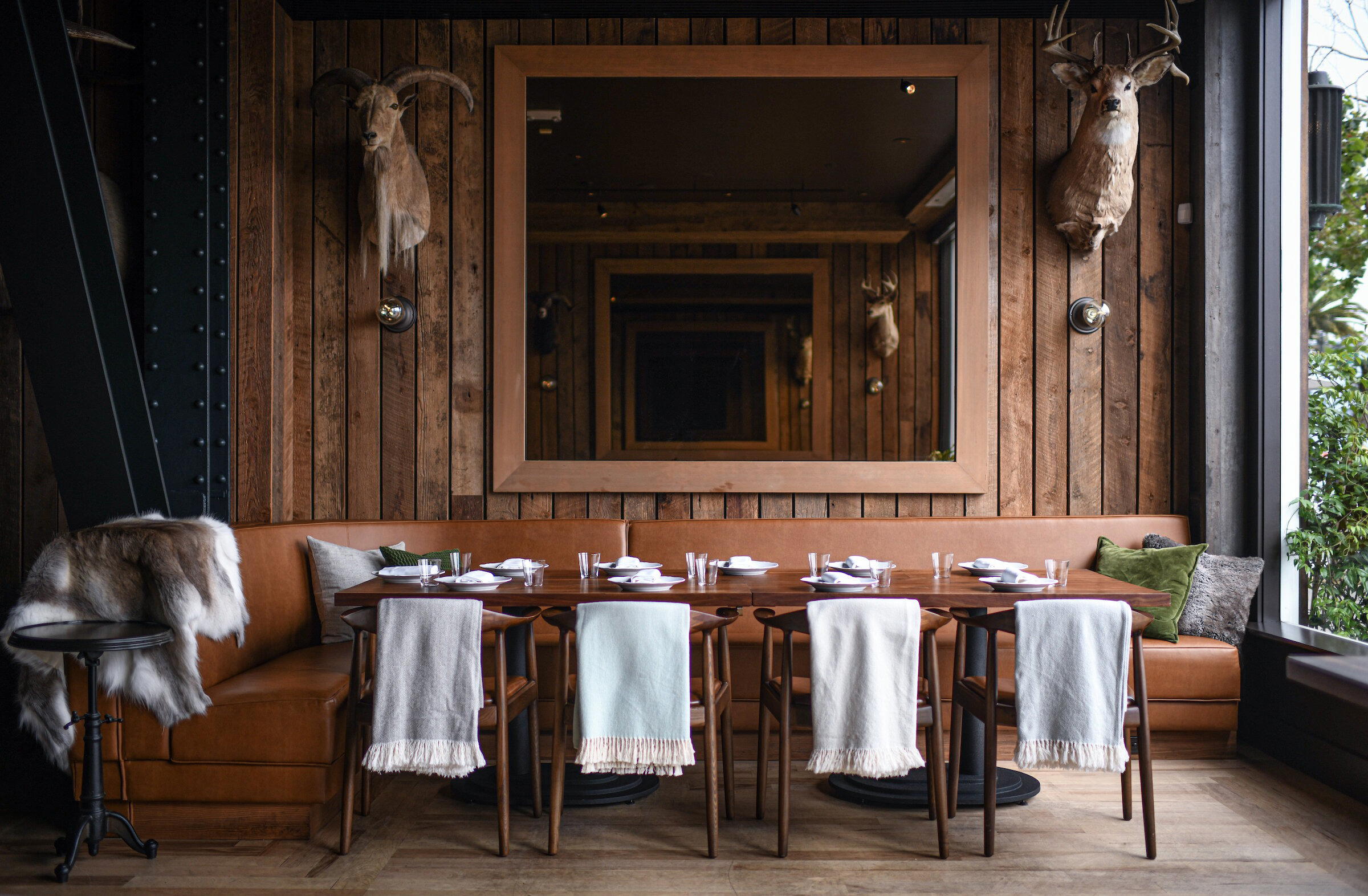
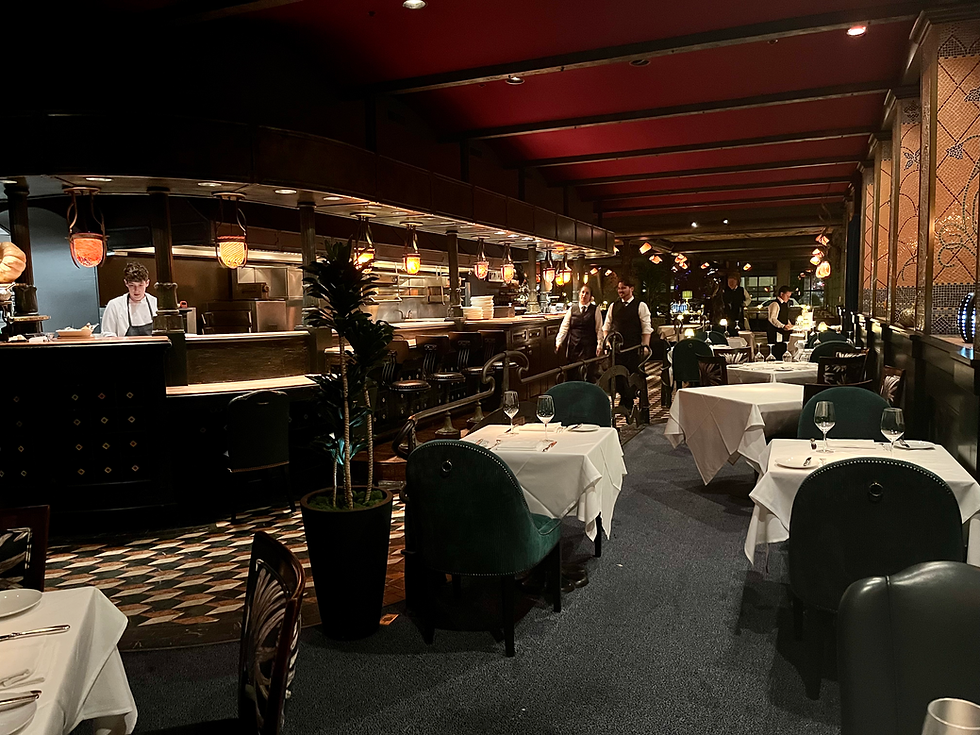
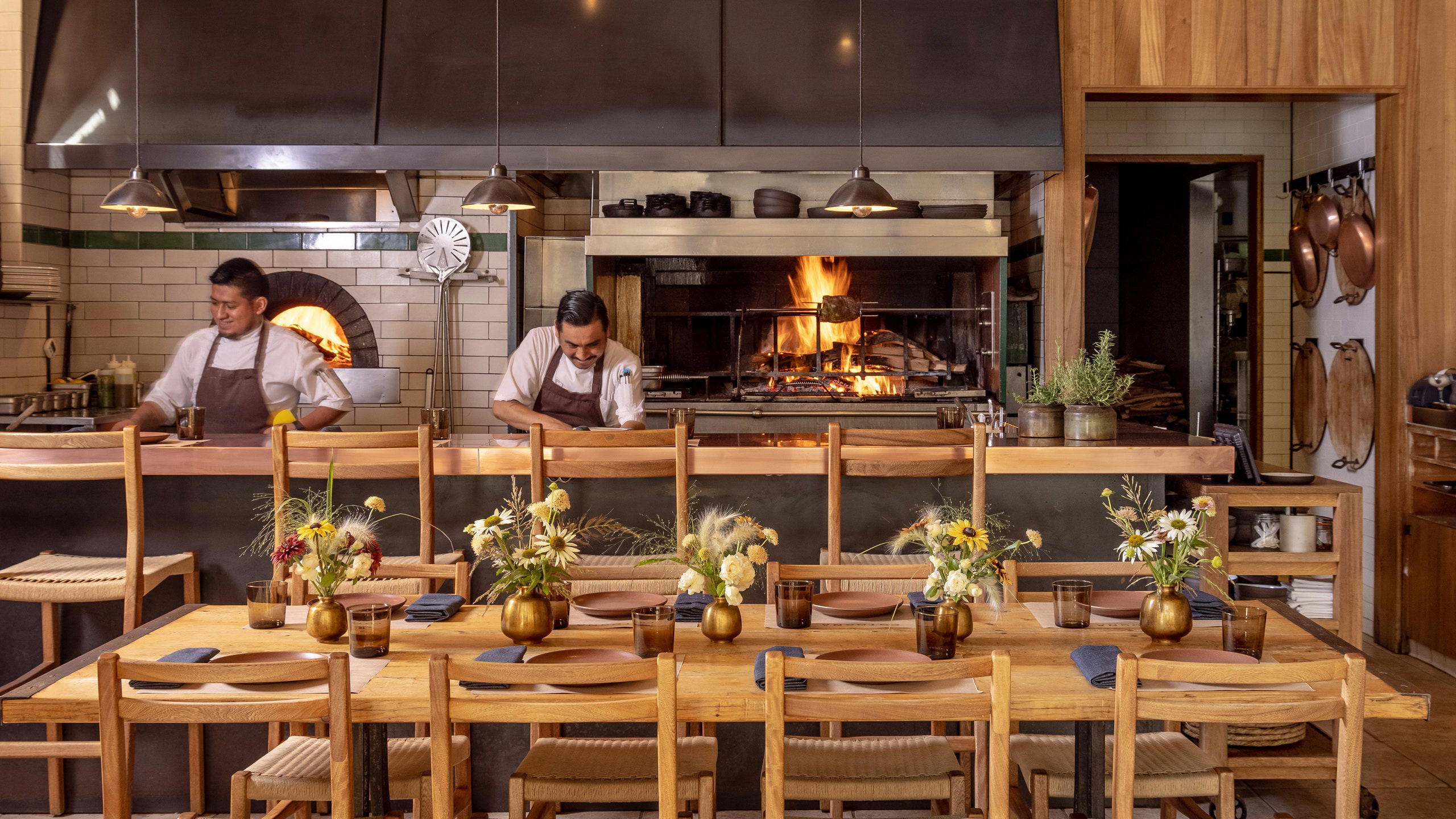
Bars in San Francisco
All bars in San Francisco →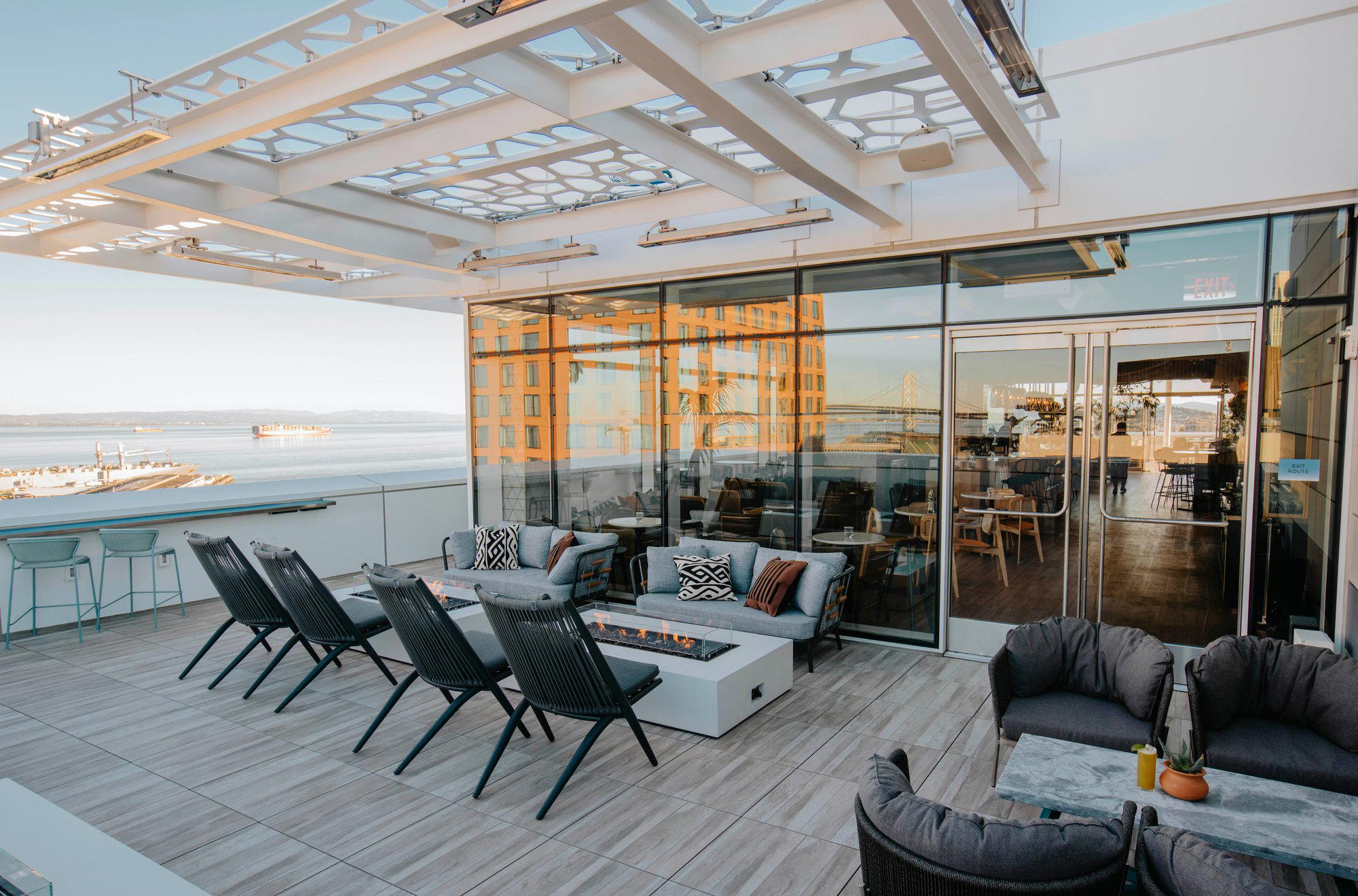
Saison
The wine
Saison holds the Wine Spectator Grand Award, which Wine Spectator gives to lists of usually 1,000 or more selections.
- Wine program
- Deep wine list
- Wine Spectator
- Wine Spectator Grand Award
- Selections
- 2,540
- Bottles in cellar
- 9,285
- List strengths
- Burgundy, Bordeaux, California, Rhône
- Wine director
- Mark Bright, Molly Greene
- Extensive wine list
- Sommelier-led
Details
- Elegant
- Sophisticated
- Intimate
- Modern
- Date Night
- Special Occasion
- Celebration
- Open Kitchen
- Extensive Wine List
- Sommelier Led
- Local Sourcing
- Tasting Menu
- Wine
- Vegetarian Friendly
Current opening hours
- Monday
- Closed
- Tuesday
- 5–9:30 PM
- Wednesday
- 5–9:30 PM
- Thursday
- 5–9:30 PM
- Friday
- 5–9:30 PM
- Saturday
- 5–9:30 PM
- Sunday
- Closed
Hours can change for holidays and private events. Hours as of .
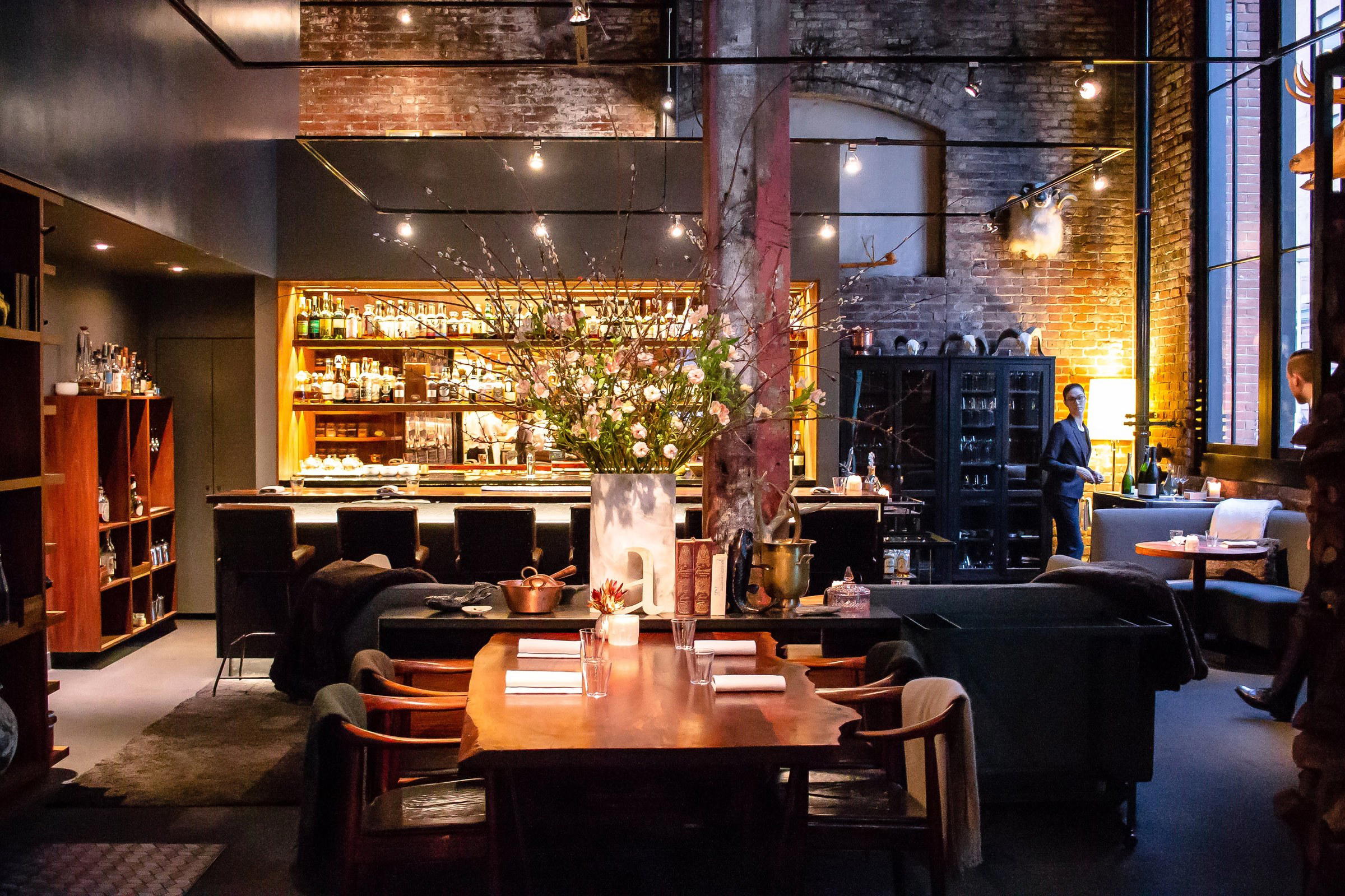
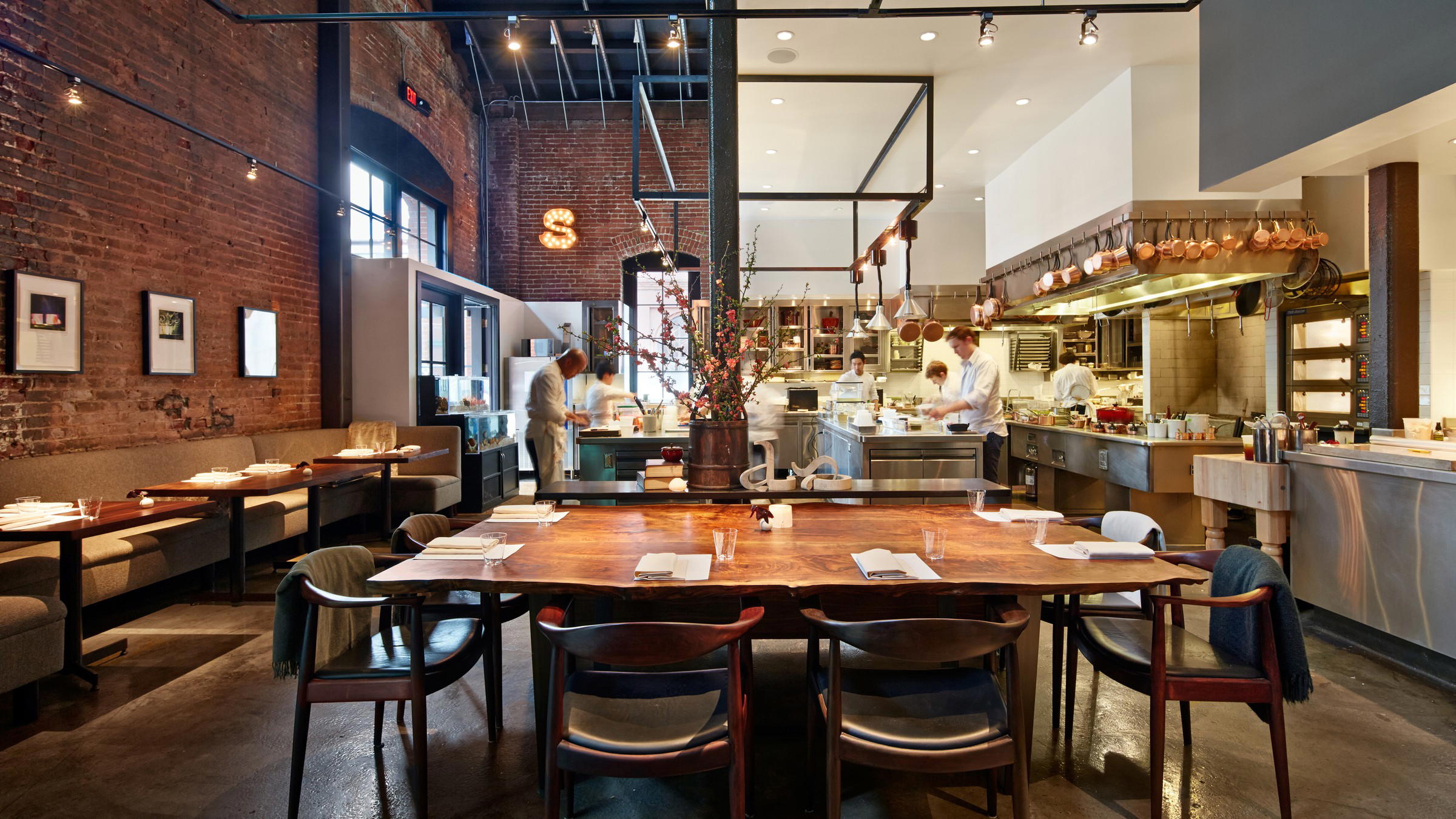
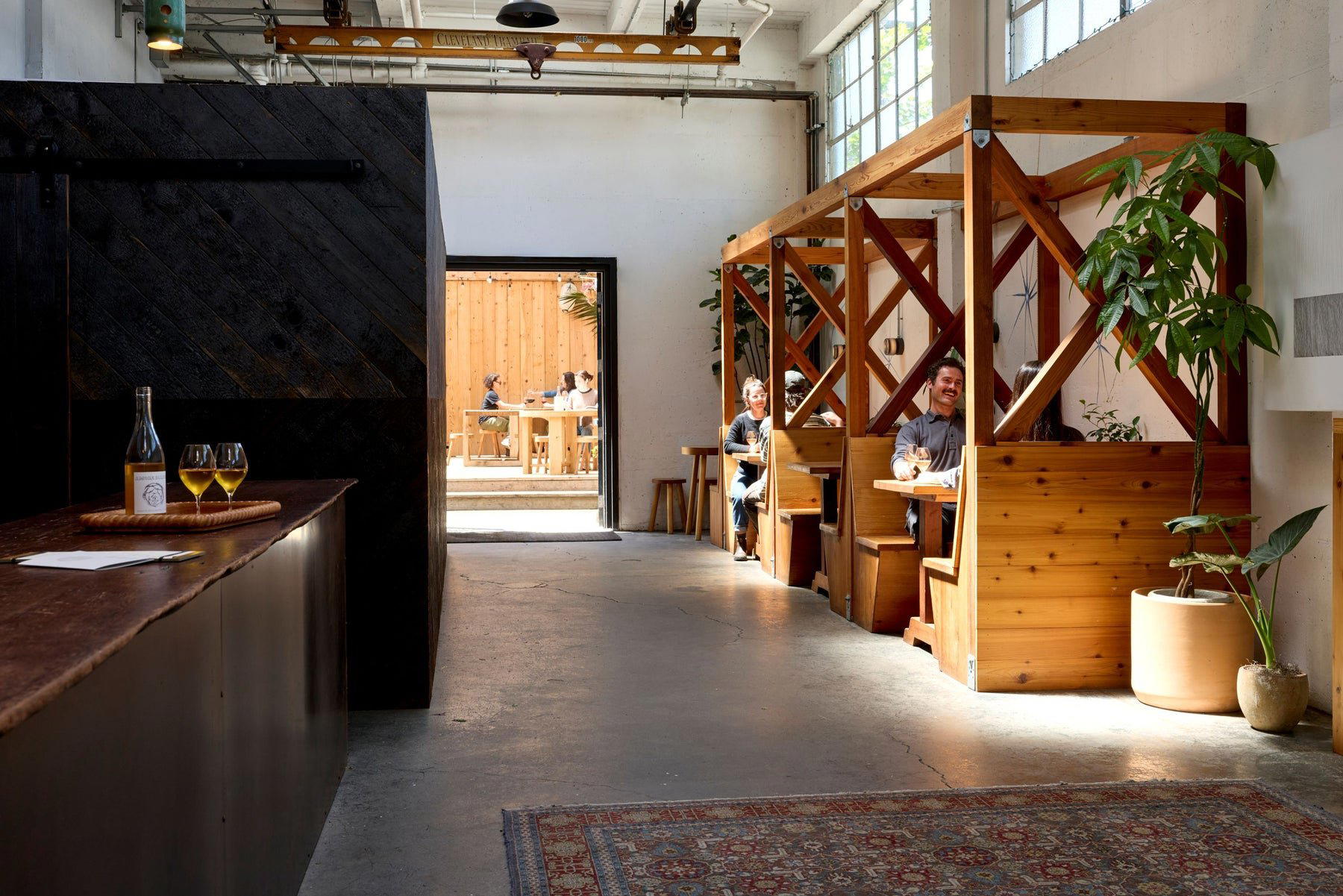
Rustic-chic warehouse with exposed brick, reclaimed wood, soaring ceilings, and dramatic open kitchen illuminated by the striking wood-fired hearth.