Trèsind Studio










Trèsind Studio sits in Dubai’s high-spend Indian dining tier, where tasting-menu structure, spice technique, and theatre carry more weight than à la carte familiarity. Himanshu Saini’s 20-seat format has serious external validation: Michelin three stars in 2025, OAD Top Restaurants in Asia Ranked #2 in 2026, La Liste 93 points in 2026, and Tatler Best Middle East Restaurant of The Year 2025.
Pearl is the En Primeur Club membership app — saves, bookings, and concierge access live there. Same editors, same standards.
- Address
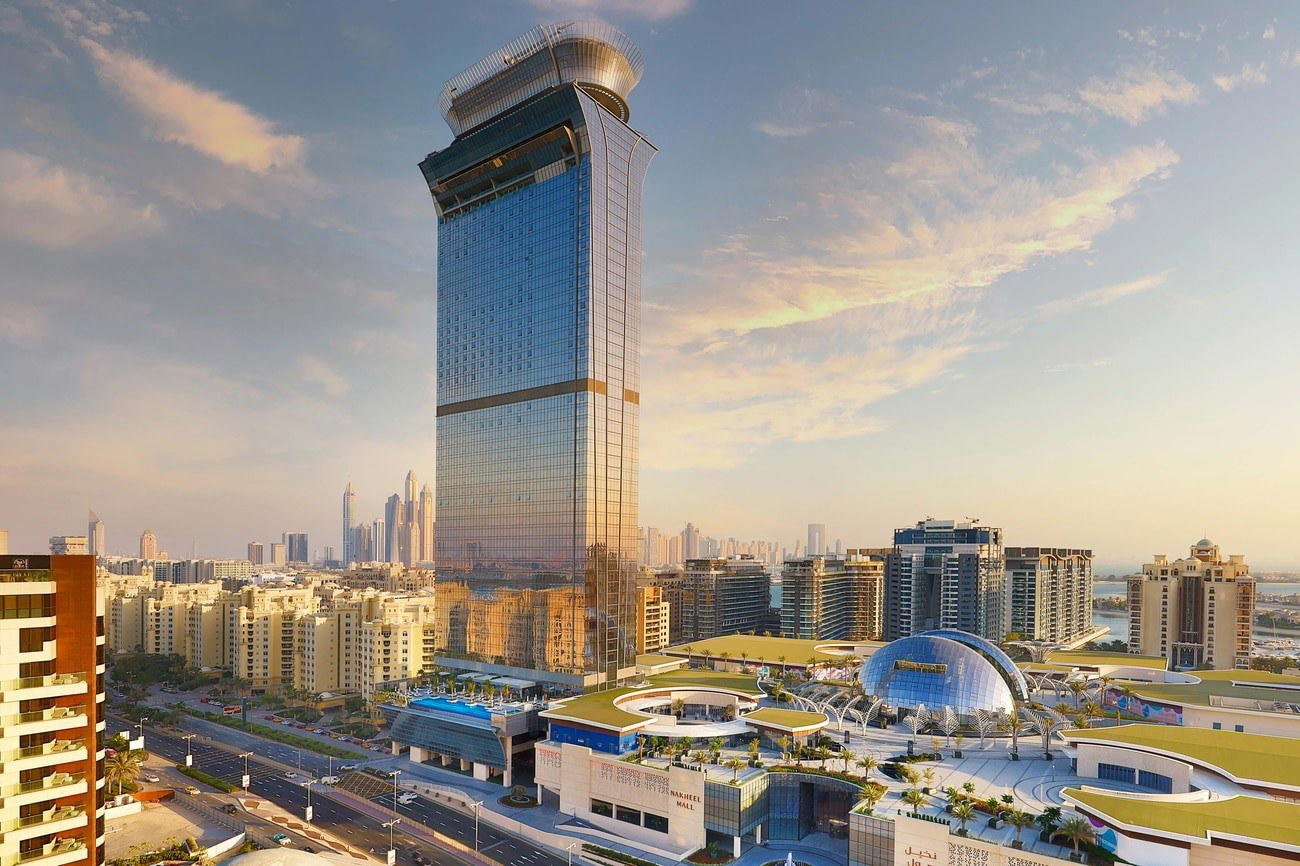
- St. Regis Gardens Entrance B - The Palm Jumeirah - Dubai - United Arab Emirates
- Phone
- +971 58 895 1272
- Website
- tresindstudio.com
- Directions
- Get directions
 Saves & bookings on Pearl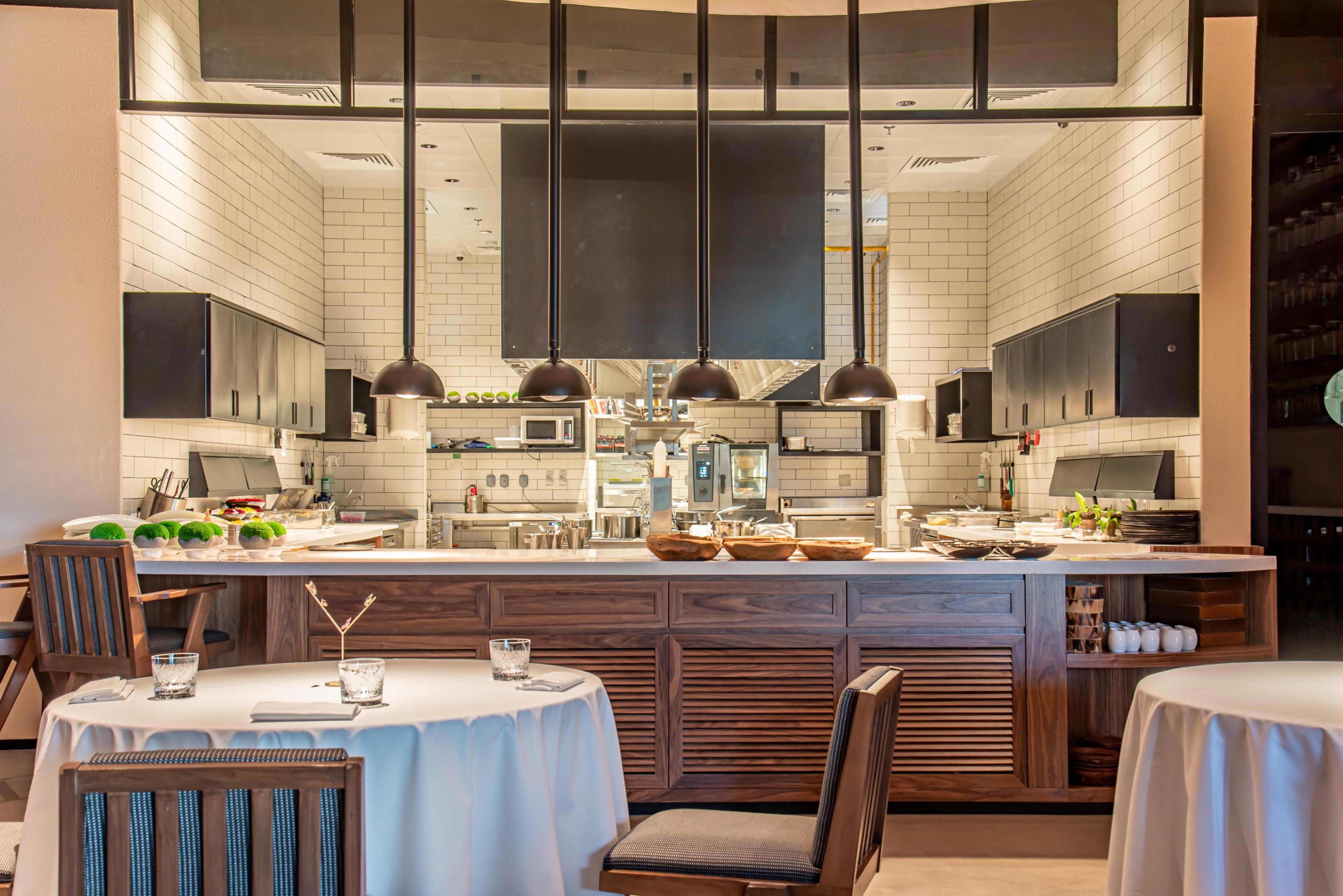
Trèsind Studio is an Indian restaurant in Dubai from chef Himanshu Saini. With a $$$$ price level and evening hours from Monday to Saturday, it belongs in the city’s high-end Indian dining conversation, but the verified public details are limited: Indian cuisine, chef/owner, price level, hours, and smart-casual dress code are the practical anchors to plan around.
For diners comparing Indian restaurants in Dubai, the safest way to frame Trèsind Studio is by those confirmed basics rather than by unverified claims about format, awards, dishes, room size, or service style. It is a premium Indian restaurant in Dubai, open in the evening six days a week, with Sunday listed as closed.
Spice as structure, not decoration
Trèsind Studio is verified as an Indian restaurant, and that is the most important culinary signal for guests deciding whether it fits their itinerary. The page should not overstate specific dishes, regional routes, menu structure, or techniques unless those details are confirmed. What can be said clearly is that the restaurant sits within Dubai’s broader Indian dining scene and is associated with chef Himanshu Saini.
That makes it a relevant choice for diners looking for a high-end Indian meal in Dubai. If you are choosing between venues, compare confirmed basics first: cuisine, price level, opening days, and dress expectations. Trèsind Studio is listed as Indian, $$$$, open Monday to Saturday from 6 PM to 12 AM, closed Sunday, and smart casual.
Saini’s name is central to the verified profile. Beyond that, specific career history, opening dates, named dishes, or menu narratives should be treated cautiously unless confirmed directly at booking or by the restaurant.
A premium Dubai dinner to plan deliberately
The verified hours point to an evening-only planning window: Monday through Saturday, 6 PM to 12 AM, with Sunday closed.
The $$$$ price level also makes Trèsind Studio a deliberate booking rather than a casual add-on. In Dubai’s Indian dining field, Avatara Restaurant is another high-end Indian reference point, while Indego by Vineet, Indikaya, Jamavar, and Trèsind offer other Indian dining comparisons. The useful question is not which venue has the loudest reputation, but which one leading matches the evening you want.
No verified beverage-program details, cellar awards, or pairing claims are available here, so those should be checked directly with the restaurant if they matter to your booking.
How it fits into Dubai's Indian dining map
Dubai has a deep Indian dining culture, from everyday restaurants to premium rooms. Trèsind Studio fits the premium end of that map based on its $$$$ price level, Indian cuisine, and chef Himanshu Saini connection. More specific claims about rankings, star ratings, dish sequences, seating, or theatrical service should not be treated as confirmed from the available verified data.
For travellers building a Dubai food itinerary, the decision is allocation. Dinner here falls within a high-end price bracket, so it suits a planned evening rather than a spontaneous stop. Readers mapping the city can place it against our full Dubai restaurants guide, then build the trip through our full Dubai hotels guide, our full Dubai bars guide, our full Dubai wineries guide, and our full Dubai experiences guide. For wider context, compare it with other dining in Dubai and the UAE generically rather than relying on unverified venue-to-venue claims.
The editorial case is direct: Trèsind Studio is a $$$$ Indian restaurant in Dubai from Himanshu Saini, open for evening service Monday to Saturday, with smart-casual dress. Those are the confirmed planning facts; for menu format, specific dishes, seating, drinks, or current accolades, confirm directly before booking.
How Trèsind Studio Dubai compares with similar nearby venues.
| Venue | Cuisine | Price | Awards |
|---|---|---|---|
| Trèsind Studio | Indian | $$$$ | Michelin 3 Stars, World's 50 Best MENA's Best Restaurants #3 (2026), World's 50 Best Restaurants #27 (2025) |
| Trèsind | Indian | $$$$ | Not listed |
| Indego by Vineet | Indian | $$$ | Not listed |
| Avatara Restaurant | Indian | $$$$ | Not listed |
| Jamavar | Indian | $$$ | Not listed |
| Indikaya | Indian | $$$ | Not listed |
Recognition history
Dated appearances from independent guides and award organizations, with the underlying list record or original source where available.
Gault & Millau UAE Selected Restaurant
Gault & Millau · Gault & Millau UAE 2026 - Selected Restaurant
La Liste Top Restaurants
La Liste
Opinionated About Dining Top Restaurants in Asia Ranked #2
Opinionated About Dining
World's 50 Best MENA's Best Restaurants #3
World's 50 Best
La Liste Top Restaurants
La Liste
Michelin 3 Stars
Michelin
Tatler Listed in Best Restaurants Middle East
Tatler
Tatler Best Middle East: Best Innovation
Tatler
Tatler Best Middle East: Restaurant of The Year
Tatler
Tatler Restaurant of The Year
Tatler
Tatler Best Innovation
Tatler
The Best Chef Three Knives #3
The Best Chef
World Culinary Awards Middle East's Best Indian Cuisine Restaurant 2025 #1
World Culinary Awards
World Culinary Awards World's Best Indian Cuisine Restaurant 2025 #1
World Culinary Awards
World's 50 Best Best Restaurants #27
World's 50 Best
World's 50 Best MENA's Best Restaurants #2
World's 50 Best
Michelin 2 Stars
Michelin
Opinionated About Dining Top Restaurants in Asia Ranked #2
Opinionated About Dining
Star Wine List
Star Wine List
World's 50 Best Best Restaurants #13
World's 50 Best
World's Best Wine Lists Awards WBWL 2-Star
World's Best Wine Lists Awards
World's Best Wine Lists Awards WBWL Category Winner
World's Best Wine Lists Awards
Opinionated About Dining Top Restaurants in Asia Ranked #10
Opinionated About Dining
World's 50 Best Best Restaurants #11
World's 50 Best
At a Glance
- Intimate
- Elegant
- Sophisticated
- Special Occasion
- Celebration
- Date Night
- Open Kitchen
- Rooftop
- Standalone
- Design Destination
- Craft Cocktails
- Sommelier Led
- Local Sourcing
- Organic
- Sustainable
- Garden
Current opening hours
- Monday
- 6 PM–12 AM
- Tuesday
- 6 PM–12 AM
- Wednesday
- 6 PM–12 AM
- Thursday
- 6 PM–12 AM
- Friday
- 6 PM–12 AM
- Saturday
- 6 PM–12 AM
- Sunday
- Closed
Hours can change for holidays and private events. Last verified .
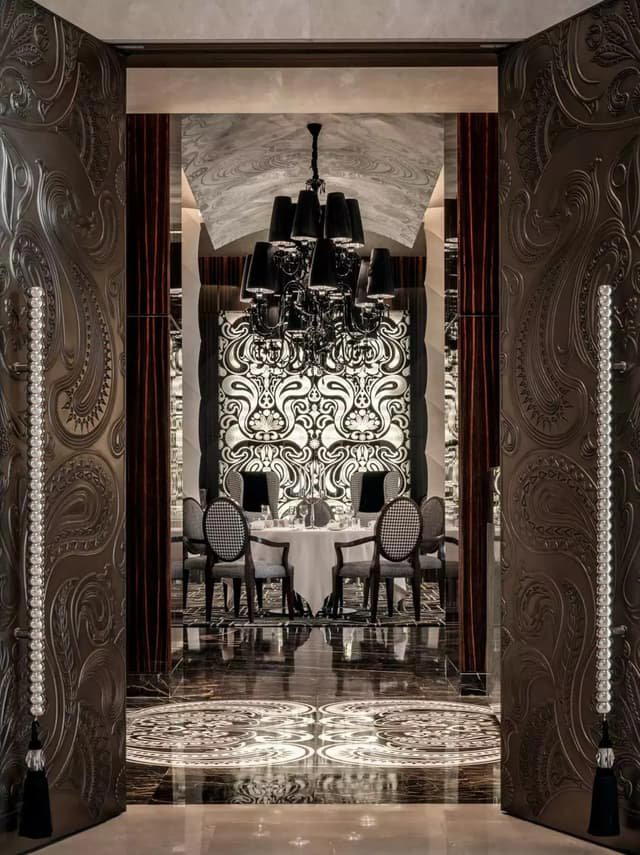
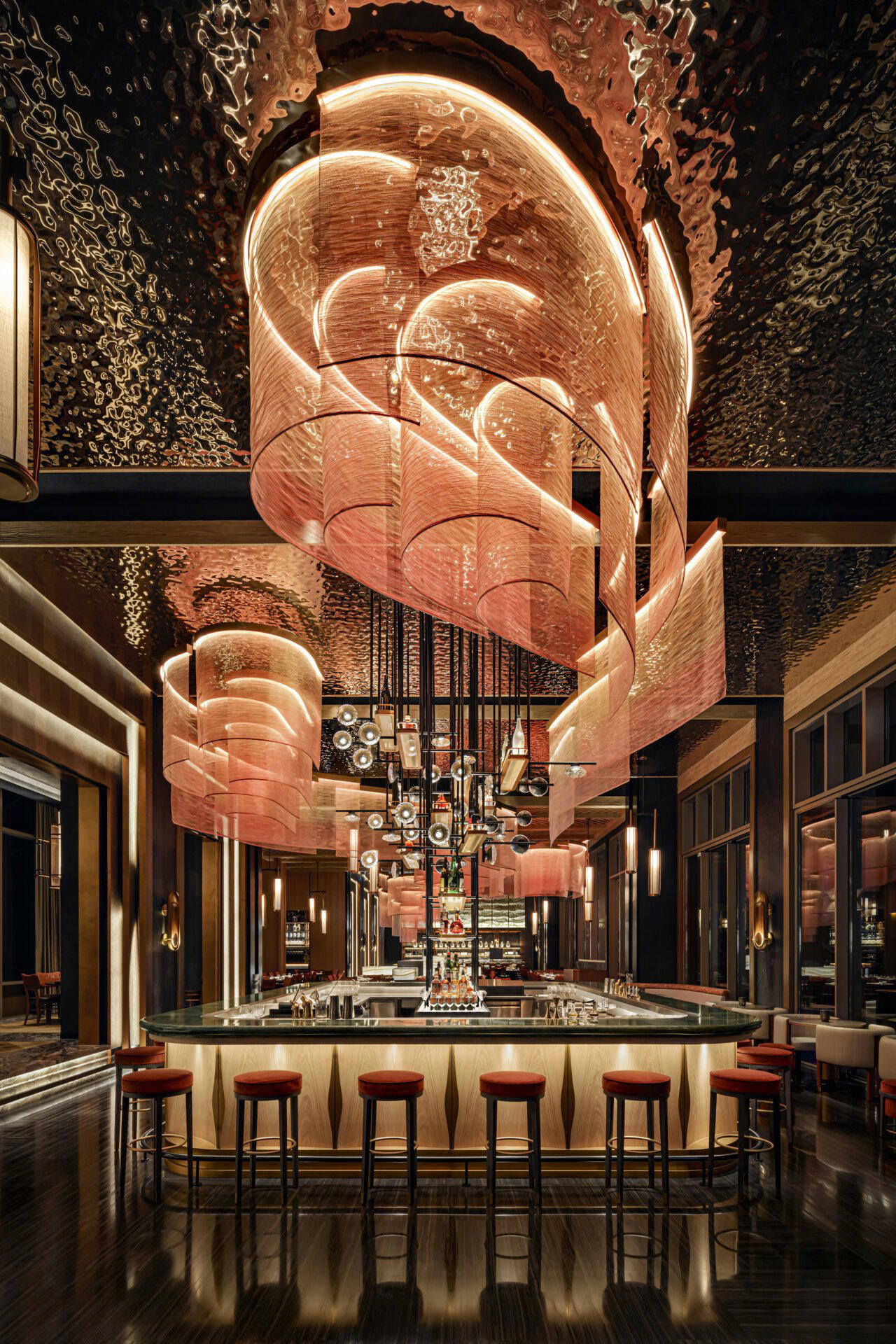
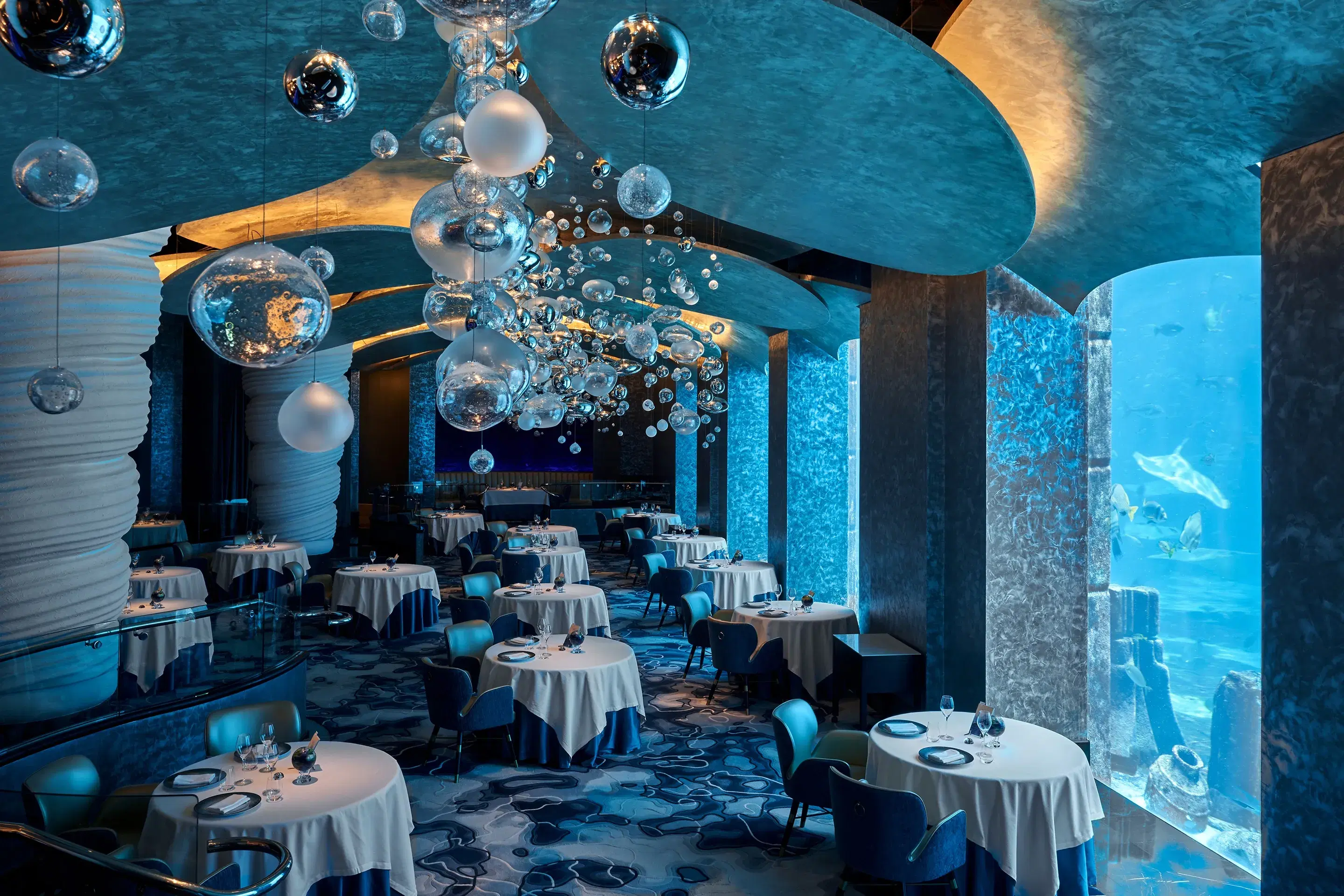
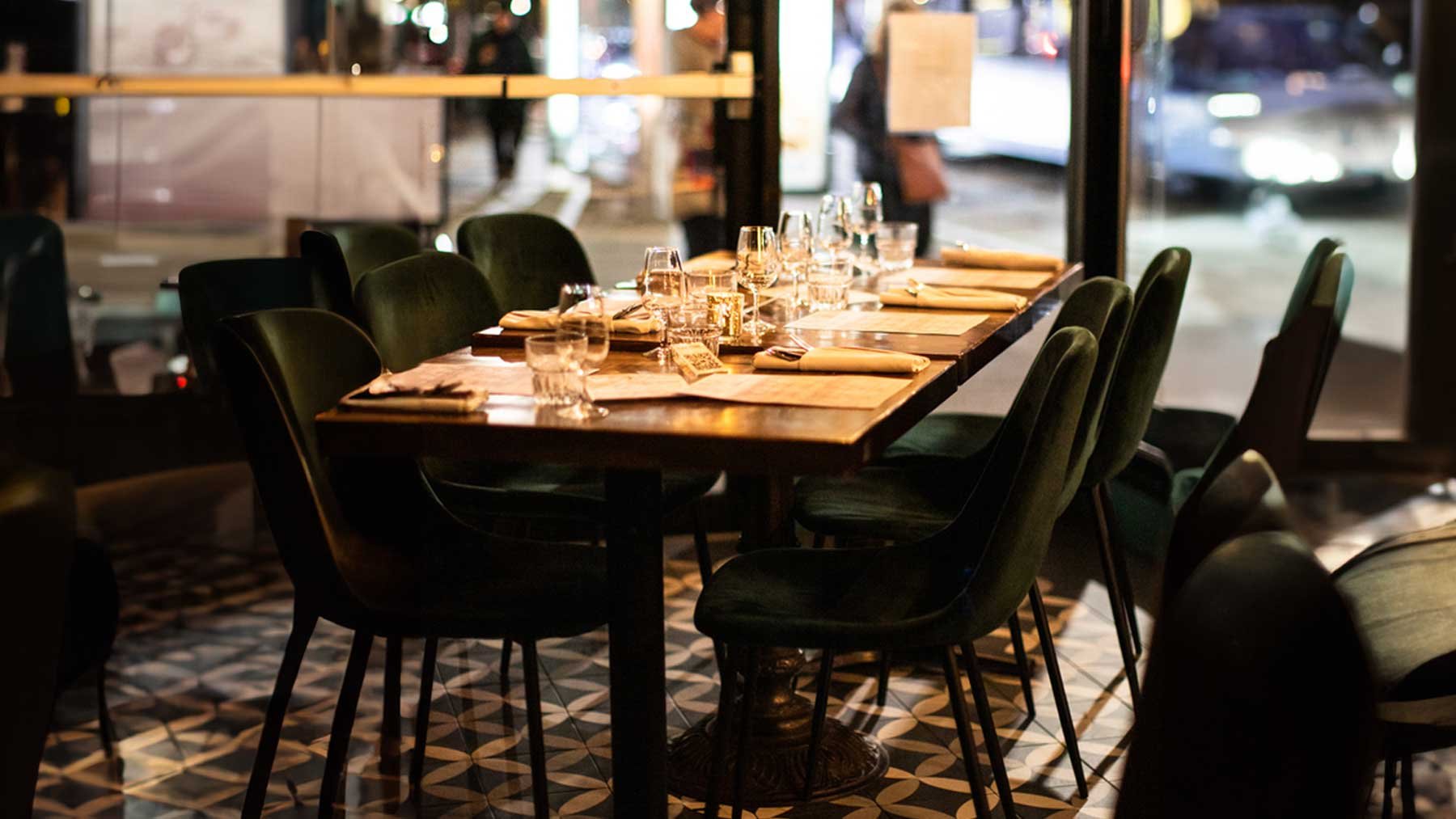
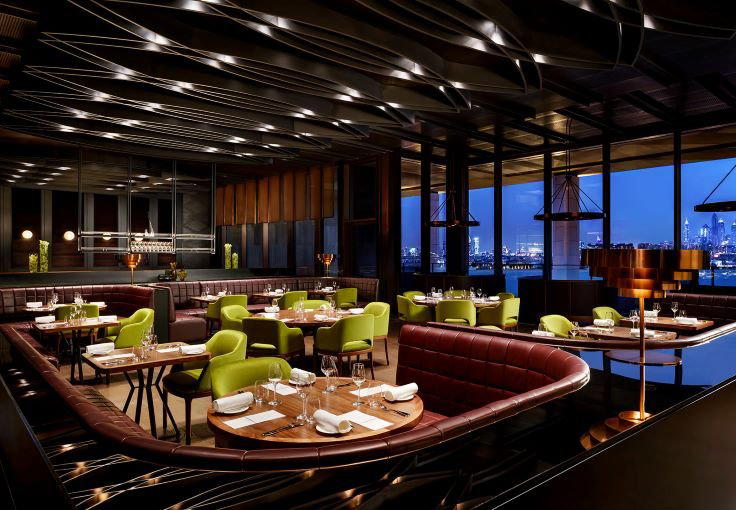
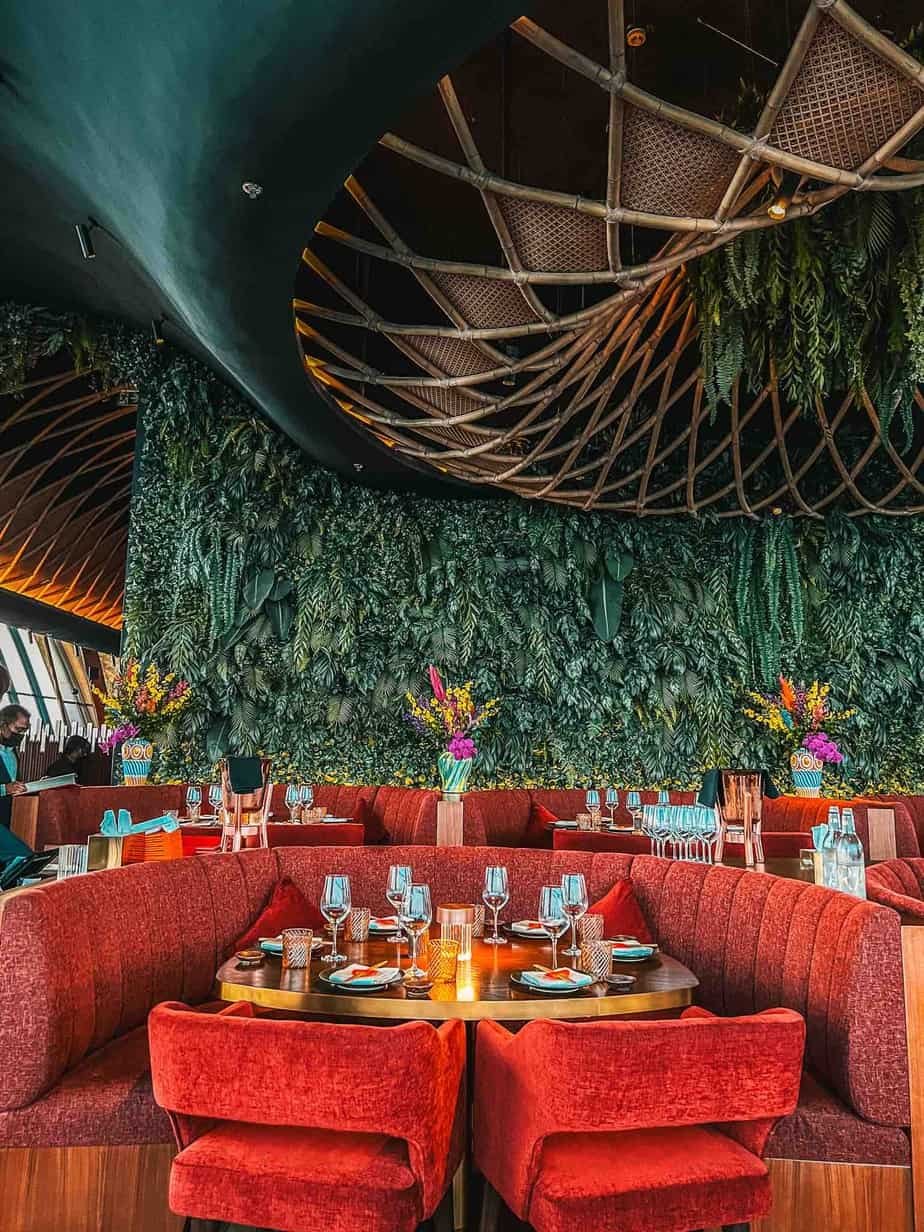
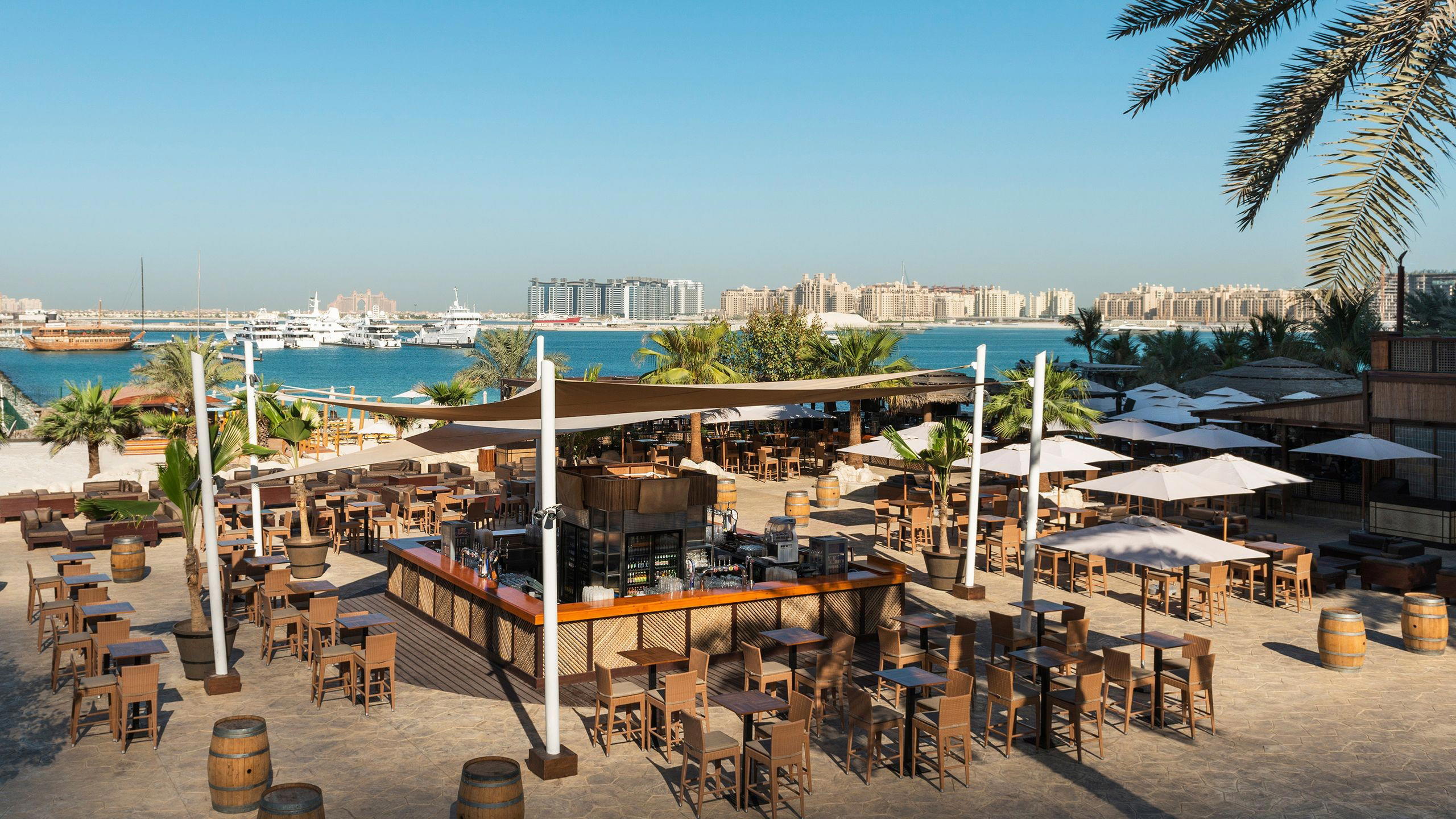
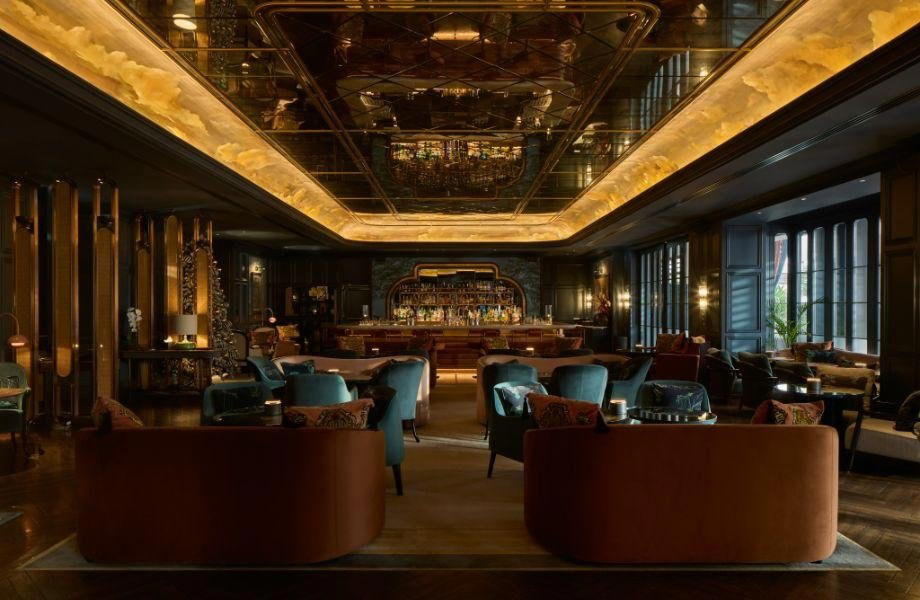
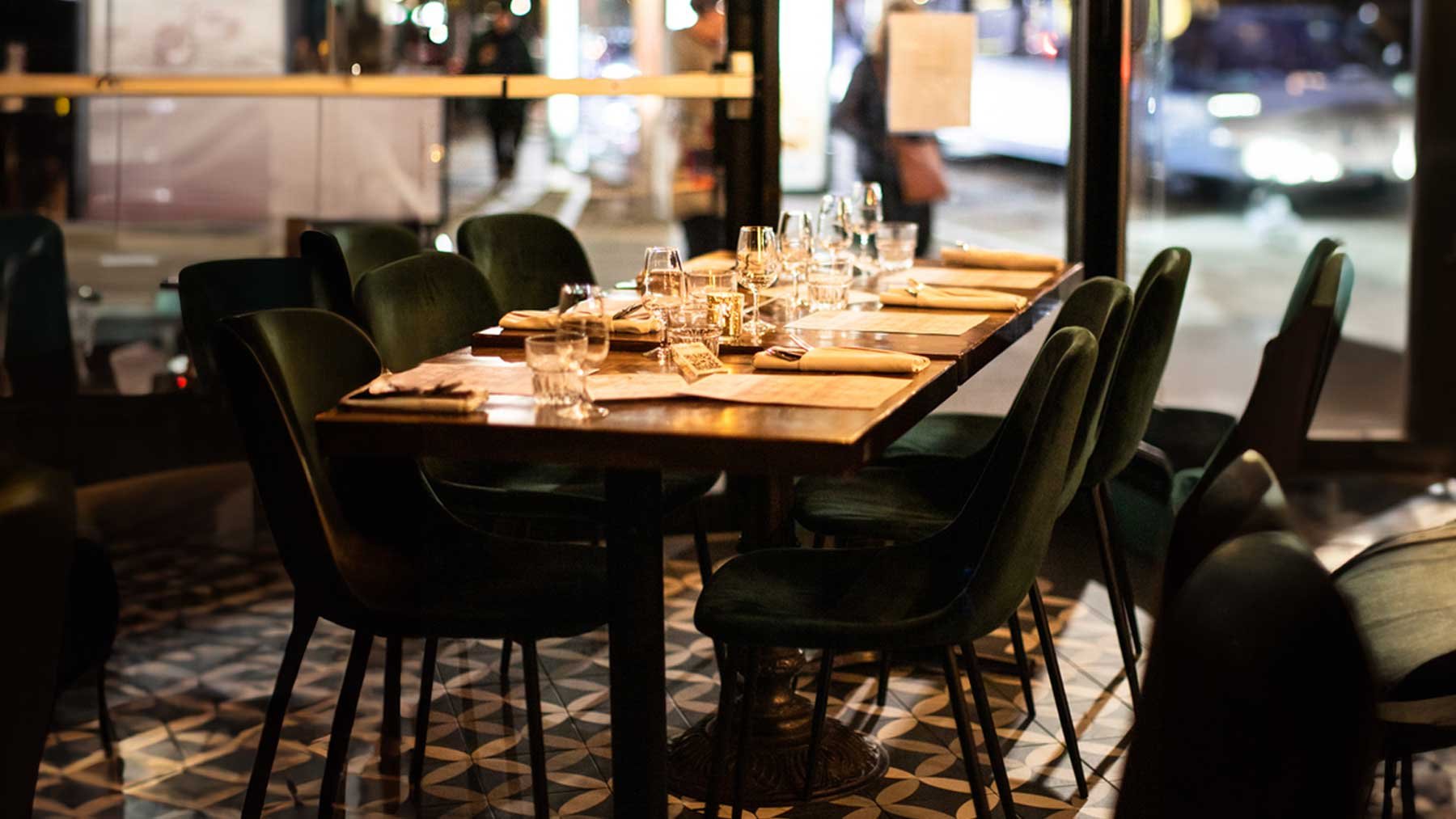
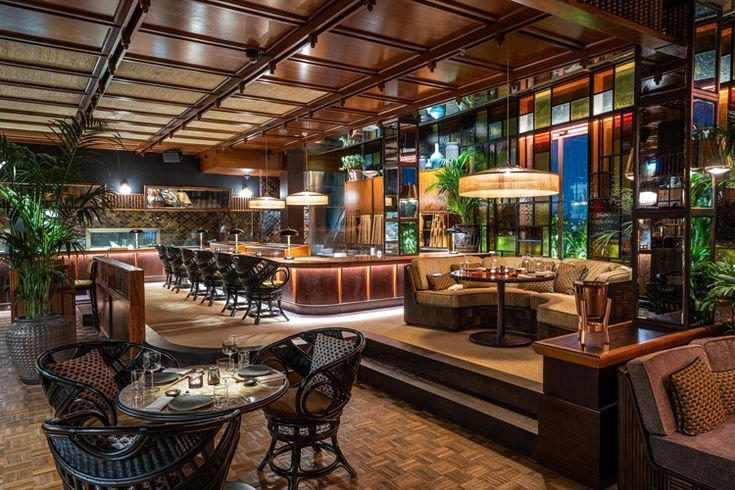
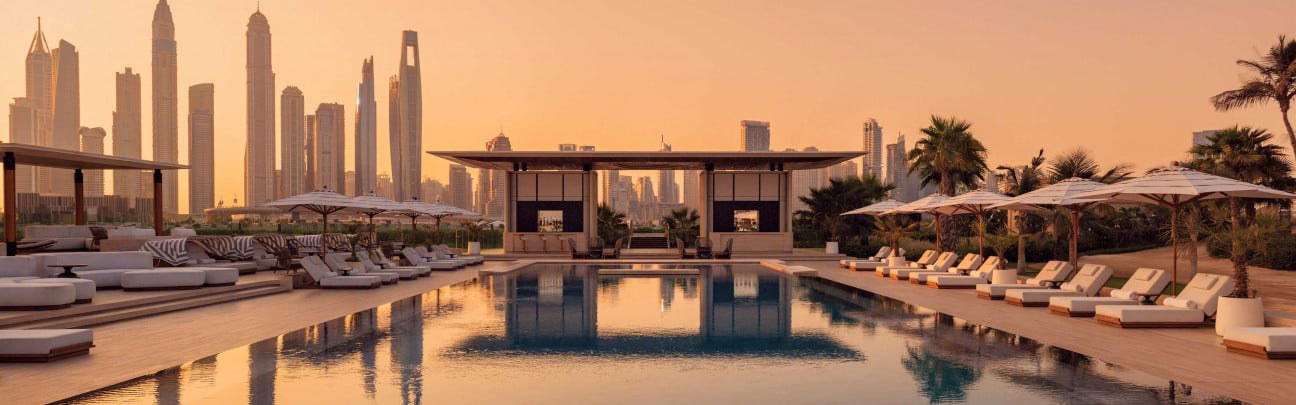
Intimate and theatrical with darkly furnished, austere main dining space featuring an open kitchen view; rooftop garden location creates a magical, exclusive atmosphere with carefully curated artistic details throughout.
Know Before You Go
- Reservations
- Essential
- Dress code
- Smart casual
- Getting there
- St. Regis Gardens Entrance B - The Palm Jumeirah - Dubai - United Arab Emirates