








1 Michelin Star · World's 50 Best #25 · La Liste Top Restaurants
Our verdict
Potong places Bangkok's Thai-Chinese fine dining conversation inside a restored Chinatown pharmacy building, using a 20-course tasting format to translate wok heat, preserved ingredients, and Sino-Thai memory into a contemporary dining sequence. Chef Pichaya “Pam” Soontornyanakij's restaurant carries strong external recognition, including Asia's 50 Best Restaurants No.13 in 2025, La Liste 93 points in 2026, and OAD Asia ranking in 2026.

Pearl is the En Primeur Club membership app — saves, bookings, and concierge access live there. Same editors, same standards.
- Address
- 422 Vanich 1 Rd, Samphanthawong, Bangkok 10100, Thailand
- Phone
- +66 82 979 3950
- Hours
- Mon–Tue 4:30–11 PMWed ClosedThu–Sun 4:30–11 PM
- Website
- restaurantpotong.com
- Directions
- Get directions
- Booking
- Book on Chope
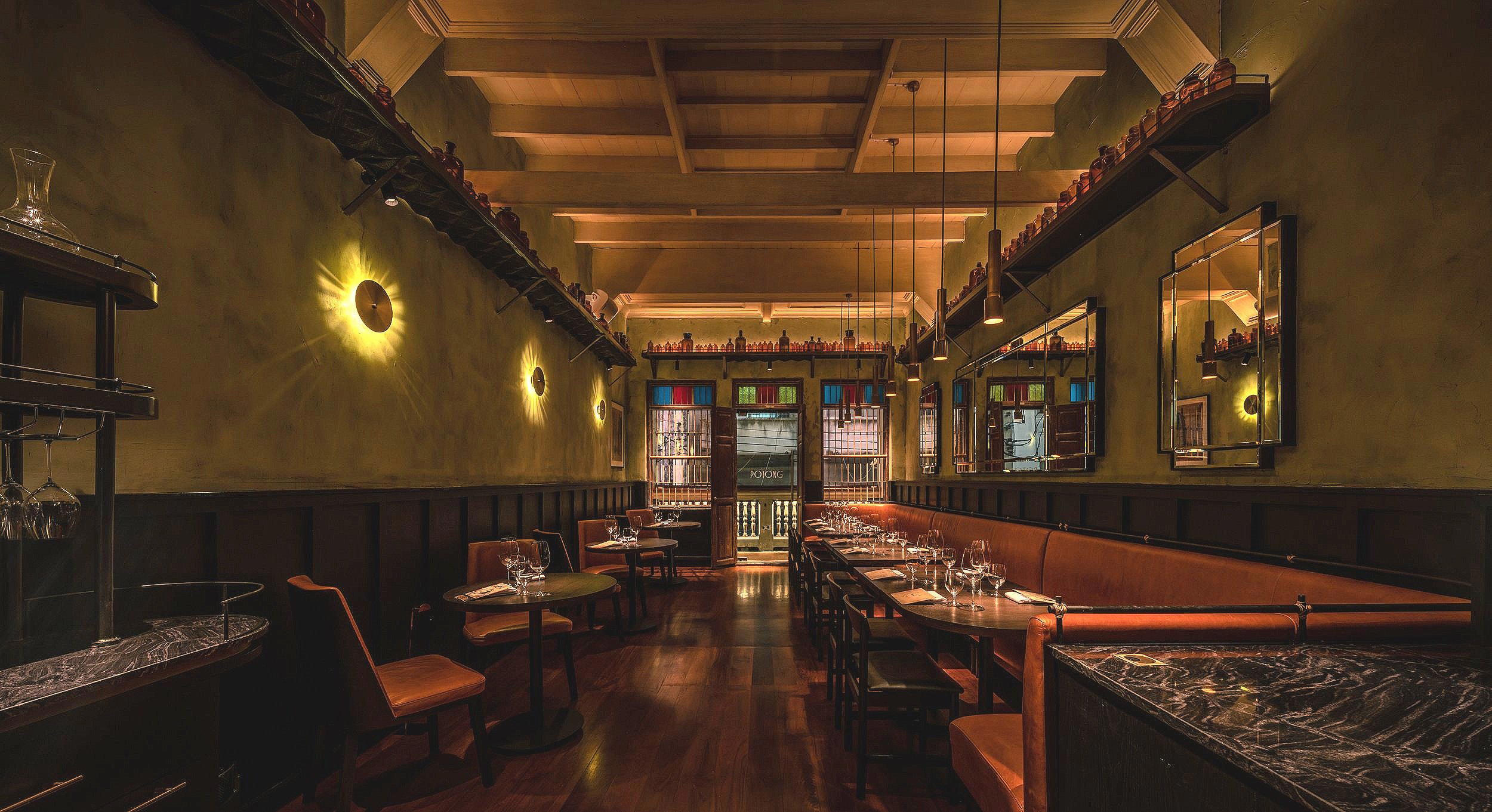
Potong is a Bangkok restaurant focused on Thai-Chinese and innovative cuisine, led by chef-owner Pichaya “Pam” Soontornyanakij. The verified profile is concise but important: it places the restaurant in Bangkok, connects it to modern Sino-Thai cooking, and identifies it as a premium dining room with a ฿฿฿฿ price level and smart casual dress code.
Opened in 2021 in Bangkok, Potong is described as a vision of modern Sino-Thai cuisine. That context matters because Thai-Chinese food reflects the heritage of a meaningful share of Thailand's population, including chef Pam's own background. The restaurant's appeal should therefore be read through that lens: Thai-Chinese cooking interpreted in an innovative, contemporary way.
Wok logic slowed into a Thai-Chinese menu
Bangkok has many ways to experience Thai-Chinese food, from everyday comfort cooking to more formal, chef-led dining. Potong belongs to the latter category: it is not simply a casual stop, but a Bangkok restaurant presenting Thai-Chinese and innovative cuisine with a premium positioning.
For diners comparing styles, Urai Braised Goose, Chop Chop Cook Shop, Lim Lao Ngow (Samphanthawong), Guay Jub Ouan Pochana, and Khao San Sek represent other Thai-Chinese reference points with different levels of formality and rhythm. Potong's role is more explicitly contemporary and chef-driven, centered on chef-owner Pichaya “Pam” Soontornyanakij.
The safest way to understand the restaurant is not through unverified dish lists or menu counts, but through its verified culinary identity: Thai-Chinese and innovative. Expect the restaurant's public story to emphasize Sino-Thai heritage, modern interpretation, and Bangkok as the setting.
For readers mapping Bangkok dining beyond one reservation, Potong can be considered alongside other Bangkok dining rooms generically, especially those interested in how local and inherited cuisines are interpreted in contemporary restaurant formats. Its lane is specific: Thai-Chinese cuisine in a premium Bangkok context.
A chef-led Bangkok restaurant with modern Sino-Thai focus
Chef Pichaya “Pam” Soontornyanakij is the verified chef-owner of Potong. That is the central biographical detail to retain: Potong is a chef-led Bangkok restaurant whose identity is tied to her interpretation of Thai-Chinese and innovative cuisine.
The restaurant opened in 2021 in Bangkok. Its verified recognition text describes it as a vision of modern Sino-Thai cuisine and connects that focus to the broader Thai-Chinese heritage present in Thailand, including the chef's family background. Specific awards, rankings, ratings, scores, and award years are not stated here unless clearly verified.
Practically, Potong is listed at a ฿฿฿฿ price level and has a smart casual dress code. Its verified hours are dinner-period hours: Monday 4:30 PM-11 PM, Tuesday 4:30 PM-11 PM, Wednesday closed, Thursday 4:30 PM-11 PM, Friday 4:30 PM-11 PM, Saturday 4:30 PM-11 PM, and Sunday 4:30 PM-11 PM.
That schedule makes it most useful for evening planning in Bangkok. Because no verified lunch service, takeaway, delivery, allergy policy, beverage program, seat count, or specific menu format is provided here, those details should be checked directly with the restaurant before booking.
How to read it against Bangkok's wider dining map
The right expectation is a premium Bangkok restaurant focused on Thai-Chinese and innovative cuisine, not a general survey of all Thai food. Diners interested in chef-led interpretations of Sino-Thai heritage will find Potong's verified positioning clear, even without relying on unverified menu specifics.
The comparison with more casual Thai-Chinese dining is useful because it shows how broad the category can be. Urai Braised Goose, Guay Jub Ouan Pochana, Lim Lao Ngow (Samphanthawong), Chop Chop Cook Shop, and Khao San Sek point toward other expressions of Thai-Chinese eating, while Potong occupies a more contemporary and premium Bangkok lane.
For planning, keep the confirmed basics close: Potong is in Bangkok; the cuisine is Thai-Chinese and innovative; the chef-owner is Pichaya “Pam” Soontornyanakij; the price level is ฿฿฿฿; the dress code is smart casual; and the restaurant is closed on Wednesdays.
The editorial read is therefore direct: Potong is a serious Bangkok reservation for diners interested in modern Sino-Thai cuisine. Its importance rests on a clearly defined culinary identity, a named chef-owner, and a premium evening service schedule, rather than on unverified claims about awards, dishes, drinks, or format.
Frequently asked questions
What days is Potong closed?
Hours at Potong: Monday 4:30 PM-11 PM Tuesday 4:30 PM-11 PM Wednesday closed Thursday 4:30 PM-11 PM Friday 4:30 PM-11 PM Saturday 4:30 PM-11 PM Sunday 4:30 PM-11 PM.
What's the price range at Potong?
Pricing at Potong is listed as ฿฿฿฿.
How would you describe the cuisine at Potong?
Potong serves Thai-Chinese, Innovative cuisine.
What's Potong's location?
Potong is located in Bangkok.
How It Stacks Up
Nearby venues at a similar price tier for orientation.
| Venue | Cuisine | Price | Awards |
|---|---|---|---|
| PotongThis venue — the venue you are viewing | Progressive Thai-Chinese Fine Dining | $100–150 | 1 Michelin Star · World's 50 Best #25 |
| Urai Braised Goose | Teochew Braised Goose | $10–20 | Michelin Bib Gourmand |
| Chop Chop Cook Shop | Thai-Chinese Roast Meats & Noodles | $20–30 | Michelin Plate |
| Lim Lao Ngow (Samphanthawong) | Teochew Fishball Noodles | $1–10 | Michelin Bib Gourmand |
| Guay Jub Ouan Pochana | Thai Guay Jub (Rolled Noodle Soup) | $1–10 | Not listed |
| Khao San Sek | Modern Thai Sacred Ingredients | $50–100 | Michelin Plate |
Recognition history
Dated appearances from independent guides and award organizations, with the underlying list record or original source where available.
Michelin 1 Star
Michelin
World's 50 Best Asia's Best Restaurants #25
World's 50 Best
La Liste Top Restaurants
La Liste
Black Pearl 1 Diamond
Black Pearl
Food & Wine Global Tastemakers Top Restaurants #5
Food & Wine
Full recognition history (22 entries)
Opinionated About Dining Top Restaurants in Asia Ranked #34
Opinionated About Dining
Black Pearl 1 Diamond
Black Pearl
La Liste Top Restaurants
La Liste
Michelin 1 Star
Michelin
Opinionated About Dining Top Restaurants in Asia Ranked #33
Opinionated About Dining
Tatler Listed in Best Restaurants Asia-Pacific
Tatler
Tatler Best Restaurants Thailand
Tatler
The Best Chef Three Knives
The Best Chef
World's 50 Best Asia's Best Restaurants #13
World's 50 Best
World's 50 Best Restaurants #13
World's 50 Best
World's Best Wine Lists Awards WBWL Category Winner
World's Best Wine Lists Awards
World's Best Wine Lists Awards WBWL 3-Star
World's Best Wine Lists Awards
Michelin 1 Star
Michelin
Opinionated About Dining Top Restaurants in Asia Ranked #68
Opinionated About Dining
World's 50 Best Restaurants #57
World's 50 Best
Opinionated About Dining Top Restaurants in Asia Highly Recommended
Opinionated About Dining
World's 50 Best Restaurants #88
World's 50 Best
Details
- Elegant
- Sophisticated
- Modern
- Rustic
- Intimate
- Special Occasion
- Date Night
- Business Dinner
- Historic Building
- Open Kitchen
- Extensive Wine List
- Sommelier Led
- Local Sourcing
- Tasting Menu
- Wine Pairing
- Vegetarian Friendly
Current opening hours
- Monday
- 4:30–11 PM
- Tuesday
- 4:30–11 PM
- Wednesday
- Closed
- Thursday
- 4:30–11 PM
- Friday
- 4:30–11 PM
- Saturday
- 4:30–11 PM
- Sunday
- 4:30–11 PM
Hours can change for holidays and private events. Last verified .
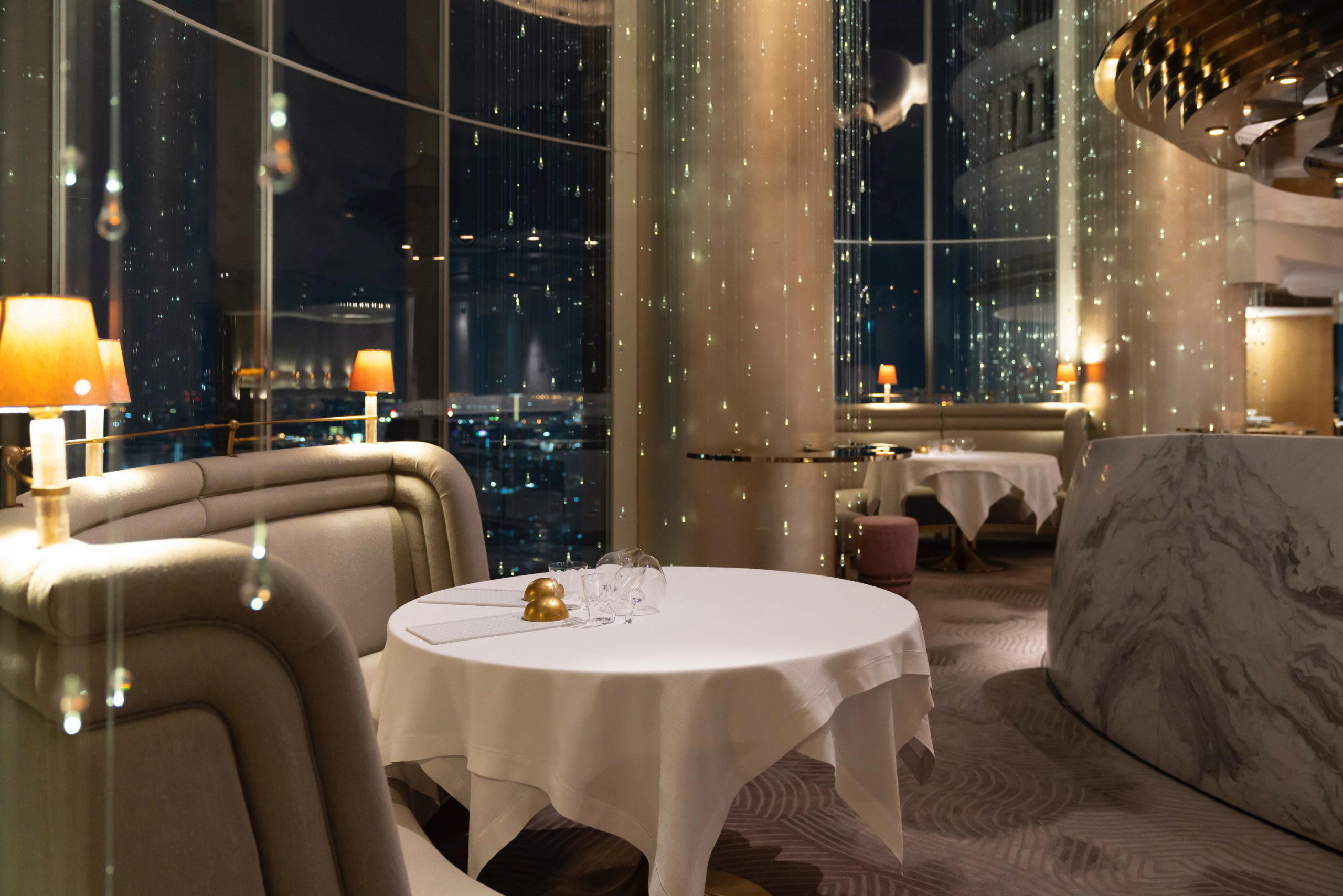
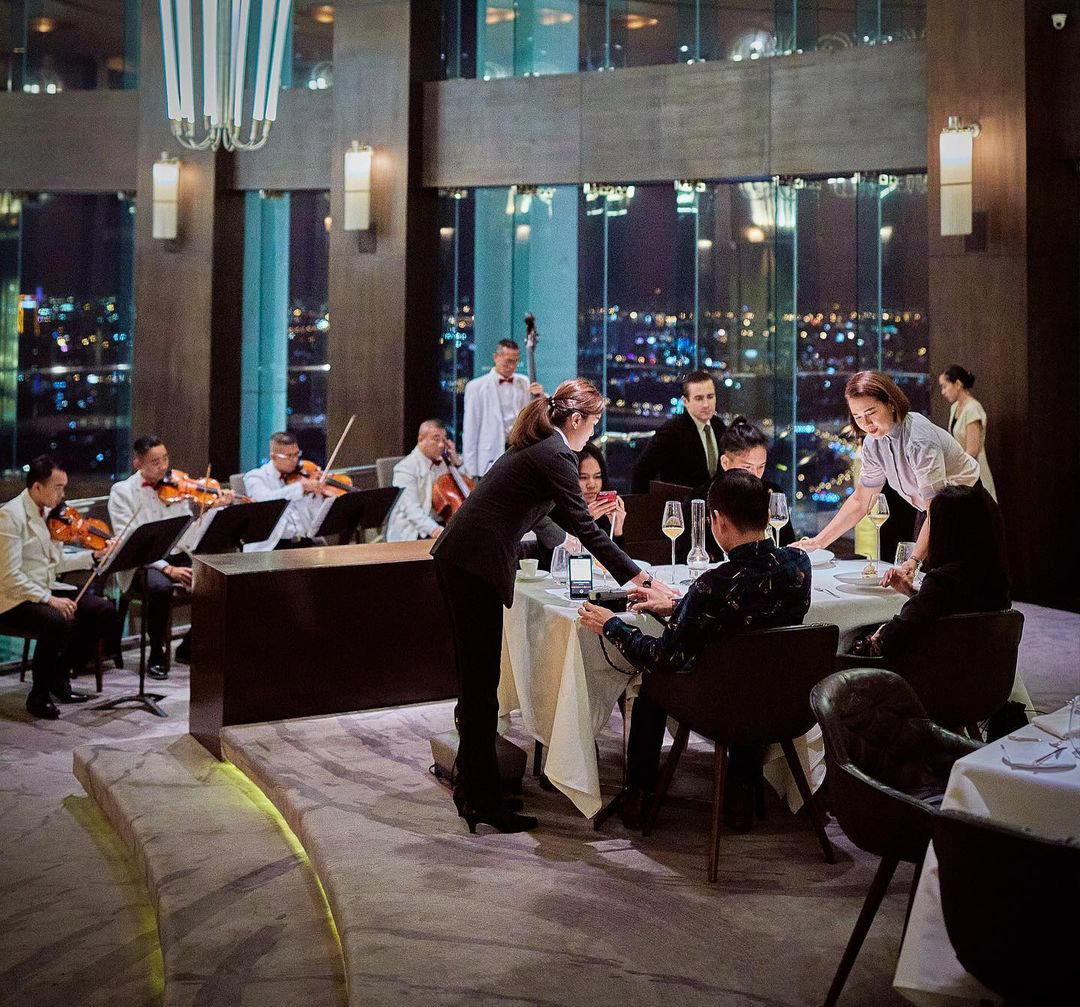
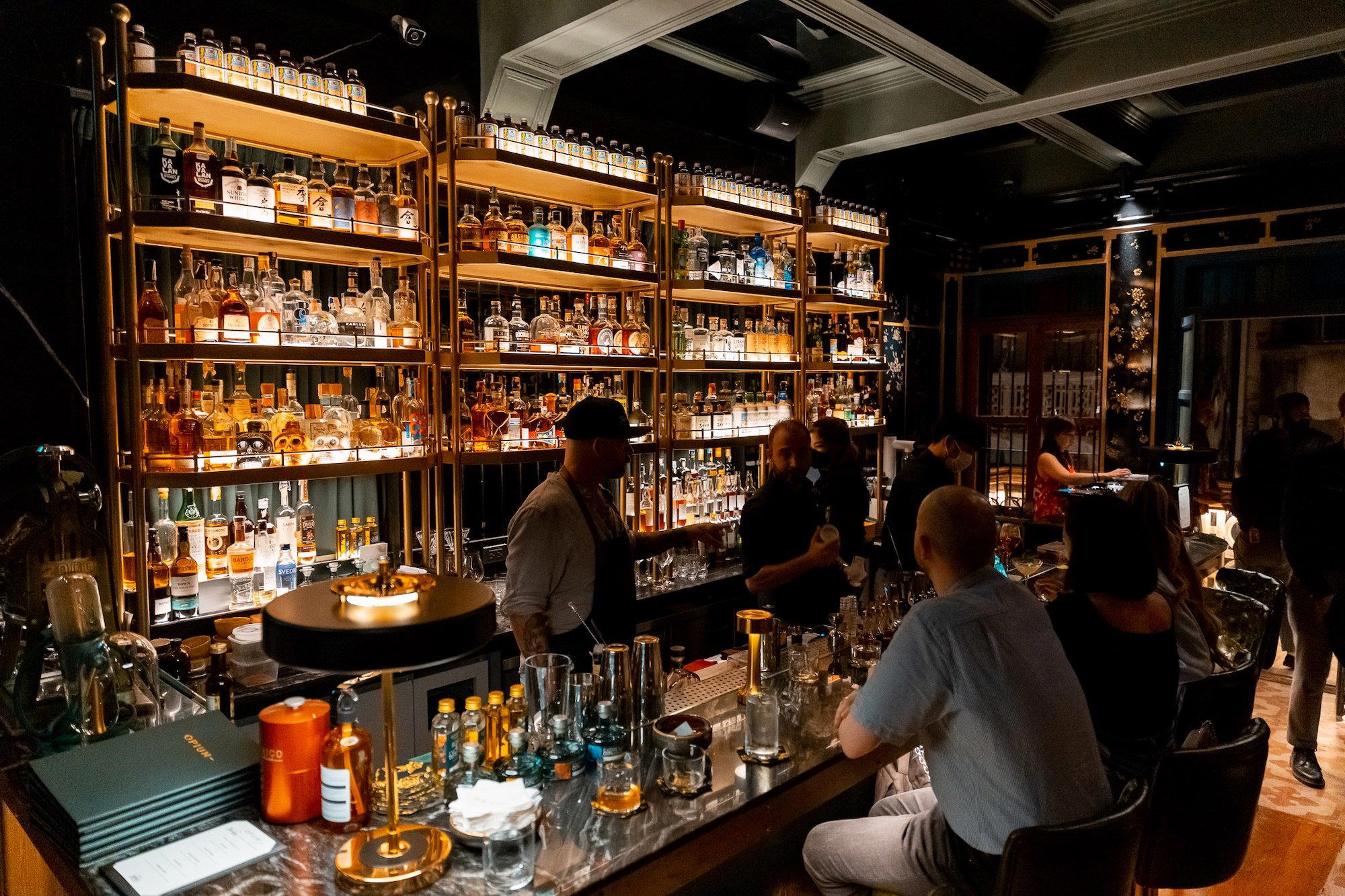
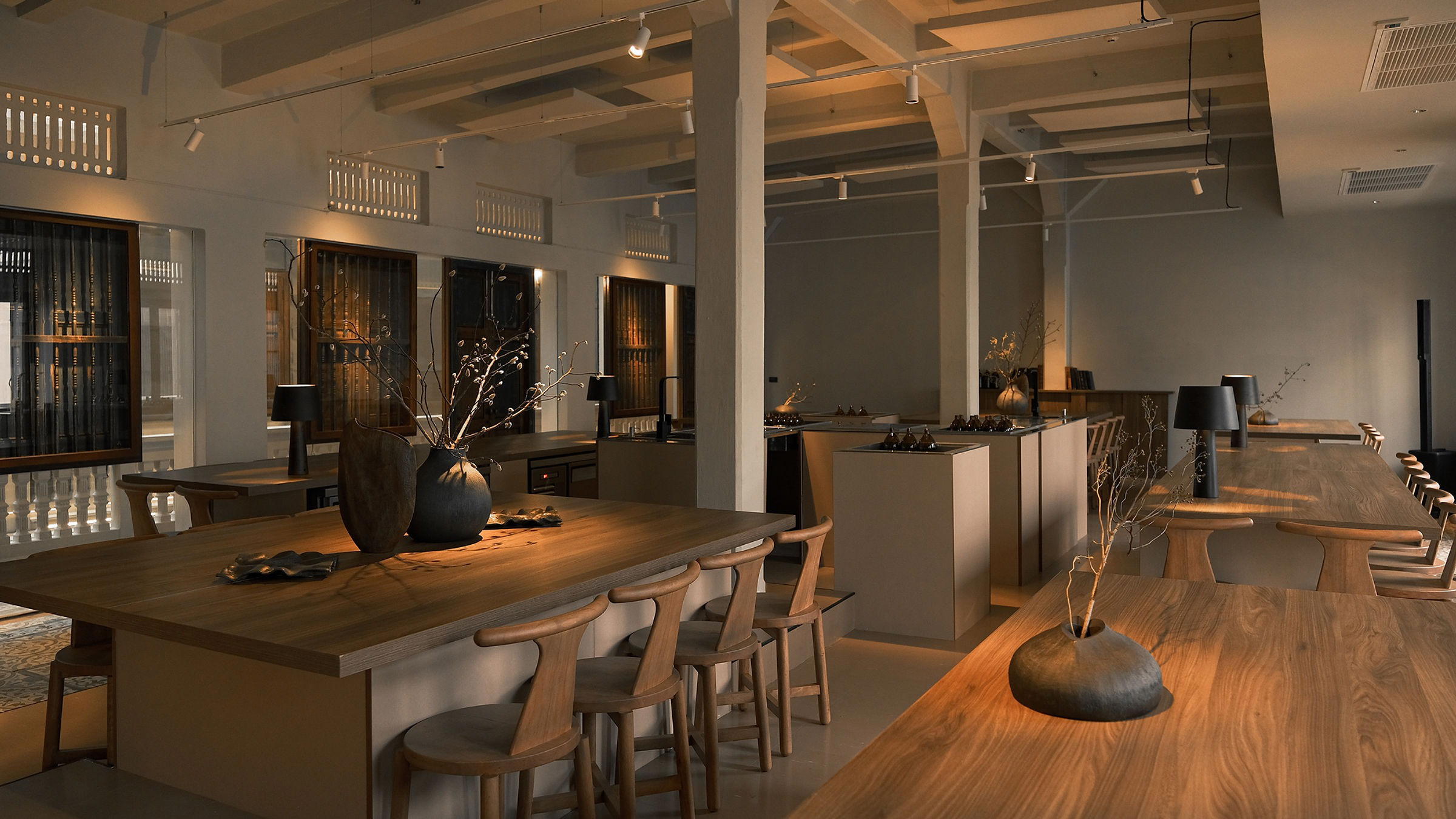
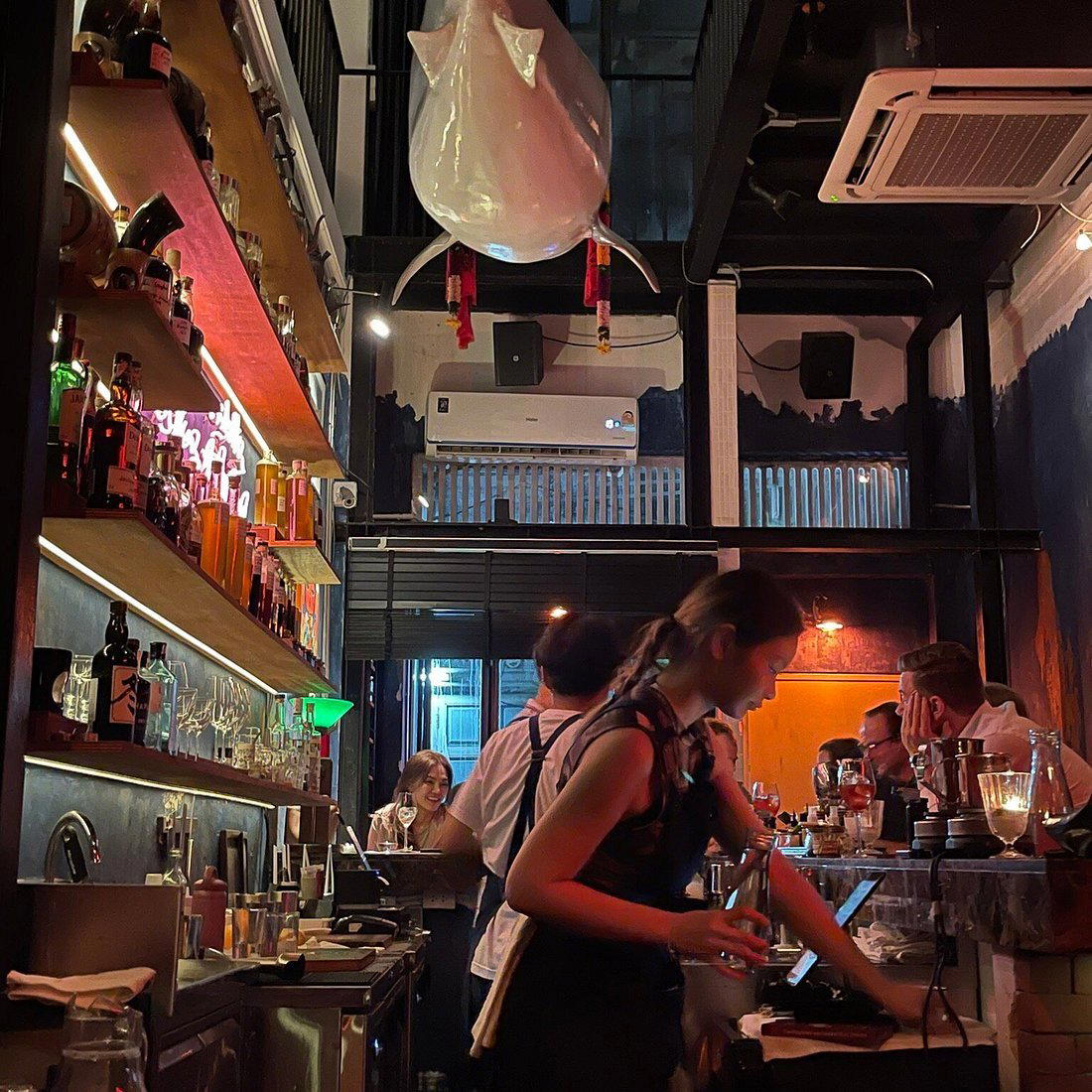
Dimly lit dining space blending rustic Sino-Portuguese heritage with modern elements, dark wood tones, and Chinoiserie motifs creating an elegant and immersive atmosphere.