Blue Hill at Stone Barns







.png)


Blue Hill at Stone Barns is the Hudson Valley's defining argument for farm-led American dining: a working agricultural campus, a progressive kitchen, and a wine program with serious depth. The restaurant's recognition, from Michelin 2 Stars in 2024 to Star Wine List accreditation and La Liste scoring, matters because the format is not conventional luxury; it is a meal built around land, season, and supply.
Pearl is the En Primeur Club membership app — saves, bookings, and concierge access live there. Same editors, same standards.
- Address
- 630 Bedford Rd, Tarrytown, NY 10591
- Phone
- (914) 366-9600
- Website
- bluehillfarm.com
- Directions
- Get directions
 Saves & bookings on Pearl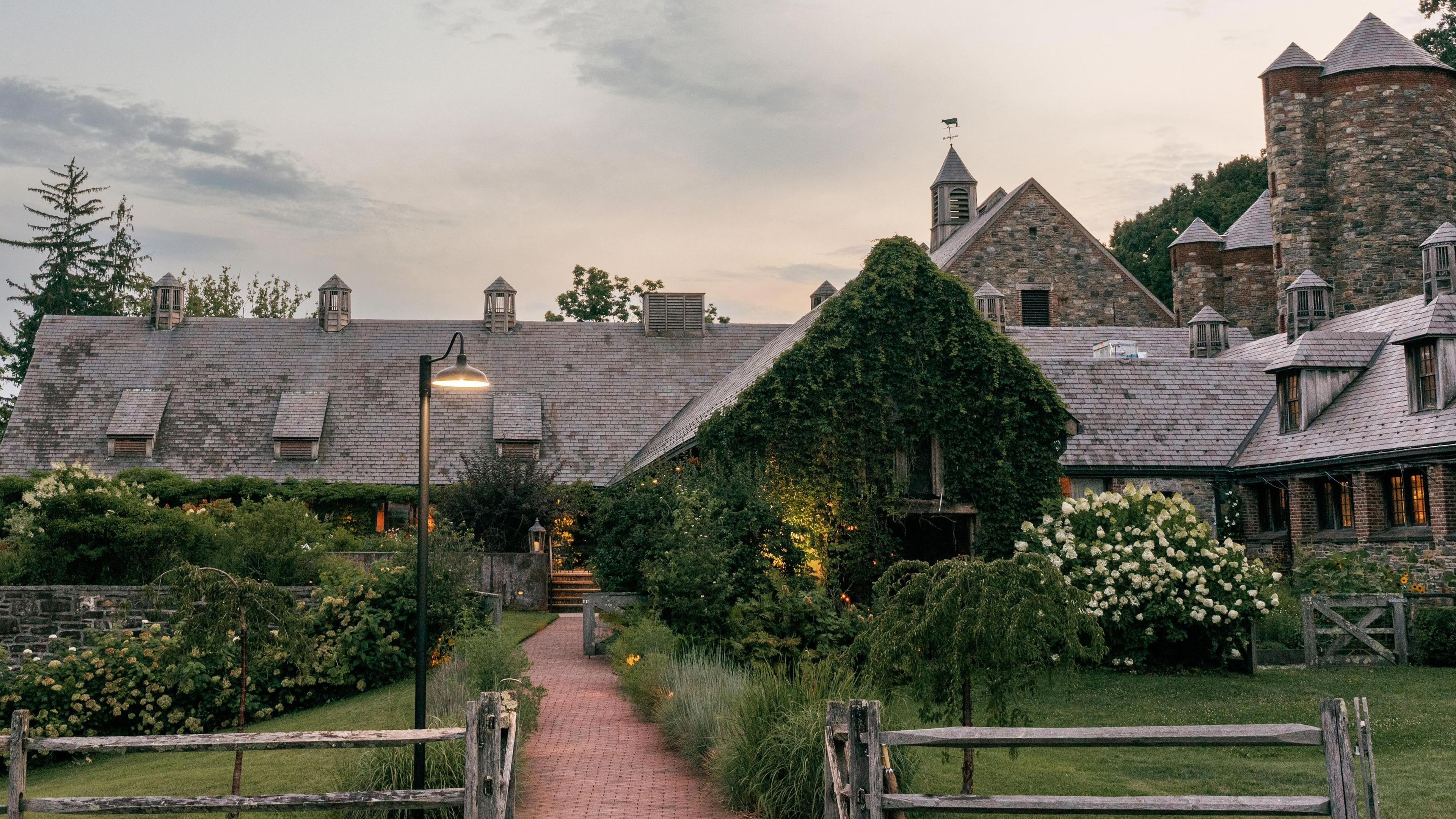
Blue Hill at Stone Barns is a Tarrytown restaurant associated with a working not-for-profit farm and educational center. The verified listing frames it as an extension of Blue Hill restaurant in Manhattan and identifies Dan Barber as chef/owner. In practical terms, the restaurant is best understood as a premium Progressive American and American dining destination where the agricultural context is central to how the venue is described.
Within the regional dining orbit, the restaurant occupies a distinctive position: its identity is tied to Tarrytown and to a farm-and-education setting.
Farm-led American dining after the slogan wore thin
Farm-to-table language can be vague, but the verified description of Blue Hill at Stone Barns gives the restaurant a clearer premise. It is connected to a working not-for-profit farm and educational center, so the agricultural setting is not merely decorative background. The restaurant's public identity is built around American cooking in a farm-centered context.
Dan Barber's role matters because the venue is closely associated with his approach to Progressive American cuisine. Without adding unverified menu claims, the useful reading is simple: Blue Hill at Stone Barns is positioned as a serious American restaurant where the farm and educational mission are part of the story, not just a sourcing note.
The format also explains why Blue Hill at Stone Barns does not fit cleanly beside conventional regional peers. Apropos Restaurant at The Abbey Inn and The Inn at Pound Ridge can be useful reference points for travelers considering other upscale dining in the broader area, while Reverence, La Bastide by Andrea Calstier, and Essential by Christophe offer different fine-dining contexts. Blue Hill's distinction is its verified connection to a working not-for-profit farm and educational center in Tarrytown.
Wine recognition and the high-end profile
The food conversation dominates, but wine is also part of the verified profile in one specific way: Blue Hill at Stone Barns is recognized by Star Wine List for 2026. Beyond that confirmed recognition, specific cellar size, bottle counts, regions, staff names, pairing formats, and pricing details are not stated in the verified venue data and should not be assumed.
Broader restaurant price range is $$$$, making this a high-commitment dining choice in spend. The question for many diners is not simply whether the restaurant is expensive, but whether its combination of Progressive American cooking, Dan Barber's leadership, and farm-linked setting is the kind of experience they want to prioritize.
For Tarrytown dining beyond this restaurant, the best comparison is to consider other local dining rooms generically rather than treating every meal in the area as the same kind of occasion. The wider directory can also help build a trip around the area rather than treating dinner as isolated: see Our full Tarrytown restaurants guide, Our full Tarrytown hotels guide, Our full Tarrytown bars guide, Our full Tarrytown wineries guide, and Our full Tarrytown experiences guide.
How to read the meal before committing
The restaurant rewards diners who are interested in context as well as polish. Star Wine List recognition in 2026 adds a confirmed wine-related accolade, but other award claims should not be treated as verified here.
The weekly schedule lists evening hours from Monday through Saturday, 5:30–9:30 pm, and Sunday hours of 11:30 am–2:30 pm and 5:30–9:30 pm. Pricing is listed as $$$$, and the dress code is smart casual. Location details should be kept to Tarrytown rather than a street address.
For readers comparing American dining formats, the useful distinction is between restaurants that are simply categorized by cuisine and restaurants whose setting is central to their identity. Blue Hill at Stone Barns belongs to the latter camp. Its verified profile is concise but strong: Dan Barber, Progressive American and American cuisine, $$$$ pricing, smart casual dress, Tarrytown, a working not-for-profit farm and educational-center context, and Star Wine List recognition for 2026.
How Blue Hill at Stone Barns compares with similar nearby venues.
| Venue | Cuisine | Price | Awards |
|---|---|---|---|
| Blue Hill at Stone Barns | Progressive American, American | $$$$ | Michelin 2 Stars |
| Apropos Restaurant at The Abbey Inn | American | $$$$ | Not listed |
| Reverence | Contemporary | $$$$ | Not listed |
| La Bastide by Andrea Calstier | French | $$$$ | Not listed |
| Essential by Christophe | French, French Contemporary | $$$$ | Not listed |
| The Inn at Pound Ridge | American | $$$$ | Not listed |
Recognition history
Dated appearances from independent guides and award organizations, with the underlying list record or original source where available.
Forbes 4-Star
Forbes
La Liste Top Restaurants
La Liste
Opinionated About Dining Top Restaurants in North America Ranked #3
Opinionated About Dining
Star Wine List
Star Wine List
Wine Spectator Grand Award
Wine Spectator
AAA 5 Diamond
AAA
Chef's Table Featured on Chef's Table
Chef's Table
Forbes 4-Star
Forbes
La Liste Top Restaurants
La Liste
Michelin 2 Stars
Michelin
Opinionated About Dining Top Restaurants in North America Ranked #11
Opinionated About Dining
Star Wine List
Star Wine List
The Best Chef Two Knives
The Best Chef
We're Smart World 4 Radishes
We're Smart World
Wine Spectator Grand Award
Wine Spectator
World's Best Wine Lists Awards WBWL 3-Star
World's Best Wine Lists Awards
Michelin 2 Stars
Michelin
Opinionated About Dining Top Restaurants in North America Ranked #1
Opinionated About Dining
Star Wine List
Star Wine List
Opinionated About Dining Top Restaurants in North America Ranked #2
Opinionated About Dining
Star Wine List
Star Wine List
World's 50 Best Best Restaurants #28
World's 50 Best
World's 50 Best Best Restaurants #12
World's 50 Best
James Beard Award Outstanding Service
James Beard Award
World's 50 Best Best Restaurants #11
World's 50 Best
World's 50 Best Best Restaurants #48
World's 50 Best
James Beard Award Outstanding Restaurant
James Beard Award
World's 50 Best Best Restaurants #49
World's 50 Best
Robb Report 100 Greatest American Restaurants of the 21st Century #4
Robb Report
Continue exploring
More in Tarrytown
Restaurants in Tarrytown
Browse all →
Bars in Tarrytown
Browse all →

Hotels in Tarrytown
Browse all →





At a Glance
- Elegant
- Rustic
- Scenic
- Sophisticated
- Intimate
- Special Occasion
- Celebration
- Garden
- Open Kitchen
- Private Dining
- Historic Building
- Extensive Wine List
- Sommelier Led
- Farm To Table
- Local Sourcing
- Garden
Current opening hours
- Monday
- 5:30–9:30 PM
- Tuesday
- 5:30–9:30 PM
- Wednesday
- 5:30–9:30 PM
- Thursday
- 5:30–9:30 PM
- Friday
- 5:30–9:30 PM
- Saturday
- 5:30–9:30 PM
- Sunday
- 11:30 AM–2:30 PM, 5:30–9:30 PM
Hours can change for holidays and private events. Last verified .
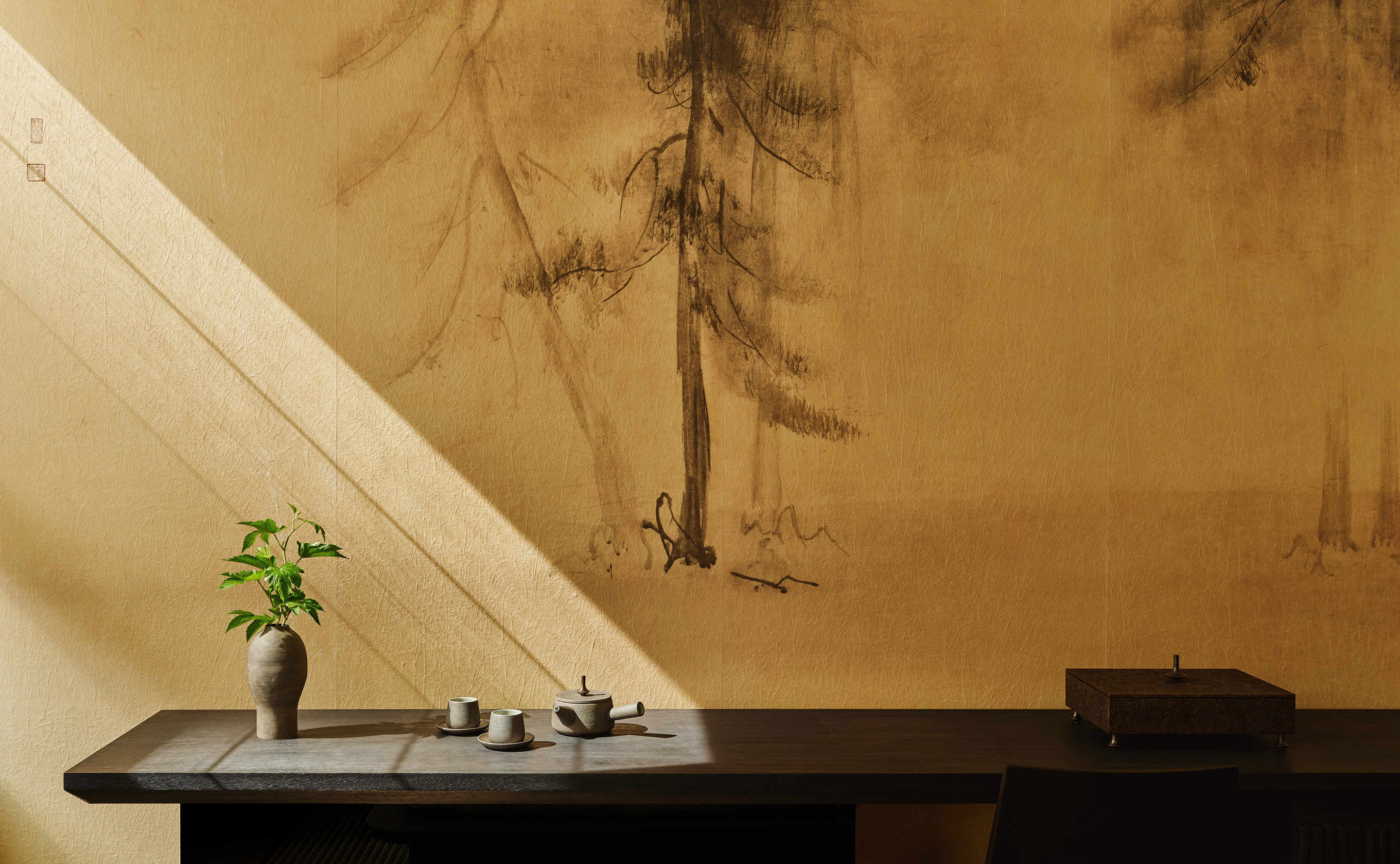
Candlelit picturesque barn overlooking the farm with cozy blankets provided, dramatic decor, and a welcoming yet sophisticated atmosphere.
Know Before You Go
- Reservations
- Essential
- Dress code
- Smart casual
- Getting there
- 630 Bedford Rd, Tarrytown, NY 10591