The Inn at Little Washington






.png)


The Inn at Little Washington belongs to the rare American country-restaurant category where the drive is part of the dining premise, not an inconvenience. Its New American cooking, cellar depth, and long farm-to-table lineage place it outside ordinary city tasting-menu logic, with Patrick O’Connell’s formal, theatrical style anchored by Virginia produce and sustained national recognition.
Pearl is the En Primeur Club membership app — saves, bookings, and concierge access live there. Same editors, same standards.
- Address
- 309 Middle St, Washington, VA 22747
- Phone
- (540) 675-3800
- Website
- theinnatlittlewashington.com
- Directions
- Get directions
 Saves & bookings on Pearl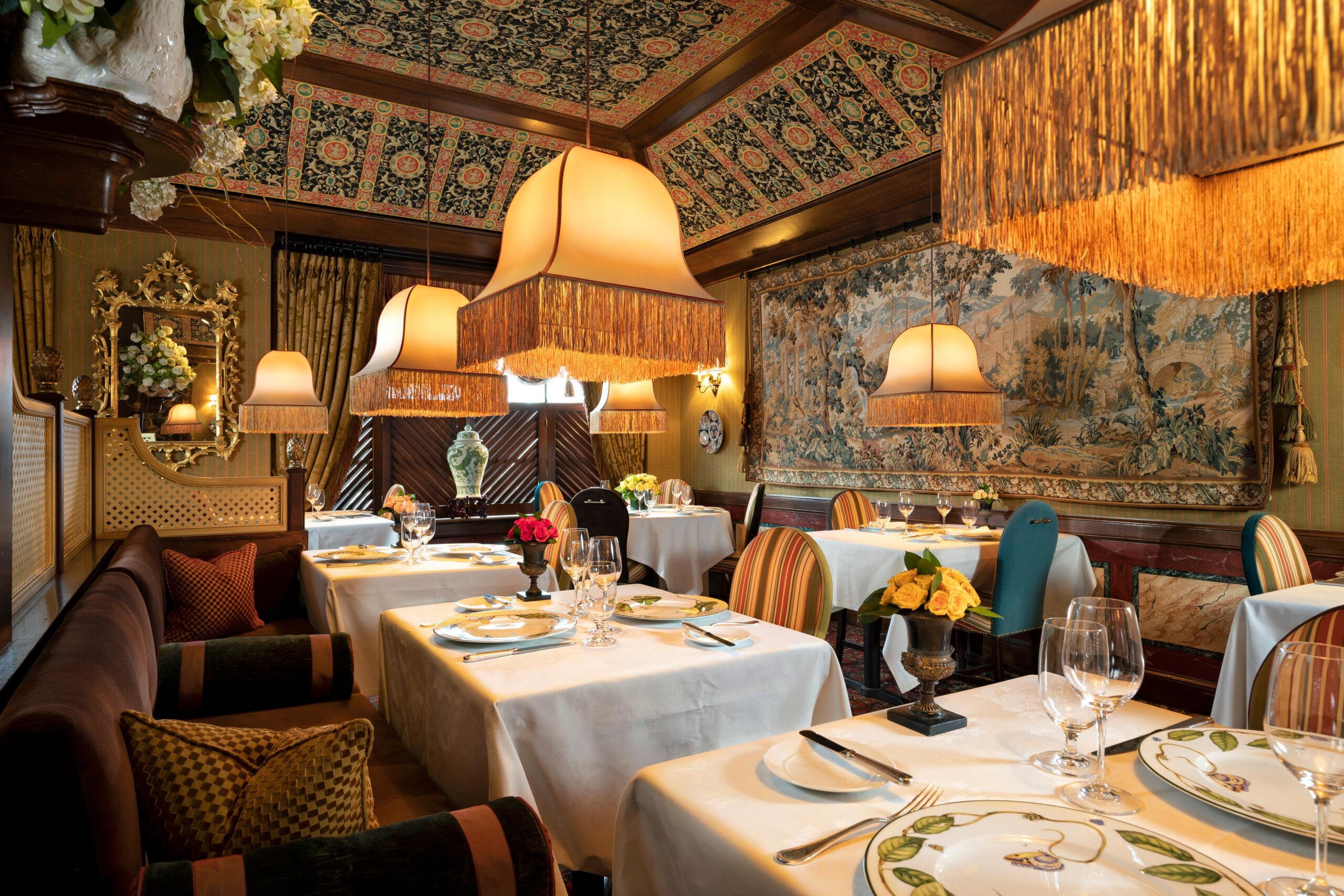
The Inn at Little Washington is a formal New American restaurant in Washington led by chef-owner Patrick O’Connell. The verified picture is precise rather than sprawling: garden-fresh produce, daring flavor combinations, reinterpreted classics, and the property’s bespoke bread and cheese trolleys define the restaurant’s public identity.
For diners comparing it with other formal meals, the useful frame is not an invented checklist of scores, prices, or formats, but the clearly established combination of New American cooking, formality, and O’Connell’s culinary point of view.1
“Always one to think outside the box, O’Connell just introduced an extravagant “water menu” that gives diners”
Eater, 2024Garden produce, formal ceremony, and New American cooking
New American cooking can become vague when it absorbs too many influences at once. At The Inn at Little Washington, the verified through-line is more focused: garden-fresh produce, reinterpreted classics, and bold flavor combinations shaped by Patrick O’Connell’s eclectic repertoire.
The bread and cheese trolleys are also central to the restaurant’s identity. They connect dining-room ceremony with the ingredient-led character of the cooking, making formality part of the experience rather than a separate layer placed on top of it.
“Patrick O'Connell earned three Michelin stars for his extravagant French tasting menu sprinkled with whimsical touches like Faira”
Food & Wine, 2024Because the confirmed information is limited, it is best not to overstate specifics about menu structure, service length, beverage depth, ratings, or awards. What can be said confidently is that The Inn at Little Washington sits in a formal New American lane, with O’Connell’s authorship and the restaurant’s distinctive trolley details at the center.4
Within New American dining, The Shack, Friday Saturday Sunday, Vernick Food and Drink, Savú, and Fork offer useful points of comparison for how regional cooking, polish, and contemporary American restaurant identity can vary. The restaurant’s verified distinction is its formal Washington setting, Patrick O’Connell’s leadership, and the combination of produce-driven cooking with bespoke trolley service.
A formal restaurant defined by ceremony
The restaurant is best understood through its confirmed formality and dining-room detail. Its formal dress code and bread and cheese trolleys point toward a meal where the setting and culinary identity are closely connected.2
Those facts are enough to describe a restaurant built around polish without adding unverified claims about awards, wine inventory, seating, prices, or menu format.
Readers using Washington as a dining base should separate confirmed information from assumption. The restaurant is a formal New American restaurant in Washington; other dining in Washington may offer different levels of formality, different cuisines, or different service styles, but those comparisons should be made from current primary information rather than inferred from reputation.
Who should plan the meal
This suits diners who want a formal New American experience shaped by Patrick O’Connell’s culinary style: garden produce, daring flavor combinations, reinterpreted classics, and a distinctive dining-room sensibility. Guests looking for a different level of formality should confirm current details directly before planning.
The broader New American conversation includes restaurants that express place and polish in different ways. Fork, Friday Saturday Sunday, Vernick Food and Drink, Savú, and The Shack can be read as separate examples of how contemporary American cooking balances regional identity, refinement, and personality.
The editorial case for the restaurant rests on the verified essentials: Patrick O’Connell’s leadership, New American cuisine, formal dress, garden-fresh produce, bold combinations, reinterpreted classics, and the distinctive bread and cheese trolleys.
Quick Comparison
Comparable venues by cuisine and price in the same metro.
| Venue | Cuisine | Price |
|---|---|---|
| The Inn at Little WashingtonThis venue — the venue you are viewing | New American | This venue |
| The Shack | New American | New American |
| Friday Saturday Sunday | New American | New American |
| Vernick Food and Drink | New American | New American |
| Savú | New American | New American |
| Fork | New American | New American |
Recognition history
Dated appearances from independent guides and award organizations, with the underlying list record or original source where available.
Forbes 5-Star
Forbes
La Liste Top Restaurants
La Liste
Les Grandes Tables du Monde Member
Les Grandes Tables du Monde
Opinionated About Dining Top Restaurants in North America Ranked #62
Opinionated About Dining
Relais Chateaux Award
Relais Chateaux
Star Wine List
Star Wine List
Wine Spectator Grand Award
Wine Spectator
AAA 5 Diamond
AAA
Forbes 5-Star
Forbes
Michelin 2 Stars
Michelin
Opinionated About Dining Top Restaurants in North America Ranked #210
Opinionated About Dining
Relais Chateaux Award
Relais Chateaux
Wine Spectator Grand Award
Wine Spectator
World's Best Wine Lists Awards WBWL 3-Star
World's Best Wine Lists Awards
Opinionated About Dining Top Restaurants in North America Ranked #141
Opinionated About Dining
World's Best Wine Lists Awards WBWL 3-Star
World's Best Wine Lists Awards
Opinionated About Dining Top Restaurants in North America Highly Recommended
Opinionated About Dining
World's Best Wine Lists Awards WBWL 3-Star
World's Best Wine Lists Awards
James Beard Award Outstanding Chef
James Beard Award
James Beard Award Outstanding Wine Service
James Beard Award
James Beard Award Outstanding Service
James Beard Award
James Beard Award Outstanding Restaurant
James Beard Award
James Beard Award Best Chefs
James Beard Award
Robb Report 100 Greatest American Restaurants of the 21st Century #49
Robb Report
Continue exploring
More in Washington
Restaurants in Washington
Browse all →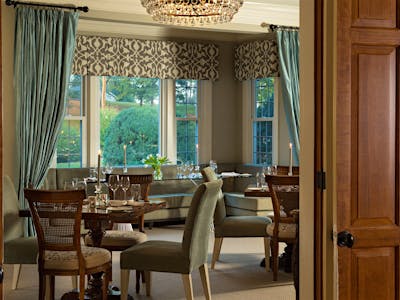
Bars in Washington
Browse all →
Hotels in Washington
Browse all →
At a Glance
- Elegant
- Sophisticated
- Ornate
- Intimate
- Classic
- Special Occasion
- Date Night
- Celebration
- Hotel Restaurant
- Private Dining
- Open Kitchen
- Extensive Wine List
- Sommelier Led
- Farm To Table
- Local Sourcing
- Garden
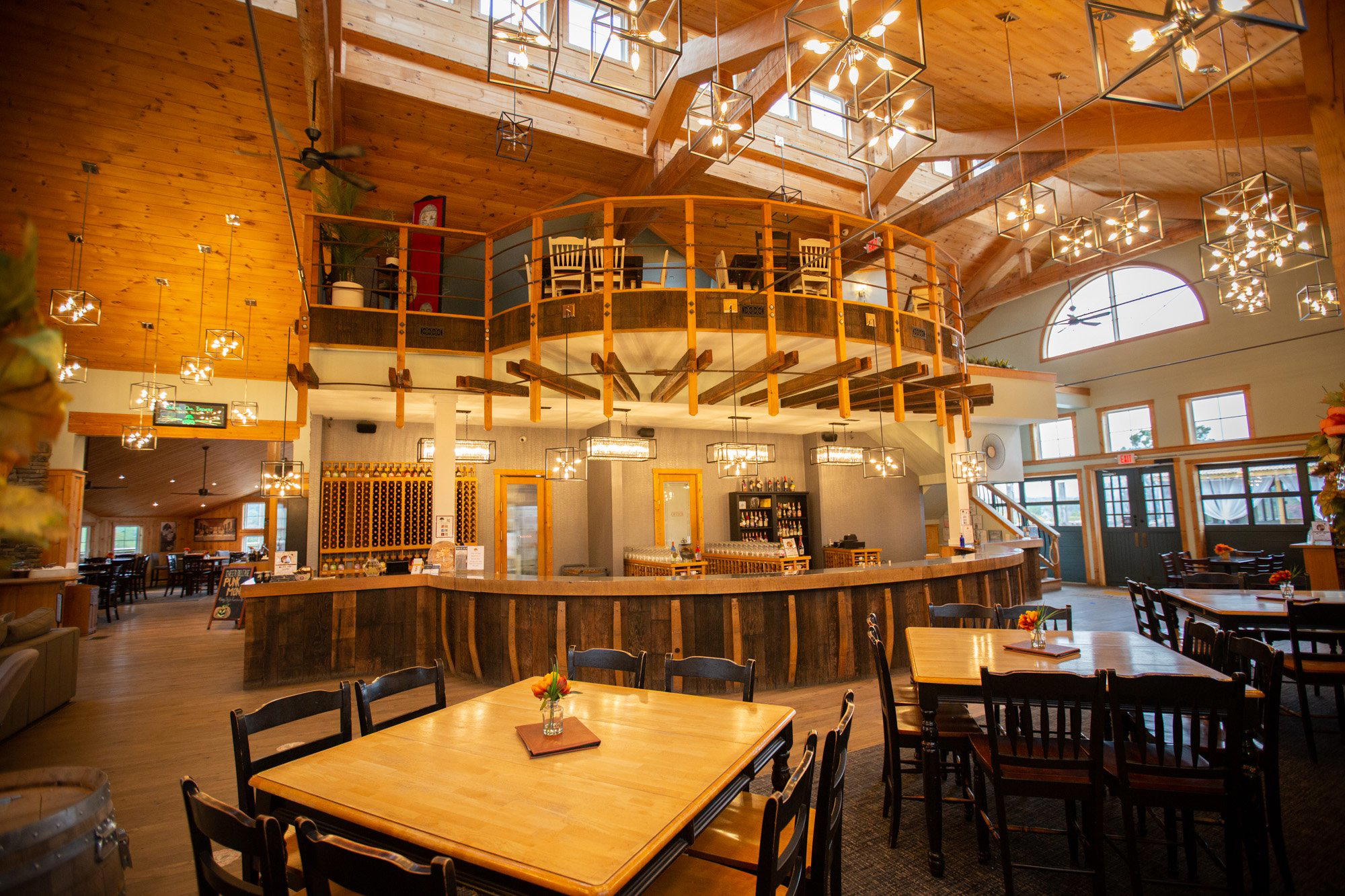
Maximalist décor with stately grandeur, candlelit tables, and an enchanting atmosphere celebrating luxury and another era.