
Among Singapore's Michelin-recognised sushi counters, Sushi Sato operates from the Dempsey Hill cluster, a setting that trades the city-centre density of Orchard and the CBD for a quieter, more considered pace.
Pearl is the En Primeur Club membership app — saves, bookings, and concierge access live there. Same editors, same standards.
- Address
- 6B Dempsey Rd, Singapore 247662
- Phone
- +65 8380 3830
- Website
- sushi-sato.com
- Directions
- Get directions
 Saves & bookings on Pearl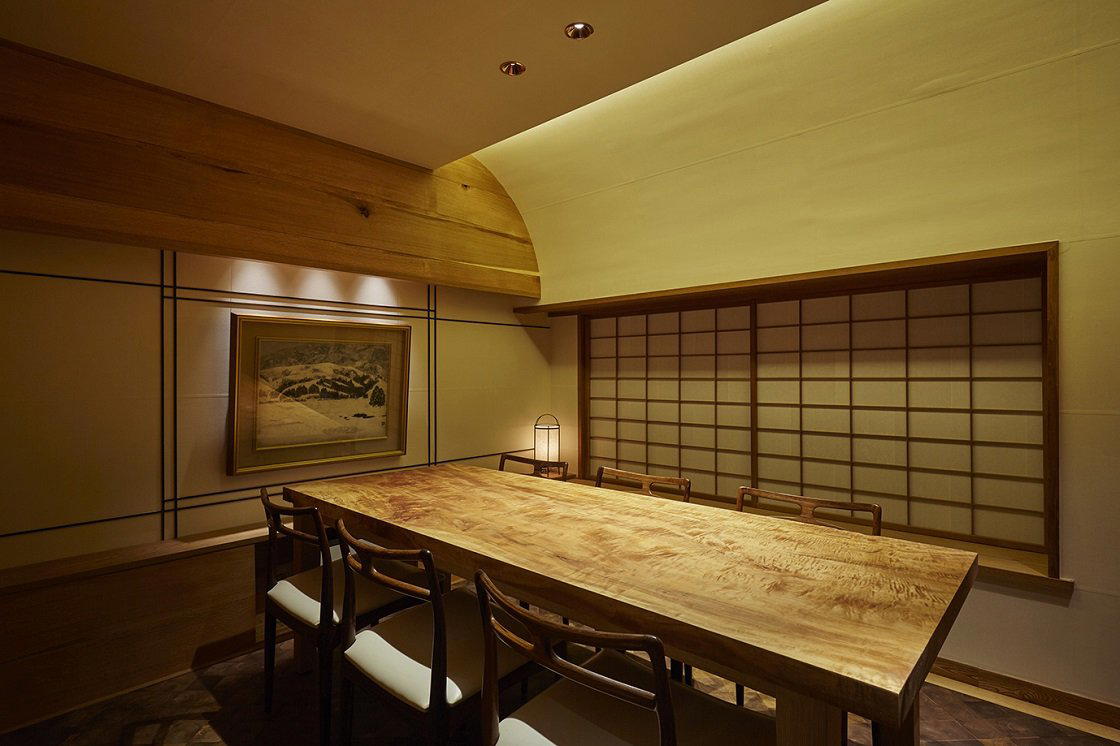
Dempsey Hill and the Quieter Case for Japanese Precision
The path to serious sushi in Singapore does not always run through the gleaming towers of Marina Bay or the hotel corridors of Orchard Road. Dempsey Hill, a former British colonial barracks converted into a low-rise dining enclave, has accumulated a cluster of restaurants that reward the detour. The setting matters here: wide roads, old rain trees, and buildings that sit close to the ground rather than climbing into the sky. Approaching Sushi Sato at 6B Dempsey Road, the architectural contrast with the city's vertical dining culture is immediate. This is a neighbourhood where the pace slows, and where that slower pace has proven hospitable to the kind of focused, counter-led Japanese cooking that requires attention rather than spectacle.
Where Sushi Sato Sits in Singapore's Omakase Tier
Singapore's Japanese restaurant scene has matured considerably over the past decade. The city now sustains a credible upper tier of omakase counters, Shoukouwa and Hamamoto anchoring the starred end, Sushi Ichi, Sushi Sakuta, and Sushi Ashino occupying adjacent positions, and beneath that, a $$$ band of Michelin-recognised counters where the cooking is serious but pricing does not yet reach the four-figure omakase territory that the city's highest-ranked rooms command.
Sushi Sato operates in this $$$ tier and holds a Michelin Plate for 2024. The distinction between a Plate and a Star is a meaningful one: the Plate represents recognition without the full endorsement, the category where counters that demonstrate consistent technique but lack the depth of sourcing or the narrative weight of a chef with stronger public credentials tend to cluster. For diners, this tier represents a practical argument: the technical standard is audited, the price point is measurable against peers, and the experience is less dependent on booking infrastructure than the city's most-allocated rooms.
9 across 107 reviews is a narrow but telling data point. The sample size is modest compared to more publicised rooms in the city. High scores on small review pools at omakase counters typically reflect a self-selected diner who understands the format and returns by choice.
Seasonality as the Organising Logic of Edomae Cooking
To eat at a sushi counter without understanding the role of the calendar is to miss most of the point. Edomae tradition, which traces to Edo-period Tokyo and forms the technical basis of the style practised at serious counters across Asia, is built around the idea that the chef's primary responsibility is to identify what is at its leading at a given moment and present it without interference. The season does not merely change what appears on the menu, it reorganises the hierarchy of the meal entirely.
In the Singapore context, where the city sits close to the equator and imports the majority of its high-grade Japanese fish, the seasonal logic plays out through supply chains rather than local waters. What arrives from Tsukiji and Toyosu in a given week in January versus a week in September reflects Japanese seasonal cycles directly: the winter months tend to bring the celebrated fatty fish, with yellowtail and tuna showing peak fat content through December and February; spring signals the arrival of cherry blossom season fish, with sea bream and young squid entering their prime; summer brings the challenge of heat-sensitive fish and a greater reliance on shellfish and lighter preparations; autumn reintroduces richness with Pacific saury and mushroom-adjacent garnishes moving through the sequence. A counter that sources with care will reflect these shifts across the year, which is why booking at different points in the calendar at the same room can feel like eating in meaningfully different restaurants.
For comparison, the seasonal discipline at Tokyo's most referenced counters, Harutaka, Sushi Kanesaka, and Edomae Sushi Hanabusa, operates with the advantage of proximity to the source. Singapore counters at every tier work with a transit delay, which the leading kitchens offset through relationships with specific suppliers who can prioritise freshness over volume. It is a structural challenge that separates serious importing operations from those that simply work from what the general market offers.
Across Asia, this seasonal negotiation is handled differently by each city's omakase scene. Sushi Shikon in Hong Kong has long operated under the assumption that direct Tokyo lineage justifies the premium its sourcing demands. Sushi Harasho in Osaka benefits from proximity to some of the leading domestic waters in Japan. HANE in Seoul represents a newer tier of serious Korean-based Japanese counter cooking with its own sourcing identity. And further afield, Sushi Sho in New York City operates at a similar geographic remove to Tokyo as Singapore, making comparable decisions about when to lean into imported Japanese product versus local seasonal alternatives. Sushi Sato sits within this broader conversation about how far edomae tradition travels outside Japan, and how much of its logic survives the supply chain.
The practical implication for diners is that one considered time to visit any Singapore omakase counter is during the Japanese winter, broadly from late November through February, when the cold-water fish that form particularly celebrated moments of a tasting sequence are at their seasonal peak. The period from late August through October offers a different kind of interest, as the transition from summer's lighter profile back toward autumn richness produces sequences with more textural contrast.
Dempsey Hill as a Dining Circuit
A visit to the restaurant sits naturally within a broader Dempsey Hill evening. The area functions differently from Singapore's denser dining corridors, it rewards those who plan around a single destination and use the surroundings before or after, rather than hopping between venues. The relative quiet of the neighbourhood, compared to the persistent noise of the CBD's restaurant streets, suits the meditative quality of a well-paced omakase counter. For those whose omakase interest extends across the region, Sukiyabashi Jiro Roppongiten in Tokyo represents the reference point against which much of Asia's serious sushi culture still measures itself.
Planning Your Visit
Address: 6B Dempsey Rd, Singapore 247662. Cuisine: Traditional Japanese Omakase. Price range: $$$$ (about US$300 per person). Recognition: Michelin Plate (2024); Google 4.9 / 123 reviews. Reservations: Essential.
The Essentials
Comparable venues nearby, for context on price, style, and recognition.
| Venue | Cuisine | Price | Notes |
|---|---|---|---|
| Sushi SatoThis venue — the venue you are viewing | RIDOUT, Traditional Japanese Omakase | $$$$ | Not listed |
| Ichigo Ichie | BOULEVARD, Japanese Kappo-Kaiseki | $$$$ | Not listed |
| Sushi Katori | CHINATOWN, Premium Edomae Omakase | $$$$ | Not listed |
| Ushidoki Wagyu Kaiseki | CHINATOWN, Wagyu Kaiseki | $$$$ | Not listed |
| Keyaki | Not listed | $$$$ | MARINA CENTRE, Authentic Japanese Kaiseki and Teppanyaki |
| Sushi Ashino | CHINATOWN, Edomae Jukusei Sushi Omakase | $$$ | Not listed |
Recognition history
Dated appearances from independent guides and award organizations, with the underlying list record or original source where available.
Michelin Guide Plate
Michelin Guide
Michelin Plate
Michelin
Continue exploring
More in Singapore
Restaurants in Singapore
Browse all →
Bars in Singapore
Browse all →
At a Glance
- Quiet
- Elegant
- Intimate
- Minimalist
- Special Occasion
- Date Night
- Chefs Counter
- Open Kitchen
- Sake Program
- Sustainable Seafood
- Garden
Current opening hours
- Monday
- Closed
- Tuesday
- 12–3 PM, 6:30–10:30 PM
- Wednesday
- 12–3 PM, 6:30–10:30 PM
- Thursday
- 12–3 PM, 6:30–10:30 PM
- Friday
- 12–3 PM, 6:30–10:30 PM
- Saturday
- 12–3 PM, 6:30–10:30 PM
- Sunday
- 12–3 PM, 6:30–10:30 PM
Hours can change for holidays and private events. Last verified .
Serene, Zen-inspired interior with pale wood cladding, minimal design, and lush greenery surroundings creating a relaxing, cosy atmosphere.