
One of Singapore's most decorated cocktail bars, 28 HongKong Street occupies a converted shophouse on 28 Hong Kong St and has appeared in the World's 50 Best Bars list every year since 2012. A sustained run of recognition, including a #1 Asia ranking in 2016, places it among the bars that shaped the city's modern cocktail identity.
Pearl is the En Primeur Club membership app — saves, bookings, and concierge access live there. Same editors, same standards.
- Address
- 28 Hongkong St, Singapore 059667
- Phone
- +65 8318 0328
- Website
- 28hks.com
- Directions
- Get directions
 Saves & bookings on Pearl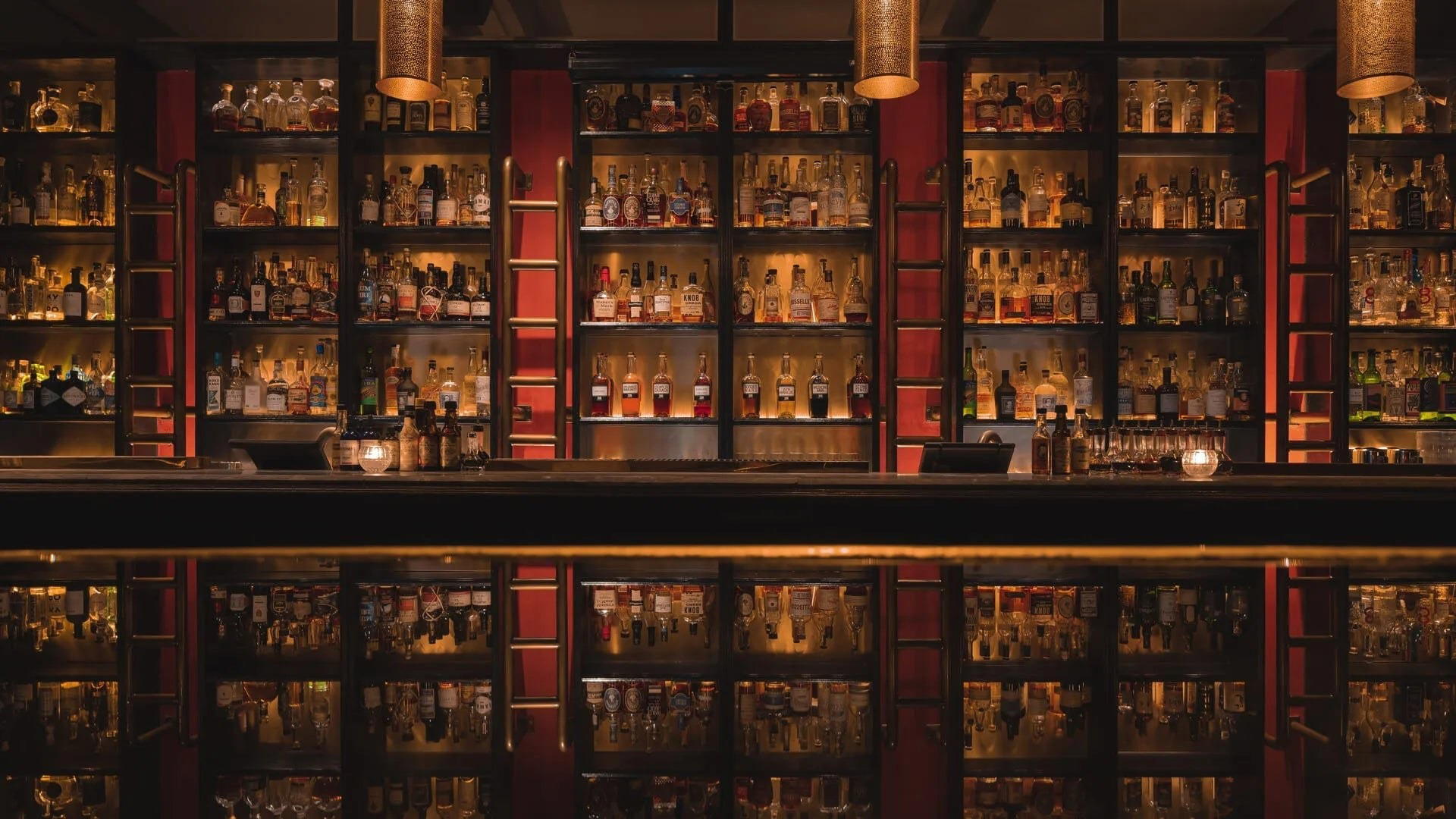
The Address That Defined an Era
Singapore's cocktail scene has a before and after. Before the wave of technically rigorous, low-key bars that repositioned the city as a serious drinks destination; and after. 28 HongKong Street sits at the inflection point of that shift. When the bar entered the World's 50 Best Bars list at number ten in 2012, it became the first Singapore bar to reach that level of recognition. Over the following years, as the bar climbed to number seven globally in 2015 and claimed the leading Asia spot in 2016, it became the reference point that other bars in the region were measured against.
The address itself, 28 Hong Kong St, Singapore 059667, carries the compressed energy typical of the city's shophouse strip conversions: a narrow facade on a colonial-era street in the central business district, no sign advertising its presence, the entrance marking a deliberate contrast to the glossier hotel bars a few minutes' walk away. That format, the unmarked door in a business-district shophouse, was already becoming a shorthand for serious intent in Singapore bars around 2011 and 2012. What separated 28 HongKong Street from the format's imitators was the sustained quality of execution over more than a decade.
A Record That Speaks for Itself
The awards history here is worth reading in sequence rather than cherry-picking a headline number. The bar placed in the global World's 50 Best Bars leading ten in 2012, 2013, and 2014, then moved to number seven in 2015, the kind of consistency that separates programs built on repeatable craft from those that peak early. The 2016 cycle brought the Asia number one ranking alongside a global top-25 position. More recently, the bar ranked 59th globally in 2023, 78th in Asia in 2024, and 278th in the Top 500 Bars list for 2025.
That arc, from top-ten global to the mid-hundreds over a decade, reads less as decline and more as the natural effect of a dramatically more competitive field. The number of serious cocktail bars in Asia alone has multiplied several times over since 2012, with Singapore contributing a cohort that includes Atlas, Analogue, Anti:Dote, and Barbary Coast, each with their own distinct program and peer recognition. In that context, the 2025 Top 500 position still reflects a bar operating at a standard most never reach.
The Bar for a Milestone Night
Certain venues accumulate gravity for occasion dining not through deliberate programming but through sustained reputation. 28 HongKong Street is that kind of place in Singapore. A birthday, a significant work close, a first visit to the city that you want to remember properly, these are the occasions the bar has absorbed over more than a decade, partly because of what it represents in the city's drinking history and partly because the format itself suits them.
The unmarked-door shophouse format creates a natural threshold effect: the walk from the street, the moment of entering a space that rewards knowing about it. That sense of a place with a history, of having arrived somewhere with accumulated meaning, is harder to manufacture than a well-priced tasting menu or a room with good lighting. It accrues from years of operation, consistent program quality, and the kind of cross-generational recognition that comes from appearing in global rankings every year for over a decade. For a milestone drink in Singapore, the bar's combination of that history and its continued technical execution makes it a serious contender.
Internationally, bars that occupy this same tier, long-tenured, technically rigorous, occasion-worthy without being self-consciously theatrical, include Kumiko in Chicago, Bar Leather Apron in Honolulu, and Jewel of the South in New Orleans. In each case, the bar's authority comes from depth of program rather than novelty, and the atmosphere follows from that rather than the other way around.
Where It Sits in Singapore's Cocktail Geography
Singapore's cocktail bars now cover a wide range of formats, prices, and philosophies. The hotel-bar tier, represented by venues like Anti:Dote at Fairmont, operates at a different scale and with different infrastructure. The conceptually driven independents, Analogue with its non-alcoholic and low-ABV focus, Atlas with its Art Deco gin library, each claim a defined niche. Barbary Coast works a different register entirely.
The bar's position in this field is that of the original. It predates most of the bars that now define Singapore's international reputation, and its influence on what followed, the preference for serious technique over spectacle, the shophouse format, the emphasis on the drink rather than the room, is well documented within the industry. That origin position comes with weight that newer entrants, however strong their own programs, cannot replicate. For visitors building a drinks itinerary across the city, it functions as context for everything else: understanding what the others are doing is easier once you have a frame of reference, and the bar is that frame.
Comparable bars in terms of the category-defining role they've played in their respective cities include Superbueno in New York City, Julep in Houston, The Parlour in Frankfurt on the Main, and 1806 in Melbourne, each operating as a marker against which the city's broader scene gets calibrated.
Planning Your Visit
The bar sits in the central business district, making it direct to reach from most of Singapore's main hotel zones. The bar is on the tighter-capacity side of the city's shophouse bars, and given its reputation it draws both locals and visitors throughout the week. For an occasion night, reservations or early arrival are the safer approach. The unmarked entrance on Hong Kong St is part of the experience: look for the address number rather than a sign.
- Black Forest Negroni
- Guava Spicy Margarita
- The Rising Wind
- Irish Goodbye
- Brenda's Breakfast
- 184 Old Fashioned
What It’s Closest To
Comparable venues nearby, for context on price, style, and recognition.
| Venue | Cuisine | Price | Awards | Notes |
|---|---|---|---|---|
| 28 HongKong StreetThis venue — the venue you are viewing | speakeasy | $$$ | World's 50 Best #1 | Not listed |
| Jigger & Pony | cocktail_bar | $$$ | World's 50 Best #1 | ANSON |
| Nutmeg & Clove | cocktail_bar | $$$ | World's 50 Best #6 | BUGIS |
| Atlas | cocktail_bar | $$$$ | World's 50 Best #4 | BUGIS |
| Night Hawk | speakeasy | $$$ | World's 50 Best #16 | CHINATOWN |
| No Sleep Club | cocktail_bar | $$$ | World's 50 Best #8 | CHINATOWN |
Recognition history
Dated appearances from independent guides and award organizations, with the underlying list record or original source where available.
Top 500 Bars Best Bars #318
Top 500 Bars
Top 500 Bars Best Bars #278
Top 500 Bars
World's 50 Best Asia's Best Bars #78
World's 50 Best
World's 50 Best Asia's Best Bars #24
World's 50 Best
World's 50 Best Best Bars #59
World's 50 Best
World's 50 Best Asia's Best Bars #49
World's 50 Best
World's 50 Best Asia's Best Bars #21
World's 50 Best
World's 50 Best Asia's Best Bars #30
World's 50 Best
World's 50 Best Asia's Best Bars #21
World's 50 Best
World's 50 Best Asia's Best Bars #12
World's 50 Best
World's 50 Best Best Bars #34
World's 50 Best
World's 50 Best Best Bars #25
World's 50 Best
World's 50 Best Asia's Best Bars #4
World's 50 Best
World's 50 Best Asia's Best Bars #1
World's 50 Best
World's 50 Best Best Bars #14
World's 50 Best
World's 50 Best Best Bars #7
World's 50 Best
World's 50 Best Best Bars #10
World's 50 Best
World's 50 Best Best Bars #10
World's 50 Best
World's 50 Best Best Bars #10
World's 50 Best
Continue exploring
More in Singapore
Bars in Singapore
Browse all →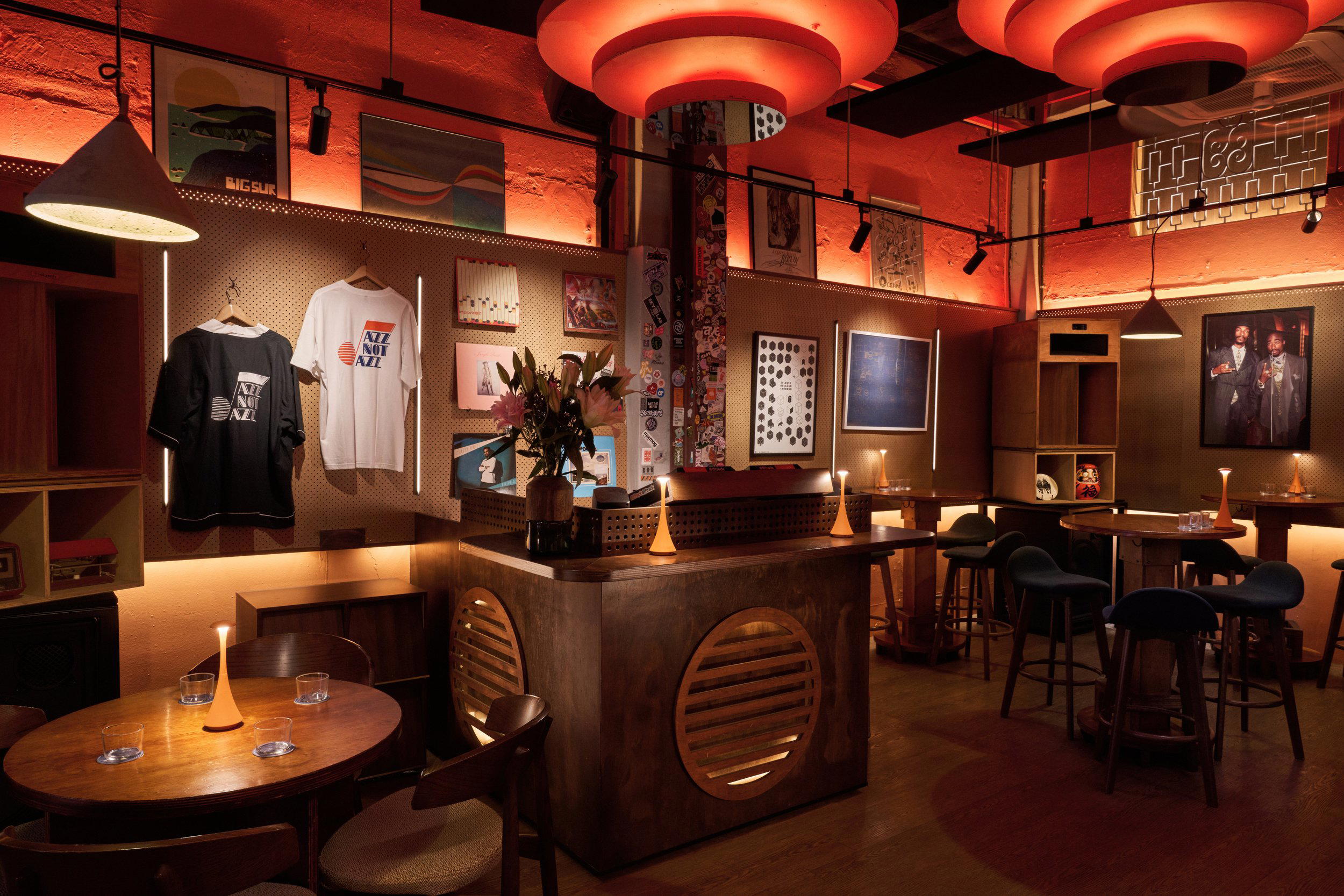
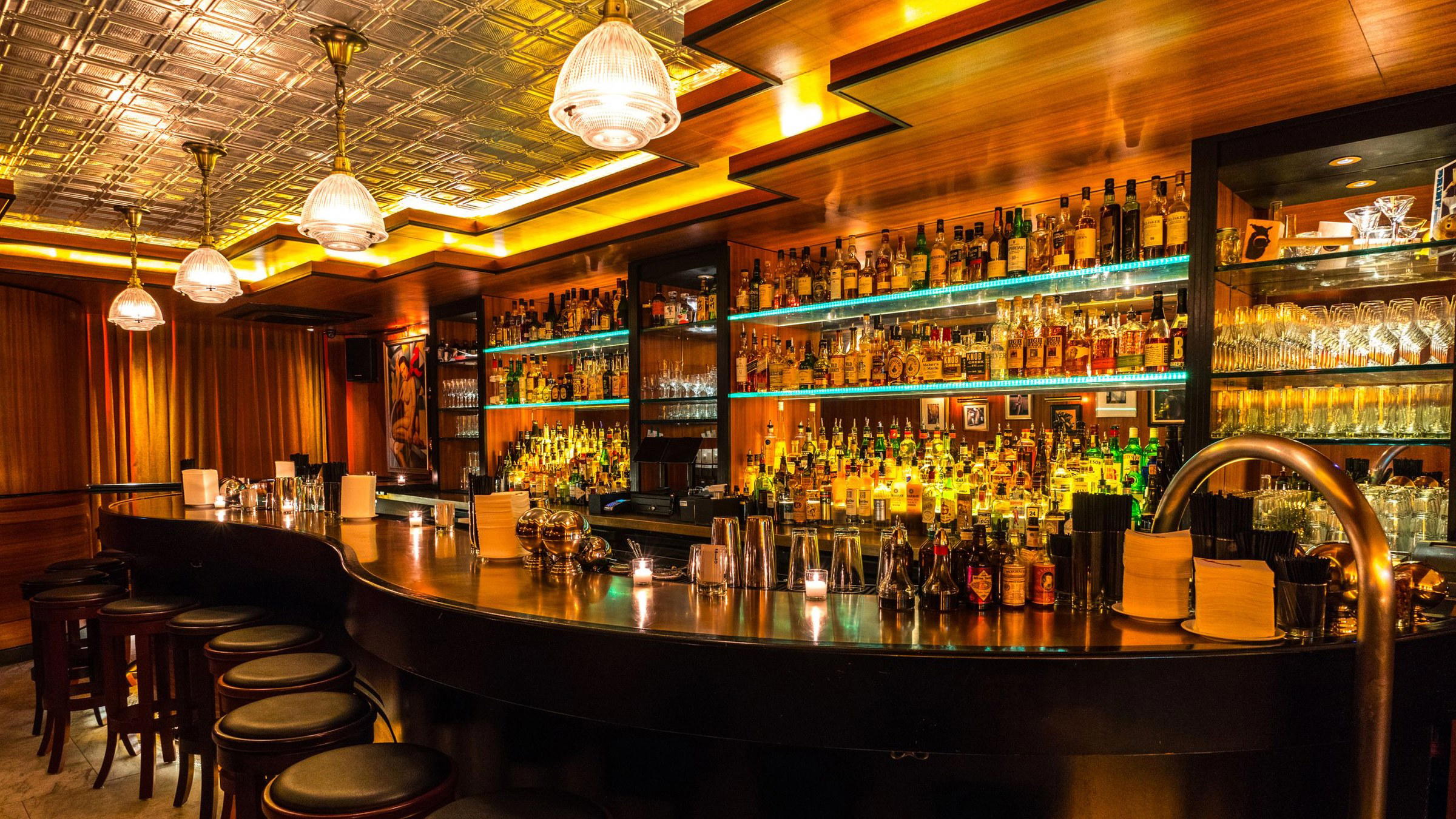
Restaurants in Singapore
Browse all →
At a Glance
- Intimate
- Sophisticated
- Elegant
- Classic
- Date Night
- After Work
- Celebration
- Special Occasion
- Group Outing
- Speakeasy
- Historic Building
- Design Destination
- Standalone
- Seated Bar
- Booth Seating
- Counter Only
- Craft Cocktails
- Classic Cocktails
- Rum
- Whiskey
- Gin
- Tequila
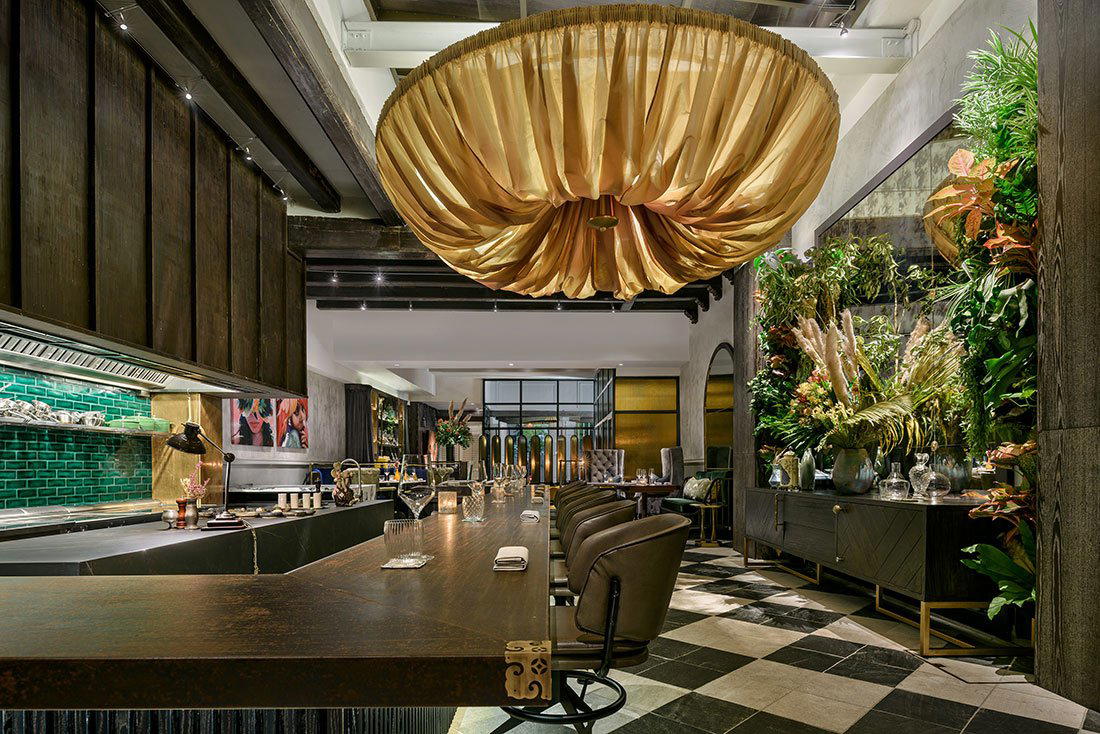
Dimly lit with warm candlelight and directed lighting, creating an intimate and mysterious atmosphere with cozy booths and a welcoming bar area; house music plays softly in the background.