
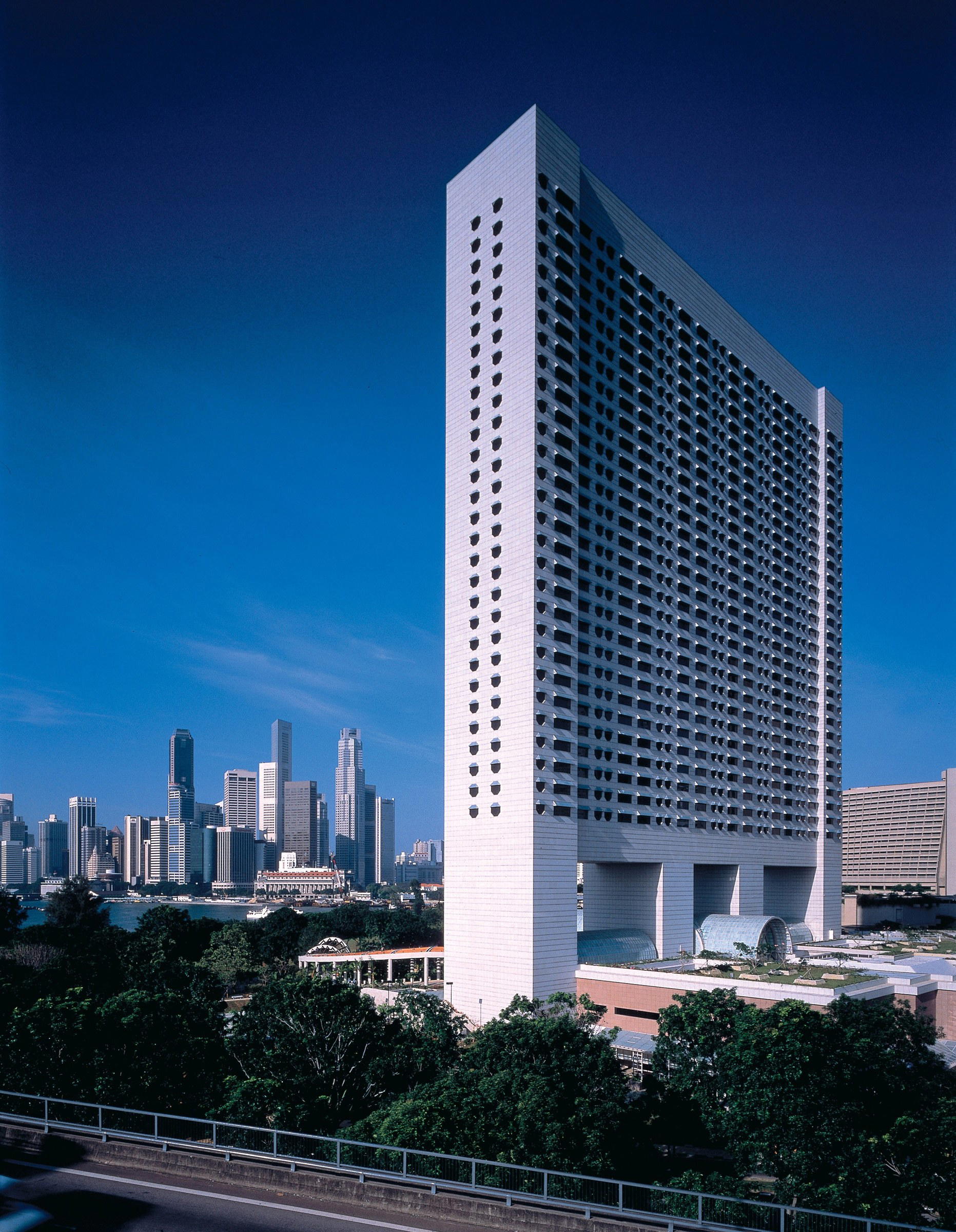
Keyaki sits on Level 4 of Pan Pacific Singapore along Marina Bay, serving Japanese cuisine in a setting that holds consistent recognition in the Opinionated About Dining Top Restaurants in Asia rankings. Under chef Shinichi Nakatake, the kitchen maintains classical discipline across a broad Japanese menu, with a track record that places it among Singapore's more reliable Japanese dining addresses.
Pearl is the En Primeur Club membership app — saves, bookings, and concierge access live there. Same editors, same standards.
- Address
- 7 Raffles Blvd, Level 4 Pan Pacific Singapore, Singapore 039595
- Phone
- +65 6826 8240
- Website
- panpacific.com
- Directions
- Get directions
 Saves & bookings on Pearl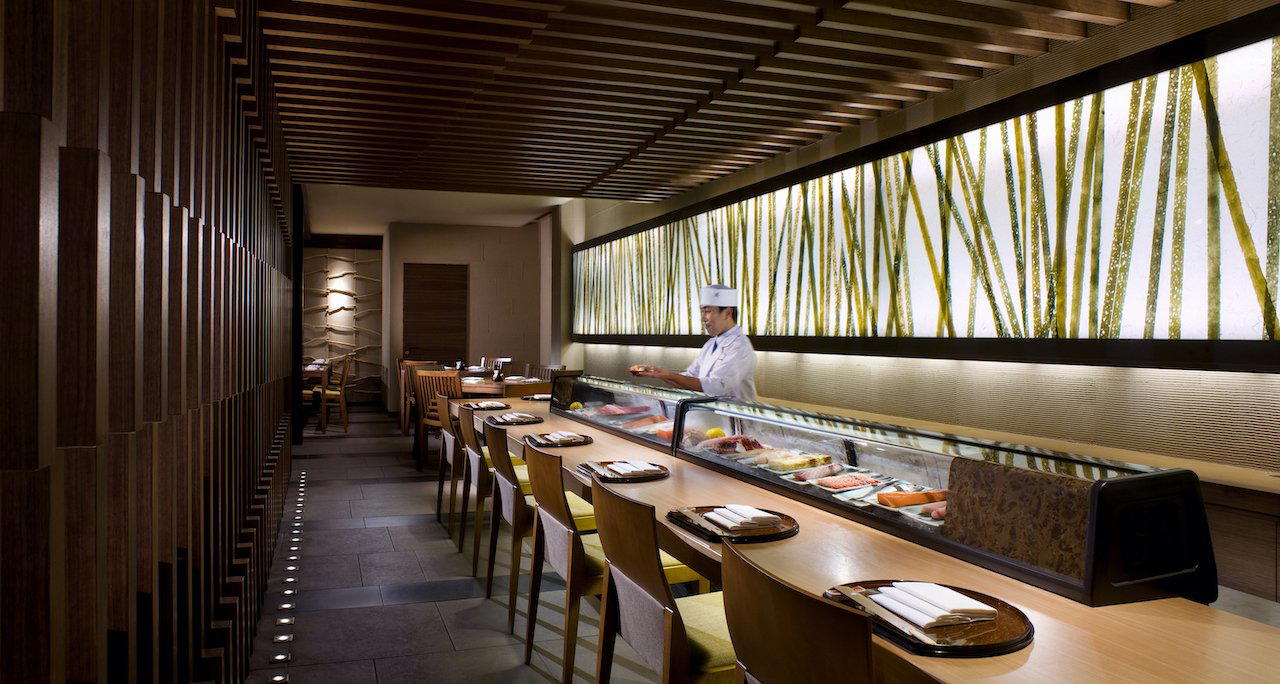
Japanese Craft in a Hotel Setting That Earns Its Place
Hotel Japanese restaurants operate under a particular burden of expectation. They face diners who arrive with comparison points ranging from casual neighbourhood izakayas to Tokyo counter experiences, and they must satisfy both business-lunch crowds and evening guests looking for something more considered. The ones that endure do so not through spectacle but through consistency, through getting the fundamentals right, meal after meal, table after table. Keyaki, on Level 4 of Pan Pacific Singapore along Raffles Boulevard, has been earning that consistency long enough that the Opinionated About Dining survey has tracked its progress: a Recommended listing in 2023, a ranking of #330 in Asia in 2024, and #358 in 2025.
That ranking context matters. OAD's Asia list is weighted toward the opinions of people who eat professionally and frequently across the region. Singapore's Japanese dining scene is competitive enough that holding that position over three consecutive years says something about the kitchen's discipline.
The Case for Simplicity Done Properly
Japanese cuisine at the premium end often centers on omakase counters and kaiseki progressions, where the chef's sequencing defines the experience. But a substantial and more demanding tradition runs alongside that: the craft of soups, broths, noodles, and composed rice dishes where there is nowhere to hide. Ramen, udon, soba, and the wider category of bowl-centred Japanese cooking operate on a different logic than a tasting menu. There is no next course to redirect attention. The broth either has depth or it does not. The noodle texture either holds or it does not. The dashi is either clean and layered or it is flat.
This discipline is what distinguishes Japanese dining rooms that understand their craft from those that rely on premium ingredients to paper over technical gaps. Keyaki's position within the broader Japanese format, covering the range of a serious Japanese kitchen rather than specialising in a single lane, means the kitchen is tested across multiple technical registers simultaneously. That breadth is a harder ask than depth in one format alone.
For the Singapore diner interested in how Japanese cooking compares across the city's restaurant tier, Keyaki offers a useful reference point. It sits within a different register than the counter-format specialists: Ichigo Ichie and Shunsui represent the more intimate, curated end of Singapore Japanese dining, while Ushidoki Wagyu Kaiseki takes the focused ingredient-led approach. Keyaki's hotel-restaurant format serves a broader range of occasions, which demands a different kind of operational consistency.
Singapore as a Stage for Serious Japanese Cooking
Singapore's position as a hub for Japanese culinary talent is worth placing in context. The city draws trained Japanese chefs partly because of its favourable business environment, partly because of a local dining population willing to spend on Japanese food, and partly because the proximity to Japan, in terms of supply chains for seafood and produce, makes maintaining quality standards more practical than in further-flung markets. Singapore regularly appears on regional lists for Japanese dining alongside Tokyo and Osaka, which speaks to how seriously the city's Japanese restaurant operators invest in sourcing and kitchen standards.
Chef Shinichi Nakatake leads the kitchen at Keyaki. His role matters as a sign of continuity at a hotel Japanese restaurant with three successive OAD appearances. Hotel restaurants without that kind of continuity tend to drift in quality; the ones that maintain ranking positions typically have stable leadership in the kitchen.
For context on Japanese dining at the highest level across Asia, the traditions that inform Singapore's leading kitchens have Tokyo counterparts in restaurants like Myojaku, Azabu Kadowaki, and Kagurazaka Ishikawa, as well as Kyoto's Isshisoden Nakamura and Gion Matayoshi, and Osaka's Kashiwaya Osaka Senriyama. Ginza Fukuju in Tokyo and Hayato in Los Angeles show how the Japanese fine dining tradition travels internationally when execution holds up. Singapore's better Japanese kitchens are operating in direct conversation with those reference points.
Where Keyaki Sits in Marina Bay's Dining Picture
Raffles Boulevard in Marina Bay is not a destination dining strip in the way Dempsey Hill or Keong Saik Road might be described. It is a hotel and convention corridor, which means the surrounding restaurants serve heavily corporate and visitor demographics. That context cuts both ways: it generates consistent footfall and repeat business traveller clientele, but it also means the creative risk-taking that defines more independent neighbourhood restaurants is less prevalent here. Keyaki's approach, reliable Japanese cooking at a hotel address with clear service standards, suits the environment.
Singapore's premium dining scene at the European end includes recognised names across multiple Michelin stars, Les Amis and Odette among them, which means the city's diners have calibrated expectations for fine dining at hotel addresses. Keyaki performs within a different cuisine tradition, but the expectation of standards that the city's dining culture has established applies here too.
Know Before You Go
Planning Notes
- Address: 7 Raffles Blvd, Level 4 Pan Pacific Singapore, Singapore 039595
- Hours: Monday to Sunday, 11:30 am–2:30 pm and 6:00 to 10:00 pm
- Chef: Shinichi Nakatake
- Recognition: Opinionated About Dining Leading Restaurants in Asia, Ranked #358 (2025), #330 (2024), Recommended (2023) 2 from 619 reviews
- Format: Hotel Japanese restaurant; lunch and dinner service daily
Cuisine Lens
Comparable venues nearby, for context on price, style, and recognition.
| Venue | Cuisine | Price | Awards | Notes |
|---|---|---|---|---|
| KeyakiThis venue — the venue you are viewing | Authentic Japanese Kaiseki and Teppanyaki | $$$$ | Not listed | Not listed |
| Ishizawa | Edomae Sushi Omakase | $$$$ | Michelin Plate | CITY HALL |
| Ki-sho | Kappo-style Japanese Omakase | $$$$ | Not listed | GOODWOOD PARK |
| Shatōburian | Premium Japanese Yakiniku | $$$$ | Not listed | BOULEVARD |
| Sushi Ashino | Edomae Jukusei Sushi Omakase | $$$ | Not listed | CHINATOWN |
| Sushi Masaaki | Modern Japanese Omakase | $$$$ | Michelin Plate | CITY HALL |
Recognition history
Dated appearances from independent guides and award organizations, with the underlying list record or original source where available.
Opinionated About Dining Top Restaurants in Asia Recommended
Opinionated About Dining
Opinionated About Dining Top Restaurants in Asia Ranked #358
Opinionated About Dining
Opinionated About Dining Top Restaurants in Asia Ranked #330
Opinionated About Dining
Opinionated About Dining Top Restaurants in Asia Recommended
Opinionated About Dining
Continue exploring
More in Singapore
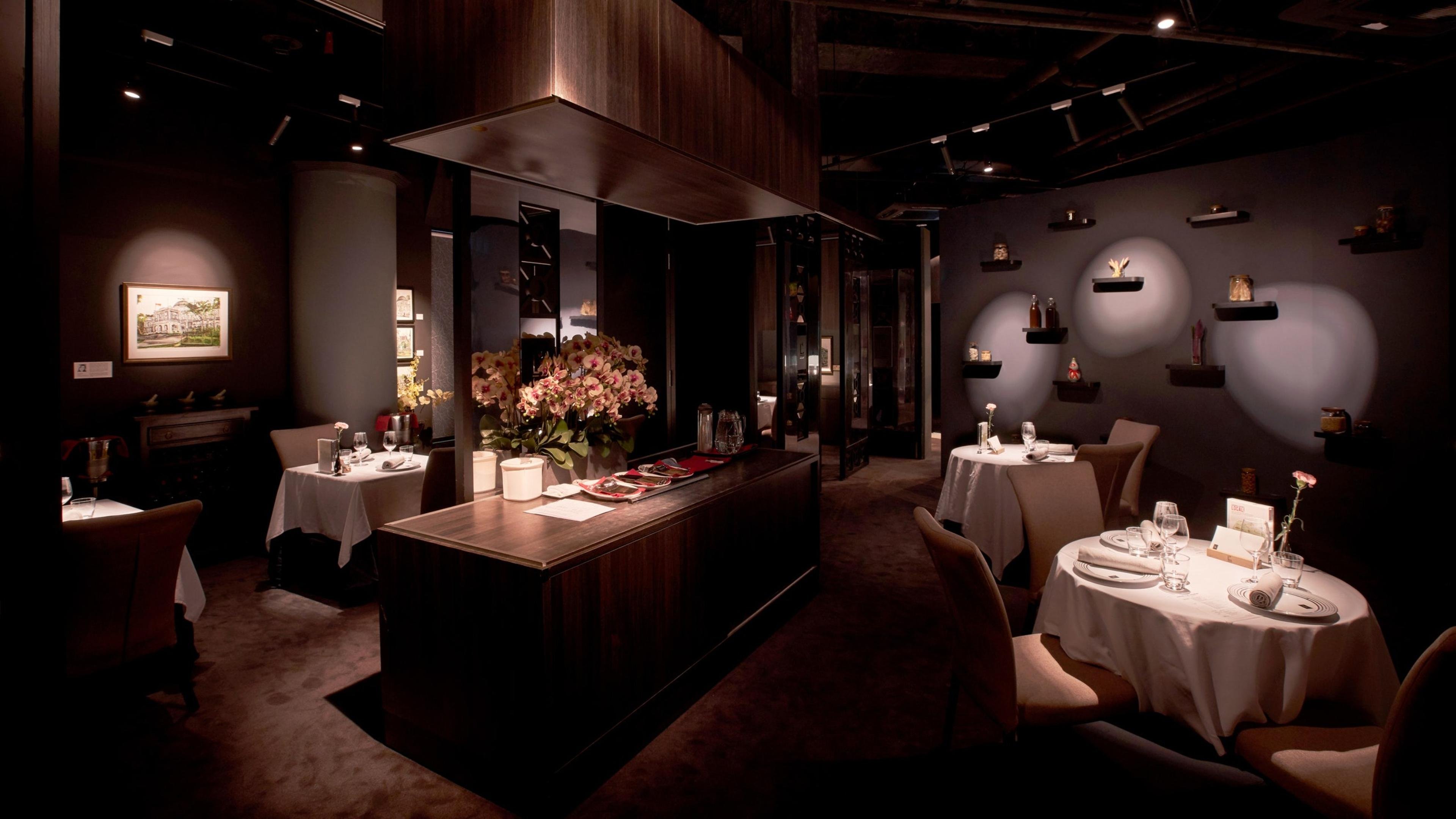
Restaurants in Singapore
Browse all →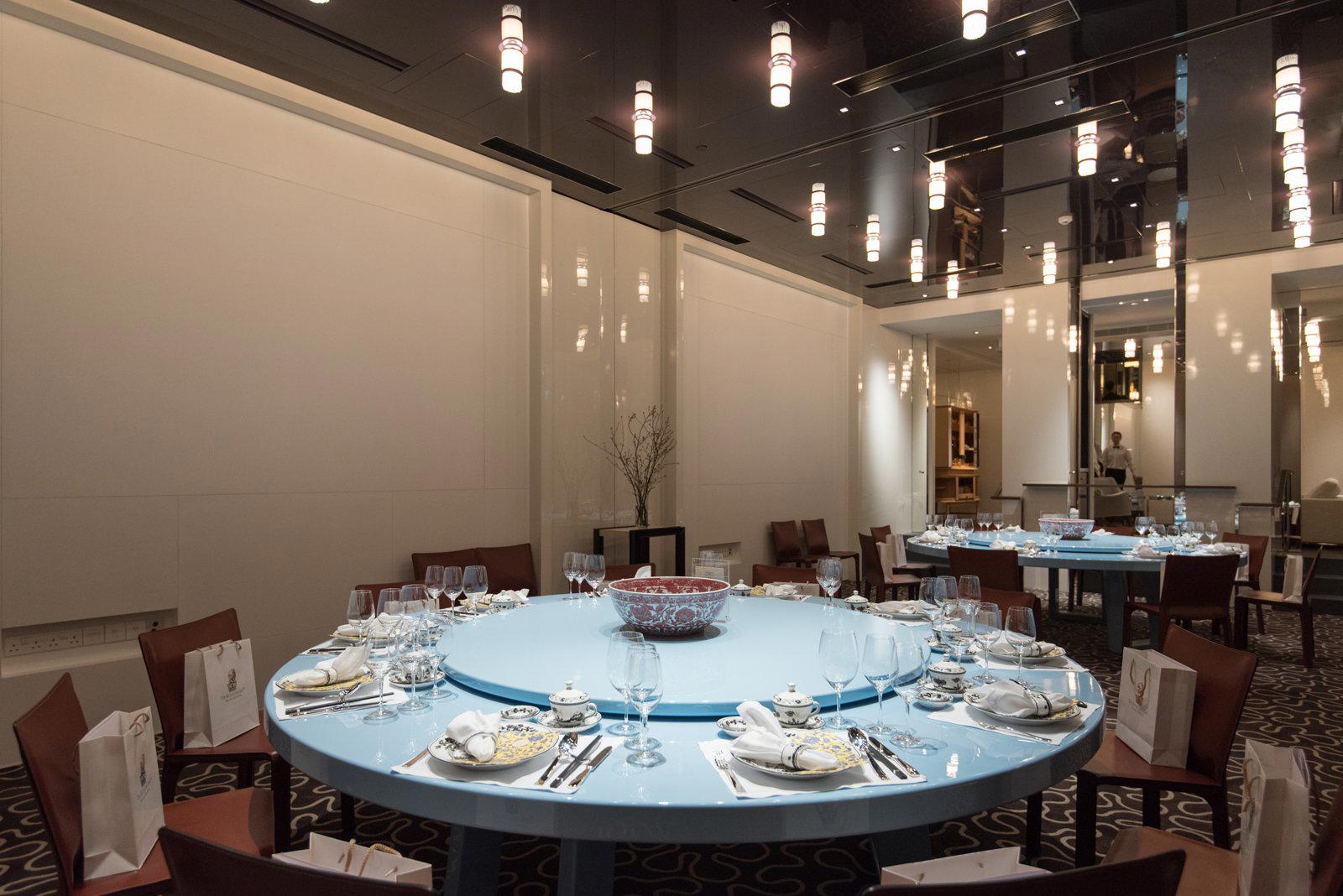
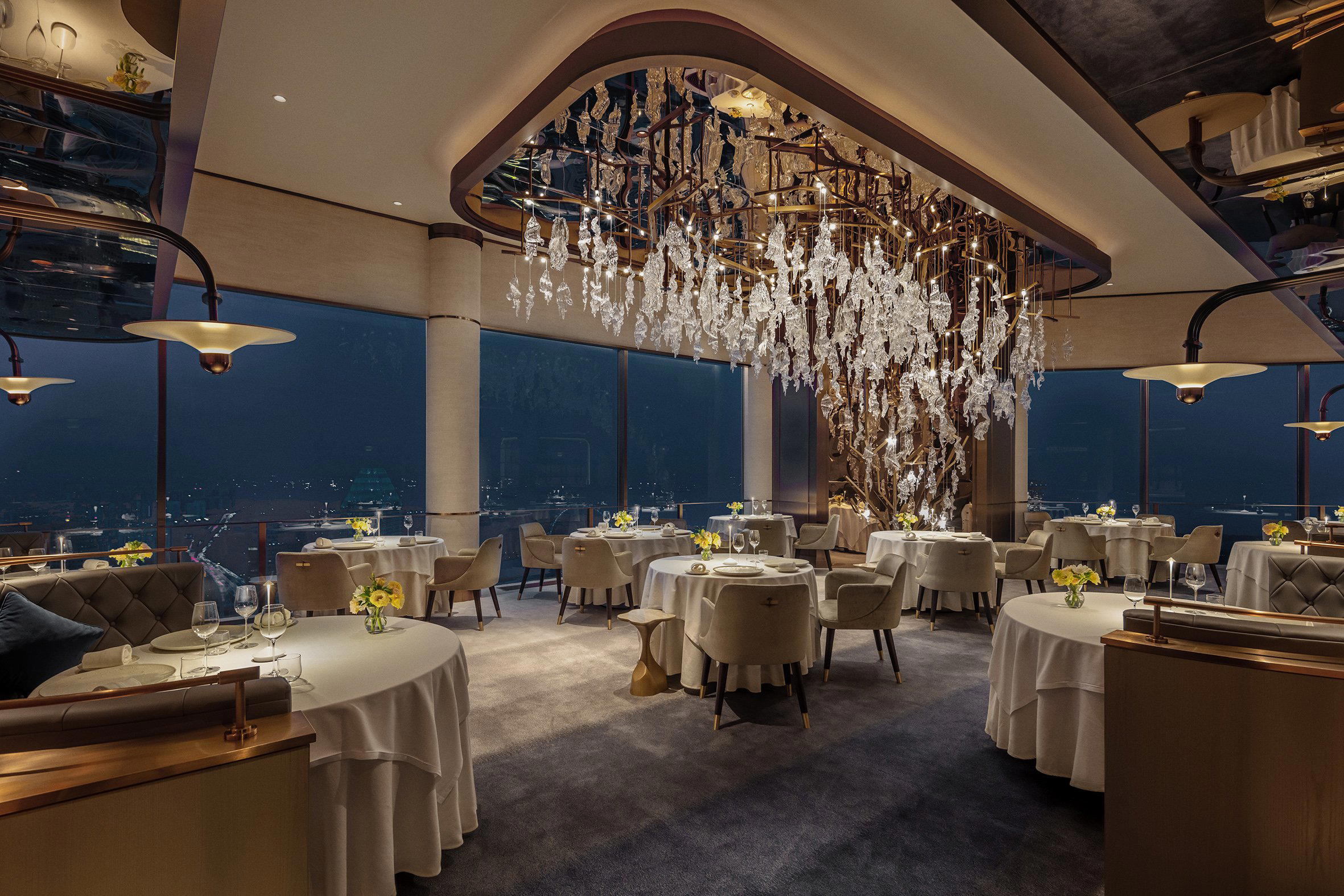
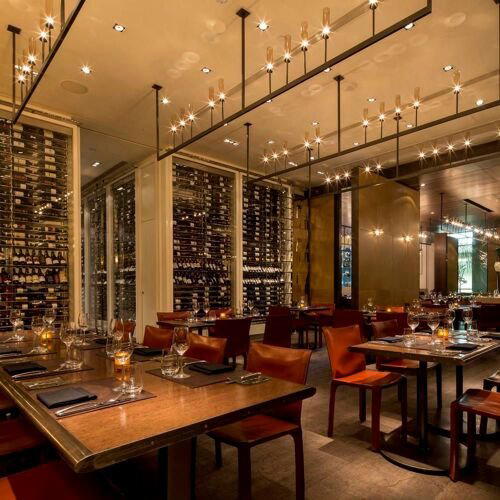
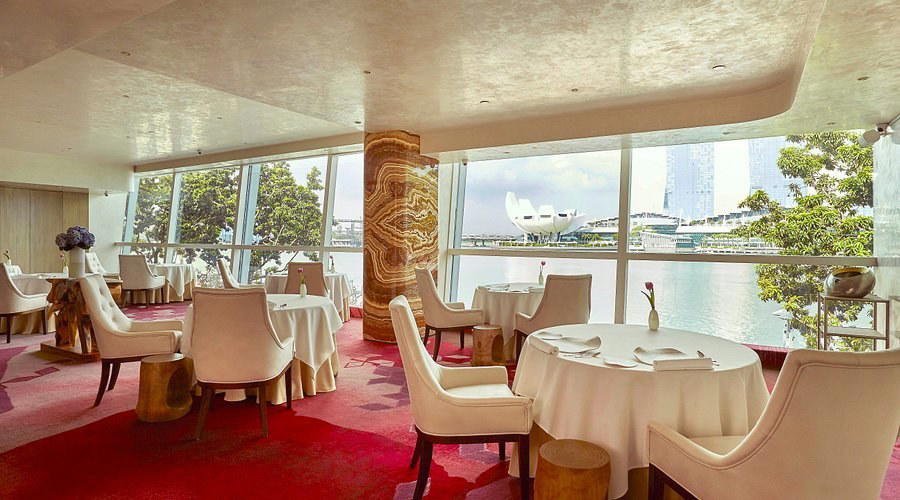
Bars in Singapore
Browse all →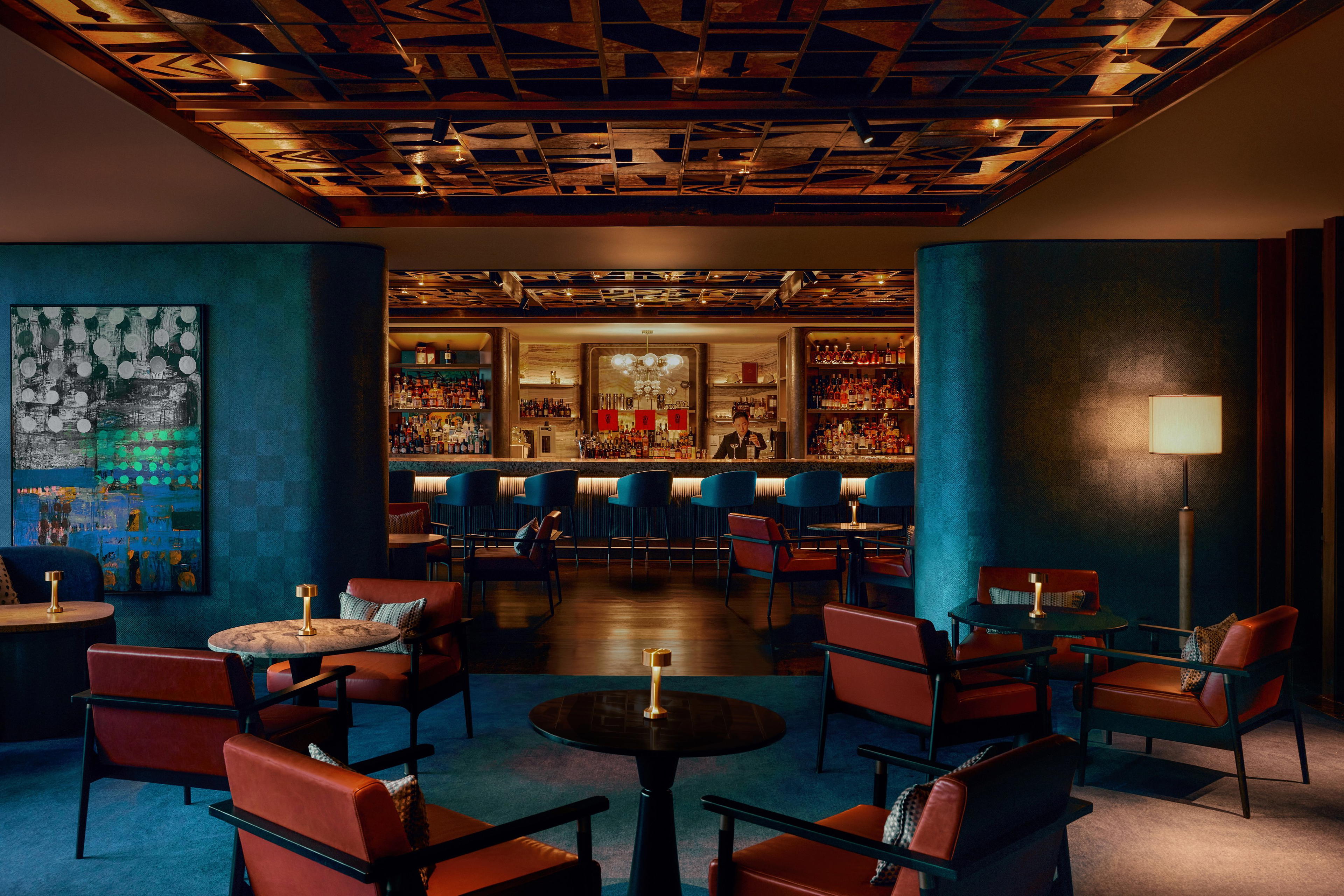
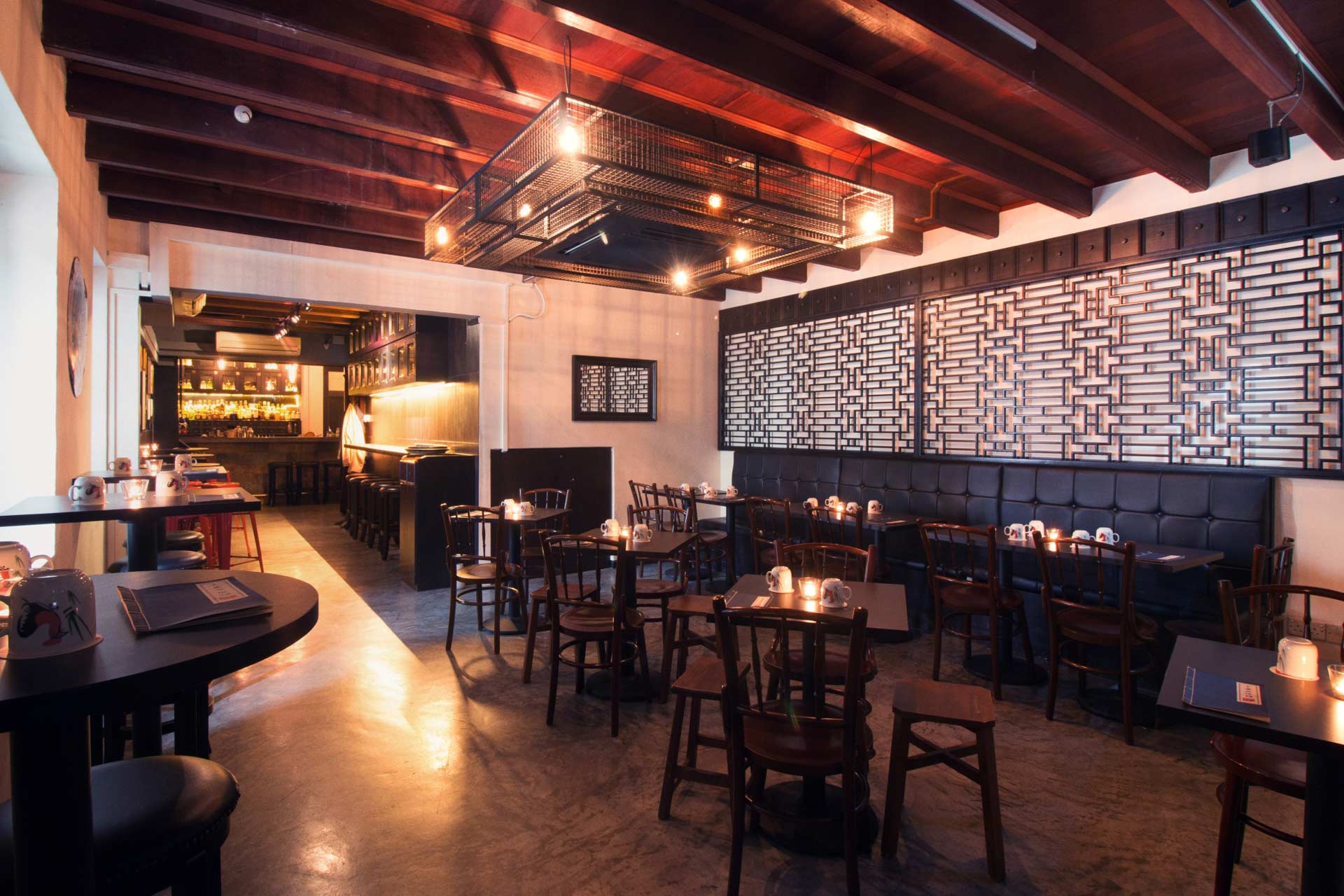
At a Glance
- Elegant
- Scenic
- Sophisticated
- Cozy
- Date Night
- Special Occasion
- Business Dinner
- Celebration
- Open Kitchen
- Garden
- Private Dining
- Hotel Restaurant
- Sake Program
- Garden
Current opening hours
- Monday
- 11:30 AM–2:30 PM, 6–10 PM
- Tuesday
- 11:30 AM–2:30 PM, 6–10 PM
- Wednesday
- 11:30 AM–2:30 PM, 6–10 PM
- Thursday
- 11:30 AM–2:30 PM, 6–10 PM
- Friday
- 11:30 AM–2:30 PM, 6–10 PM
- Saturday
- 11:30 AM–2:30 PM, 6–10 PM
- Sunday
- 11:30 AM–2:30 PM, 6–10 PM
Hours can change for holidays and private events. Last verified .
Elegant and zen-like atmosphere surrounded by a sculpted Japanese garden and koi pond, with beautiful lighting and authentic Kyoto-inspired decor.