

Michelin Guide Plate · Michelin Plate
Our verdict
Sushi Katori holds a 2024 Michelin Plate at its Tanjong Pagar address, positioning it within Singapore's mid-tier omakase tier below the starred counters but above the high-volume sushi chains.For serious sushi in a neighbourhood already dense with Japanese dining, it earns its place on the shortlist.

Pearl is the En Primeur Club membership app, where members save venues, book tables and use the concierge.

Tanjong Pagar's Sushi Counter Culture
Tanjong Pagar Road has become one of Singapore's most legible Japanese dining corridors. The conservation shophouse belt running south from the CBD attracts a specific kind of operator: small-format, chef-led, lunch-and-dinner Japanese counters that depend on repeat custom from the surrounding office district by day and destination diners by night. Sushi Katori, at 21 Tanjong Pagar Road, sits inside that pattern. It holds a 2024 Michelin Plate, which in Singapore's recognition framework places it in the tier of venues the Guide considers worth knowing without having crossed into starred territory. That bracket is larger in Singapore than in Tokyo, and more competitive than it looks from the outside.
For context on where Singapore's sushi scene now sits regionally: the city's leading omakase counters Shoukouwa with its two Michelin stars and Hamamoto operating at the upper allocation tier, price and position themselves against peer counters in Hong Kong and Tokyo rather than within Singapore alone. Below that stratum, the Michelin Plate counters and recognisable independents like Sushi Ichi, Sushi Sakuta, and Sushi Ashino compete on consistency, fish sourcing, and the quality of their lunch-to-dinner proposition.
The Lunch vs. Dinner Question
In Singapore's omakase-style sushi rooms, the gap between lunch and dinner service is more consequential than in many other dining categories. Dinner at a $$$$-tier counter like Sushi Katori typically anchors around a longer omakase progression, with the kitchen able to pace through more courses and present fish that has been held and conditioned through the day. Lunch tends to compress: the set is shorter, the check is lower, and the room fills with a different crowd, CBD professionals on a fixed break rather than destination diners prepared to linger. That compression is not a weakness. In practical terms, a well-executed lunch omakase at this price band can offer one of the more efficient value positions in Singapore fine dining, delivering Michelin Plate-level fish work at a fraction of a comparable dinner spend.
The dinner mood at counters of this type shifts in a different direction. Smaller groups, more deliberate pacing, and a room that is quieter and more focused. The shophouse format at Tanjong Pagar tends to reinforce this: the architecture creates intimate, low-ceilinged spaces where ambient noise drops naturally as the evening advances. That physical environment is part of what makes the dinner proposition at Sushi Katori distinct from the lunch one, same kitchen, materially different atmosphere.
For comparative reference: at the starred end of the Singapore omakase market, the lunch-dinner divide is less pronounced, prices remain high across both services, and the ritual is similar regardless of hour. At the Plate tier, there is usually more room to optimise around service time, and that strategic flexibility is part of the value argument for counters like this one.
Sushi in Singapore vs. the Regional Benchmark
Singapore's sushi scene operates at some distance from its Japanese sources, as any honest assessment must acknowledge. The fish supply chain is indirect, the humidity demands different storage protocols, and the pool of Japanese-trained sushi chefs operating here is smaller than in Hong Kong or Tokyo. Michelin's Plate designation for Sushi Katori represents the Guide's judgement that the kitchen clears a quality bar worth noting, it does not position it against Sushi Kanesaka in Tokyo or Sushi Shikon in Hong Kong.
For diners who have eaten at Harutaka or Sukiyabashi Jiro Roppongiten in Tokyo, or Sushi Harasho in Osaka, the Singapore experience will read as a different register, technically grounded, recognisably omakase, but operating with the constraints of a Southeast Asian supply chain. That is a fair framing, not a dismissal. Equally, Edomae Sushi Hanabusa in Tokyo and HANE in Seoul illustrate how the omakase format adapts across different markets with varying ingredient access.
For context on how Sushi Katori compares within the broader Singapore dining picture: it occupies a specialist Japanese niche that sits apart from the city's European contemporary fine dining rooms like Zén or Born, and from the Cantonese or Australian barbecue formats lower in the price range. The $$$$-tier in Singapore is less monolithic than the price band implies; a counter sushi meal and a European tasting menu at the same price point are different propositions for different occasions. Sushi Sho in New York City demonstrates how omakase counters can build distinctive identities even in markets far removed from Japan, the discipline of format and sourcing matters more than geography alone.
The Tanjong Pagar Address
The #01-03 unit at 21 Tanjong Pagar Road places Sushi Katori on a stretch that has density of Japanese and Korean dining, particularly at the lunch hour. The neighbourhood's character is shaped by its proximity to the CBD and its conservation shophouse architecture, which limits the size of individual venues and keeps the format intimate by default. That physical constraint aligns with the omakase model: small rooms, counter seating, and a kitchen-to-diner ratio that makes the format work. Booking ahead is the operating assumption for any counter at this recognition level in Singapore; walk-in availability at peak hours is unlikely.
The broader Tanjong Pagar dining strip rewards exploration beyond a single booking. Pairing a sushi counter meal with a drinks stop at one of the neighbourhood's Japanese whisky or sake bars is a pattern that experienced visitors to the area follow. For hotel recommendations, bar bookings, and other experiences in Singapore, see our full Singapore hotels guide, our full Singapore bars guide, our full Singapore experiences guide, and our full Singapore wineries guide. For the full picture of where Sushi Katori sits among Singapore's restaurant options across all categories, our full Singapore restaurants guide maps the scene by cuisine, price, and neighbourhood.
Planning Your Visit
Address: 21 Tanjong Pagar Road, #01-03, Singapore 088444. Cuisine: Sushi / omakase counter. Price range: $$$$ (high-end; lunch service typically represents better value than dinner at this tier). Recognition:Reservations: Advance booking is strongly advisable; counter seats at Michelin-recognised venues at this address fill quickly, particularly on weekends and Friday evenings. Timing: For the most focused, paced experience, evening service suits those who want the full omakase progression; lunch suits diners working within a time or budget constraint without sacrificing kitchen quality.
Frequently asked questions
What's the signature dish at Sushi Katori?
Sushi Katori holds a 2024 Michelin Plate, which confirms the kitchen's consistent technical level across its sushi offering. However, no specific signature dish is documented in available public records. At counters of this type, the omakase format means the menu rotates with fish availability and season, so no single piece is fixed as the headline. If you are researching the specific fish or seasonal items in rotation, contacting the restaurant directly before booking is the reliable approach. For a broader sense of what distinguishes Singapore's sushi counters at this recognition tier, our full Singapore restaurants guide covers the competitive set in detail.
Similar Picks
Comparable venues nearby, for context on price, style, and recognition.
| Venue | Cuisine | Price | Awards | Notes |
|---|---|---|---|---|
| Sushi KatoriThis venue (the venue you are viewing) | Premium Edomae Omakase | $300–500 | Michelin Guide Plate · Michelin Plate | Not listed |
| Sushi Yuki | Edomae-style Omakase | $200–300 | Michelin Plate | SELEGIE |
| Sushi Sato | Traditional Japanese Omakase | $300–500 | Michelin Guide Plate · Michelin Plate | RIDOUT |
| SUSHI ZEN | Traditional Edomae Sushi Omakase | $200–300 | Michelin Guide Plate · Michelin Plate | Keong Saik |
| Sushi Masaaki | Modern Japanese Omakase | $200–300 | Michelin Guide Plate · Michelin Plate | CITY HALL |
| Wakuda | Modern Japanese Omakase | $100–150 | Michelin Guide Plate · Michelin Plate | BAYFRONT SUBZONE |
Recognition history
Dated appearances from independent guides and award organizations, with the underlying list record or original source where available.
Michelin Guide Plate
Michelin Guide
Michelin Plate
Michelin
Continue exploring
More in Singapore
Restaurants in Singapore
All restaurants in Singapore →
Bars in Singapore
All bars in Singapore →
Details
- Energetic
- Elegant
- Intimate
- Sophisticated
- Special Occasion
- Celebration
- Date Night
- Chefs Counter
- Open Kitchen
- Sake Program
- Sustainable Seafood
- Local Sourcing
- Omakase
- Counter Dining
- Sake
- Japanese Lager
- Allergy Accommodating
Current opening hours
- Monday
- Closed
- Tuesday
- 12–2:30 PM, 6:30–10:30 PM
- Wednesday
- 12–2:30 PM, 6:30–10:30 PM
- Thursday
- 12–2:30 PM, 6:30–10:30 PM
- Friday
- 12–2:30 PM, 6:30–10:30 PM
- Saturday
- 12–2:30 PM, 6:30–10:30 PM
- Sunday
- 12–2:30 PM, 6:30–10:30 PM
Hours can change for holidays and private events. Hours as of .
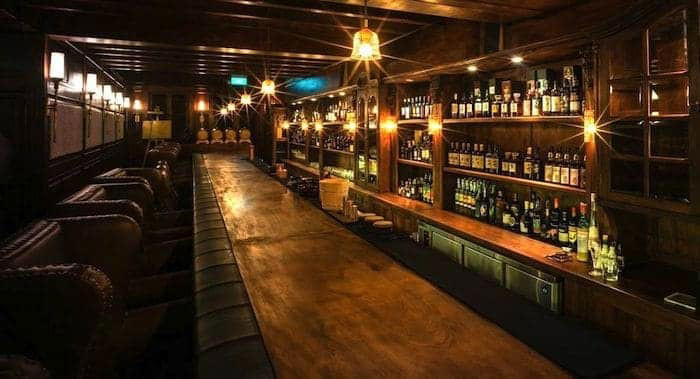
Upmarket zen ambience with traditional setting, wooden panel carvings, and an energetic yet refined atmosphere created by the chef's engaging personality and immaculate service.