
A Michelin Plate-recognised Japanese restaurant on Orchard Road, Ichigo Ichie brings the measured discipline of Japanese dining to one of Singapore's busiest retail corridors. It occupies the mid-to-upper tier of the city's Japanese dining scene, a credible address for those who want precision over spectacle.
Pearl is the En Primeur Club membership app — saves, bookings, and concierge access live there. Same editors, same standards.
- Address
- 442 Orchard Rd, #01-16/17 Claymore Connect, Singapore 238879
- Phone
- +65 9018 2897
- Website
- ichigoichie.com.sg
- Directions
- Get directions
 Saves & bookings on Pearl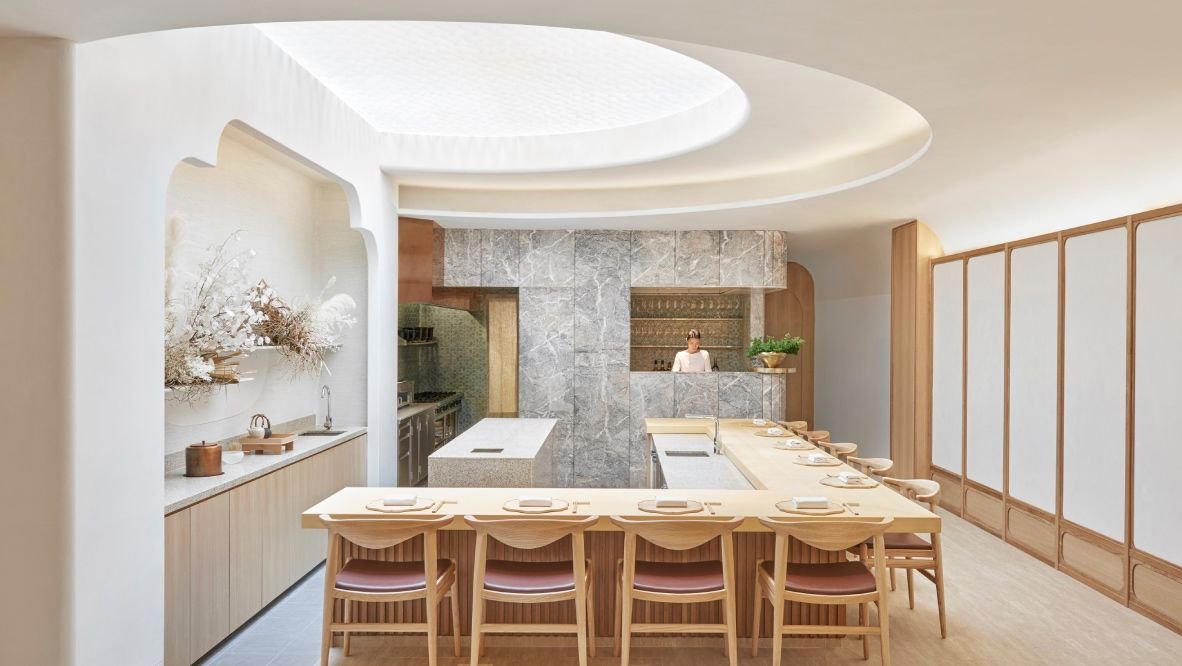
Japanese Restraint on Orchard Road
The Orchard Road corridor is not where Singapore's most contemplative dining typically happens. Strip-mall counters, hotel all-day restaurants, and crowd-facing casual formats dominate this stretch, which makes the quieter register of Ichigo Ichie at Claymore Connect something worth pausing over. The room sits at ground level in Claymore Connect, a mall connector on Orchard Road. That contrast between location and intention is the first thing you register walking in: the space signals a different pace than the retail energy surrounding it.
The name itself anchors the experience in a specific Japanese sensibility. Ichigo ichie, loosely, "one time, one meeting", is a concept rooted in the tea ceremony tradition of treating each encounter as singular and unrepeatable. It is a Kyoto idea more than a Tokyo one, pointing toward ritual over novelty, presence over momentum. That framing matters when you consider where Singapore's Japanese dining scene has been moving.
Metropolitan Fault Lines: Tokyo's Speed vs. Kyoto's Depth
Contrast between Tokyo and Kyoto dining traditions plays out well beyond Japan's borders, and Singapore is one of the clearest external mirrors of that divide. Tokyo exports high-throughput precision, omakase counters optimised for sequence and showmanship, izakayas built for pace, ramen operations engineered for volume. Kyoto, by contrast, sends out restraint: kaiseki rhythm, ingredient-first logic, and a tolerance for negative space on the plate and in the room.
Singapore's Japanese restaurant scene has absorbed both influences. On the Tokyo side, you have counter formats built around visual theatre and rapid-fire courses. On the Kyoto side, a smaller cohort of restaurants operates at lower temperatures, slower service, more considered ingredient sourcing, formats where the meal accumulates meaning rather than momentum. Ichigo Ichie, by name and apparent orientation, situates itself toward the Kyoto end of that spectrum. For comparison, Keyaki and Shunsui represent the longer-established tier of Singapore Japanese dining, while Ushidoki Wagyu Kaiseki operates in the more format-specific kaiseki-adjacent space.
At the upper end of Singapore dining more broadly, the Michelin ecosystem includes multi-star European addresses like Odette and Les Amis, both of which occupy a different price tier and register. Within Japanese cuisine specifically, the Michelin Plate recognition that restaurant holds in 2025 places it in the recommended tier below star-level, a signal of consistent quality rather than destination status, which fits its neighbourhood positioning accurately.
What the Recognition Signals
A Michelin Plate, introduced in the 2016 guide expansion, marks restaurants where inspectors found cooking that is good without reaching the consistency or complexity thresholds for a star. In a city with the density of Singapore's Japanese dining, a market that has imported talent from every major regional tradition in Japan, the Plate is a meaningful filter. It distinguishes the restaurant from the unmarked majority while placing it in a different conversation than starred addresses.
That sample size is modest by high-volume restaurant standards, which itself suggests a smaller, more deliberate operation. High scores on small review pools tend to reflect consistent delivery to a specific audience rather than mass-market appeal, reinforcing the idea that this restaurant is doing something focused rather than broad.
For context across the Japanese dining corridor in Japan itself, restaurants like Kagurazaka Ishikawa and Azabu Kadowaki in Tokyo operate at the starred tier with long booking windows and kaiseki-format depth. In Kyoto, the continuum runs from the centuries-old formality of Isshisoden Nakamura to the more accessible end anchored by addresses like Gion Matayoshi. The restaurant in Singapore reads as a translation of that Kyoto-adjacent sensibility for a market that increasingly understands the difference.
Singapore as a Japanese Dining Destination
Singapore's Japanese restaurant scene has grown more layered over the past decade. The early wave of suburban Japanese chains and hotel teppanyaki rooms has been supplemented, and in prestige terms, largely displaced, by a second generation of more format-specific, training-traceable operations. This mirrors what happened in major Western cities, where initial Japanese dining was broadly casual before specialist formats (ramen-only, sushi omakase-only, yakitori-only) established separate identity tiers.
What Orchard Road adds specifically is visibility and foot-traffic accessibility that neighbourhood restaurants in Dempsey or Tanjong Pagar don't share. The Claymore Connect address puts the restaurant in front of an audience that includes hotel guests, business diners, and residents who may not seek out specialist Japanese dining proactively. That positioning, quality Japanese cooking in an accessible, high-traffic location, is a specific and underserved niche in Singapore's mid-to-upper restaurant tier.
Internationally, Japanese restaurants operating outside Japan in accessible urban settings include Hayato in Los Angeles, which has attracted attention for bringing kaiseki discipline to a non-Japanese context. Ginza Fukuju and Kashiwaya Osaka Senriyama represent the domestic Japanese tier that these international outposts reference, consciously or not, in their format choices.
Reputation First
Comparable venues nearby, for context on price, style, and recognition.
| Venue | Cuisine | Price | Awards | Notes |
|---|---|---|---|---|
| Ichigo IchieThis venue — the venue you are viewing | Japanese Kappo-Kaiseki | $$$$ | Michelin Plate | Not listed |
| Sushi Ryujiro | Edomae Omakase | $$$$ | Michelin Plate | BOULEVARD |
| Sushi Hare | Japanese Omakase | $$$$ | Michelin Plate | CHINATOWN |
| Ishizawa | Edomae Sushi Omakase | $$$$ | Michelin Plate | CITY HALL |
| Ki Su | Plant-Based Shojin Omakase | $$$$ | Michelin Plate | CHINATOWN |
| Keyaki | Authentic Japanese Kaiseki and Teppanyaki | $$$$ | Not listed | MARINA CENTRE |
Recognition history
Dated appearances from independent guides and award organizations, with the underlying list record or original source where available.
Michelin Guide Plate
Michelin Guide
Michelin Plate
Michelin
Continue exploring
More in Singapore
Restaurants in Singapore
Browse all →
Bars in Singapore
Browse all →
At a Glance
- Intimate
- Elegant
- Minimalist
- Sophisticated
- Date Night
- Special Occasion
- Chefs Counter
- Open Kitchen
- Sake Program
Current opening hours
- Monday
- Closed
- Tuesday
- 12–2:30 PM, 7–10:30 PM
- Wednesday
- 12–2:30 PM, 7–10:30 PM
- Thursday
- 12–2:30 PM, 7–10:30 PM
- Friday
- 12–2:30 PM, 7–10:30 PM
- Saturday
- 12–2:30 PM, 7–10:30 PM
- Sunday
- Closed
Hours can change for holidays and private events. Last verified .
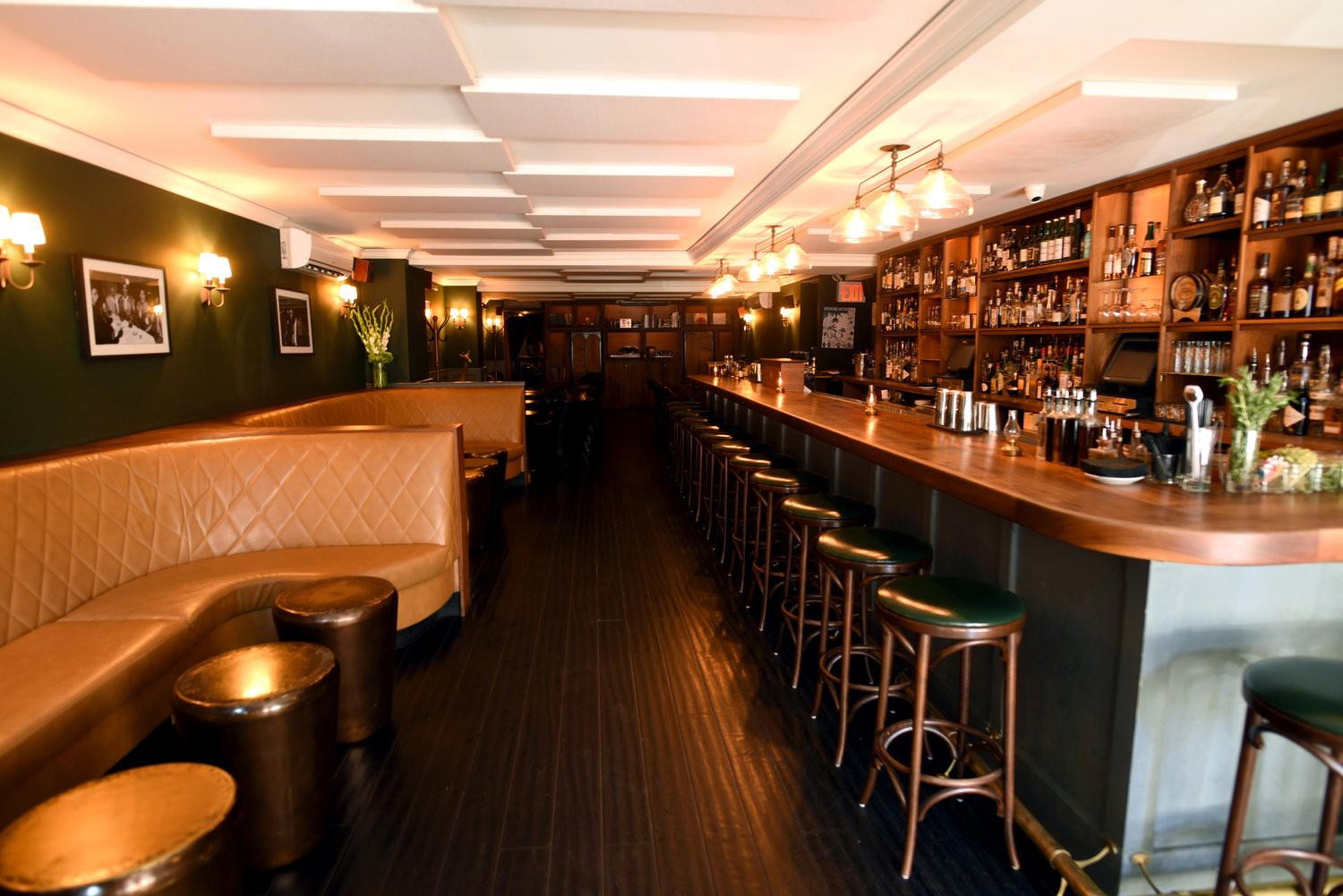
Minimalist Zen with pine wood counter, clean classy surfaces, stone counter adding rustic homeliness; quiet and focused atmosphere.