
Our verdict
Located in Club Street's ICON Hotel, Sushi Ashino brings rigorous Japanese omakase technique to Singapore's competitive sushi tier. Chef Taku Ashino has earned consecutive Opinionated About Dining recognition, ranking #253 among Asia's top restaurants in 2024. The counter operates across lunch and dinner sessions from Tuesday through Saturday, with Sunday closed and Monday dinner only.

Pearl is the En Primeur Club membership app, where members save venues, book tables and use the concierge.
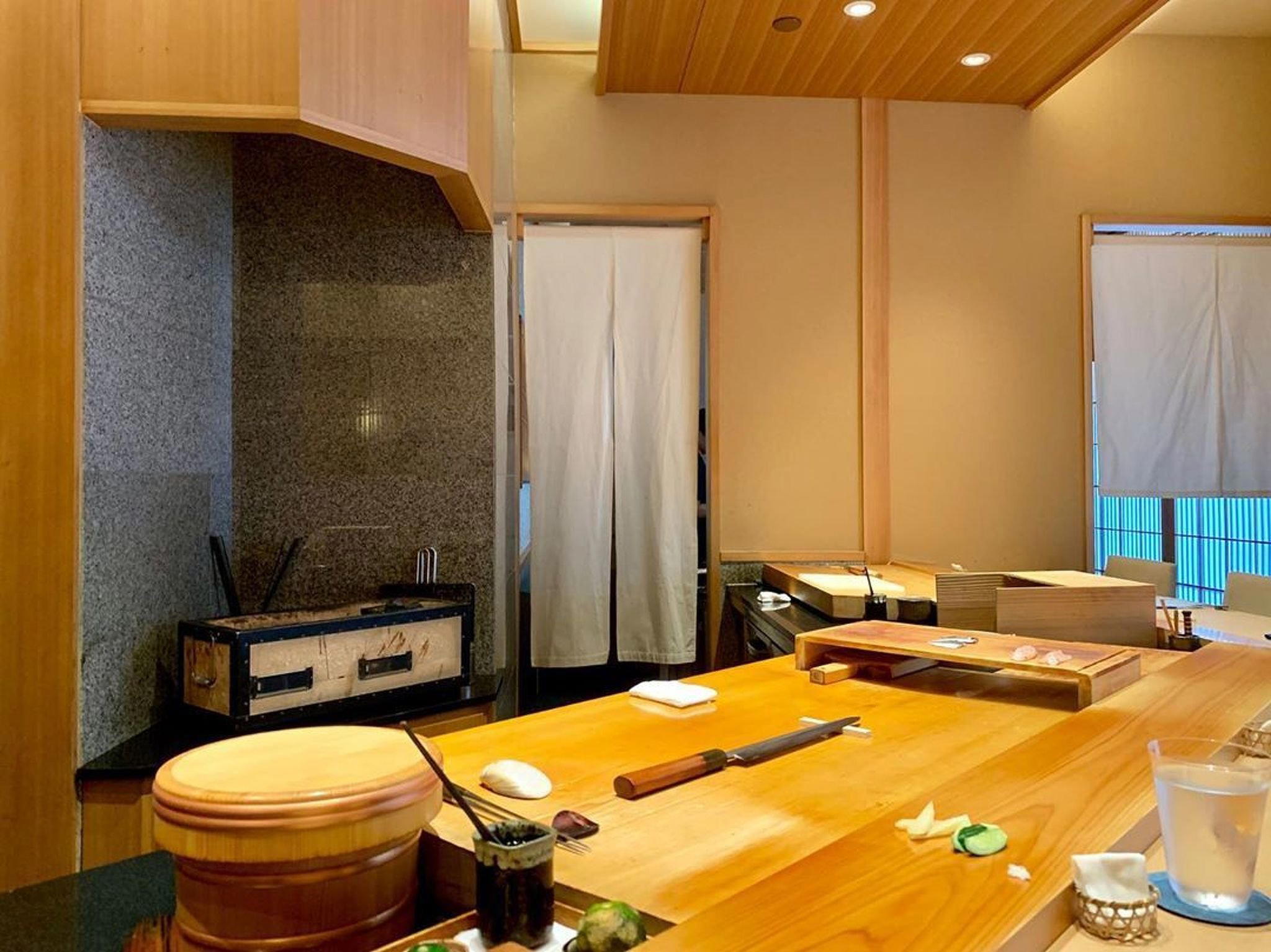
The menu
What to order
- Aged Tuna (Maguro Akami)
- Ayu with Hokkaido Sweet Corn
- Uni Nigiri
A Counter in the Old Quarter
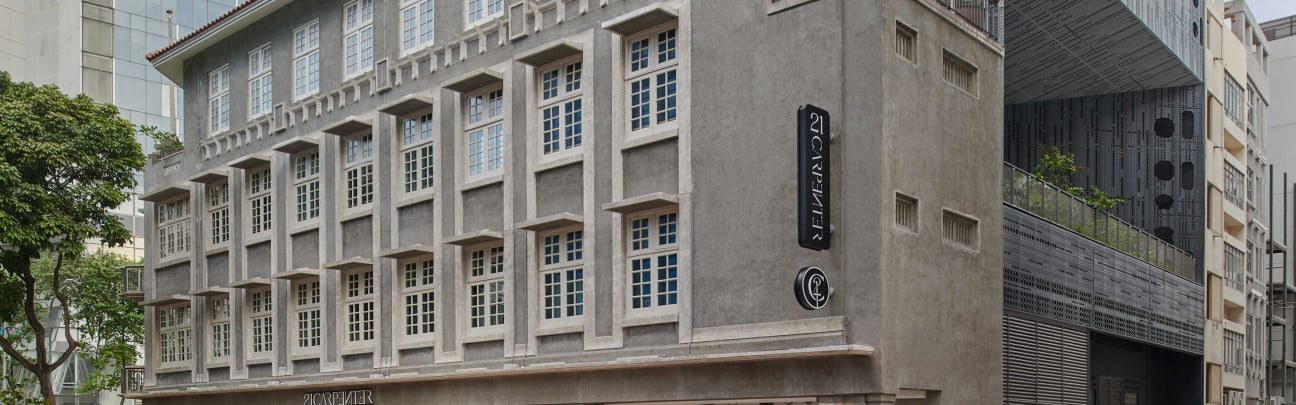
Club Street sits in one of Singapore's most compressed dining corridors, where shophouse facades and contemporary hotel lobbies exist within steps of each other. The ICON Hotel's ground-floor unit at #01-12/13 places Sushi Ashino at an address that reads less like a destination and more like a discovery, tucked into a building whose lobby foot traffic skews toward business travel rather than culinary pilgrimage. That friction between setting and ambition is part of what defines the sharper end of Singapore's omakase circuit: serious Japanese counter dining rarely announces itself loudly in this city.
Singapore's sushi scene occupies a different position in Asia's broader omakase geography than Tokyo or Osaka, and that context matters for understanding where Ashino sits. This is a city where the premium sushi tier has expanded considerably over the past decade, with counters ranging from established institutions like Shoukouwa at the top of the Michelin hierarchy to newer entrants like Hamamoto and Sushi Hare carving distinct technical identities. Sushi Ashino competes in that same tier, differentiated less by spectacle and more by consistency of craft.
Technique as the Through-Line
The editorial angle that matters here is not what Ashino does differently from its Japanese source material, but how Japanese omakase technique translates when its practitioner is working outside the supply infrastructure of Tsukiji or Toyosu. Singapore's position as a regional hub means that high-grade fish, from Japanese bluefin to seasonal Hokkaido scallops, moves through the city's import channels in volume. What separates counters at this level is not simply access to that fish, but the accumulated knowledge governing how it is aged, cut, and seasoned in relation to the local climate and the specific sourcing windows available on a given week.
That intersection of imported method and adapted sourcing defines what the better Singapore omakase counters are doing, and it is the dimension on which Ashino has built its reputation. The Edomae tradition, which grounds the style practiced at comparable counters like Sushi Kanesaka in Tokyo or Edomae Sushi Hanabusa, relies on a specific set of rice-vinegar balances, curing and marinating protocols, and hand-pressure disciplines that do not bend easily to shortcut. Executing that tradition outside Japan requires sourcing discipline and technical fluency that the Opinionated About Dining rankings recognize as a differentiator.
Opinionated About Dining, which surveys experienced diners and critics rather than relying solely on inspector visits, ranked Sushi Ashino at #253 in Asia in 2024 and awarded it Highly Recommended status in 2023. For a reference point, the OAD Asia list sits alongside Michelin and the 50 Best as one of the three most-tracked benchmarks for serious Japanese dining in the region.
Within Singapore specifically, the counter competes alongside Sushi Ichi and Sushi Sakuta in the tier below the Michelin-starred flagships. That score, modest in volume but steady in quality signal, suggests a dining room where regulars make up a meaningful portion of the seat count.
Comparable Japanese sushi counters operating in international cities, Sushi Shikon in Hong Kong, Sushi Sho in New York, HANE in Seoul, each face the same structural challenge: how to maintain the integrity of a tradition built around hyperlocal Japanese seasonality when the supply chain and the climate are both different. How each counter answers that question is the substance of the experience, and it is the right frame for evaluating Ashino.
The Omakase Format Outside Tokyo
Premium omakase in cities like Singapore, Hong Kong, and Seoul has converged on a format familiar to anyone who has sat at a counter in Ginza or Shinjuku: the chef-directed progression of nigiri and small courses, paced by the itamae and calibrated to the ingredients available that week. What varies is the balance between fidelity to that template and adaptation to local realities. Some counters import nearly everything from Japan, accepting the logistics cost as a margin decision. Others work with regional suppliers for certain components, shellfish from Australian waters, fish from the South China Sea, and integrate them into an otherwise traditional framework.
That integration is not a compromise when it is done with technical confidence. For reference, counters like Harutaka in Tokyo and Sukiyabashi Jiro Roppongiten have built long-standing reputations on consistency within the traditional framework; the question for Singapore counters is whether the same discipline can hold when the sourcing context is fundamentally different. The OAD recognition Ashino has received suggests the answer, in this case, is yes.
For broader context on where this counter sits within Singapore's dining ecosystem, see our full Singapore restaurants guide. For planning the wider visit, the Singapore hotels guide, bars guide, experiences guide, and wineries guide offer the same editorial depth across categories. For sushi context across Asia, Sushi Harasho in Osaka offers a useful regional comparison point.
Planning Your Visit
Address: 8 Club St, #01-12/13 ICON Hotel, Singapore 069472. Hours: Monday dinner only (6–10 pm); Tuesday to Friday lunch (12–2 pm) and dinner (6–10 pm); Saturday continuous service (12–10 pm); Sunday closed. Reservations: Booking method not publicly listed, direct contact via the venue is advised. Chef: Taku Ashino. Recognition: Opinionated About Dining Leading Restaurants in Asia #253 (2024); Highly Recommended (2023). Dress: Not specified; counter dining at this level conventionally calls for smart casual at minimum.
Frequently asked questions
Where do I go for Sushi Ashino?
Sushi Ashino is located at 8 Club St, #01-12/13 ICON Hotel, Singapore 069472, Singapore.
Who is the chef connected to Sushi Ashino?
The chef associated with Sushi Ashino is Taku Ashino.
Style and Standing
A quick peer reference to anchor this venue in its category.
| Venue | Cuisine | Price | Awards | Notes |
|---|---|---|---|---|
| Sushi AshinoThis venue (the venue you are viewing) | Edomae Jukusei Sushi Omakase | $200–300 | Not listed | Not listed |
| Zén | Yakitori & Japanese Izakaya | $50–100 | Tabelog 100 #92 | European Contemporary |
| Jaan by Kirk Westaway | Modern British Fine Dining | $200–300 | 2 Michelin Stars · Michelin Guide 2 Stars | British Contemporary |
| Burnt Ends | Modern Australian Barbecue | $100–150 | 1 Michelin Star · Michelin Guide 1 Star | Australian Barbecue, Barbecue |
| Summer Pavilion | Michelin-Starred Cantonese | $100–150 | 1 Michelin Star · Michelin Guide 1 Star | Cantonese |
| Born | Contemporary Fusion Fine Dining | $200–300 | 1 Michelin Star · Michelin Guide 1 Star | Creative Cuisine, Innovative |
Recognition history
Dated appearances from independent guides and award organizations, with the underlying list record or original source where available.
Opinionated About Dining Top Restaurants in Asia Recommended
Opinionated About Dining
Full recognition history (3 entries)
Opinionated About Dining Top Restaurants in Asia Ranked #253
Opinionated About Dining
Opinionated About Dining Top Restaurants in Asia Highly Recommended
Opinionated About Dining
Continue exploring
More in Singapore
Restaurants in Singapore
All restaurants in Singapore →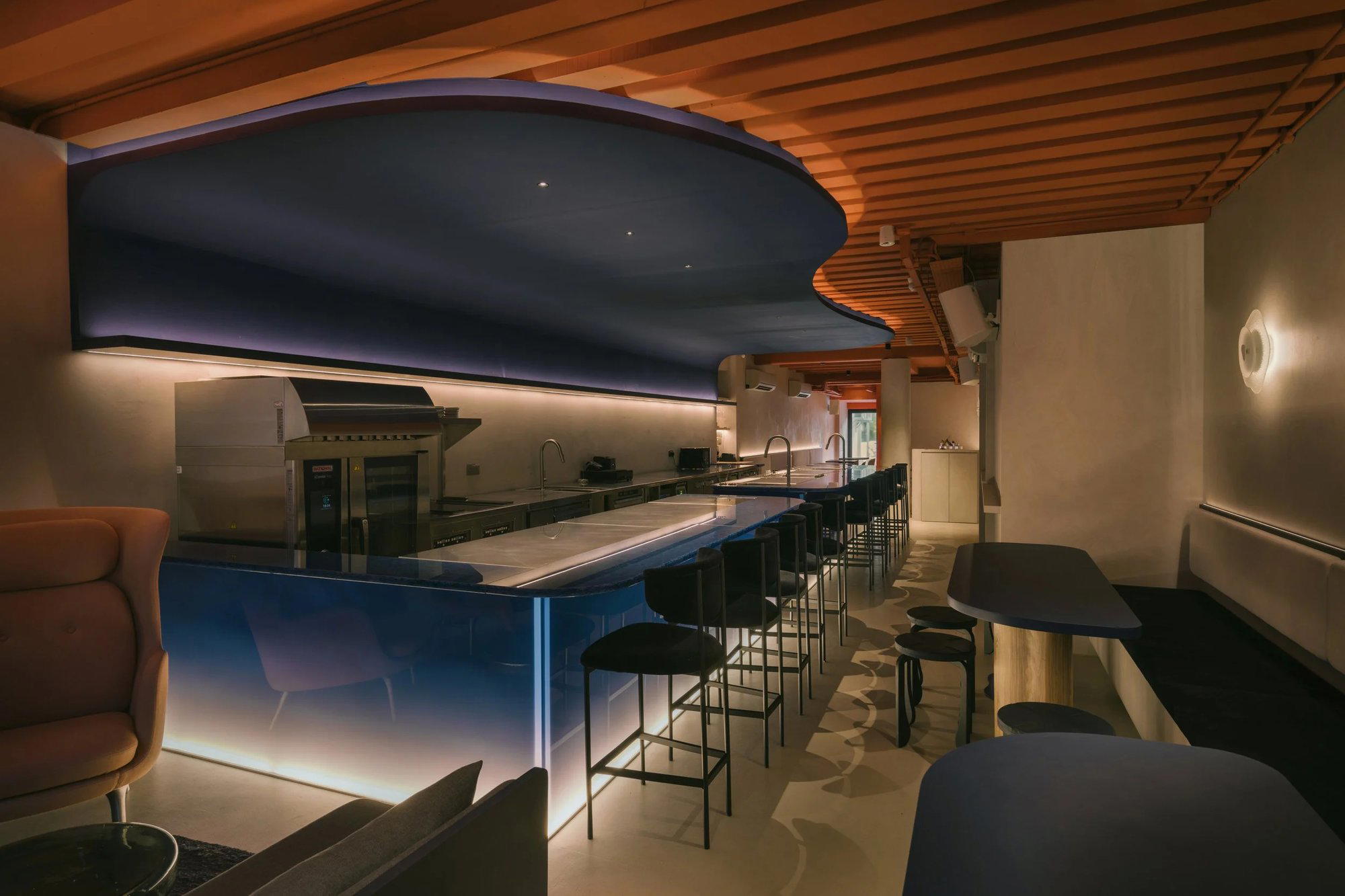
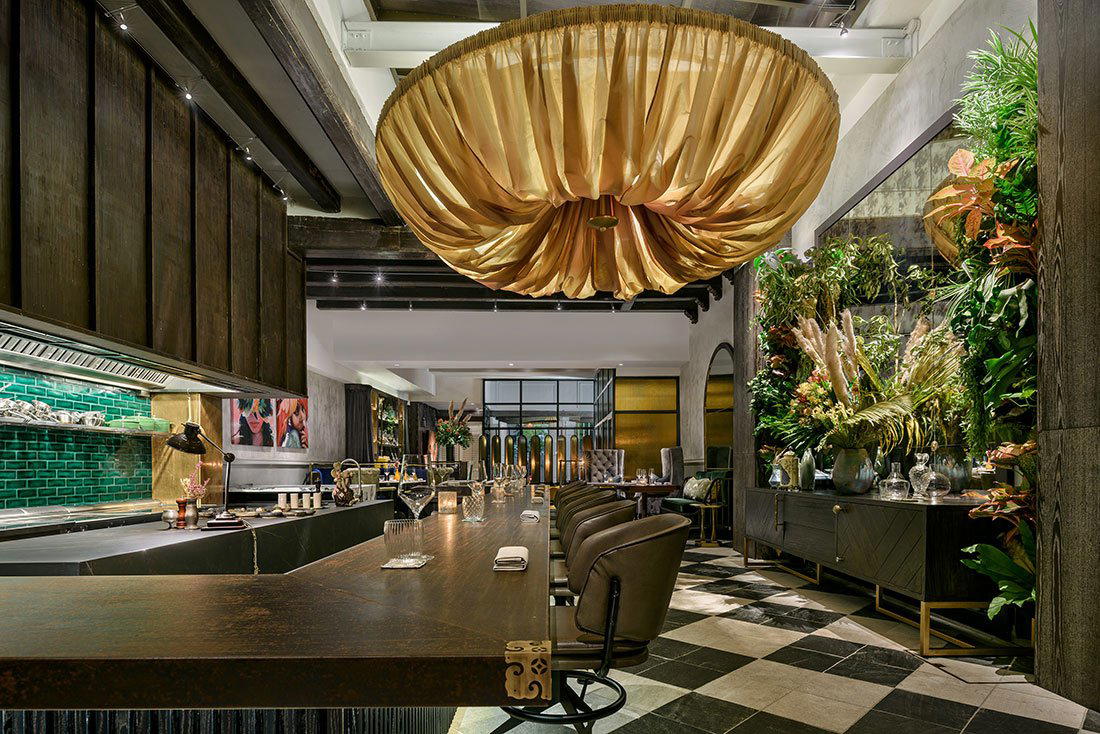
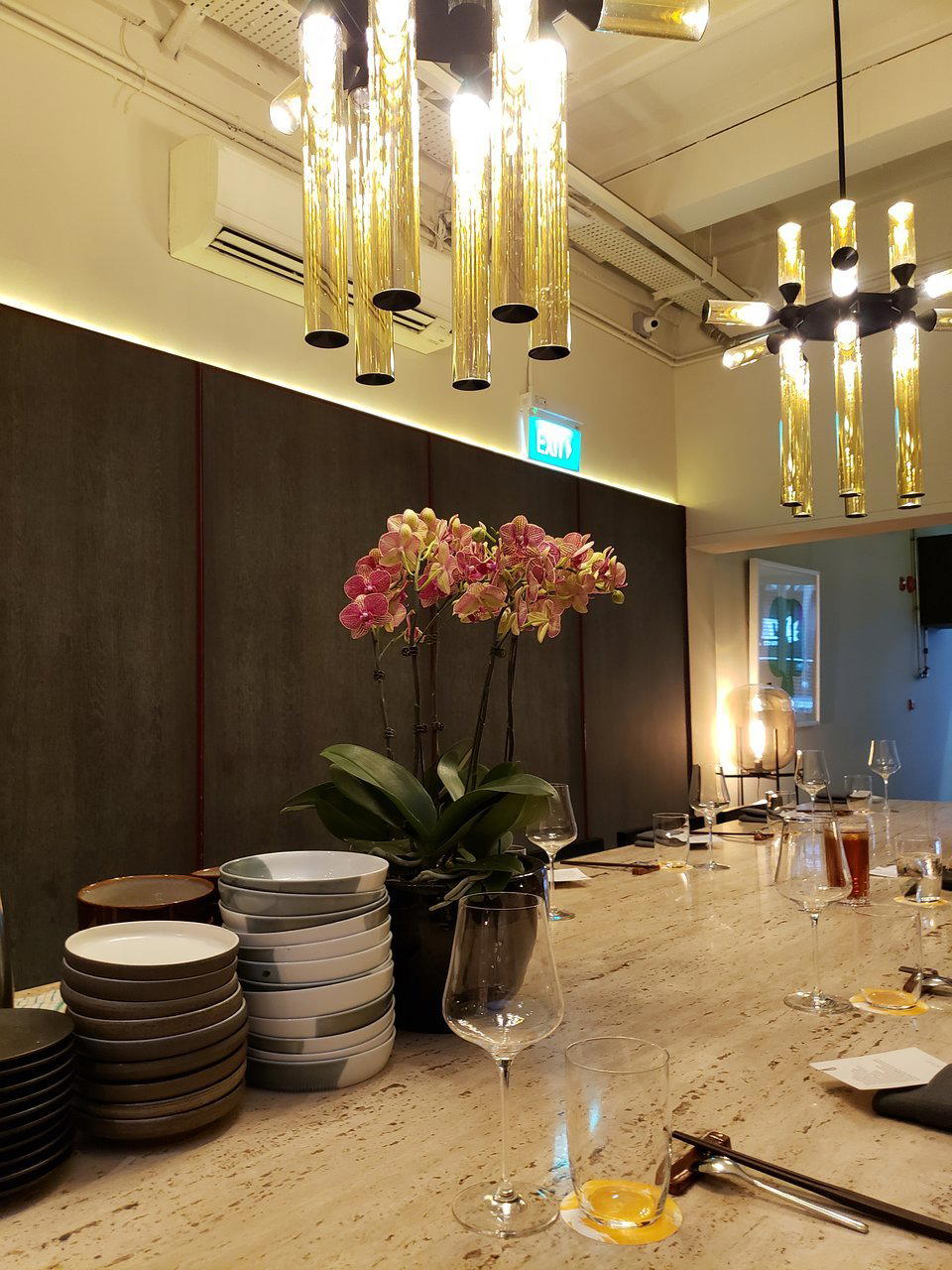
Bars in Singapore
All bars in Singapore →
Details
- Intimate
- Elegant
- Sophisticated
- Date Night
- Special Occasion
- Business Dinner
- Chefs Counter
- Open Kitchen
- Sake Program
- Sustainable Seafood
- Omakase
- Counter Dining
- Sake
- House Blended Shoyu
- Allergy Accommodating
Current opening hours
- Monday
- 6–10 PM
- Tuesday
- 12–2 PM, 6–10 PM
- Wednesday
- 12–2 PM, 6–10 PM
- Thursday
- 6–10 PM
- Friday
- 12–2 PM, 6–10 PM
- Saturday
- 12–2 PM, 6–10 PM
- Sunday
- Closed
Hours can change for holidays and private events. Hours as of .
Intimate counter-style dining with warm, comfortable atmosphere; cozy V-shaped counter seating for approximately 12 guests with open kitchen view of chef at work.