





2 Michelin Stars · Michelin Guide 2 Stars · World's 50 Best #58
Our verdict
Thevar on Mohamed Sultan Road holds two Michelin stars and a place in Asia's 50 Best at number 70 for 2025, with La Liste scoring it 91 points. Chef Mano Thevar applies a modern framework to South Indian and Malaysian flavour traditions, producing a tasting menu that sits at the sharper end of Singapore's innovative dining tier. Bookings are competitive; plan well ahead.

Pearl is the En Primeur Club membership app, where members save venues, book tables and use the concierge.
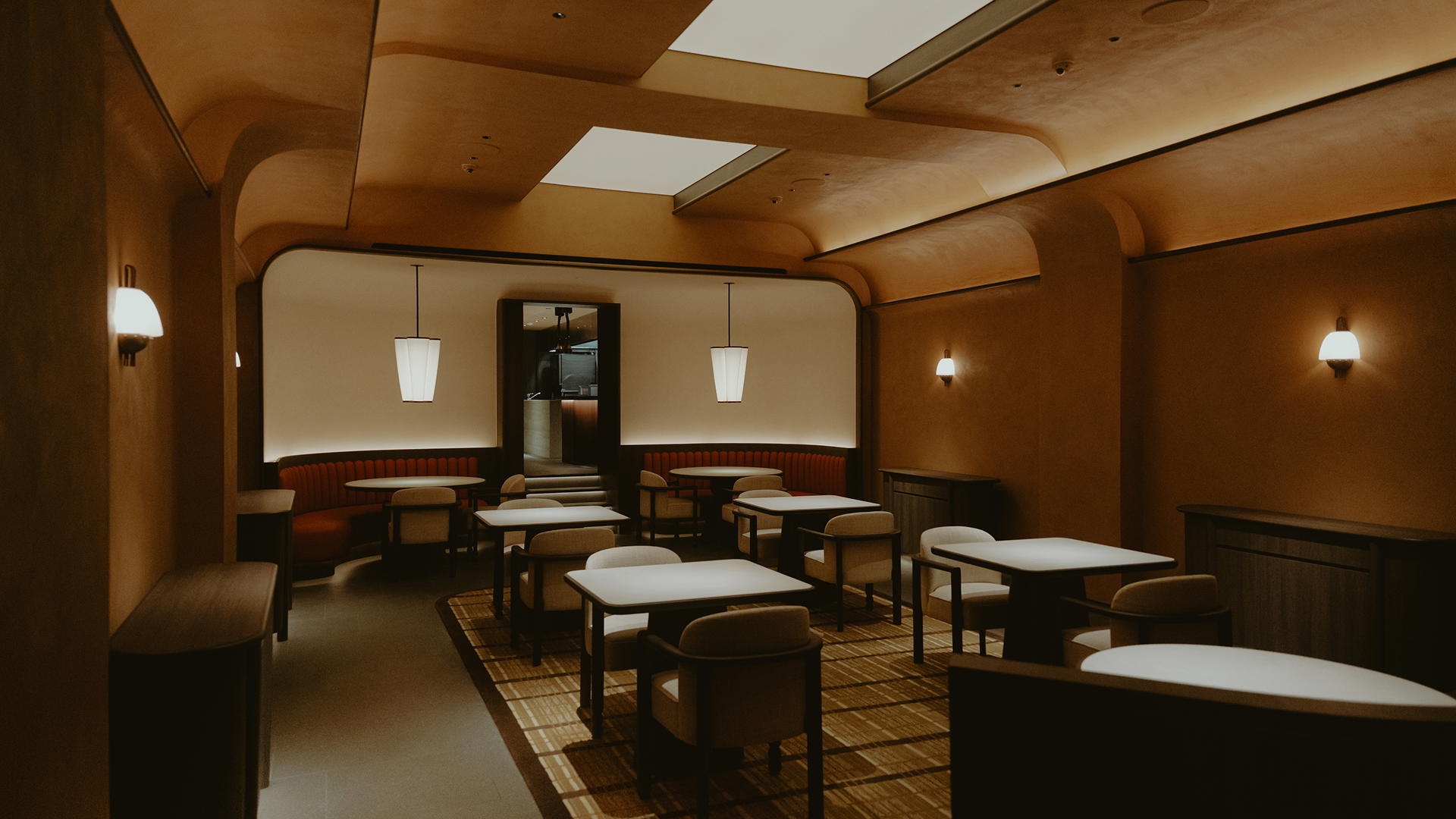
The menu
What to order
- Chettinad Chicken Roti
- Cumin and Coriander Lamb Ribs
Mohamed Sultan Road and the Fine-Dining Corridor It Has Become
When Thevar opened on Mohamed Sultan Road, the strip was better known for its nightlife circuit than for serious cooking. That context matters. Singapore's fine-dining geography has historically concentrated in the CBD hotel towers, in Dempsey Hill's colonial bungalows, and along the Orchard belt, so a two-Michelin-star address on a riverside road more associated with clubs and cocktail bars represents a deliberate positioning outside the expected coordinates. That choice has, over time, helped define a more dispersed model for where ambitious cooking can operate in Singapore, one where neighbourhood character and dining ambition do not need to be mutually exclusive.
Mohamed Sultan connects the Robertson Quay dining cluster to the residential fabric of River Valley, and the foot traffic it attracts skews younger, more local, and more attuned to Singapore's restaurant scene as a living thing rather than a tourist amenity. Eating at Thevar on this street carries a different charge than eating at a comparable room inside a Marina Bay hotel. The backdrop is ordinary enough that the food is forced to do all the work, which is precisely the condition under which cooking is most honestly assessed.
Where Thevar Sits in Singapore's Innovative Tier
Singapore runs one of Asia's most concentrated fields of innovative fine dining relative to its size. Venues like Meta, Labyrinth, Cloudstreet, Born, and Araya all occupy the same broad category, tasting menus that use technique as a vocabulary for articulating a specific culinary identity, usually one rooted in a chef's cultural background or training history. What distinguishes them from one another is the particular tradition each one translates, and the degree to which the translation is fluent rather than approximate.
Thevar's position in this field is anchored by credentials that have accumulated over several award cycles rather than arriving all at once. The restaurant holds two Michelin stars as of 2025. Opinionated About Dining, which aggregates serious critical opinion across Asia, ranked it 63rd in the region for 2025, having ranked it 70th in 2024 and 60th in 2023, a trajectory that suggests consolidation at the upper-middle tier rather than rapid ascent or plateau. La Liste, which synthesises a broader base of sources including local press, awarded it 91 points in its 2026 edition. Asia's 50 Best placed it at number 70 in 2025. These signals collectively place Thevar inside a competitive set that includes, across the broader Asian innovative dining scene, venues such as Vea in Hong Kong, MAZ in Tokyo, and alla prima in Seoul.
The price tier sits at $$$$, the highest bracket in Singapore's dining market, where Thevar competes not only against the innovative tasting-menu rooms but also against format peers like Zén (European Contemporary, $$$$) and Born (Creative Cuisine, $$$$). At this tier, the comparison set is less about cuisine type and more about the overall quality proposition, which is why awards and critical rankings carry particular weight in helping diners orient their spending decisions.
The Culinary Logic: South Indian Foundations in a Modern Tasting Format
The innovative dining category in Asia operates across a spectrum from East-West hybrid to deeply rooted regional expression, with most serious rooms landing somewhere in between. Thevar operates at the regional-expression end of that spectrum, with Chef Mano Thevar applying precision tasting-menu technique to South Indian and Malaysian flavour traditions. This is a relatively uncommon orientation in Singapore's fine-dining scene, where the dominant translational mode tends to involve French technique applied to Chinese or Japanese ingredients. The use of coconut, tamarind, curry leaf, and other characteristic South Indian aromatics as the organising logic of a multi-course tasting menu asks a different set of questions about seasoning, acidity, and fat than the French-Japanese synthesis that defines many of the city's other ambitious rooms.
What this means practically for the diner is that the flavour register is more assertive than at many comparable tasting menus. South Indian cooking is not a restrained tradition, and the cooking at Thevar does not sand down its edges for palatability. The two-star recognition from Michelin suggests that the kitchen has achieved genuine technical control over this material rather than merely presenting it in a formal setting. The distinction matters: Michelin's criteria for two stars specifically require cooking that is worth a detour, implying a level of consistency and refinement that sets a restaurant apart from its one-star peers.
For diners familiar with Singapore's broader innovative scene, the reference point is not so much Labyrinth, which works primarily with Singaporean hawker heritage, but rather a conversation about what happens when fine-dining precision is applied to traditions that carry significant spice complexity and layered aromatics. The closest analogues in other Asian cities might be Soigné in Seoul or Evett in Seoul, where chefs are similarly asking how far a culturally specific flavour vocabulary can travel within a European tasting-menu architecture, though the specific traditions at stake are entirely different.
The Robertson Quay Context and What It Means for an Evening
The experience of dining at Thevar is shaped in part by the specific character of the Mohamed Sultan and Robertson Quay zone, which functions as a mid-evening dining and drinking neighbourhood rather than a destination precinct built around a single attraction. This means that an evening at Thevar can reasonably begin with drinks at one of the riverside bars in the vicinity and extend into a post-dinner circuit without requiring a move into the CBD. For visitors staying in the River Valley, Chinatown, or Tiong Bahru areas, the location is practical; for those based in Marina Bay or Orchard, it requires a deliberate trip that most find worth making given the award profile.
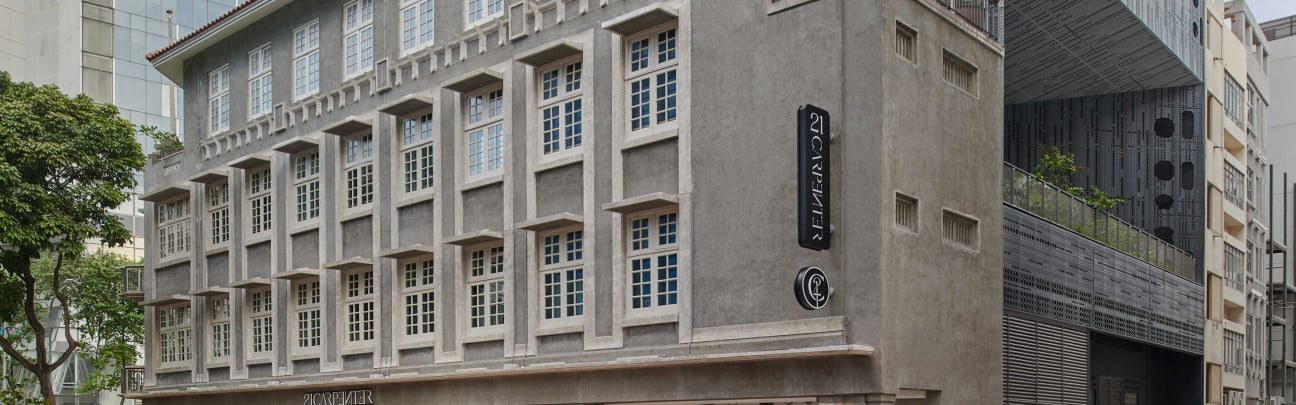
The address on Mohamed Sultan Road (16 Mohamed Sultan Rd, Singapore 238965) is direct to reach by taxi or ride-hailing from most central Singapore locations. The neighbourhood operates at a different pace from the tourist-facing quays, which contributes to an atmosphere that feels less performative than the hotel fine-dining circuit. Tables at this level of recognition do not hold easily; reservations at Thevar require advance planning, and the venue's standing across multiple 2025 award cycles means that lead times are substantial. Diners operating on a fixed Singapore itinerary should treat booking as a first step rather than an afterthought. For a fuller map of how Thevar sits within Singapore's dining options, see our full Singapore restaurants guide, and for broader trip planning, our Singapore hotels guide, bars guide, wineries guide, and experiences guide cover the wider picture.
Innovative fine dining in Asia's other major cities tracks similar dynamics to Singapore's, with the Fujiya 1935 and KAHALA rooms in Osaka, or Shimmonzen Yonemura in Kyoto, each representing a city's particular answer to the question of how local culinary identity can be expressed at fine-dining scale. Thevar's version of that answer, South Indian and Malaysian flavour traditions within a contemporary tasting-menu format, is one of the more distinct propositions in the region's current field. The restaurant's consistent presence across major ranking systems across three consecutive years, including the 2023, 2024, and 2025 OAD cycles, suggests that the proposition has not aged into formula. The full award record at Thevar is a signal worth reading in aggregate: two Michelin stars, 91 points from La Liste, a top-70 Asia ranking from OAD and from Asia's 50 Best together indicate a kitchen operating above its immediate neighbourhood's expectations and earning recognition from evaluators with different methodologies and readerships. That alignment across sources is one of the more reliable indicators that a restaurant has moved past the early recognition phase and into the sustained performance category.
Planning Your Visit to Thevar
Thevar is located at 16 Mohamed Sultan Rd, Singapore 238965, in the Robertson Quay zone. Given the two-star Michelin standing and consistent top-100 Asia rankings, reservations book out significantly in advance; treat lead time as a serious planning consideration rather than a formality. Reach the venue easily by taxi or ride-hailing from central Singapore. For a broader view of Singapore's innovative dining options, including Chaleur and others across the city, our full Singapore restaurants guide maps the full scene by neighbourhood and cuisine type.
Frequently asked questions
What's the address for Thevar?
Thevar is located at 16 Mohamed Sultan Rd, Singapore 238965, Singapore.
How much does it cost to eat at Thevar?
Pricing at Thevar is listed as $$$$.
Has Thevar won any awards?
Thevar has received recognition including: La Liste Top Restaurants (2026): 91pts; Opinionated About Dining Top Restaurants in Asia Ranked #63 (2025); World's 50 Best Asia's Best Restaurants #70 (2025); Chef: Mano Thevar.
What's the must-try dish at Thevar?
Thevar runs a tasting-menu format, meaning the kitchen determines the progression rather than the diner selecting individual plates. The menu is built on South Indian culinary foundations reframed through a modern tasting structure, a direction that has earned the restaurant 2 Michelin stars in 2025 and a ranking of #70 on Asia's 50 Best list. Specific dishes rotate, so the most reliable approach is to arrive without a fixed agenda and let the current menu speak for itself.
Recognition, Side-by-Side
| Venue | Cuisine | Price | Awards | Notes |
|---|---|---|---|---|
| ThevarThis venue (the venue you are viewing) | Modern Indian Fine Dining | $200–300 | 2 Michelin Stars · Michelin Guide 2 Stars | Not listed |
| Zén | Yakitori & Japanese Izakaya | $50–100 | Tabelog 100 #92 | European Contemporary |
| Jaan by Kirk Westaway | Modern British Fine Dining | $200–300 | 2 Michelin Stars · Michelin Guide 2 Stars | British Contemporary |
| Burnt Ends | Modern Australian Barbecue | $100–150 | 1 Michelin Star · Michelin Guide 1 Star | Australian Barbecue, Barbecue |
| Summer Pavilion | Michelin-Starred Cantonese | $100–150 | 1 Michelin Star · Michelin Guide 1 Star | Cantonese |
| Born | Contemporary Fusion Fine Dining | $200–300 | 1 Michelin Star · Michelin Guide 1 Star | Creative Cuisine, Innovative |
Recognition history
Dated appearances from independent guides and award organizations, with the underlying list record or original source where available.
Michelin 2 Stars
Michelin
Michelin Guide 2 Stars
Michelin Guide
World's 50 Best Asia's Best Restaurants #58
World's 50 Best
La Liste Top Restaurants
La Liste
Opinionated About Dining Top Restaurants in Asia Ranked #37
Opinionated About Dining
Full recognition history (10 entries)
Opinionated About Dining Top Restaurants in Asia Ranked #63
Opinionated About Dining
The Best Chef Three Knives
The Best Chef
World's 50 Best Asia's Best Restaurants #70
World's 50 Best
Opinionated About Dining Top Restaurants in Asia Ranked #70
Opinionated About Dining
Opinionated About Dining Top Restaurants in Asia Ranked #60
Opinionated About Dining
Continue exploring
More in Singapore
Restaurants in Singapore
All restaurants in Singapore →
Bars in Singapore
All bars in Singapore →
Thevar
The wine
- Wine program
- Deep wine list
- Extensive wine list
- Sake program
Details
- Elegant
- Sophisticated
- Intimate
- Modern
- Date Night
- Special Occasion
- Business Dinner
- Open Kitchen
- Chefs Counter
- Extensive Wine List
- Sake Program
- Tasting Menu
- A La Carte
- Small Plates
- Wine
- Sake
- Cocktails
- Vegetarian Friendly
- Vegan Options
- Gluten Free Options
Current opening hours
- Monday
- Closed
- Tuesday
- 6–11 PM
- Wednesday
- 6–11 PM
- Thursday
- 6–11 PM
- Friday
- 12–3 PM, 6–11 PM
- Saturday
- 12–3 PM, 6–11 PM
- Sunday
- Closed
Hours can change for holidays and private events. Hours as of .
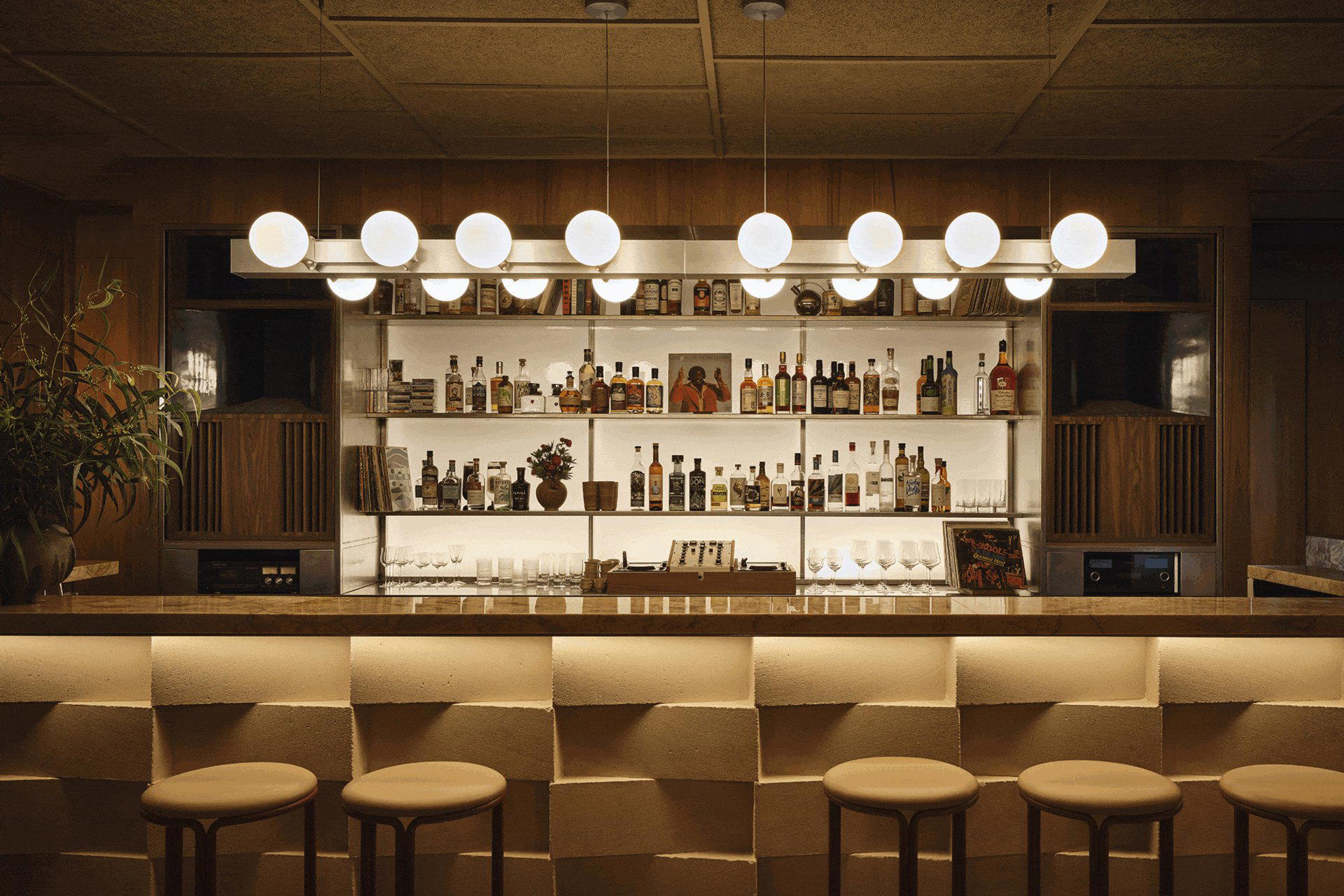
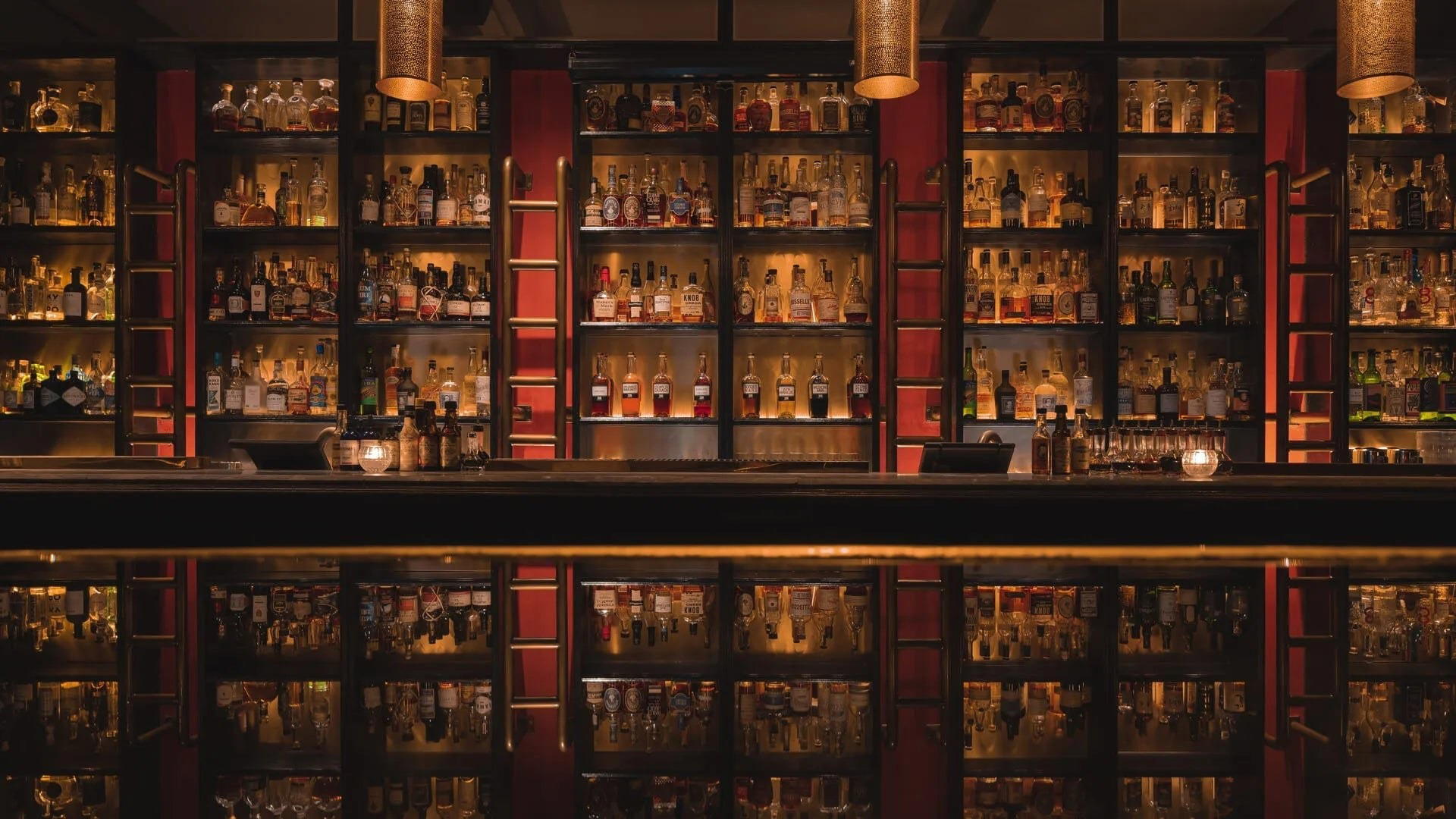
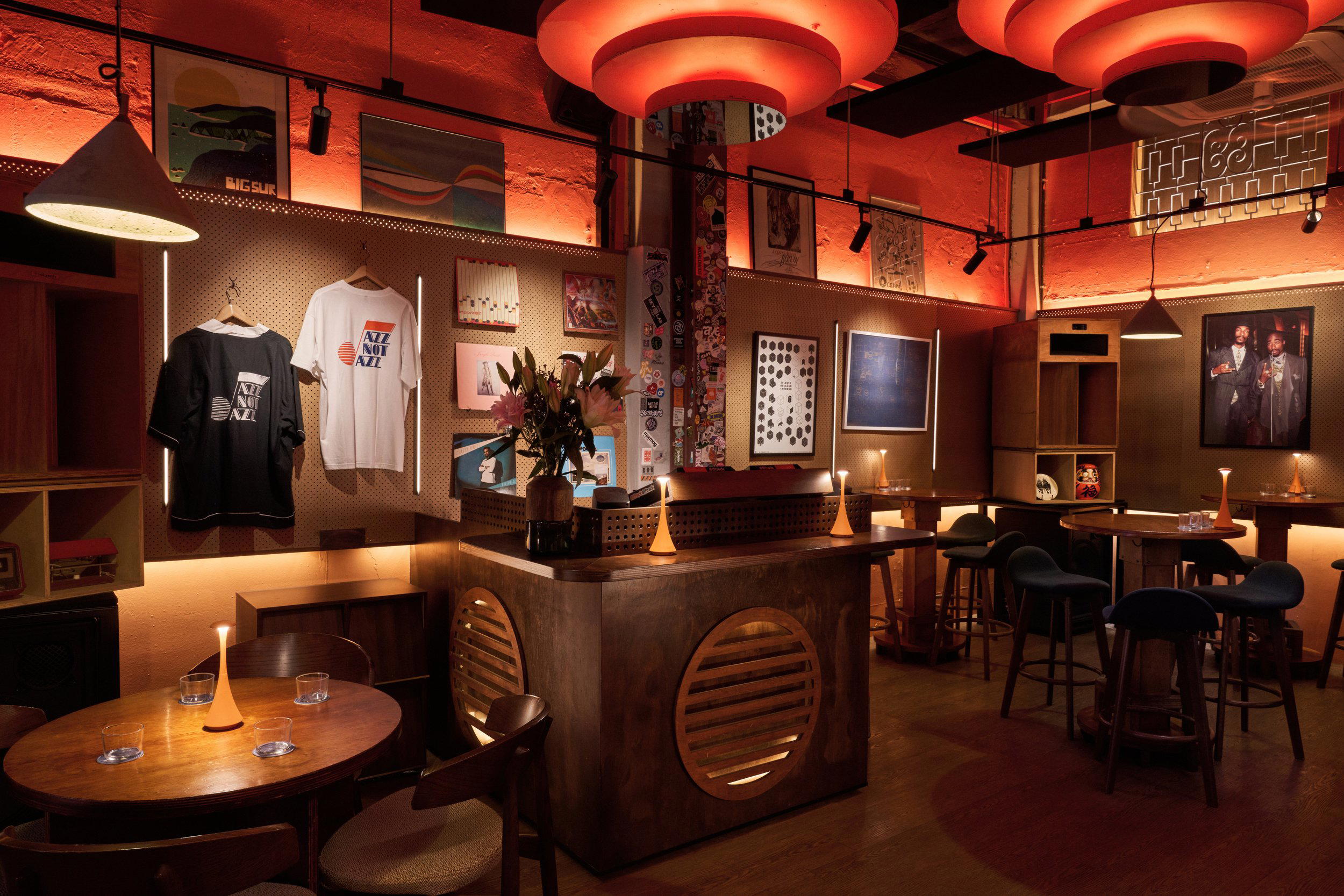
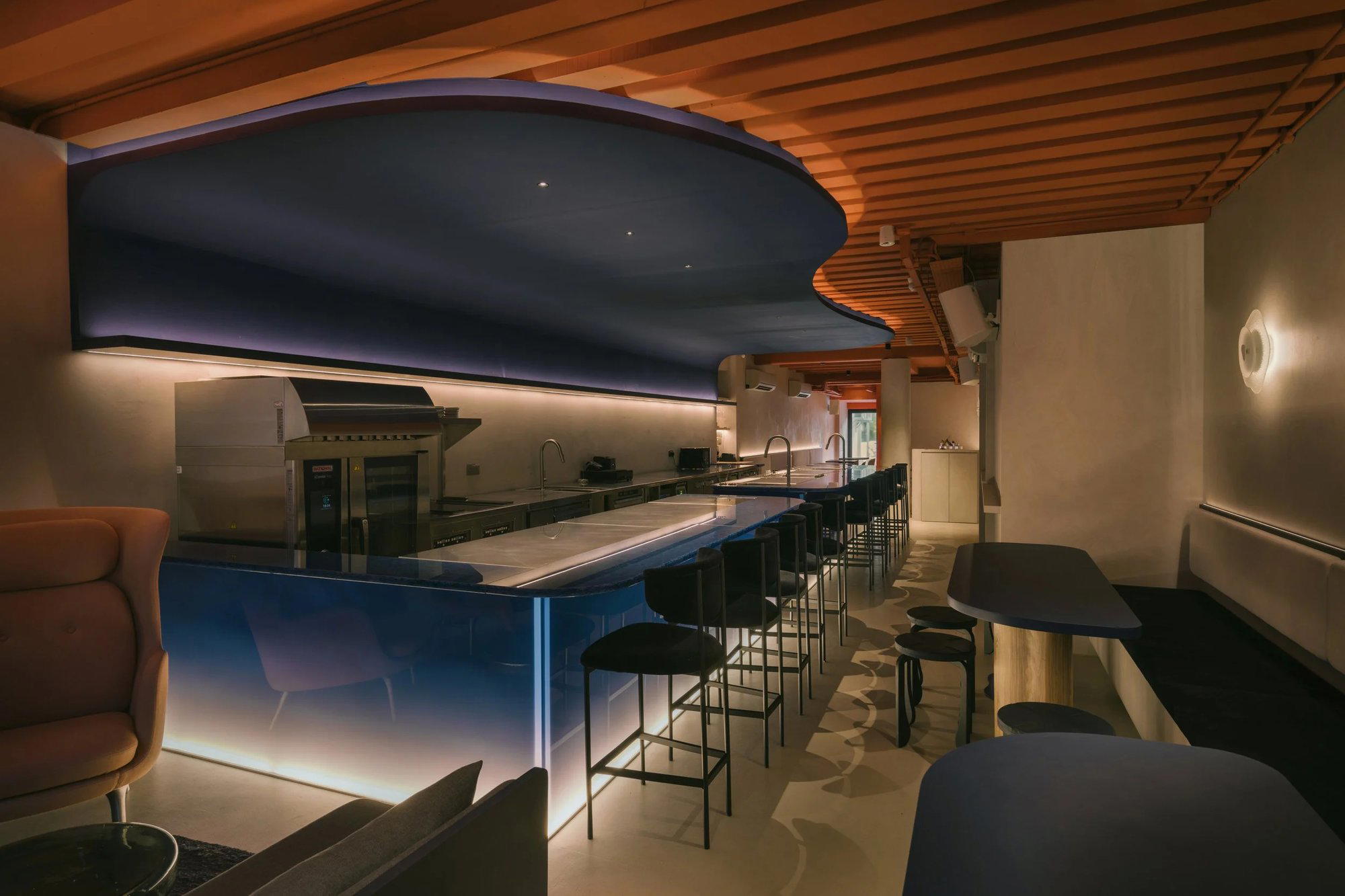
Small and intimate indoor space with open kitchen, relaxed fine-casual atmosphere, friendly unpretentious service, and fun music.