HANE

1 Michelin Star
Our verdict
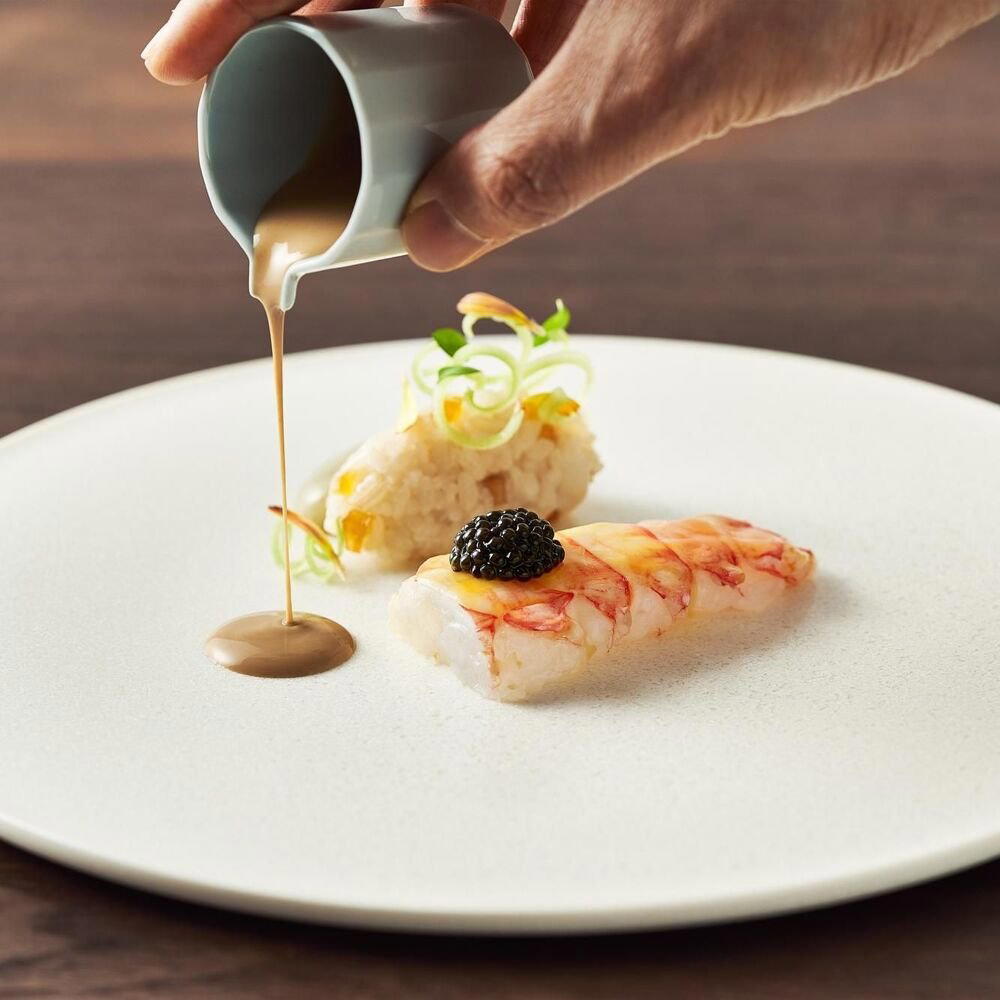
Among Seoul's growing tier of Michelin-recognised Japanese dining, HANE in Gangnam holds a single star for its commitment to seasonal ingredients and technically grounded sushi. Chef Choi Ju-yong's omakase counter frames the guest relationship as one of trust rather than choice, a format that places HANE alongside the city's most considered fine dining addresses rather than its casual Japanese imports.

Pearl is the En Primeur Club membership app, where members save venues, book tables and use the concierge.
The menu
What to order
- Kohada sushi
The Omakase Room in Gangnam
Gangnam's fine dining corridor has grown denser and more stratified over the past decade. Where Korean tasting menus once dominated the ₩₩₩₩ tier, venues like Mingles, Jungsik, and Kwonsooksoo anchoring the category, Japanese omakase has carved a distinct and expanding niche.
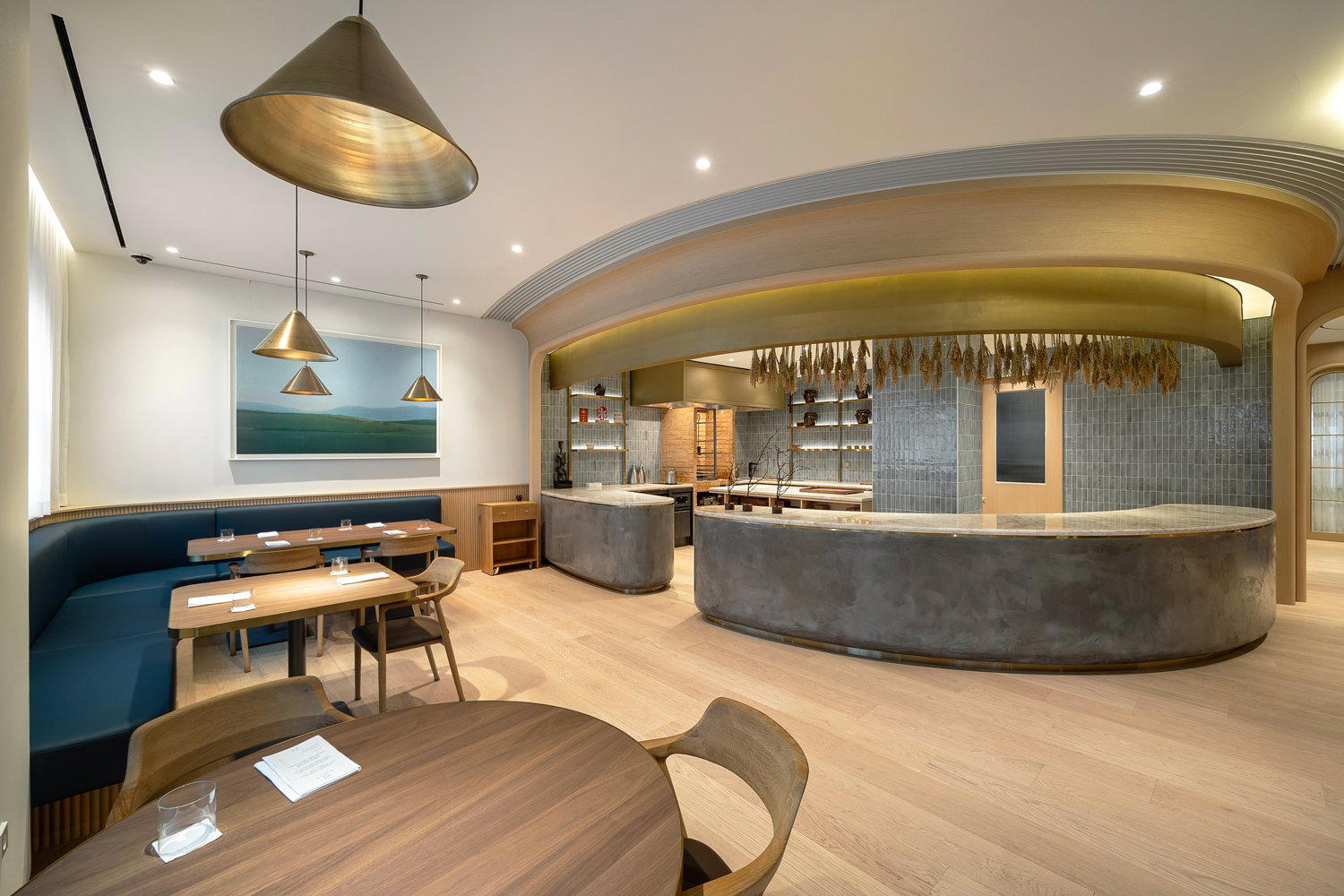
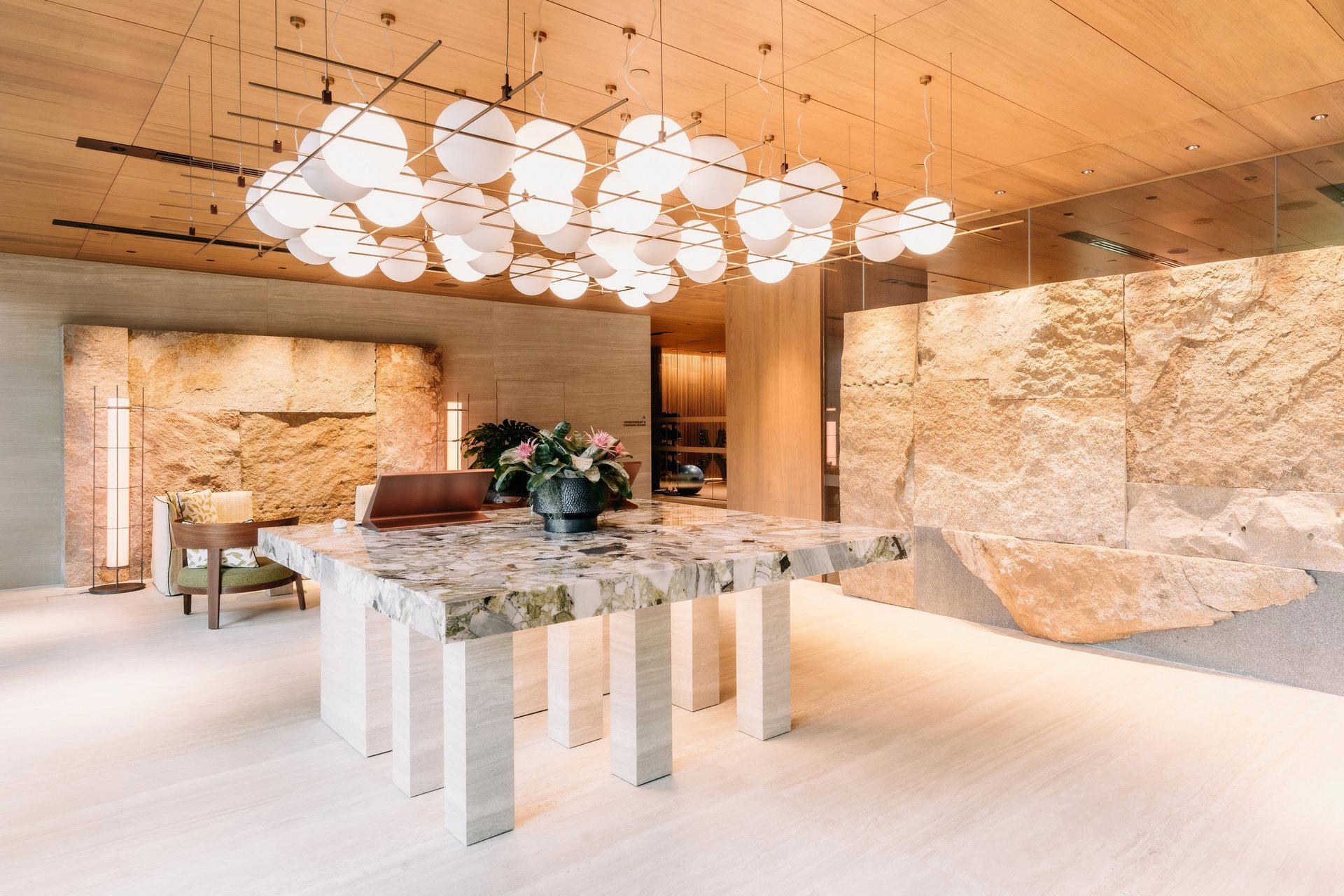
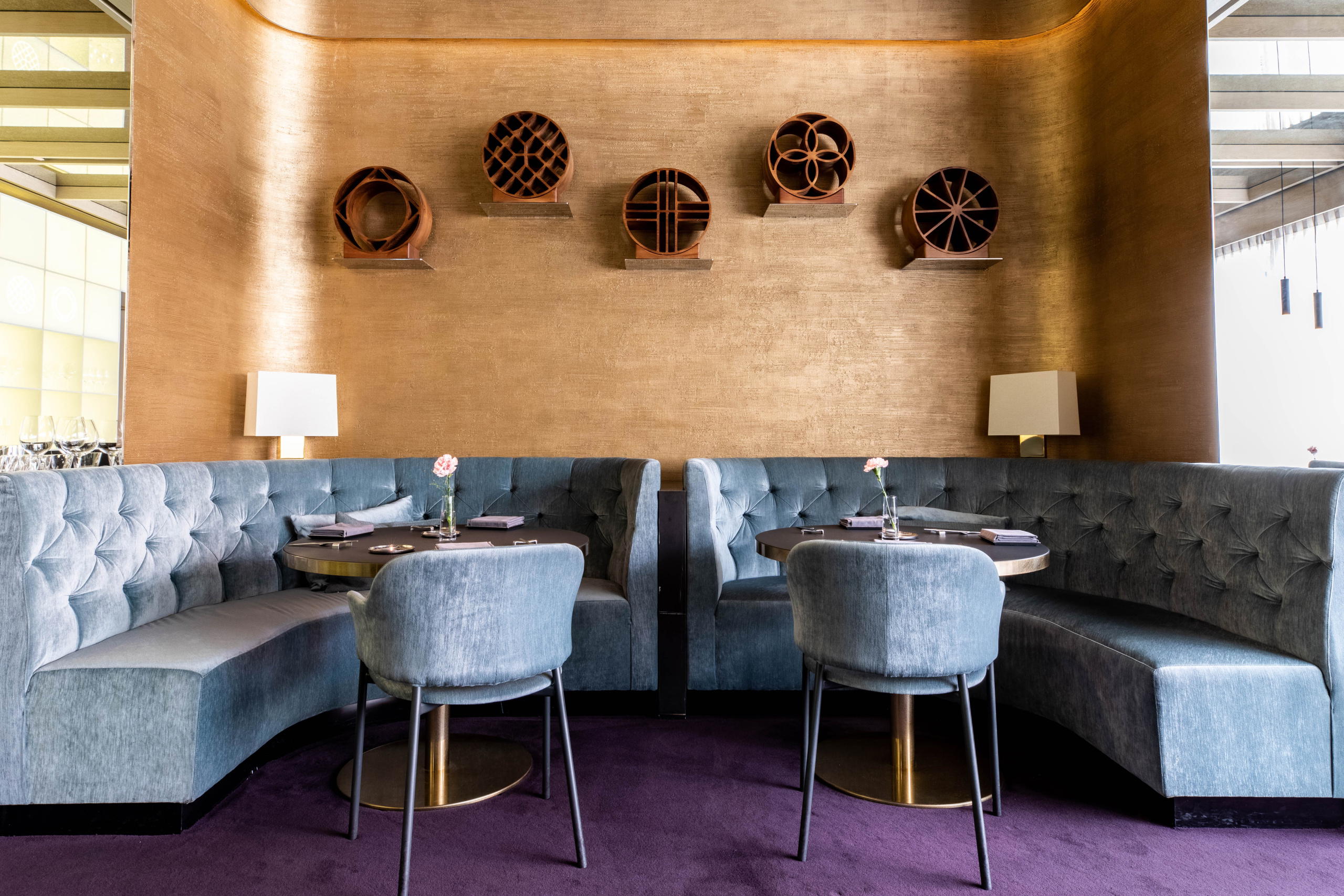
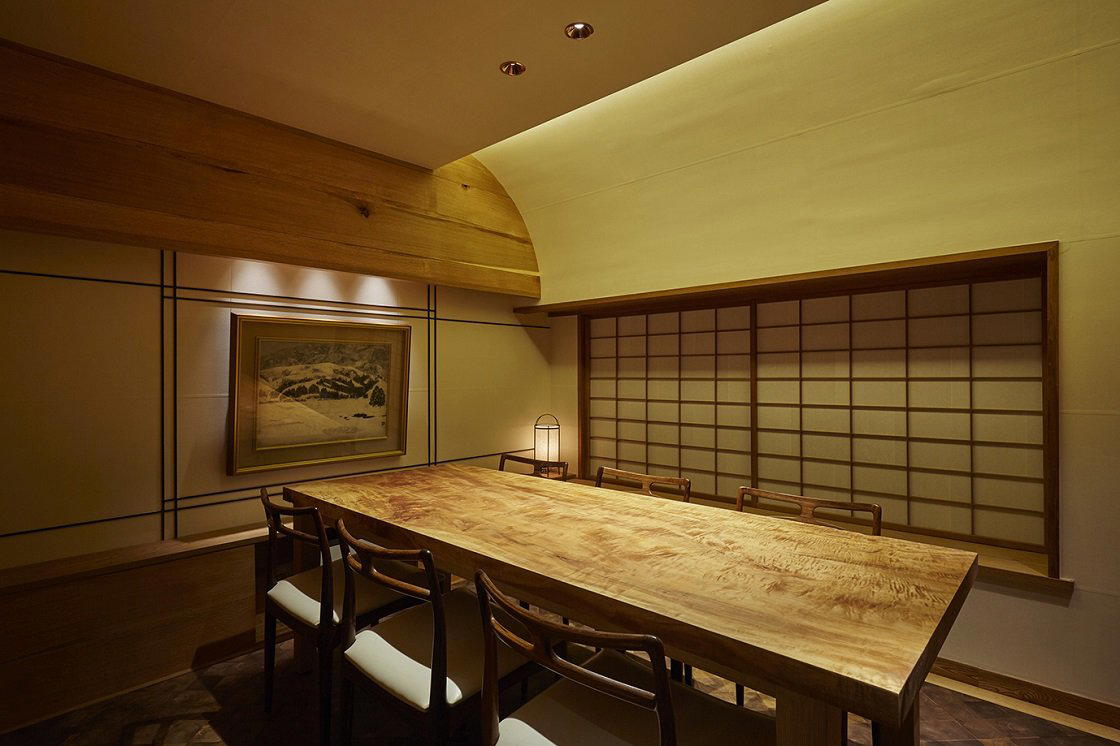
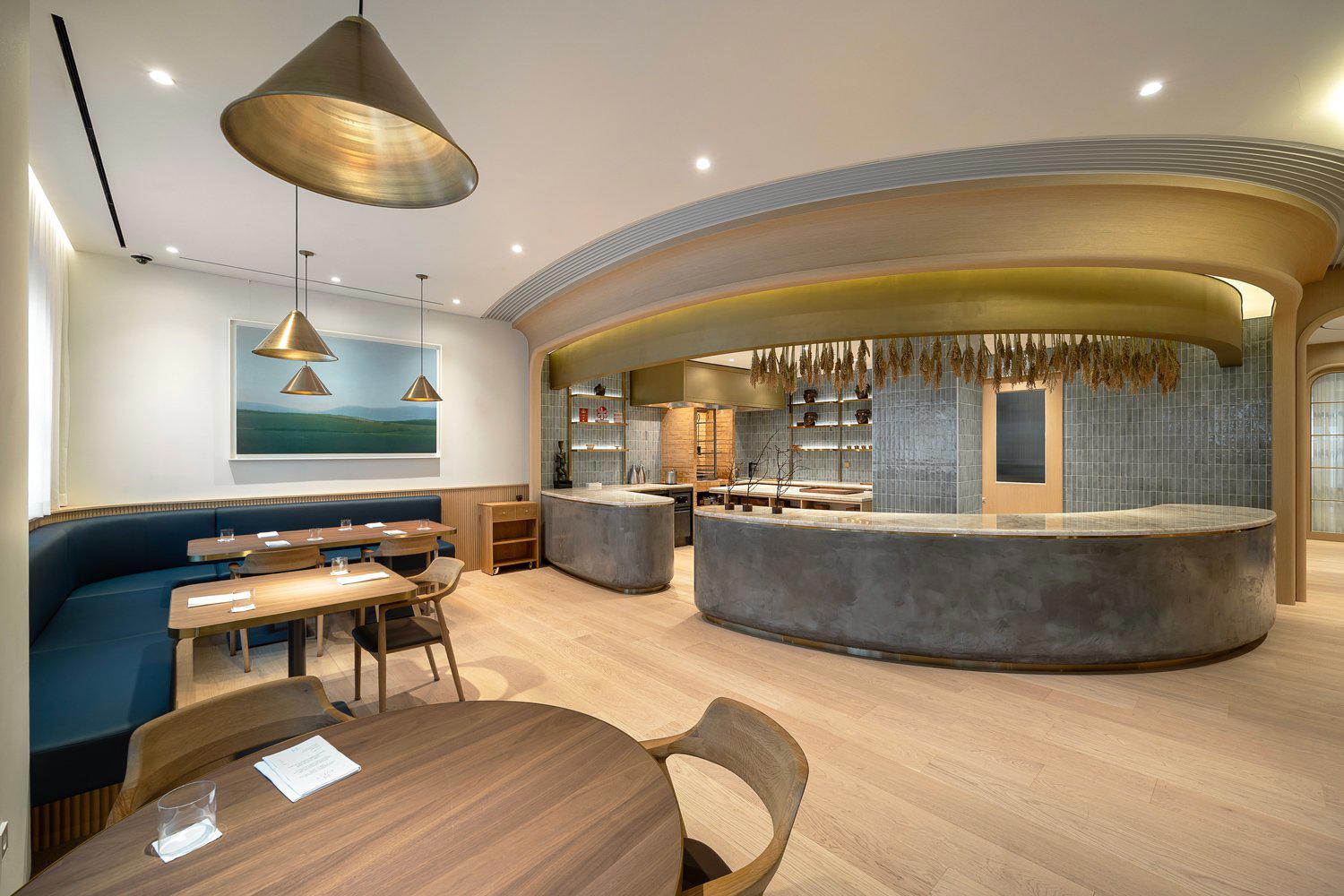
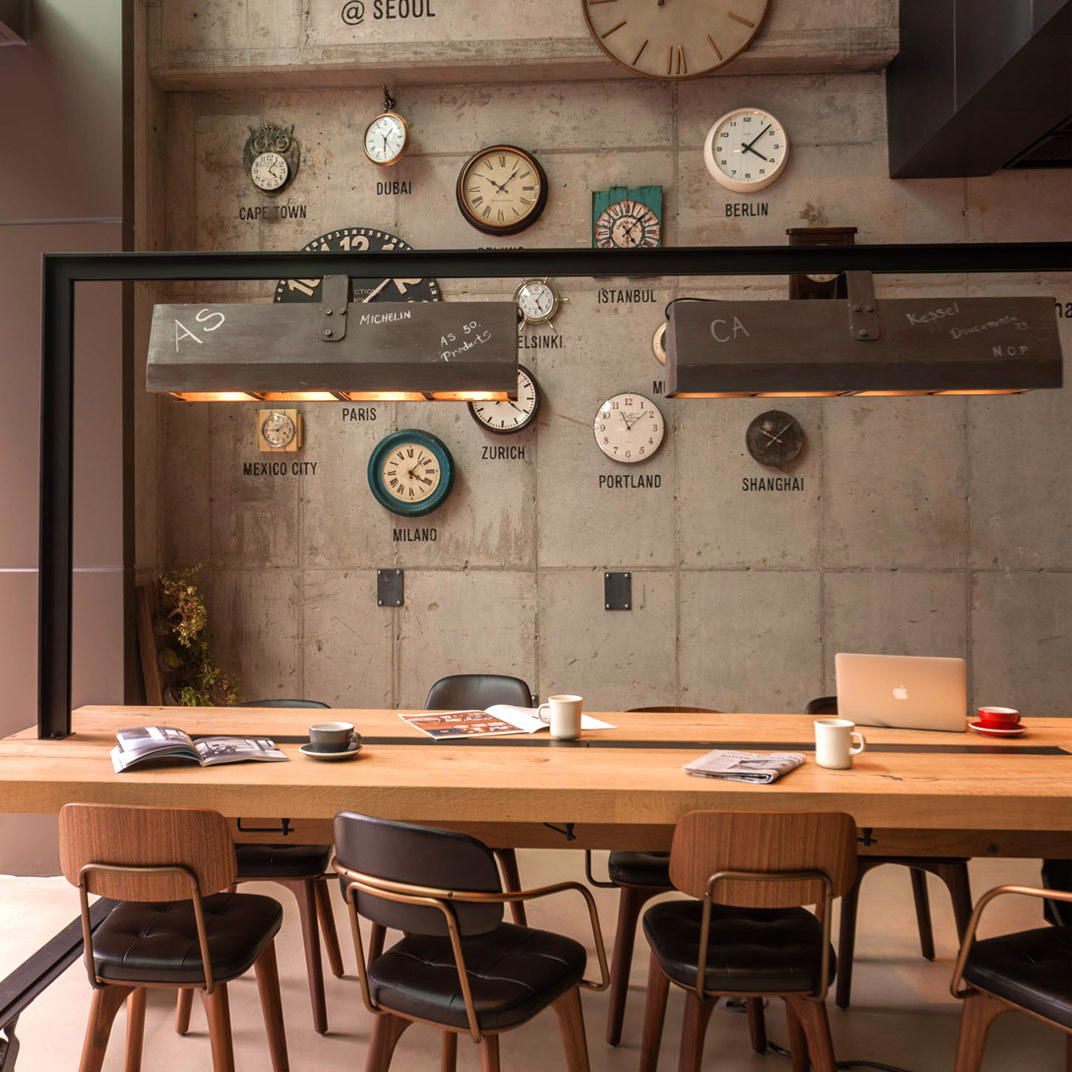
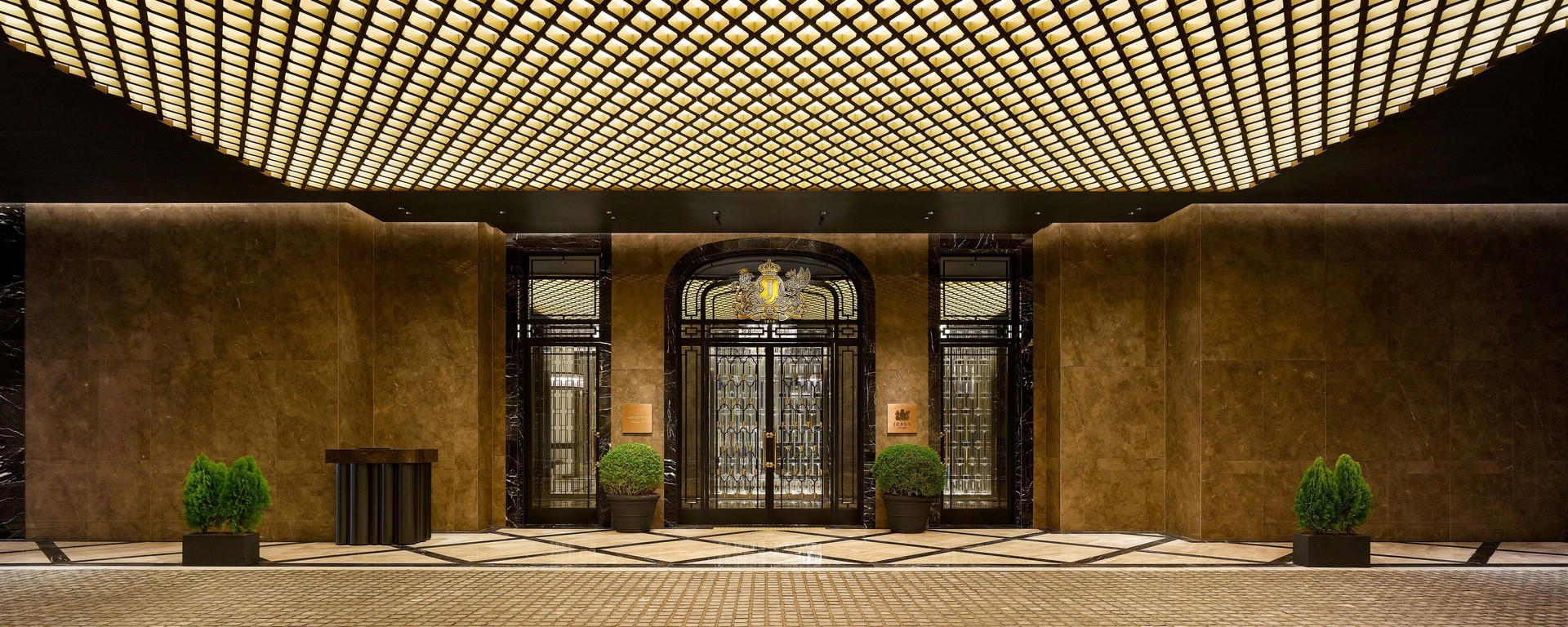
The room itself sets the register before a single piece of fish arrives. The design applies modern interpretations of traditional Korean and Japanese materials, a sensibility common to the upper tier of Seoul's omakase rooms, where the visual environment is treated as part of the overall dining argument rather than mere backdrop. The result is a space that reads as composed rather than decorated, consistent with an operation where the chef's editorial authority extends to every element of the experience.
Surrendering the Menu: What the Omakase Format Actually Means Here
The omakase model asks something specific from the guest: you arrive without a menu, without substitutions, and without a negotiated sequence. In exchange, the chef assumes complete responsibility for the arc of the meal, pacing, temperature, proportion, and the selection of ingredients that day. This is not a format that suits every diner, and the leading omakase counters in Asia make the implicit contract explicit through how they present themselves before booking is confirmed.
At HANE, the Michelin Guide's framing of Chef Choi Ju-yong's approach is telling: the focus falls on "bringing out the inherent flavor of each product" and on sourcing that "reflects the chef's gastronomic beliefs." That language describes a kitchen operating in the restraint tradition, minimal intervention, ingredient-led sequencing, and a premium placed on the chef's ability to recognise peak-season produce and present it without overworking it. Across Asia's leading omakase destinations, from Harutaka in Tokyo to Sushi Shikon in Hong Kong and Shoukouwa in Singapore, the restaurants that sustain recognition over multiple years tend to share this characteristic: the menu is less a fixed offering than a daily editorial decision made by someone with deep ingredient literacy.
For guests, this means the meal you experience in March will differ substantially from the one available in October. Seasonality is not a marketing concept at this tier, it is a structural constraint, and the chef's job is to make that constraint feel like abundance. The Michelin committee's one-star recognition in 2024 indicates that HANE meets that standard with consistency.
Seoul's Sushi Counter Scene in Context
Japanese sushi at the premium end of the Seoul market occupies a particular position in the city's dining hierarchy. Unlike in Tokyo, where the omakase counter is a native institution with generations of internal evolution, Seoul's sushi fine dining scene has developed through a combination of Japanese-trained Korean chefs returning home and a dining public increasingly familiar with the format through regional travel and international food media. The result is a cohort of counters that apply Japanese technique within a Korean city context, different sourcing networks, a different guest demographic, and a different set of competitive pressures.
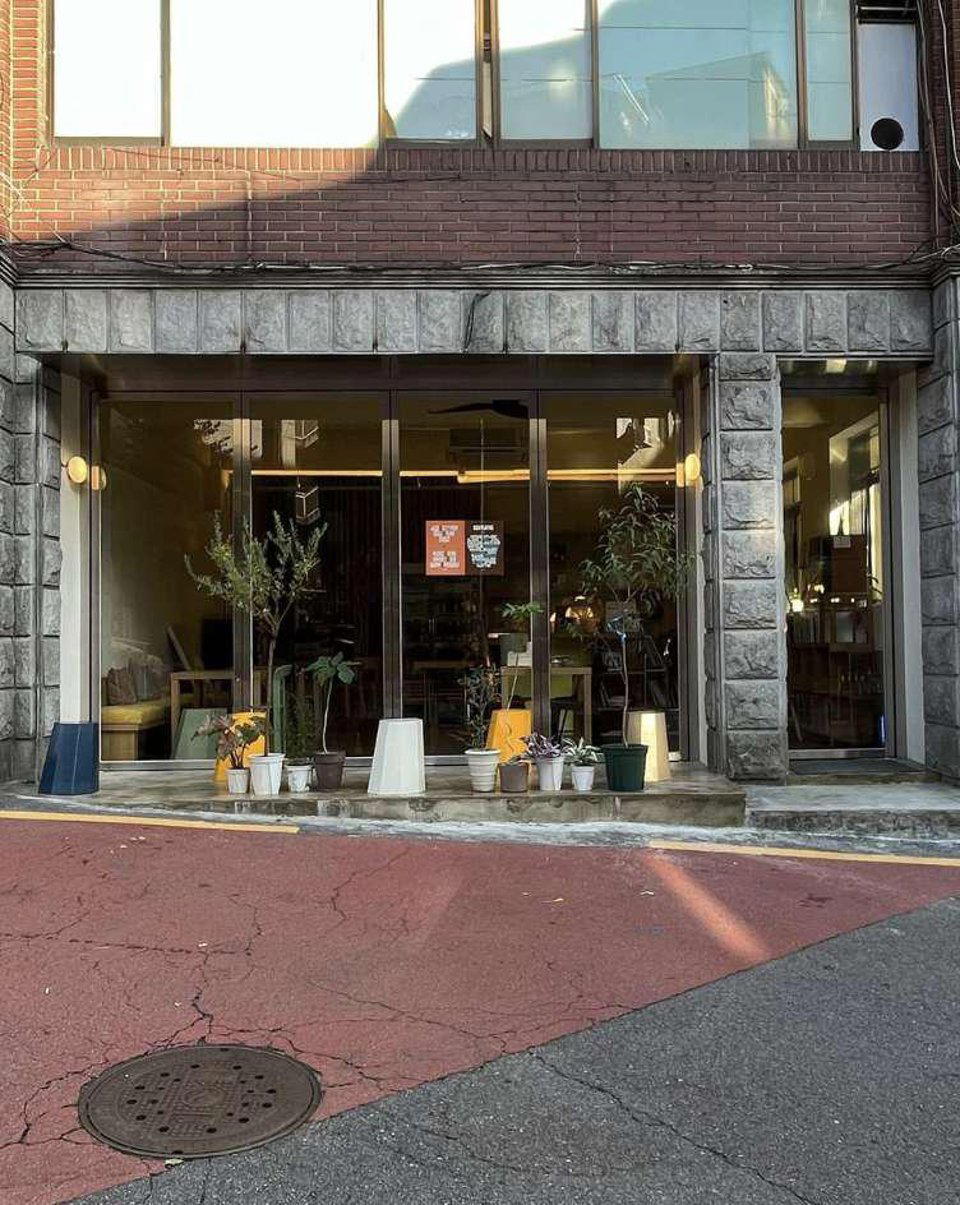
HANE's Gangnam address places it in Seoul's most commercially active fine dining district, but the specific location on Eonju-ro 172-gil signals the kind of deliberate remove from street-level noise that omakase operations tend to favour. The counter is not meant to be found by foot traffic; it is meant to be sought. That geography maps onto the broader omakase model, where the guest's willingness to research and plan is itself a form of commitment to the format.
Within Seoul's ₩₩₩₩ Michelin-starred tier, HANE's peer group spans multiple cuisines. Addresses like Sosuheon, alla prima, and Gaon represent the depth of the city's one-star Michelin cohort across Korean and contemporary formats, while HANE holds a distinct position as one of the relatively few Japanese-format counters at this recognition level. The comparison point is less about competing cuisines and more about competing for the same guest: someone who plans meals in advance, values ingredient provenance, and understands the omakase format well enough to commit to it fully.
Beyond Seoul, the regional sushi omakase circuit extends to Mori in Busan, confirming that the format has taken root across South Korea's major dining cities, not just the capital. The Seoul tier, however, remains the densest, and Gangnam the most competitive sub-district within it.
Pricing, Expectations, and Planning
HANE sits at the ₩₩₩₩ price point, which in Seoul's 2024 dining context places it in the same tier as the city's most ambitious tasting-menu restaurants. For reference, the ₩₩₩₩ bracket at Michelin level in Gangnam typically corresponds to omakase menus priced to reflect both the ingredient cost of premium seasonal fish and the low-seat-count economics of a counter operation. This is not a price point that rewards spontaneity: guests who arrive expecting to negotiate the menu or modify the sequence are misaligned with the format's core premise.
Booking requires advance planning. Omakase counters at the recognised level in Seoul, much like their equivalents in Tokyo, Hong Kong, and Singapore, operate with limited covers and a booking window that can extend weeks ahead. Specific reservation methods are best confirmed directly through the venue or through a concierge service with established relationships. The address at 13 Eonju-ro 172-gil, Gangnam District is fixed; logistics around arrival time and cancellation policy are worth clarifying at the point of booking, as these vary by counter and affect the overall experience planning significantly.
For guests building a Seoul dining itinerary, HANE fits naturally into a programme that spans multiple cuisine formats. The city's full restaurant landscape offers considerable range at the fine dining tier, and the contrast between a Japanese omakase counter and a Korean tasting menu format, say, Kwon Sook Soo or a temple food experience at a place like Baegyangsa Temple, can sharpen a visitor's understanding of how radically different the same concept of seasonal, ingredient-led cooking can look across different culinary traditions.
Seoul's broader hospitality infrastructure rounds out the planning context. The city's hotel options, bar scene, and curated experiences offer enough depth to construct a multi-day itinerary without repetition. For those with an interest in Korean wine culture and production, the wineries guide provides additional context on a category that, while nascent, is developing alongside the city's broader gastronomic ambitions. Equally, a destination like The Flying Hog in Seogwipo on Jeju Island illustrates how South Korea's dining geography extends well beyond the capital for travellers willing to range further.
What the One Star Signals
A Michelin one-star designation in 2024 places HANE within a cohort of Seoul restaurants that the Guide judges to be worth a special journey. In the context of Japan-influenced sushi specifically, that recognition carries weight precisely because the Guide has a long history of evaluating omakase counters in Tokyo and Osaka, where the category is most evolved. When the same framework is applied to a Seoul counter and results in a star, it suggests the operation is meeting criteria, ingredient quality, technical execution, consistency, that travel across geographic context.
For the guest, the star functions as a trust signal before the omakase contract even begins. It confirms that surrendering the menu to Chef Choi Ju-yong is a decision backed by external evaluation, not just reputation. At a counter where the guest has no menu to fall back on, that external validation matters more than it might in a format where individual dishes can be ordered and assessed independently.
Frequently asked questions
What do people recommend at HANE?
The Michelin Guide's assessment of HANE centres on Chef Choi Ju-yong's commitment to seasonal natural ingredients and his approach of letting each product's inherent flavour lead the sequence. In an omakase format, specific dish recommendations are less relevant than understanding what the format delivers: a chef-driven progression of sushi built around what is at peak quality on the day. HANE's one-star recognition in 2024 places it among Seoul's most considered sushi addresses, alongside a broader Gangnam fine dining tier that includes standout Korean and contemporary menus at venues like Mingles and Jungsik. Guests should arrive with curiosity about the season's produce rather than a list of requested items.
What's the ideal way to book HANE?
HANE sits at Seoul's ₩₩₩₩ price tier and carries a Michelin one-star designation, which means demand reliably outpaces availability at the counter. Booking well in advance is the operative strategy, the specific window varies, but planning several weeks ahead is a reasonable baseline for a Gangnam omakase counter at this recognition level. The address is 13 Eonju-ro 172-gil, Gangnam District, Seoul. For confirmed booking channels, hours, and cancellation terms, contacting the venue directly or working through a hotel concierge with Seoul dining relationships is the most reliable approach. If HANE is unavailable on your preferred date, Seoul's ₩₩₩₩ Michelin tier offers genuine alternatives across Korean and contemporary formats; see our full Seoul restaurants guide for the broader picture.
A Lean Comparison
| Venue | Cuisine | Price | Awards | Notes |
|---|---|---|---|---|
| HANEThis venue (the venue you are viewing) | Modern Sushi Omakase | $100–150 | 1 Michelin Star | Not listed |
| 7th Door | Modern Korean Fermentation Fine Dining | $100–150 | 1 Michelin Star · World's 50 Best #49 | Korean, Contemporary |
| Solbam | Contemporary Neo-Classical Korean | $200–300 | 1 Michelin Star · World's 50 Best #55 | Contemporary |
| Onjium | Modern Korean Royal Court Cuisine | Not listed | 1 Michelin Star · World's 50 Best #14 | Korean |
| L'Amitié | Classic French Fine Dining | $100–150 | 1 Michelin Star · La Liste Top Restaurants | French |
| Zero Complex | Modern French Neo-Bistro | $100–150 | 1 Michelin Star · La Liste Top Restaurants | Korean-French, Innovative |
Recognition history
Dated appearances from independent guides and award organizations, with the underlying list record or original source where available.
Michelin 1 Star
Michelin
Full recognition history (2 entries)
Michelin 1 Star
Michelin