Sushi Sho






3 Michelin Stars · La Liste Top Restaurants · The Best Chef Two Knives
Our verdict
Sushi Sho brings Edomae-style omakase to Midtown Manhattan with a rigor that few counters in North America match. Chef Keiji Nakazawa's fermentation-led approach treats sushi as living history rather than spectacle, earning the restaurant a #6 ranking on Opinionated About Dining's 2025 North America list and two Michelin stars. The Hinoki counter on East 41st Street is among the city's most demanding reservations.

Pearl is the En Primeur Club membership app — saves, bookings, and concierge access live there. Same editors, same standards.
- Address
- 3 E 41st St, New York, NY 10017
- Phone
- (646) 863-2023
- Hours
- Mon ClosedTue–Sun 5–10 PM
- Website
- exploretock.com
- Directions
- Get directions
- Booking
- Book on Tock
The menu
What to order
- Warm kinmedai skin nigiri
- Tuna tartare nigiri
- Monkfish liver nigiri
Omakase in the Shadow of Bryant Park
Midtown Manhattan is not where most serious diners expect to find the city's most consequential sushi counter. The neighbourhood, gridlocked with corporate lunch crowds and tourist-oriented chains, has historically ceded fine dining credibility to the West Village, Tribeca, and the Upper East Side. That Sushi Sho operates at 3 East 41st Street, one block from the New York Public Library's main branch, says something about how omakase's place in New York has changed. The format no longer clusters in obvious fine-dining zip codes; it follows the singular practitioners, wherever they choose to set up a counter.
This particular block carries its own quiet weight. The Bryant Park adjacency means the street is well-trafficked but rarely precious, the kind of address where a windowless door can conceal an entirely different register of hospitality. Within that context, Sushi Sho functions as something of a proof point for a broader argument: that Edomae technique at its most disciplined does not require the theatrical real estate of, say, the Time Warner Center or a Tribeca loft conversion. It requires the right hands at the counter.
Edomae Tradition as an Active Practice
Edomae sushi, the style that developed in Edo-era Tokyo as a method of preserving fish before refrigeration, has largely been romanticized in Western markets as a synonym for freshness and restraint. What gets lost in translation is the preservation dimension: the curing, marinating, and fermenting that defined the original craft. New York's omakase circuit has, in the past decade, split between counters that treat freshness as the entire argument and a smaller cohort that treats technique as the equal of sourcing. Sushi Sho sits firmly in the latter group.
Chef Keiji Nakazawa's use of fermentation techniques is not decorative. The sushi rice at his counter ferments over months, developing a lactic sharpness that reads, as New York Magazine noted in naming the restaurant among the 43 best in the city in 2025, as almost cheesy. Thin-sliced kazunoko, dried herring roe, arrives with a fishy intensity that lesser counters would round off or avoid entirely. These are not concessions to acquired taste; they are the point. The meal functions as a condensed history of sushi preservation, delivered without didacticism but with obvious intention. For diners accustomed to the cleaner, milder register of newer omakase openings, it can be a recalibration.
Internationally, counters working within this fermentation-conscious Edomae lineage include Harutaka in Tokyo and Sushi Shikon in Hong Kong, both operating at the highest tier of the format. In New York, Joji and Shion 69 Leonard Street occupy adjacent territory, each with their own technical emphasis and competitive recognition.
Recognition Across Three Circuits
Awards data is most useful when it reveals which evaluative communities a venue has reached. In Sushi Sho's case, the range is notable. The restaurant holds two Michelin stars, a metric weighted heavily toward consistency and classical technique. Opinionated About Dining, which aggregates opinion from a different evaluator community with a narrower focus on specialist cuisines, ranked it sixth in North America in 2025, eighth in 2024, and seventh in 2023, a three-year band of near-identical placement that signals stability rather than a single strong season. The same platform has also ranked it in its Japan-specific lists (82nd in 2025, 76th in 2024), a designation typically reserved for venues operating with direct technical lineage from Japanese sushi tradition. La Liste placed it at 87 points in its 2026 global ranking.
That combination of Michelin recognition, specialist-platform placement, and a Japan-list inclusion is uncommon for a counter operating outside Japan. It places Sushi Sho in a narrow category alongside Masa at the top of New York's Japanese dining tier, though the two restaurants occupy different positions within that tier. Masa operates at a price and scale that functions partly as a statement of exclusivity; Sushi Sho's approach is more austere in its formality, more focused on the technical argument.
The Counter, the Setting, and the Sequence
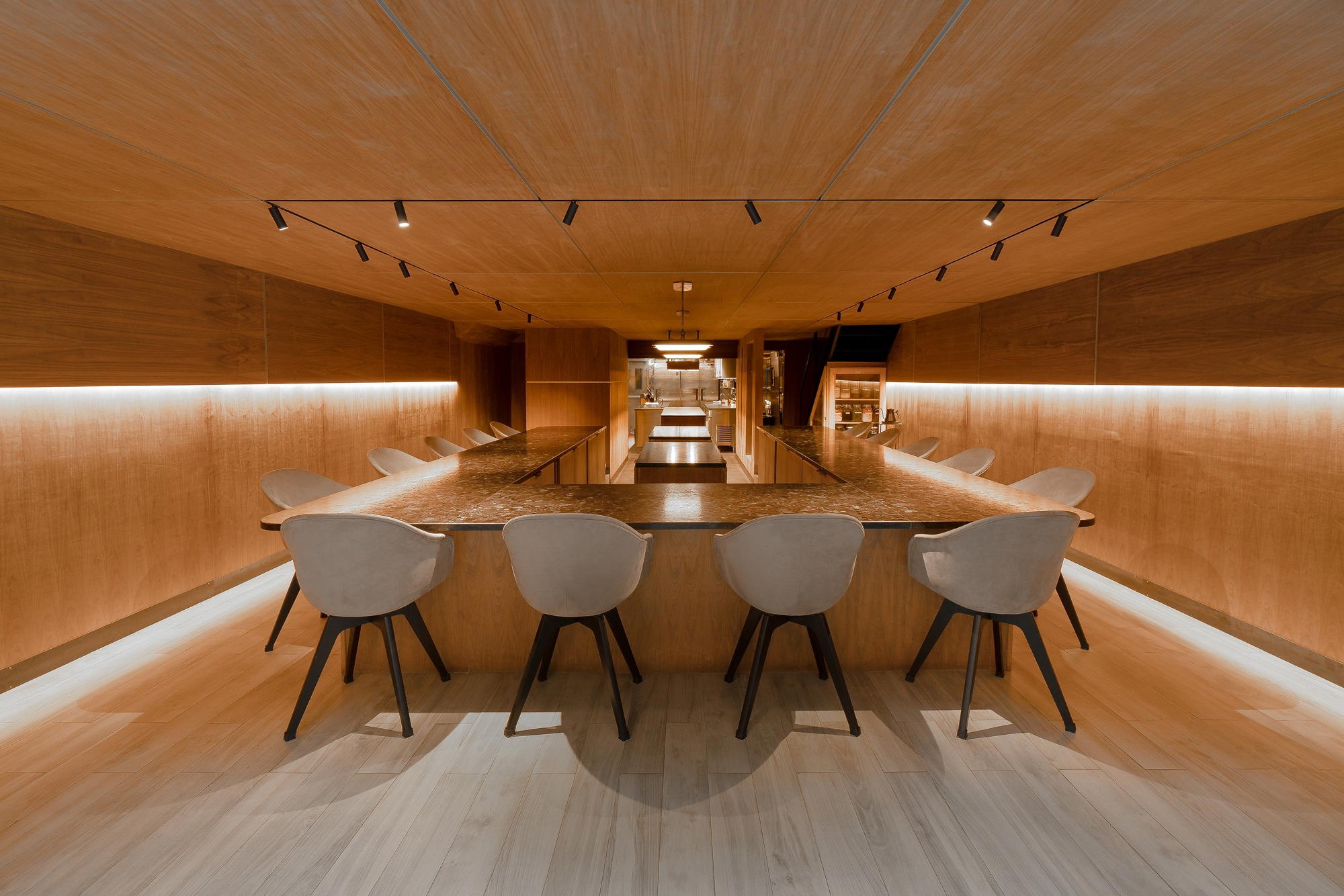
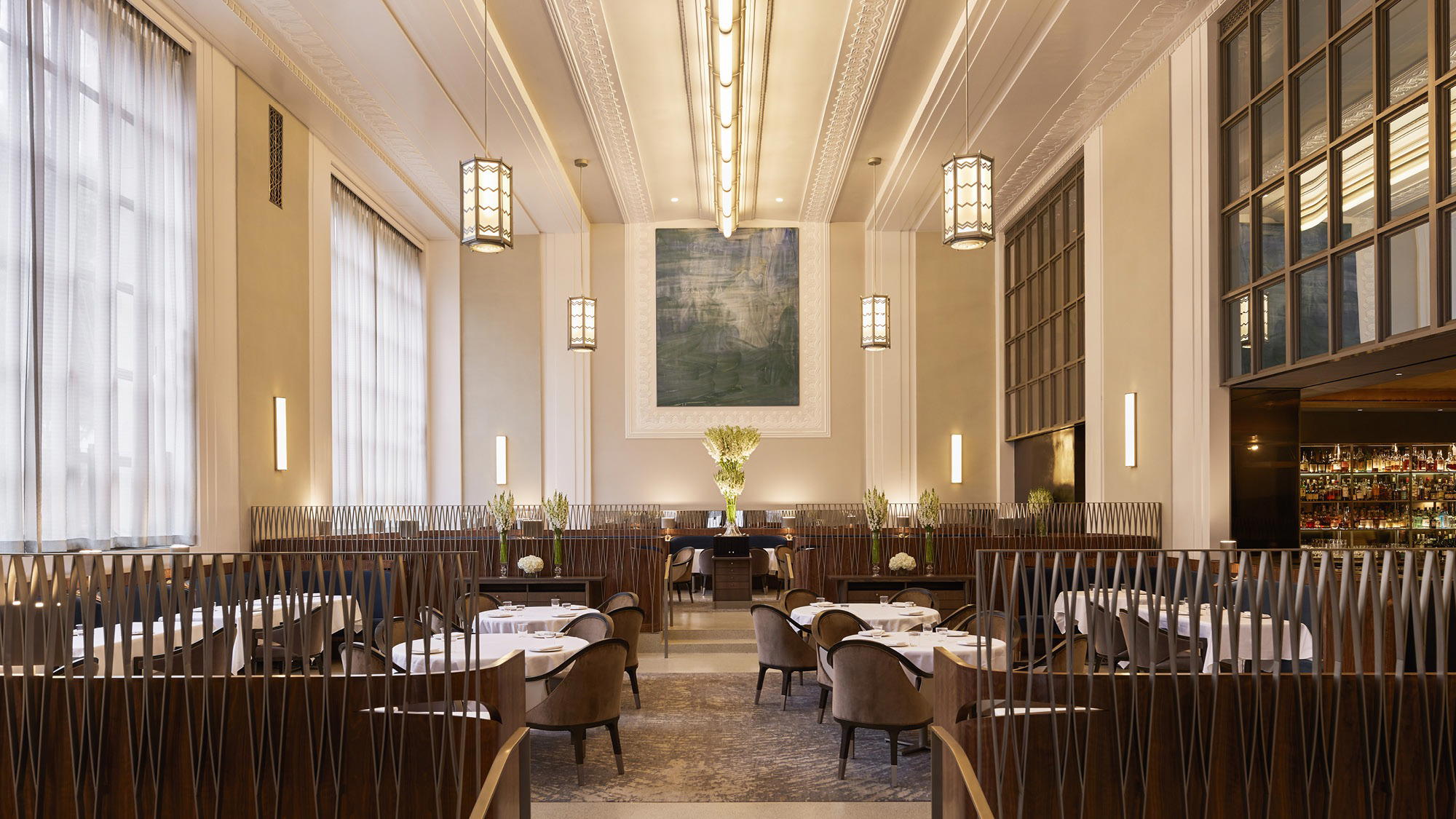
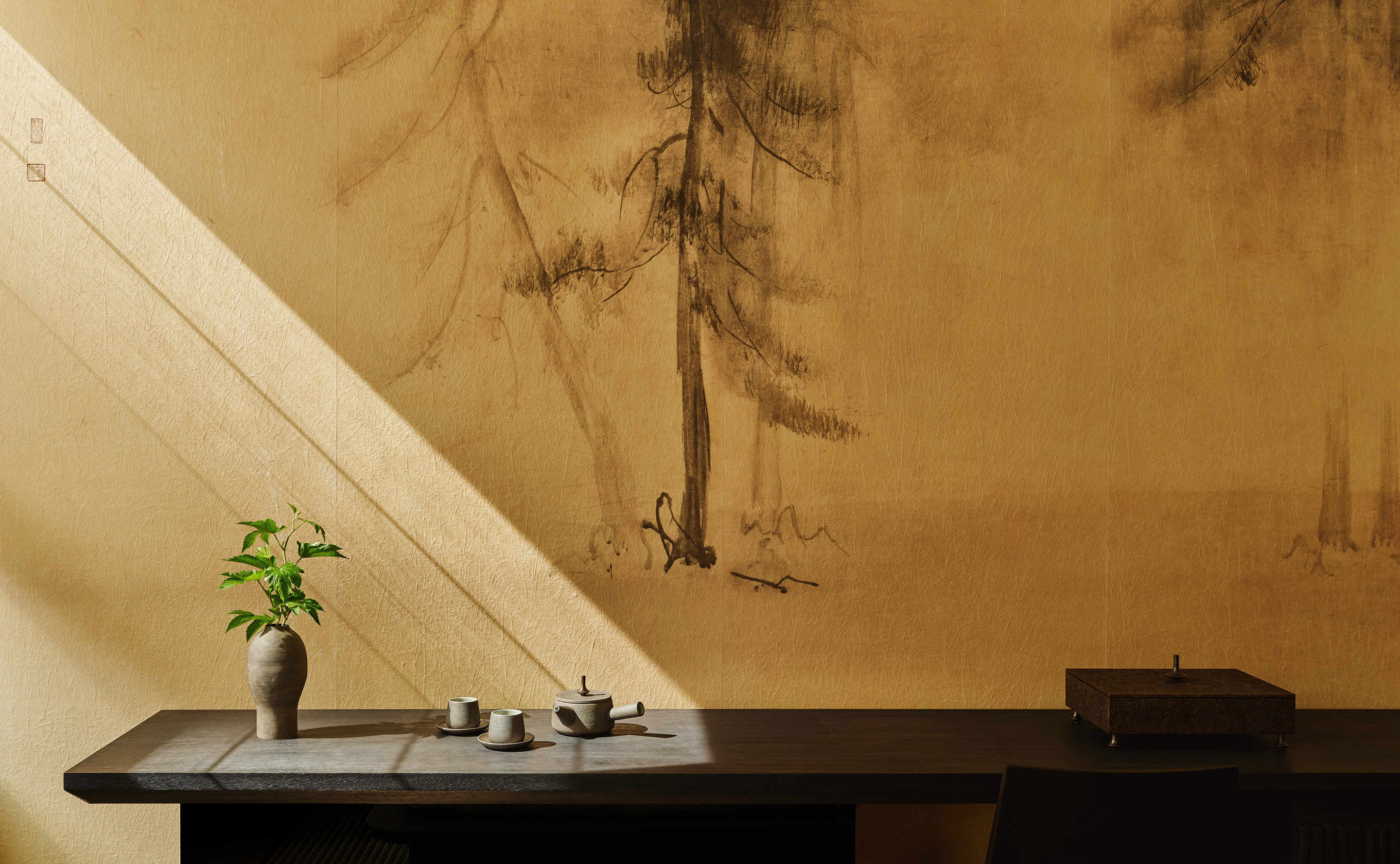
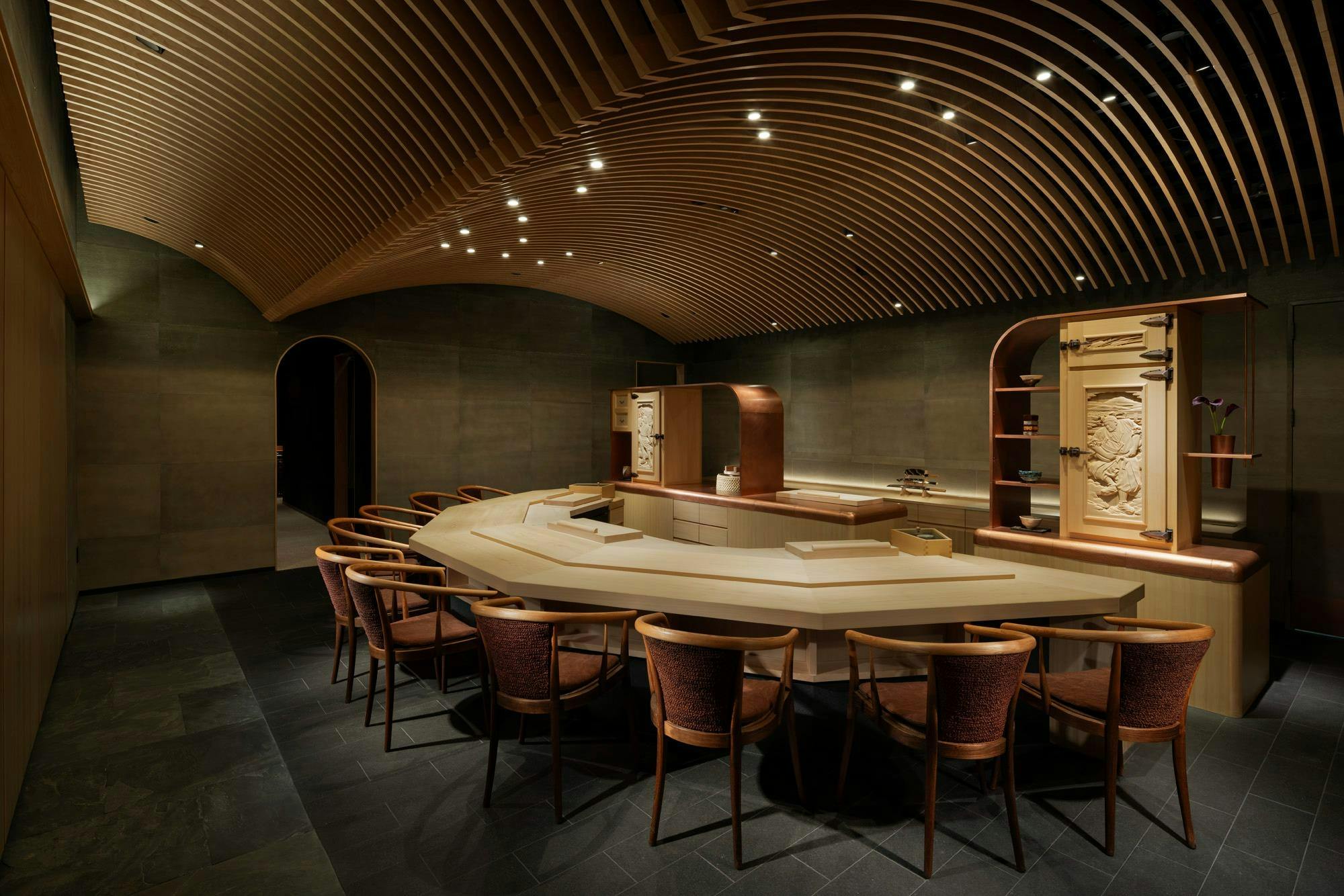
Omakase in New York has become a format category with meaningful internal variation. At one end, newer counters emphasize imported product and a streamlined experience designed for legibility; at the other, a smaller group builds their sequences around preserved, aged, and fermented preparations that demand more from the diner. Sushi Sho belongs to the latter, where the Hinoki wood counter and the carved-wood-fronted ice boxes are not decorative choices but functional ones, designed around the temperature and humidity management that fermentation-forward preparation requires.
The service model follows the single-counter logic common to high-end omakase globally: chef and team work in unison across a unified sequence, the pace set by the kitchen rather than the table. This is a different rhythm than the à la carte Japanese restaurants that also populate Midtown's dining options, including Blue Ribbon Sushi and Bond Street, where guest control over the sequence is expected. At Sushi Sho, surrendering that control is the operative assumption.
Within New York's broader high-end dining field, which includes French-seafood counters like Le Bernardin, tasting menus at Per Se and Eleven Madison Park, and the Korean precision of Atomix, omakase operates as the most format-constrained category. There is less room for theatrical flourish or course-by-course narrative; the discipline is in the fish, the rice, and the sequence itself. Sushi Sho's sustained placement across multiple ranking systems suggests that discipline is landing consistently.
Where It Sits in the New York Omakase Market
New York's omakase market has expanded significantly since the mid-2010s, with new counters opening at a pace that has created real variation in price, format, and technical emphasis. The upper tier, where Sushi Sho operates, is defined less by price alone and more by the combination of technical credentials, booking scarcity, and evaluator recognition. Other American cities have developed comparable high-end tasting menu cultures — Alinea in Chicago, The French Laundry in Napa, Lazy Bear in San Francisco, Single Thread in Healdsburg, Providence in Los Angeles, Emeril's in New Orleans — but the density of elite omakase competition is specific to New York.
What keeps Sushi Sho distinct within that competitive field is the specificity of its technical argument. The fermentation focus is not a differentiating hook adopted for market positioning; it is the logical extension of Edomae tradition applied with consistent discipline. New York Magazine's 2025 designation captured this well: the restaurant's menu works as both a record of sushi's origins and a live demonstration of where that tradition can go in skilled hands.
Planning a Visit
Sushi Sho operates Tuesday through Thursday from 17:00 to 23:00, Friday and Saturday from 13:00 to 23:00, and is closed Sunday and Monday. The address is 3 East 41st Street, one block from Bryant Park and within walking distance of Grand Central Terminal, which makes it one of the more transit-accessible counters in this price tier. Price range: $$$$ (high-end omakase pricing consistent with two-Michelin-star counters in New York). Reservations: advance booking is required and demand is consistent with a venue ranked sixth in North America by Opinionated About Dining; plan accordingly. Format: omakase counter, chef-set sequence, no à la carte. Closed: Sunday and Monday.
For broader planning across the city, see our full New York City restaurants guide, our full New York City hotels guide, our full New York City bars guide, our full New York City wineries guide, and our full New York City experiences guide.
Frequently asked questions
What cuisine category does Sushi Sho fall under?
What should I budget for a meal at Sushi Sho?
Pricing at Sushi Sho is listed as $$$$.
What kind of recognition has Sushi Sho received?
Sushi Sho has received recognition including: La Liste Top Restaurants (2026): 87pts; Opinionated About Dining Top Restaurants in Europe Ranked #204 (2025); Opinionated About Dining Top Restaurants in Japan Ranked #82 (2025); Opinionated About Dining Top Restaurants in North America Ra….
What do regulars order at Sushi Sho?
The format removes the question entirely: Sushi Sho runs a fixed omakase sequence with no à la carte option. What seasoned visitors track instead is the fermentation work — aged sushi rice with a pronounced, almost cheesy character and preparations like thin-sliced kazunoko that reflect the Edomae tradition of preservation over raw freshness. Opinionated About Dining ranked the counter #6 in North America for 2025, which gives some measure of what the sequence delivers at the $$$$ price point.
What time does Sushi Sho open and close?
Hours at Sushi Sho: Hours: Monday Closed Tuesday 17:00-23:00 Wednesday 17:00-23:00 Thursday 17:00-23:00 Friday 13:00-23:00 Saturday 13:00-23:00 Sunday Closed.
Where is Sushi Sho located?
Sushi Sho is located at 3 E 41st St, New York, NY 10017, New York City.
Who is the chef connected to Sushi Sho?
The chef associated with Sushi Sho is Keiji Nakazawa.
In Context: Similar Options
| Venue | Cuisine | Price | Awards | Notes |
|---|---|---|---|---|
| Sushi ShoThis venue — the venue you are viewing | Modern Japanese Omakase | $300–500 | 3 Michelin Stars · La Liste Top Restaurants | Not listed |
| Le Bernardin | French Seafood Fine Dining | $300–500 | 3 Michelin Stars · World's 50 Best #13 | French, Seafood |
| Atomix | Modern Korean Tasting Menu | $300–500 | 2 Michelin Stars · World's 50 Best #7 | Modern Korean, Korean |
| Masa | Seasonal Hokkaido Tempura Omakase | $150–200 | Tabelog 100 #34 | Sushi, Japanese |
| Per Se | French Fine Dining Tasting Menu | $300–500 | 3 Michelin Stars · World's 50 Best #40 | French, Contemporary |
| Eleven Madison Park | Contemporary Plant-Based Fine Dining | $300–500 | 3 Michelin Stars · World's 50 Best #4 | French, Vegan |
Recognition history
Dated appearances from independent guides and award organizations, with the underlying list record or original source where available.
Michelin 3 Stars
Michelin
La Liste Top Restaurants
La Liste
New York Times Best Restaurants in New York City #11
New York Times
Opinionated About Dining Top Restaurants in North America Ranked #8
Opinionated About Dining
New York Magazine The 43 Best Restaurants in New York
New York Magazine
Full recognition history (17 entries)
New York Times Best Restaurants in New York City #8
New York Times
Opinionated About Dining Top Restaurants in Europe Ranked #204
Opinionated About Dining
Opinionated About Dining Top Restaurants in Japan Ranked #82
Opinionated About Dining
Opinionated About Dining Top Restaurants in North America Ranked #6
Opinionated About Dining
The Best Chef Two Knives
The Best Chef
Opinionated About Dining Top Restaurants in North America Ranked #8
Opinionated About Dining
Opinionated About Dining Top Restaurants in Europe Ranked #261
Opinionated About Dining
Opinionated About Dining Top Restaurants in Japan Ranked #76
Opinionated About Dining
Opinionated About Dining Top New Restaurants in Europe Highly Recommended
Opinionated About Dining
Opinionated About Dining Top Restaurants in North America Ranked #7
Opinionated About Dining
Opinionated About Dining Top Restaurants in Japan Ranked #96
Opinionated About Dining
Robb Report 100 Greatest American Restaurants of the 21st Century #90
Robb Report