

1 Michelin Star · Michelin Guide 1 Star
Our verdict
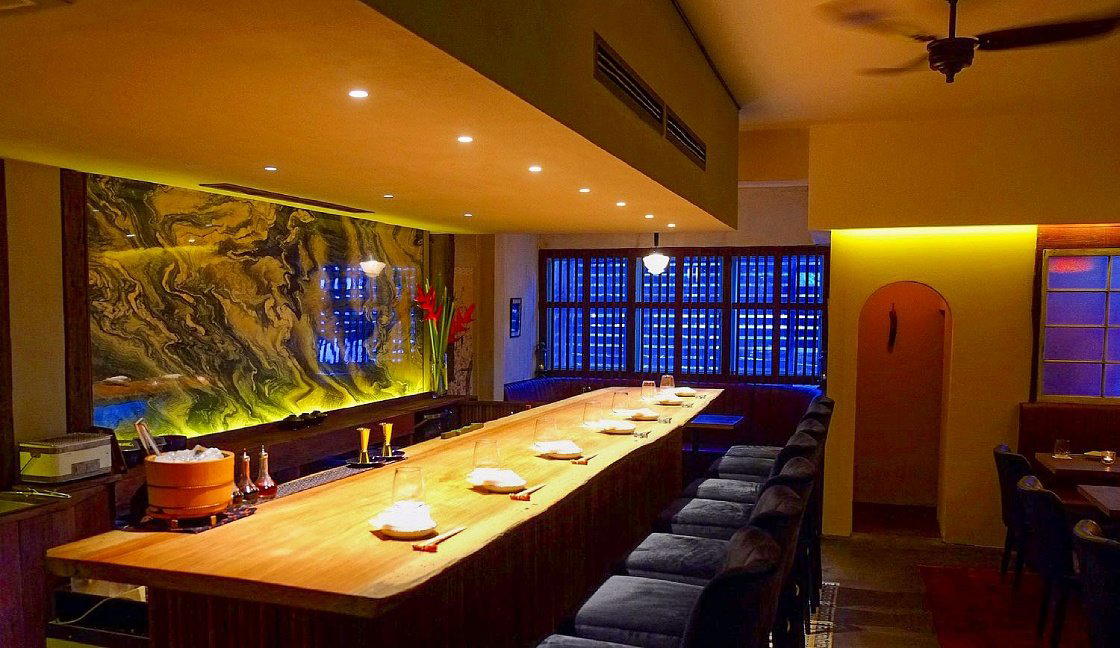
A Michelin-starred omakase counter on Tras Street where Kyoto-born chef Kazuhiro Hamamoto applies an ingredient-first discipline rarely found outside Japan. Single sittings at lunch and dinner keep the format concentrated. The sushi rice shifts between red and rice vinegar depending on the fish, a detail that signals the level of technical consideration throughout the meal.

Pearl is the En Primeur Club membership app, where members save venues, book tables and use the concierge.
The menu
What to order
- Lobster with Uni and Caviar
- Smoked Kinmedai
- Nodoguro Nigiri
Where Sourcing Is the Argument
Tras Street in Tanjong Pagar sits at the edge of Singapore's most concentrated Japanese dining corridor, a few hundred metres from the CBD but operating in a register that has little to do with expense-account convenience. The counters here occupy a different tier from the hotel Japanese restaurants that dominated the city's high-end sushi market a decade ago. They are smaller, more controlled, and built around chefs who treat ingredient sourcing as the central discipline rather than a supporting detail.
Hamamoto, which earned a Michelin star in 2024, belongs to that tighter bracket. Kazuhiro Hamamoto, who came to Singapore from Kyoto, has publicly described ingredient selection as an obsession, and the menu's construction reflects that framing: the fish dictates the rice, not the other way around.
The Logic of Two Vinegars
In most sushi traditions, the rice is a fixed variable. The chef trains to a ratio and a vinegar blend, then applies it consistently across the service. The approach at Hamamoto inverts that assumption. Sushi rice is dressed in either red vinegar (akazu, derived from sake lees and associated with Edo-period edomae technique) or standard rice vinegar, depending on which better amplifies the fish being served.
Red vinegar produces a darker, nuttier, more umami-forward shari that works in counterpoint to rich, fatty cuts. Rice vinegar, lighter and more acidic, tends to sit beneath leaner, more delicate fish without competing with it. The decision to maintain both and deploy them selectively requires a larger rice operation and a more considered approach to each nigiri. At counters in Tokyo, including Sushi Kanesaka, where this level of rice discipline has long been a reference point, this kind of dual-vinegar practice marks the upper end of the craft. Its presence in Singapore at Hamamoto is one signal of how that tier of technique has migrated across the region.
The comparison set matters. Singapore's premium sushi market now includes counters such as Shoukouwa, Sushi Ichi, Sushi Sakuta, Sushi Ashino, and Sushi Hare, each operating at the $$$$ tier with their own sourcing and technique positions. Within that cohort, Hamamoto's dual-vinegar shari and its emphasis on pre-nigiri courses places it toward the more ingredient-forensic end of the range.
Before the Nigiri: The Courses That Set the Standard
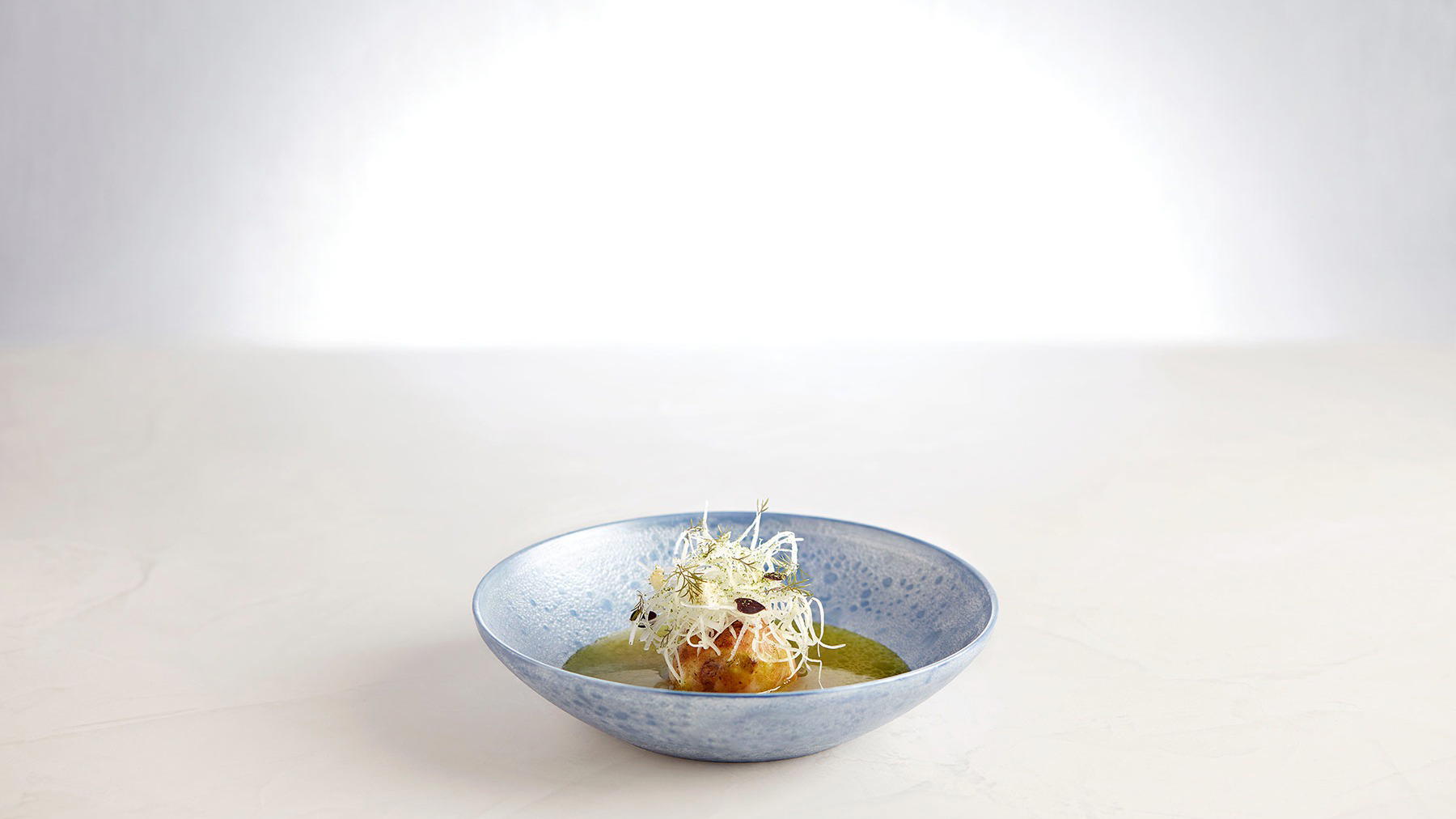
At many omakase counters, the opening courses, the sakizuke and tsukidashi sequences, function as palate preparation, competent but secondary to the nigiri run. At Hamamoto, the Michelin assessors specifically noted that courses such as the uni and smoked tuna prove as memorable as the nigiri itself. That is a meaningful distinction. It suggests a kitchen where the sourcing obsession extends beyond the fish case to the broader preparation and presentation of each ingredient across the meal's arc.
Nodoguro (blackthroat seaperch) and chutoro (medium-fatty tuna) appear in the documented repertoire, both fish that reward careful sourcing decisions. Nodoguro, prized in Japanese cuisine for its high fat content and clean flavour, is a fish where provenance matters significantly: specimens from the Sea of Japan generally command premium status. Chutoro's quality depends on which section of the tuna it comes from and how the fish has been handled from catch to counter. Neither fish announces itself through dramatic preparation. They reveal the quality of the sourcing through the ingredient itself.
This places Hamamoto in a direct conversation with the sourcing-led counters that define the upper tier in Tokyo and Hong Kong. At Harutaka in Tokyo, at Sushi Shikon in Hong Kong, and at Edomae Sushi Hanabusa, the argument being made with each piece is fundamentally about the fish's origin and condition. Hamamoto is making the same argument in Singapore, which positions it differently from counters where technique or spectacle carries more of the burden.
The Single-Sitting Format and What It Demands
One sitting at lunch, one at dinner. This is not a logistical constraint so much as a structural position. When a counter operates a single sitting per service, the chef controls the pace completely, the fish can be prepared to order, the rice temperature managed through the service, and the progression of the meal shaped as a single arc rather than staggered across overlapping groups.
The trade-off is availability. A format like this, at this price point, books out in advance. Anyone approaching Hamamoto without a reservation should expect to be turned away. The practical implication: if Tras Street is on your itinerary, this is one of the counters to book before flights, not after.
For context within Asia's sushi scene, this single-sitting format is shared by counters at different ends of the recognition spectrum. Sukiyabashi Jiro Roppongiten in Tokyo operates with comparable format discipline. Sushi Harasho in Osaka applies a similar structure. Beyond Asia, Sushi Sho in New York City has built its reputation on the same tight-sitting logic. The format is a category signal, not merely a scheduling choice. And in Seoul, counters like HANE are applying similar format discipline as premium sushi spreads across the region.
Singapore's Sushi Counter Tier: How Hamamoto Fits
Singapore's high-end sushi market has consolidated around a recognisable model: Japanese-trained or Japanese-born chefs, counter seating, omakase formats, and price points that compete with fine dining in any category. What differentiates the top tier within that model is sourcing provenance, rice technique, and the quality of the pre-nigiri sequence. By all three measures, Hamamoto sits at the upper end.
The Kyoto background of its chef adds a register note. Kyoto cuisine has historically prioritised ingredient quality and restraint over display, a sensibility that sits somewhat apart from the more theatrical end of Tokyo's high-end dining culture. Applied to sushi, that sensibility tends to produce less garnish, less sauce intervention, and more reliance on fish quality and rice calibration to carry the experience. That is the posture Hamamoto appears to take.
Within Singapore's broader dining scene, where three-Michelin-star European contemporary at Zén and two-star British contemporary at Jaan by Kirk Westaway sit alongside a growing cluster of one-star Japanese counters, Hamamoto's single star represents an entry point into the city's most technically demanding Japanese dining, not its ceiling. The format and sourcing approach, however, compete well above the one-star category in terms of ingredient investment and service concentration.
For more on where Hamamoto sits relative to the full range of Singapore dining options, see our full Singapore restaurants guide. And if you are building a broader itinerary, our full Singapore hotels guide, bars guide, wineries guide, and experiences guide cover the rest of the city at comparable depth.
Know Before You Go
- Address: 58 Tras Street, Singapore 078997
- Hours: Tuesday to Saturday, lunch 12PM–3PM and dinner 6:30PM–11PM; closed Sunday and Monday
- Price range: $$$$
- Awards: Michelin 1 Star (2024)
- Bookings: Single sitting at lunch and dinner; reserve well in advance
- Format: Omakase counter
What Is the Signature Dish at Hamamoto?
Hamamoto does not operate around a single signature dish in the conventional sense. The omakase format means the menu shifts with what the market offers and what Kazuhiro Hamamoto has sourced. That said, the dishes that have drawn consistent attention are the nodoguro and chutoro nigiri, alongside pre-nigiri courses such as uni and smoked tuna. The rice technique, selecting between red vinegar and rice vinegar shari depending on the fish, functions as a through-line across the entire counter experience and is arguably the most consistent expression of the kitchen's approach. The 2024 Michelin listing specifically noted the pre-nigiri courses as equally memorable to the nigiri run, which is worth taking seriously when managing expectations: the full arc of the meal, not just the fish pieces, is where the sourcing argument is made.
Frequently asked questions
What's the price range at Hamamoto?
Pricing at Hamamoto is listed as $$$$.
Where do I go for Hamamoto?
Hamamoto is located at 58 Tras St, Singapore 078997, Singapore.
Comparison Snapshot
A quick peer reference to anchor this venue in its category.
| Venue | Cuisine | Price | Awards | Notes |
|---|---|---|---|---|
| HamamotoThis venue (the venue you are viewing) | Modern Japanese Omakase | $300–500 | 1 Michelin Star · Michelin Guide 1 Star | Not listed |
| Zén | Yakitori & Japanese Izakaya | $50–100 | Tabelog 100 #92 | European Contemporary |
| Jaan by Kirk Westaway | Modern British Fine Dining | $200–300 | 2 Michelin Stars · Michelin Guide 2 Stars | British Contemporary |
| Burnt Ends | Modern Australian Barbecue | $100–150 | 1 Michelin Star · Michelin Guide 1 Star | Australian Barbecue, Barbecue |
| Summer Pavilion | Michelin-Starred Cantonese | $100–150 | 1 Michelin Star · Michelin Guide 1 Star | Cantonese |
| Born | Contemporary Fusion Fine Dining | $200–300 | 1 Michelin Star · Michelin Guide 1 Star | Creative Cuisine, Innovative |
Recognition history
Dated appearances from independent guides and award organizations, with the underlying list record or original source where available.
Michelin 1 Star
Michelin
Michelin Guide 1 Star
Michelin Guide
Full recognition history (3 entries)
Michelin 1 Star
Michelin
Continue exploring
More in Singapore
Restaurants in Singapore
All restaurants in Singapore →
Bars in Singapore
All bars in Singapore →
Details
- Intimate
- Elegant
- Minimalist
- Sophisticated
- Date Night
- Special Occasion
- Chefs Counter
- Open Kitchen
- Sake Program
- Omakase
- Counter Dining
- Umeshu
Current opening hours
- Monday
- Closed
- Tuesday
- 12–3 PM, 6:30–11 PM
- Wednesday
- 12–3 PM, 6:30–11 PM
- Thursday
- 12–3 PM, 6:30–11 PM
- Friday
- 12–3 PM, 6:30–11 PM
- Saturday
- 12–3 PM, 6:30–11 PM
- Sunday
- Closed
Hours can change for holidays and private events. Hours as of .
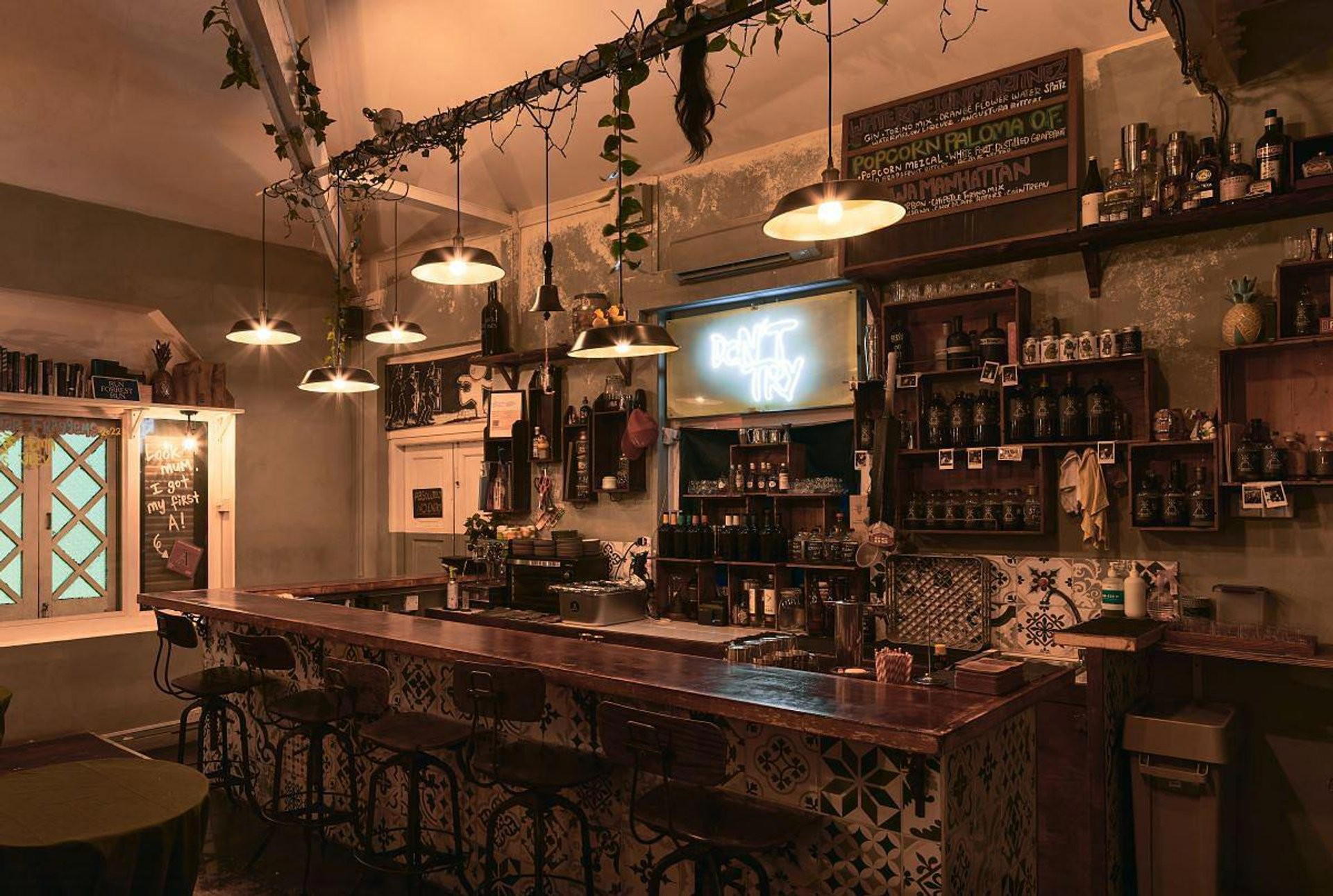
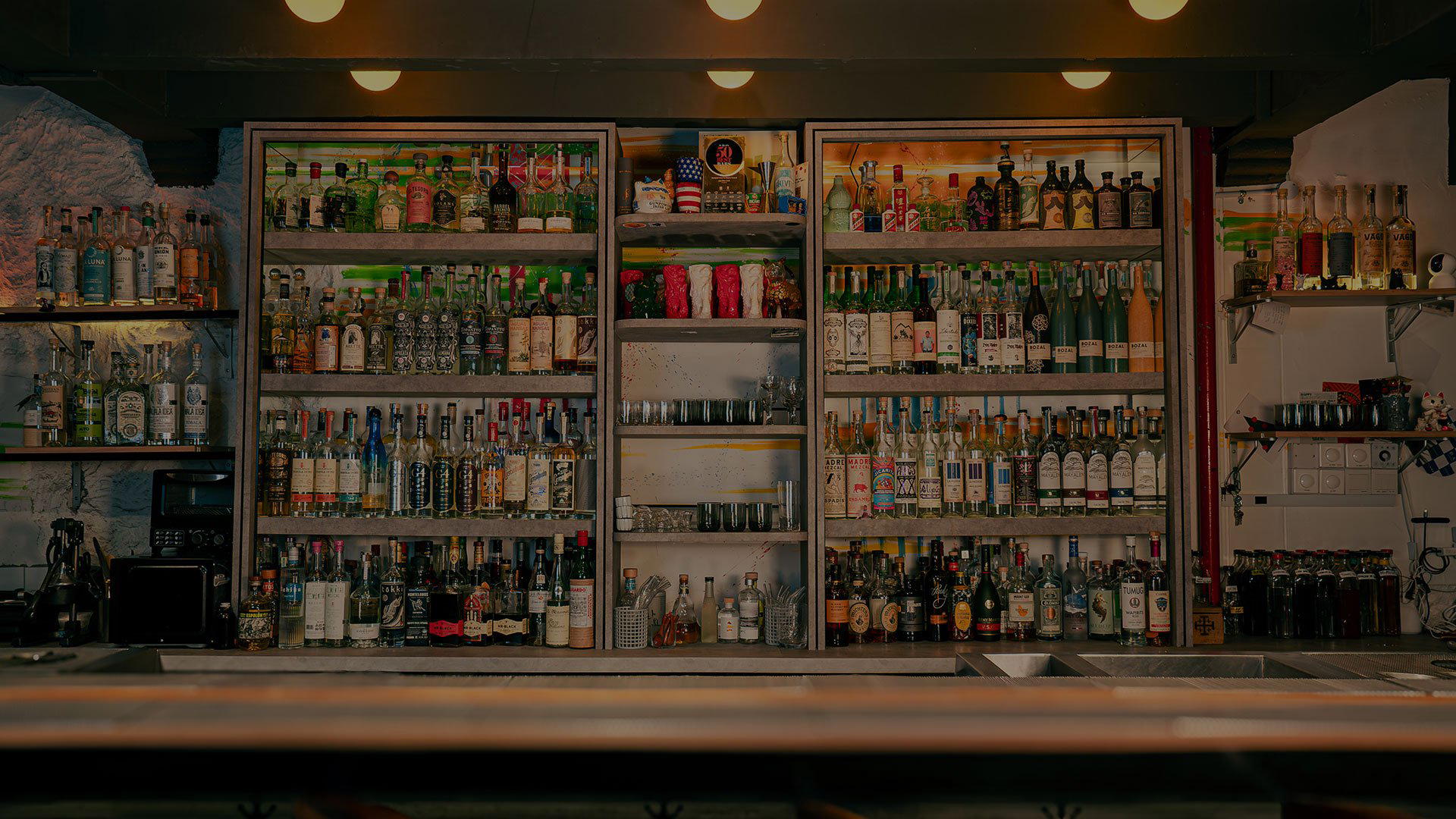
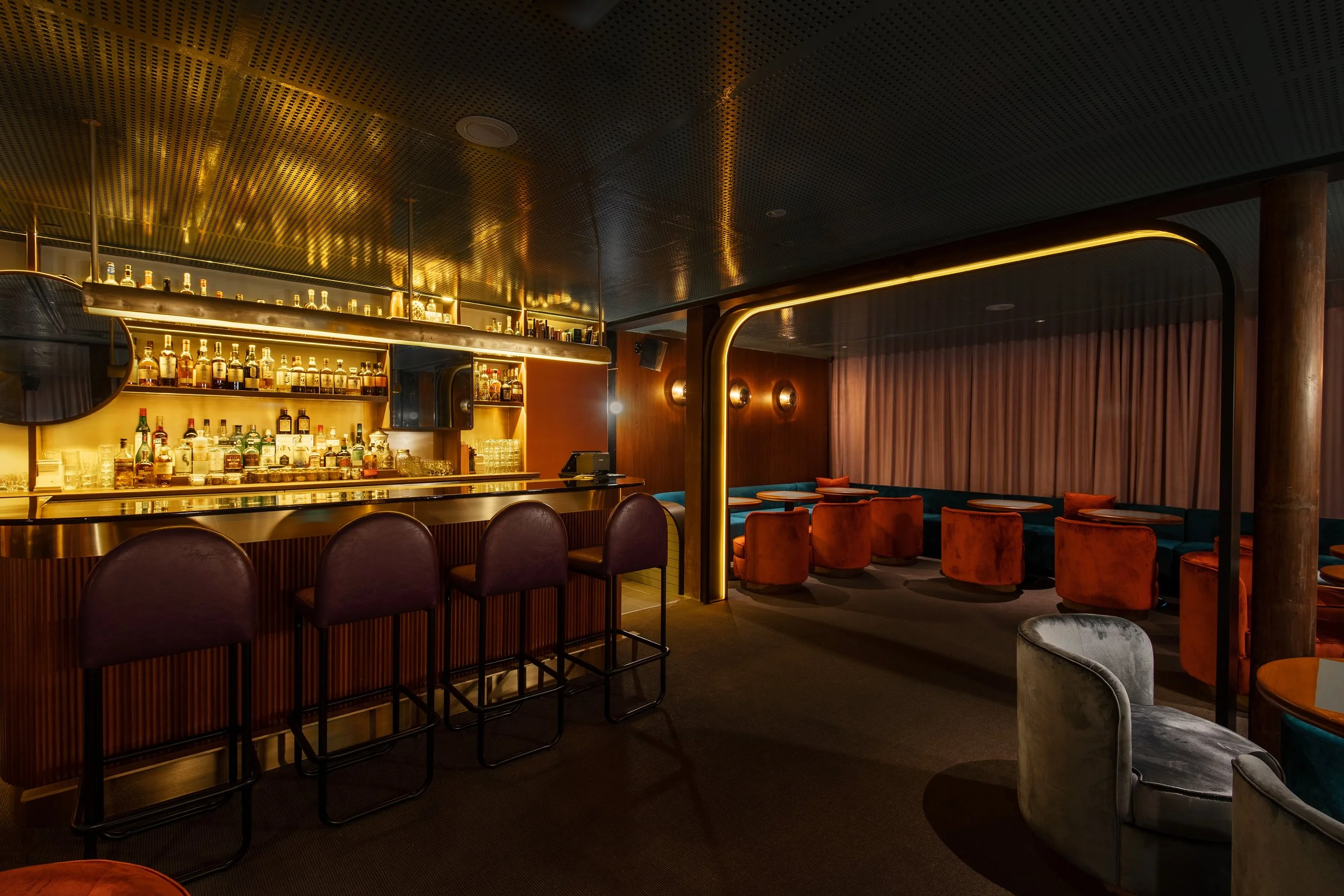
Hushed, intimate space with purposefully sparse, dark design that accentuates simplicity and focus on the cuisine.