


Michelin Plate · Tabelog 100 #83
Our verdict
A Michelin Plate-recognised counter in Shinjuku's Tsukudocho district, Sushi Matsumoto holds a sustained presence on the Opinionated About Dining rankings for Japan, peaking at #76 in 2023. The format pairs sake service with a sequenced progression of snacks and nigiri, with toro served first to let the warm vinegared rice work on the fat. Jazz in the background and Nambu ironware teapots complete a setting that trades ceremony for considered informality.

Pearl is the En Primeur Club membership app, where members save venues, book tables and use the concierge.
The menu
What to order
- Uni caviar
- Fatty tuna nigiri
- Sea urchin chawanmushi
A Counter in Shinjuku That Operates on Its Own Terms
Tokyo's sushi scene has long been sorted into legible tiers: the three-star Ginza omakase counters that price against a global elite, the mid-range neighbourhood rooms that sustain loyal local followings, and everything in between. Sushi Matsumoto occupies a position that cuts across these categories. Located below street level in Tsukudocho, a quiet residential pocket of Shinjuku City, it has held a place on the Opinionated About Dining rankings for Japan across three consecutive years, #76 in 2023, #320 in 2024, and #374 in 2025, and carries a Michelin Plate for 2025. That trajectory is worth reading carefully: a ranking that high in 2023 signals a moment of significant critical attention, and the subsequent movement reflects the natural volatility of a competitive field rather than a decline in the kitchen's output.
For context on where this counter sits relative to its peers, counters like Harutaka and Sushi Kanesaka operate at the ¥¥¥¥ tier with the full weight of Michelin star recognition behind them. Sushi Matsumoto, priced at ¥¥¥, sits one step below that ceiling, accessible enough to function as an introduction to serious omakase, serious enough to have drawn sustained attention from critics who move between both tiers. It shares a neighbourhood spirit with counters like Edomae Sushi Hanabusa, where the emphasis falls on technical precision over formality.
The Physical Container: Basement, Jazz, and Ironware
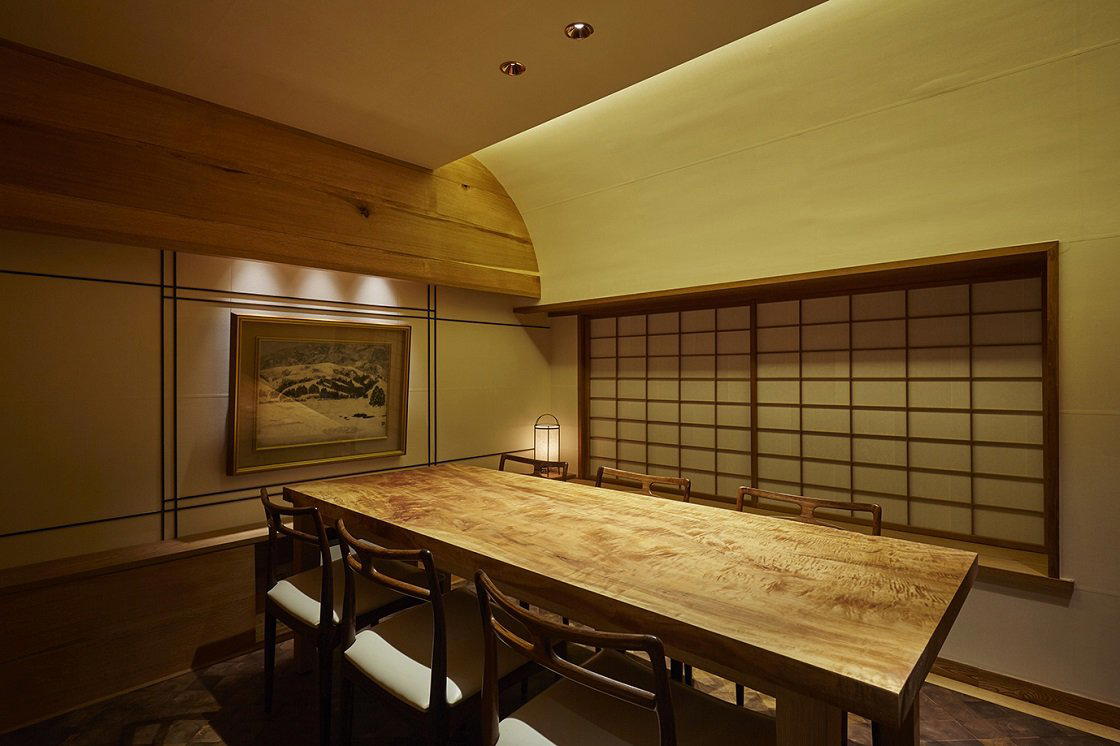
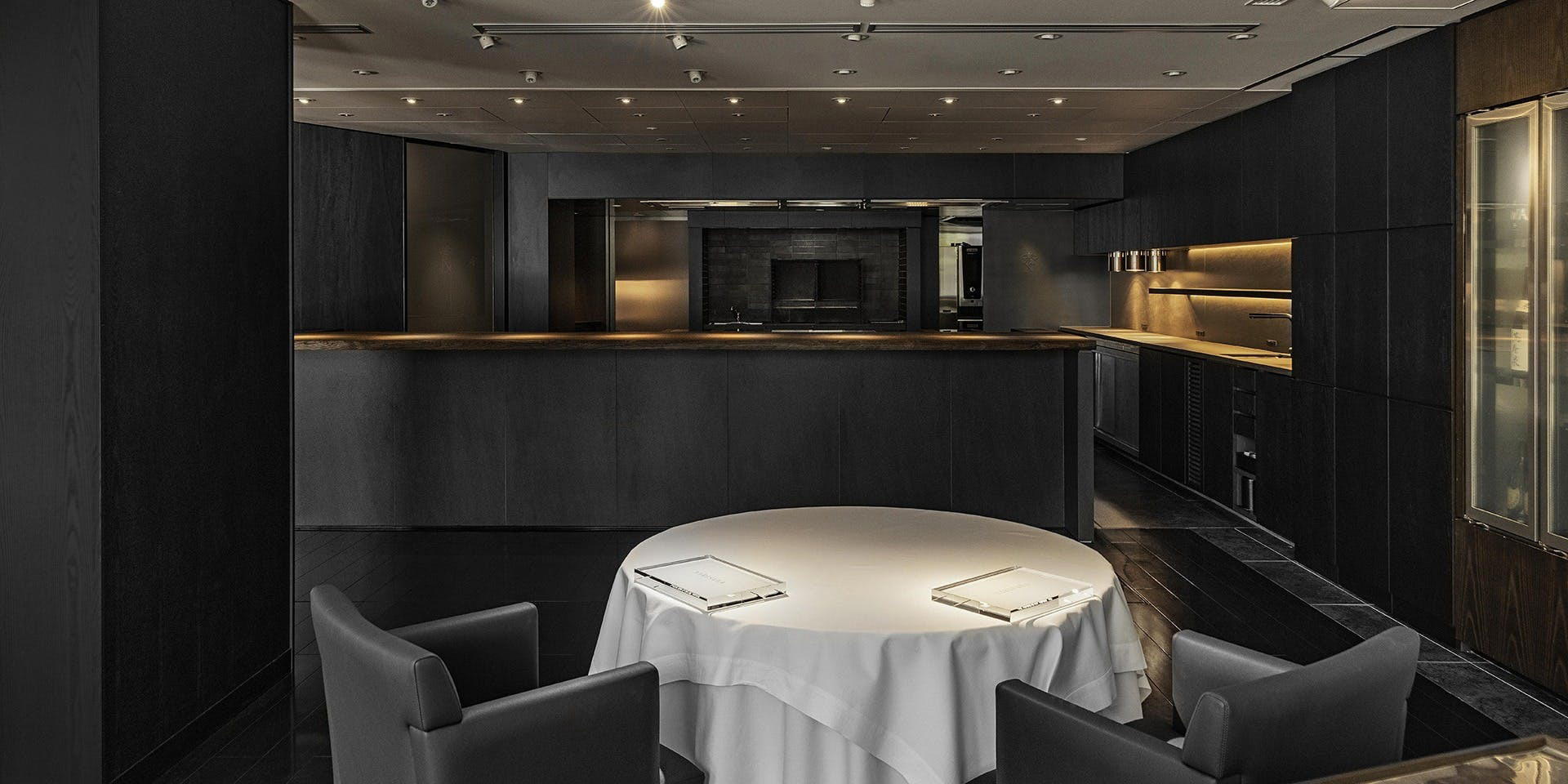
The editorial angle on any serious sushi counter eventually returns to architecture, because the room shapes everything about how a meal unfolds. At Sushi Matsumoto, the setting is a basement space, the 1B designation in the address is not incidental, it is the experience. Below-street counters in Tokyo tend toward one of two registers: the hushed, near-ceremonial atmosphere of high-end Ginza rooms, or a more relaxed intimacy that closes the distance between chef and guest. Sushi Matsumoto belongs to the second tradition.
Jazz plays in the background, which is neither decorative noise nor a quirk, it is a deliberate signal about the room's intended register. The atmosphere is described as relaxed, a word that in Tokyo's sushi vocabulary carries real weight. Relaxed here does not mean casual in the dismissive sense; it means that the counter is designed to support conversation, extended sake service, and a pace that does not rush the guest toward the exit. The Nambu ironware teapots used for tea service confirm that the room is making considered choices down to the tactile detail. Nambu ironware, cast in Iwate Prefecture and associated with centuries of Japanese craft, is not a budget purchase or an afterthought, its presence signals that the kitchen extends its material seriousness beyond the fish to the vessels that hold everything else.
The address, ASKビル 1B, Tsukudocho, Shinjuku City, places the counter away from the obvious tourist corridors of Shinjuku and at some remove from the Ginza and Nihonbashi concentrations of serious sushi. That positioning matters. Restaurants in residential or lower-traffic districts tend to build their clientele through repeat visits and word-of-mouth rather than walk-in traffic, which often produces a room with a higher proportion of regulars and a different ambient quality than destination counters in high-visibility locations.
The Sake-and-Nigiri Format
What distinguishes Sushi Matsumoto's service structure from a conventional omakase progression is the deliberate alternation between snacks and nigiri, explicitly designed around sake pairings. This is a less common format than the sushi-forward sequence that defines most serious counters, and it changes the rhythm of the meal in ways that matter to anyone thinking about how to spend an evening rather than just a meal.
Sake service here runs to an extensive selection, served in glasses rather than traditional ochoko, which suggests an approach oriented toward approachability and comparison, the kind of format where the guest is invited to taste across producers and styles rather than defer to a single prescribed pairing. The snack-and-nigiri alternation supports this: the palate is kept moving, and the meal builds in intensity rather than delivering all of its weight in a single direction.
Toro is served first, fatty tuna positioned at the opening rather than held as a climax, so that the warmth of freshly cooked vinegared rice can melt the fat at its optimal temperature. This is a sequencing decision with a clear technical rationale, and it runs counter to the more common practice of building toward richer fish as the meal progresses. Fresh-toasted nori appearing at the appropriate moment in the progression is another marker of the kitchen's attention to texture and timing: nori that has been pre-cut and left to absorb ambient humidity loses its structural integrity, and counters that toast to order are making a choice that costs time and coordination.
How This Counter Compares Across Japan
Tokyo remains the gravitational centre of Japan's sushi culture, but the OAD rankings consistently surface strong counters across the country. Visitors building a broader Japan itinerary around serious dining will find relevant comparisons at multiple points. HAJIME in Osaka and Gion Sasaki in Kyoto represent different regional expressions of Japanese fine dining, while Goh in Fukuoka and akordu in Nara offer further points of reference for how the critical apparatus maps across prefectures. 1000 in Yokohama and 6 in Okinawa extend the picture further.
For the Tokyo leg specifically, Sukiyabashi Jiro Roppongiten anchors the best of the omakase tier in the city. Sushi Matsumoto operates at a different price point and with a different format emphasis, but the OAD recognition places it in the same conversation about where serious sushi is happening in Tokyo. Internationally, the tradition it belongs to has produced strong outposts: Sushi Shikon in Hong Kong and Shoukouwa in Singapore both represent the export of Tokyo omakase culture to Southeast Asian and Greater China markets.
Planning Your Visit
Sushi Matsumoto is located at ASKビル 1B, Tsukudocho 4-1, Shinjuku City, Tokyo. The ¥¥¥ pricing places it below the top-tier omakase counters, and the relaxed format means it functions well for guests who want extended sake exploration alongside their sushi rather than a purely fish-forward progression. Given the basement setting and residential neighbourhood, confirming current booking arrangements in advance is advisable, counters at this level in Tokyo rarely take walk-ins. For broader planning across Tokyo's restaurants, hotels, bars, wineries, and experiences, see our full Tokyo restaurants guide, our full Tokyo hotels guide, our full Tokyo bars guide, our full Tokyo wineries guide, and our full Tokyo experiences guide.
Quick reference: Sushi Matsumoto, ASKビル 1B, Tsukudocho 4-1, Shinjuku City, Tokyo. Cuisine: Sushi. Price: ¥¥¥. Recognition: Michelin Plate 2025; OAD Leading Restaurants Japan 2023–2025.
What Regulars Order at Sushi Matsumoto
Beyond that, the format is built around snack and nigiri alternation rather than a fixed sequence of cuts, which means the ordering logic is embedded in the sake pairings rather than in a prescribed fish roster. The nori, toasted fresh to order, is one of the details that regulars with a technical eye tend to notice, it is the kind of marker that separates counters that take the supporting elements seriously from those that focus narrowly on the fish alone. The extensive sake selection, served in glasses across a range of producers, is central to how the evening is designed to unfold rather than an optional add-on. For those familiar with higher-tier counters like Harutaka or Sushi Kanesaka, Sushi Matsumoto offers a different rhythm: longer, more convivial, and structured around the interplay between rice-based fermentation on the plate and in the glass.
Frequently asked questions
Is Sushi Matsumoto more mid-range or high-end?
Pricing at Sushi Matsumoto is listed as ¥¥¥.
Has Sushi Matsumoto won any awards?
Sushi Matsumoto has received recognition including: The atmosphere is relaxed, with jazz playing in the background. To ensure the most enjoyable sake experience, the chef alternates between snacks and nigiri. This is a great place to try a variety of sakes, served in glasses and accompanied ….
What do regulars order at Sushi Matsumoto?
The verified progression places toro at the opening, served first so the heat of freshly cooked vinegared rice melts the fat through the cut. Fresh-toasted nori is a consistent marker of the counter's approach. Given the sake-forward format, documented by the OAD panel that ranked Matsumoto #76 in Japan in 2023, the snack courses accompanying each sake pour draw as much attention as the nigiri sequence itself.
At-a-Glance Comparison
| Venue | Cuisine | Price | Awards | Notes |
|---|---|---|---|---|
| Sushi MatsumotoThis venue (the venue you are viewing) | Michelin-Starred Edomae Omakase | $200–300 | Michelin Plate · Tabelog 100 #83 | Not listed |
| Harutaka | Edo-Style Omakase Sushi | $200–300 | 3 Michelin Stars · World's 50 Best #76 | Sushi |
| RyuGin | Modern Kaiseki | $500+ | 3 Michelin Stars · World's 50 Best #41 | Kaiseki, Japanese |
| L'Effervescence | Modern French with Japanese Influences | $200–300 | 3 Michelin Stars · World's 50 Best #69 | French |
| HOMMAGE | Modern French with Japanese Influences | $150–200 | 2 Michelin Stars · World's 50 Best #78 | Innovtive French, French |
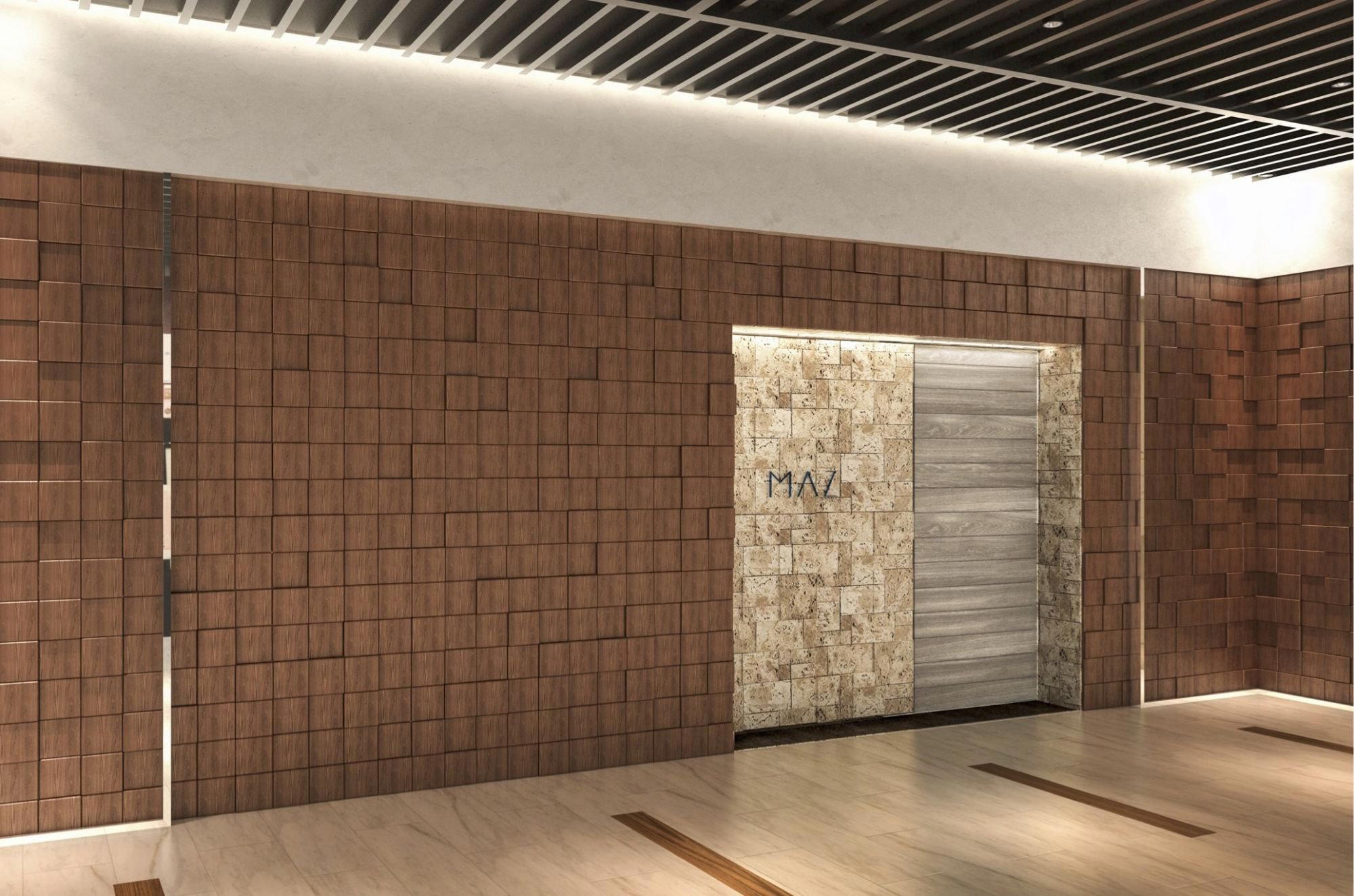
| MAZ | Innovative Peruvian-Japanese Fusion | $150–200 | 2 Michelin Stars · World's 50 Best #28 | Innovative |
Recognition history
Dated appearances from independent guides and award organizations, with the underlying list record or original source where available.
Michelin Plate
Michelin
Opinionated About Dining Top Restaurants in Japan Recommended
Opinionated About Dining
Tabelog 100 #83 · No. 83
Tabelog · Tabelog 100 - Sushi - TOKYO - 2025
Full recognition history (7 entries)
Michelin Plate
Michelin
Opinionated About Dining Top Restaurants in Japan Ranked #374
Opinionated About Dining
Opinionated About Dining Top Restaurants in Japan Ranked #320
Opinionated About Dining
Opinionated About Dining Top Restaurants in Japan Ranked #76
Opinionated About Dining
Continue exploring
More in Tokyo
Restaurants in Tokyo
All restaurants in Tokyo →
Bars in Tokyo
All bars in Tokyo →



Details
- Elegant
- Intimate
- Sophisticated
- Quiet
- Date Night
- Special Occasion
- Business Dinner
- Chefs Counter
- Sake Program
- Sustainable Seafood
- Omakase
- Counter Dining
- Sake
Current opening hours
- Monday
- 6 PM–12 AM
- Tuesday
- 6 PM–12 AM
- Wednesday
- 6 PM–12 AM
- Thursday
- 6 PM–12 AM
- Friday
- 6 PM–12 AM
- Saturday
- 6 PM–12 AM
- Sunday
- Closed
Hours can change for holidays and private events. Hours as of .
Relaxed elegant counter seating with cypress wood, soft jazz, and dignified yet welcoming atmosphere.