


A Ginza basement counter where yakitori steps well outside its casual register. Chef Toshihiro Wada holds a 2025 Michelin Plate and consistent Opinionated About Dining recognition for set menus that move from liver paté skewers to oyakodon, treating rare cuts with the same seriousness applied to premium chicken across the capital's grill circuit.
Pearl is the En Primeur Club membership app — saves, bookings, and concierge access live there. Same editors, same standards.
- Address
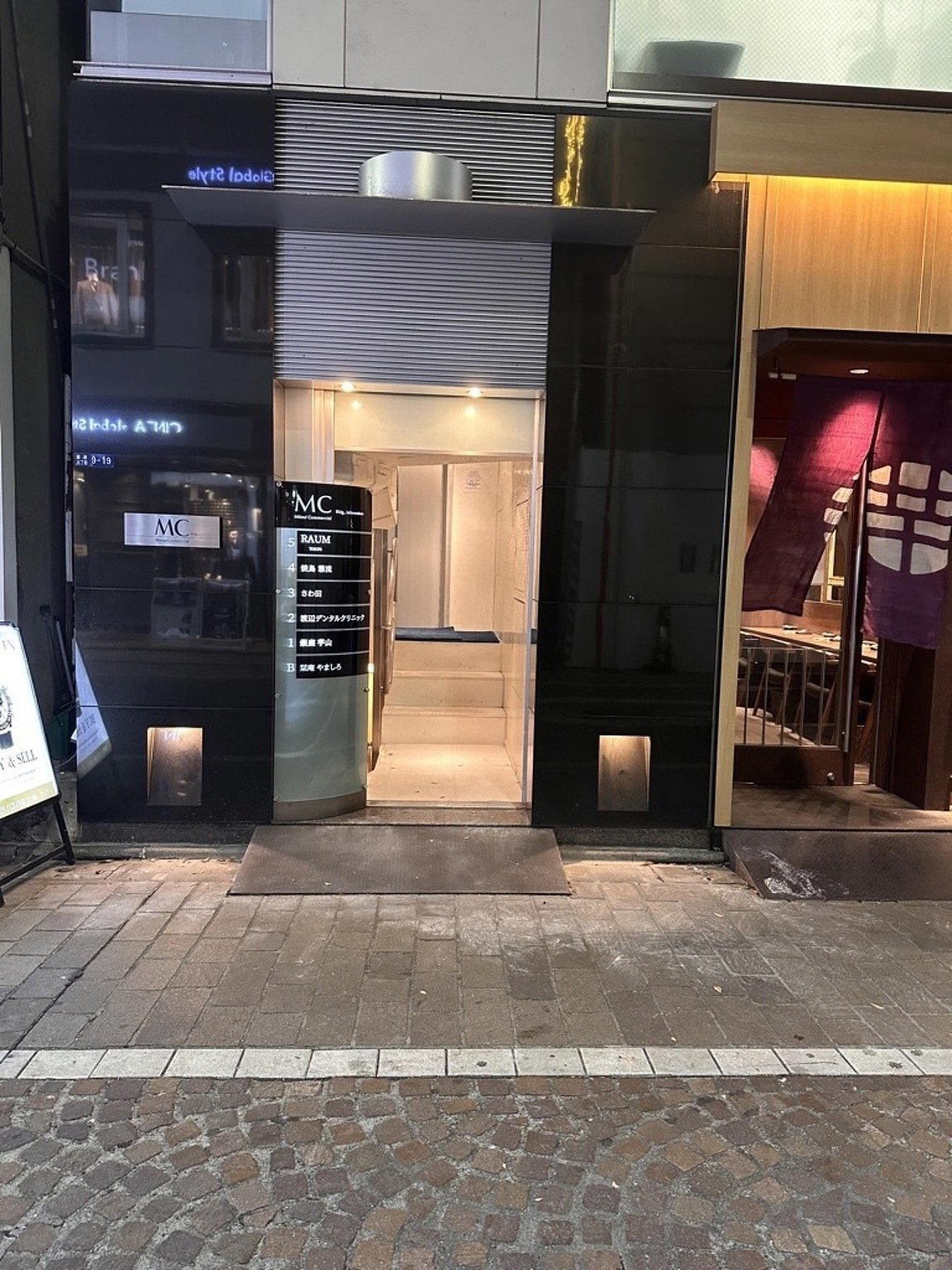
- Japan, 〒104-0061 Tokyo, Chuo City, Ginza, 4 Chome−2−15 塚本素山ビルディング B1F
- Phone
- +81 3-5250-1081
- Website
- ginza-birdland.sakura.ne.jp
- Directions
- Get directions
 Saves & bookings on Pearl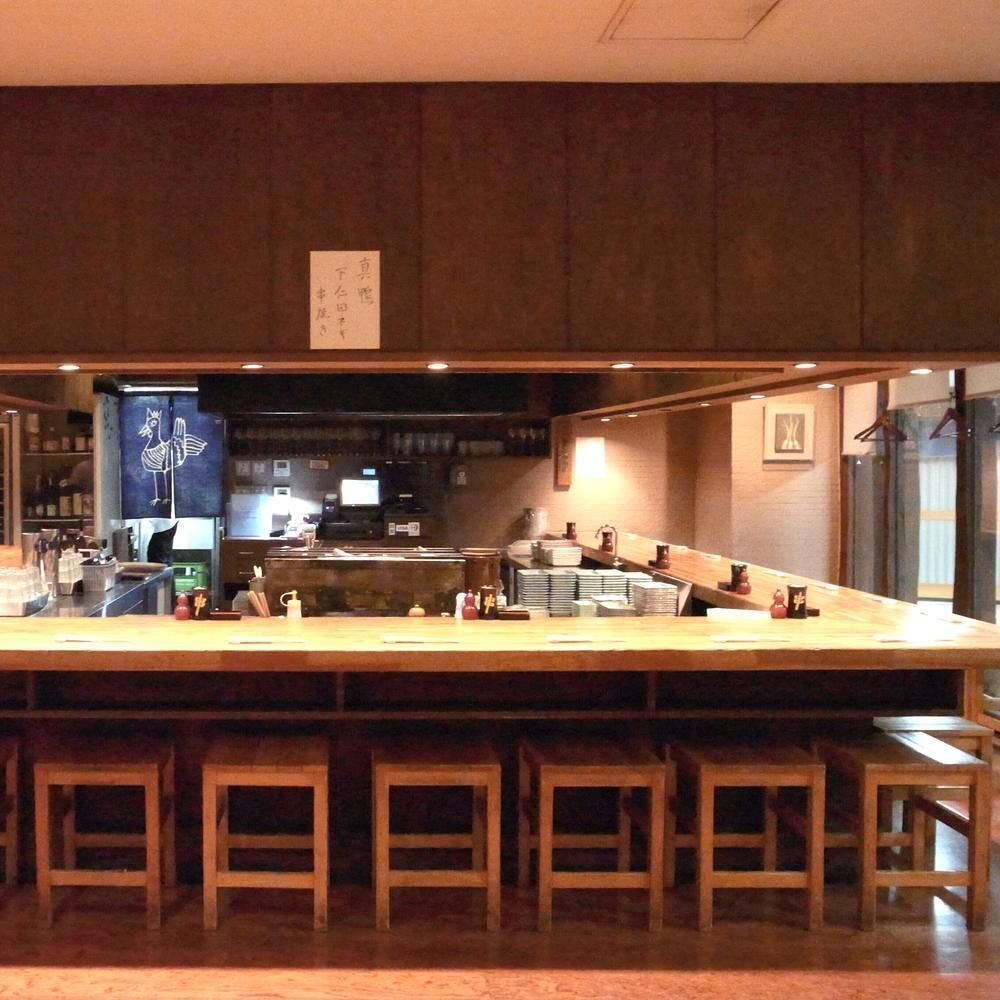
Below Ginza's Surface
BIRD LAND is a yakitori restaurant in Ginza, Tokyo, known for set menus and chef Toshihiro Wada's work at the grill. The cooking tradition began in postwar street stalls and covered alleyways; its most serious practitioners now work in spaces that read more like intimate counter restaurants than izakayas, often with Michelin recognition and booking waits to match. BIRD LAND belongs to that refined tier of the yakitori circuit, sitting below street level in a district better known for three-Michelin-star kaiseki rooms like Gion Sasaki in Kyoto and the kind of omakase counters that price against each other rather than against their ingredients. Coming downstairs into the dining room is a statement of intent: the grill is the point, not the address.
What Keeps Regulars Returning
Tokyo's serious yakitori counters attract two kinds of guests: those chasing a first visit and those who come back without needing to be persuaded. That kind of consistency in Tokyo's eating-out market, where novelty is constant and attention spans are short, is a more reliable indicator of quality than a single high-profile review.
The regulars here are not coming back for surprise or spectacle. They return because the set menu format gives the kitchen control over the sequence and the pacing, and because Chef Toshihiro Wada's approach to the skewer treats the full bird, not just the crowd-pleasing cuts. Rare sections like the chicken oyster, a small piece of dark meat from the back of the bird, appear on the menu as a point of education as much as pleasure. In most yakitori contexts, those cuts are either skipped or buried; here they are positioned as the argument for why the tradition deserves serious attention. Compare this approach to the broader yakitori scene: Yakitori Omino and Asagaya BIRD LAND represent other points on the Tokyo grill spectrum, each with a different read on how formal or casual the format should run.
The Menu as Argument
Yakitori's range as a category is wider than most Western diners expect. At one end, it means charcoal-grilled chicken thigh skewers eaten standing at a train station. At the other, it means a structured set menu in which chicken liver paté, chicken grilled with pepper, and a closing oyakodon of chicken and egg on rice demonstrate that the ingredient has more range than any single cut suggests. BIRD LAND's set menus operate closer to that second register. The liver paté skewer, in particular, positions the kitchen within a tradition that takes the offal seriously rather than defaulting to the safer breast and thigh sequence that dominates more casual grill rooms.
The inclusion of oyakodon as a closer is worth noting. In most high-end yakitori formats, the closing rice course is a formality; here it functions as a demonstration that the philosophy extends to the egg as well as the bird. That kind of coherence within a set menu is harder to achieve than it looks, and it is one of the reasons the format attracts repeat visits rather than one-time curiosity. For context on how yakitori traditions compare across Japan's cities, Ichimatsu in Osaka and Torisaki in Kyoto offer reference points for how the grill tradition translates outside Tokyo.
Yakitori Inside a Ginza comparable set
Ginza is one of the few Tokyo neighbourhoods where ¥¥¥¥ restaurants cluster densely enough to establish their own gravity. Three-Michelin-star rooms like RyuGin, serious French houses, and premium sushi counters define the district's upper register. The restaurant prices at ¥¥, which makes it an outlier in that company, not because the cooking is lower in ambition but because yakitori as a tradition has not yet shifted into the pricing tier occupied by kaiseki or omakase. That gap between critical recognition and price is, for regulars, part of the value. You are not paying Ginza rates for a category that has earned Ginza-level attention in the OAD rankings.
That positioning also shapes who comes back. The ¥¥ price range, set menu format, and basement counter environment create a different kind of loyalty than the special-occasion rooms higher up the building. Regulars here tend to be people who have decided the grill tradition is worth serious engagement at a price that allows for frequent returns, rather than treating the meal as a once-a-year event.
The Craft Passed Forward
One detail from the restaurant's Michelin citation is worth attention as context for what the kitchen is doing: Wada frequently works the grill alongside apprentices. In a city where culinary tradition moves primarily through direct transmission from senior to junior, that practice signals a kitchen invested in continuity rather than exclusivity. The counter format, where guests can observe the grill directly, means the training is visible rather than hidden behind a kitchen door. That transparency is part of what the experience delivers, and it is part of why the regulars treat the counter as a classroom as much as a dining room. Tokyo's broader restaurant culture, from the kaiseki rooms of 124 Kagurazaka to contemporary formats like Aria di Takubo and Aramaki, runs on similar logic: the skill is the point, and proximity to it is what the guest is paying for.
Planning Your Visit
The restaurant is open Tuesday through Friday from 5pm to 10pm, and Saturday from 5pm to 9:30pm. The restaurant is closed on Sundays and Mondays. The address is B1F, Tsukamoto Soyama Building, 4-2-15 Ginza, Chuo City, Tokyo. The basement location means it is easy to walk past on street level; the Ginza station exits on the Marunouchi and Hibiya lines put you within a few minutes' walk. Given the set menu format and the regulars who return on a fixed schedule, advance booking is the practical approach. For hotels in the area and bars to pair with an early or late evening, consult our full Tokyo hotels guide and our full Tokyo bars guide. Those planning a wider Japan trip can cross-reference HAJIME in Osaka, akordu in Nara, Goh in Fukuoka, 1000 in Yokohama, and 6 in Okinawa for the broader picture of what serious eating in Japan looks like beyond the capital.
The Short List
Comparable venues nearby, for context on price, style, and recognition.
| Venue | Cuisine | Price | Notes |
|---|---|---|---|
| BIRD LANDThis venue — the venue you are viewing | Chūō, Michelin-Starred Yakitori | $$$$ | Not listed |
| Sushi Yoshitake | Not listed | $$$$ | Chūō, 3-Michelin-Star Omakase Sushi |
| JULIA | Shibuya, Modern Japanese Fine Dining | $$$$ | Not listed |
| Arai | Chūō, Ginza Nigiri Sushi | $$$$ | Not listed |
| SUSHI KOURIN | Shibuya, Innovative Edomae Omakase | $$$$ | Not listed |
| Ishibashi | Chiyoda, Traditional Sukiyaki | $$$$ | Not listed |
Recognition history
Dated appearances from independent guides and award organizations, with the underlying list record or original source where available.
Michelin Plate
Michelin
Opinionated About Dining Top Restaurants in Japan Recommended
Opinionated About Dining
Michelin Plate
Michelin
Opinionated About Dining Top Restaurants in Japan Ranked #568
Opinionated About Dining
Tabelog 100 #45 · No. 45
Tabelog · Tabelog 100 - Yakitori - EAST - 2025
Michelin Plate
Michelin
Opinionated About Dining Top Restaurants in Japan Ranked #487
Opinionated About Dining
Opinionated About Dining Top Restaurants in Japan Recommended
Opinionated About Dining




At a Glance
- Classic
- Elegant
- Intimate
- Sophisticated
- Date Night
- Business Dinner
- Special Occasion
- Chefs Counter
- Open Kitchen
- Sake Program
Current opening hours
- Monday
- Closed
- Tuesday
- 5–10 PM
- Wednesday
- 5–10 PM
- Thursday
- 5–10 PM
- Friday
- 5–10 PM
- Saturday
- 5–9:30 PM
- Sunday
- Closed
Hours can change for holidays and private events. Last verified .
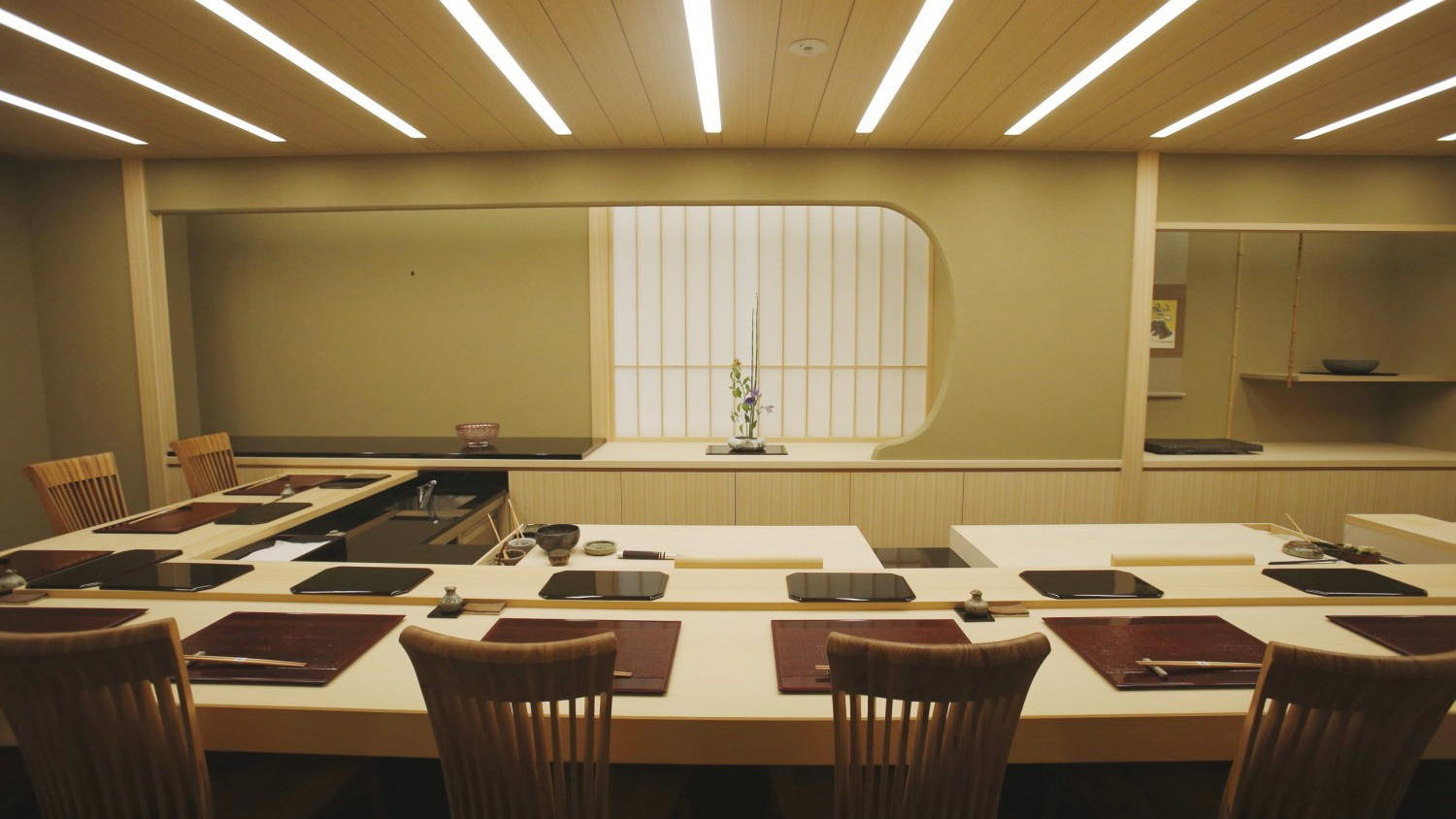
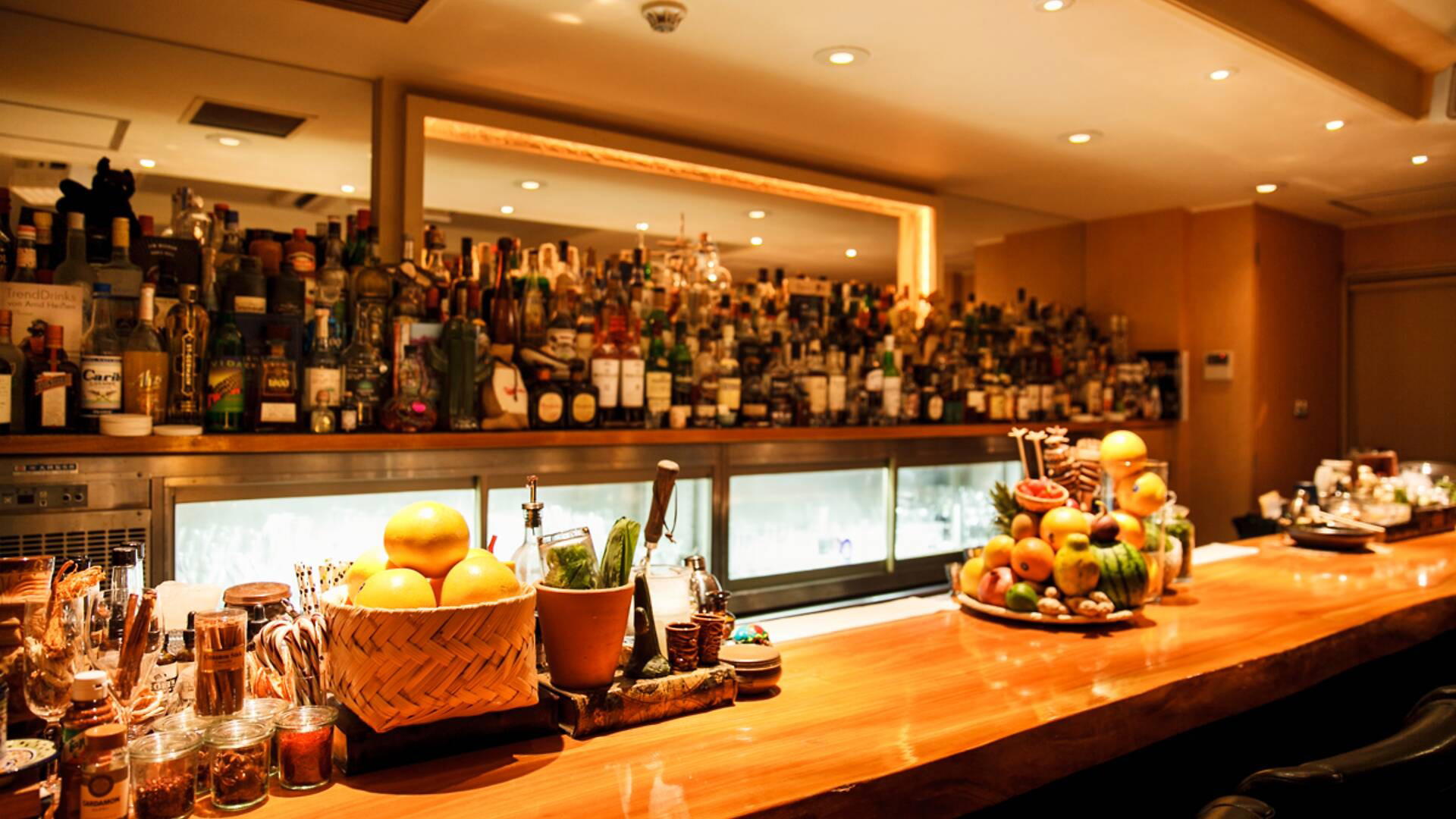
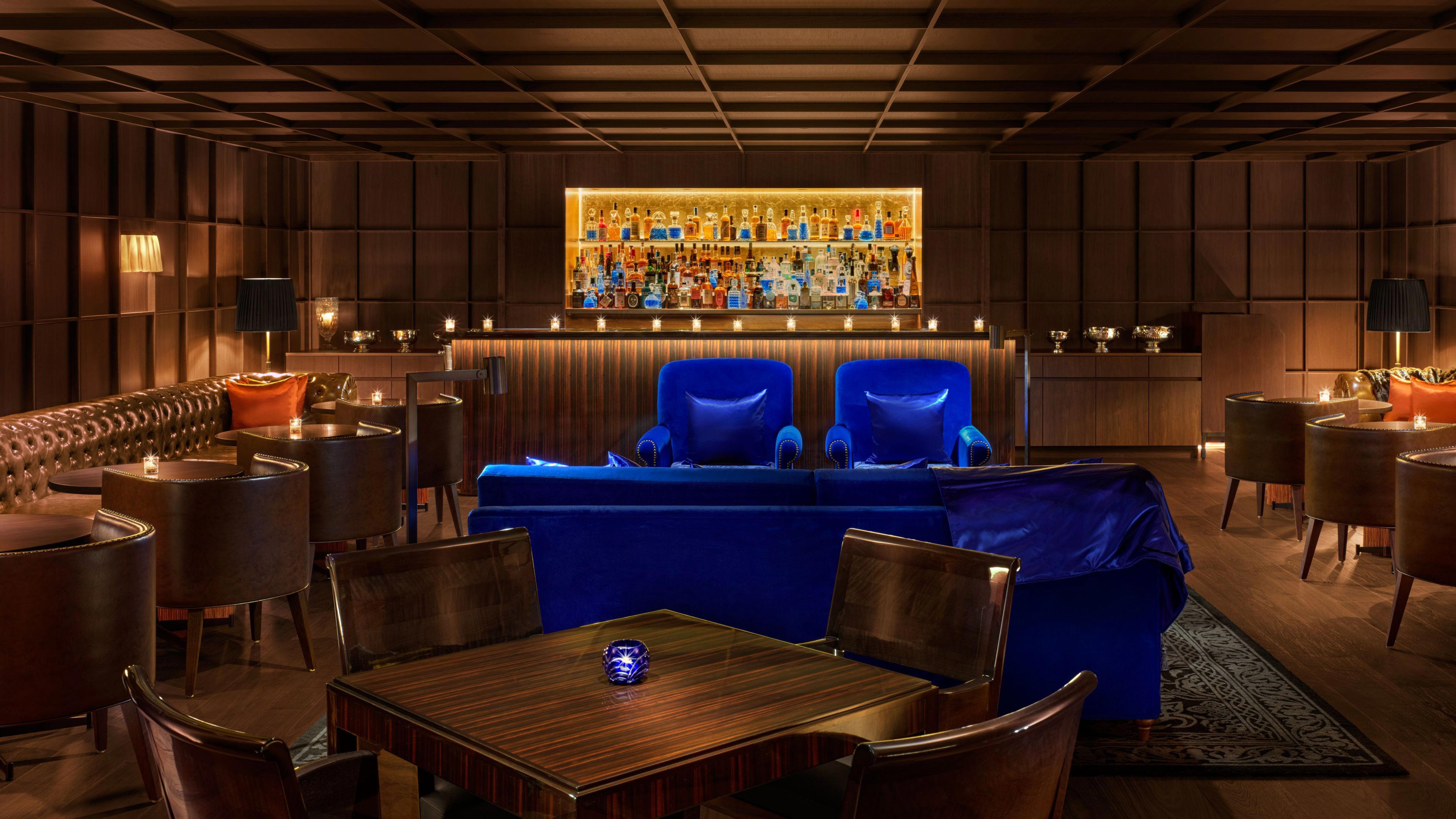
Cozy basement counter seating around an open grill with warm lighting, smoky aromas, and an energetic yet intimate atmosphere.