Our verdict
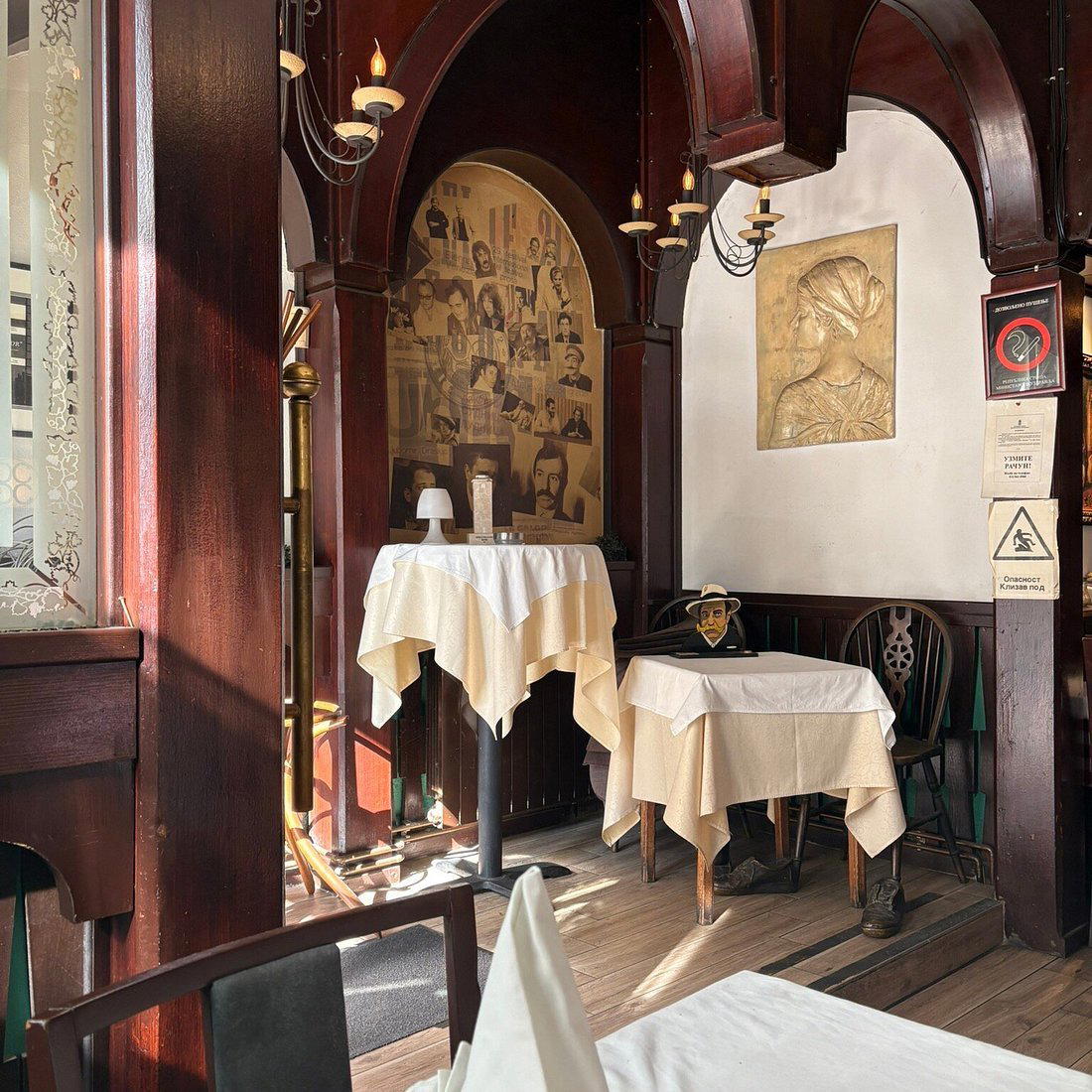
On Svetogorska 25 in central Belgrade, Srpska kafana represents the kafana tradition at its most direct: a format that has shaped Serbian social life for centuries, where the table functions as a stage for long meals, live music, and conversation. The kitchen draws on the same domestic larder that has defined Serbian cooking across generations, making it a reliable reference point for anyone reading the city's dining culture.

Pearl is the En Primeur Club membership app — saves, bookings, and concierge access live there. Same editors, same standards.
- Address
- Svetogorska 25, Beograd 11000, Serbia
- Phone
- +381114231466
- Hours
- Mon–Sat 9 AM–11 PMSun 12–7 PM
- Directions
- Get directions
The menu
What to order
- Ćevapi
- Pljeskavica
- Mešano meso
Approach Svetogorska street on any given evening and you will already understand something about how Belgrade eats. The kafana is not a restaurant in the contemporary sense of that word. It is a civic institution, a format that predates Serbian modernism and has survived every political rupture the twentieth century could throw at the Balkans. Srpska kafana, at number 25, occupies this tradition without apology. The sounds reach you before the sign does: the low register of conversation, the clink of rakija glasses, the occasional pull of an accordion that signals this is not a place calibrated for Instagram pauses.
The Kafana Format and What It Tells You About Belgrade
To understand Srpska kafana, you need to understand what the kafana format has historically meant in Serbian urban life. These are not taverns in the Northern European sense, nor are they the kind of brasserie that French urban culture produced. The kafana is closer to a commons, a place where merchants, writers, politicians, and ordinary households have conducted the business of daily life for well over a century. Belgrade's kafana culture flourished through the nineteenth century and persisted into the socialist period, when many such spaces served as informal pressure valves for social expression that had no other outlet. What survives today in the better kafanas is a hospitality model built around duration: the assumption that you will arrive, settle in, and remain for hours.
That contrasts sharply with how much of Belgrade's contemporary dining scene has repositioned itself. Venues like Langouste and The Square operate in a different register entirely, importing technique and plating conventions from Western European fine dining. At the other end of the spectrum, Ambar has built its model around Balkan small plates in a format that reads easily to international visitors. Srpska kafana sits apart from all of these. It is not positioning itself against global fine dining or optimising for tourist legibility. It is simply being a kafana, which in itself is a position.
What the Kitchen Draws On
The Serbian larder that supplies a traditional kafana kitchen is narrower and more specific than most visitors expect. Pork dominates: roasted, minced into ćevapi, slow-cooked into the kind of fat-rich stews that require bread for full comprehension. Lamb appears in the mountain preparations that trace their lineage to the pastoral economy of central and western Serbia. Dairy takes the form of kajmak, the clotted cream-adjacent spread that functions as both condiment and structural element in many dishes. These are not ingredients that reward global technique or reimagination so much as they reward patience and restraint: the question is rarely how to transform them but how long to commit to them.
The editorial angle worth noting here is that the kafana kitchen represents a case where local product is sovereign and technique is almost entirely inherited. This differs meaningfully from what is happening at Belgrade's modernist end, where Serbian chefs with training from Western kitchens are beginning to apply contemporary methods to local materials. You can see that conversation play out comparatively if you track what restaurants like Avala or Barrel House are doing with similar source ingredients. The kafana, by contrast, has no interest in that negotiation. It treats its techniques as settled.
This pattern is not unique to Belgrade. Across Serbia, the kafana format persists in cities and towns where the dining culture has not been heavily reoriented toward tourism. Kod Brana in Cacak, Lovački dom in Valjevo, and KAFANA DUKAT in Pirot all operate within recognisably similar frameworks: Serbian product, inherited preparation, long tables, and a hospitality logic that prioritises the room over the plate. When you eat at Srpska kafana in Belgrade, you are eating within a network of practice that extends well beyond the capital.
Drinks and the Role of the Table
No honest account of a kafana leaves out the drinks. Rakija, the fruit brandy that Serbia produces in volumes that bear no relation to what is exported, is typically the entry point. A kafana that takes its role seriously will carry house rakija or locally sourced versions rather than the commercial labels that dominate supermarket shelves. Wine plays a supporting role in most kafana contexts, with Serbian production from regions like Župa and Fruška Gora appearing on shorter lists that prioritise local labels over imported bottles. For a more detailed look at what is available across Belgrade's restaurant scene, our full Belgrade restaurants guide maps the range from kafana to contemporary.
The drinks ordering pattern at a kafana is not that of a fine-dining restaurant. You do not sequence your way through a wine list curated to match a tasting menu. You order what you know or what the table agrees on, and you order more of it. The table in a kafana functions as a shared space in a way that private dining rooms at places like Le Bernardin or Atomix deliberately are not. The social architecture is different, and it shapes everything about how food and drink arrive and how long you stay.
Kafana Culture Across Serbia's Regions
The kafana is not exclusively a Belgrade phenomenon, though the capital's version has the longest documented history. Regional variations worth knowing about range from the Danube-adjacent dining formats at ČARDA ZLATNA KRUNA in Apatin, where fresh river fish define the menu, to the mountain-influenced kitchens at Grand in Kopaonik. Etno Kuća Dinar in Vrsac and Windmill in Pancevo represent the kind of regional kafana-adjacent format that has absorbed more ethnographic self-consciousness in recent years, presenting traditional material with a degree of curatorial distance. In Novi Sad, Kafe Restoran Maša shows how the format adapts in Serbia's second city. Kod poštara in Aran Elovac and Aleksandar Gold in Uzice complete a picture of a format distributed widely but interpreted locally.
What ties these together is not a shared menu but a shared set of assumptions about what eating out is for. The kafana across all its regional expressions treats sociability as the primary product, food as its most reliable instrument, and time as something to be spent rather than managed.
Know Before You Go
Address: Svetogorska 25, Beograd 11000, Serbia
Booking: Walk-ins are standard practice at kafanas. Peak evening hours on weekends may require patience for a table, but reservations are not typically required for groups under six. Larger groups are worth calling ahead if a phone number can be confirmed directly.
Timing: Kafana dining in Belgrade runs late by Northern European standards. Kitchens are typically active well into the evening and the room fills progressively from around 8pm.
Price context: Serbian kafanas sit in the lower to mid tier of Belgrade restaurant pricing. The format is not premium by design.
Getting there: Svetogorska is walkable from the central Terazije area and the Knez Mihailova pedestrian zone.
Frequently asked questions
What part of town is Srpska kafana in?
Srpska kafana is located at Svetogorska 25, Beograd 11000, Serbia, Belgrade.
What is the difference between a kafana and a standard restaurant in Belgrade?
The kafana is a specifically Serbian institution with roots in 19th-century urban life — it functions as a social room as much as a place to eat, where long evenings, rakija, and live music (in some houses) take precedence over table turnover. Srpska kafana on Svetogorska 25 sits within this tradition, which means the pacing and atmosphere differ from a conventional restaurant focused on efficient service. The format is worth understanding before you arrive: ordering a single dish and leaving quickly runs against the grain of how Belgraders actually use these spaces.
What's the signature dish at Srpska kafana?
The kafana kitchen format at Srpska kafana draws from the core Serbian larder, where pork is central — roasted or minced preparations are the backbone of the traditional menu. If you want the most representative order, ask staff what came out of the kitchen that morning.
Can I walk in to Srpska kafana?
Kafanas in Belgrade have historically operated on a walk-in basis rather than a reservations model — that informality is part of the format's identity at Svetogorska 25 and across the city. Weekends tend to draw longer tables and larger groups, so earlier arrival is sensible if you want to settle in at your own pace.
Cuisine Context
Comparable venues nearby, for context on price, style, and recognition.
| Venue | Cuisine | Price | Notes |
|---|---|---|---|
| Srpska kafanaThis venue — the venue you are viewing | Authentic Serbian Kafana | $10–20 | Not listed |
| Restoran Vuk | Traditional Serbian Grill | $20–30 | City Center |
| Restoran Tri | Creative Balkan-Italian Fusion | $20–30 | Stari Grad |
| Restaurant Djerdan | Authentic Serbian Barbecue | $20–30 | Zvezdara |
| KAFE POSLASTIČARNICA FINI | Serbian Pastry Cafe | Not listed | city center |
| Klub Košutnjak | Serbian Game Meat | $20–30 | Košutnjak |
Continue exploring
More in Belgrade
Restaurants in Belgrade
Browse all →
Bars in Belgrade
Browse all →
Hotels in Belgrade
Browse all →

Details
- Cozy
- Classic
- Rustic
- Casual Hangout
- Group Dining
- Family
- Historic Building
- A La Carte
- Rakija
Current opening hours
- Monday
- 9 AM–11 PM
- Tuesday
- 9 AM–11 PM
- Wednesday
- 9 AM–11 PM
- Thursday
- 9 AM–11 PM
- Friday
- 9 AM–11 PM
- Saturday
- 9 AM–11 PM
- Sunday
- 12–7 PM
Hours can change for holidays and private events. Last verified .
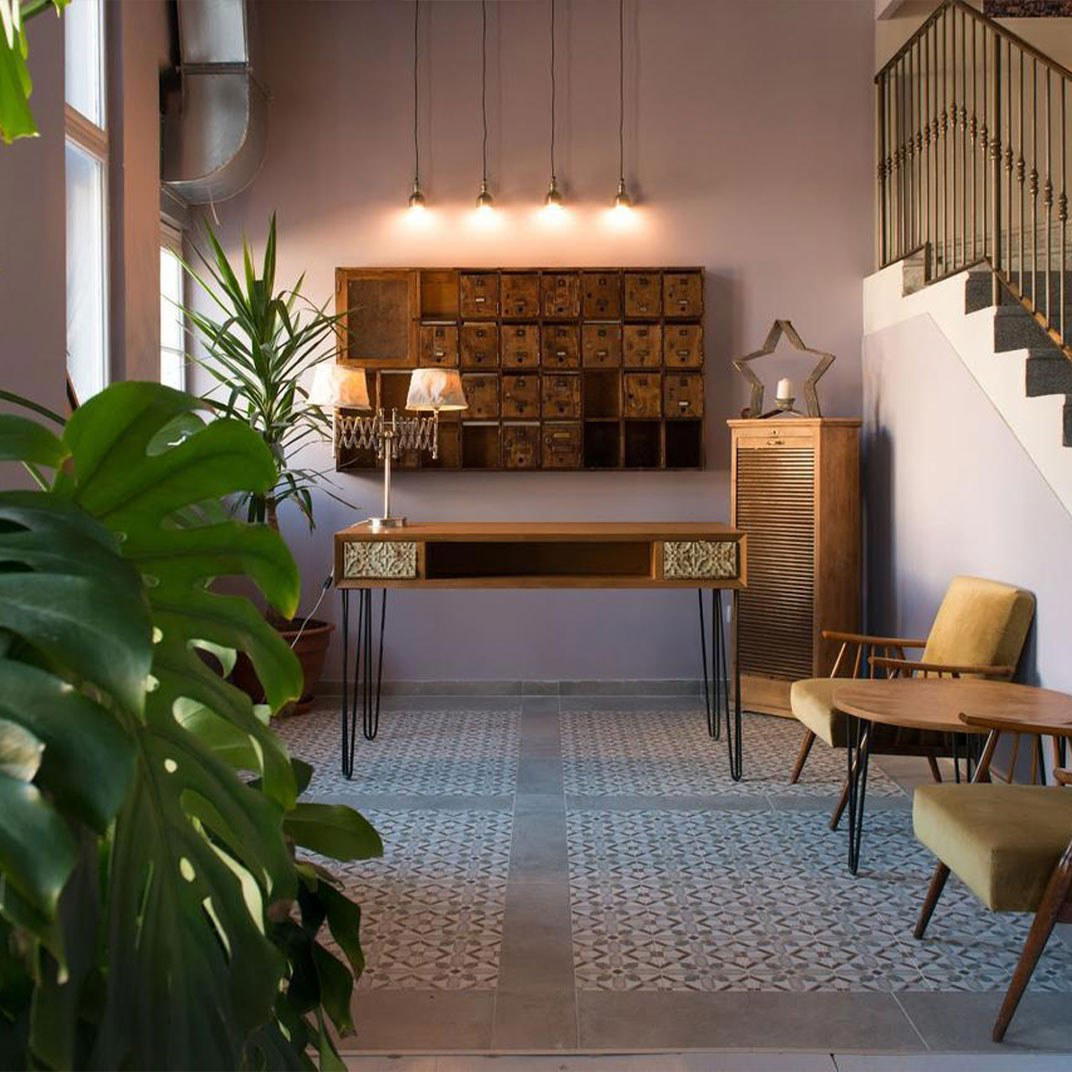
Cozy and inviting with a warm, historic feel evoking traditional Serbian culture.