At Kopaonik's main ski resort, Grand **** occupies the upper tier of mountain dining in Serbia's most developed alpine destination. The property sits within a resort complex where access to fresh highland produce shapes the kitchen's seasonal rhythm. For visitors planning a stay on Serbia's highest ski terrain, it represents a practical base with dining expectations calibrated to the mountain resort context.
Pearl is the En Primeur Club membership app — saves, bookings, and concierge access live there. Same editors, same standards.
- Address
- Kopaonik bb, 36354 Kopaonik
- Directions
- Get directions
 Saves & bookings on Pearl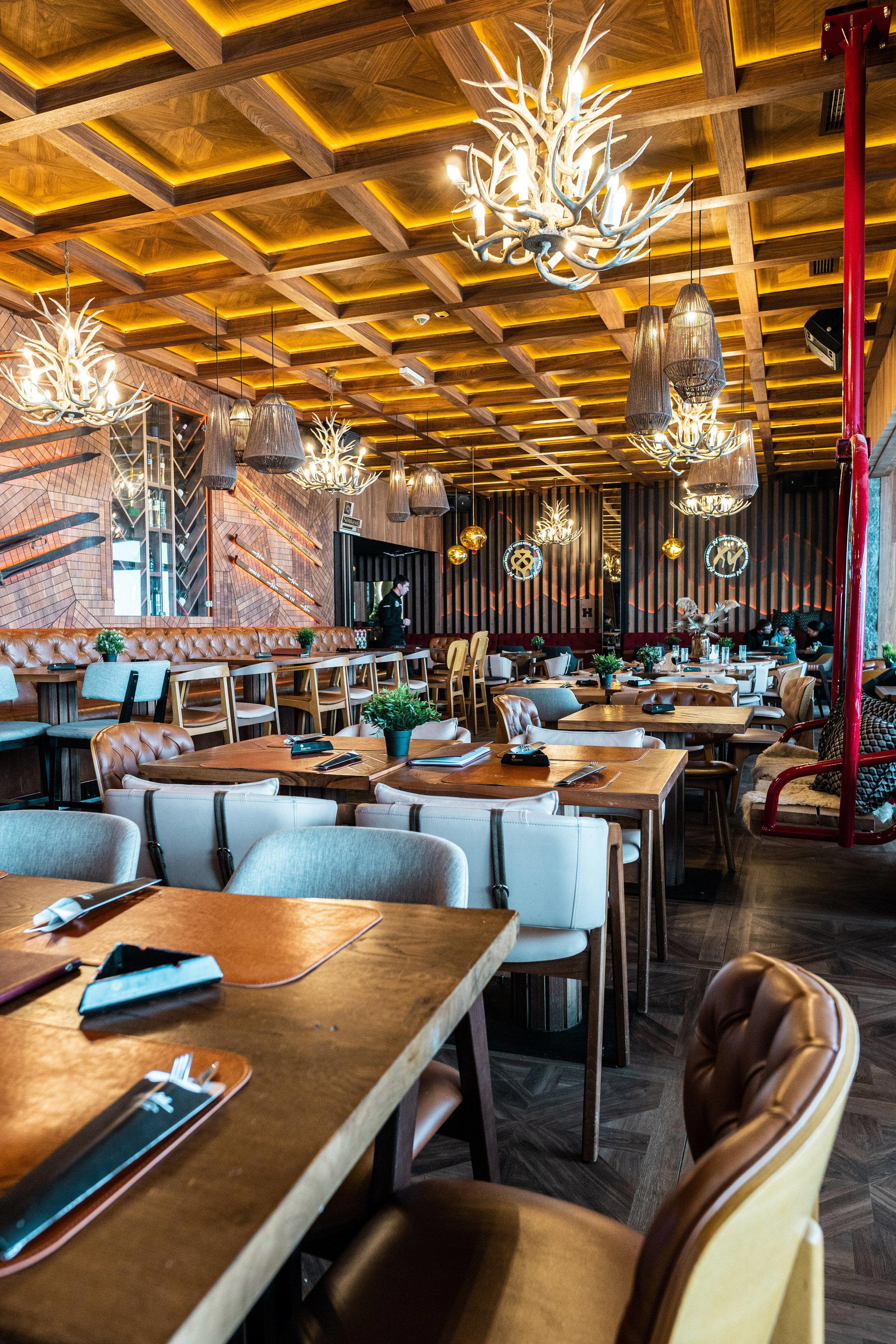
Mountain Dining at Altitude: Kopaonik's Resort Table
Serbia's Kopaonik plateau sits above 1,700 metres at its upper lifts, and the resort town that has grown around it over the past four decades operates on a different logic from the country's lowland dining scene. Restaurants here answer to a captive audience of skiers, hikers, and weekend retreaters rather than a local neighbourhood, which shapes both what kitchens source and how ambitiously they cook. Grand **** occupies that resort dining tier, and the leading properties use altitude and seasonality as real creative constraints.
The physical approach to Kopaonik already signals the kind of cooking you are likely to encounter. The Ibar Valley road from Raška climbs through dense conifer forest and open grazing uplands before the resort infrastructure appears. That journey through southern Serbia's highland interior is not merely scenic; it traces a supply chain. The plateau and its surrounding villages have supplied Serbian kitchens with lamb, wild mushrooms, forest berries, and mountain dairy for centuries, and resort properties that pay attention to their geography rather than defaulting to generic hotel menus can draw on that depth. How deliberately any individual kitchen at Kopaonik engages with those sources is the question that separates the better tables from the indifferent ones.
Highland Ingredients and the Serbian Mountain Table
The ingredient tradition on Kopaonik is rooted in the broader Serbian mountain cooking repertoire, which prizes lamb raised on highland grasses, kajmak (the clotted cream product made from unpasteurised sheep or cow milk), roasted peppers, dried meats, and wild-gathered produce. This is not a regional cuisine built on refinement in the French sense; it is one built on preservation, fat, smoke, and the deep umami of slow-cooked meat. At mountain resort properties, those ingredients often appear in their most direct form: roasted on a spit, layered into a sač (the bell-shaped lid under which meats and vegetables cook in embers), or served cold as a spread of charcuterie and dairy.
Comparison set for Grand **** within Kopaonik skews toward resort hotel dining rather than the destination-restaurant model. Across Serbia more broadly, the range runs from the modern cuisine of Langouste in Belgrade at the upper end of price and ambition, through mid-range contemporary tables, down to the traditional kafana format that anchors Serbian food culture in smaller towns. On Kopaonik itself, the dining offer consolidates around resort hotels and a handful of standalone mountain houses.
Traditional mountain house, or koliba, represents the other main dining format in Serbian highland regions. Properties such as Koliba Etno Restoran in Leskovac and Kafana Pećinar Ljubiš in Cajetina show what the format looks like at its most committed: low timber ceilings, open fires, cured meats hanging from beams, and a menu that changes with what the surrounding landscape produces. Resort hotel dining at Kopaonik tends to offer a more standardised version of that aesthetic, meeting international visitor expectations while drawing on the same regional larder.
Seasonal Rhythms and When to Visit
Kopaonik operates on two distinct seasonal peaks. The ski season runs roughly from December through March, with January and February particularly reliable months for snow cover above 1,500 metres. The summer hiking and wellness season draws a second wave of visitors from June through August, when the plateau opens into high meadows and the forested trails below the summit become accessible. Between those peaks, in April, May, October, and November, the resort empties considerably and dining options contract accordingly.
From a sourcing perspective, the summer months carry a different argument than winter. Wild mushrooms, particularly porcini and chanterelles, appear in the highland forests in late summer and early autumn. Lamb from the surrounding villages is available year-round but tends to be at its most characterful in spring and early summer after the animals have grazed on new growth. The winter table at a resort property leans more heavily on preserved and cured products: smoked meats, aged kajmak, pickled vegetables, and the kind of slow-cooked dishes that justify a return to a warm dining room after a day on the lifts.
Planning a Table at Kopaonik
Reaching Kopaonik requires commitment. There is no rail connection; the standard approach is by car or organised transfer from Novi Sad, Belgrade, or Niš, with the nearest large town being Raška, approximately 40 kilometres by road. During peak ski weeks, particularly around Serbian school holidays and the Orthodox Christmas period in early January, accommodation and dining at the resort fills well in advance. Guests staying at a resort hotel with an in-house restaurant effectively have their table on-site, which is one of the structural advantages of a hotel property over standalone dining in a resort environment.
The kafana tradition, traceable through properties like KAFANA DUKAT in Pirot, Kafana Studenac in Bajina Basta, and ETNO PODRUM BRKA in Niš, represents the cultural baseline of Serbian hospitality dining. The river-adjacent tradition has its own lineage, visible at ČARDA ZLATNA KRUNA in Apatin on the Danube. Regional cooking in western Serbia, through properties like Kod Brana in Cacak, Lovački dom in Valjevo, and Aleksandar Gold in Uzice, offers another strand. Further east and south, Etno Kuća Dinar in Vrsac and Windmill in Pancevo round out the geographic spread. In Vojvodina, Kafe Restoran Maša in Novi Sad sits within a different culinary register shaped by Central European influence. Among smaller stops, Kod poštara in Aran Elovac is worth noting for its off-route character.
At the far end of ambition and price, the reference point for what contemporary fine dining looks like at an international level remains properties like Le Bernardin in New York City and Atomix in New York City.
For those arriving at Kopaonik primarily to ski or hike, a property with in-house dining removes the logistical friction of navigating a limited resort restaurant circuit in poor weather. That practical argument, as much as any claim about culinary ambition, is the case for choosing a hotel table at altitude. Also on the resort, GARDEN represents an alternative dining option worth considering when planning meals across a multi-day stay.
Comparison Snapshot
Comparable venues nearby, for context on price, style, and recognition.
| Venue | Cuisine | Price | Notes |
|---|---|---|---|
| Grand ****This venue — the venue you are viewing | French Fusion Fine Dining | $$$$ | Not listed |
| GARDEN | Traditional Serbian Mountain Cuisine | $$ | Kopaonik |
| Atelje vina Šapat | French Fine Dining with Wine Pairing | $$$ | Novi Slankamen |
| Jasmin a Maslina | Modern Balkan Fusion Fine Dining | $$$$ | Narodnog fronta |
| TAURUS | Mediterranean Steakhouse | $$$ | Adamovićevo naselje |
| RESTORAN ČAJKOVSKI | Modern Serbian Fine Dining | $$$ | Stari Grad |
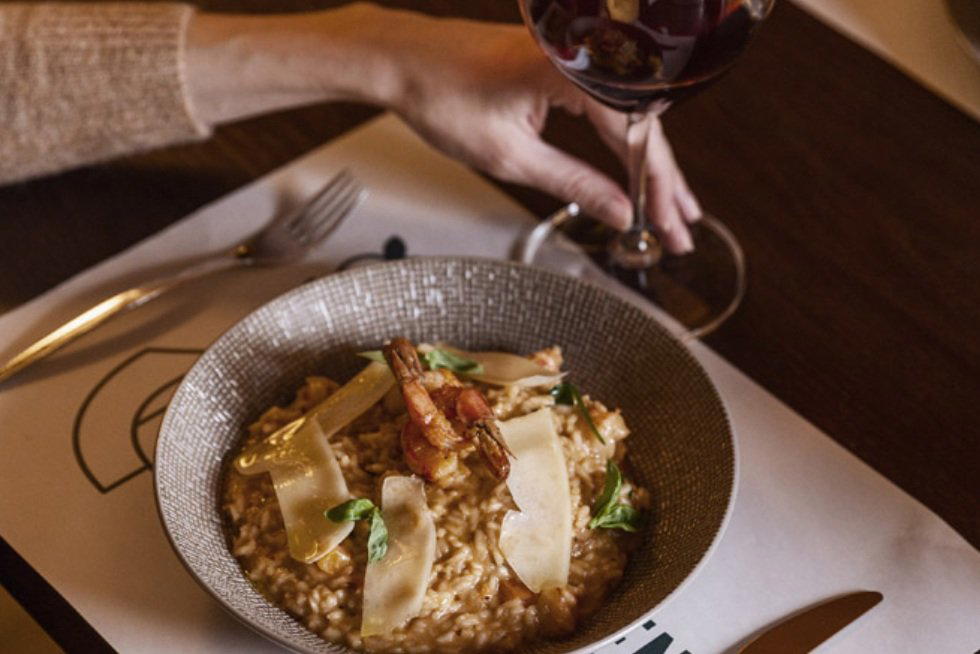
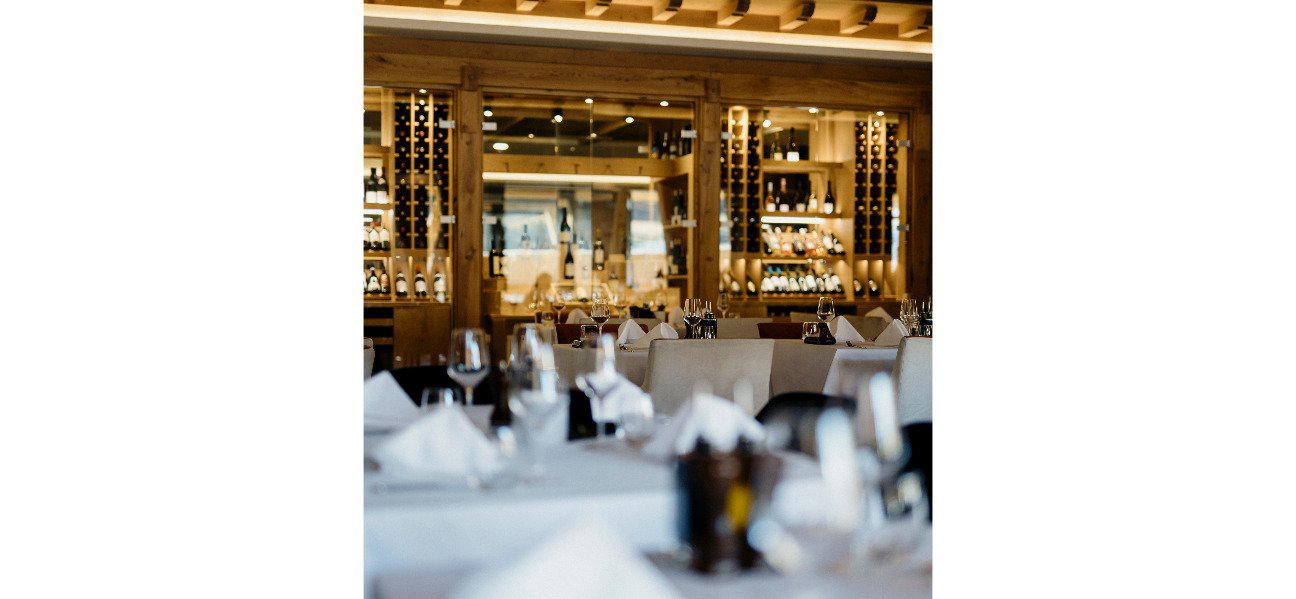
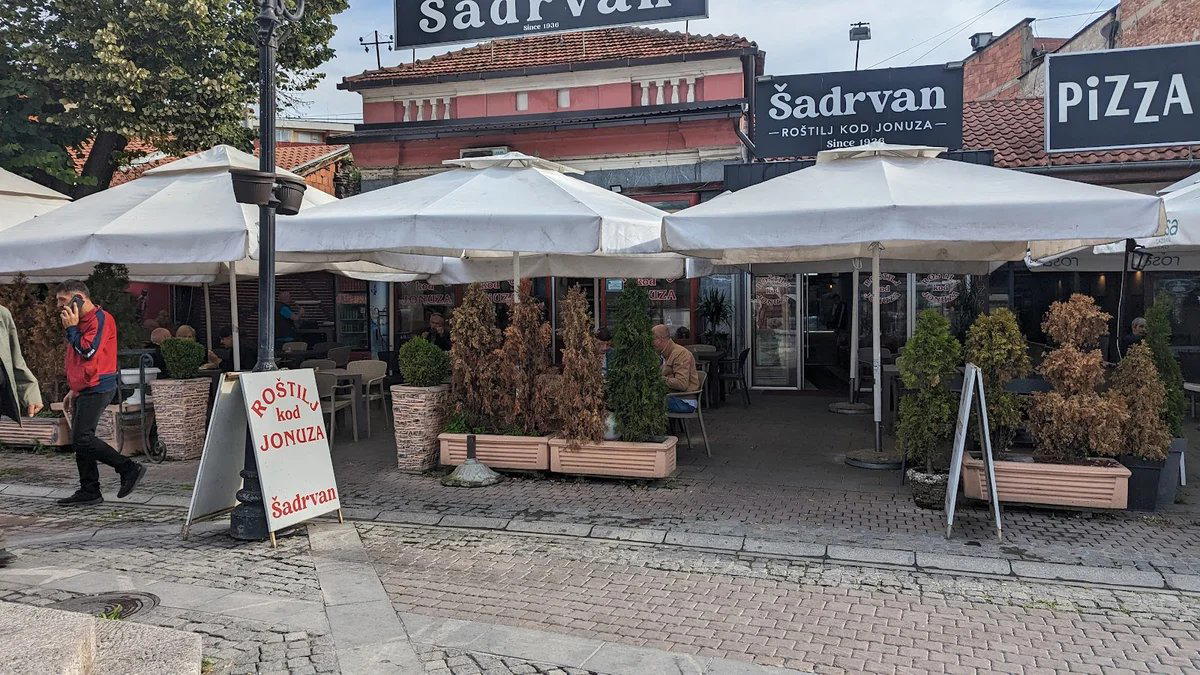

At a Glance
- Elegant
- Scenic
- Sophisticated
- Modern
- Family
- Group Dining
- Special Occasion
- Business Dinner
- Hotel Restaurant
- Panoramic View
- Extensive Wine List
- Mountain
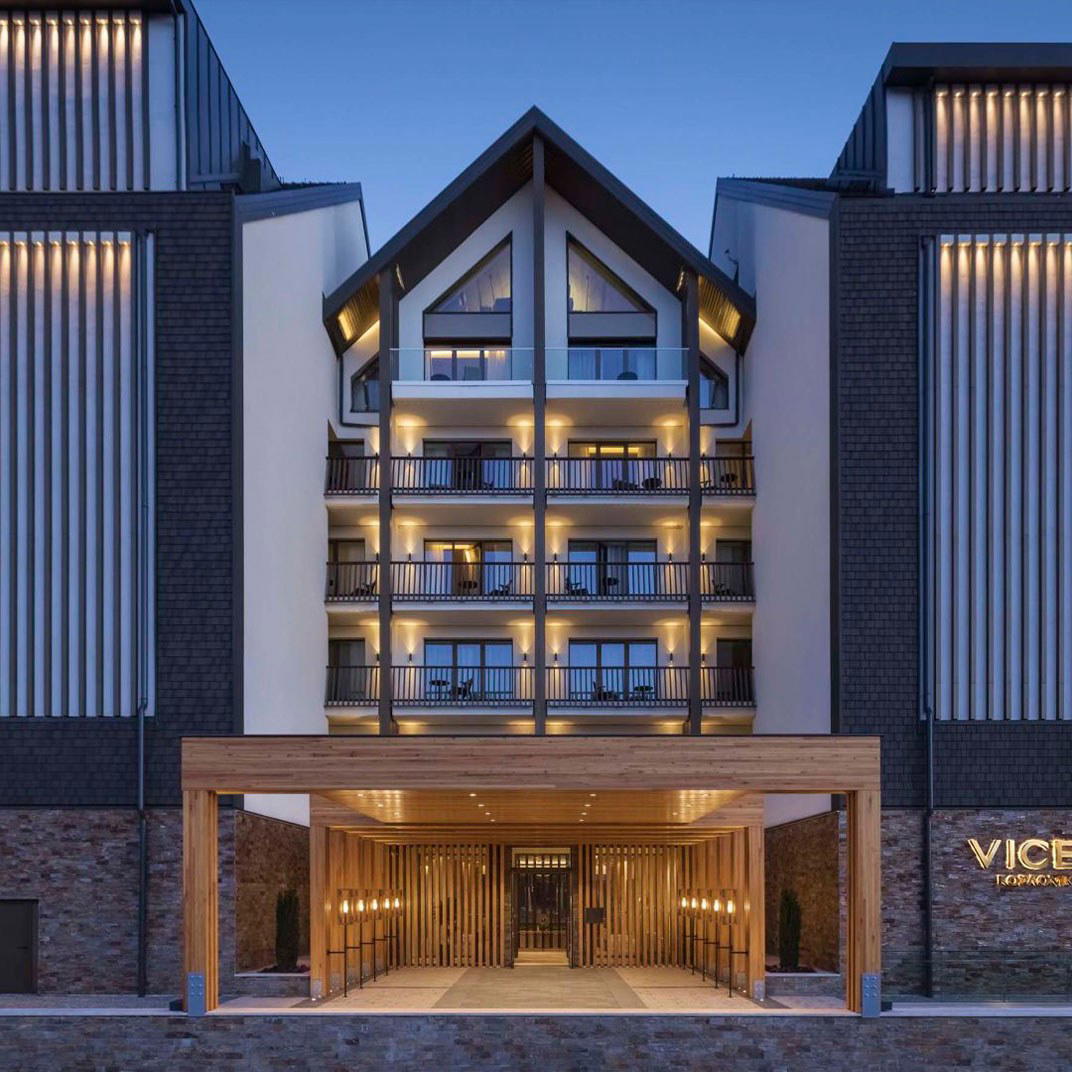
Modern, comfortable and elegant hotel atmosphere with a polished mountain-resort feel.