
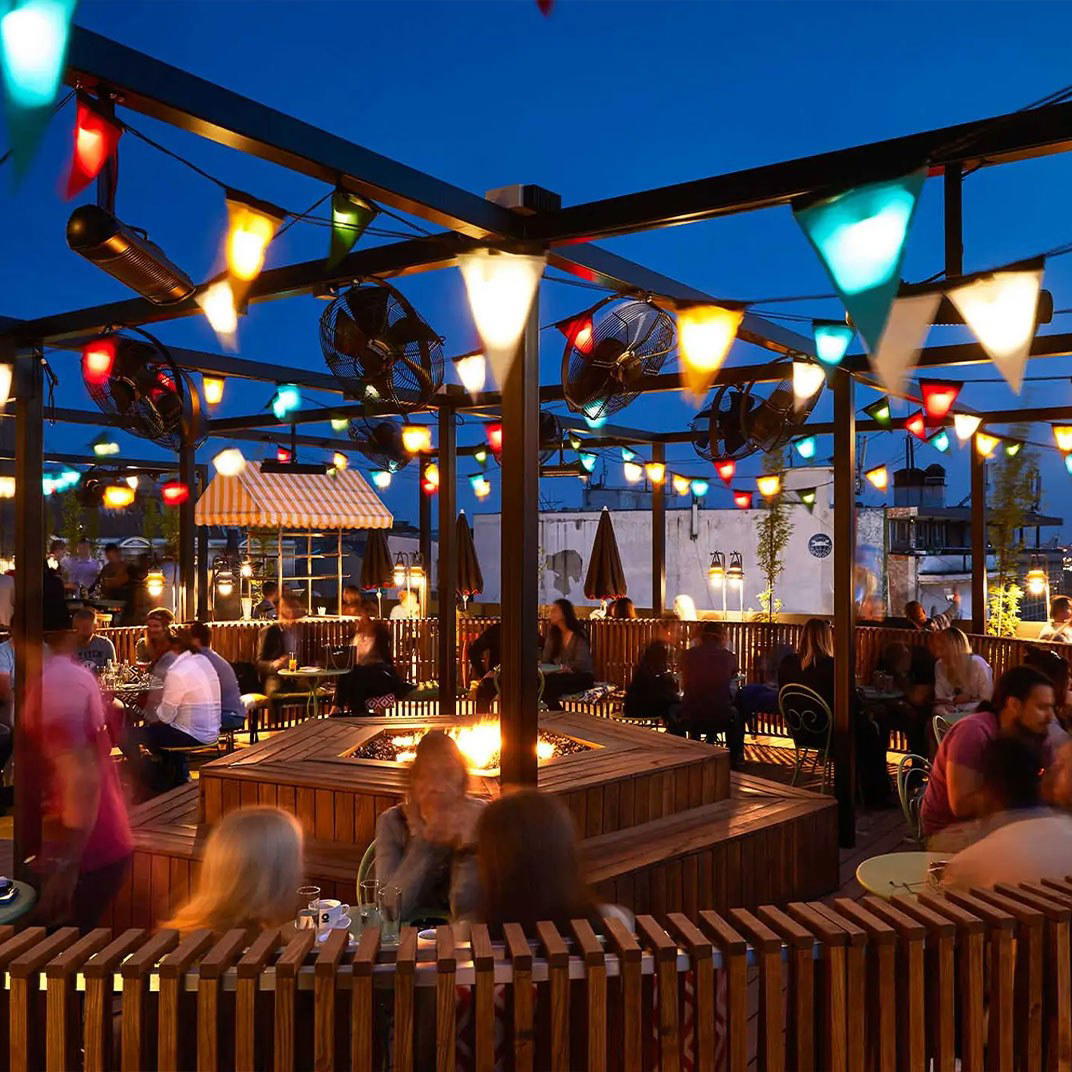
On the seventh floor of Square Nine Hotel, Ebisu brings a methodical Japanese menu to central Belgrade, with sushi, sashimi, teppanyaki, and ramen on offer alongside a sake-led cocktail list. Two consecutive Michelin Plate recognitions (2024 and 2025) place it in a small tier of Japanese restaurants operating at this standard outside major European capitals. The rooftop terrace looks across the old city toward Kalemegdan.
Pearl is the En Primeur Club membership app — saves, bookings, and concierge access live there. Same editors, same standards.
- Address
- Studentski trg 9, Beograd 103933, Serbia
- Phone
- +381 11 3333575
- Website
- squarenine.rs
- Directions
- Get directions
 Saves & bookings on Pearl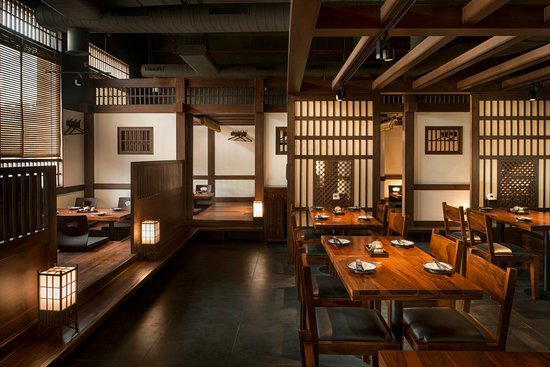
A Japanese Counter Above the Old City
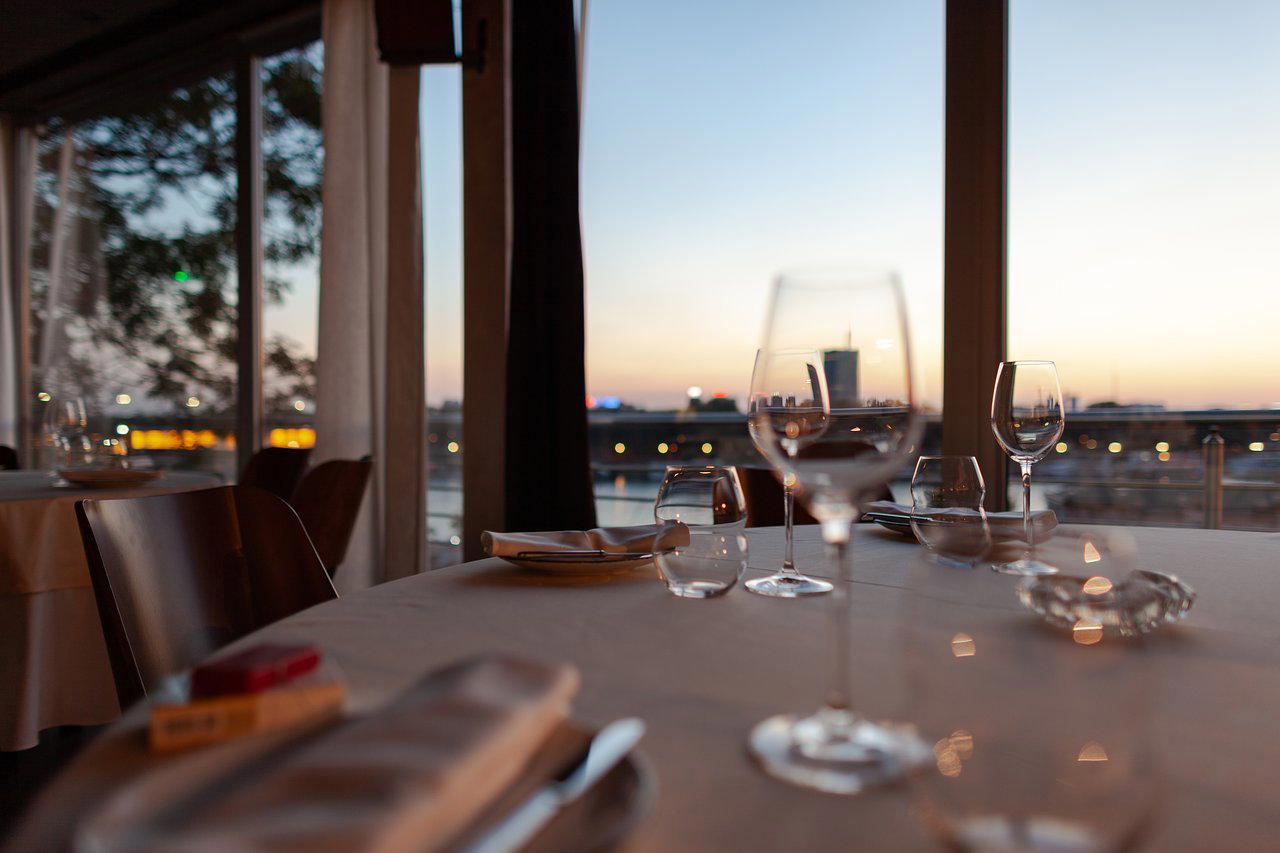
Step out of the lift on the seventh floor of the Square Nine Hotel and the first thing you register is the view. Belgrade's old town stretches toward Kalemegdan, the Sava and Danube meeting point visible on a clear evening, and the rooftop terrace at Ebisu is positioned to make full use of it. Named after the Japanese deity of fortune, the restaurant occupies a tier that few dining rooms in this city can match for physical setting alone. Yet the view is not the primary reason to come here. Ebisu has a Michelin Plate for 2024 and 2025.
Where Belgrade Sits in the Japanese Dining Map
Japanese cuisine in European capitals outside London, Paris, or Amsterdam tends to fall into two categories: ambitious omakase formats targeting fine-dining visitors, and accessible sushi bars running on volume and familiarity. Belgrade, a city where Serbian and regional cuisines dominate and where restaurants like Bela Reka and Comunale Caffè e Cucina represent the more typical offering, has limited precedent for Japanese dining at this level. Ebisu occupies a position closer to the first category, not as an omakase counter but as a full-format Japanese kitchen producing across multiple disciplines simultaneously: sushi, sashimi, maki, tempura, teppanyaki, and ramen within a single sitting.
That breadth, rather than being a compromise, reflects a particular approach to Japanese cooking common in hotel-anchored restaurants in East Asia, where a kitchen serves a diverse guest profile without collapsing into a diluted greatest-hits menu.
The Regional Lens: Kanto Formality Versus Kansai Directness
To understand what a Japanese menu at this level should represent, it helps to place it against the broader regional architecture of Japanese cooking. The Kanto tradition, centred on Tokyo, prizes precision, restraint, and the kind of technical rigour you encounter at counters like Myojaku, Azabu Kadowaki, or Kagurazaka Ishikawa in Tokyo. Soy is more assertive, dashi leans toward katsuobushi, and the overall register is formal. Kansai cooking, the tradition of Osaka and Kyoto, represented at venues like Kashiwaya Osaka Senriyama and Isshisoden Nakamura, tends toward lighter broths, kombu-forward dashi, and a philosophy that lets ingredient quality speak with less mediation. Kyoto kaiseki, at places like Gion Matayoshi, extends this into seasonal ceremony.
Ebisu does not formally declare allegiance to either tradition, and in a Belgrade context that is neither surprising nor a weakness. What the menu's construction suggests is a Kanto-inflected sensibility, soy-driven maki rolls with sharp accent ingredients like jalapeño, tempura served with wasabi mayonnaise and pickled ginger rather than a plain dipping salt, alongside enough breadth to operate as a full evening rather than a specialist meal. Diners looking for the austere Kansai register of Ginza Fukuju-style service will find the setting and format different here, but that is a function of context rather than ambition.
What the Menu Covers
The kitchen works across sushi, sashimi, maki rolls, tempura, teppanyaki, and ramen. The dessert section shifts to modern European formats, which is a deliberate break from the main menu rather than a gap in Japanese knowledge. The adjacent bar runs a menu of saketini-inspired cocktails, making it a workable pre-dinner or stand-alone stop. At the €€ price range, Ebisu sits below Belgrade's higher-end tier, Langouste operates at €€€€, while The Square and Enso offer alternative formats at comparable or adjacent price points. For Japanese dining at this standard in central Belgrade, the €€ positioning makes Ebisu accessible without being underselling.
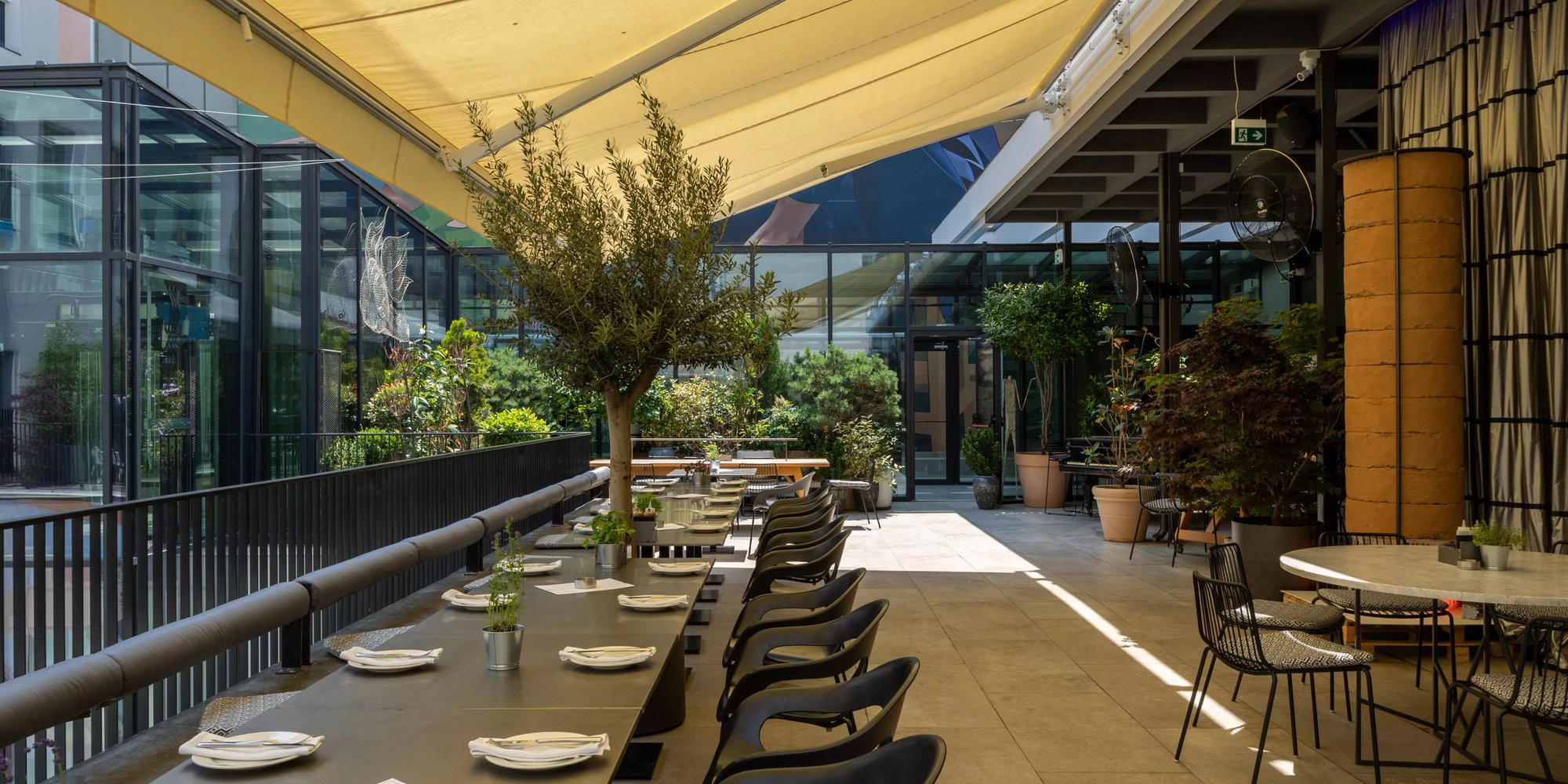
The physical format gives diners three options: bar stools at the counter, the glazed interior, or the open rooftop terrace. The terrace becomes the primary choice in warmer months, given the view. Seasonally, Belgrade summers bring long evenings where the light off the old city is worth timing for. The interior remains the more controlled environment in cooler months, with the glazed walls maintaining the connection to the skyline.
How Ebisu Compares Within Belgrade's Dining Scene
Belgrade's restaurant scene has developed significantly over the past decade, with Michelin recognition now touching multiple addresses across the city. Within that context, Ebisu represents something distinct from what most of the city's Michelin-acknowledged kitchens produce. Where Langouste holds a star for modern European cuisine and The Square works through a contemporary French register, Ebisu is currently the reference point for Japanese cooking at a recognised standard in the city. For a broader map of where it fits alongside the city's other strong addresses, the full Belgrade restaurants guide provides the comparative context. Those visiting the wider region should also note Fleur de Sel in Novi Slankamen as a point of reference for what ambitious cooking looks like outside the capital.
Planning Your Visit
Ebisu is on the seventh floor of the Square Nine Hotel at Studentski trg 9, a central address within walking distance of Republic Square and the university quarter. Booking ahead is advisable, particularly for terrace tables in the warmer months and on weekends when the view becomes the draw for a broader Belgrade dining public. The hotel setting means the reservation process runs through standard hotel channels rather than a standalone booking system. The €€ price point makes a full dinner here comparable to mid-range dining in Western Europe, which, relative to Belgrade's general cost base, positions it in the city's upper-middle tier.
Cuisine and Recognition
Comparable venues nearby, for context on price, style, and recognition.
| Venue | Cuisine | Price | Awards | Notes |
|---|---|---|---|---|
| EbisuThis venue — the venue you are viewing | Authentic Japanese Rooftop Sushi | $$$ | Michelin Plate | Not listed |
| Suvenir | Traditional European with Serbian Specialties | $$$ | Michelin Plate | Novi Beograd |
| Puter | French Bistro | $$ | Michelin Plate | Vracar |
| Gušti mora | Fresh Mediterranean Seafood | $$$ | Michelin Plate | Radnička |
| S5 by Angie | Emilia Romagna-inspired Italian-Balkan Fine Dining | $$$$ | Michelin Plate | Zemun |
| Metropolitan | Modern Serbian and International Fine Dining | $$$ | Michelin Plate | New Belgrade |
Recognition history
Dated appearances from independent guides and award organizations, with the underlying list record or original source where available.
Michelin Plate
Michelin
Michelin Plate
Michelin
Michelin Plate
Michelin
Continue exploring
More in Belgrade
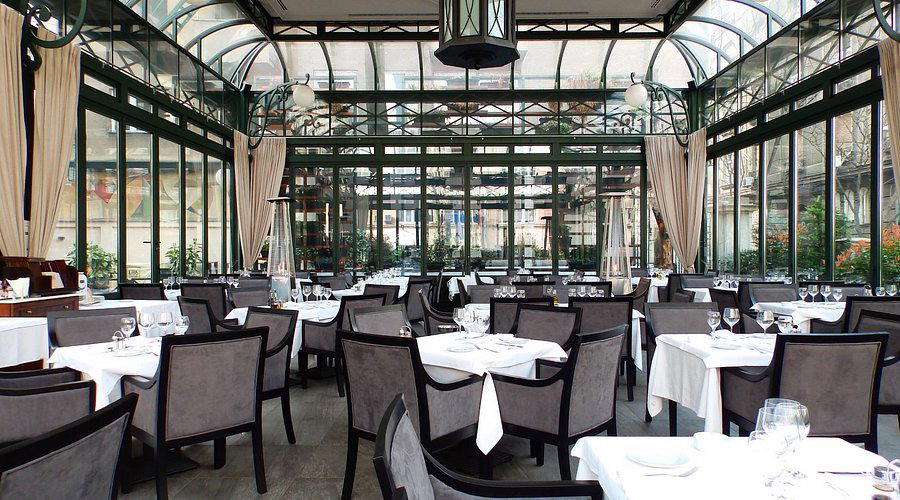
Restaurants in Belgrade
Browse all →
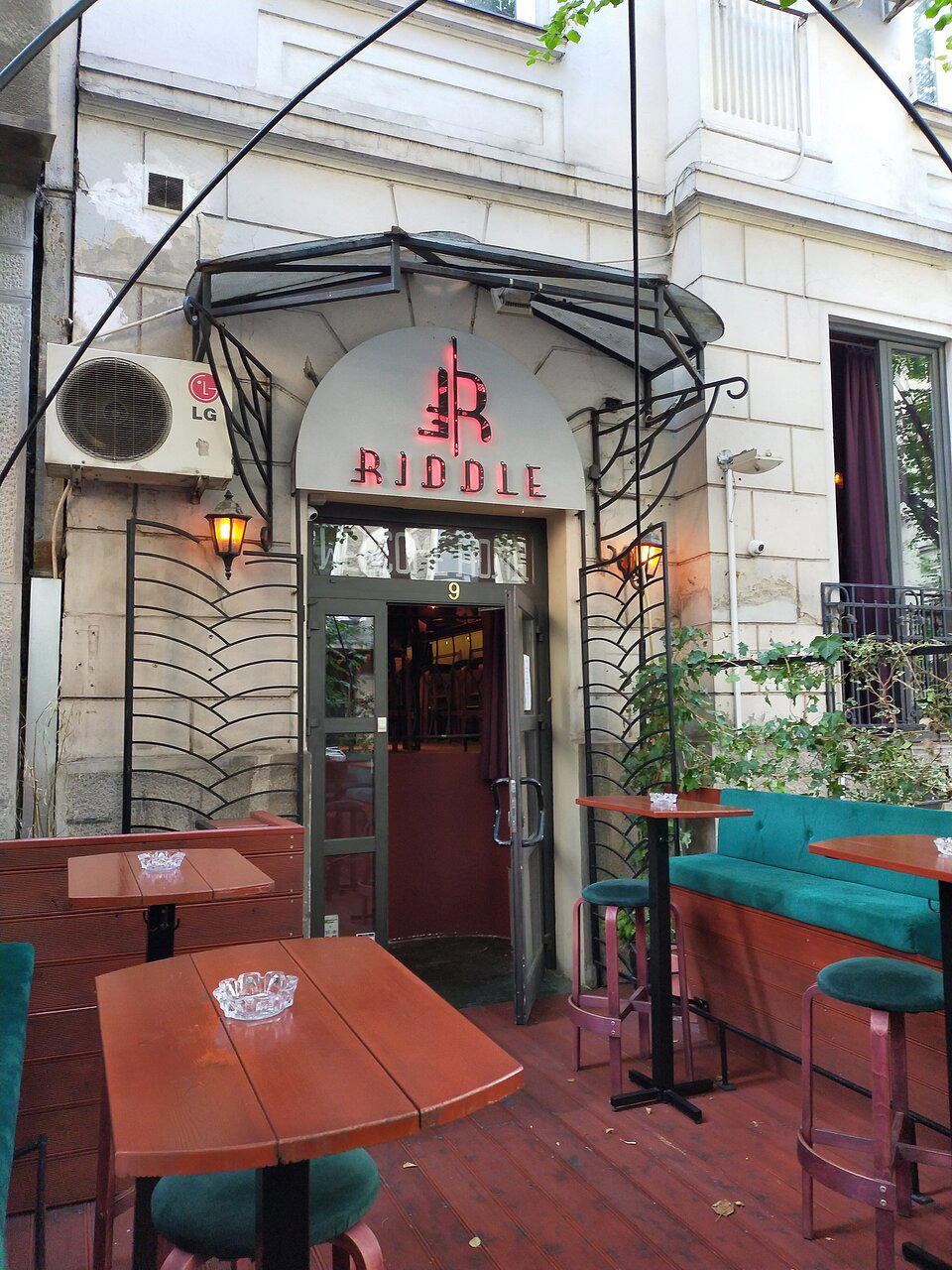
Bars in Belgrade
Browse all →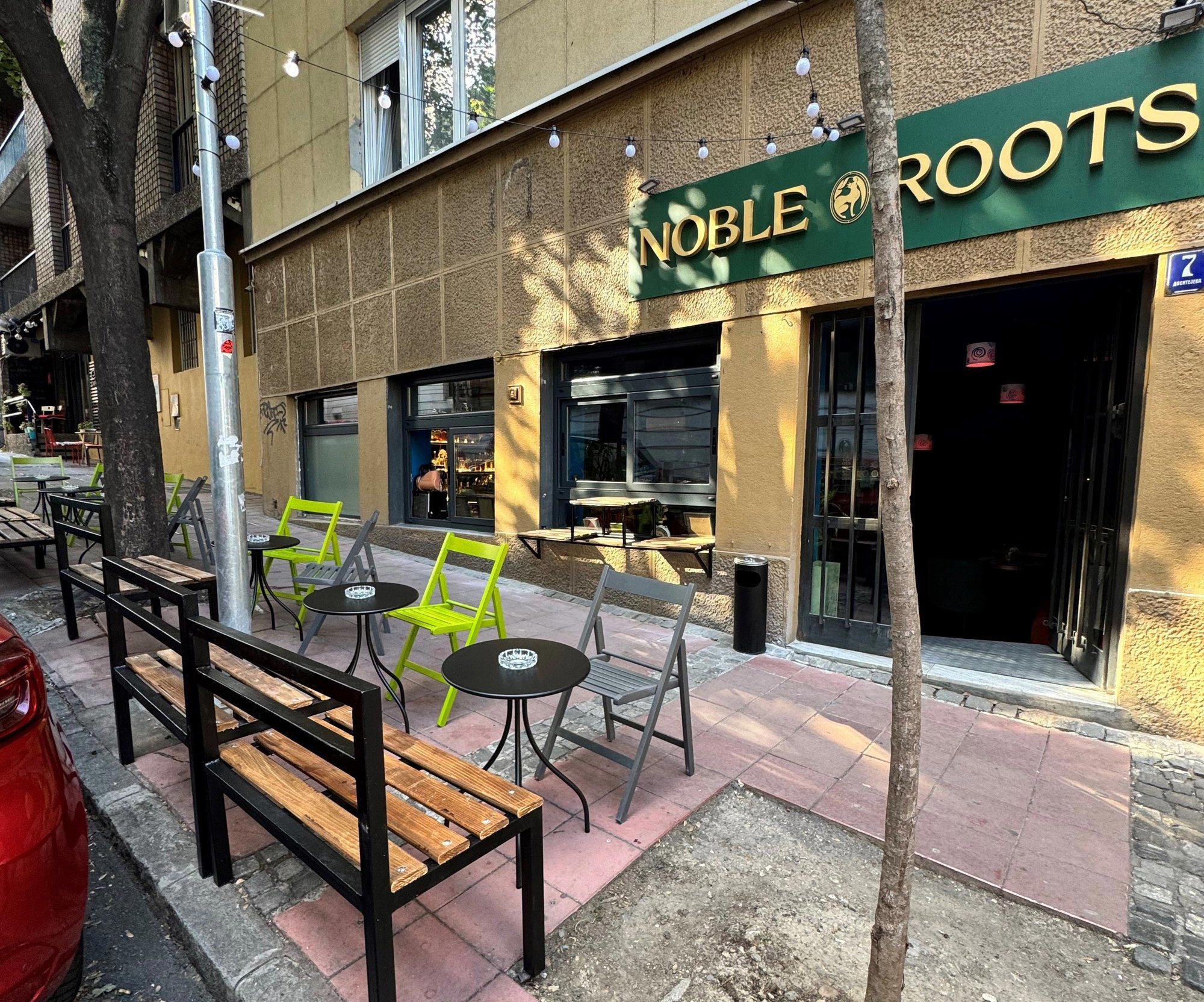
Hotels in Belgrade
Browse all →

At a Glance
- Elegant
- Sophisticated
- Trendy
- Cozy
- Date Night
- Business Dinner
- Special Occasion
- Rooftop
- Terrace
- Open Kitchen
- Sake Program
- Craft Cocktails
- Sustainable Seafood
- Street Scene
- Skyline
Current opening hours
- Monday
- Closed
- Tuesday
- 6 PM–1 AM
- Wednesday
- 6 PM–1 AM
- Thursday
- 6 PM–1 AM
- Friday
- 6 PM–1 AM
- Saturday
- 6 PM–1 AM
- Sunday
- 6 PM–1 AM
Hours can change for holidays and private events. Last verified .
Refined and stylish rooftop setting with cosy sofa corners, wraparound terrace overlooking charming historic rooftops, and an elegant Asian-themed interior praised for its relaxing and sophisticated atmosphere.