Windmill sits on Trg Mučenika in the heart of Pančevo, occupying a position that reflects the town's broader dining character: unpretentious, locally anchored, and worth understanding in the context of Serbian provincial hospitality. For travellers moving between Belgrade and the Vojvodina plain, it represents the kind of neighbourhood establishment that defines how smaller Serbian cities actually eat, away from capital-city attention and international press cycles.
Pearl is the En Primeur Club membership app — saves, bookings, and concierge access live there. Same editors, same standards.
- Address
- Trg Mučenika, Pančevo 300817, Serbia
- Phone
- +38113351222
- Website
- vetrenjaca.rs
- Directions
- Get directions
 Saves & bookings on Pearl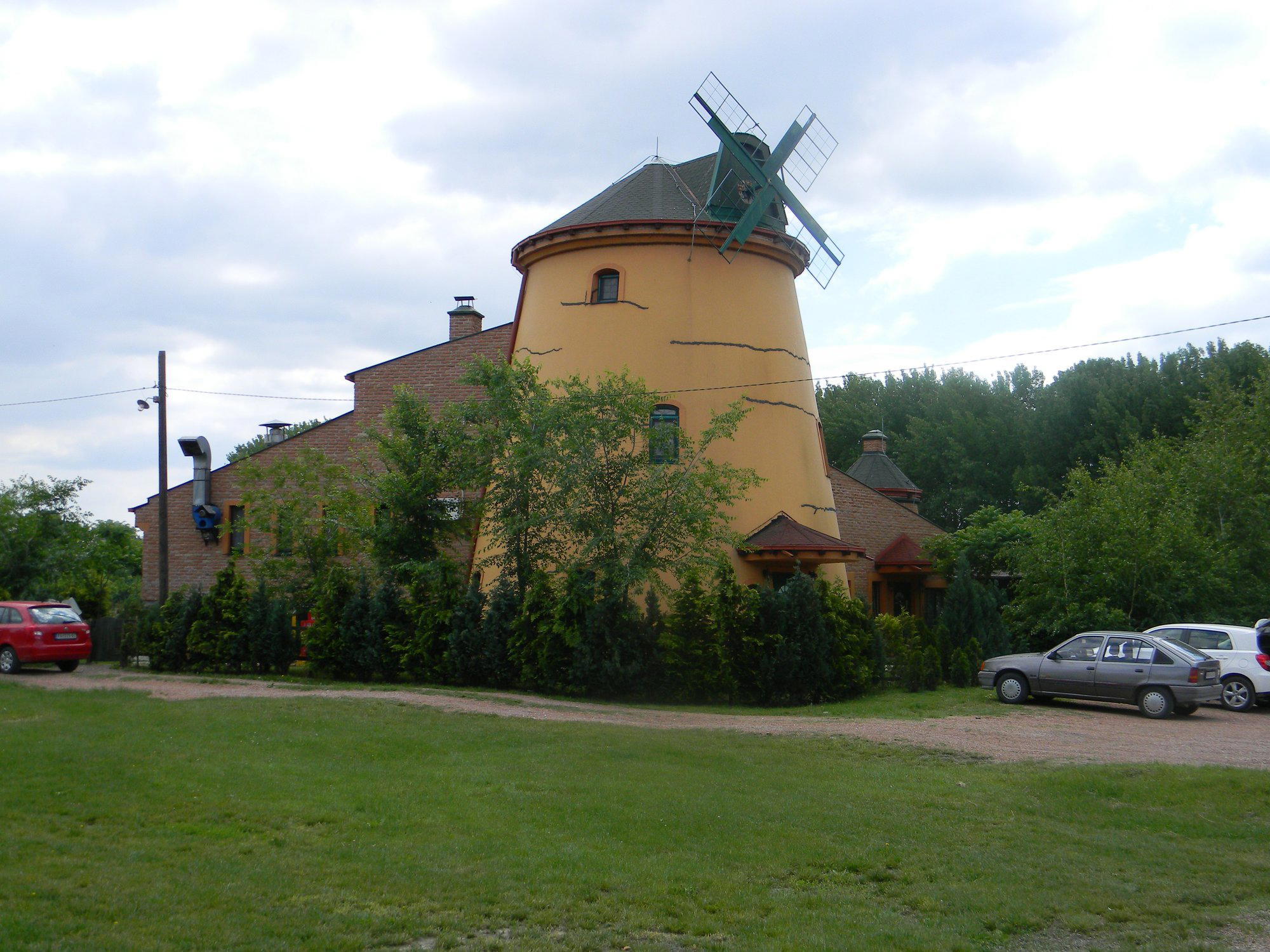
Pančevo's Dining Scene and Where Windmill Fits
Pančevo sits roughly 15 kilometres northeast of Belgrade, close enough to feel the capital's gravitational pull but distinct enough to have developed its own hospitality rhythm. The town's central square, Trg Mučenika, functions as the social fulcrum it has for generations, a place where locals eat, drink, and gather rather than a destination engineered for visitors. Windmill occupies an address on that square, which places it inside concentrated strip of social infrastructure in a city that does not separate dining from civic life the way Belgrade's more self-conscious restaurant districts do.
That positioning matters when reading Pančevo's food scene. The restaurants worth paying attention to here, including Dvorište, Kordun, and Šajka, tend to draw their strength from proximity to local supply chains and a clientele that returns weekly rather than once a year. That dynamic shapes what kitchens prioritise: consistency, seasonality driven by what is actually available in Vojvodina at a given moment, and cooking that does not need a marketing apparatus to justify its existence.
The Vojvodina Ingredient Logic
Across Serbia's northern plain, the sourcing story is direct in structure but meaningful in effect. Vojvodina's agricultural output, wheat, corn, sunflower, pork, freshwater fish from the Danube and Tisa river systems, has historically fed the region rather than being exported to urban fine-dining suppliers. The result is that provincial establishments in towns like Pančevo often work with shorter supply chains than their Belgrade counterparts, not as a philosophical stance but as a practical reality of how food moves in this part of Serbia.
That ingredient proximity shows up in the character of local cooking in ways that are worth understanding before you sit down anywhere in this city. Paprika, both fresh and dried, moves through Vojvodina kitchens as a structural element rather than a garnish. Lard-based cooking persists not as nostalgia but because rendered pork fat from locally raised animals remains the dominant cooking medium in households and in kitchens that cook like households. Freshwater fish preparations, šaran (carp), som (catfish), appear on menus tied to river proximity rather than import schedules. This is the ingredient logic that underpins Vojvodina dining broadly, and it is the frame through which any establishment on Trg Mučenika should be read.
For comparison, consider how Serbia's more formally positioned restaurants handle sourcing differently. Langouste in Belgrade operates inside a premium sourcing model oriented toward imported seafood and fine-dining supply networks. Windmill's context is the opposite end of that spectrum: rooted, regional, and priced for local regulars rather than expense-account visitors. Across the country, venues like Etno Kuća Dinar in Vrsac and Lovački dom in Valjevo operate inside similar regional-sourcing frameworks, where the kitchen's relationship to local agriculture defines the menu's shape more than any named culinary influence.
Reading the Square: Atmosphere and Approach
Central squares in Serbian provincial towns operate differently from tourist plazas in Western European cities. Trg Mučenika is a working civic space, used for markets, gatherings, and the kind of daily foot traffic that keeps a surrounding restaurant financially viable on local custom alone. An establishment on this square is not hiding from attention; it is visible to everyone who moves through Pančevo's daily life, which means its reputation is built and maintained through repetition and word of mouth rather than press coverage or online discovery.
That social context shapes what you can expect atmospherically. This is not a destination restaurant in the sense that Atomix in New York City or Le Bernardin are destinations, places where the experience is engineered for a specific effect and the room is designed to signal category membership. Pančevo's square-facing establishments work in a different register: functional, social, and calibrated to the rhythms of a mid-sized Serbian city where lunch is the main meal and dinner is an extension of the afternoon rather than a formal occasion.
Comparable atmospheres emerge at Poco Loco and Burrito Madre Big Pančevo, which occupy different parts of Pančevo's dining spectrum but share the same local-first orientation. Further afield, KAFANA DUKAT in Pirot and ČARDA ZLATNA KRUNA in Apatin represent the regional kafana and čarda traditions that anchor Serbian provincial hospitality, informal, filling, and deeply connected to local ingredient supply.
Planning a Visit: What to Know
Pančevo is accessible from Belgrade by road in under 30 minutes, making it a practical half-day or full-day excursion from the capital. The town sees limited international tourist traffic, which has two practical consequences: pricing at local restaurants tends to reflect Serbian domestic spending levels rather than tourist premiums, and the experience of eating here is unlikely to feel curated for outsiders. For visitors accustomed to the more polished dining infrastructure of Belgrade or Novi Sad, where Kafe Restoran Maša represents the kind of café-restaurant hybrid that has absorbed regional influences into a more contemporary format, Pančevo operates at a different register.
Trg Mučenika's central location means the venue is walkable from most points in Pančevo's compact urban core. Visitors travelling through the Vojvodina region more broadly may also want to consider stops at Kod poštara in Aran Elovac, Kod Brana in Cacak, and Aleksandar Gold in Uzice as part of a wider survey of Serbian regional dining. For mountain-adjacent hospitality, Grand **** in Kopaonik represents a different tier of the Serbian restaurant market entirely.
At-a-Glance Comparison
Comparable venues nearby, for context on price, style, and recognition.
| Venue | Cuisine | Price | Notes |
|---|---|---|---|
| WindmillThis venue — the venue you are viewing | Traditional Serbian | $$$ | Not listed |
| Poco Loco | International and Serbian Cuisine | $$ | city center |
| Kordun | Traditional Serbian Cuisine | $$ | Pancevo |
| Šajka | Serbian Riverside Fish Restaurant | $$$ | Tamis Rivier |
| Burrito Madre Big Pančevo | Mexican Burritos & Tacos | $$ | TC BIG |
| Dvorište | Traditional Serbian with Pizza and Barbecue | $$ | Central Pančevo |
Continue exploring
More in Pancevo
Restaurants in Pancevo
Browse all →
Bars in Pancevo
Browse all →
Hotels in Pancevo
Browse all →

At a Glance
- Scenic
- Classic
- Rustic
- Cozy
- Family
- Group Dining
- Casual Hangout
- Waterfront
- Garden
- Standalone
- Waterfront
Current opening hours
- Monday
- Closed
- Tuesday
- 12–11 PM
- Wednesday
- 12–11 PM
- Thursday
- 12–11 PM
- Friday
- 12–11 PM
- Saturday
- 12–11 PM
- Sunday
- 12–11 PM
Hours can change for holidays and private events. Last verified .
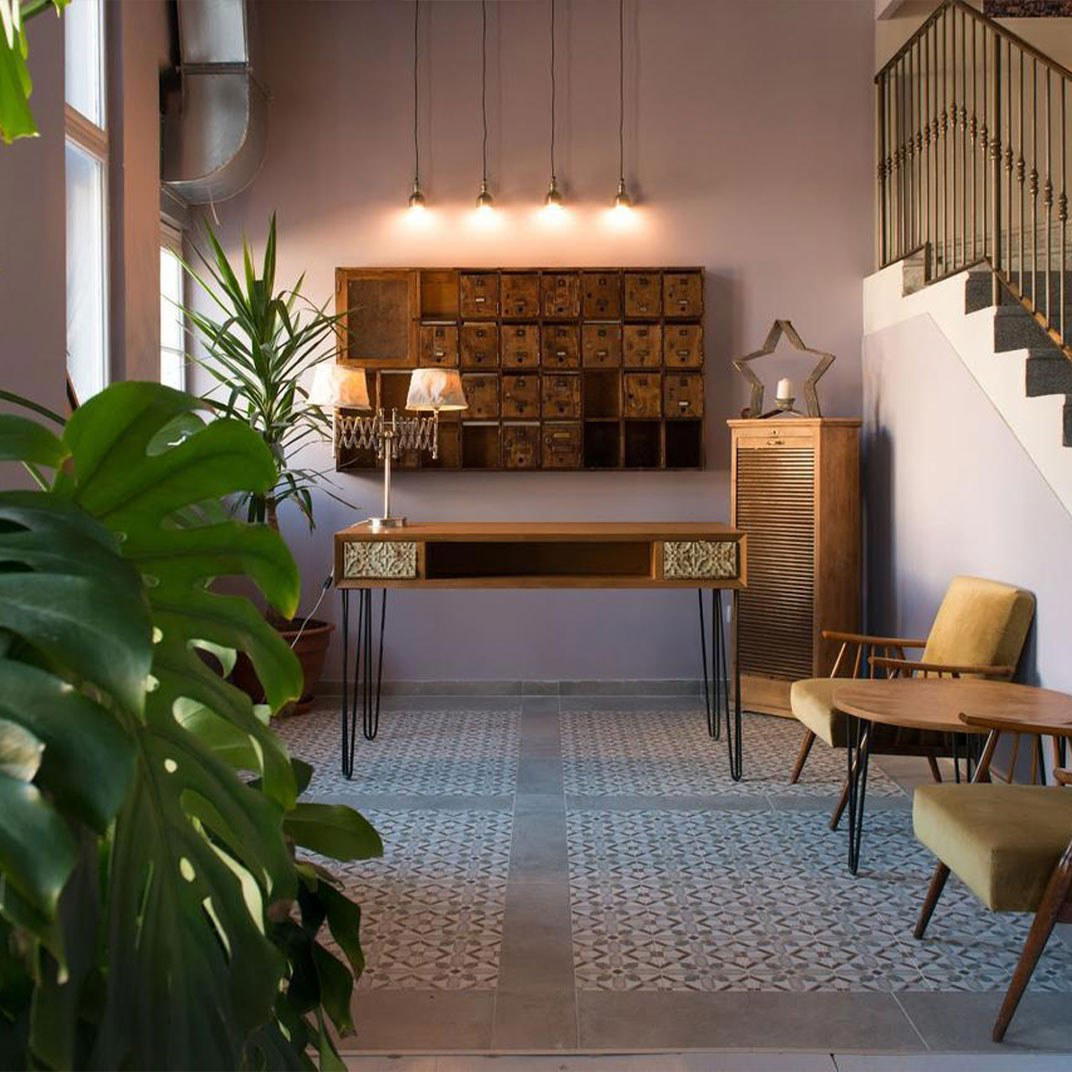
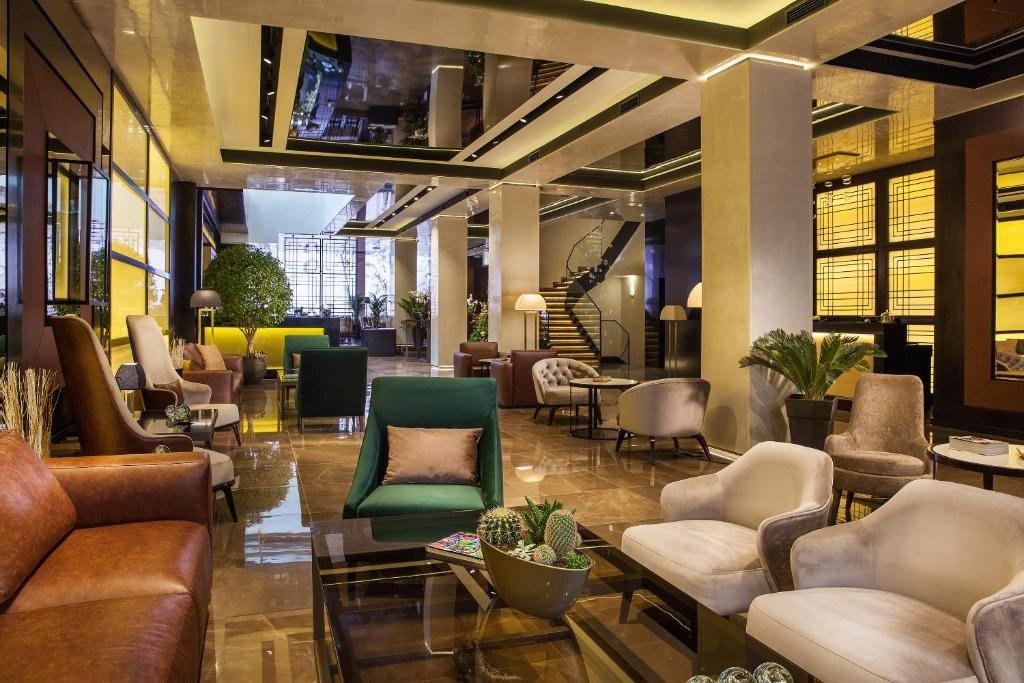
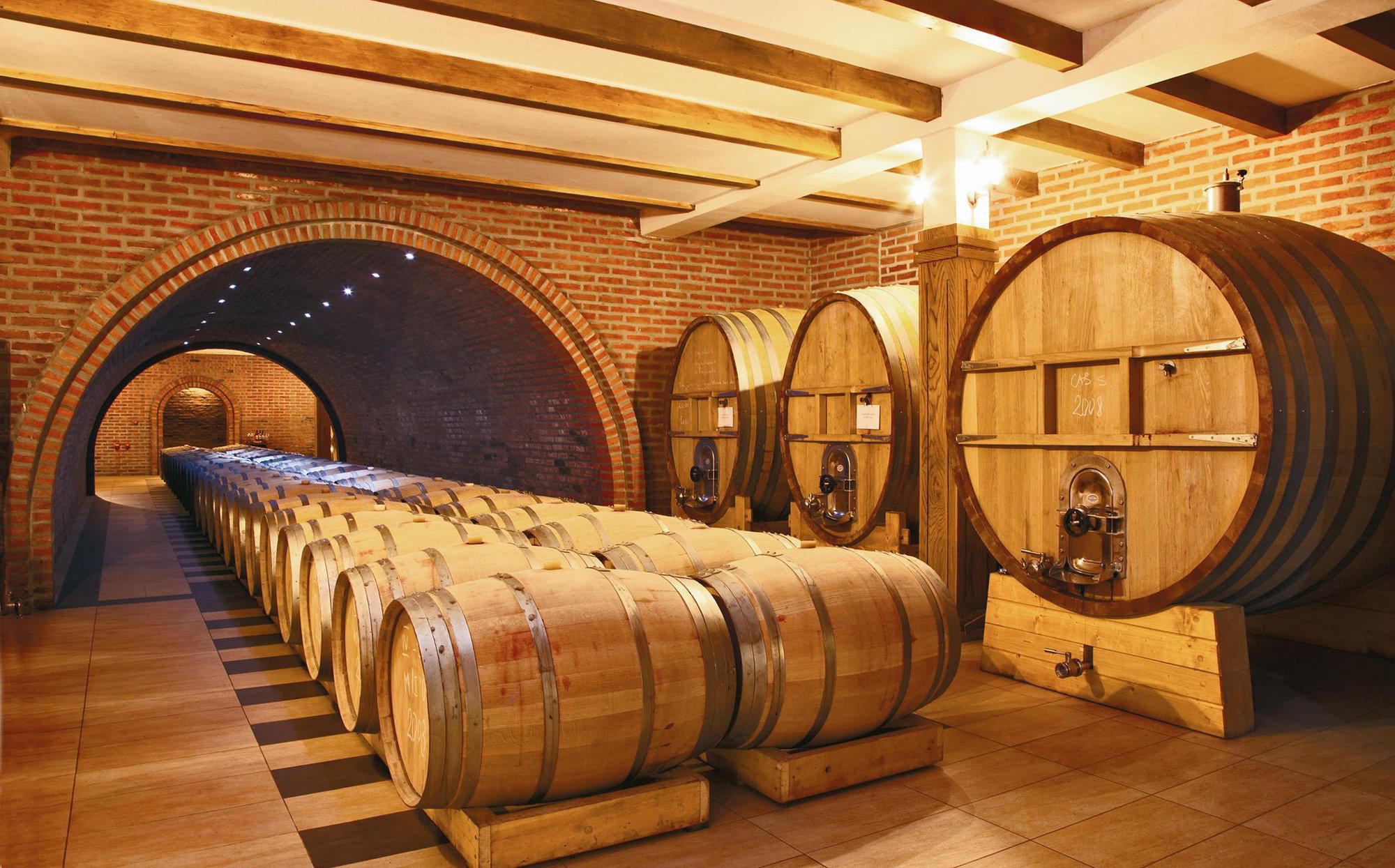
Modern and pleasant interior with a fantastic garden; guests describe it as splendid with lovely ambiance combining traditional charm with contemporary comfort.