

Holding a Michelin star since 2024 and scoring 82 points on La Liste 2026, Langouste sits at the summit of Belgrade's fine-dining tier. Chef Marko Đerić works Serbian ingredients through a French and Italian technical framework across multiple tasting formats, with the chefs presenting dishes directly at the table. The room's picture windows frame an unobstructed view over the Sava River.
Pearl is the En Primeur Club membership app — saves, bookings, and concierge access live there. Same editors, same standards.
- Address
- Kosančićev venac 29, Beograd 11000, Serbia
- Phone
- +381 11 3283680
- Website
- langouste.rs
- Directions
- Get directions
 Saves & bookings on Pearl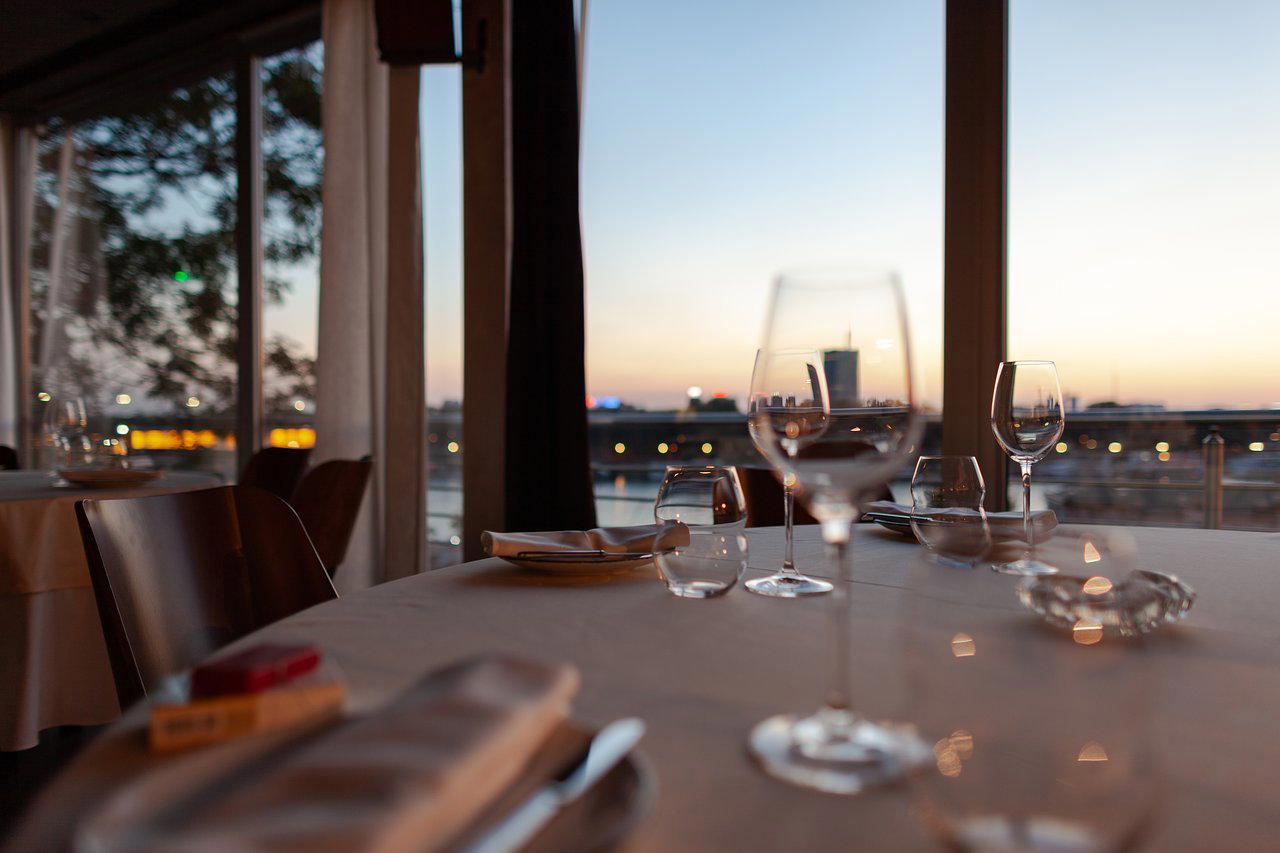
A View That Sets the Tone
From Kosančićev venac, the cobbled ridge that marks the edge of Belgrade's oldest quarter, the Sava River spreads wide below. Langouste occupies a position on this street where the city's historic centre and river outlook shape the room, and the restaurant's picture windows make that view literal. It is a setting that tells you something about the kitchen's ambitions before a single dish arrives.
That physical positioning, history facing forward, turns out to be a reasonable metaphor for what Chef Marko Đerić is doing at the stove. Belgrade's fine-dining tier has grown more self-confident over the past decade, and Langouste sits at the upper edge of it, holding a Michelin star earned in 2024 and scoring 82 points on the La Liste Leading Restaurants ranking for 2026, up from 80 points in 2025. Those two signals together place it in a comparable set that extends beyond the city, alongside modern-cuisine addresses such as Frantzén in Stockholm, Maison Lameloise in Chagny, and Cracco in Galleria in Milan, though the price point remains firmly in the Belgrade context.
What the Regulars Already Know
Loyal guests at Langouste tend to develop a preference not just for a particular menu but for a particular rhythm of return. The format invites it: there are multiple entry points, from a concise à la carte to a five-course fish menu, a five-course meat menu, and the eight-course "Langouste" tasting menu that draws from both. There is also a dedicated lobster option for those who want to anchor an evening around a single centrepiece ingredient. That range means regulars can return within the same season and eat an entirely different meal without revisiting the same format twice.
What keeps them coming back beyond menu variation is harder to quantify but easier to observe. At Langouste, the chefs themselves present the dishes at the table, which compresses the distance between kitchen and dining room in a way that box-set service rarely achieves. It is a format choice with real consequences: by the second or third visit, you are not just eating the food, you are having a conversation about it with the people who made it. That directness is one of the things regulars cite, and it distinguishes the room from Belgrade's broader fine-dining tier, where front-of-house polish sometimes substitutes for genuine hospitality.
Peer restaurants in the city, including GiG, Iva New Balkan Cuisine, and Legat 1903, each pursue their own version of Serbian produce-led cooking, but Langouste's service model creates a texture of engagement that sits in a different register.
The Kitchen's Reference Points
Modern cuisine in the Balkans occupies an interesting position globally. The region has strong ingredient culture, with produce, game, river fish, and fermented dairy that require almost no intervention to be compelling, but it has historically lacked the institutional framework, cooking schools, international exchange, and critical infrastructure, that transmits those ingredients into a progressive fine-dining conversation. That gap is closing, and Langouste is one of the places closing it.
Đerić trained in European restaurants before returning to Belgrade, and the French and Italian influences in his approach are present without being dominant. Serbian culinary traditions supply the structure; what the European training adds is a set of technical tools for expressing those traditions at a higher resolution. Some of the vegetables arrive from a biodynamic kitchen garden on the outskirts of Belgrade, a supply-chain detail that signals the kitchen's relationship with its raw material rather than just its technique. For the food to read as Serbian rather than generically European at this level, the sourcing has to be deliberate, and here it clearly is.
In the global modern-cuisine conversation, restaurants working this particular angle, regional identity expressed through French and Italian technical grammar, appear in cities from Mendoza to Buenos Aires. What varies is how convincingly the regional ingredient culture survives the technical translation. At Langouste, the La Liste assessors noted "deep respect for Serbia's culinary heritage, thoughtfully and savvily reinterpreted through a contemporary lens," which is the kind of language that tends to indicate the balance is working.
Menu Architecture and the Question of Format
The choice of format at Langouste is itself a considered decision. The five-course fish and five-course meat menus function as focused single-thread narratives, each coherent on its own terms. The eight-course menu is the kitchen's fuller statement, combining the strongest expressions of both. First-time visitors often default to the eight-course option, and that is a reasonable starting point. Regular guests frequently narrow down: having established the full picture, they return to the fish menu specifically, or anchor an evening around the lobster option, treating the shorter formats as a more intimate experience rather than a lesser one.
The à la carte offers something different again: the freedom to compose around two or three dishes rather than submit to a sequence. For lunch, when the restaurant opens at 1 PM, the à la carte tends to draw a more varied crowd. The restaurant is closed on Sundays and runs through to midnight Monday through Saturday, which means late arrivals are accommodated without the compressed-service feeling that affects kitchens closing earlier.
Belgrade's Fine-Dining Tier, Placed
Understanding where Langouste sits requires a sense of what Belgrade's restaurant scene looks like at the upper end. The city has a growing cohort of restaurants working with Serbian produce at a serious technical level. Magellan and Pinòt occupy adjacent positions in the modern-cuisine bracket. Beyond Belgrade, Fleur de Sel in Novi Slankamen demonstrates that ambitious cooking is not confined to the capital. The competitive pressure across this tier is real, and it has been good for standards.
What places Langouste at the summit of that tier is the combination of Michelin recognition, consistent La Liste scoring across two consecutive years, and a service model that reinforces rather than undermines the food. Awards at this level carry weight because they represent external validation of the kitchen's work. For context, modern-cuisine restaurants at comparable award levels in other cities, such as FZN by Björn Frantzén in Dubai or 11 Woodfire, operate in markets with a decade or more of established fine-dining infrastructure. Belgrade's version of that conversation is younger, which makes what Langouste has achieved in its Michelin star more instructive about the direction the city is heading.
Planning Your Visit
Langouste is a one-Michelin-star restaurant at Kosančićev venac 29 in Belgrade. The restaurant is open Monday through Saturday from 1 PM to midnight, closed Sundays. At the €€€€ price tier, it sits in the upper bracket of Belgrade dining, where reservations are essential, particularly for evening sittings when the river-view tables are at a premium. The range of menu formats means the decision of what to order is leading made before arrival, particularly if the eight-course tasting is under consideration for a group where some guests prefer to move between fish and meat rather than commit to one thread.
For a broader orientation to the city's eating and drinking, EP Club's full Belgrade restaurants guide covers the range from neighbourhood bistros to fine dining. The Belgrade hotels guide, bars guide, wineries guide, and experiences guide complete the picture for visitors building a longer itinerary in the city.
Nearby-ish Comparables
Comparable venues nearby, for context on price, style, and recognition.
| Venue | Cuisine | Price | Notes |
|---|---|---|---|
| LangousteThis venue — the venue you are viewing | Modern Serbian Fine Dining with Seafood Focus | $$$$ | Not listed |
| Bela Reka | Traditional Serbian | $$$ | Novi Beograd |
| SkyLounge | Pan-Asian Fusion Steakhouse with Sushi | $$$$ | Belgrade City Center |
| L'Adresse | Modern European Fine Dining | $$$$ | Vračar |
| Magellan | Modern Mediterranean Fine Dining | $$$$ | Novi Beograd (Belville, Blok 67) |
| Salon 1905 | Modern Serbian Fine Dining | $$$$ | old town |
Recognition history
Dated appearances from independent guides and award organizations, with the underlying list record or original source where available.
La Liste Top Restaurants
La Liste
Michelin 1 Star
Michelin
La Liste Top Restaurants
La Liste
Michelin 1 Star
Michelin
Michelin 1 Star
Michelin
At a Glance
- Elegant
- Sophisticated
- Intimate
- Modern
- Date Night
- Special Occasion
- Terrace
- Open Kitchen
- Extensive Wine List
- Local Sourcing
- Biodynamic
- Waterfront
Current opening hours
- Monday
- 1 PM–12 AM
- Tuesday
- 1 PM–12 AM
- Wednesday
- 1 PM–12 AM
- Thursday
- 1 PM–12 AM
- Friday
- 1 PM–12 AM
- Saturday
- 1 PM–12 AM
- Sunday
- Closed
Hours can change for holidays and private events. Last verified .
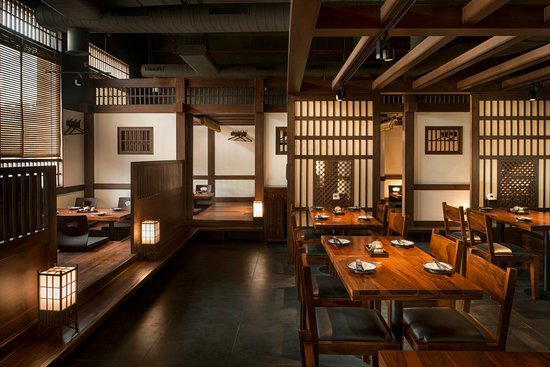
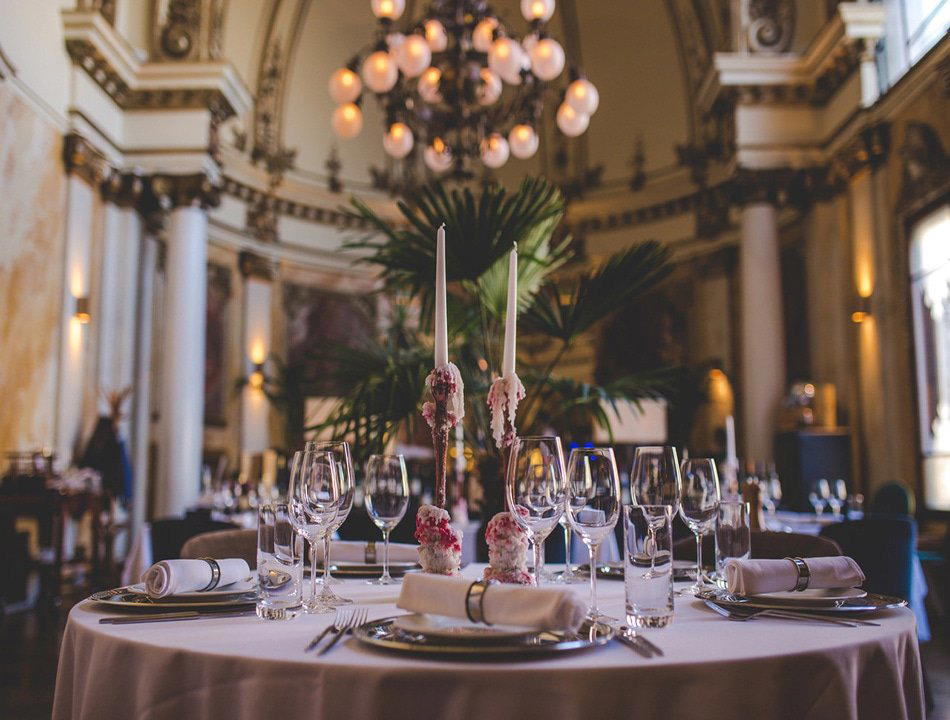
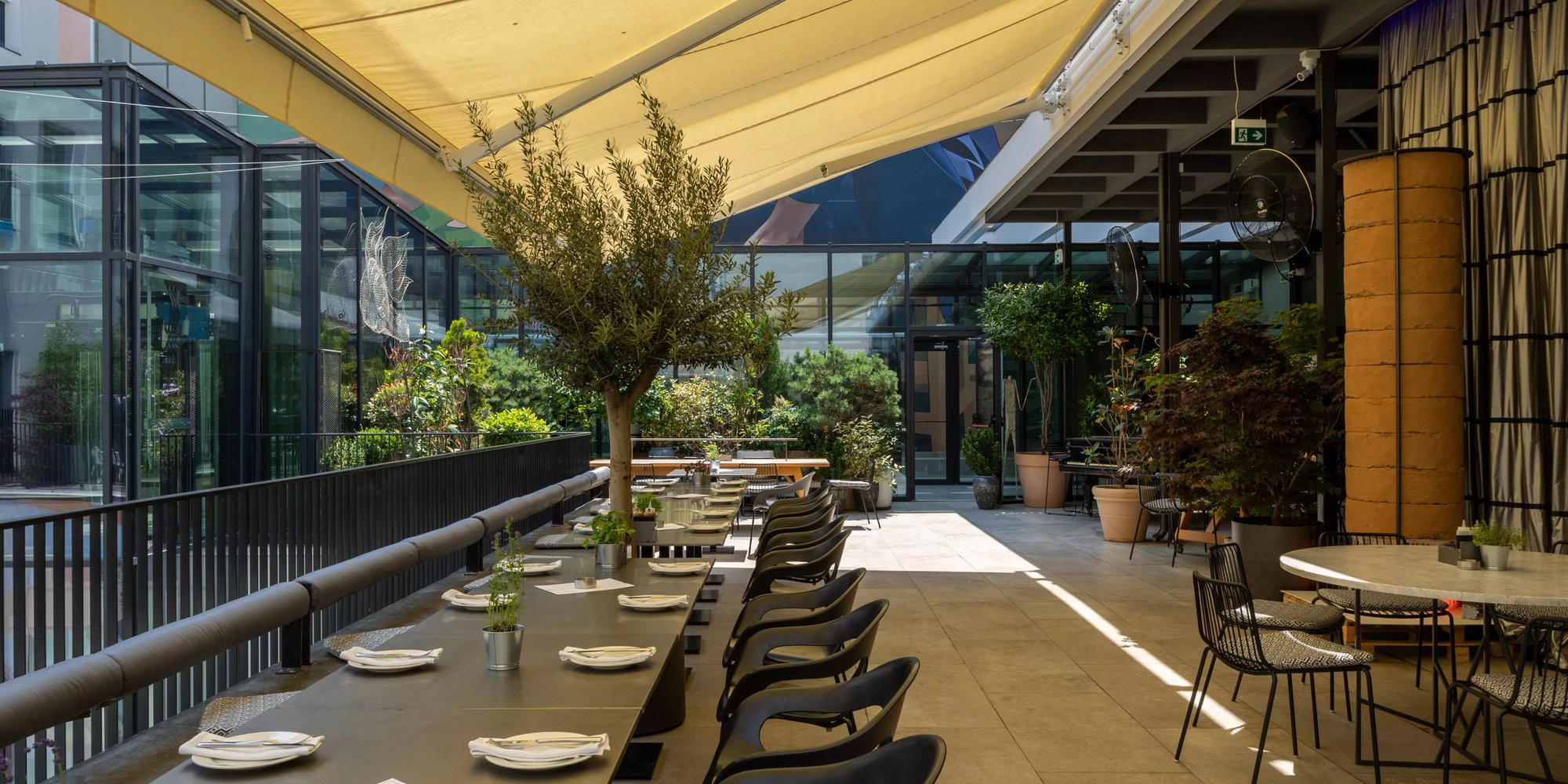
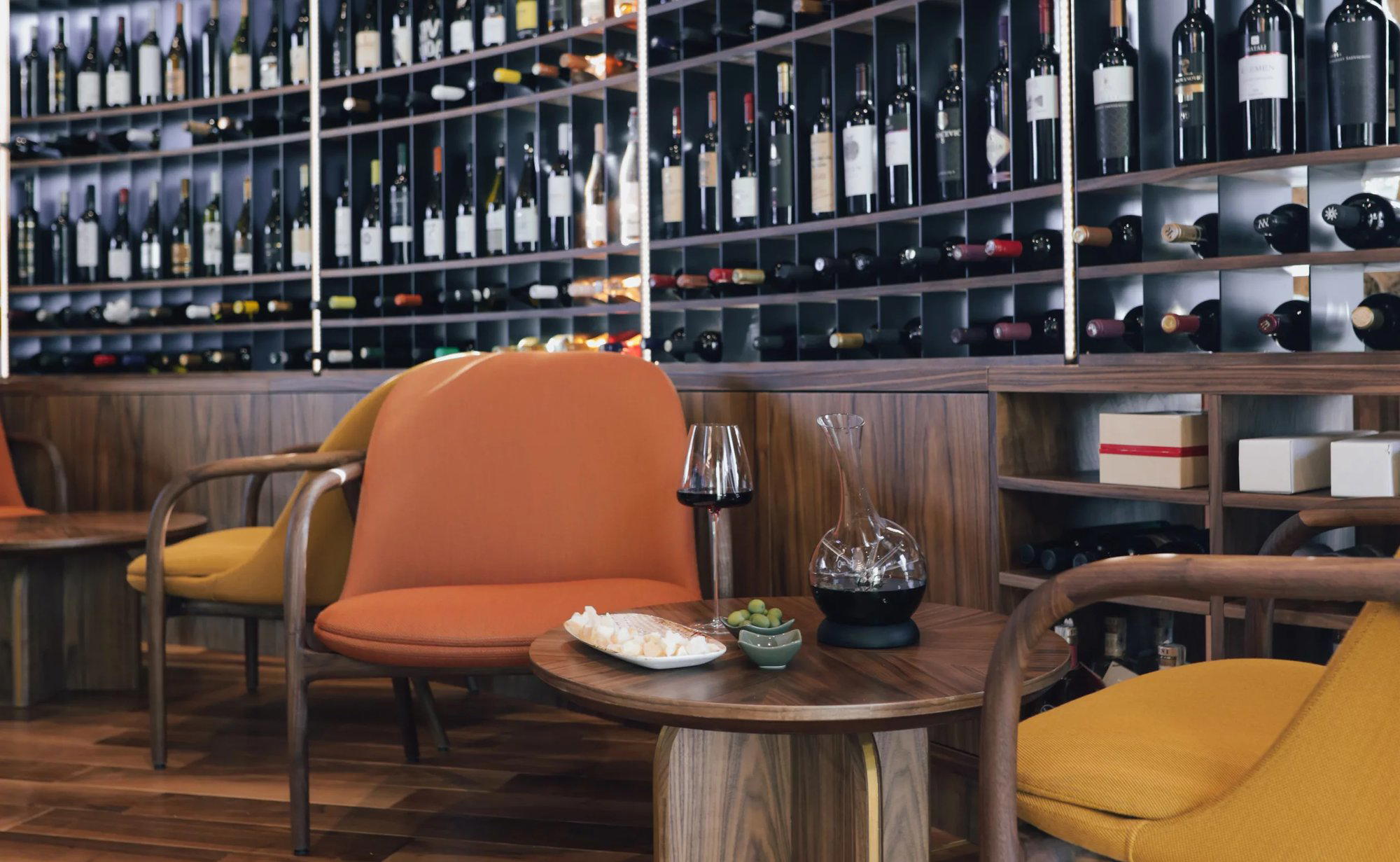
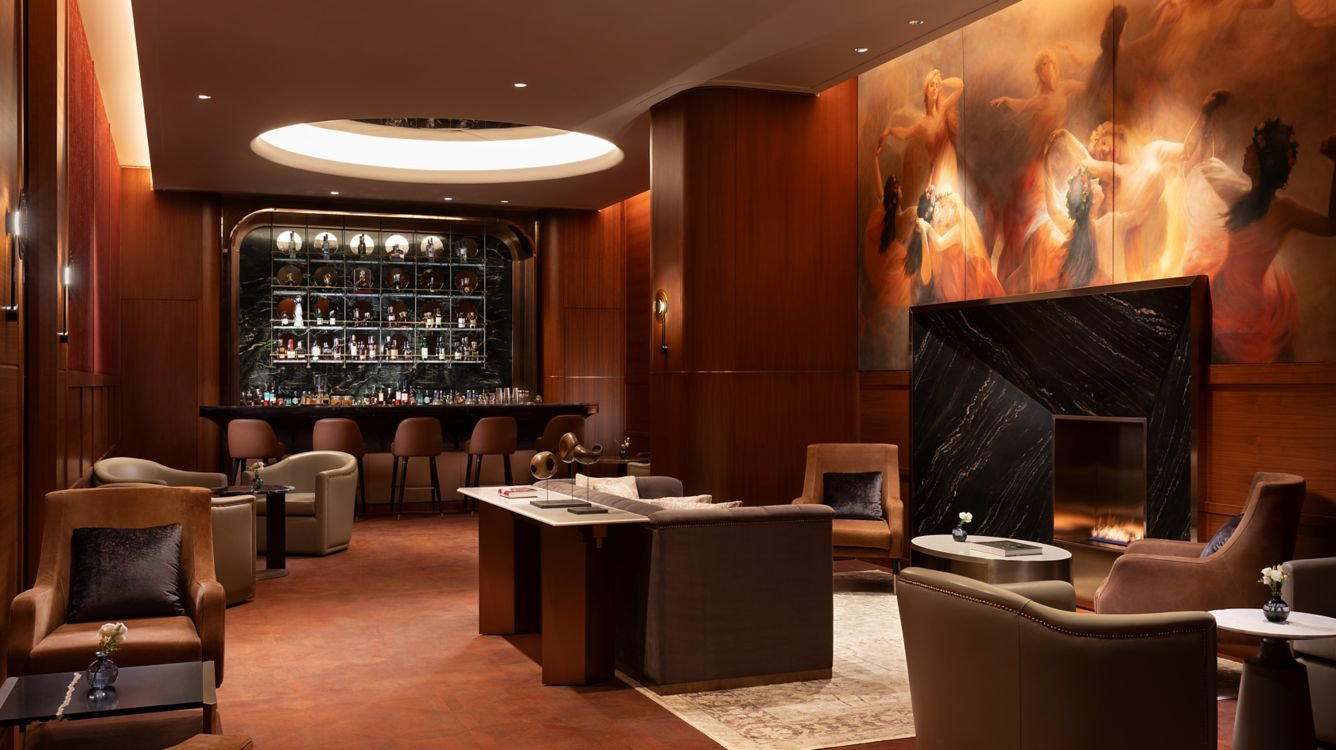
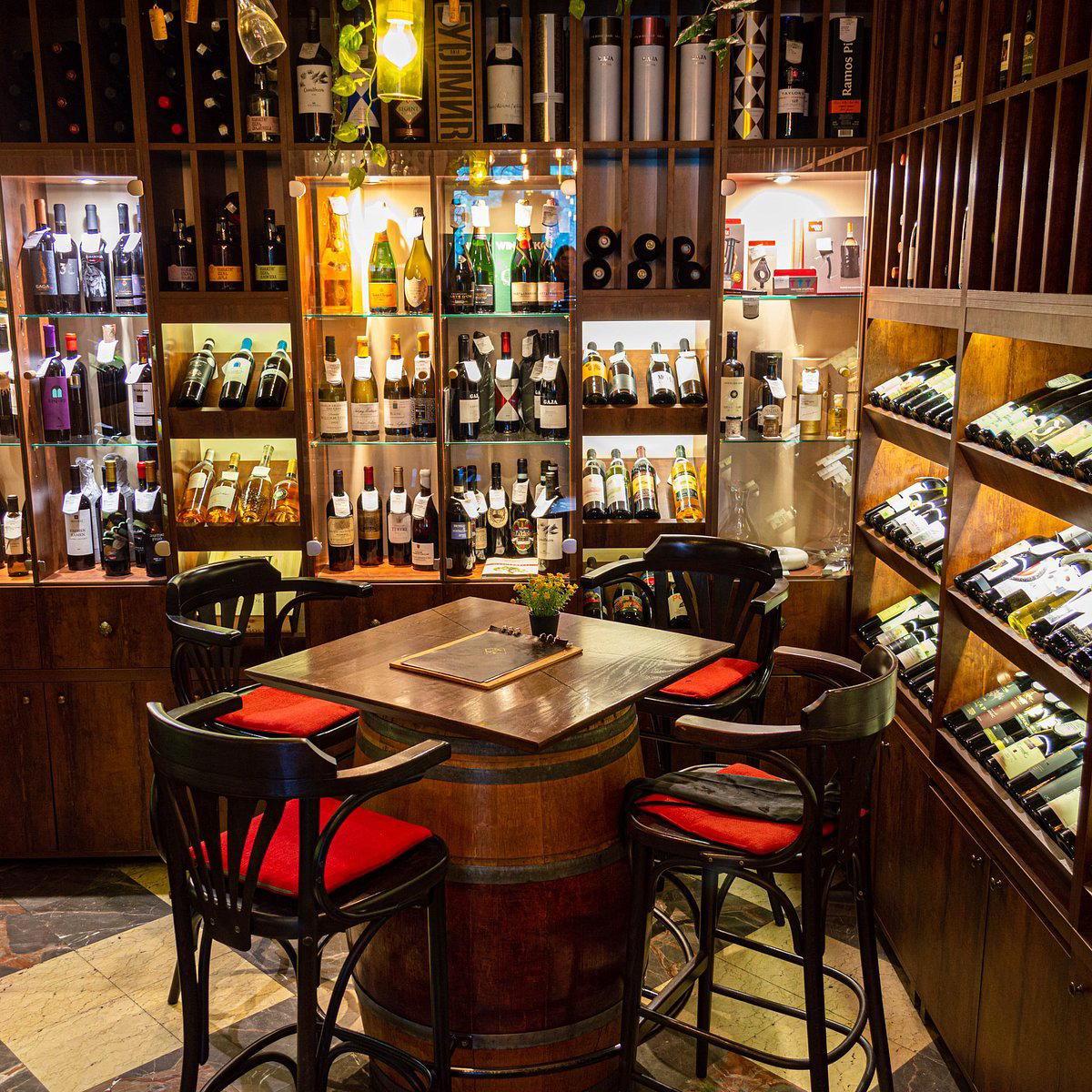
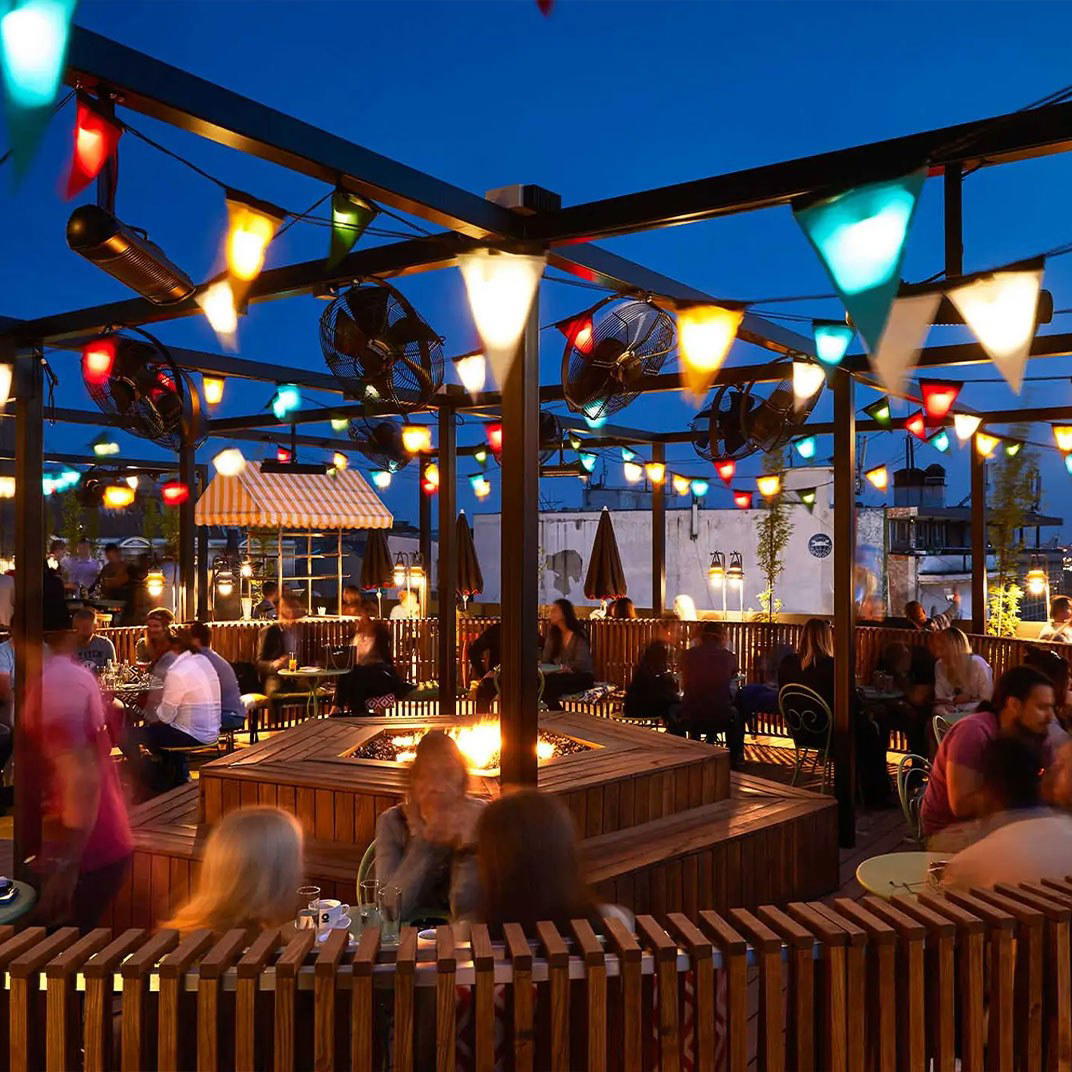
Elegant and inviting with warm lighting, contemporary decor, large picture windows overlooking the Sava and Danube rivers, and a refined, relaxed atmosphere.