Our verdict
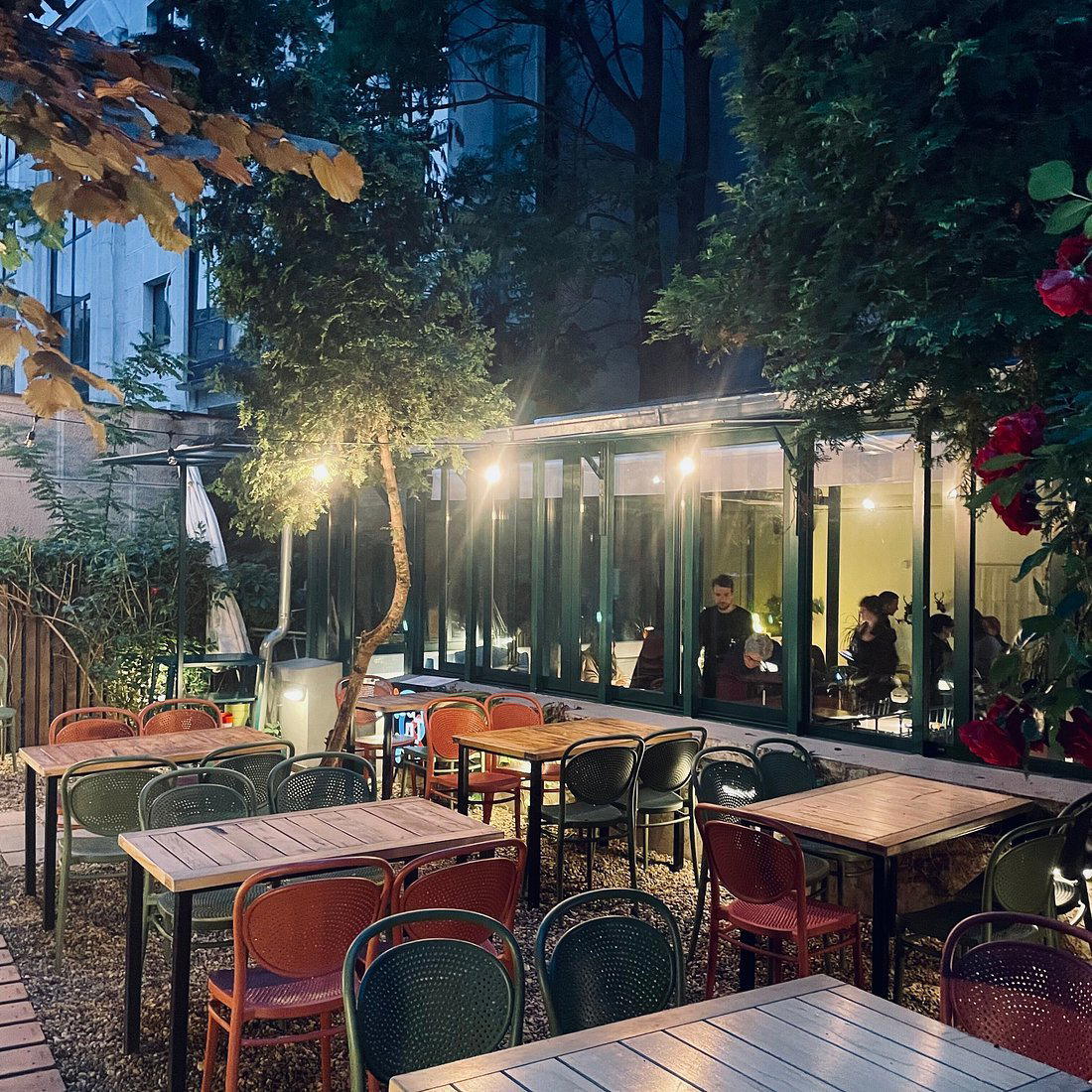
Restoran Tri serves Creative Balkan-Italian Fusion in Belgrade, with a garden and open kitchen that fit brunch, lunch, or a conversational dinner.

Pearl is the En Primeur Club membership app — saves, bookings, and concierge access live there. Same editors, same standards.
- Address
- Svetogorska 46, Beograd 11000, Serbia
- Phone
- +381653332543
- Hours
- Mon–Thu 11 AM–12 AMFri–Sat 11 AM–1 AMSun Closed
- Website
- restorantri.com
- Directions
- Get directions
Svetogorska and the Shape of Belgrade Dining
Svetogorska Street sits in the Vračar district, a part of Belgrade that has shifted over the past decade from residential afterthought to one of the city’s more considered dining corridors. The street itself reads quietly: low-rise facades, plane trees, a pace that moves at a different register from the Skadarlija tourist circuit or the Savamala bar scene. Restoran Tri occupies number 46 on that street, and the address alone positions it in a tier of Belgrade restaurants that court a local, return-guest audience rather than passing visitors. That positioning matters because it sets the terms of the kitchen’s ambitions.
Belgrade’s restaurant scene has fragmented in useful ways. There are cheap, high-volume kafana-format tables at one end; at the other, a small cluster of modern-cuisine rooms that price and present themselves against European peers. Between those poles sits a mid-range that is increasingly serious about what it puts on the plate, even when the format remains relaxed. Restoran Tri occupies that middle ground, and the address on Svetogorska is consistent with a restaurant that takes the food seriously without performing theatrics around it.
The Sourcing Question in Serbian Cooking
Serbian cuisine’s reputation rests on a set of well-documented strengths: domestic pork and lamb from smallholder farms across Vojvodina and the Morava valley, freshwater fish from the Danube and Sava systems, and a market garden culture that produces peppers, tomatoes, and alliums with more character than most of their Western European equivalents. The kafana tradition built its credibility on proximity to those ingredients, and the better restaurants in Belgrade still orient themselves around that supply chain, even when the cooking format has moved away from slow braises and charcoal grills.
For a restaurant on Svetogorska, the practical geography of sourcing is meaningful. The city’s central markets, particularly Kalenić Pijaca a short distance south in Vračar, supply a steady flow of seasonal domestic produce that kitchens in this district have historically used to shape their menus around what is actually available rather than what a fixed menu demands. That approach to ingredient sourcing, where the market informs the plate rather than the other way around, defines the better mid-range kitchens across Serbia. It’s a tradition with deeper roots than farm-to-table as a marketing phrase, and it produces more honest results.
For context on how that tradition translates across the country, it’s worth noting that restaurants like Kod Brana in Cacak and Lovački dom in Valjevo have built regional reputations on exactly this principle: tight connection to local suppliers, menus that reflect season, and formats that remain unflashy. Etno Kuća Dinar in Vrsac and ČARDA ZLATNA KRUNA in Apatin carry that sensibility into Vojvodina’s riverine and agricultural landscape. Belgrade concentrates a wider range of formats but the underlying sourcing logic remains consistent across the city’s more serious kitchens.
Mapping Restoran Tri against Belgrade’s current restaurant field requires a clear-eyed read of the tiers. At the high-price end, Langouste operates a modern cuisine format at the €€€€ price point, a level of ambition that only a small number of Belgrade tables currently sustain. The Square, with its Contemporary French positioning at €€, offers a more accessible version of European-influenced cooking. Ambar and Avala represent different approaches to the Balkan format, while Barrel House occupies a more casual, drink-forward position.
Restoran Tri’s Svetogorska address places it in a district where the diner profile skews local and the repeat-visit rate is typically higher than at the riverfront or old-town tables. That dynamic tends to produce more disciplined kitchens: when your audience is not driven by novelty tourism, you have to earn the return visit on the quality of the cooking rather than the Instagram value of the setting. It is a harder discipline, and the restaurants that survive it tend to be the ones most worth tracking.
For a wider picture of what the city’s restaurant range looks like across neighbourhoods and price points, the EP Club Belgrade restaurants guide maps the full field.
Seasonal Cooking in a City That Still Has Seasons
One of the underappreciated structural advantages of Belgrade as a dining city is that its agricultural hinterland still operates on genuine seasonality. Summers produce the stone fruits, peppers, and tomatoes that define Serbian table cooking at its peak. Autumn brings mushrooms from the forested slopes east and south of the city, game from the hunting regions, and the first of the root vegetables. Winter cooking leans on preserved forms: ajvar, dried meats, slow-cooked pulses. Spring arrives with wild garlic, nettles, and the earliest market garden produce from warmer microregions.
Kitchens that respond to that cycle rather than importing around it tend to produce more coherent food. The cost of ignoring it is visible in the restaurants that maintain identical menus across twelve months: they lose the argument about freshness before the first plate arrives. Across Serbia, the restaurants worth visiting most consistently are those that accept the discipline of seasonal cooking, including tables as varied as Windmill in Pancevo, Aleksandar Gold in Uzice, Grand **** in Kopaonik, and Kafe Restoran Maša in Novi Sad. Seasonality at Restoran Tri’s price level in Belgrade functions as a quality signal rather than a luxury marker: it is what separates the kitchens operating with genuine intent from those offering approximate versions of a fixed list.
Belgrade in a Wider Context
For visitors arriving from restaurant cultures where ingredient provenance is a marketing apparatus rather than a kitchen practice, Belgrade’s better mid-range tables can produce a useful recalibration. The domestic supply chain is short in ways that the Western European equivalent has largely lost. Pork from a named region, peppers from Leskovac, cheese from Zlatibor: these are not branding exercises in Serbia’s better kitchens, they are functional descriptions of what arrives at the back door. The contrast with high-concept European dining, represented at the far end of the spectrum by rooms like Le Bernardin in New York City or the intricate sourcing architecture of Atomix, is instructive. Belgrade’s mid-range does not operate at that technical level, but the sourcing relationship is often more direct, and the results on the plate can be more transparent for it.
Restaurants in smaller Serbian cities, including KAFANA DUKAT in Pirot and Kod poštara in Aran Čelovac, demonstrate that this sourcing discipline is not a Belgrade invention. The capital concentrates it, refines the presentation around it, and charges accordingly, but the underlying logic runs across the Serbian restaurant culture.
Know Before You Go
Address: Svetogorska 46, Beograd 11000, Serbia
District: Vračar, Belgrade
Price range: Not confirmed; mid-range positioning indicated by address and local-audience profile
Hours: Not confirmed; verify before visiting
Getting there: Vračar is accessible by tram from central Belgrade; walking distance from Slavija Square
Frequently asked questions
Is Restoran Tri child-friendly?
Restoran Tri is located in Vračar, one of Belgrade's more settled residential districts, which tends to produce restaurants comfortable with families at lunch and early dinner. The kitchen's grounding in Serbian domestic cooking — straightforward proteins, vegetable-led sides, seasonal produce — translates well for younger diners. check the venue's official channels via their address at Svetogorska 46 to confirm any specific arrangements before visiting.
What kind of setting is Restoran Tri?
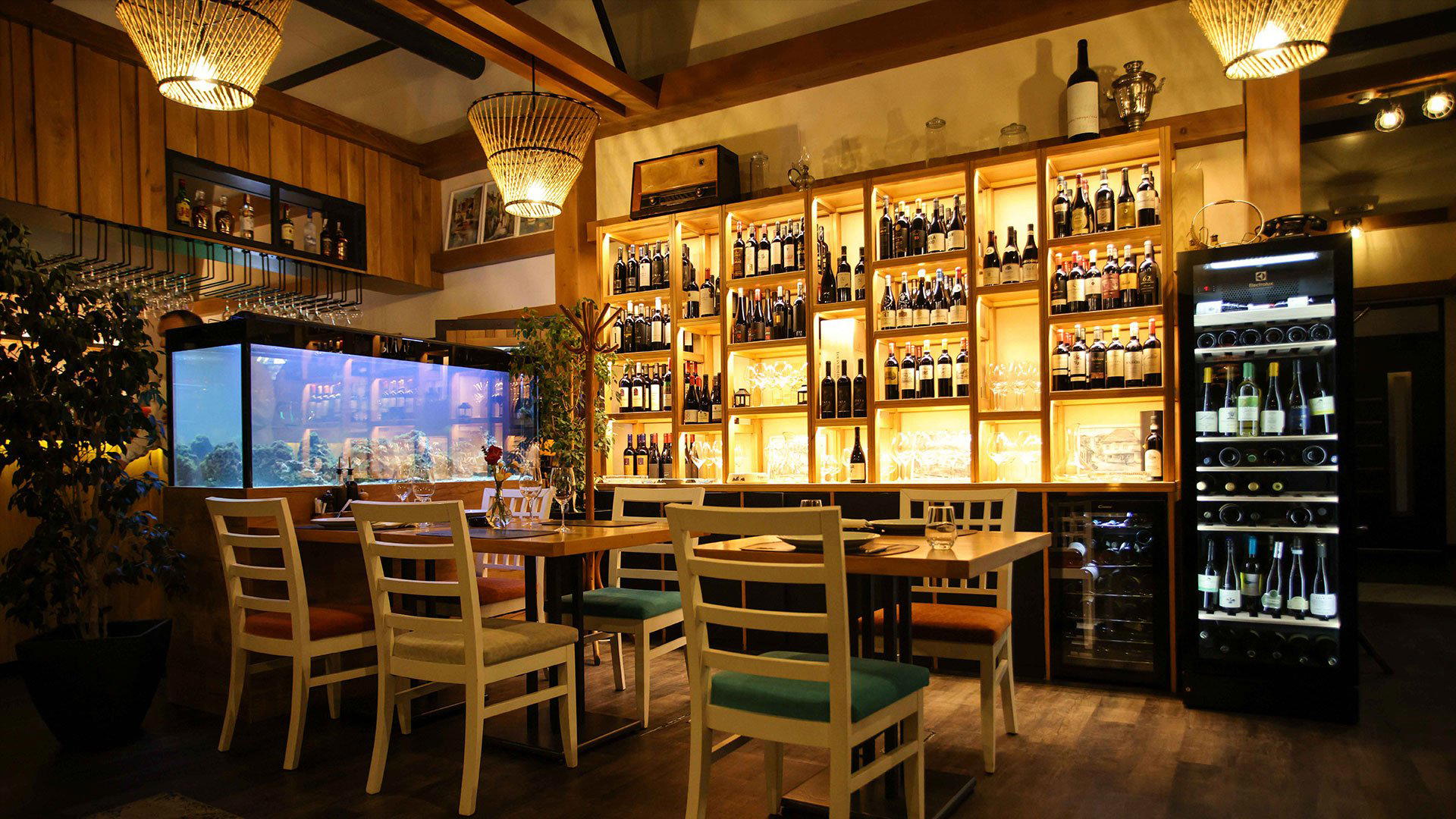
The restaurant sits on Svetogorska Street in Vračar, a district that has moved from residential to one of Belgrade's more considered dining corridors over the past decade. Expect a neighbourhood-scale room rather than a grand dining hall — Vračar's restaurant stock leans toward focused, owner-operated spaces rather than large-format venues. The address at number 46 places it within walking distance of the district's residential core.
How does Restoran Tri fit into Belgrade's broader dining scene compared to other Serbian restaurants?
Belgrade's restaurant field divides broadly between high-price destination venues and a middle tier of neighbourhood-driven kitchens committed to domestic sourcing, and Restoran Tri operates within Vračar, the district that has most visibly developed that second category over the past decade. At the city's upper end, operations like Langouste represent a different price point and format entirely.
What should I eat at Restoran Tri?
Serbian cooking at this level draws heavily on domestic pork and lamb sourced from smallholder farms across Vojvodina and the Morava valley, which form the backbone of any serious kitchen in Belgrade. Seasonal vegetables and fermented or preserved elements follow the agricultural calendar closely, so the menu shifts with what the hinterland is producing. Consult the restaurant directly for current dishes, as the seasonal approach means the offer changes through the year.
What's the address for Restoran Tri?
Restoran Tri is located at Svetogorska 46, Beograd 11000, Serbia, Belgrade.
Is Restoran Tri reservation-only?
Visiting Svetogorska 46 in person or reaching out ahead of your planned date is the practical approach until direct contact details are confirmed.
A Minimal comparable set
Comparable venues nearby, for context on price, style, and recognition.
| Venue | Cuisine | Price | Notes |
|---|---|---|---|
| Restoran TriThis venue — the venue you are viewing | Creative Balkan-Italian Fusion | $20–30 | Not listed |
| Barrel House | Modern Serbian & International Grill | Not listed | Old Dorćol, Modern Serbian & International Grill |
| Petar at Tikas | Modern Serbian Cuisine | $20–30 | Palilula, Modern Serbian Cuisine |
| RESTORAN GRAFIČAR | Traditional Serbian Barbecue | $20–30 | Dedinje, Traditional Serbian Barbecue |
| Avala | Traditional Serbian | $20–30 | Savski Venac, Traditional Serbian |
| MALA ZVEZDARA | Traditional Serbian Home Cooking and Grill | Not listed | Zvezdara, Traditional Serbian |
Continue exploring
More in Belgrade
Restaurants in Belgrade
Browse all →
Bars in Belgrade
Browse all →
Hotels in Belgrade
Browse all →

Details
- Cozy
- Casual Hangout
- Date Night
- Garden
- Open Kitchen
- Garden
- A La Carte
- Vegetarian Friendly
- Vegan Options
Current opening hours
- Monday
- 11 AM–12 AM
- Tuesday
- 11 AM–12 AM
- Wednesday
- 11 AM–12 AM
- Thursday
- 11 AM–12 AM
- Friday
- 11 AM–1 AM
- Saturday
- 11 AM–1 AM
- Sunday
- Closed
Hours can change for holidays and private events. Last verified .
Cozy and inviting atmosphere with a charming garden, warm service, and eclectic Mediterranean vibe.