Our verdict
Avala occupies a residential address on Ljutice Bogdana in Belgrade, operating in a city where sourcing traditions and Balkan culinary identity are increasingly the measure of serious dining. Positioned within a scene that runs from modernist Serbian kitchens to neighbourhood taverns, it rewards the kind of visitor who reads a menu as a document of place rather than a list of options.

Pearl is the En Primeur Club membership app — saves, bookings, and concierge access live there. Same editors, same standards.
- Address
- Ljutice Bogdana 24, Beograd 11000, Serbia
- Phone
- +381114536332
- Hours
- Mon–Sat 9 AM–12 AMSun 12–7 PM
- Website
- avalica.rs
- Directions
- Get directions
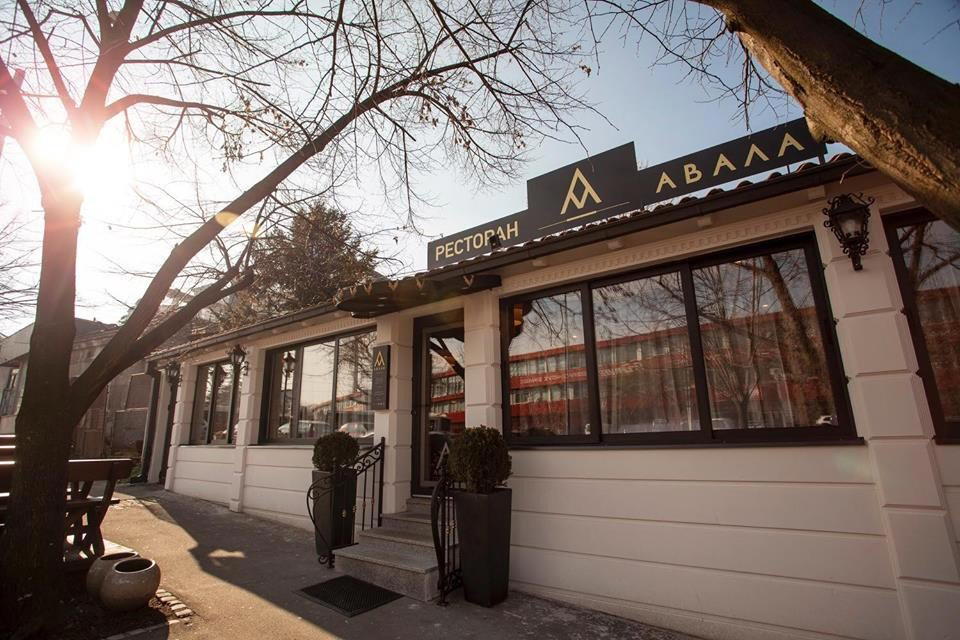
A Street Address in a City That Takes Its Ingredients Seriously
Belgrade's dining scene has a particular quality that separates it from most Central European capitals: its seriousness about provenance is not a recent marketing invention but a structural feature of how the city eats. Farmers' markets in Kalenić and Zeleni Venac have long supplied professional kitchens alongside household cooks, and the expectation that a restaurant can name where its lamb, its cheese, or its plum brandy originates runs deeper here than in cities where farm-to-table is a positioning statement. Avala, addressed at Ljutice Bogdana 24 in Belgrade, operates within that tradition.
The street itself sits in one of Belgrade's quieter residential pockets, away from the tourist-facing bustle of Skadarlija and the more conspicuous dining strips of Stari Grad. Arriving on foot, the surrounding neighbourhood reads as lived-in rather than curated, which in Belgrade tends to signal that a place is drawing a local constituency rather than a transient one. That geography matters: venues at this kind of address hold themselves accountable to a regular clientele with formed opinions about what Serbian cooking should taste like.
Sourcing as the Central Argument
The most instructive way to read Serbian restaurant cooking right now is through the lens of ingredients, because the gap between kitchens that source carefully and those that do not is wider than any stylistic difference. Serbia's agricultural geography is genuinely varied: the Vojvodina plain to the north produces grain, paprika, and river fish; the western and southern highlands supply lamb, game, and wild foraged produce; and the Morava corridor is known for stone fruits and dairy that have no functional equivalent in imported substitutes.
This is not a country where ambitious cooking requires flying in components from elsewhere. The argument for a kitchen that takes sourcing seriously in Belgrade is precisely that the domestic supply chain, when followed, produces ingredients with a specificity that generic European procurement cannot replicate. Ajvar made from properly roasted Leskovac peppers, kajmak from sheep's milk aged in wooden barrels, and pork from free-ranging Mangalica pigs are not artisanal curiosities here — they are the baseline from which Serbian culinary tradition judges itself. A restaurant on Ljutice Bogdana that understands this argues through its sourcing, not its décor.
For broader context on how Belgrade's better kitchens are handling these ingredient traditions, the EP Club Belgrade restaurants guide maps the full range of approaches across the city.
How Avala Sits in Belgrade's Competitive Range
Belgrade's restaurant spectrum in 2024 spans a pronounced range. At the leading, Langouste and The Square operate in the modernist and contemporary French registers at the higher price tiers, drawing on classical technique to frame Serbian and European ingredients. At the more accessible end, places like Ambar have built reputations on Balkan meze culture scaled for a broad audience. Bela Reka anchors the traditional end with a format rooted in the kind of Serbian country cooking that resists modernisation as a matter of principle.
Avala occupies a position within this range that the Ljutice Bogdana address itself helps define: residential, moderately priced by inference, and more likely to be turning over regulars than destination tourists. That is a specific operating position in a city where dining choices carry social meaning — choosing a neighbourhood place over a high-profile strip restaurant in Belgrade signals something about what kind of evening you are after.
Across Serbia more broadly, the comparison set extends beyond the capital. Fleur de Sel in Novi Slankamen and Borkovac in Ruma represent the kind of regional seriousness that increasingly sets the standard for sourcing-led cooking outside Belgrade. Ananda in Novi Sad shows how Vojvodina's agricultural wealth can anchor a kitchen with a different stylistic vocabulary. And for those mapping Serbian culinary identity across its full geographic spread, Etno Kuća Dinar in Vrsac, ETNO PODRUM BRKA in Nis, Etno Restoran Fijaker in Sombor, and Cafe Boem in Pirot each represent how regional traditions are maintained or adapted in their local contexts. The Danube fishing culture that shapes ČARDA ZLATNA KRUNA in Apatin is a useful reminder that Serbian ingredient sourcing has a river-to-table dimension just as significant as its land-based traditions.
The Belgrade Neighbourhood Dining Argument
There is a broader pattern worth noting across Belgrade's residential dining quarters. Venues operating away from the tourist-accessible centre have tended, over the past decade, to develop more durable reputations among local regulars than the more visible addresses on Knez Mihailova or along the waterfront developments. The trade-off is discoverability: you do not walk past them by accident. But the upside is a room calibrated to people who are there by choice, which usually produces a different atmosphere from venues relying on foot traffic.
Barrel House represents one variant of this pattern, a specialist concept with a local constituency. Avala on Ljutice Bogdana reads as another, shaped by its residential address and the expectations that come with it.
For reference points beyond Serbia entirely, the sourcing-led argument that defines the more compelling kitchens in Belgrade finds international parallels in venues like Lazy Bear in San Francisco, where provenance is the editorial frame for the menu, or at the ingredient-precision end of fine dining exemplified by Le Bernardin in New York City. The ambition is not the same scale, but the underlying logic, that where something comes from determines what it can become on the plate, connects them.
Planning Your Visit
Avala is located at Ljutice Bogdana 24 in Belgrade. Given the residential character of the address and the likelihood of a regular local clientele, contacting the venue directly to confirm current hours and reservation availability before visiting is advisable, as neighbourhood restaurants of this type in Belgrade frequently operate without published online booking systems. Walking or taking a taxi from central Belgrade districts such as Vračar or Stari Grad is the practical approach, with the address reachable in under fifteen minutes from most central starting points. For those building a broader Belgrade dining itinerary, the range of options at different price points and styles is covered in our full Belgrade restaurants guide, along with comparisons across the Serbian restaurant spectrum including Aleksandar Gold in Uzice and Burrito Madre Big Pančevo in Pancevo for a sense of how the country's dining register shifts outside the capital.
Frequently asked questions
Where do I go for Avala?
Avala is located at Ljutice Bogdana 24, Beograd 11000, Serbia, Belgrade.
Is Avala suitable for a dinner away from Belgrade's tourist centre?
Ljutice Bogdana 24 places Avala firmly in Belgrade's residential fabric, at a remove from the pedestrian-heavy routes around Knez Mihailova and Skadarlija. That geography is the point: Belgrade's residential dining quarters have produced some of the city's more consistent kitchens, operating for a clientele that returns weekly rather than once per visit. For travellers willing to take a short taxi or tram ride, that local dynamic is often a reliable indicator of quality over performance.
What do regulars order at Avala?
Regulars at comparable residential Belgrade addresses tend to return for ingredient-led daily specials rather than fixed signature dishes. Checking in advance — or asking on arrival — is the practical approach here.
Do I need a reservation for Avala?
Avala sits at Ljutice Bogdana 24, a residential address that points to a regular local clientele rather than walk-in tourist traffic. That pattern, common across Belgrade's non-central dining quarters, typically means tables fill early on weekday evenings and across Friday and Saturday. Booking ahead is the safer move; contact details are best sourced directly through Belgrade dining directories until Avala's own contact information is publicly listed.
What has Avala built its reputation on?
Avala's address in a residential quarter of Belgrade, away from the city's tourist-accessible centre, signals a kitchen that earns its following through repeat local custom rather than footfall. In Belgrade's 2024 dining range — where venues like Langouste and The Square anchor the modernist end — neighbourhood restaurants hold ground by consistency and sourcing credibility. Avala's standing appears to rest on exactly that kind of sustained local trust.
In Context: Similar Options
| Venue | Cuisine | Price | Awards | Notes |
|---|---|---|---|---|
| AvalaThis venue — the venue you are viewing | Traditional Serbian | $20–30 | Not listed | Not listed |
| Langouste | Modern Serbian Fine Dining with Seafood Focus | $50–100 | 1 Michelin Star · La Liste Top Restaurants | Modern Cuisine |
| The Square | Modern European Fine Dining | $50–100 | Michelin Plate · World's 50 Best #34 | Contemporary French, Modern Cuisine |
| Salon 1905 | Modern Serbian Fine Dining | Not listed | Michelin Plate · La Liste Top Restaurants | Modern Cuisine |
| Iva New Balkan Cuisine | New Balkan Cuisine | $20–30 | Michelin Bib Gourmand | Modern Cuisine |
| Istok | Vietnamese Fusion with Thai & Korean | $10–20 | Michelin Bib Gourmand | Vietnamese |
Continue exploring
More in Belgrade
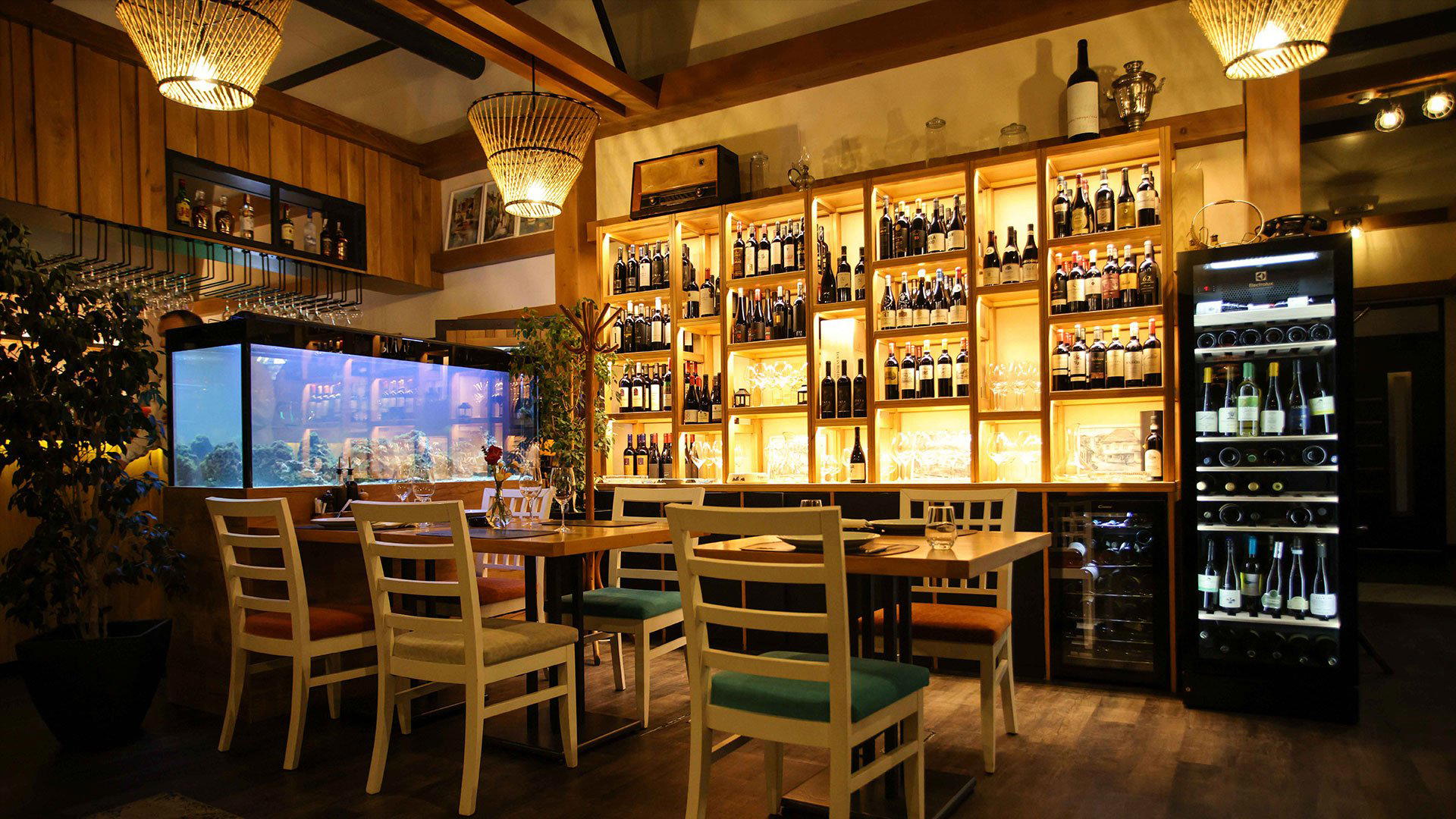
Restaurants in Belgrade
Browse all →
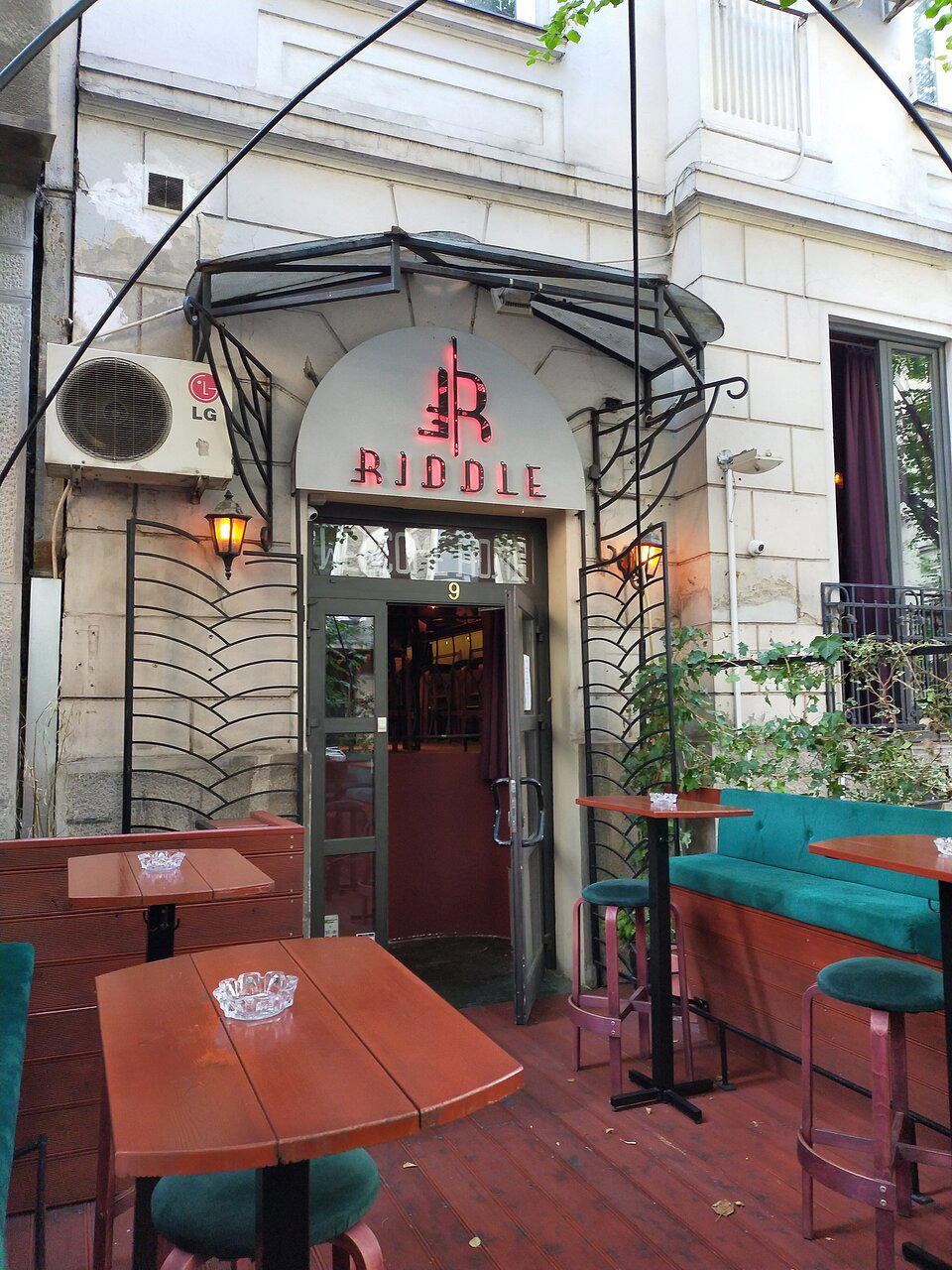
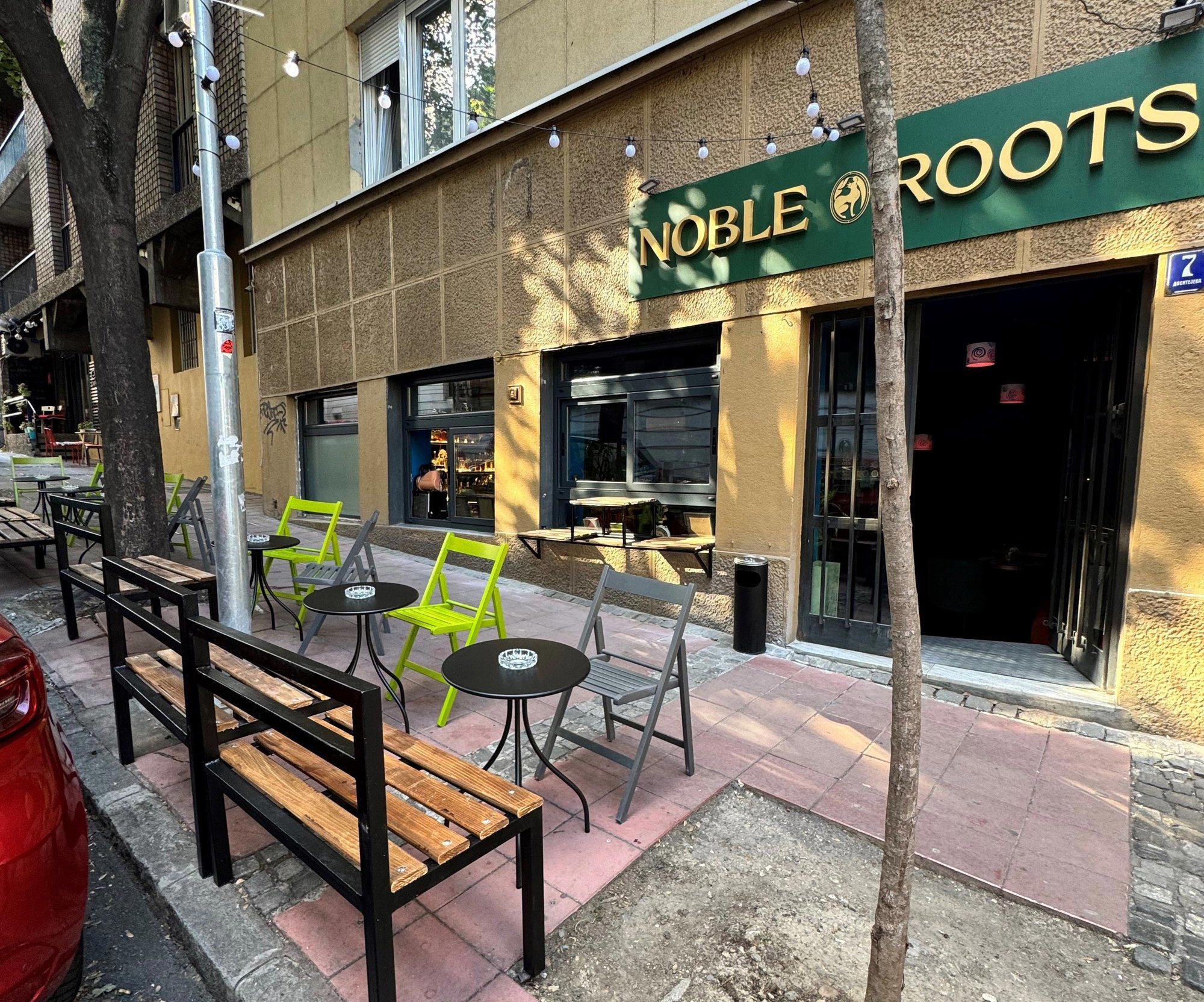
Bars in Belgrade
Browse all →
Hotels in Belgrade
Browse all →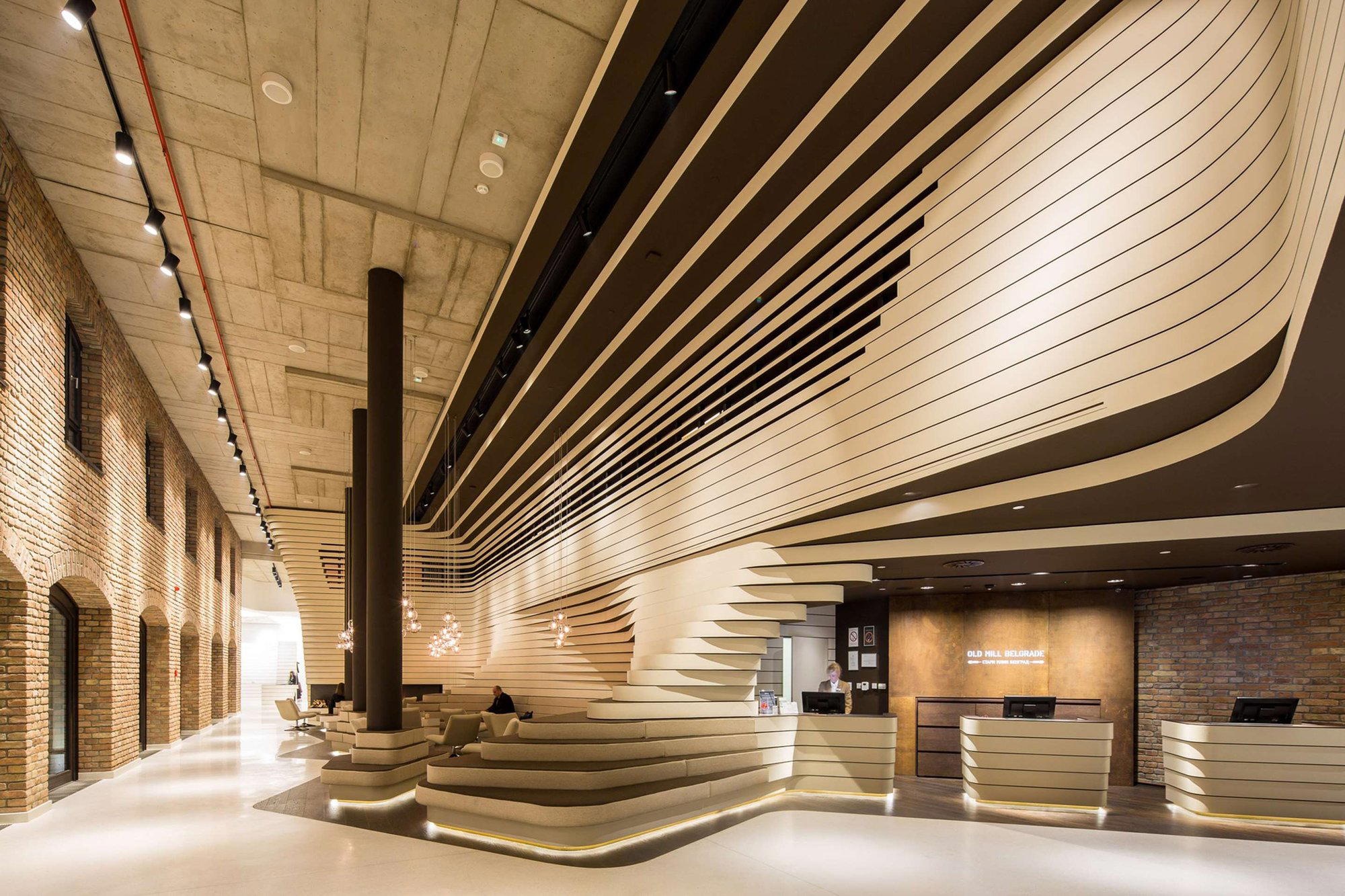

Details
- Classic
- Cozy
- Family
- Group Dining
- Casual Hangout
- Standalone
- A La Carte
Current opening hours
- Monday
- 9 AM–12 AM
- Tuesday
- 9 AM–12 AM
- Wednesday
- 9 AM–12 AM
- Thursday
- 9 AM–12 AM
- Friday
- 9 AM–12 AM
- Saturday
- 9 AM–12 AM
- Sunday
- 12–7 PM
Hours can change for holidays and private events. Last verified .
Warm and welcoming with a rustic yet elegant old-school tavern atmosphere.