On Zmaj Jovina, the pedestrian spine of Novi Sad's old town, Kafe Restoran Maša occupies the kind of central address that sustains a local following across decades. The kitchen draws from the Serbian pantry, a tradition built on seasonal produce, regional meats, and Pannonian-plain agriculture, and the setting reflects the kafana model that still defines mid-century dining culture in this part of Vojvodina.
Pearl is the En Primeur Club membership app — saves, bookings, and concierge access live there. Same editors, same standards.
- Address
- Zmaj Jovina 4, Novi Sad 21000, Serbia
- Phone
- +38121451241
- Website
- masha.rs
- Directions
- Get directions
 Saves & bookings on Pearl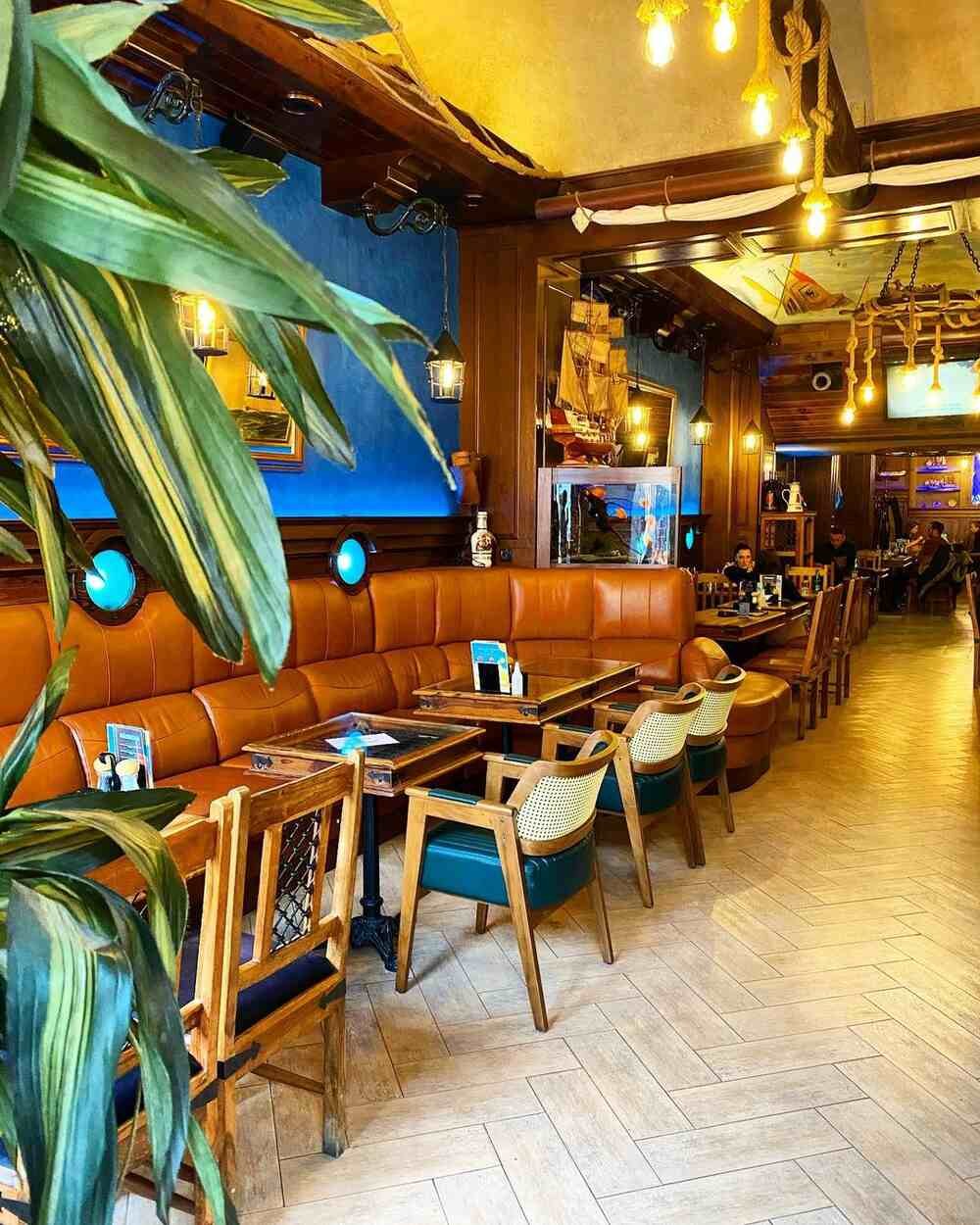
Zmaj Jovina and the Kafana Tradition
Novi Sad's pedestrian zone, Zmaj Jovina, functions as the social and commercial artery of the old town. Cafes, restaurants, and passersby compete for the same pavement from mid-morning to late evening, and the strip has long acted as a barometer for what the city eats, drinks, and spends. Kafe Restoran Maša sits at number 4 on that street.
The kafana format, part café, part restaurant, with a flexibility between coffee, spirits, and full meals that resists easy categorisation, has been the default social infrastructure of Serbian cities for well over a century. In Vojvodina specifically, the tradition absorbed Austro-Hungarian café culture alongside Ottoman coffee-house habits, producing a hybrid that is neither pure bistro nor pure tavern. Maša, as a kafe restoran, operates in that hybrid zone: a format that suits Novi Sad's middle register of dining, where the expectation is solid regional food in an unhurried setting rather than a choreographed tasting sequence.
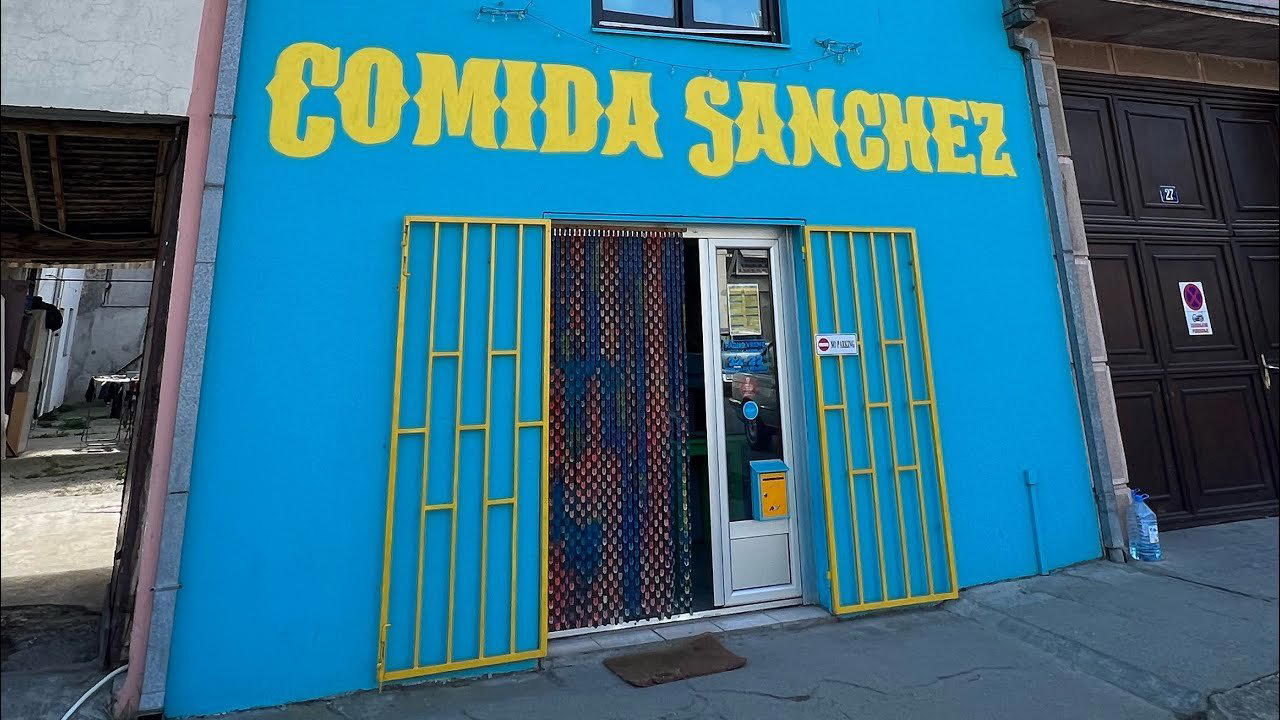
Novi Sad's dining scene spans several formats and price registers. CUBO and Ananda represent more contemporary, destination-dining positioning. Comida Sanchez and Caffe Pizzeria Big Blue occupy a casual, international-leaning register. The kafana-adjacent tier, where Serbian kitchen traditions and a broad, accessible menu coexist, is where Maša positions itself, alongside a handful of other addresses in the old town.
Sourcing in Vojvodina: The Agricultural Context
Serbian restaurant kitchens in Vojvodina benefit from an agricultural base that is among the more productive in the western Balkans. The Pannonian Plain, which stretches north of Novi Sad into Hungary, is flat, deep-soiled, and intensively farmed. Pork, poultry, freshwater fish from the Danube and Tisa rivers, paprika in multiple forms, corn, wheat, and dairy all come from short distances. For a kafe restoran with a regional menu, this translates into a sourcing geography that is fundamentally local by default rather than by branding: the supply chains were built before farm-to-table became a hospitality concept.
The dominant proteins in Vojvodinian cooking reflect that agricultural base. Grilled meats, ćevapi, pljeskavica, mixed grills, are standard anchors. Roasted or slow-cooked pork appears in multiple forms. Freshwater fish preparations, particularly carp and catfish, draw on the Danube fishing tradition that has shaped Vojvodinian cuisine for centuries. For a venue on Zmaj Jovina, the practical question is how faithfully a kitchen holds to those regional anchors versus drifting toward the internationalised menus that high-footfall tourist streets tend to push toward. Maša's positioning as a kafe restoran rather than a gastropub or modern bistro suggests a preference for the regional canon.
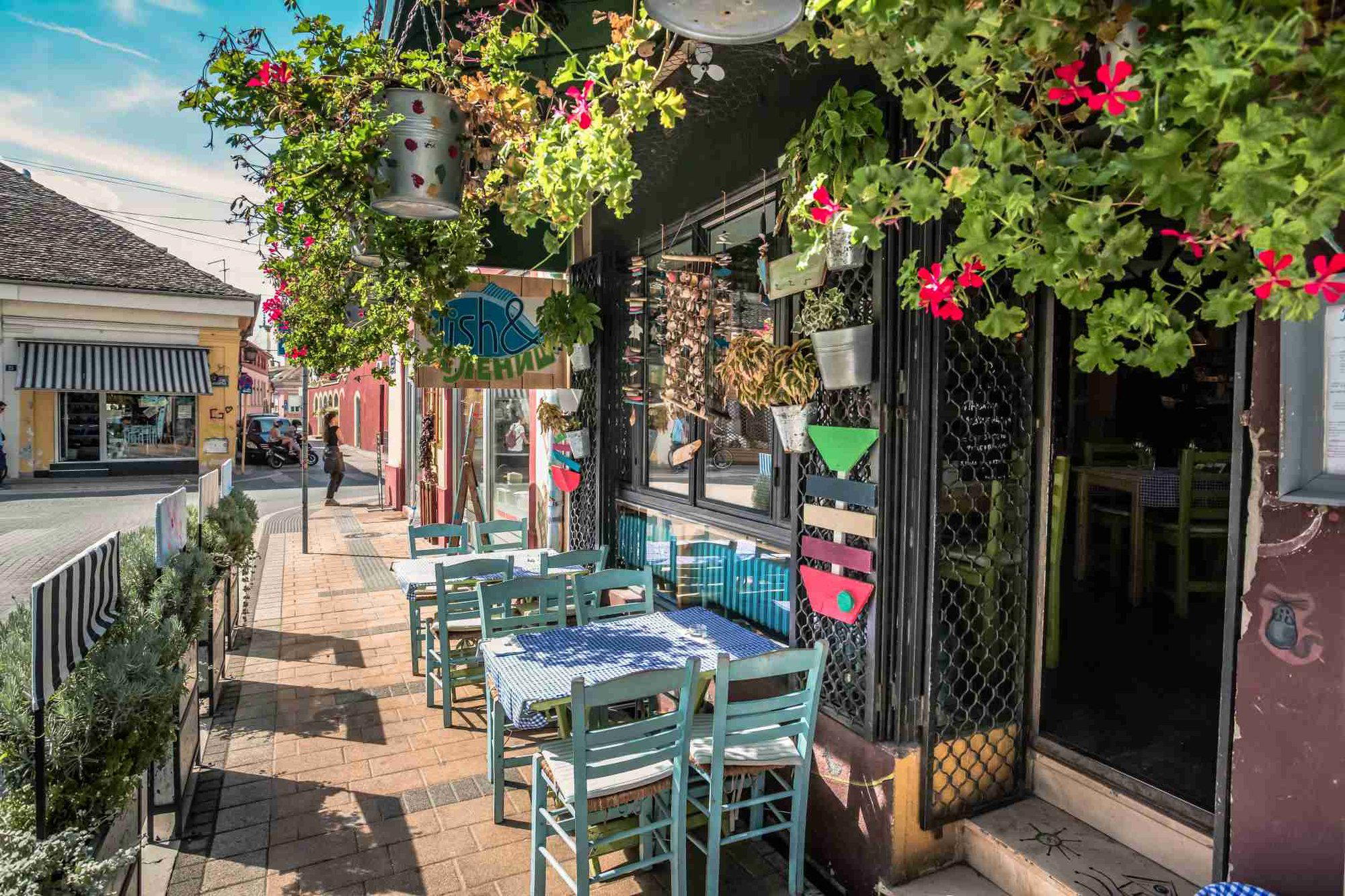
Across Serbia more broadly, the strongest regional tables tend to be those that resist substituting industrial supply chains for local ones as they scale. Restaurants like Kod Brana in Cacak and Lovački dom in Valjevo illustrate how regional sourcing, when maintained consistently, produces a kitchen vocabulary that distinguishes a venue from its generic competitors. The same principle applies along the Danube, where ČARDA ZLATNA KRUNA in Apatin and FISH&ZELENIŠ build identity around freshwater fish that comes directly from the river system.
The Zmaj Jovina Dynamic: Timing and Context
Dining on Zmaj Jovina requires some awareness of the street's rhythm. Lunch service, particularly on weekdays, draws office workers and locals on fixed schedules; the crowd is faster, more functional, and more price-conscious. Evening service shifts toward leisure, and the composition changes to include more couples, groups, and visitors staying in the old town. Weekend afternoons compress both dynamics simultaneously. For a kafe restoran with a broad menu, the ability to serve across those different demand patterns is partly what defines the format's durability on a street like this.
Visitors arriving from Belgrade's more pressured restaurant scene, where Langouste in Belgrade represents the high end of French-influenced fine dining, will find Novi Sad's central strip operating at a lower temperature, with less urgency around reservations at the kafana-adjacent tier. That said, prime outdoor seating on Zmaj Jovina during summer evenings fills quickly, and walk-in availability at street-level terraces should not be assumed on weekends. Reaching out ahead of an evening visit, particularly for larger groups, is advisable even if formal booking infrastructure is not prominently published.
For a wider picture of what Novi Sad's dining scene offers across formats and price points, the city's options can be compared across formats and price points. Across Serbia, Etno Kuća Dinar in Vrsac and Windmill in Pancevo offer comparable regional-kitchen positioning outside Novi Sad, while KAFANA DUKAT in Pirot, Kod poštara in Aran Elovac, and Aleksandar Gold in Uzice illustrate how the kafana model functions across different Serbian cities and terrains. At the mountain end of the spectrum, Grand **** in Kopaonik demonstrates how resort-scale hospitality adapts the same regional kitchen traditions for a different traveller profile.
For those calibrating Novi Sad against international reference points, the comparison is less about format equivalency and more about the underlying philosophy: that a city's most reliable tables are often those anchored to their agricultural surroundings rather than chasing cosmopolitan menus. Le Bernardin in New York City and Atomix in New York City operate from exactly that conviction, albeit at a different scale and price register.
The address at Zmaj Jovina 4 is easy to reach on foot from either the bus station or the old town's central square. Parking in the pedestrian zone is restricted, and one practical approach for visitors staying outside the centre is to arrive on foot or by taxi from a nearby drop-off point on a parallel street.
How It Stacks Up
Comparable venues nearby, for context on price, style, and recognition.
| Venue | Cuisine | Price | Notes |
|---|---|---|---|
| Kafe Restoran MašaThis venue — the venue you are viewing | International Fusion with House-Made Desserts | $$ | Not listed |
| Pivnica Gusan | Traditional Serbian Beer Pub | $$ | City Center |
| Kuća Mala | Pizza & European | $$ | city center |
| Код Брке | Serbian Pub Restaurant | $$ | Telep |
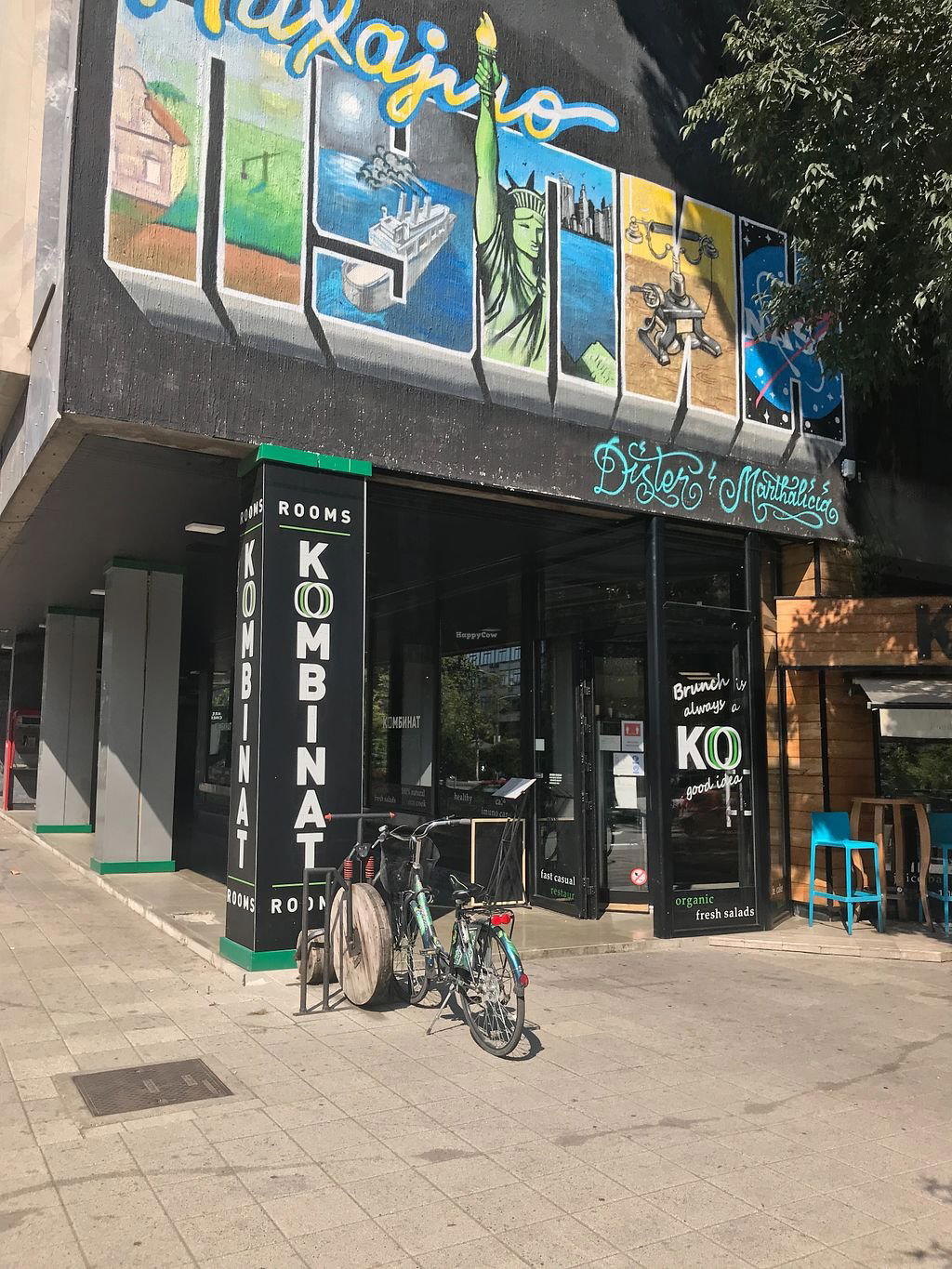
| Kombinat | European Cafe Fusion | $$ | City Center |
| SOKAČE | Traditional Serbian Grill | $$ | City Centre (Pap Pavla Street) |
At a Glance
- Cozy
- Classic
- Casual Hangout
- Family
- Brunch
Current opening hours
- Monday
- 8 AM–11 PM
- Tuesday
- 8 AM–11 PM
- Wednesday
- 8 AM–11 PM
- Thursday
- 8 AM–11 PM
- Friday
- 8 AM–1 AM
- Saturday
- 8 AM–1 AM
- Sunday
- 9 AM–11 PM
Hours can change for holidays and private events. Last verified .
Pleasant and relaxed atmosphere reminiscent of a medieval ship, cozy setting.