On Bulevar oslobodilaca, Čačak's main arterial boulevard, Kod Brana occupies a spot that reflects how central Serbian towns anchor their dining culture around familiar, unfussy spaces rather than destination-driven novelty. The venue fits a local tradition of ingredient-forward cooking where the sourcing story matters as much as the preparation. It warrants a place in any considered tour of the Moravica region's restaurant scene.
Pearl is the En Primeur Club membership app — saves, bookings, and concierge access live there. Same editors, same standards.
- Address
- V8JF+M6, Bulevar oslobodilaca, Čačak 32000, Serbia
- Phone
- +38132340195
- Directions
- Get directions
 Saves & bookings on Pearl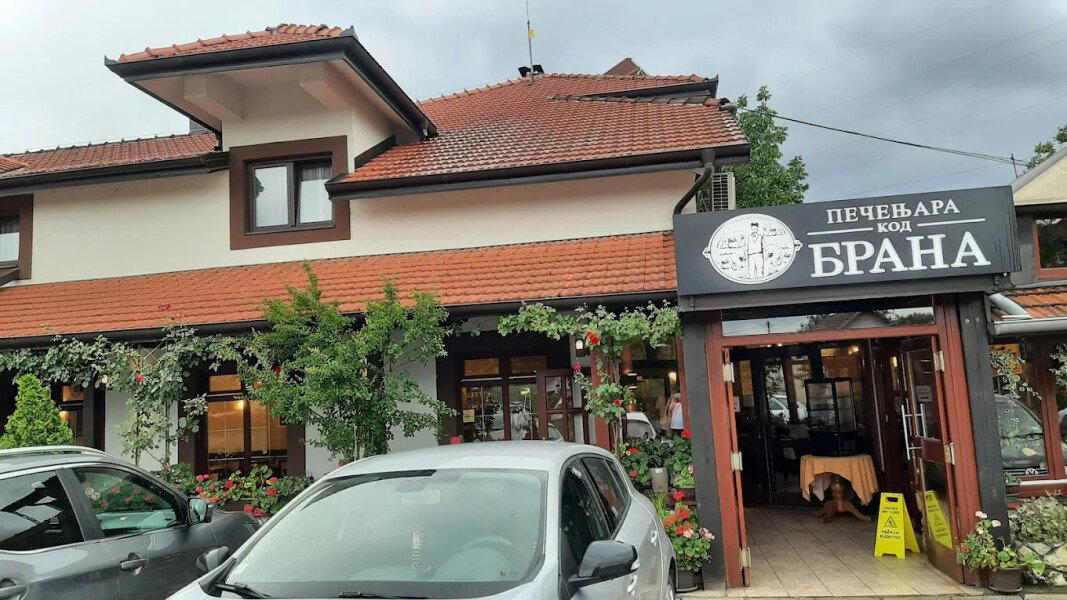
Where Čačak Eats: The Boulevard Tradition
Serbian provincial dining has always operated on different terms than Belgrade's restaurant circuit. In cities like Čačak, the trusted local address on a main boulevard carries more social weight than a Michelin listing or a press-driven opening. Kod Brana sits on Bulevar oslobodilaca, the artery that organises much of Čačak's civic and commercial life, and that address is itself a signal. In a town of this scale, a restaurant that endures on the main boulevard does so because locals return, not because tourists pass through.
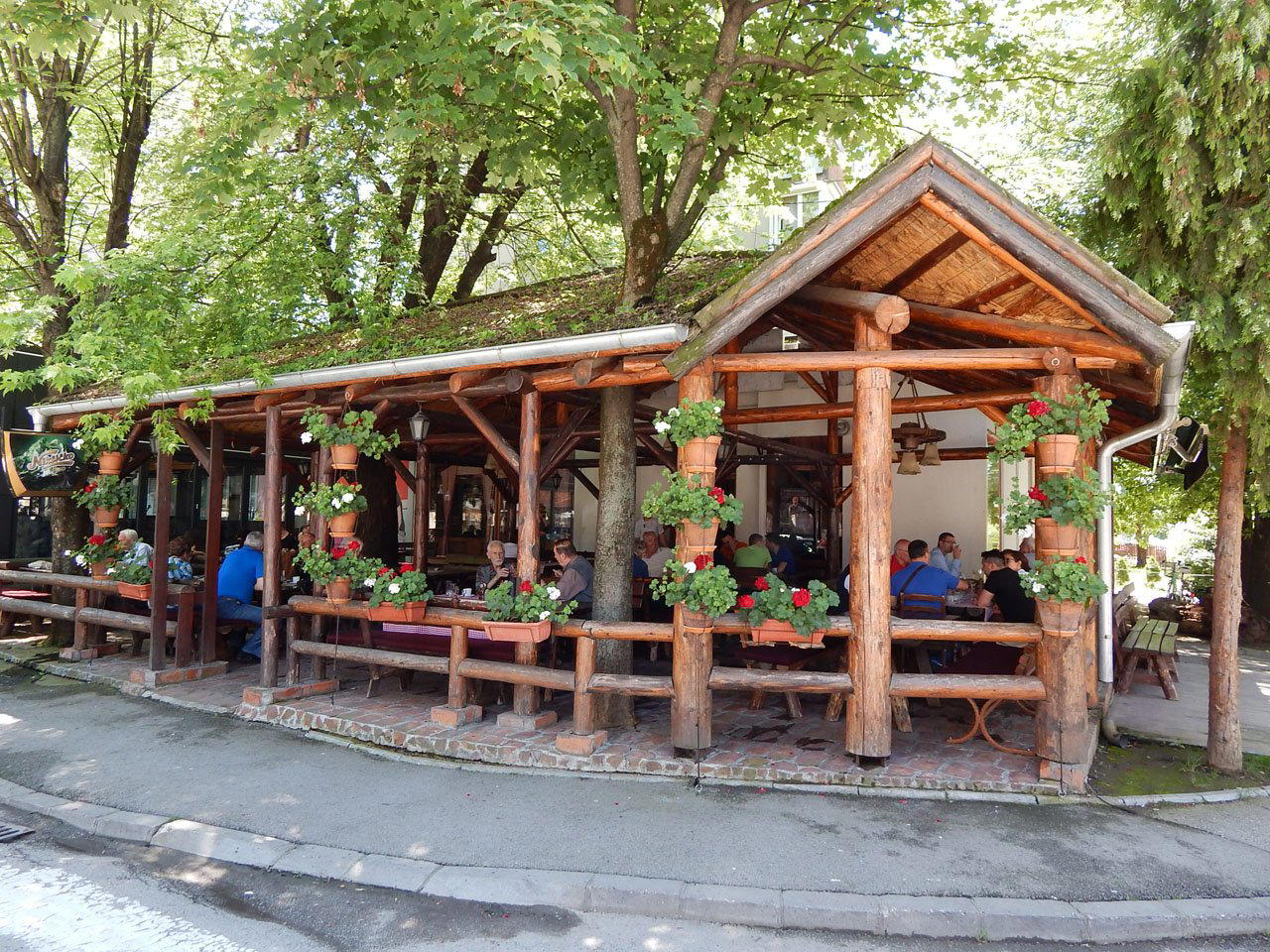
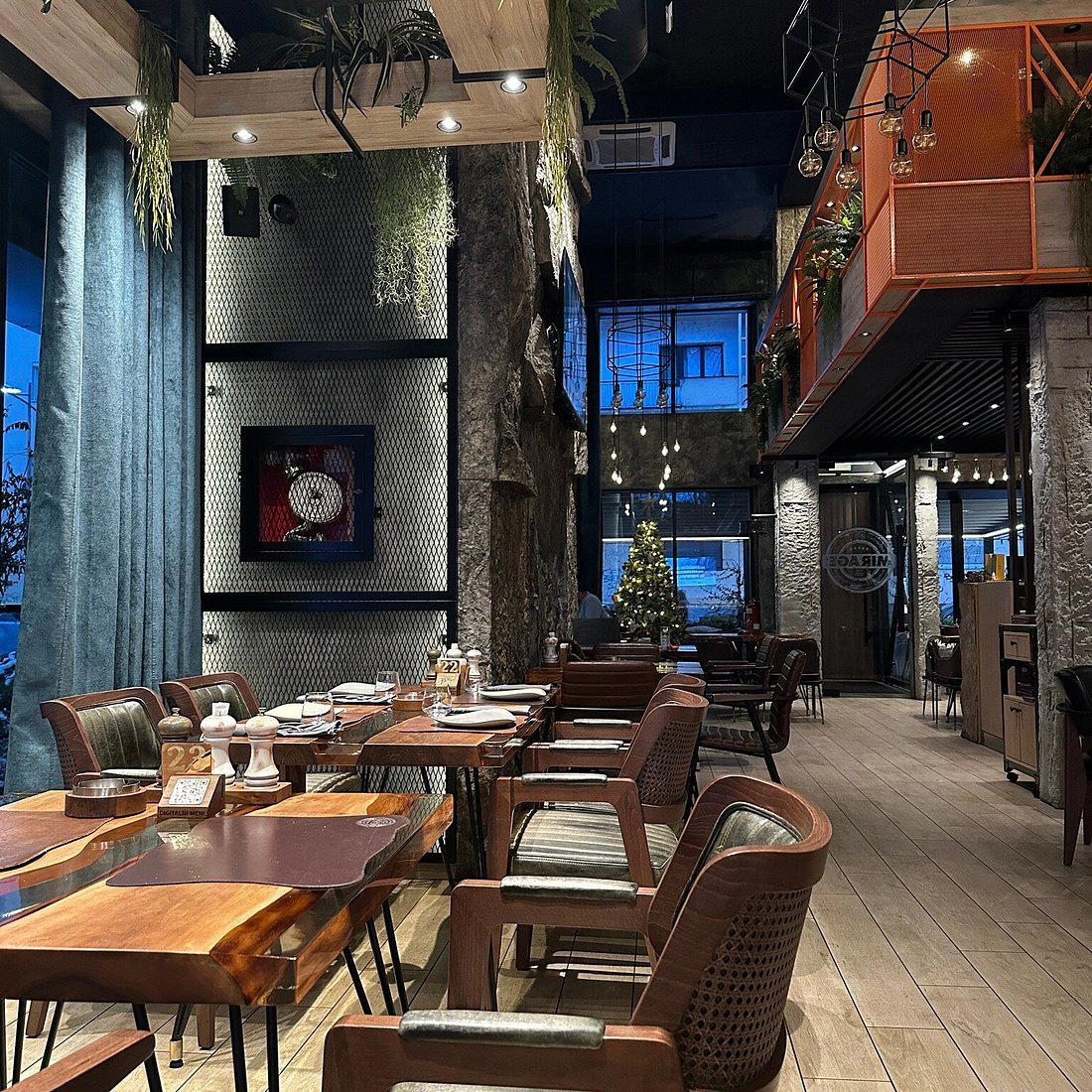
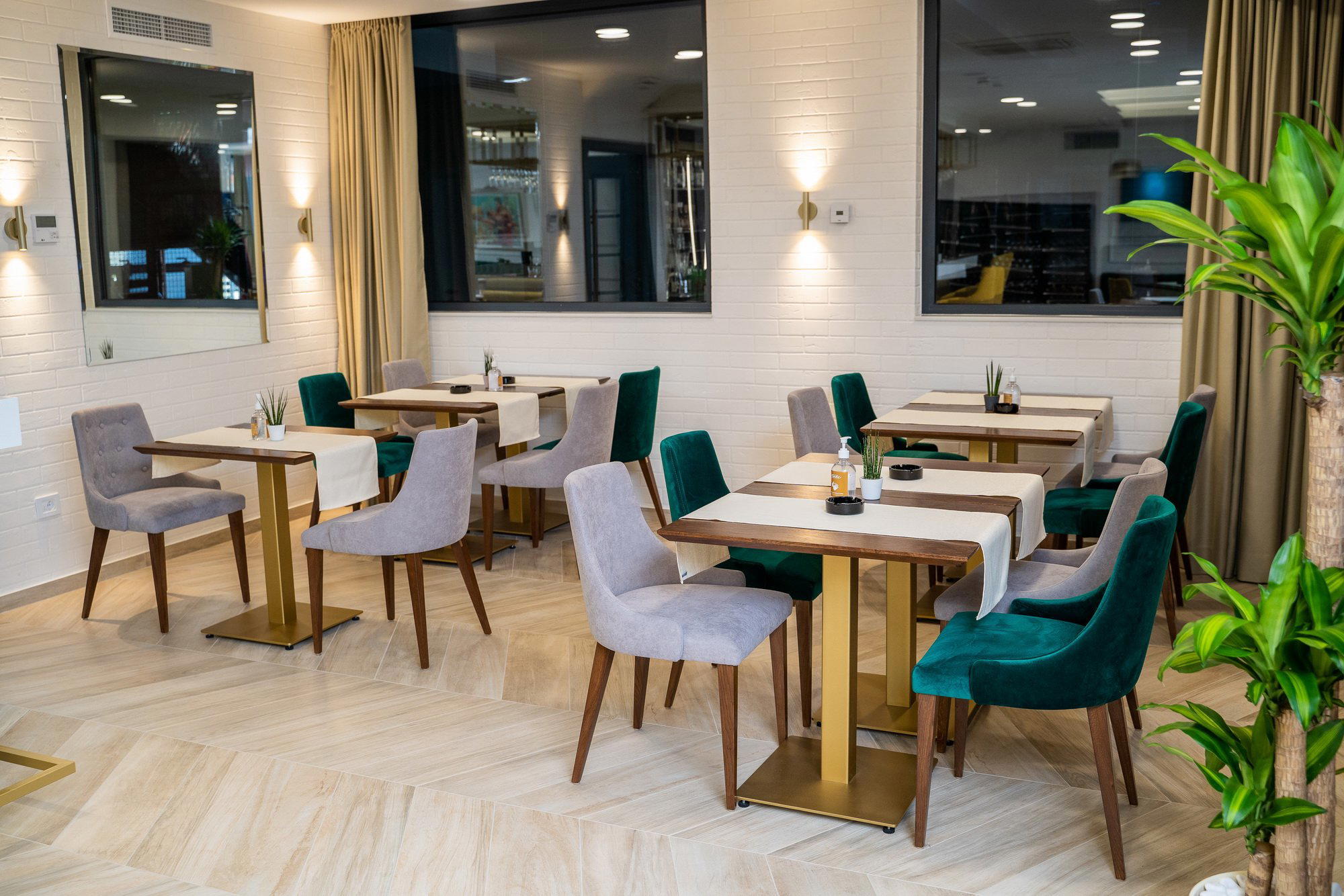
The physical approach along the boulevard sets a tone that is characteristic of Moravica region dining: functional, direct, without the decorative staging that urban restaurant openings now treat as mandatory. What you are likely to find inside reflects a broader pattern across central Serbian restaurants, spaces that prioritise the table and what arrives on it over the designed atmosphere around it. In many Serbian towns, that restraint is precisely what preserves cooking traditions that busier, more self-conscious venues tend to soften for outside audiences.
Ingredient Provenance in Central Serbia
The Moravica district, which surrounds Čačak, sits within one of Serbia's most productive agricultural zones. The Velika Morava river valley and the hills above it supply vegetables, dairy, and livestock to a restaurant culture that has historically built menus from what the surrounding land produces rather than what import chains can deliver. For venues like Kod Brana, this geography is the default framework. Central Serbian cooking at its most direct is a reflection of seasonal availability and local animal husbandry rather than a curated concept.
This matters because it separates the dining tradition here from Belgrade's increasingly cosmopolitan restaurant scene. At Langouste in Belgrade or Atomix in New York City, sourcing is articulated as a deliberate editorial position. In Čačak's boulevard restaurants, the same sourcing logic applies but operates as inherited practice rather than stated philosophy. The lamb, pork, and beef that appear on local menus typically travel shorter distances than anything served in the capital, and the dairy and fresh produce reflect a regional seasonality that city restaurants now pay premium prices to simulate.
For a broader map of how Serbia's provincial restaurant culture handles provenance and tradition differently from its urban tier, see venues like Lovački dom in Valjevo or Kafana Studenac in Bajina Basta, both of which sit within the same regional cooking framework.
Kod Brana in Čačak's Dining Tier
Čačak's restaurant scene splits broadly into a small cluster of more formal addresses, a larger group of kafanas and traditional restaurants on and around the boulevard, and a scattering of newer café-bar hybrids that cater to younger demographics. The restaurant belongs to the middle tier of that structure, the kind of address that functions as a neighbourhood anchor rather than an occasion restaurant.
Within that tier, the comparison set locally includes Gostionica Mladost, which operates in a similar traditional format, Gallery caffe and restaurant, which occupies a somewhat more contemporary niche, and Kod Nemca, another local address with roots in the same boulevard-adjacent dining culture. These venues are not competing for the same awards recognition that drives differentiation at Belgrade's upper tier. They compete on regularity, consistency, and the quality of what comes from the kitchen on a given Tuesday rather than on a special-occasion Saturday.
That competitive framing is worth understanding before visiting. Applying the expectations of Le Bernardin in New York or a Kopaonik resort dining room like Grand in Kopaonik to a Čačak boulevard restaurant produces a category error. The correct comparison is with venues like KAFANA DUKAT in Pirot or Etno Kuća Dinar in Vrsac, provincial Serbian addresses where the measure of quality is how faithfully the kitchen handles the regional repertoire, not how far it departs from it.
The Regional Repertoire: What to Expect
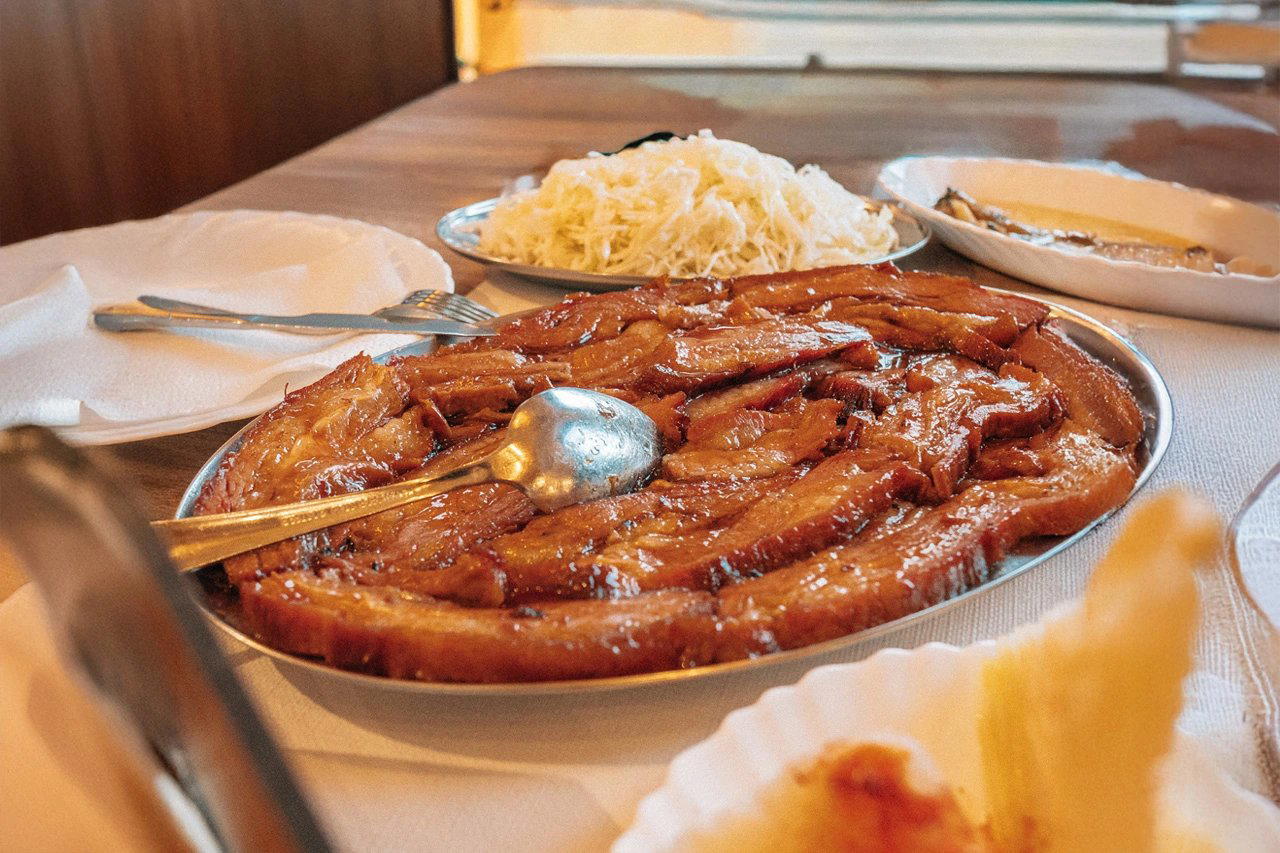
Central Serbian cooking centres on roasted and grilled meats, slow-cooked preparations like musaka and paprikaš, and bread-forward traditions that treat the table as a communal surface rather than a composed setting. Dairy appears in baked dishes and as a standalone first course in the form of kajmak, the clotted cream product that functions as a condiment across much of Serbia's interior. Grilled meats, ćevapi, pljeskavica, vešalica, arrive from the grill rather than the oven in most settings, and the quality of those preparations is often determined by the sourcing of the meat itself.
In the Moravica region, pork from locally raised animals and lamb from the surrounding hills represent one direct expression of that sourcing advantage. Venues that take this seriously serve grilled preparations that read differently from city equivalents, where the meat travels further and the turnover pressure is higher. Serbian provincial kitchens at their most confident work with fewer dishes and better primary ingredients, which is a different skill set from the urban approach.
For comparison of how this tradition translates across different Serbian regions, Kafana Pećinar Ljubiš in Cajetina, ČARDA ZLATNA KRUNA in Apatin, and Windmill in Pancevo each represent the same tradition adapted to different local geographies and produce sets.
Planning a Visit
Čačak sits approximately 140 kilometres south of Belgrade on the E763 motorway, making it accessible as either a day excursion or an overnight stop on a journey toward Zlatibor or Tara. The boulevard address means the restaurant is direct to locate on foot from the town centre. As with most Serbian provincial restaurants in this tier, contact details and current hours are best confirmed through local listings or Google Maps searches at the time of travel, since operational hours in this category can vary by season and day of week. Reservations are not typically required for lunch at venues of this type, though weekend evening services in smaller Serbian cities can fill quickly with local regulars.
Visitors traveling through the region and seeking similar addresses in neighbouring towns will find relevant options at Aleksandar Gold in Uzice, Kafe Restoran Maša in Novi Sad, and Kod poštara in Aran Đelovac.
How It Stacks Up
Comparable venues nearby, for context on price, style, and recognition.
| Venue | Cuisine | Price | Notes |
|---|---|---|---|
| Kod BranaThis venue — the venue you are viewing | Traditional Serbian Grill & Roast House | $ | Not listed |
| Gostionica Mladost | Traditional Serbian Tavern | $$ | Čačak |
| Kod Nemca | Traditional Serbian Kafana | $$ | Parmenac |
| Gallery caffe & restaurant | Serbian Traditional with Pizza and International Options | $$ | Central Cacak |
| Šadrvan | Kod Jonuza | Novi Pazar Ćevapi Grill | $ | city center |
| Vrelo | Traditional Serbian | $$ | Perucac |
Continue exploring
More in Cacak
Restaurants in Cacak
Browse all →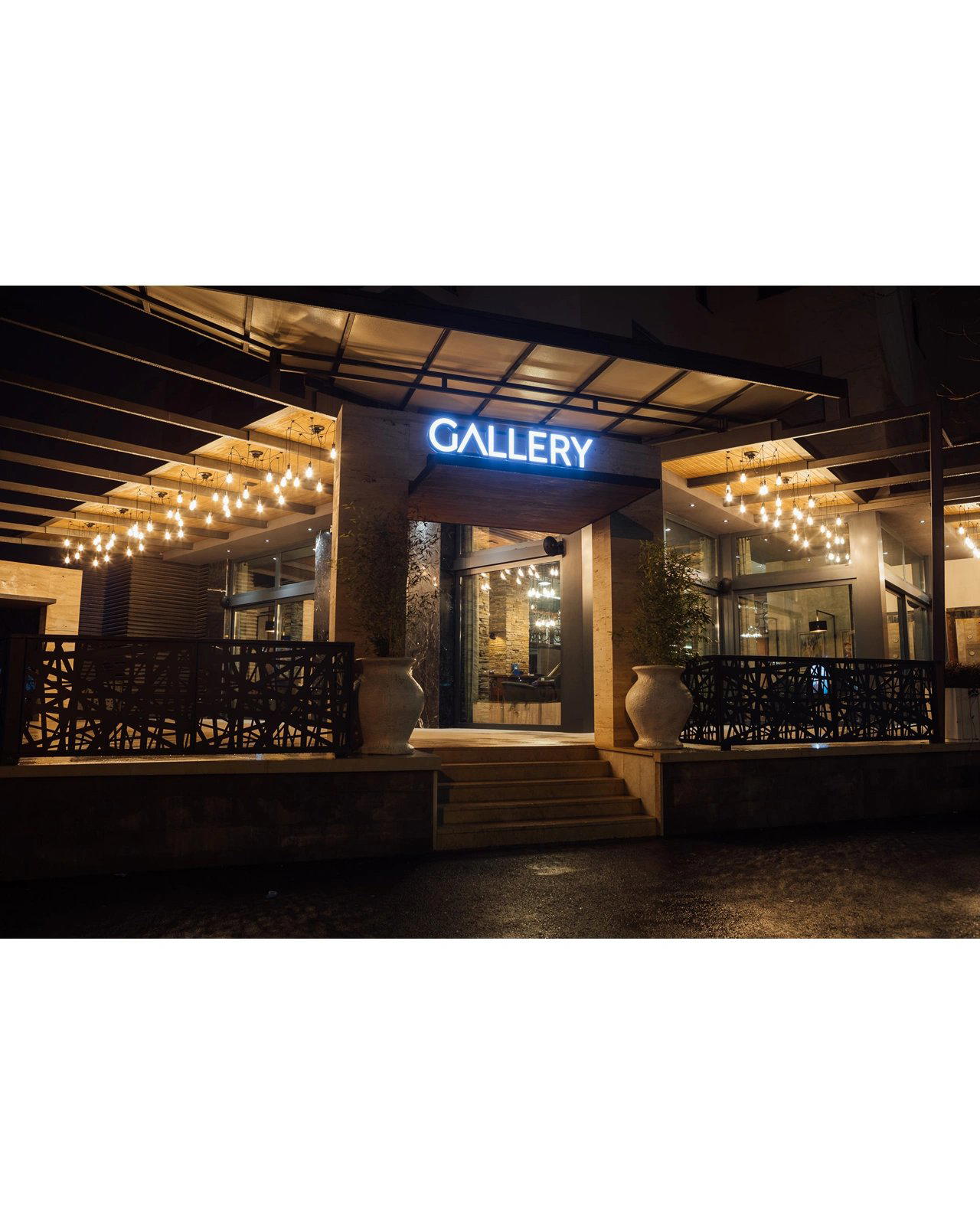

At a Glance
- Rustic
- Cozy
- Family
- Group Dining
- Casual Hangout
- Terrace
- Local Sourcing
Current opening hours
- Monday
- 7 AM–10 PM
- Tuesday
- 7 AM–10 PM
- Wednesday
- 7 AM–10 PM
- Thursday
- 7 AM–10 PM
- Friday
- 7 AM–10 PM
- Saturday
- 7 AM–10 PM
- Sunday
- 7 AM–10 PM
Hours can change for holidays and private events. Last verified .
Pleasant and welcoming atmosphere suitable for enjoying hearty local meals.