Our verdict
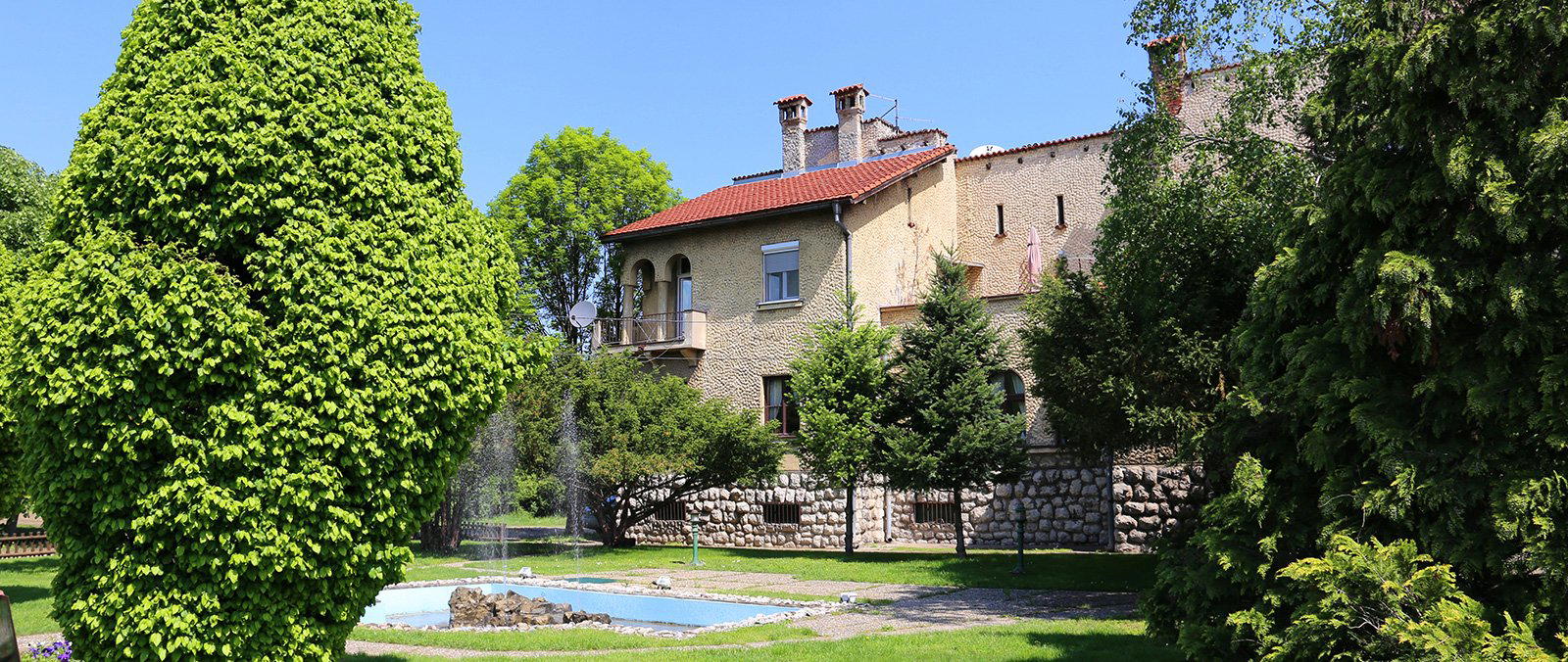
Klub Košutnjak serves Serbian game meat for dinner in an upscale casual setting with garden views and a leisurely, conversational pace; game sausages, deer ramsteak, and venison medallions anchor the menu.

Pearl is the En Primeur Club membership app, where members save venues, book tables and use the concierge.
The menu
What to order
- Game sausages
- Deer ramsteak
- Venison medallions
Where the Forest Starts and the Kitchen Gets Serious
The road into Košutnjak forest on Belgrade's southwestern edge follows a different logic than the city centre. The grid of Savamala's repurposed warehouses and Skadarlija's tourist-facing kafanas gives way to dense tree cover, sports facilities, and a quieter residential rhythm. This is where Belgradians go when they want to eat without performing. Klub Košutnjak, at Pere Velimirovića 1, sits inside that context: a dining address that the forest has effectively screened from casual foot traffic, meaning its reputation is sustained almost entirely by word of mouth among locals who know the area.
In Serbian dining, location and ingredient sourcing have always been intertwined. The further a restaurant sits from the city's commercial centre, the more likely it is to maintain direct relationships with farms, hunters, and producers who supply the regional larder rather than wholesale distributors servicing the high-volume restaurant strip. Košutnjak's position on the forested fringe of the city signals something about how its kitchen is likely to operate, even before you see a menu.
The Ingredient Logic of Belgrade's Forest Edge
Serbian cuisine at its most coherent is a cuisine of proximity: game from forests close enough to name, pork from small-scale farms in the Šumadija heartland, freshwater fish pulled from the Danube and Sava tributaries rather than farmed elsewhere and freighted in. The kafana tradition, which has shaped Belgrade's restaurant culture for over two centuries, was built on this kind of supply chain before the term existed. Venues on the city's outer ring, particularly those adjacent to the Košutnjak and Topčider parks, have historically maintained that relationship with nearby producers because their clientele expects it and their setting demands it.
Across Serbia, this pattern appears consistently. At Kod Brana in Cacak and Lovački dom in Valjevo, the sourcing argument is made through the menu's emphasis on region-specific preparation: slow-roasted meats, foraged accompaniments, and a lack of imported protein that would dilute the local register. The same logic applies at Etno Kuća Dinar in Vrsac, where the Banat region's agricultural output defines what the kitchen does. Klub Košutnjak operates within this broader national tradition, where the forest setting is not aesthetic decoration but a functional signal about where the ingredients originate.
Belgrade's Restaurant Tiers and Where This Fits
Belgrade's dining scene in 2024 spans a wider range than most visitors expect. At the upper end, Langouste operates at the €€€€ tier with a modern cuisine approach that draws on European technique. The Square occupies the €€ bracket with contemporary French and modern cuisine framing. Ambar and Avala serve as reference points for the city's Balkan-focused mid-range, while Barrel House demonstrates the city's growing appetite for format-driven casual dining.
Klub Košutnjak does not fit neatly into the modernist bracket that venues like Langouste or The Square occupy. Its identity is more firmly rooted in the older restaurant culture of the Košutnjak district, where generous portions, seasonal availability, and an unpretentious room are the operating assumptions rather than aspirations. That positioning puts it in a different competitive set from the city-centre fine-dining tier and closer to the neighbourhood institution category, where regulars arrive with specific dishes in mind rather than browsing a chef's tasting sequence.
The Sourcing Argument Made Concrete
Across the wider Serbian restaurant circuit, the venues that maintain the strongest ingredient credentials share a few structural features: physical distance from the city centre (which reduces the temptation to substitute with whatever the nearest wholesaler has), a clientele that skews local and repeat (which creates accountability for consistency), and a menu that shifts with availability rather than locking into year-round signatures. Windmill in Pancevo and Čarda Zlatna Kruna in Apatin both demonstrate this pattern through menus anchored to Danube fish and locally raised poultry. The credibility of the sourcing claim at any Serbian venue in this category comes not from a written provenance statement but from whether the kitchen actually changes what it serves when the season shifts.
For visitors accustomed to urban European dining at restaurants like Le Bernardin in New York City or Atomix in New York City, where ingredient provenance is itemised on the menu and treated as a selling point in itself, the Serbian approach can feel almost evasive. The provenance is assumed, rarely announced, and expressed through the specificity of preparation rather than descriptive copy. That restraint is itself a cultural signal worth registering.
Planning a Visit
Košutnjak is accessible from central Belgrade by car or taxi in under twenty minutes from most of the city's main accommodation districts, though the forested roads require a driver who knows the area or a navigation app set to the specific street address at Pere Velimirovića 1. Serbian dining hours run late by northern European standards: lunch service often extends past 3pm and dinner rarely starts in earnest before 8pm.
For context on the broader Belgrade dining scene before arriving, our full Belgrade restaurants guide maps the city's neighbourhoods and price tiers in detail. Visitors spending time outside the capital will find comparable regional-sourcing credentials at Kafe Restoran Maša in Novi Sad, Kafana Dukat in Pirot, Kod poštara in Aran Elovac, Aleksandar Gold in Uzice, and Grand in Kopaonik.
Frequently asked questions
Where do I go for Klub Košutnjak?
Klub Košutnjak is located at Pere Velimirovića 1, Beograd 180719, Serbia, Belgrade.
How does Klub Košutnjak compare to other Belgrade restaurants serving traditional Serbian food?
Klub Košutnjak's address at the border of Košutnjak forest gives it a sourcing geography that most city-centre Serbian restaurants cannot replicate, with game and regional produce from named, proximate origins rather than general supply chains. Belgrade's dining scene in 2024 includes modern-leaning venues such as Langouste at the upper price tier, but Klub Košutnjak operates in a distinct register focused on Serbian culinary tradition rather than contemporary reinterpretation. That makes it the more relevant choice for visitors specifically seeking regional Serbian cooking in a forest setting outside the central grid.
What's the signature dish at Klub Košutnjak?
Serbian cuisine at this level of sourcing specificity typically rotates around seasonal availability, so the menu shifts accordingly. Contacting the venue directly at Pere Velimirovića 1, Belgrade, is the most reliable way to confirm current offerings.
How far ahead should I plan for Klub Košutnjak?
Booking lead times are not formally published, but restaurants in Belgrade's forest-edge district attract a loyal local following, particularly on weekends and during warmer months when Košutnjak draws visitors from across the city. Reserving several days to a week in advance is a reasonable baseline for dinner. For larger groups or specific dates, contacting the venue at its listed address on Pere Velimirovića is advisable.
What is Klub Košutnjak known for?
Klub Košutnjak is known for its position at the edge of Košutnjak forest on Belgrade's southwestern side, where the kitchen draws on Serbian regional produce, including game from nearby forest zones and pork from Šumadija farms. That physical proximity to source material shapes the menu's logic more than any single dish. Among Belgrade diners, it occupies a different tier than city-centre addresses like Langouste, offering a more grounded, terrain-specific approach to Serbian cooking.
Is Klub Košutnjak allergy-friendly?
No formal allergy policy is documented for Klub Košutnjak. Serbian cuisine of this regional character relies heavily on pork, game, and dairy, which are structural to most traditional preparations rather than incidental additions. Anyone with specific dietary requirements should communicate those directly with the venue ahead of arrival, as kitchens in this category typically accommodate requests on a case-by-case basis.
At-a-Glance Comparison
Comparable venues nearby, for context on price, style, and recognition.
| Venue | Cuisine | Price | Notes |
|---|---|---|---|
| Klub KošutnjakThis venue (the venue you are viewing) | Serbian Game Meat | $20–30 | Not listed |
| Dušanovački Cvet | Traditional Serbian | $10–20 | Dušanovac |
| Petar at Tikas | Modern Serbian Cuisine | $20–30 | Palilula |
| Sinđelić | Traditional Serbian | $10–20 | Voždovac |
| Bistro Tri | Modern Serbian Bistro | $20–30 | Vračar |
| Znak pitanja (?) | Traditional Serbian Kafana | $20–30 | Stari Grad |
Continue exploring
More in Belgrade
Restaurants in Belgrade
All restaurants in Belgrade →
Bars in Belgrade
All bars in Belgrade →

Details
- Elegant
- Cozy
- Scenic
- Business Dinner
- Special Occasion
- Family
- Garden
- Garden
- A La Carte
Current opening hours
- Monday
- Closed
- Tuesday
- 12–10 PM
- Wednesday
- 12–10 PM
- Thursday
- 12–10 PM
- Friday
- 12–10 PM
- Saturday
- 12–10 PM
- Sunday
- 12–10 PM
Hours can change for holidays and private events. Hours as of .
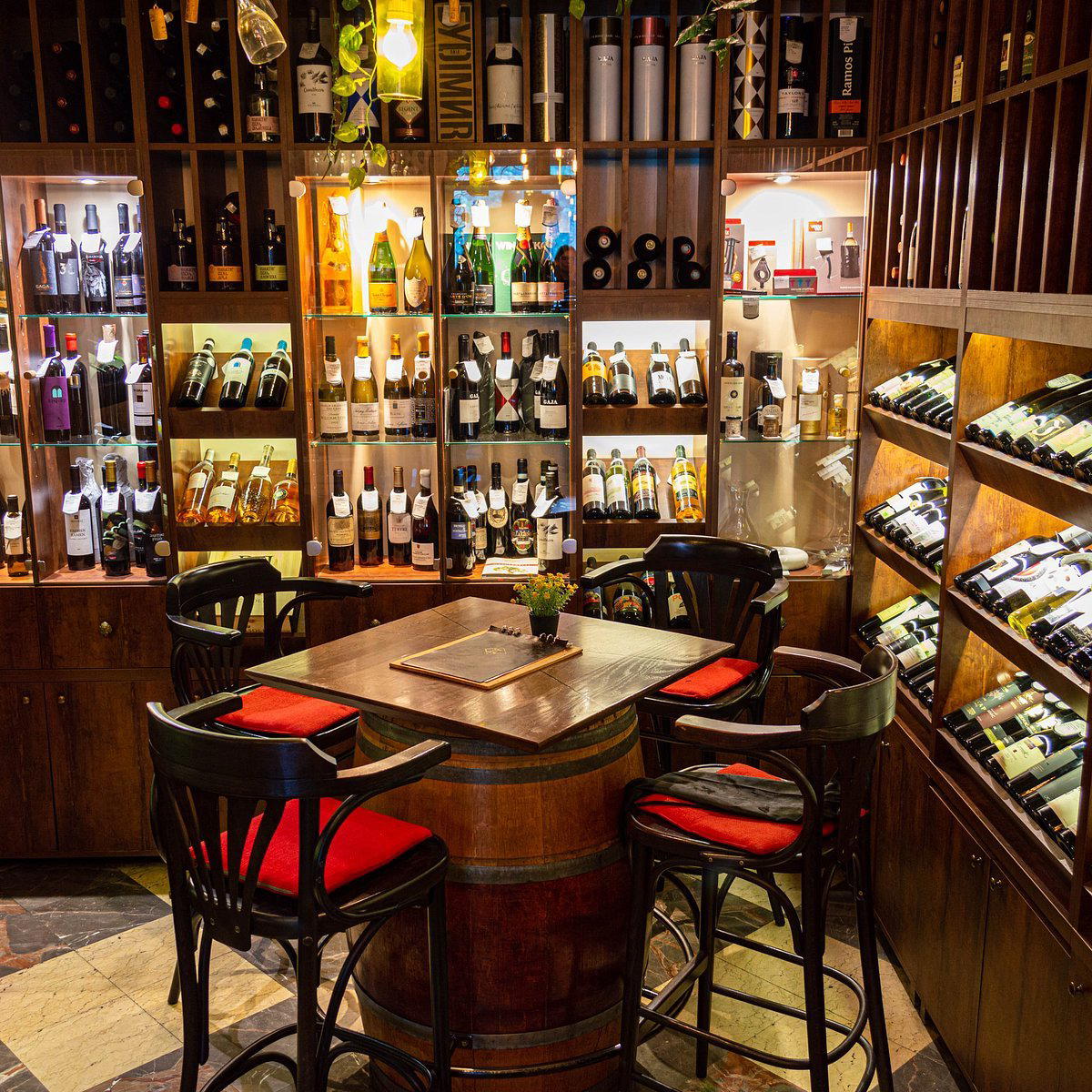
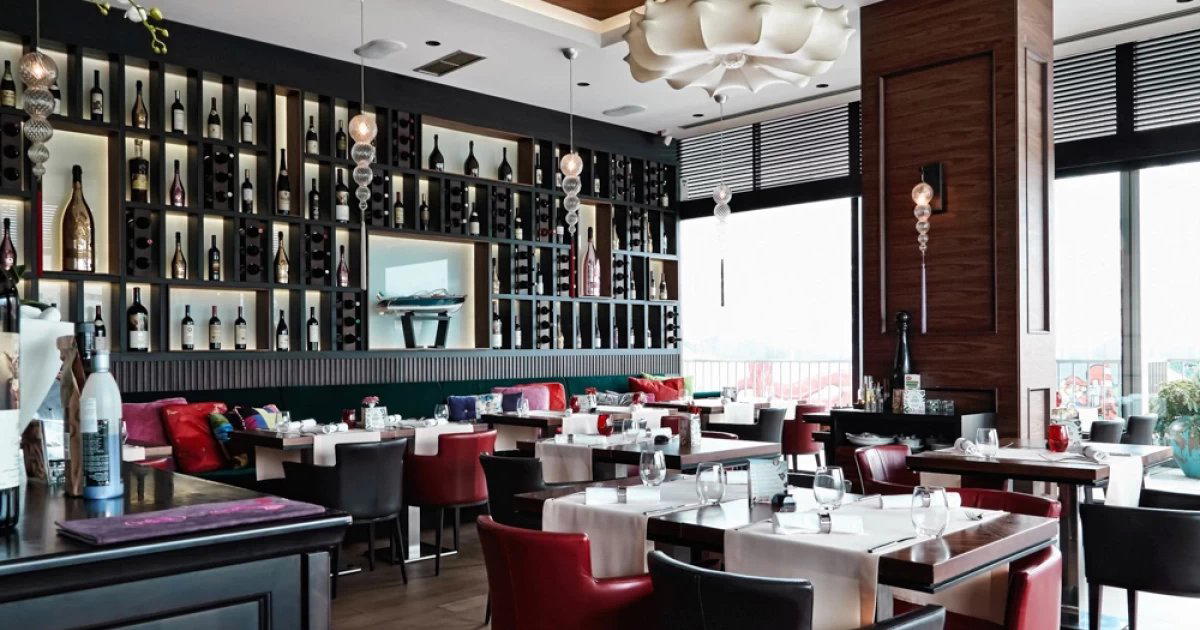
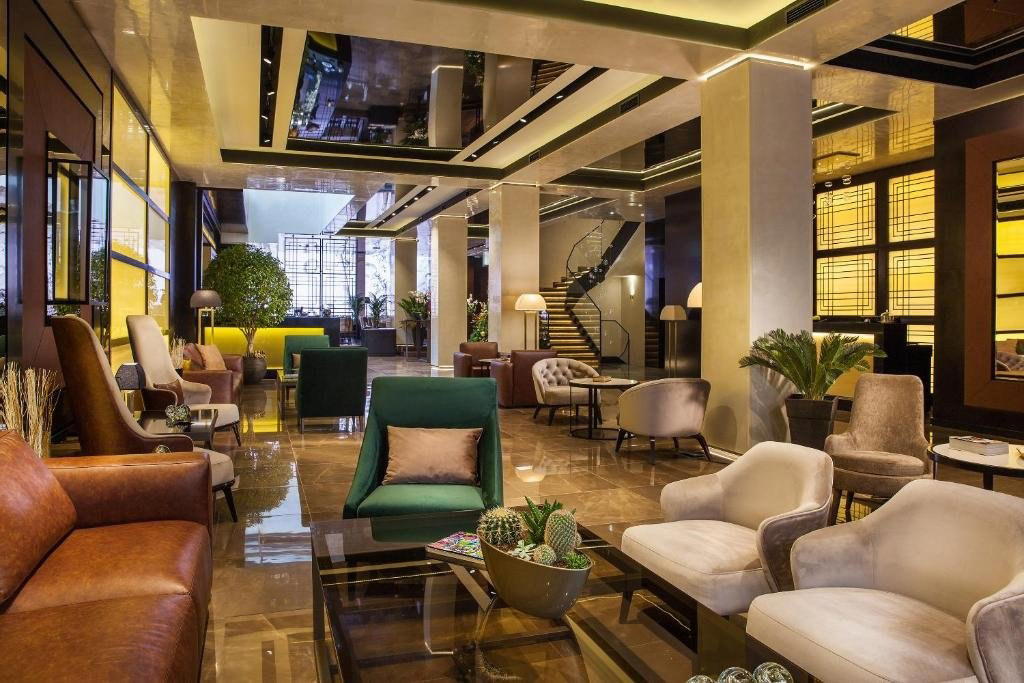
Beautiful and elegant atmosphere in a forest setting, classy and sophisticated with natural beauty surroundings.