Our verdict
The kitchen leans on game, foraged produce, and locally sourced ingredients in a format that reads as a direct extension of the surrounding land.

Pearl is the En Primeur Club membership app — saves, bookings, and concierge access live there. Same editors, same standards.
- Address
- Majora Ilića bb, Valjevo 14000, Serbia
- Phone
- +381607217201
- Hours
- Mon–Thu 8 AM–11 PMFri–Sun 8 AM–12 AM
- Website
- restoranlovackidom.co.rs
- Directions
- Get directions
- Booking
- Book on the venue's website
The menu
What to order
- Game meat specialties
- Wild boar medallions
Where the Forest Meets the Table
The approach to Lovački dom sets expectations before you reach the door. It signals a kitchen genuinely organised around what the surrounding land produces, a distinction that separates this category of restaurant from the kafana tradition centred on urban Valjevo. Restaurants that sit on this edge, physically and conceptually, have access to a supply chain that urban venues rarely replicate. It developed around seasonal extraction: game taken in autumn and winter, wild garlic and nettles gathered in spring, mushrooms dried or pickled for winter use, freshwater fish from rivers like the Gradac and the Kolubara. The cooking methods that resulted, slow braising, open-fire roasting, curing, and preservation, are direct responses to those sourcing realities, not stylistic choices imposed later.
This matters for how you read a menu at a place like Lovački dom. Dishes built on roasted or braised venison, wild boar, or pheasant are not novelties here. They are the logical output of a kitchen operating within a specific ecological and cultural supply chain. The distinction is harder to see from the outside but becomes clear in the texture and weight of the cooking. For comparison, the kafana tradition represented by venues like Kafana Kod Laze and Kod Bore in Valjevo centres on pork-heavy roštilj and slow-cooked tavče-style dishes. Lovački dom's hunting-lodge format pulls in a different direction, toward game and forage rather than domestic livestock, and toward a seasonal rhythm imposed by the hunt rather than the abattoir. The region between the Drina river valley and the Šumadija plateau supports a cluster of restaurants and kafane built around the lovački dom model, places where proximity to hunting grounds and forested hills creates a direct farm-to-table logic long before that phrase appeared in urban food writing. Kafana Pećinar Ljubiš in Cajetina and Kafana Studenac in Bajina Basta occupy adjacent territory in this regional pattern, each drawing on the highland foraging and game traditions of the Tara and Zlatibor ranges to the south. ZDRAVLJAK in Valjevo represents a related but distinct strand, oriented more toward wellness and local produce than strict hunting-lodge protocol.enprimeurclub. The hunting-lodge format is, in its own way, as codified as a French auberge or a Tyrolean Jagdhütte: a defined set of sourcing conventions, preparation methods, and social rituals that give the category coherence across geography.
Ordering Well and Arriving Prepared
Given the sourcing model, the strongest orders at Lovački dom are those that align most directly with the season and the surrounding terrain. Game dishes, whether slow-cooked wild boar or roasted venison, represent the kitchen's clearest expression of what the hunting-lodge format can do. Freshwater fish from the Kolubara catchment, when available, offers a secondary register: lighter, suited to the warmer months when the game season has closed. Vegetable and forage elements, wild mushrooms, preserved peppers, ajvar, pickled vegetables, function as supporting structure rather than central dishes, following the seasonal logic of the highland kitchen. The hunting-lodge setting implies that bookings or advance contact are sensible, particularly for weekend evenings in autumn when the game season is active and the format draws its local audience most reliably. Phone and web details were not available at time of writing; arriving in person to enquire or using local accommodation for a recommendation is a practical approach.
Valjevo's wider dining options reward a longer visit. Beyond Lovački dom, our full Valjevo restaurants guide covers the range from central kafane to riverside dining.enprimeurclub.com/restaurants/kod-brana-cacak-restaurant">Kod Brana in Cacak to the south and Aleksandar Gold in Uzice further southwest extend the regional picture. Those crossing into Vojvodina might also consider Etno Kuća Dinar in Vrsac for the Banat's ethno-traditional format.enprimeurclub.com/restaurants/kafana-dukat-pirot-restaurant">KAFANA DUKAT in Pirot in the southeast, Windmill in Pancevo near Belgrade, Kafe Restoran Maša in Novi Sad, Grand **** in Kopaonik, and Le Bernardin in New York City, where ingredient origin is the organising principle of the menu, or Atomix in New York City, where seasonal discipline shapes every course. The scale and context differ enormously, but the underlying logic, that sourcing decisions are culinary decisions, connects them.
Frequently asked questions
What's Lovački dom's location?
Lovački dom is located at Majora Ilića bb, Valjevo 14000, Serbia, Valjevo.
Is Lovački dom in Valjevo suitable for visitors unfamiliar with Serbian game cuisine?
The hunting lodge format in western Serbia is one of the more accessible entry points into Serbian highland cooking, since the dishes tend to be anchored in roasted and slow-cooked preparations rather than technically demanding techniques. Lovački dom at Majora Ilića bb, Valjevo sits within a tradition where the cooking method does the interpretive work, meaning the food communicates its origins without requiring prior knowledge of regional cuisine.
What's the best thing to order at Lovački dom?
Order according to season and terrain. Lovački dom sits on the wooded periphery of Valjevo, which means game dishes sourced from the surrounding highland forests are the most coherent expression of what this kitchen does. Dishes tied directly to local hunting traditions will outperform anything that pulls away from that sourcing logic.
How far ahead should I plan for Lovački dom?
Booking details are not publicly listed for Lovački dom at Majora Ilića bb, so contacting the venue directly before your trip to Valjevo is the practical approach. Hunting lodge restaurants in western Serbia often operate on seasonal rhythms, so timing your visit to align with game season improves both availability and menu depth.
What has Lovački dom built its reputation on?
Lovački dom draws on the lovački dom tradition — a format of hunting lodge hospitality common to the highland regions between the Drina river valley and the Šumadija plateau — rather than on individual chef celebrity or urban dining trends. In Valjevo, that means a kitchen shaped by what the surrounding forests and local hunters supply, a sourcing model that predates modern farm-to-table framing by generations.
Quick Comparison
Comparable venues nearby, for context on price, style, and recognition.
| Venue | Cuisine | Price | Notes |
|---|---|---|---|
| Lovački domThis venue — the venue you are viewing | Traditional European Game Meat | $20–30 | Not listed |
| Kod Bore | Traditional Serbian BBQ | $10–20 | Valjevo |
| ZDRAVLJAK | Italian-Serbian Fusion | $10–20 | Valjevo |
| Kafana Kod Laze | Serbian Kafana | Not listed | Dolici |
| KALEMEGDANSKA TERASA | Modern European Fine Dining | $50–100 | Stari Grad |
| Korpa Deli Bistro | Modern European Bistro & Steakhouse | Not listed | Not listed |
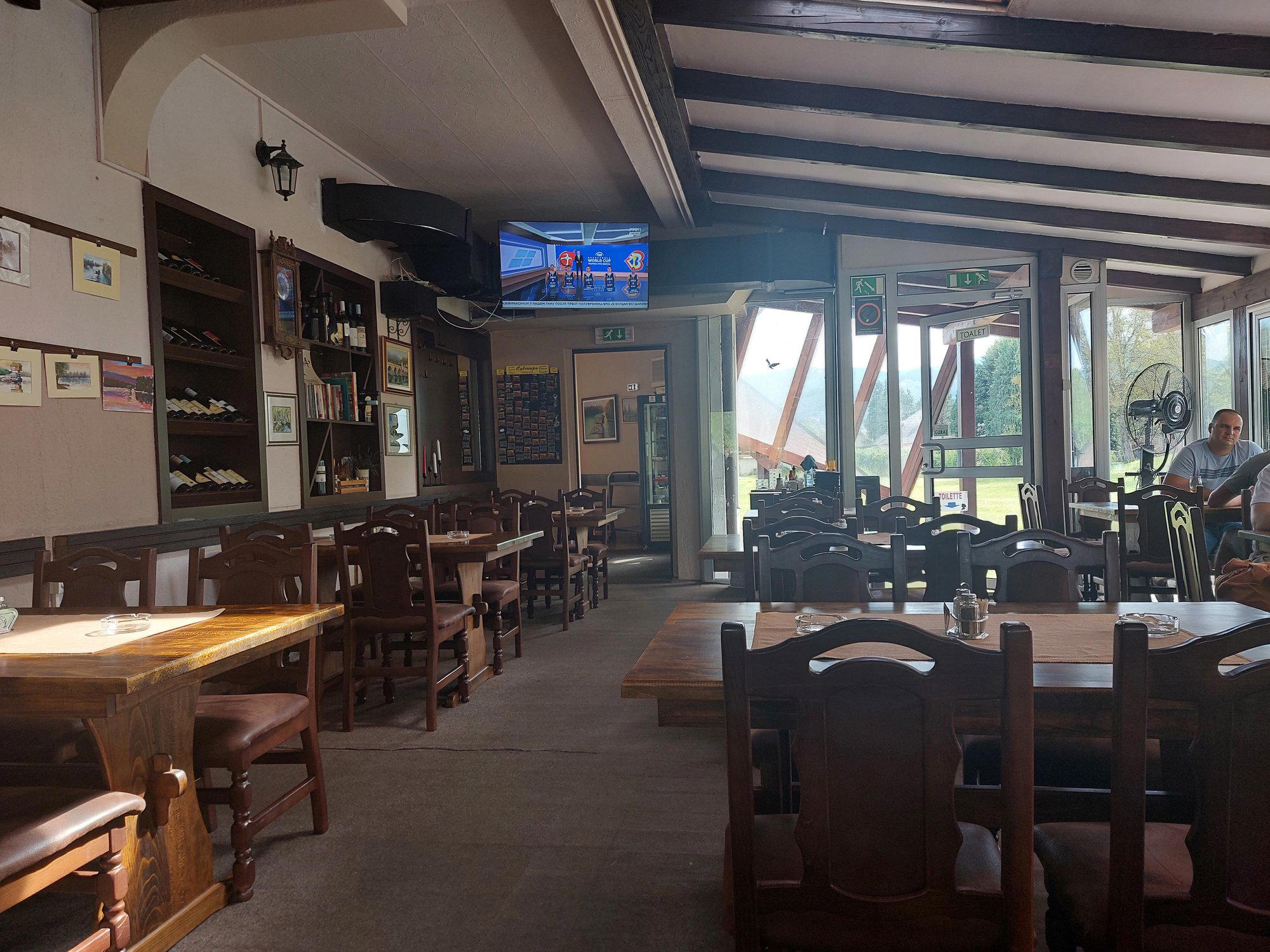

Details
- Rustic
- Scenic
- Cozy
- Family
- Casual Hangout
- Garden
- Terrace
- A La Carte
- Vegetarian Friendly
Current opening hours
- Monday
- 8 AM–11 PM
- Tuesday
- 8 AM–11 PM
- Wednesday
- 8 AM–11 PM
- Thursday
- 8 AM–11 PM
- Friday
- 8 AM–12 AM
- Saturday
- 8 AM–12 AM
- Sunday
- 8 AM–12 AM
Hours can change for holidays and private events. Last verified .
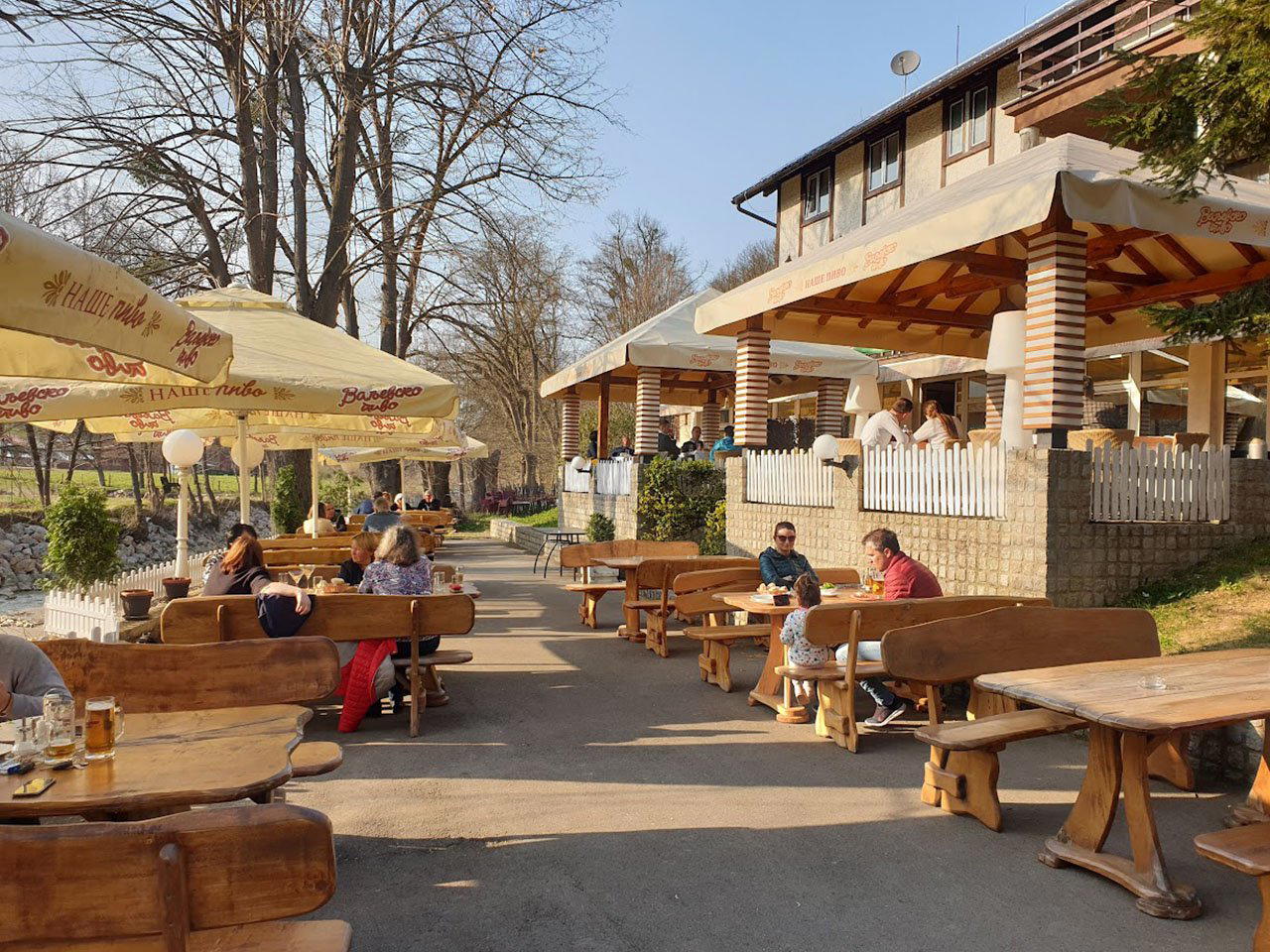
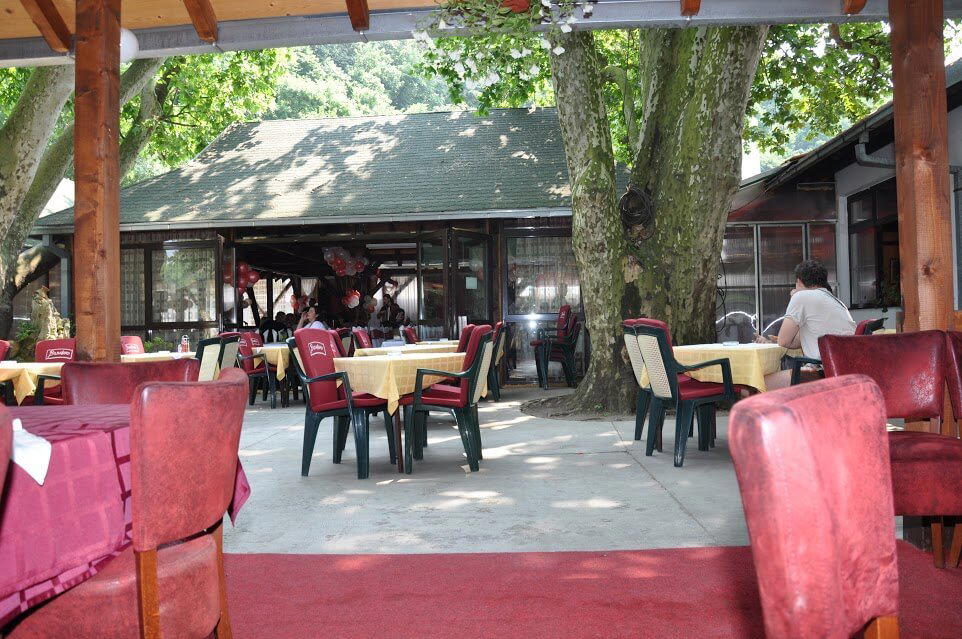
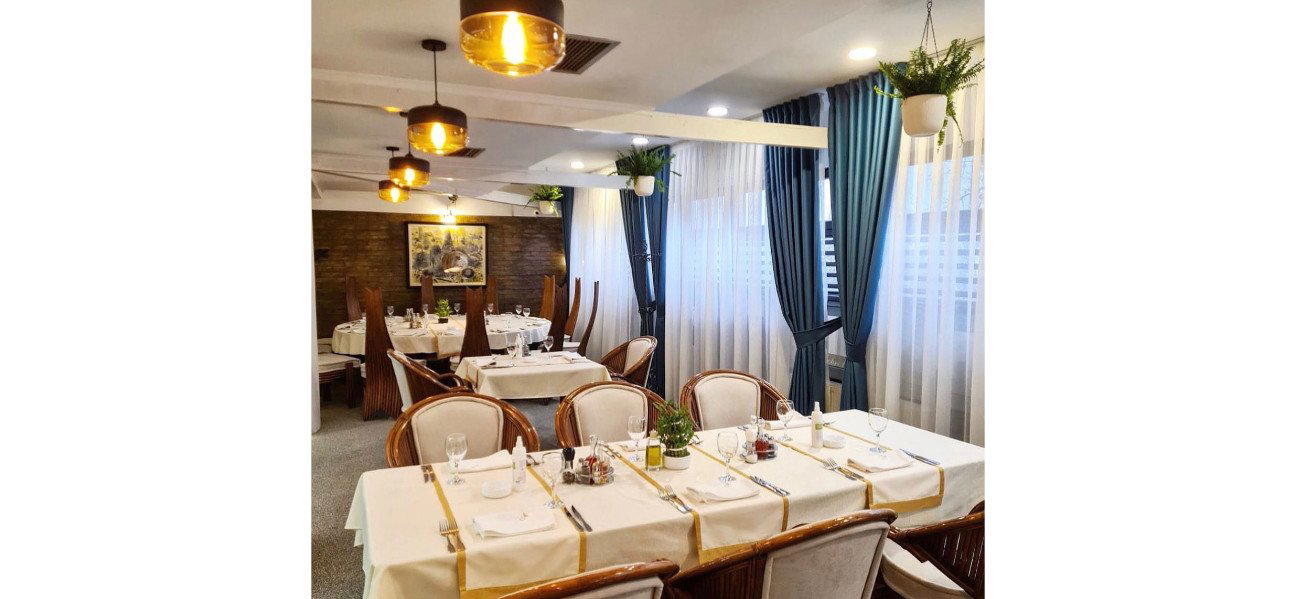
Rustic lodge atmosphere with pleasant garden seating shaded by centuries-old trees, ideal for enjoying nature.