Kod poštara
Our verdict
Kod poštara sits along Orašački put in Aranđelovac, a town whose thermal springs and Šumadija forest setting have long made it a weekend draw from Belgrade. The restaurant operates within a regional dining tradition built on open-fire roasting, local livestock, and the kind of sourcing that names the village, not just the country. For travellers moving through central Serbia, it belongs in the same conversation as the area's better-known tables.

Pearl is the En Primeur Club membership app — saves, bookings, and concierge access live there. Same editors, same standards.
- Address
- 8H3W+QV, Orašački put, Aranđelovac, Serbia
- Phone
- +38163618360
- Hours
- Mon ClosedTue–Sun 10 AM–10 PM
- Website
- instagram.com
- Directions
- Get directions
The menu
What to order
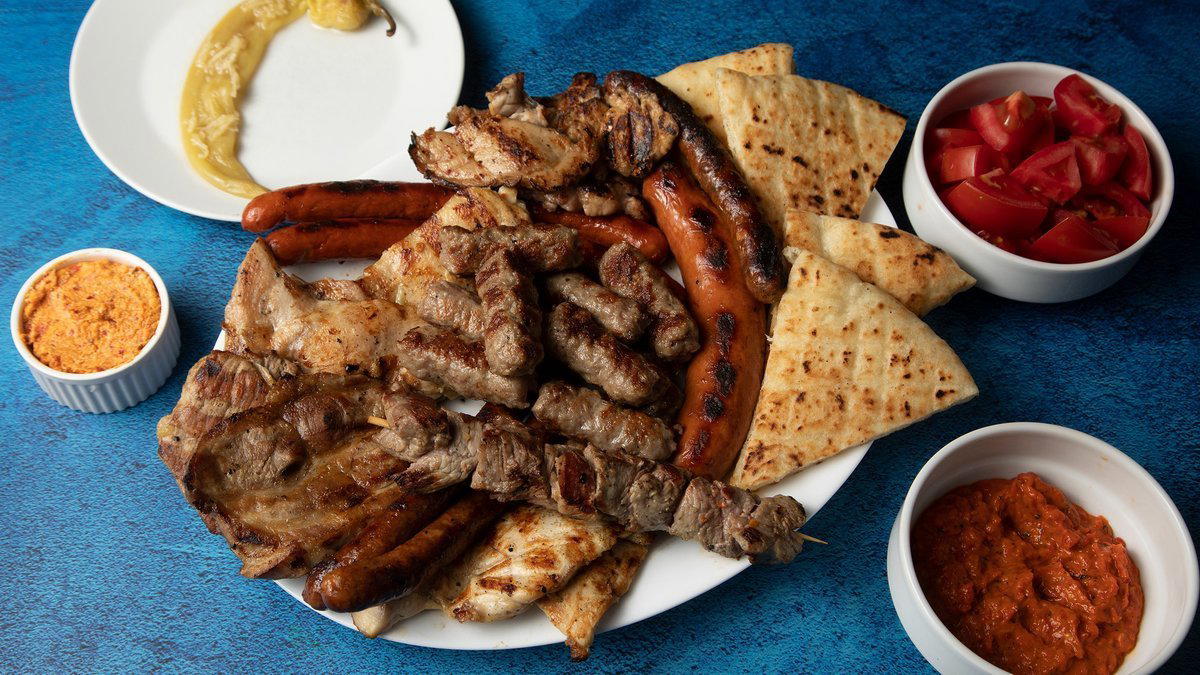
- Pork roast
- Lamb roast
- Goat roast
- Traditional wedding cabbage
Where Šumadija's Larder Meets the Table
Aranđelovac occupies a particular position in the central Serbian interior: close enough to Belgrade for a day trip, far enough that its kitchens answer to regional supply chains rather than urban trend cycles. The town sits within Šumadija, the forested heartland whose name translates roughly as "forest land," and whose culinary identity has always been shaped by what the surrounding hills and farms produce. Kod poštara, addressed along Orašački put on the eastern edge of the town, sits inside that tradition. The approach road passes tree cover and quiet residential plots before the building comes into view, a setting that signals immediately you are eating at remove from city-centre noise.
That physical remove matters more than it might seem. In Serbia's smaller towns, the distance from metropolitan supply pressure tends to translate directly into sourcing specificity. Restaurants that draw from the Šumadija hinterland rather than consolidated wholesale networks tend to work with pork and lamb from farms whose names are known locally, with seasonal produce timed to the agricultural calendar rather than the import schedule. Whether Kod poštara operates on this model specifically cannot be confirmed from available data, but the regional pattern is consistent enough that the question of where the food comes from is the right one to bring to the table.
The Šumadija Sourcing Tradition
Central Serbia's kitchen culture has historically been built around a small number of techniques applied to high-quality primary ingredients: slow roasting over open fire, cured and fermented pork in its various forms, fresh cheese made close to its source, and vegetables preserved through the winter by methods that have not changed substantially in generations. The logic of this cuisine is that the ingredient carries the weight. A roasted lamb from the Šumadija hills requires little intervention because the pasture, the breed, and the husbandry have already done the work.
This is a different orientation from the restaurant cultures of Belgrade, where a venue like Langouste in Belgrade operates within an entirely different competitive frame, or from internationally accredited tables such as Atomix in New York City. The Šumadija tradition does not compete on those terms and does not try to. Its credibility rests on proximity to source and fidelity to method. Across the region, that framework produces restaurants that are harder to benchmark against formal award systems but are often more rooted in a legible culinary logic than venues chasing international recognition.
Within Aranđelovac specifically, Kod poštara competes in a local field that includes Lovachki Raj and Pecenjara Mali Hrast, both of which operate within the same roasting and grilling tradition. Nearby, Vinarija Tarpoš adds a wine dimension to the area's table, pointing toward the Šumadija wine belt that has been developing quietly alongside its food culture. The full range of what Aranđelovac offers is mapped in our Aran Elovac restaurants guide.
Regional Comparisons: The Serbian Interior Table
The broader pattern of Serbian interior dining is worth understanding before you visit any single table in Aranđelovac. Across Šumadija and the Morava corridor, there is a consistent typology: the kafana or restoran built around wood-fired protein, a short menu of seasonal accompaniments, and a house rakija programme that frames the meal at both ends. This format appears in venues as geographically spread as Kod Brana in Cacak, Lovački dom in Valjevo, and Kafana Pećinar Ljubiš in Cajetina. The differences between them are less about ambition than about sourcing radius and technique consistency.
Further afield, the river-focused traditions of ČARDA ZLATNA KRUNA in Apatin and the ethno-restaurant model at Etno Kuća Dinar in Vrsac show how Serbian regional dining adapts its sourcing logic to geography. In Apatin, it is freshwater fish from the Danube. In Vrsac, it is proximity to the Vojvodina plain and its grain and livestock culture. In Šumadija, it is the forested hill country that defines what arrives on the plate.
Understanding that geography is the entry point for any serious engagement with Kod poštara, or with any table in this part of Serbia. The food makes most sense when read against its landscape rather than against a generic national cuisine framework.
Planning Your Visit
Aranđelovac is approximately 70 kilometres south of Belgrade, making it a viable afternoon-to-evening trip from the capital, or a natural stop on a longer circuit through Šumadija and the Morava valley. The town's thermal spa complex, Bukovička Banja, draws weekend visitors who form a significant part of the local dining audience, which means Friday and Saturday evenings can see heavier footfall at the better-known tables. Arriving mid-week or at lunch tends to produce a quieter experience.
Visitors planning specifically around this address should verify operational status locally before travelling. The address on Orašački put places it outside the town centre proper, so arriving by car is the practical option; the location code 8H3W+QV can be used with Google Maps for navigation.
For those building a wider Šumadija itinerary, tables in the surrounding region worth noting include Kafana Studenac in Bajina Basta and Windmill in Pancevo, both of which serve different but overlapping audiences in the central Serbian dining corridor. In Novi Sad, Kafe Restoran Maša represents a northern counterpoint. Aleksandar Gold in Uzice and Grand **** in Kopaonik extend the circuit into the western highlands and mountain resort tier. KAFANA DUKAT in Pirot anchors the eastern end of the same broader tradition.
Frequently asked questions
Where is Kod poštara in Aran Elovac?
Kod poštara is located at 8H3W+QV, Orašački put, Aranđelovac, Serbia, Aran Elovac.
Is Kod poštara worth the drive from Belgrade for a standalone meal?
Aranđelovac sits approximately 70 kilometres south of Belgrade, making Kod poštara a realistic afternoon-to-evening destination rather than a detour. The case for the drive rests on accessing Šumadija's regional table in its own context rather than in a Belgrade interpretation of it. Pairing the visit with Aranđelovac's Bukovička Banja spa area or the Marble and Sounds festival makes the trip more efficient for travellers not already passing through.
What's the must-try dish at Kod poštara?
The venue's cuisine follows the Šumadija tradition of applying slow-roasting and open-fire techniques to primary regional ingredients, so dishes built around those methods are the natural starting point. Specific menu items are not publicly listed, so arrive prepared to take direction from staff on what's freshest that day. That approach is consistent with how kitchens across the Aranđelovac area operate.
How hard is it to get a table at Kod poštara?
No online booking system or published reservation policy is listed for Kod poštara. Given its location on Orašački put in Aranđelovac rather than a main city thoroughfare, capacity pressure is likely lower than comparable Belgrade restaurants, but weekend visits during Serbian public holidays merit a direct call ahead. Phone details are not currently listed in available directories.
What's the defining dish or idea at Kod poštara?
The defining idea sits in the Šumadija sourcing tradition: central Serbian kitchens built around a narrow set of techniques applied to high-quality local produce rather than broad, internationally influenced menus. Kod poštara operates within that regional identity, placing it closer in spirit to village konak cooking than to urban brasserie formats. The address on Orašački put reinforces a setting oriented around the Aranđelovac hinterland rather than tourist foot traffic.
Do they accommodate allergies at Kod poštara?
No formal allergen policy is published for Kod poštara. Traditional Šumadija cooking relies heavily on pork, dairy, and gluten-containing grains, so guests with significant dietary restrictions should check the venue's official channels before visiting.
In Context: Similar Options
Comparable venues nearby, for context on price, style, and recognition.
| Venue | Cuisine | Price | Notes |
|---|---|---|---|
| Kod poštaraThis venue — the venue you are viewing | Traditional Serbian Roasted Meats | $10–20 | Not listed |
| Pecenjara Mali Hrast | Serbian Roasted Pork Specialist | Not listed | Arandjelovac |
| Lovachki Raj | Serbian Game Meat | $10–20 | Arandjelovac |
| Vinarija Tarpoš | Serbian Traditional with Local Wines | $20–30 | Aran Elovac |
| Beogradski Čevap | Serbian Cevapi Grill | $10–20 | City of Belgrade |
| Ćevap kod Dekija | Traditional Serbian Grill | $10–20 | Belgrade center |
Continue exploring
More in Aran Elovac
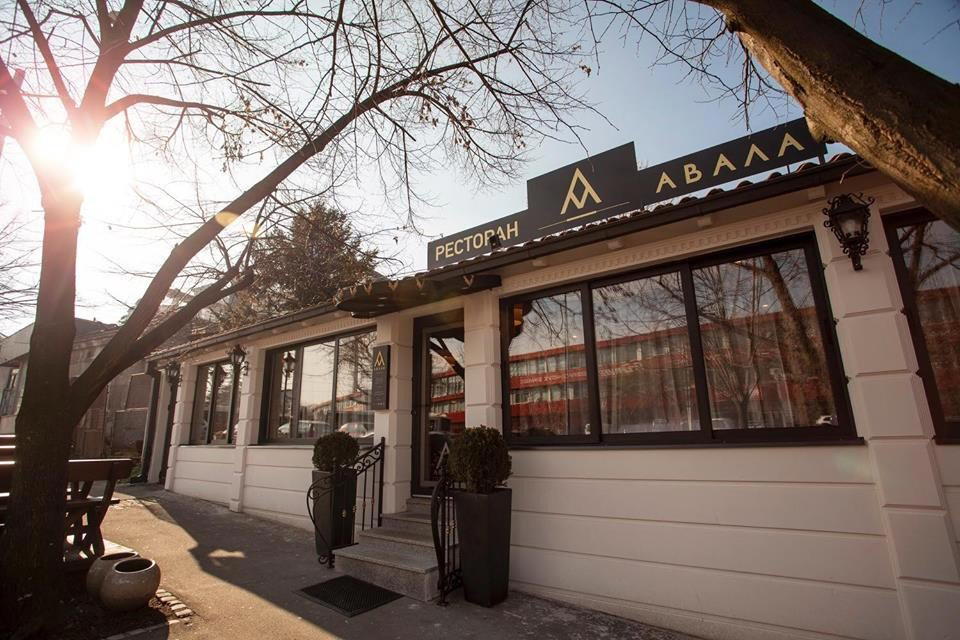
Restaurants in Aran Elovac
Browse all →
Bars in Aran Elovac
Browse all →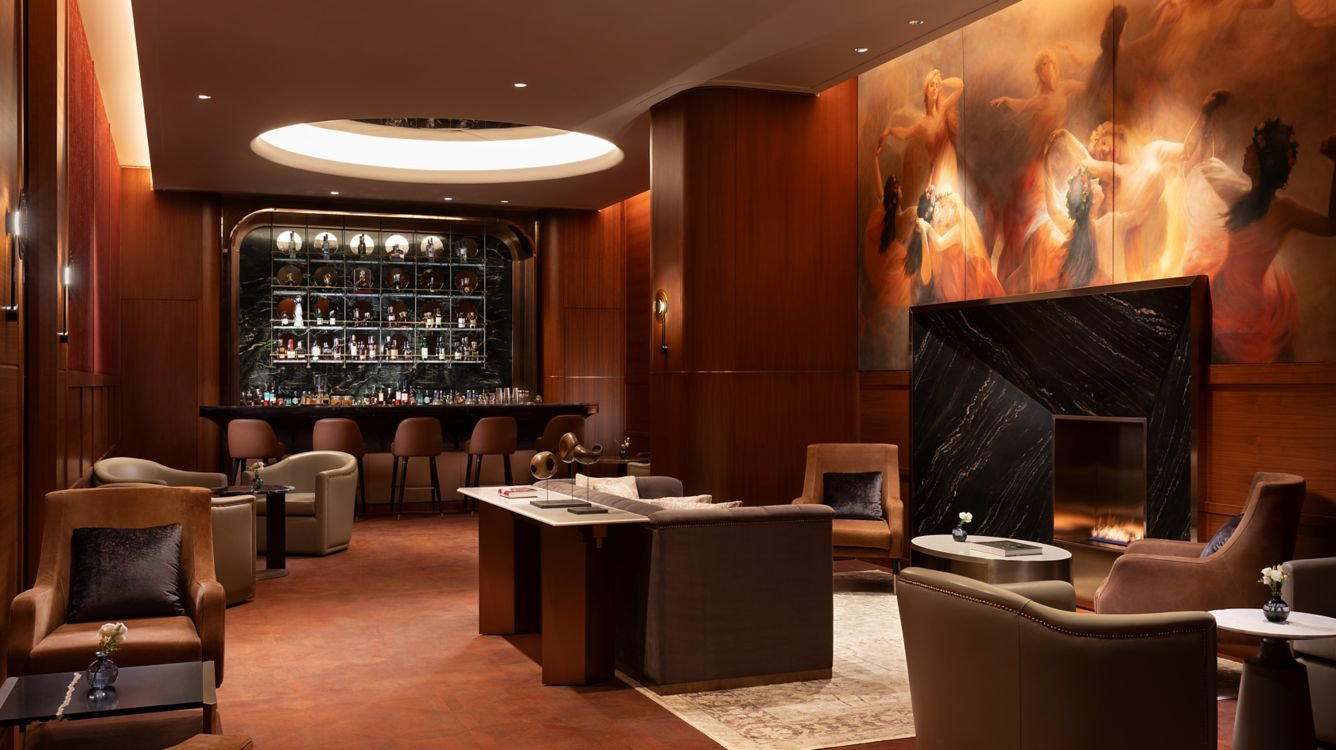
Hotels in Aran Elovac
Browse all →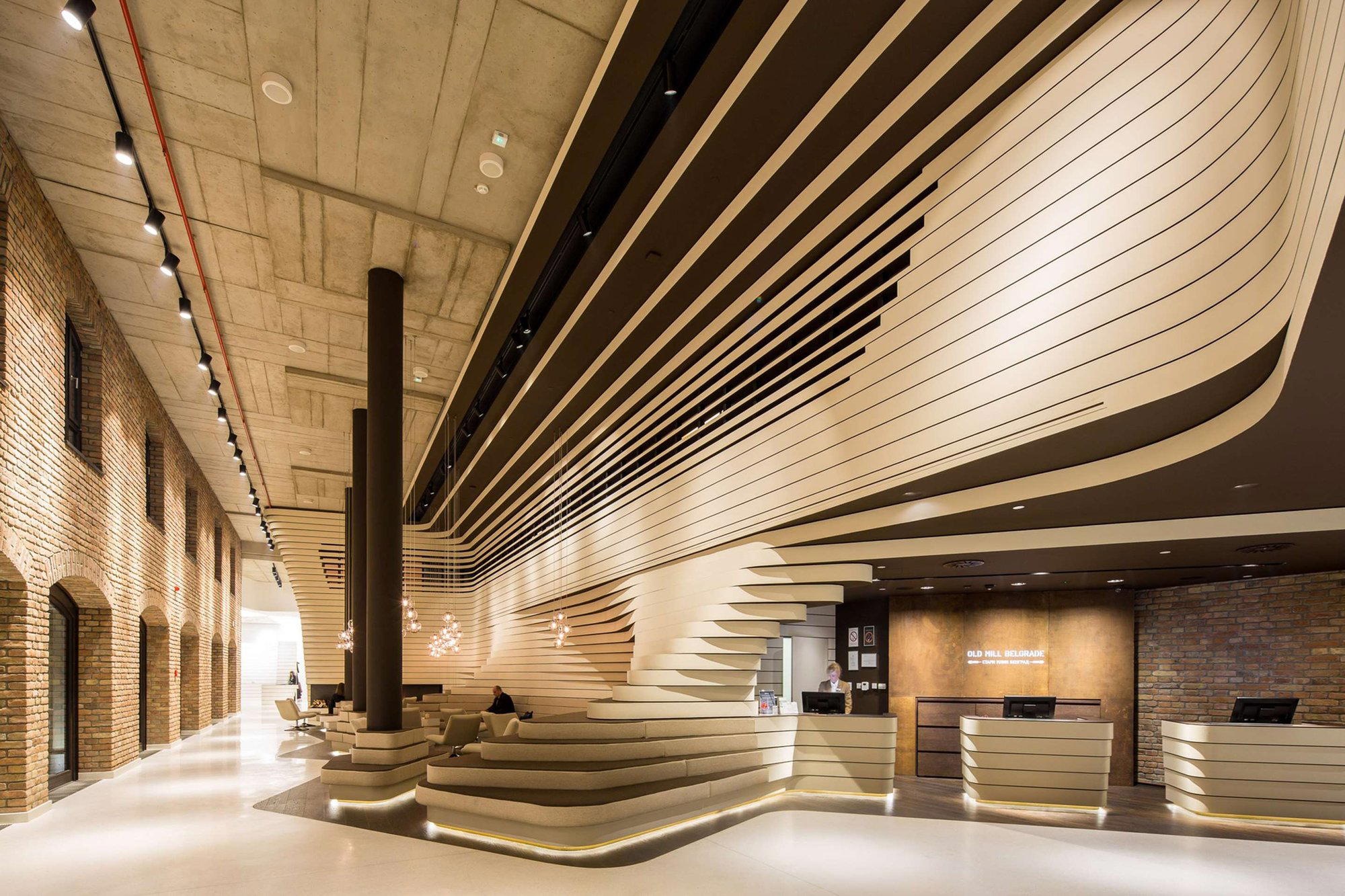

Details
- Rustic
- Casual
- Group Dining
- Casual Hangout
- Family
- Standalone
- A La Carte
- Family Style
Current opening hours
- Monday
- Closed
- Tuesday
- 10 AM–10 PM
- Wednesday
- 10 AM–10 PM
- Thursday
- 10 AM–10 PM
- Friday
- 10 AM–10 PM
- Saturday
- 10 AM–10 PM
- Sunday
- 10 AM–10 PM
Hours can change for holidays and private events. Last verified .
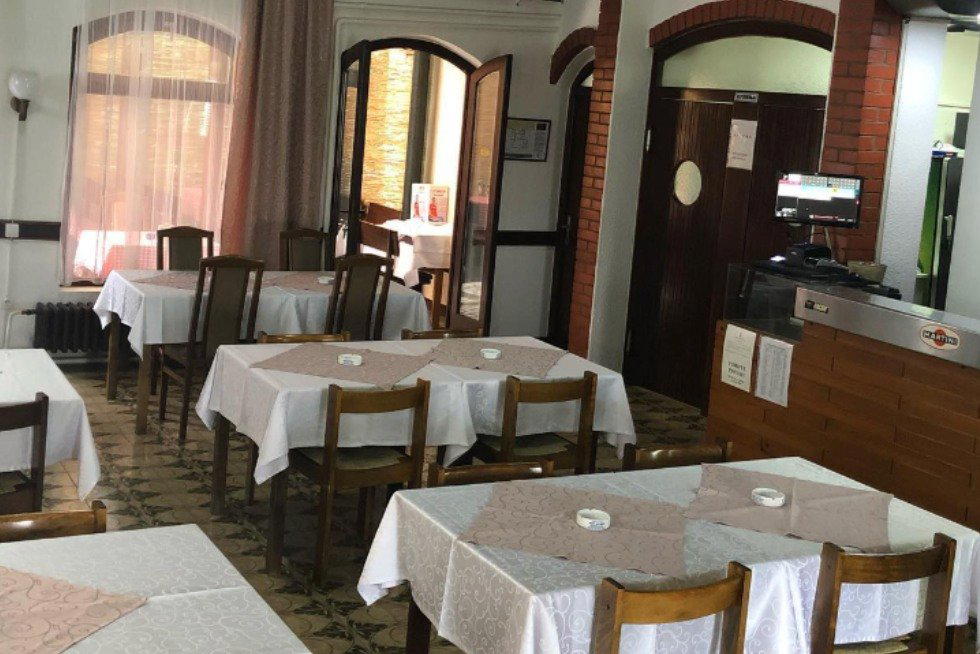
Casual, warm, and welcoming atmosphere focused on hearty traditional Serbian dining with emphasis on quality roasted meats.