A Belgrade kafana-pastry hybrid on Svetozara Miletića that straddles the line between neighbourhood café and traditional Serbian sweet shop. The format sits within a broader city pattern of casual venues where coffee, rakija, and house-made sweets form a single, unhurried ritual rather than separate occasions. Worth knowing for those tracing how Belgrade's café culture absorbs and preserves older confectionery traditions.
Pearl is the En Primeur Club membership app — saves, bookings, and concierge access live there. Same editors, same standards.
- Address
- Svetozara Miletića, Beograd, Serbia
- Phone
- +381654658217
- Website
- fini.rs
- Directions
- Get directions
 Saves & bookings on Pearl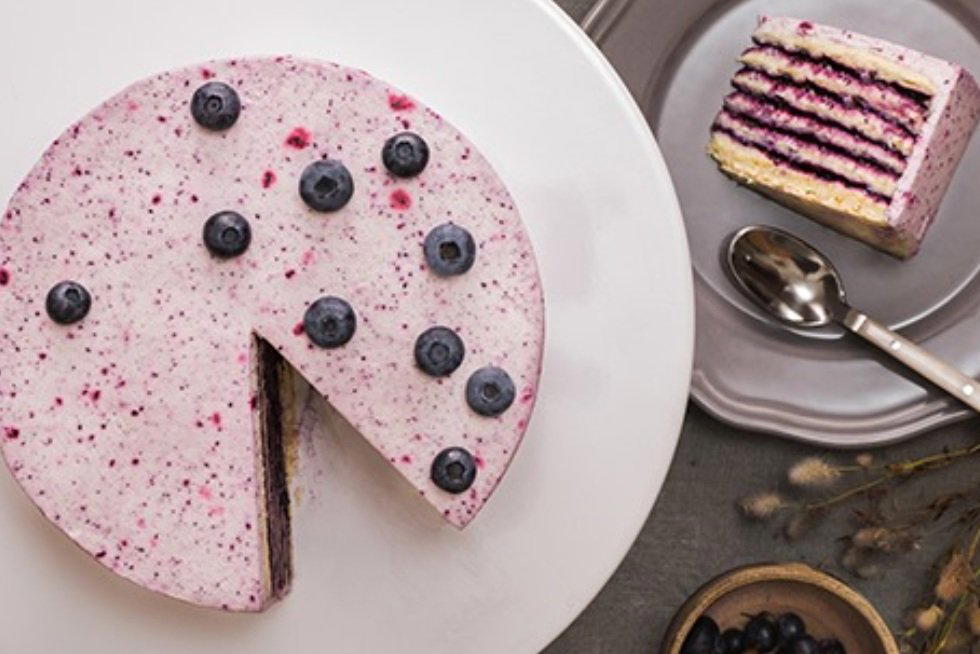
Where the Coffee Ritual Becomes the Meal
Belgrade's café culture has always operated on a different clock. In the older districts, a coffee is not a preamble to something else, it arrives with sweets, it invites conversation, and it extends into a second hour without apology. Kafe Poslastičarnica Fini is a Serbian pastry cafe on Svetozara Miletića in Beograd. The name itself signals the format: kafe for coffee, poslastičarnica for confectionery or pastry shop. The pairing is not incidental. It describes a category of Belgrade venue that predates the city's current wave of specialty coffee bars and bistro dining, one where the arc from arrival to departure is measured in pastries and small cups rather than courses.
The poslastičarnica tradition in Serbian cities is broadly analogous to the Viennese Konditorei or the Thessaloniki zacharoplastío, a sweet shop that also serves coffee and functions as a neighbourhood anchor rather than a destination restaurant. Belgrade has fewer of these now than it did three decades ago. The venues that survive tend to do so through regulars, through consistency in their pastry output, and through a physical presence that resists the pressure to rebrand. Fini occupies that space.
The Sequence Here Is Not a Menu, It's a Rhythm
Framing a visit to a kafe-poslastičarnica through the lens of tasting progression requires a slight shift in expectation. This is not a kitchen constructing a narrative arc of umami and acid and fat. The progression here is ambient and self-directed: you scan the pastry case, you order a coffee or a glass of something cold, and the meal, if it can be called that, assembles itself around what catches your eye and how long you choose to stay.
In practice, that means the early phase of a visit often centres on whatever is freshest in the case. Serbian pastry shops typically turn over their stock across a morning window, meaning mid-morning arrivals get the widest selection. By early afternoon, some items sell down. This temporal logic is not distinctive to Fini, it describes how the poslastičarnica model works across the city. The sensible approach is to arrive with time rather than a plan, treat the counter as the menu, and let the coffee dictate the pace.
The broader category of Serbian sweet-shop pastry draws on Ottoman, Austro-Hungarian, and domestic traditions. Expect layered pastry formats alongside cream-based sweets and fruit-forward preparations. The coffee served in venues of this type is almost always domestic-style, strong, unfiltered or lightly filtered, served in small quantities. It is calibrated to extend the stay, not to fuel a commute.
Svetozara Miletića and What the Street Tells You
Location in a city like Belgrade carries editorial weight. Svetozara Miletića runs through a residential and mixed-use section of the city, the kind of street that supports neighbourhood commerce rather than tourist foot traffic. Venues that survive on streets like this do so because they serve people who live nearby, which tends to produce a more consistent product than venues that rely on one-time visitors. The trade-off is that they are less legible to outsiders, the signage is not designed to explain itself, the menu may not be translated, and the regulars who occupy the same table at the same time each week are not performing hospitality for an audience.
For the reader who has already worked through Belgrade's more visible dining tier, the contemporary Serbian kitchens represented by venues like Langouste or The Square, or the Balkan grill formats at Ambar, a stop at a functioning poslastičarnica offers a different register entirely. It is not a counterpoint designed to provide contrast. It is simply a different kind of place that operates on its own terms.
Those planning a broader circuit of Serbian dining outside the capital will find parallel café-and-sweet traditions at venues across the country. The pattern appears at Kafe Restoran Maša in Novi Sad, and analogous neighbourhood-anchor formats exist in smaller cities, KAFANA DUKAT in Pirot, Kod Brana in Cacak, and rural stops like Lovački dom in Valjevo each represent a strand of the same regional café-dining culture. For international reference points at the opposite end of the formality spectrum, Le Bernardin in New York and Atomix illustrate how differently the tasting-progression format can be structured when the kitchen takes full editorial control.
How to Plan a Visit
Kafe Poslastičarnica Fini is walk-in friendly, and current opening hours are Monday 8:30 AM to 5 PM, Tuesday through Friday 8:30 AM to 9 PM, and Saturday and Sunday 9 AM to 5 PM. The poslastičarnica format does not typically operate on reservations; it is a counter-service model by design. Arriving on foot and checking current opening hours against Google or local listings before you go is the reliable method. Svetozara Miletića is accessible from central Belgrade without significant transit complexity.
For those building a wider Belgrade day around this kind of stop, the city's café and casual dining circuit rewards unhurried movement. Avala and Barrel House represent other casual registers within the city's mid-tier.
For those extending into the wider region, Windmill in Pancevo, Etno Kuća Dinar in Vrsac, ČARDA ZLATNA KRUNA in Apatin, Kod poštara in Aran Elovac, Aleksandar Gold in Uzice, and Grand in Kopaonik all offer different facets of how café and dining culture distributes itself across Serbian geography.
Standing Among Peers
Comparable venues nearby, for context on price, style, and recognition.
| Venue | Cuisine | Price | Notes |
|---|---|---|---|
| KAFE POSLASTIČARNICA FINIThis venue — the venue you are viewing | Serbian Pastry Cafe | $$ | Not listed |
| Restoran Vuk | Traditional Serbian Grill | $$ | City Center |
| Bistro Tri | Modern Serbian Bistro | $$ | Vračar |
| PROLEĆE | Traditional Serbian | $$ | Stari Grad |
| Restoran Kolo | Modern Serbian Balkan | $$ | Belgrade Waterfront |
| Znak pitanja (?) | Traditional Serbian Kafana | $$ | Stari Grad |
At a Glance
- Cozy
- Quiet
- Casual Hangout
Current opening hours
- Monday
- 8:30 AM–5 PM
- Tuesday
- 8:30 AM–9 PM
- Wednesday
- 8:30 AM–9 PM
- Thursday
- 8:30 AM–9 PM
- Friday
- 8:30 AM–9 PM
- Saturday
- 9 AM–5 PM
- Sunday
- 9 AM–5 PM
Hours can change for holidays and private events. Last verified .
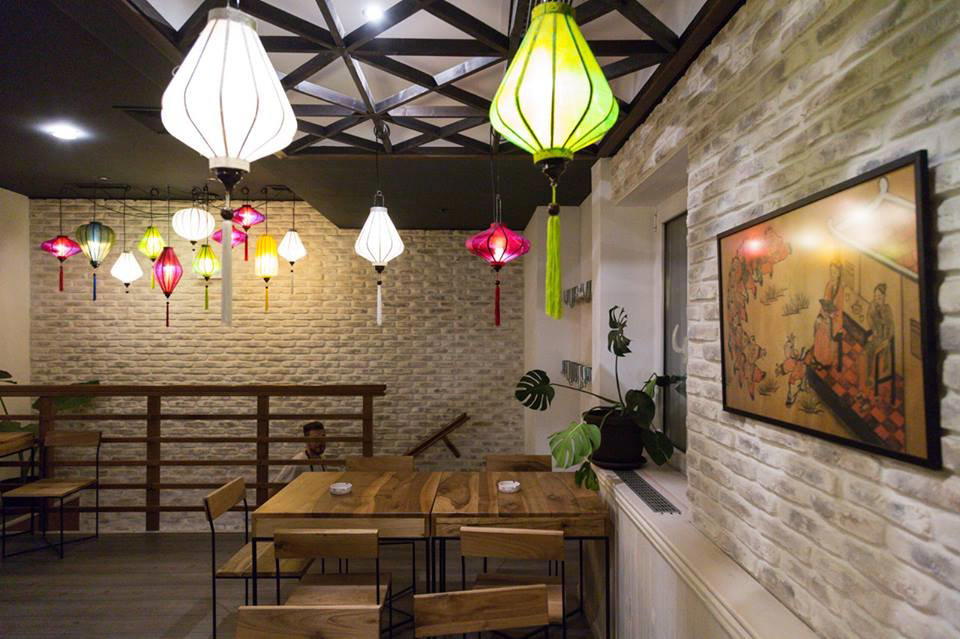
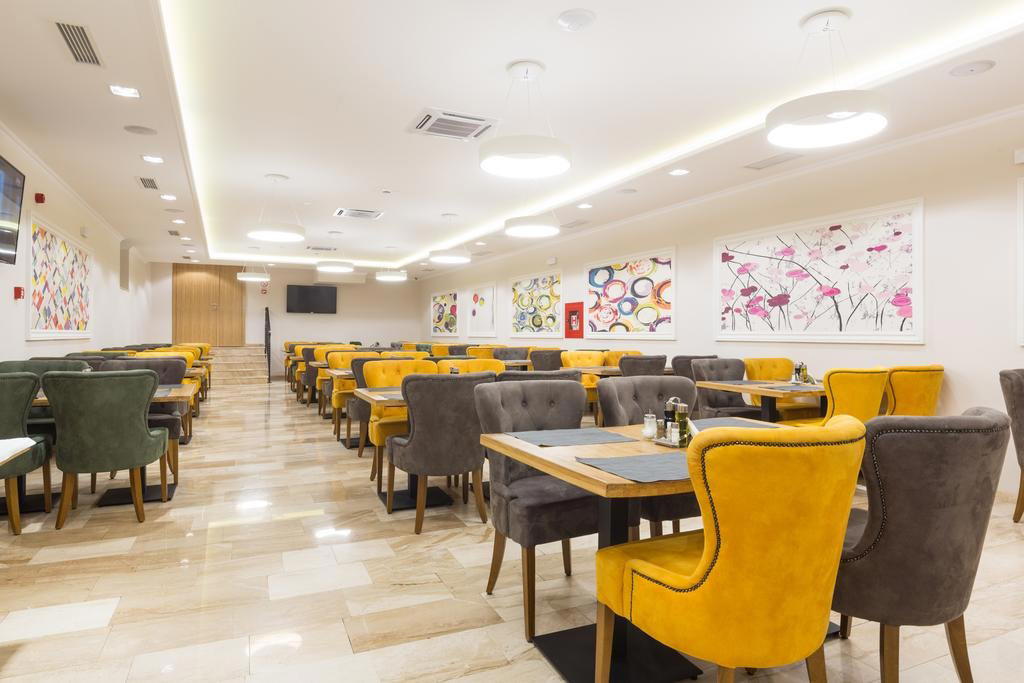
Cozy and relaxing atmosphere ideal for unwinding.