Ambar occupies a prominent address on Karađorđeva Street in Belgrade's riverside quarter, where the format leans into the Serbian tradition of communal, abundance-style dining. The regulars return not for novelty but for consistency: a room that rewards those who know how to use it, in a city where that kind of institutional reliability is worth paying attention to.
Pearl is the En Primeur Club membership app — saves, bookings, and concierge access live there. Same editors, same standards.
- Address
- Karađorđeva 2, Beograd 11000, Serbia
- Phone
- +381606600671
- Website
- ambarrestaurant.rs
- Directions
- Get directions
 Saves & bookings on Pearl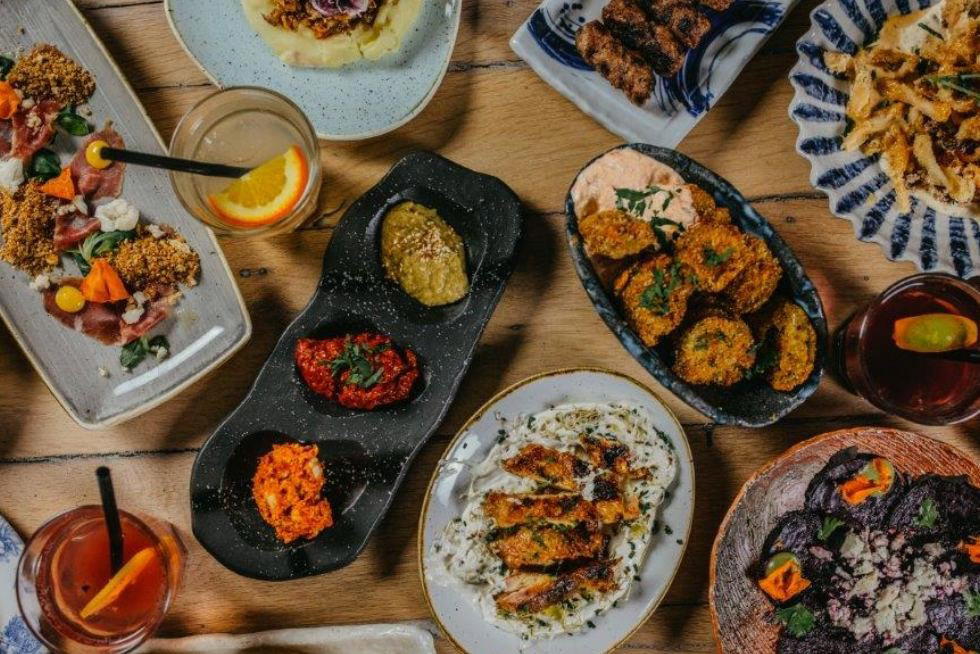
The Address and What It Signals
Karađorđeva Street runs along Belgrade's Savamala district, the stretch of the city that repositioned itself over the past decade from post-industrial neglect to a zone of concentrated dining and nightlife energy. An address at number 2 puts Ambar at the entry point of that corridor, close enough to the riverbank that the light shifts in the late afternoon and the foot traffic carries a mix of locals finishing work and visitors working their way through the neighbourhood's options. In a city where restaurant geography carries real social meaning, this placement is not incidental.
The broader Savamala scene has matured considerably. What began as an arts-and-bar district has acquired genuine culinary weight, with operations ranging from format-driven modern Serbian to international references competing for a clientele that has grown more travelled and more demanding. Ambar sits inside that evolution, serving a room that knows the difference between a venue finding its footing and one that has settled into reliable form.
What Keeps the Regulars Coming Back
The logic of a regular's relationship with any restaurant in this tier is rarely about the menu changing. It is about the menu being trusted. Belgrade's dining culture has strong roots in the kafana tradition, where eating is social before it is gastronomic, and where the measure of a good table is how long you can sit at it without the rhythm breaking. Ambar operates within that cultural inheritance even as its address and format point toward a more contemporary register.
Balkans have a long tradition of small-plate, sharing-format meals that predate the international small-plates trend by generations. Mezze-style spreads, grilled meats served in sequence, dips and pickled vegetables arriving before the main event, these are not innovations here, they are defaults. A venue on Karađorđeva that understands how to frame those defaults for a room that includes both local regulars and international visitors is doing something worth examining. The returning guest is not coming back for surprise. They are coming back because the proportions are right and the room does not demand anything of them.
For comparison, the modern cuisine operations at Langouste and The Square occupy a more explicitly chef-driven register, where the menu is the message and the kitchen's decisions carry editorial weight. Ambar's comparable set is different: it competes on reliability and format comfort rather than on culinary statement. That is not a lower ambition; it is a different one, and Belgrade's dining scene needs both.
The Format as the Offer
Sharing formats in Belgrade carry particular social logic. The table is the unit of experience, not the individual plate. A well-run sharing-format room in this city manages the pace of arrival so that the table is never empty and never overwhelmed, a discipline that looks easy and is not. When it works, the conversation never has to pause for the food, and the food never has to pause for the conversation. That reciprocal rhythm is what regulars are actually buying when they return.
Beyond Belgrade, Serbia's restaurant culture shows similar patterns across different scales and settings. Bela Reka and Avala represent the more traditional end of the Belgrade spectrum, while operations like Barrel House push toward a more international format vocabulary. Outside the capital, the tradition runs deep: Kod Brana in Cacak, Lovački dom in Valjevo, and Etno Kuća Dinar in Vrsac each anchor a version of Serbian hospitality that prioritises generosity over refinement, quantity over precision. KAFANA DUKAT in Pirot and ČARDA ZLATNA KRUNA in Apatin extend the kafana model into more regional registers. Ambar's position in Belgrade is to occupy the middle ground: the format discipline of a modern dining room applied to a tradition that does not need reinventing.
Belgrade in the Wider Regional Picture
Serbia's restaurant culture is still underrepresented in international food media relative to its actual depth. Cities like Novi Sad have their own serious dining scenes, and smaller towns, from Pancevo to Uzice, sustain kitchens that would merit attention in any European country with more established food tourism infrastructure. Even mountain resorts like Grand in Kopaonik operate within a hospitality tradition that prioritises the experience of eating together over the spectacle of individual dishes.
For the international visitor arriving in Belgrade after exposure to the kind of chef-driven precision found at places like Le Bernardin in New York City or the tasting-menu formalism of Atomix, the Serbian table represents a genuinely different set of priorities. The abundance is not excess; it is cultural syntax. Understanding that reorients what you are evaluating when you sit down. Ambar, on Karađorđeva, offers a version of that syntax with enough contemporary framing to make the translation legible without losing the original meaning.
For a full picture of where Ambar sits among Belgrade's options, the EP Club Belgrade restaurants guide maps the city's dining across price tiers, neighbourhoods, and format types. Venues like Kod poštara in Aran Elovac extend the picture beyond the capital for those who want to trace the tradition further afield.
Planning a Visit
Karađorđeva 2 is walkable from the central city and from the main Savamala cluster, making it a natural anchor for an evening that starts or ends in the neighbourhood. Savamala moves later than much of central Belgrade, so arriving before the main dinner hour gives you the room at a quieter pitch before it fills. Groups benefit from the sharing format, but the room works for two as well, particularly if you approach it the way the regulars do: order more than you think you need and treat the table as a destination rather than a stop.
- Stuffed Cabbage
- Short Rib
- Kajmak
- Sarma
- Cevapi
- Pljeskavica
- Roasted Cauliflower
- Ambar Fries
Where It Fits
Comparable venues nearby, for context on price, style, and recognition.
| Venue | Cuisine | Price | Notes |
|---|---|---|---|
| AmbarThis venue — the venue you are viewing | Contemporary Balkan Cuisine | $$ | Not listed |
| Mali raj | Traditional Serbian Grill & Mediterranean | $$ | Pancevo |
| Bloom | Mediterranean Brunch Cafe | $$ | Dorćol |
| Sheher Park Cafe | Mediterranean Cafe | $$$ | Senjak |
| RESTORAN OPERA | Serbian & International | $$ | Stari Grad |
| KAFE POSLASTIČARNICA FINI | Serbian Pastry Cafe | $$ | city center |
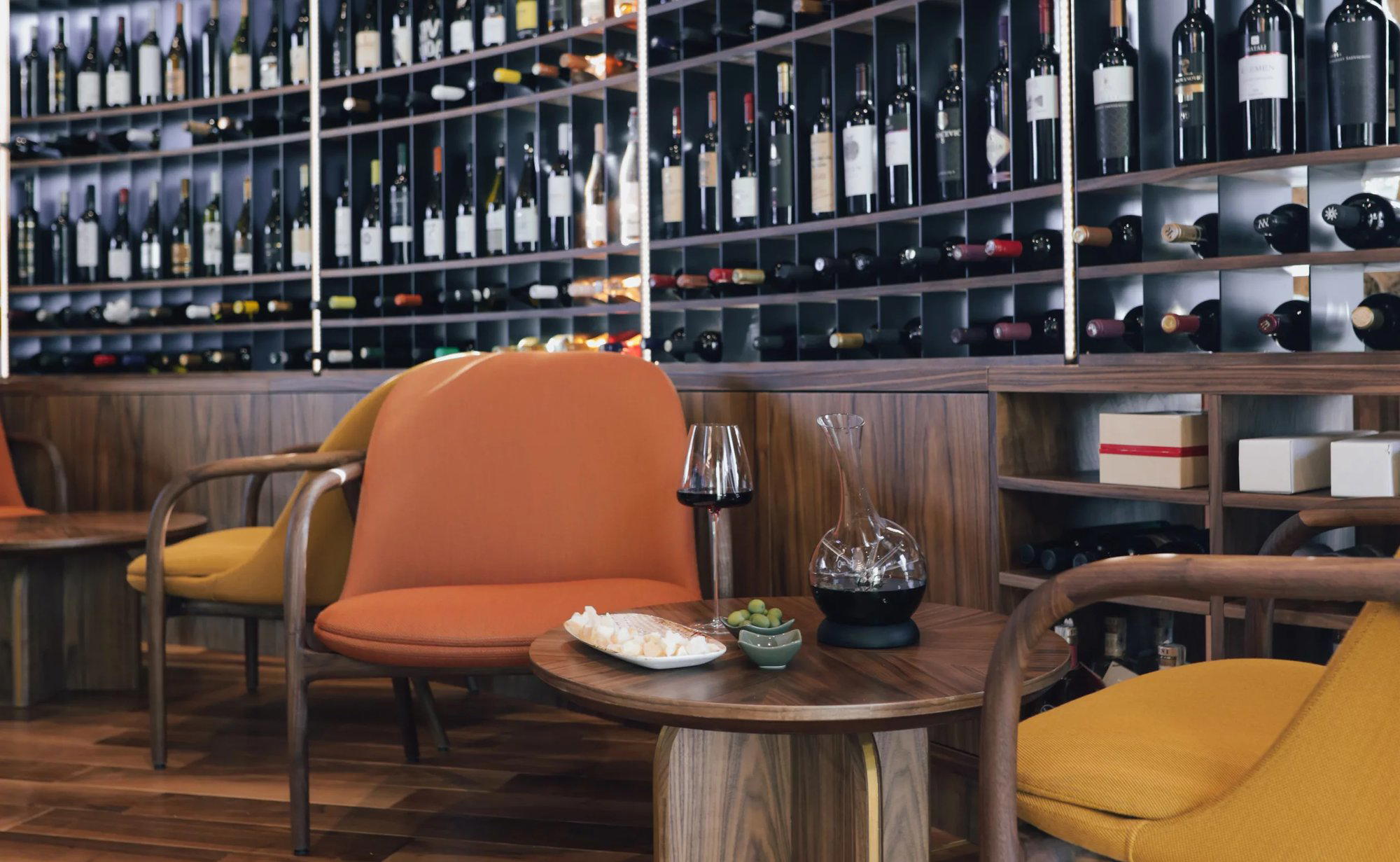
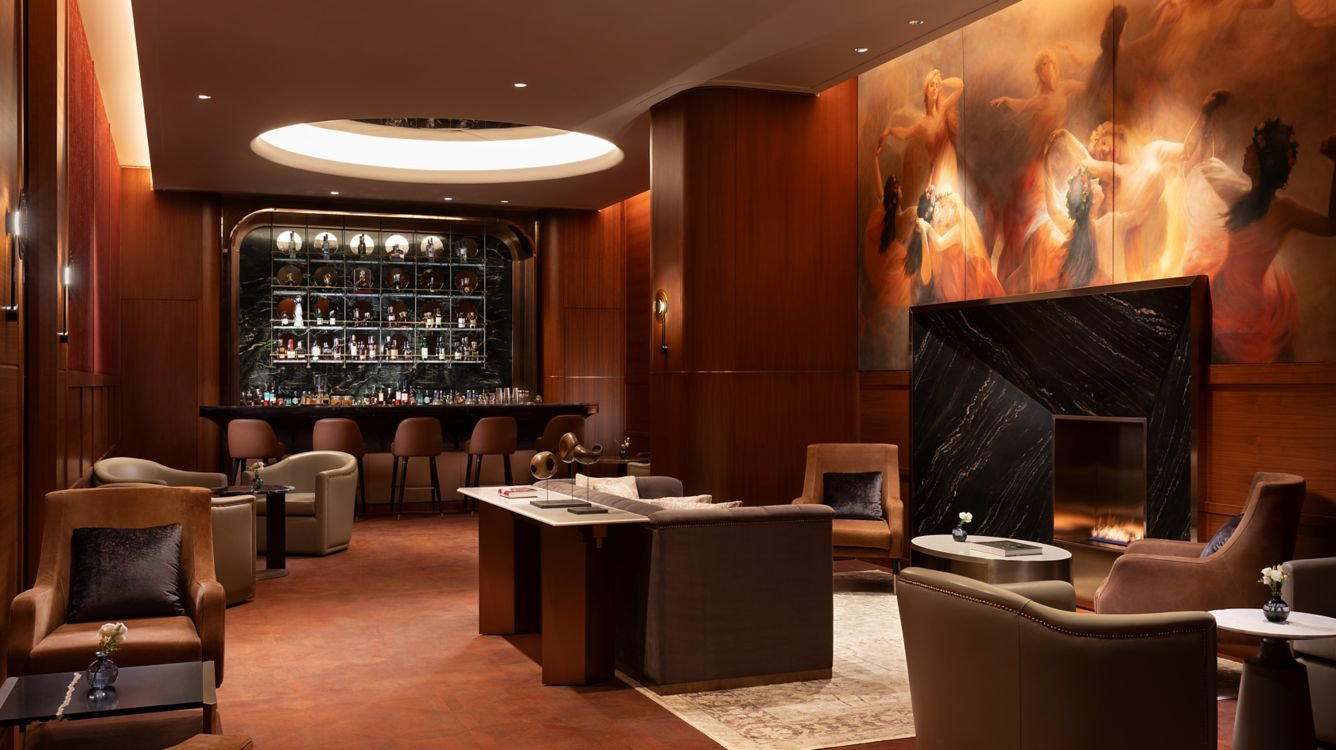
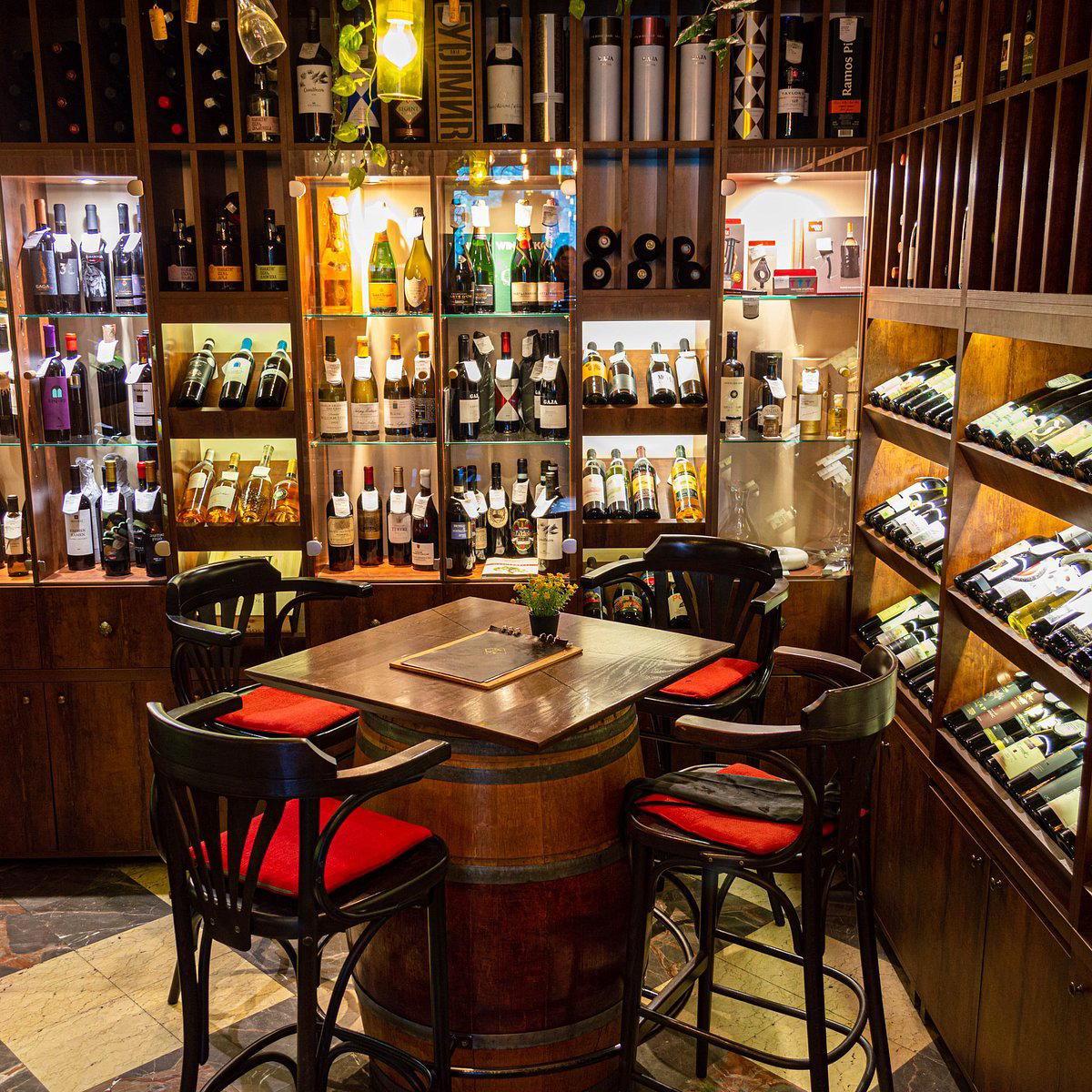
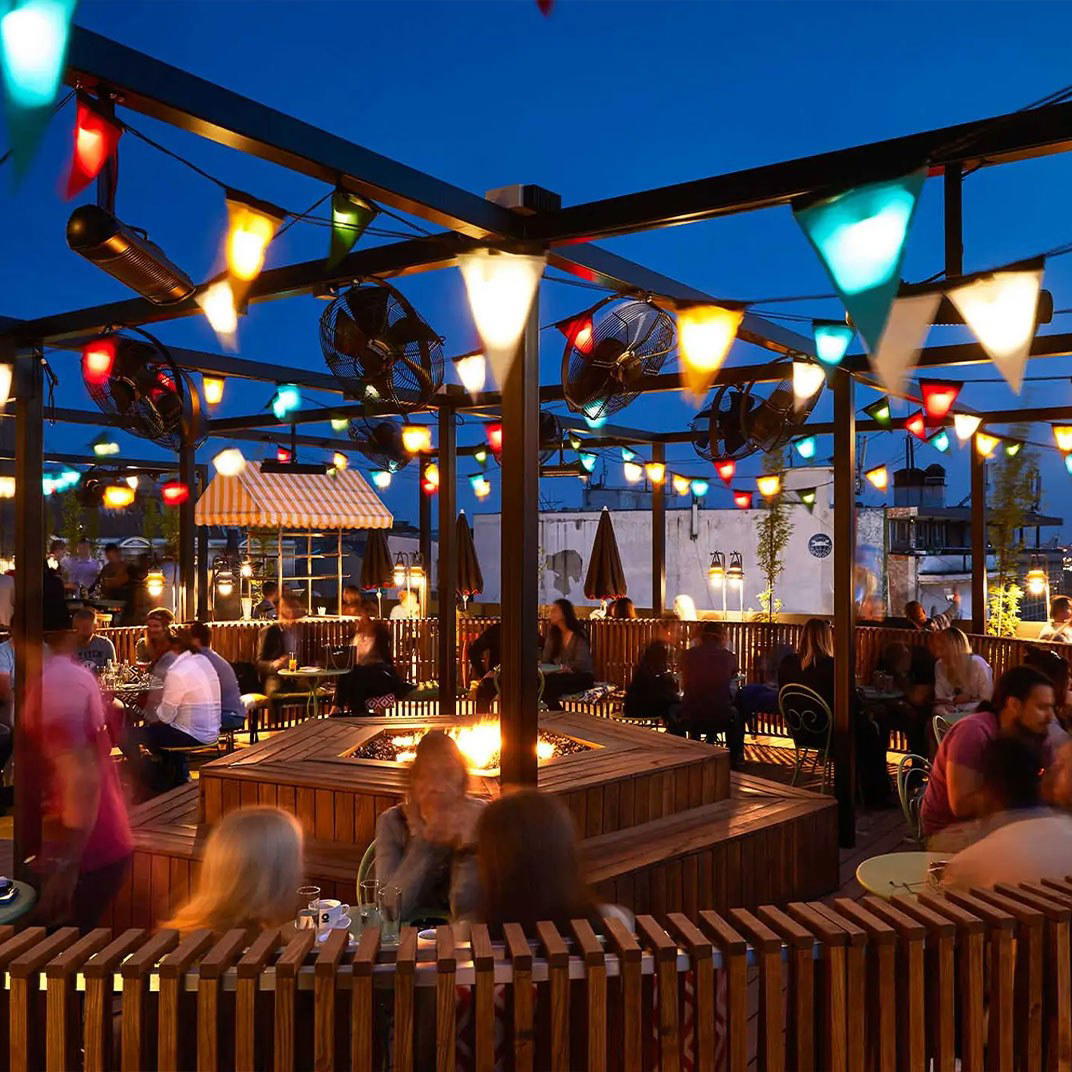
At a Glance
- Modern
- Lively
- Scenic
- Elegant
- Group Dining
- Business Dinner
- Celebration
- Casual Hangout
- Brunch
- Waterfront
- Private Dining
- Open Kitchen
- Terrace
- Craft Cocktails
- Extensive Wine List
- Local Sourcing
- Waterfront
Current opening hours
- Monday
- 11 AM–12 AM
- Tuesday
- 11 AM–12 AM
- Wednesday
- 11 AM–12 AM
- Thursday
- 11 AM–12 AM
- Friday
- 11 AM–1 AM
- Saturday
- 9 AM–1 AM
- Sunday
- 9 AM–12 AM
Hours can change for holidays and private events. Last verified .
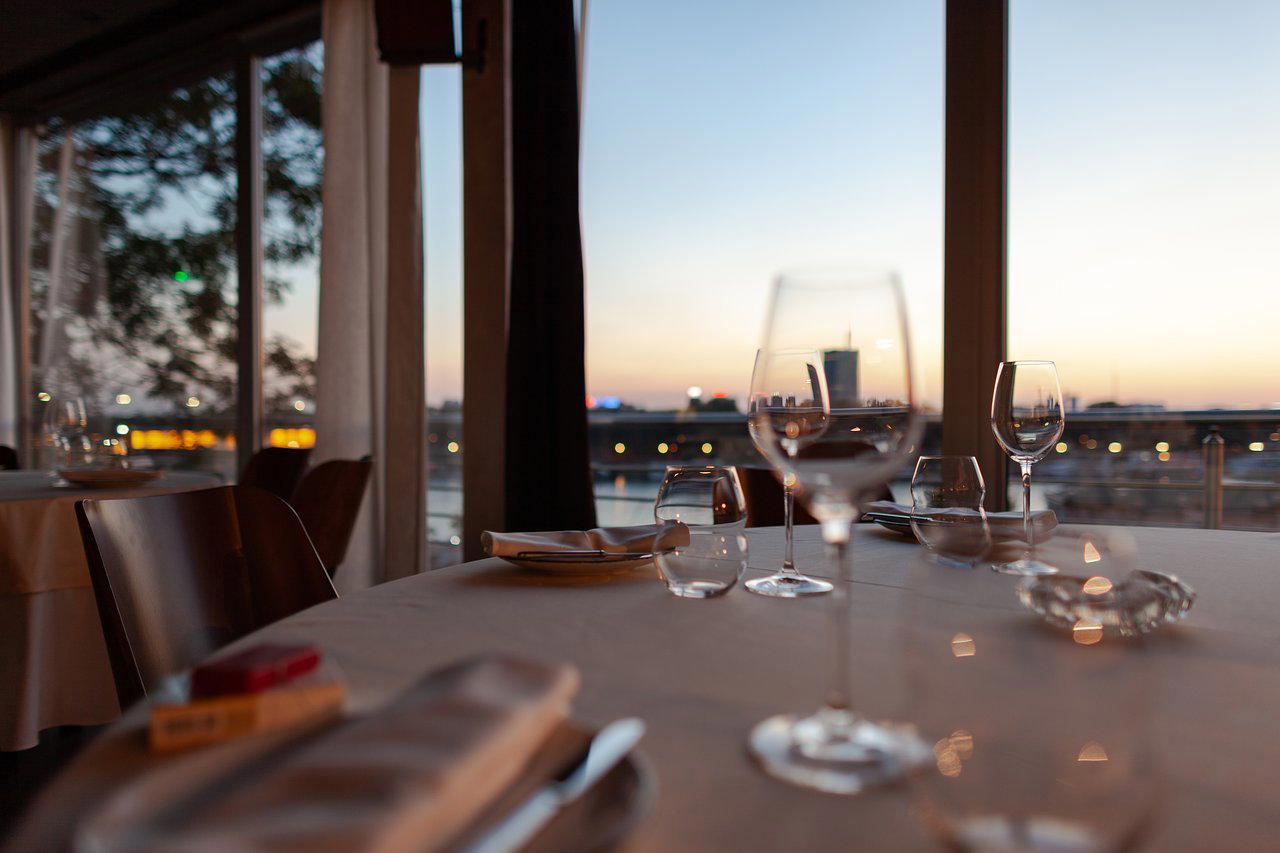
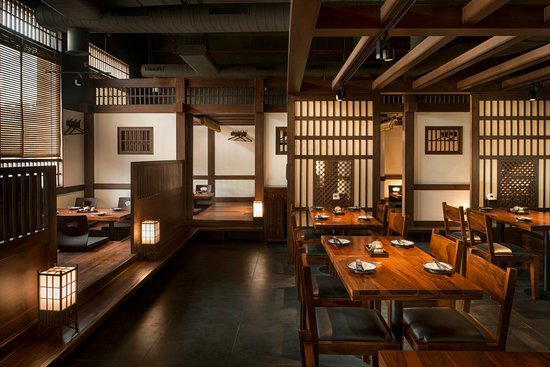
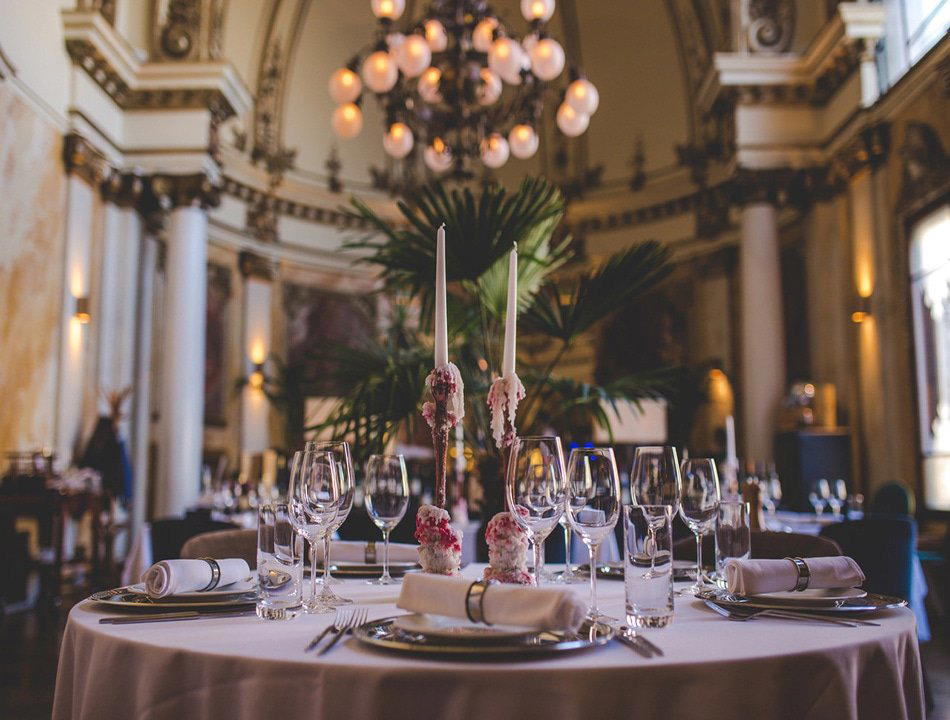
Contemporary and lively atmosphere with both indoor and outdoor seating overlooking the Sava River, combining comfort with high-style design in a lively waterfront setting.