Barrel House on Žorža Klemansoa sits within Belgrade's increasingly confident bar and dining scene, where informal formats and locally rooted drinking culture are defining a new tier of neighbourhood hospitality. The address places it close to the city centre's established circuits, making it a practical stop for those moving between Belgrade's more formal dining options and its looser, late-evening register.
 Discover on Pearl
Pearl is the En Primeur Club membership app — saves, bookings, and concierge access live there. Same editors, same standards.
- Address
- Žorža Klemansoa 19, Beograd 11000, Serbia
- Phone
- +381604466039
- Website
- barrelhouse.rs
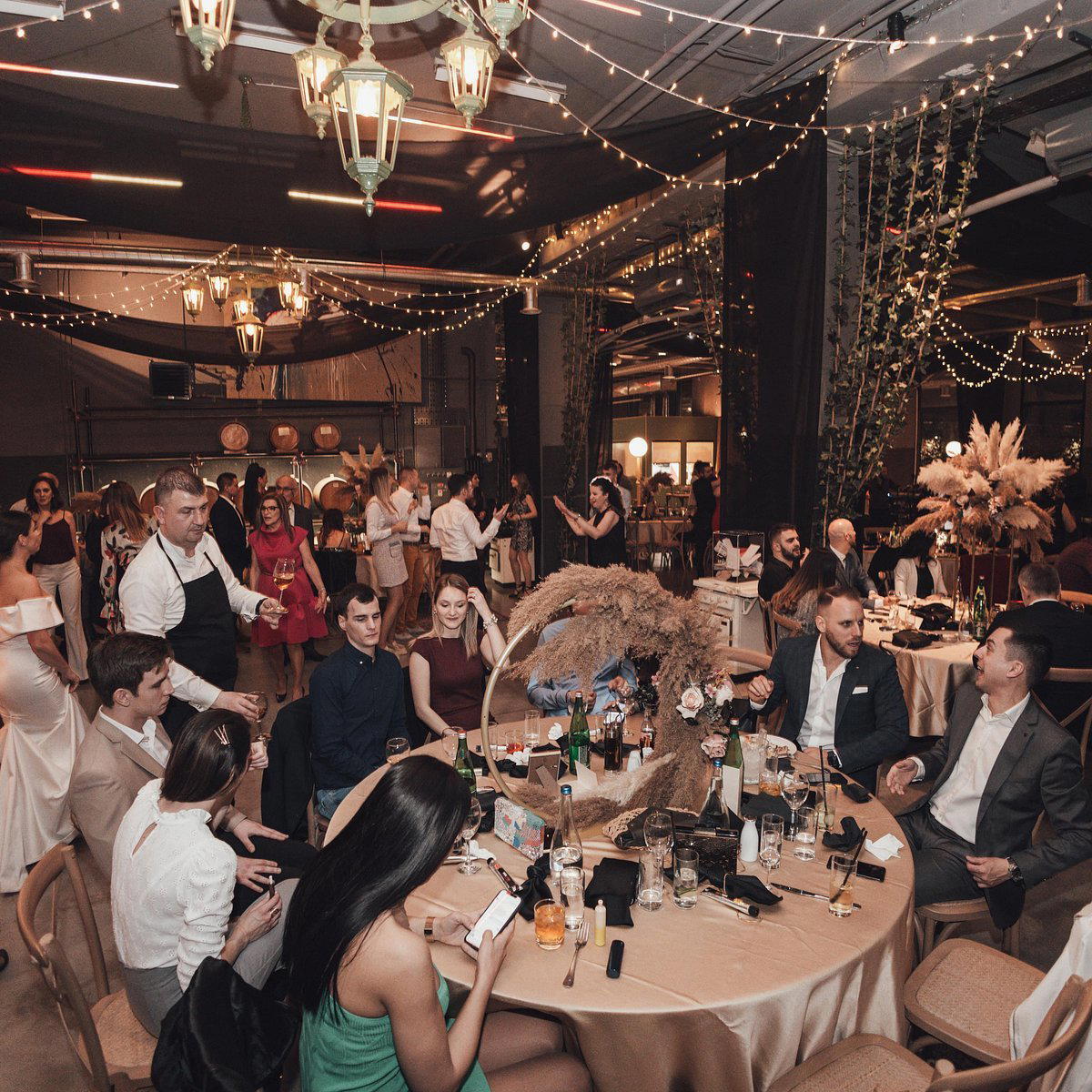
Belgrade's Drinking Culture and Where Barrel House Sits Within It
Barrel House is a restaurant in Belgrade, Serbia, at Žorža Klemansoa 19, with a 4.7 Google rating. The city's most talked-about addresses don't slot neatly into the European fine-dining template or the American craft-bar model, they draw from a local tradition that prizes convivial drinking, table-sharing, and an informal generosity that has little to do with trend-chasing. Barrel House on Žorža Klemansoa 19 operates within that tradition. The address puts it close to the city's central arteries, within reasonable reach of the formal dining rooms clustered further along the riverfront and in the older residential quarters. Its name signals a particular kind of space: one organised around the barrel as both vessel and symbol, the dominant object in Serbian rakija culture and in the country's long relationship with wine production from regions like Šumadija and Fruška Gora.
That cultural backdrop matters. Serbia's barrel, whether oak-staved and holding šljivovica or repurposed for Serbian wine, carries more weight than décor. It represents a domestic ritual of production, preservation, and sharing that predates the modern restaurant format by several centuries. Venues that borrow its iconography are implicitly claiming a connection to that lineage, however loosely. The more successful of Belgrade's bar-forward addresses use that reference to create spaces that feel located rather than imported, grounded in something specific to this city rather than assembled from international hospitality clichés.
The Address and Its Neighbourhood Logic
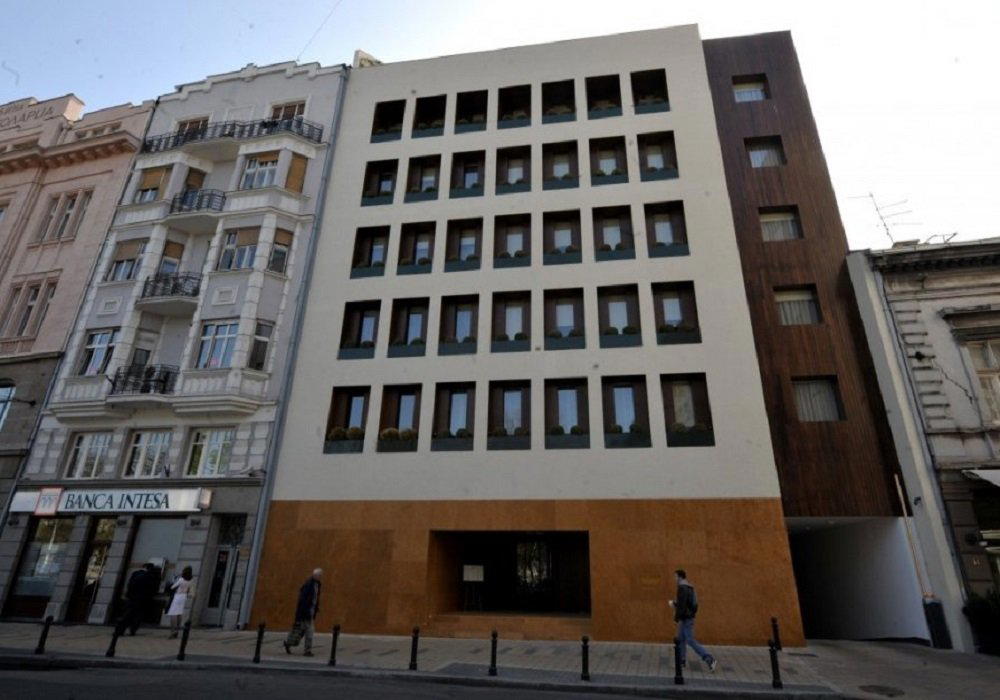
Žorža Klemansoa, named for the French statesman Georges Clemenceau, runs through a part of central Belgrade where the city's café culture and its more structured dining options exist in close proximity. The street sits within walking distance of Knez Mihailova and the broader pedestrian network that anchors Belgrade's social life. For visitors moving between a formal dinner at somewhere like Langouste, one of the city's more ambitious modern cuisine addresses, and a later, looser evening, this part of the centre functions as a natural transition zone.
Belgrade's centre has also become the reference point for understanding how the city's hospitality tiers relate to one another. The Square represents the contemporary French end of the spectrum, sitting at €€ and drawing a crowd that expects a degree of formality. Ambar anchors the Balkan small-plates format that has proven exportable beyond Serbia's borders. Avala and Bela Reka occupy the traditional cuisine end, where the emphasis is on roasted meats, slow-cooked stews, and the kind of hospitality that doesn't require a reservation strategy. Barrel House slots into a different register within this map, closer to the informal end, but with the specificity of concept that separates it from a generic neighbourhood bar.
Rakija, Wine, and the Serbian Barrel Tradition
Understanding what a place called Barrel House might represent in Belgrade requires some context about the country's drinking culture. Serbia produces rakija, principally šljivovica, made from plums, at a domestic scale that dwarfs any other spirit category. The barrel is central to that production: oak ageing gives Serbian rakija its amber register and a complexity that separates a properly aged domestic product from the clear, unaged versions that circulate more widely. The same barrel logic applies to Serbian wine, particularly from Župa, Negotin, and the vineyards of Fruška Gora in Vojvodina, where producers have been building a case for the country's wine credentials over the past two decades.
A venue name that references the barrel in Belgrade is therefore making a specific cultural claim. It's positioning itself within a tradition rather than against it, which is a different strategy from the international cocktail bar model that has spread through the city's more design-conscious addresses. For comparison, the trajectory of Serbian craft drinking has followed a path that other Balkan capitals have also walked, moving from imported brands as status signals toward a reassertion of domestic production as the more interesting choice. Barrel House, read within that frame, is part of a broader shift in how Belgrade's drinking establishments present local identity.
Belgrade Beyond the Capital: The Wider Serbian Dining Circuit
For visitors using Belgrade as a base, the city's restaurant scene exists in conversation with options across the wider country. Fleur de Sel in Novi Slankamen represents the kind of destination dining that justifies a drive from the capital. Ananda in Novi Sad anchors the second city's more considered end of the market. Vojvodina's slower pace and agricultural character, including the wine villages of Fruška Gora, provides a counterpoint to Belgrade's density. Elsewhere in Serbia, addresses like Aleksandar Gold in Uzice, Borkovac in Ruma, and Etno Kuća Dinar in Vrsac demonstrate how strongly the traditional and ethnographic dining format persists outside the capital, with venues like ETNO PODRUM BRKA in Nis, Etno Restoran Fijaker in Sombor, and ČARDA ZLATNA KRUNA in Apatin all working variations on the same rooted, ingredient-forward tradition. Cafe Boem in Pirot and Burrito Madre Big Pančevo in Pancevo round out a picture of a country where dining options span a considerably wider range than the capital's scene alone suggests.
Internationally, the informal bar-forward format that Barrel House represents has close analogues in cities where the cocktail and spirits program has become the organising logic rather than the food menu. Le Bernardin in New York City and Lazy Bear in San Francisco sit at the opposite end of the formality spectrum, but they're useful reference points for understanding how Belgrade's most informal addresses position themselves in relation to their city's more decorated peers.
Planning Your Visit
Barrel House is located at Žorža Klemansoa 19, centrally positioned in Belgrade. Barrel House is recommended for reservations, and its regular hours are Monday to Saturday from 11 AM to 12 AM, with Sunday closed. Belgrade's hospitality culture generally accommodates walk-ins more readily than cities where reservation infrastructure dominates, though that calculus changes on weekends and during the summer terrace season.
Price and Positioning
Comparable venues nearby, for context on price, style, and recognition.
| Venue | Cuisine | Price | Awards | Notes |
|---|---|---|---|---|
| Barrel HouseThis venue — the venue you are viewing | $$ | , | ||
| JB Pivnica | $$ | , | Belgrade, Traditional Serbian Family Restaurant | |
| Avala | Savski Venac, Traditional Serbian | $$ | , | |
| Mala Kolubara na reci | $$ | , | New Belgrade, Traditional Serbian Riverside | |
| Znak pitanja (?) | Stari Grad, Traditional Serbian Kafana | $$ | , | |
| KAFE POSLASTIČARNICA FINI | city center, Serbian Pastry Cafe | $$ | , |
At a Glance
- Lively
- Cozy
- Trendy
- Group Dining
- Casual Hangout
- Celebration
- Family
- Private Dining
- Craft Cocktails
- Local Sourcing
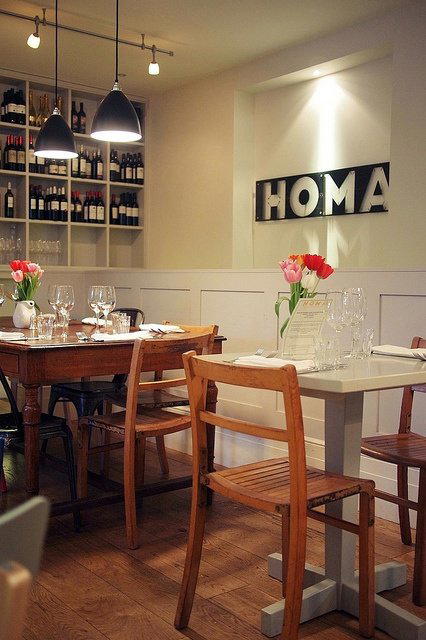
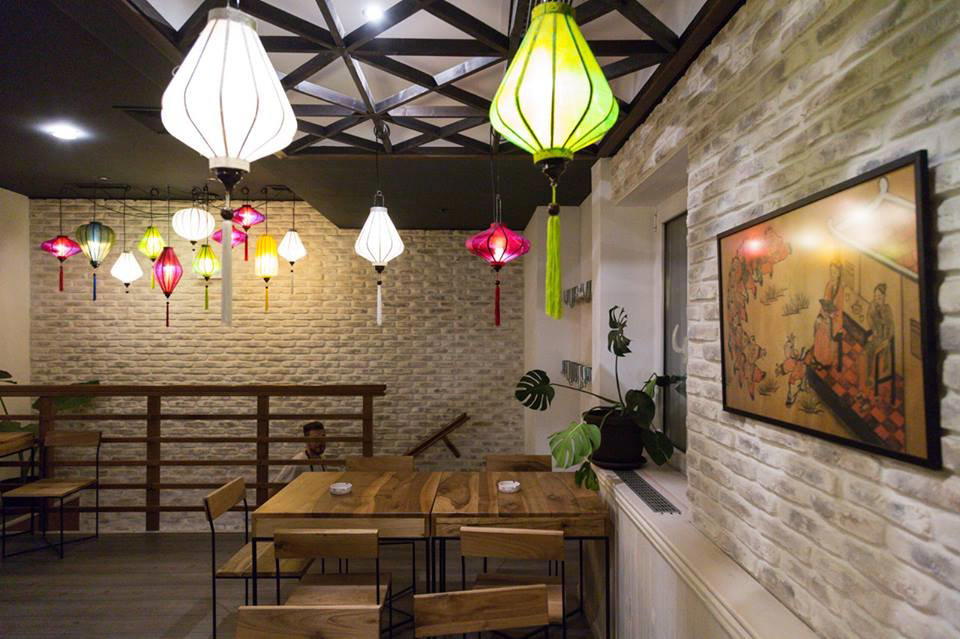
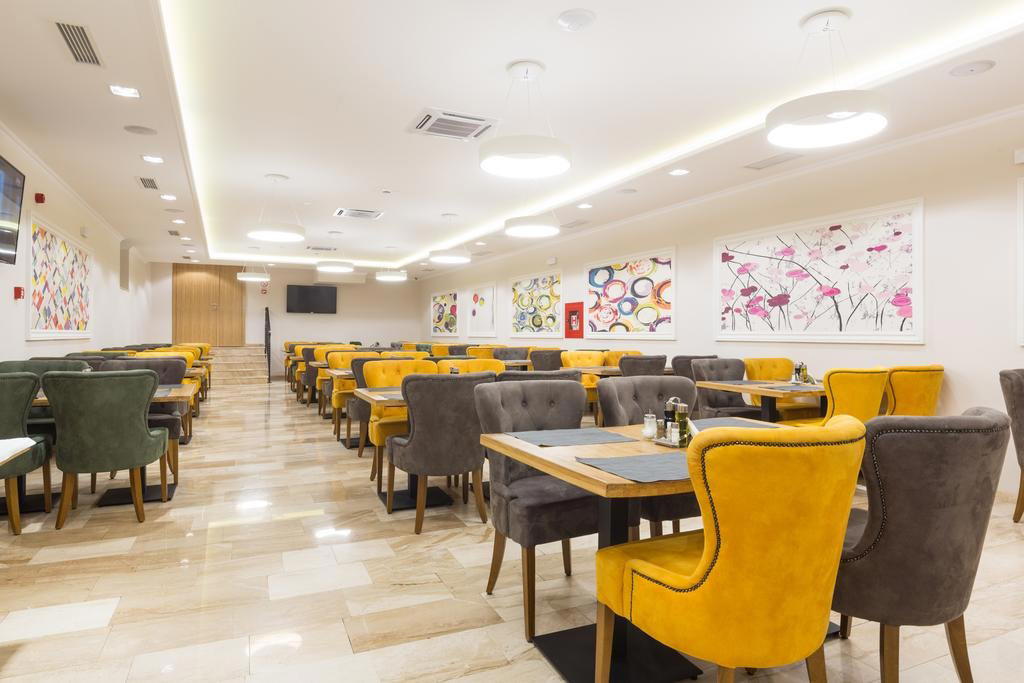
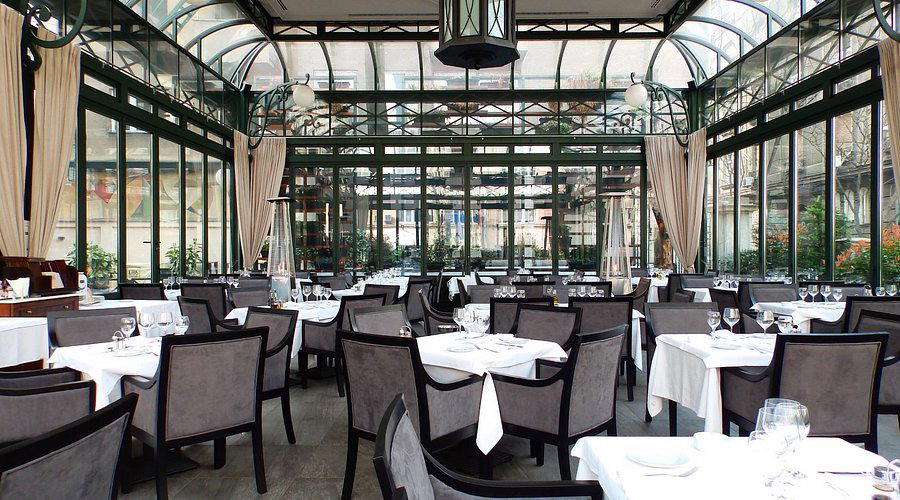
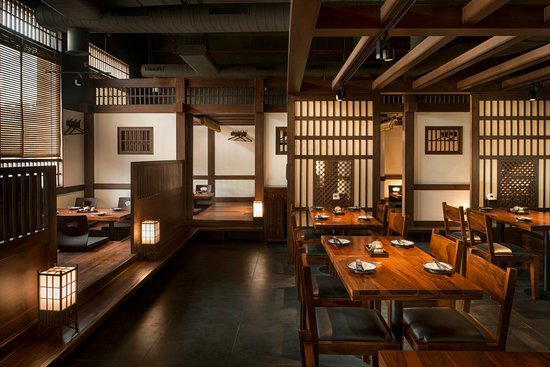
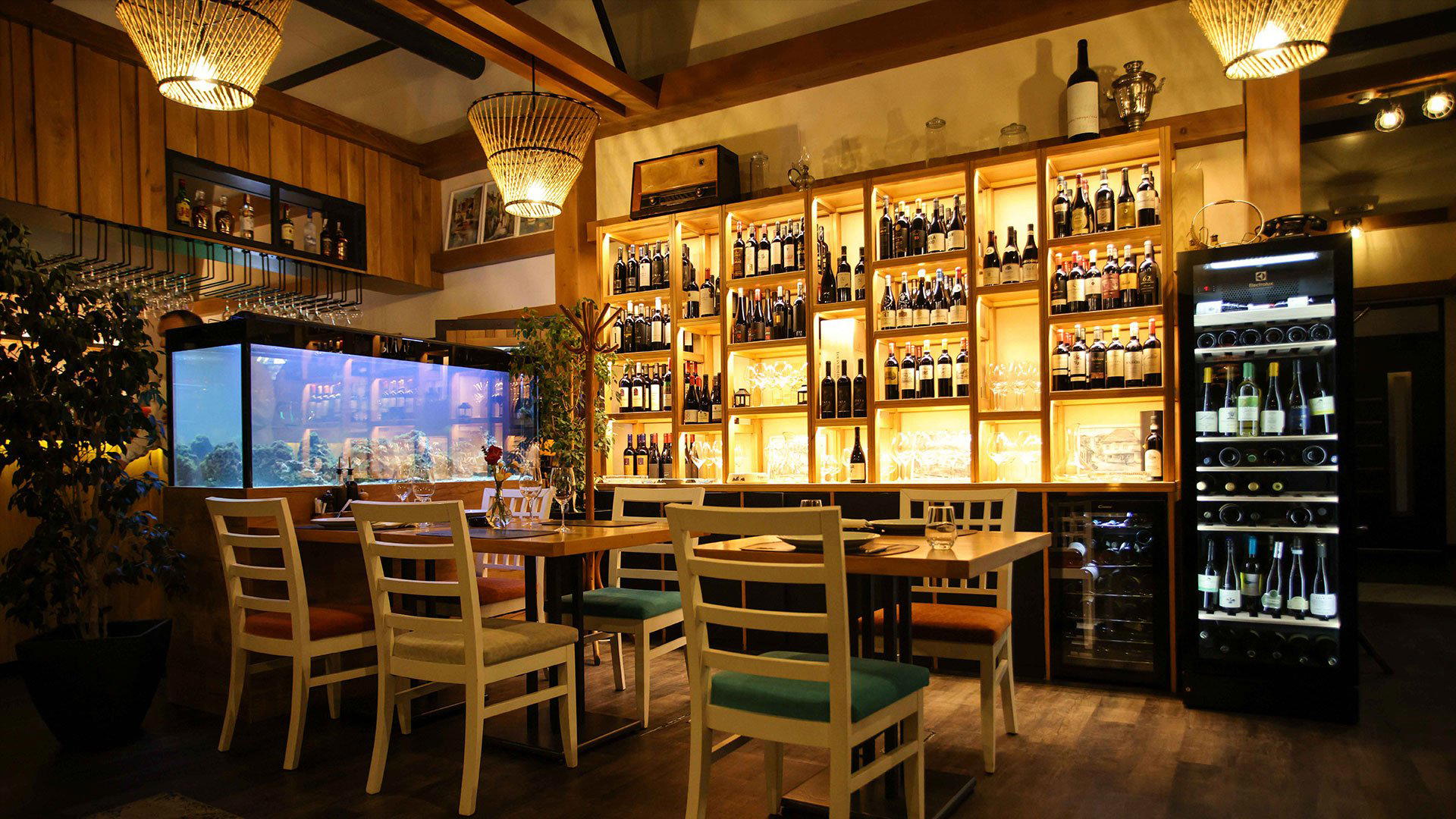
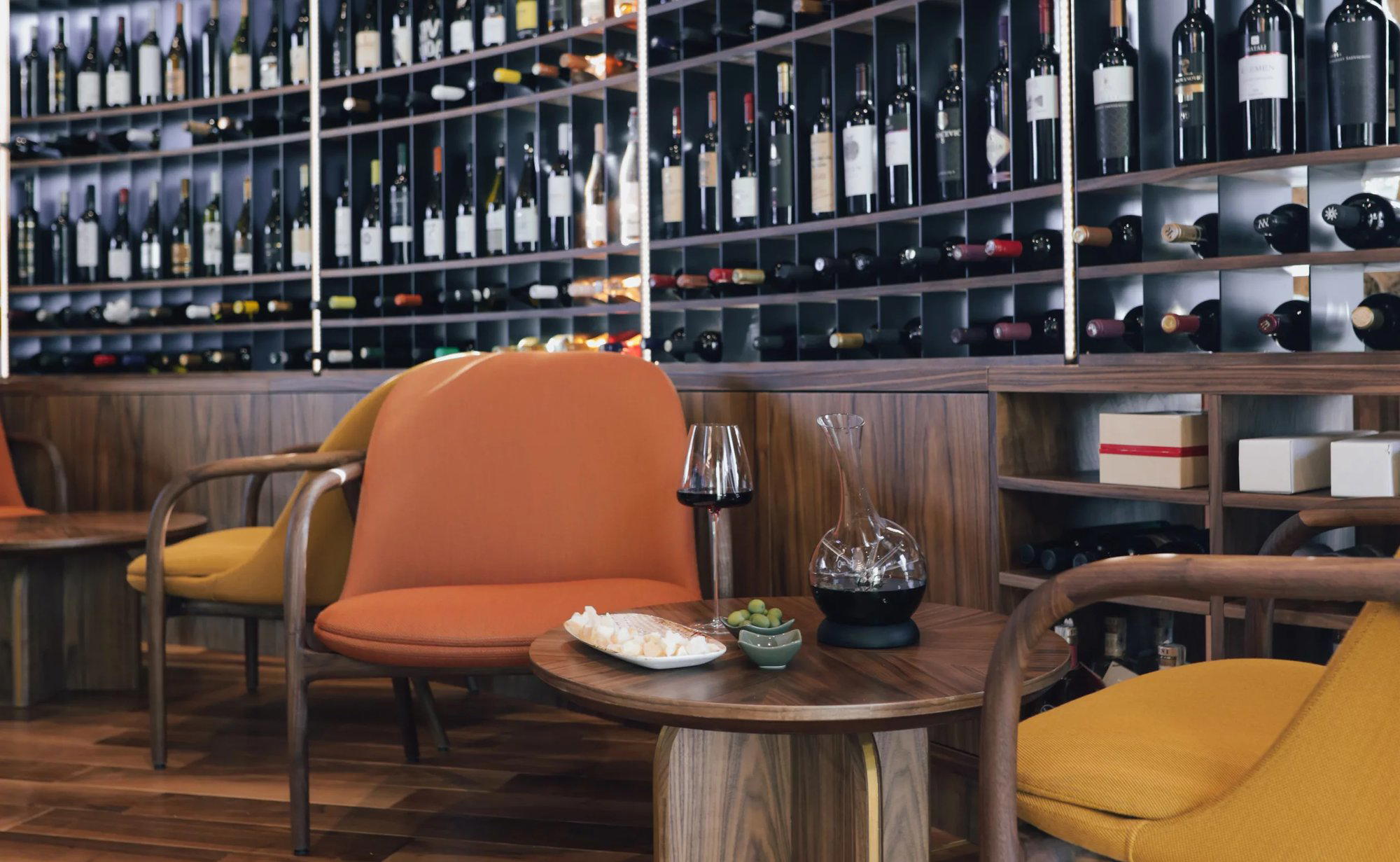
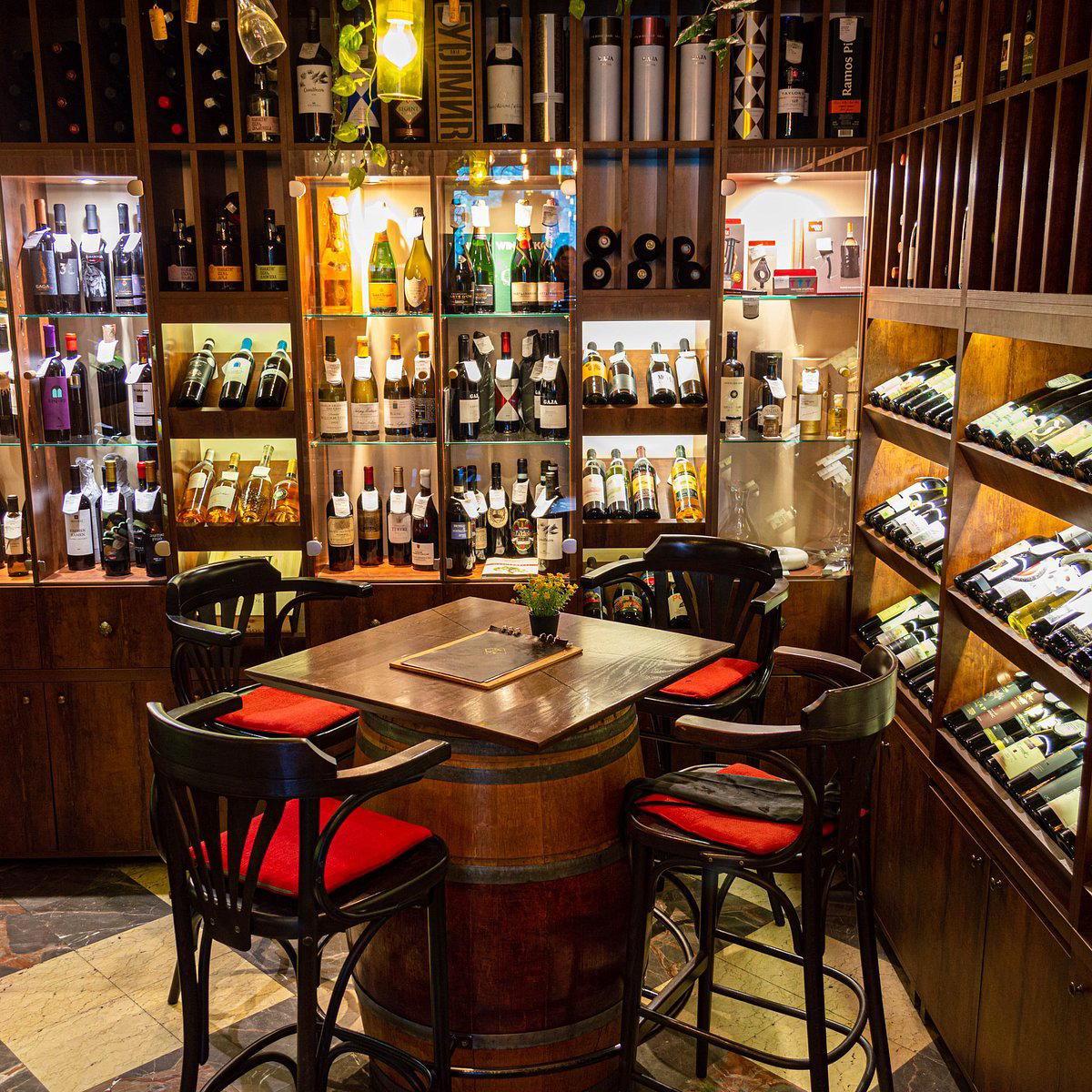
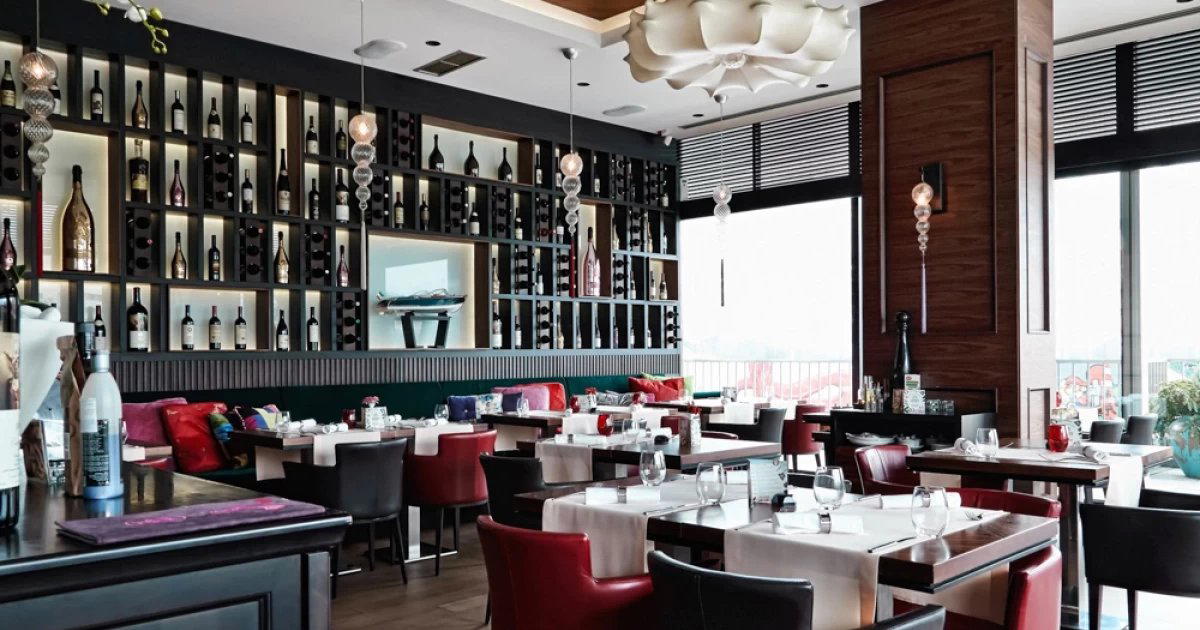
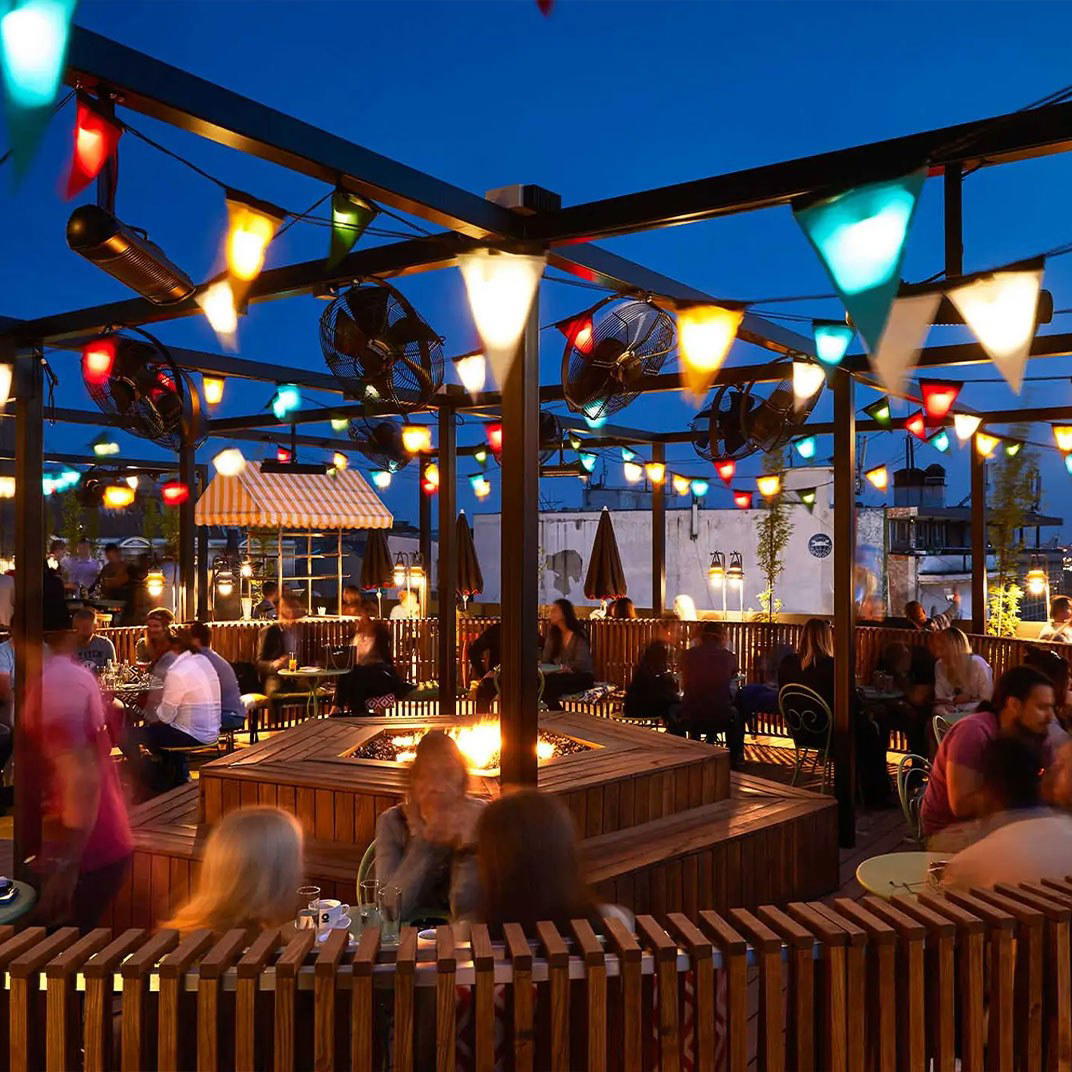
Relaxed urban atmosphere blending modern and traditional elements with pleasant, spacious interiors praised for great vibe.