Our verdict
Restaurant Djerdan serves Authentic Serbian Barbecue at Jelene Mioč 1, with craft cocktails and plates such as Karadjordjeva Steak and Mixed Grill Platter.

Pearl is the En Primeur Club membership app — saves, bookings, and concierge access live there. Same editors, same standards.
- Address
- Jelene Mioč 1, Beograd 11050, Serbia
- Phone
- +381112887900
- Hours
- Mon–Sat 9 AM–11 PMSun 12–10 PM
- Website
- restorandjerdan.rs
- Directions
- Get directions
The menu
What to order
- Karadjordjeva Steak
- Mixed Grill Platter
- Grilled Pork
- Curetina sa Mlincima
Where Belgrade's Kafana Tradition Holds Its Ground
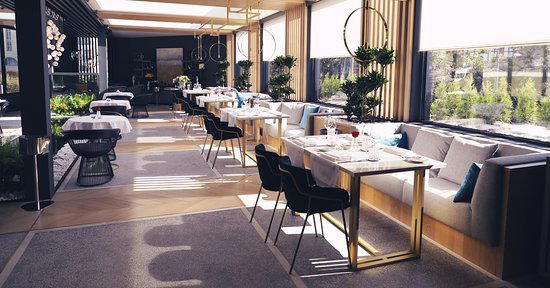
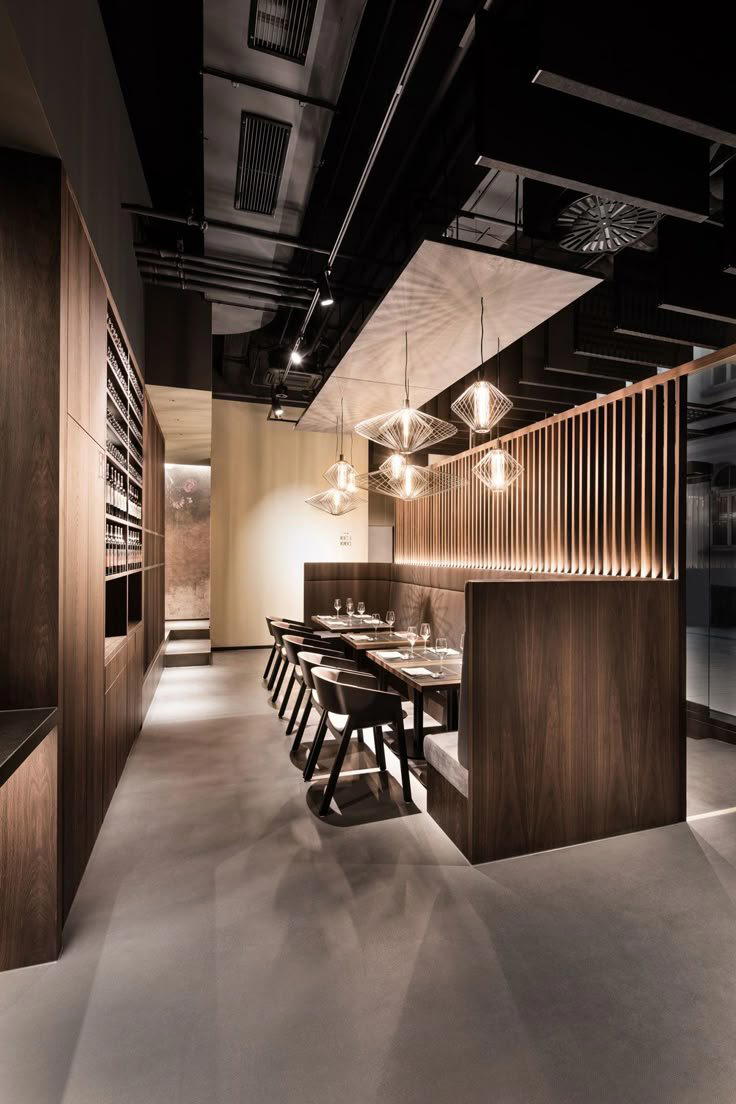
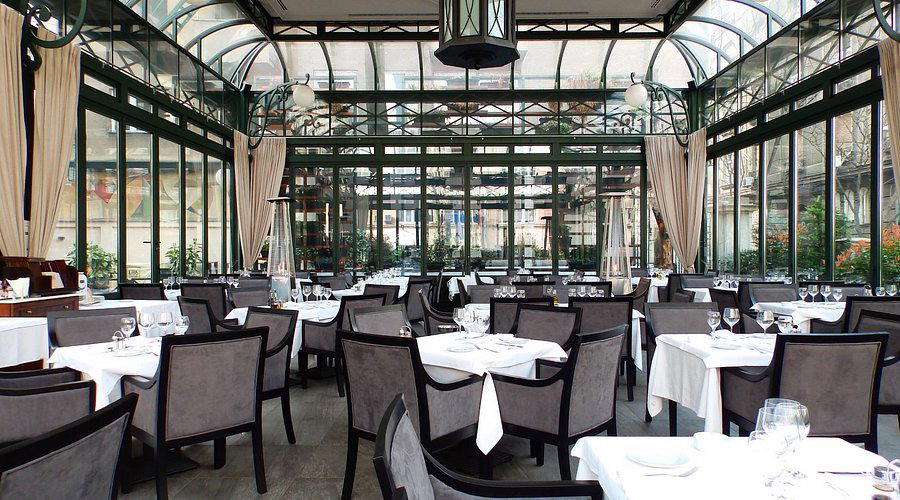
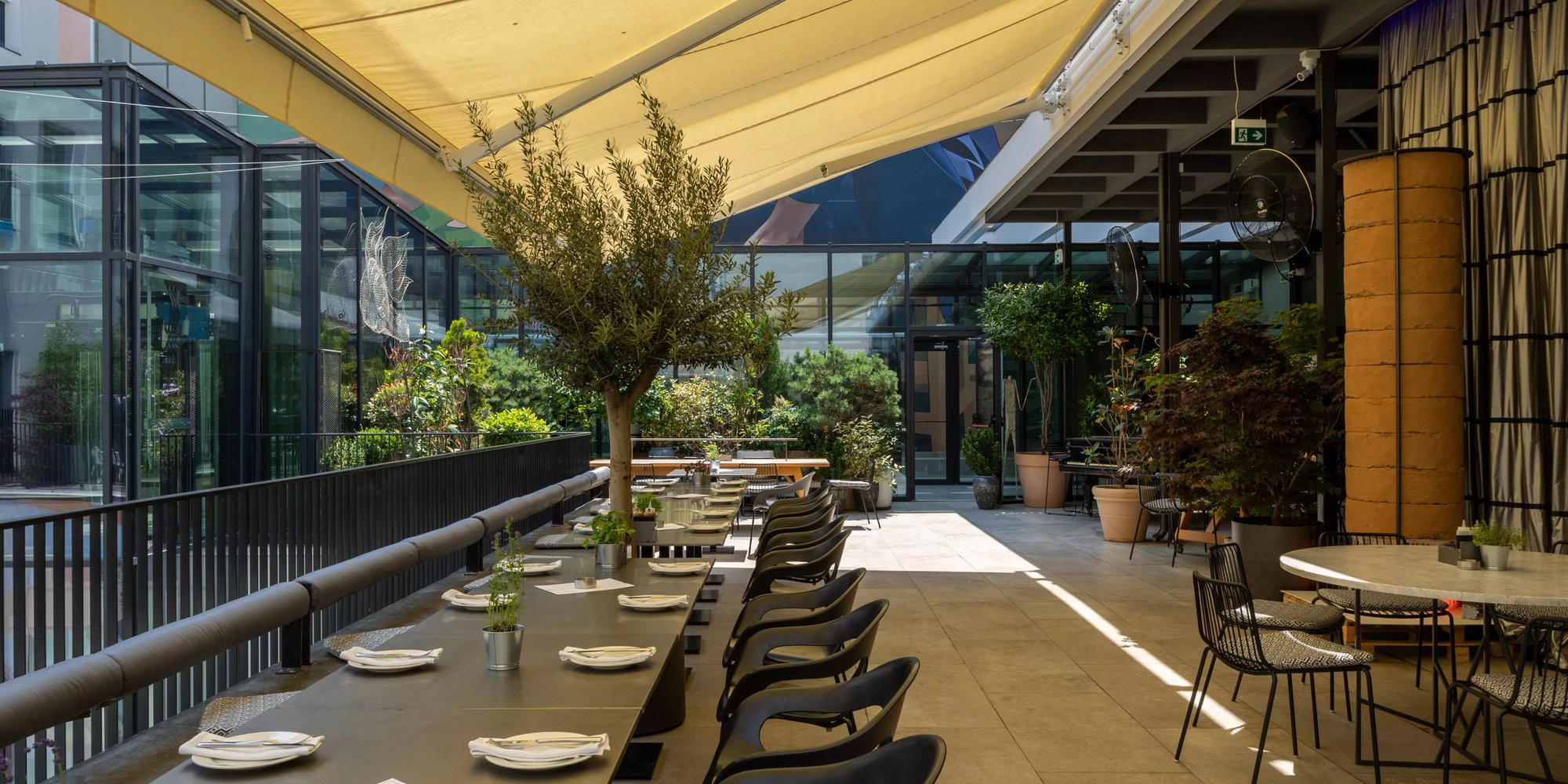
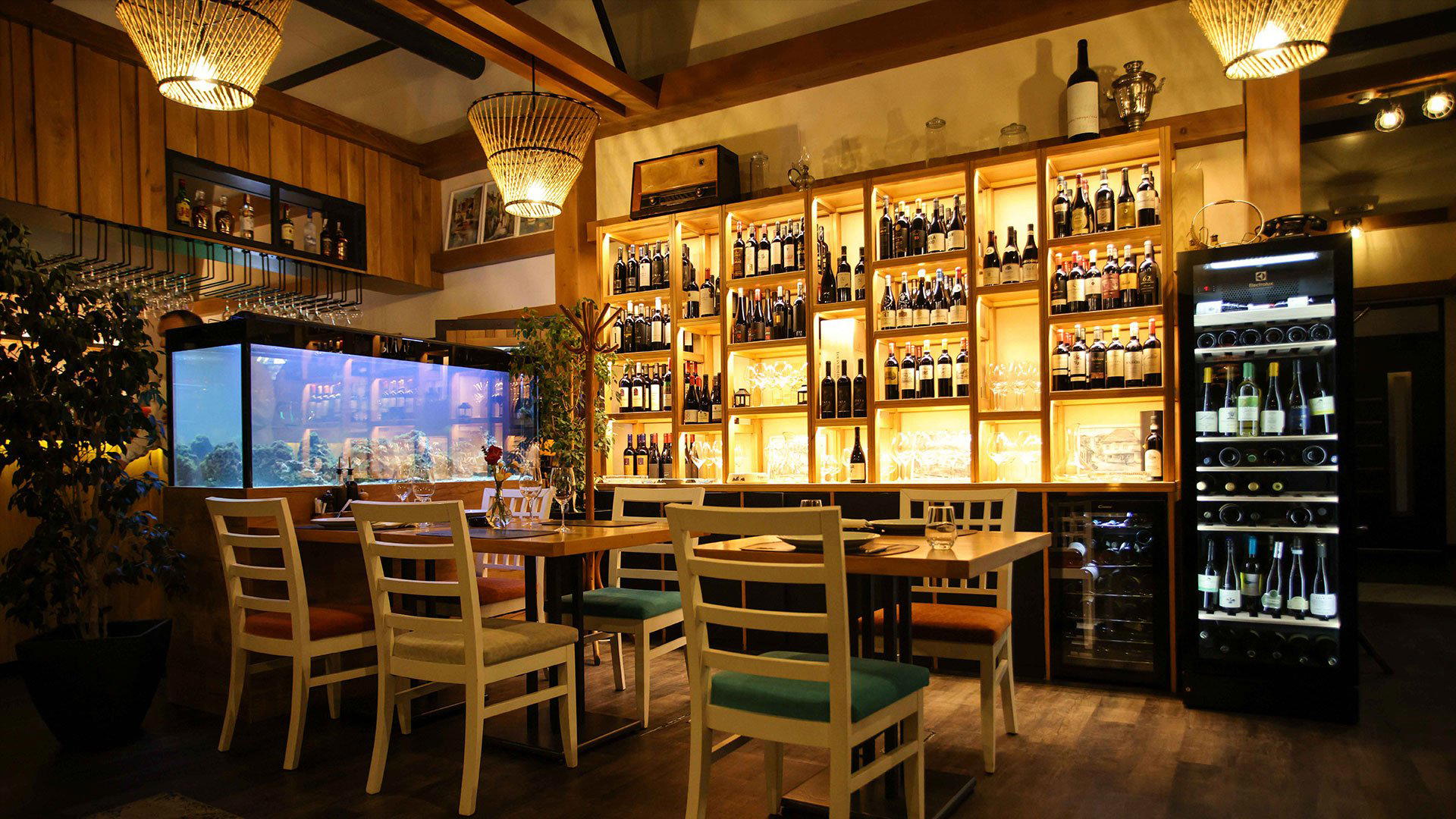
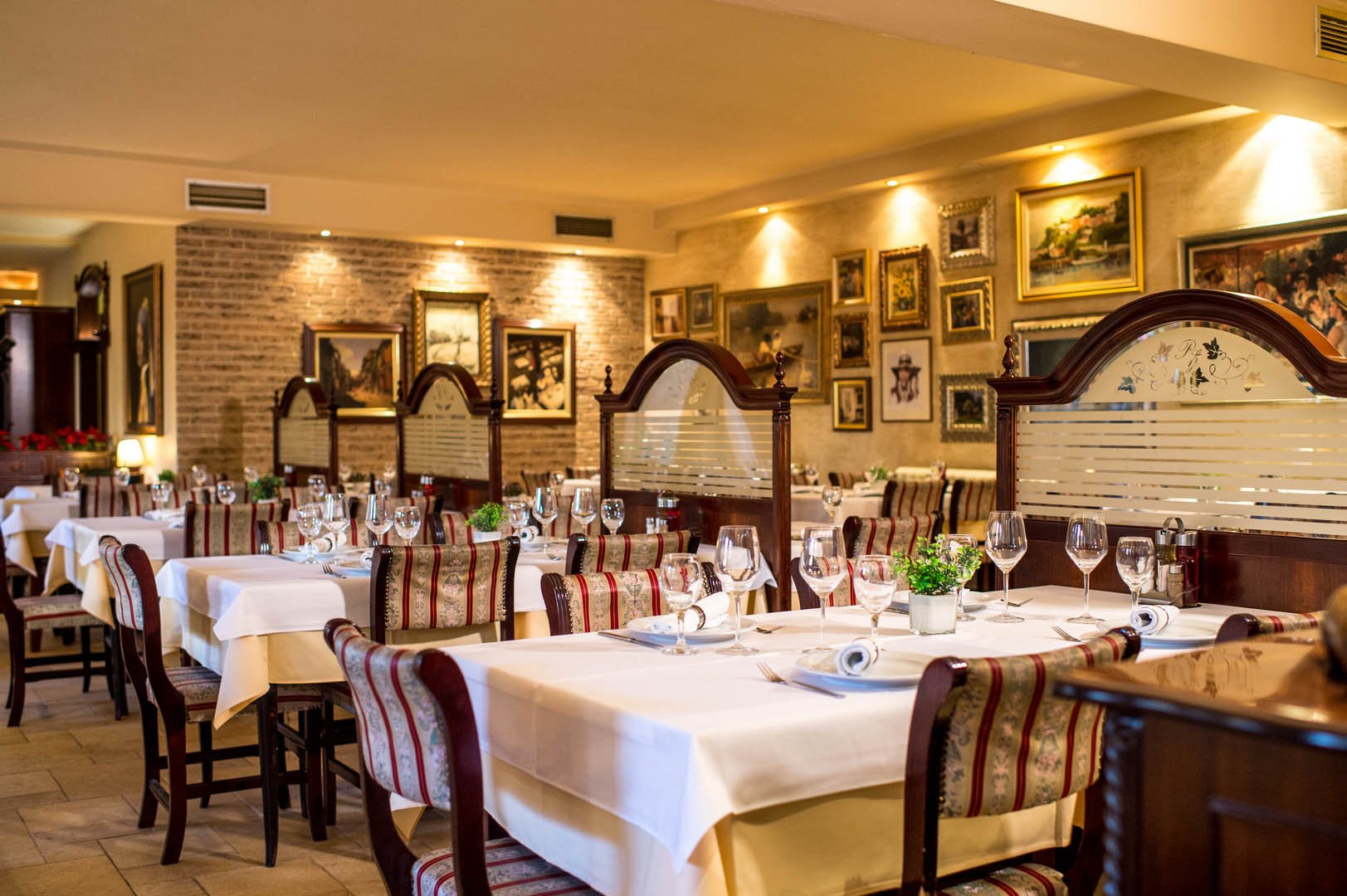
There is a particular quality to Belgrade's older dining rooms that newer establishments spend considerable effort trying to replicate: a weight to the air, a sense that the room has absorbed decades of conversation and has no particular interest in impressing anyone. Restaurant Djerdan, addressed at Jelene Mioč 1 in Belgrade, operates in that tradition. The address alone places it in a part of the city where the architecture sets expectations before you reach the door, and the interior follows through on whatever those expectations are. This is not a space designed to photograph well on a phone. It is a space designed to be used.
The Logic of the Serbian Table
To understand how a meal at a place like Djerdan sequences, you need to understand how Serbian hospitality structures eating. This is not a cuisine built around a single centerpiece dish preceded by decorative amuse-bouches. The Serbian table operates through accumulation: cold mezze-style starters arrive first, building a foundation of flavors rooted in the Balkans' intersection of Ottoman, Central European, and Slavic culinary traditions. Ajvar, kajmak, cured meats, and pickled vegetables are not appetizers in the French sense; they are the opening argument of the meal, establishing the register of what follows.
Grilled meats dominate the middle register of any serious Serbian menu, and the technique here carries its own logic. The mangal, a traditional charcoal grill, is the instrument through which cuts of pork, lamb, and beef are transformed by direct heat and smoke. Ćevapi, the small skinless sausages of minced meat that define street-level Serbian eating, appear on formal menus too, but at sit-down restaurants the grilled offerings tend toward larger formats: whole cuts, mixed platters, marinated chops. The sequencing from cold starters through grilled mains to a heavy finish of cheese or preserved sweets follows a structure that has not required updating because it works.
Belgrade's dining scene has bifurcated over the past decade. On one side, a cluster of modern restaurants, including Langouste and The Square, press toward contemporary European formats with tasting menus and refined plating. On the other, traditional kafana-style restaurants maintain the older format: abundant, unpretentious, focused on the table rather than the kitchen's performance. Djerdan sits in the second camp. For the modern Balkan interpretation that bridges those two modes, Ambar offers a different point of comparison. Understanding which camp you are booking into matters before you arrive.
How the Meal Moves
The progression at a restaurant operating in this tradition is worth mapping for first-time visitors. Meals rarely feel rushed, and they rarely feel curated in the contemporary sense of a tasting menu where each course is a discrete statement. Instead, dishes arrive in waves, with the expectation that the table will share and that the pace will be governed by conversation rather than kitchen timing.
The first wave is cold: the spreads, the charcuterie, the vegetables. This phase can last as long as the table allows it to, and in Belgrade it often does. The second wave is hot and grilled, arriving in generous portions that reward sharing rather than individual ordering. Bread serves as a utensil throughout. The meal ends not with a formal dessert sequence but with the gradual winding down that comes from a table that has eaten well and at length. Wine, typically a Serbian red from the Šumadija or Negotin regions, runs through all of it.
Visitors arriving from cities where dinner is a two-hour fixed sequence sometimes find this rhythm disorienting. Those who adjust tend to report it as one of the more genuinely pleasurable ways to eat in the Balkans. Restaurants like Avala and Barrel House offer variations on the broader Belgrade dining character, but the kafana format at its most traditional is a specific experience that those venues do not fully replicate.
The Serbian Dining Scene Beyond Belgrade
The tradition that Djerdan represents is not confined to the capital. Across Serbia, regional restaurants maintain their own interpretations of the same culinary logic. Kod Brana in Cacak and Lovački dom in Valjevo carry that tradition into central Serbia, where the emphasis on game and forest mushrooms inflects the menu differently than a city address. Further afield, Windmill in Pancevo and Etno Kuća Dinar in Vrsac extend the hospitality format into Vojvodina, where Hungarian and Austrian influences layer into the Serbian base. South, toward Pirot, KAFANA DUKAT keeps the kafana format alive in its most direct regional form.
In Novi Sad, Kafe Restoran Maša represents the northern variant of the same tradition. Kod poštara in Aran Elovac and Aleksandar Gold in Uzice anchor the western and southwestern parts of the country. Mountain eating, with its heavier emphasis on dairy and smoked meats, finds one expression at Grand in Kopaonik. On the Danube, ČARDA ZLATNA KRUNA in Apatin represents the čarda format, where freshwater fish dominates in ways that the landlocked city kafana does not attempt. For a full picture of what Belgrade specifically offers, the EP Club Belgrade restaurants guide maps the full range of options across price tiers and styles.
Planning a Visit
Restaurant Djerdan sits at Jelene Mioč 1 in Belgrade. For visitors calibrating ambitions across different cities and cuisines, the contrast between a place like this and, say, Le Bernardin in New York or Atomix is instructive not as a hierarchy but as a study in how different culinary cultures define hospitality. The Serbian table's generosity is structural, not performative. Plan for a longer meal than you think you need, arrive with people you want to talk to, and resist the impulse to order everything at once. The meal will find its own pace.
Frequently asked questions
What is the atmosphere like at Restaurant Djerdan?
Djerdan operates in the kafana tradition, which means the room carries the accumulated weight of a dining culture that predates contemporary restaurant trends. Expect close tables, unhurried service rhythms, and a setting where groups anchor themselves for hours rather than turns. The address on Jelene Mioč 1 places it within Belgrade's older urban fabric, and the interior reflects that continuity rather than working against it.
Where exactly is Restaurant Djerdan?
Restaurant Djerdan is located at Jelene Mioč 1, Beograd 11050, Serbia, Belgrade.
How does Restaurant Djerdan compare to Belgrade's newer Serbian restaurants?
Djerdan sits at Jelene Mioč 1 in Belgrade and operates within the kafana lineage, a format that newer Serbian restaurants frequently reference but rarely replicate in structural terms. Where contemporary Belgrade dining rooms often adapt kafana aesthetics as a design choice, an established kafana-format restaurant maintains the actual service pace, table culture, and menu logic that the tradition was built on. For visitors moving between Belgrade's older and newer dining scenes, that distinction is the relevant one.
What dish is Restaurant Djerdan famous for?
The restaurant follows the Serbian kafana format, where grilled meats, meze spreads, and bread-anchored sharing plates form the structural logic of the menu. Specific dishes are not formally documented in the available record, but the cooking tradition it operates within centres on cevapi, pljeskavica, and slow-cooked preparations that have defined Belgrade's dining culture across generations.
Do I need a reservation for Restaurant Djerdan?
For a restaurant of this type in Belgrade, arriving early or during off-peak hours is a practical approach, particularly on weekends when kafana dining draws extended family and group visits that can fill a room quickly.
A Lean Comparison
Comparable venues nearby, for context on price, style, and recognition.
| Venue | Cuisine | Price | Notes |
|---|---|---|---|
| Restaurant DjerdanThis venue — the venue you are viewing | Authentic Serbian Barbecue | $20–30 | Not listed |
| Srpska kafana | Authentic Serbian Kafana | $10–20 | Old Town, Authentic Serbian Kafana |
| RESTORAN OPERA | Serbian & International | $20–30 | Stari Grad, Serbian & International |
| RESTORAN KOVAČ | Traditional Serbian | $20–30 | Voždovac, Traditional Serbian |
| Restoran Vuk | Traditional Serbian Grill | $20–30 | City Center, Traditional Serbian Grill |
| RESTORAN GRAFIČAR | Traditional Serbian Barbecue | $20–30 | Dedinje, Traditional Serbian Barbecue |