Our verdict
Restoran Vuk occupies a central Belgrade address on Vuka Karadžića, placing it inside the capital's enduring tradition of Serbian table hospitality. The name itself — Vuk, meaning wolf, and sharing ground with the great 19th-century linguist Vuk Stefanović Karadžić, after whom the street is named — signals a rootedness in Serbian cultural identity that shapes many of the city's longer-standing dining rooms. A reference point for visitors seeking a grounded Belgrade meal away from the newer wave of contemporary Serbian concepts.

Pearl is the En Primeur Club membership app — saves, bookings, and concierge access live there. Same editors, same standards.
- Address
- Vuka Karadžića 12, Beograd 11000, Serbia
- Phone
- +381112629761
- Hours
- Mon–Sat 9 AM–11 PMSun 9 AM–9:30 PM
- Directions
- Get directions
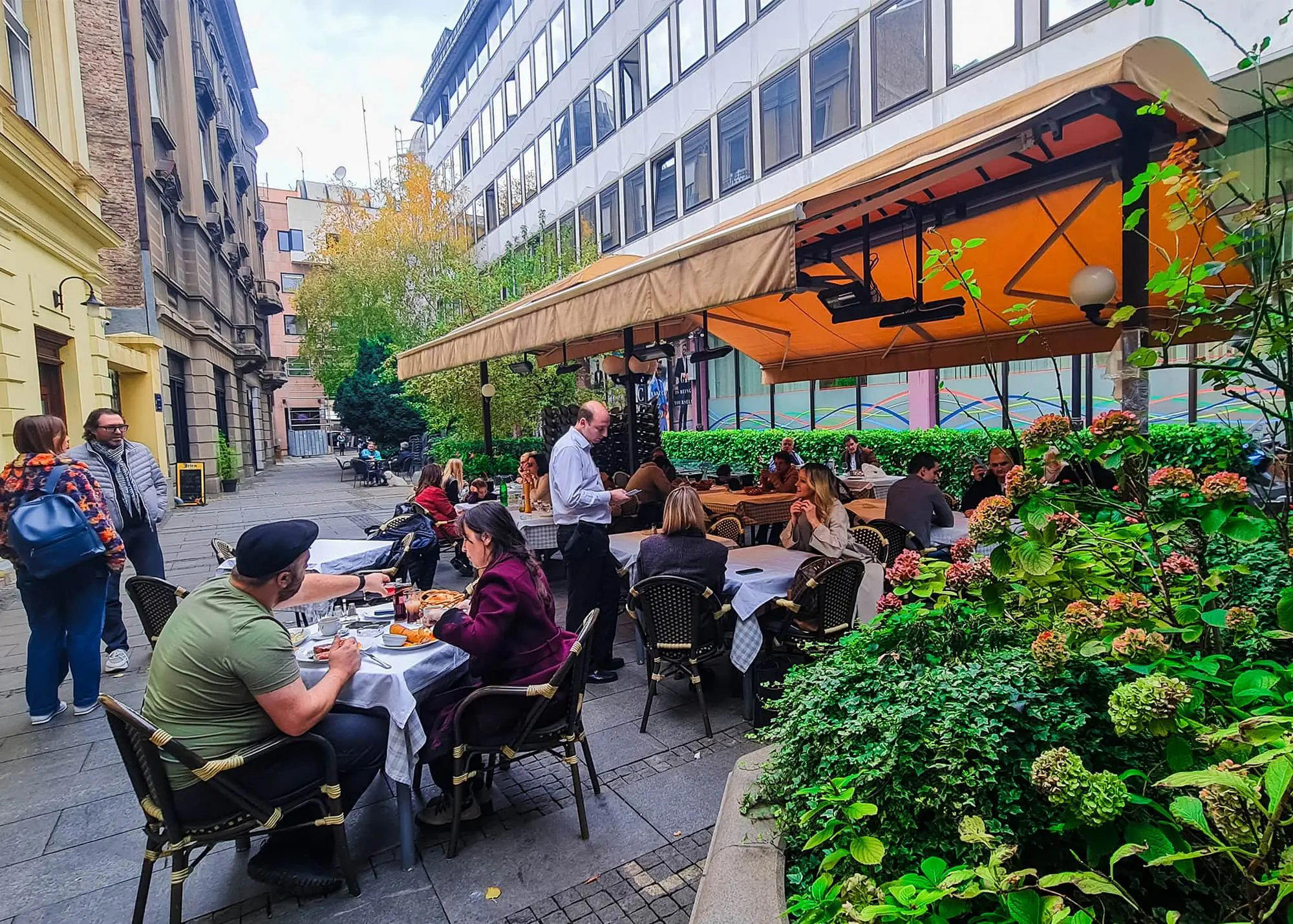
The menu
What to order
- Cevapcici
- Roasted Veal
- Sarma
A Street, a Name, and What They Signal
The address alone carries weight. Vuka Karadžića, the central Belgrade thoroughfare named after the 19th-century philologist who standardised the Serbian language and codified its folk traditions, runs through a part of the city where the old and the contemporary exist in close proximity. Restoran Vuk sits at number 12 on that street, and the name Vuk — wolf in Serbian, but inseparable here from the cultural gravity of Karadžić himself — places the restaurant within a recognisable Belgrade tradition: the dining room that draws its identity from Serbian history rather than from imported culinary fashion.
This is a pattern that runs through the city's older dining culture. While Belgrade has developed a newer tier of restaurants oriented toward modern Serbian cooking, places like Langouste and The Square that reframe domestic ingredients through contemporary technique, the traditional Serbian restaurant remains the backbone of how most Belgraders actually eat when they eat out. Restoran Vuk operates in that longer-established register.
The Cultural Logic of Serbian Table Eating
To understand a restaurant like Vuk, it helps to understand what Serbian dining culture values at its core. The meal here is not primarily about novelty or authorial expression. It is about the table as a social institution: the expectation of generous portions, the centrality of grilled meats and slow-cooked preparations, the role of bread and spreads as a meal's prologue rather than an afterthought, and the rhythm of a lunch or dinner that is meant to extend rather than conclude quickly.
Serbian cuisine draws on several distinct influences. Ottoman culinary traditions left their mark in the prevalence of minced meat preparations, stuffed vegetables, and the use of paprika and slow-braised technique. Central European proximity, particularly the Austro-Hungarian period that shaped northern Serbia and Vojvodina, introduced a heavier hand with pork and a tradition of cold cuts and cured meats. The result is a cooking culture that is simultaneously Balkan, pan-Slavic, and distinctly its own.
In Belgrade specifically, the kafana tradition, the Serbian version of the central European tavern, now more than two centuries old in the city, provides the cultural template for restaurants like Vuk. The kafana is not merely a format; it is a social contract. You arrive, you stay, you order in rounds, and the meal accommodates conversation rather than competing with it. For visitors more familiar with the tighter pacing of contemporary European dining, this represents a meaningfully different expectation of what a restaurant is for. Venues like Ambar and Avala sit closer to the modern interpretation of Serbian hospitality, while Barrel House represents the city's more casual end.
Where Vuk Sits in the Belgrade Dining Picture
Belgrade's dining economy is notably stratified. At the upper end, a small cluster of modern Serbian and European-leaning restaurants price against international peers. Langouste operates at the €€€€ tier; The Square sits at €€. For context, Salon 1905 anchors the €€€ bracket. The traditional Serbian restaurant, by contrast, typically prices well below those reference points, reflecting lower food costs for domestic ingredients and a pricing culture shaped by local spending power rather than international visitor expectations.
This positions traditional Serbian restaurants in an interesting tension: they offer some of the most culturally specific eating in the city at prices that rarely approach what a comparable cultural meal would cost in Vienna, Budapest, or Ljubljana. For the reader coming from Western Europe or North America, the arithmetic tends to be favourable. Serbia's equivalent scene elsewhere in the country, at places like Kod Brana in Cacak, Lovački dom in Valjevo, or Etno Kuća Dinar in Vrsac, shows how consistent this format remains across the country, not just in the capital.
What the Menu Tradition Looks Like
The meal typically opens with a selection of cold starters: ajvar (roasted red pepper relish), urnebes (a spiced curd cheese preparation), kajmak (clotted cream dairy), cured meats, and the ubiquitous Serbian salad of tomato, cucumber, and onion dressed simply with oil. Bread arrives as a constant. This opening round is not a formality, it is substantive, and many locals treat it as a full first course.
Grilled meats anchor the mains: ćevapi (minced meat sausages, often served with raw onion and kajmak), pljeskavica (a larger minced patty of considerable dimension), veal chops, and lamb preparations that vary by season. Slow-cooked dishes, podvarak (sauerkraut braised with meat), beans prepared in the manner of prebranac, paprikaš, appear regularly and reflect the Ottoman-inflected side of the cuisine. Portions in this format are rarely modest. The expectation is that you will share, that you will order more than you can finish, and that the table will remain occupied for longer than the food strictly requires.
For visitors exploring Serbian dining further across the country, the format holds whether you are eating at KAFANA DUKAT in Pirot, Kafe Restoran Maša in Novi Sad, or Aleksandar Gold in Uzice. The regional variations, the fish-forward focus of a čarda on the Danube, the game-driven menu of a mountain hunting lodge like Windmill in Pancevo, represent departures from a shared baseline. See our full Belgrade restaurants guide for a broader map of how these categories fit together across the city.
Practical Considerations for Visiting
Address: Vuka Karadžića 12, Belgrade 11000, Serbia
Reservations: Contact, walk-in is standard practice for traditional Serbian restaurants at this level during off-peak hours; lunch service is typically less pressured than weekend evenings
Timing: Serbian restaurants at this format tend to peak Friday and Saturday evenings; midweek lunch is the quieter window
Getting There: The address sits in central Belgrade, within walking distance of Republic Square and the main pedestrian zone
Price Tier: Specific; traditional Serbian restaurants in this category typically fall below the €€ threshold for Belgrade, making them among the more accessible options in the city
Note: Phone, hours, and website, verify locally on arrival or through hotel concierge
Frequently asked questions
Is Restoran Vuk child-friendly?
Traditional Serbian restaurants in Belgrade are generally well-suited to families, and Vuk's address on Vuka Karadžića places it in a central, accessible part of the city. The format — shared plates, generous portions, and an unhurried pace — accommodates mixed-age groups without difficulty.
What is the atmosphere like at Restoran Vuk?
Vuka Karadžića is one of central Belgrade's main pedestrian-adjacent thoroughfares, carrying both foot traffic and historical association with the 19th-century language reformer after whom the street is named. Within that context, a restaurant bearing the same name signals a degree of local identity and civic rootedness. The broader Serbian dining tradition prioritises a convivial, table-centred pace over formal service choreography, and that ethos tends to define the room more than any single design choice.
How does eating at Restoran Vuk differ from Belgrade's contemporary Serbian restaurants?
Belgrade's newer Serbian restaurants, including Langouste at the premium end and Ambar in the mid-range, reframe traditional ingredients through modern plating and tasting-format structures. A restaurant like Vuk, positioned by name and address within the established city centre, operates in the classical register: larger portions, a la carte ordering, and the expectation of a shared, social table rather than a curated progression of courses. For visitors whose priority is understanding Serbian food in its conventional form rather than its contemporary interpretation, that distinction matters.
What should I eat at Restoran Vuk?
Confirmed dish data for Restoran Vuk is not available, but the address, name, and positioning within Belgrade's dining scene point firmly toward the traditional Serbian category. That category is anchored by grilled meats (ćevapi, pljeskavica, roštilj), slow-cooked casseroles such as đuveč, and cold starters including ajvar and various cured preparations. Ordering across those categories — rather than selecting a single main — reflects how Serbian tables are meant to be used.
Where the Accolades Land
Comparable venues nearby, for context on price, style, and recognition.
| Venue | Cuisine | Price | Notes |
|---|---|---|---|
| Restoran VukThis venue — the venue you are viewing | Traditional Serbian Grill | $20–30 | Not listed |
| RESTORAN KOVAČ | Traditional Serbian | $20–30 | Voždovac |
| Rubin | Traditional Serbian Grill | $20–30 | Košutnjak |
| Potkovica | Traditional Serbian Horse Meat Barbecue | Not listed | Savski venac |
| Pretop | Traditional Serbian Roast Pork | $10–20 | Zemun |
| Faro restoran Vračar | Modern Serbian | $30–50 | Vračar |
Continue exploring
More in Belgrade
Restaurants in Belgrade
Browse all →
Bars in Belgrade
Browse all →
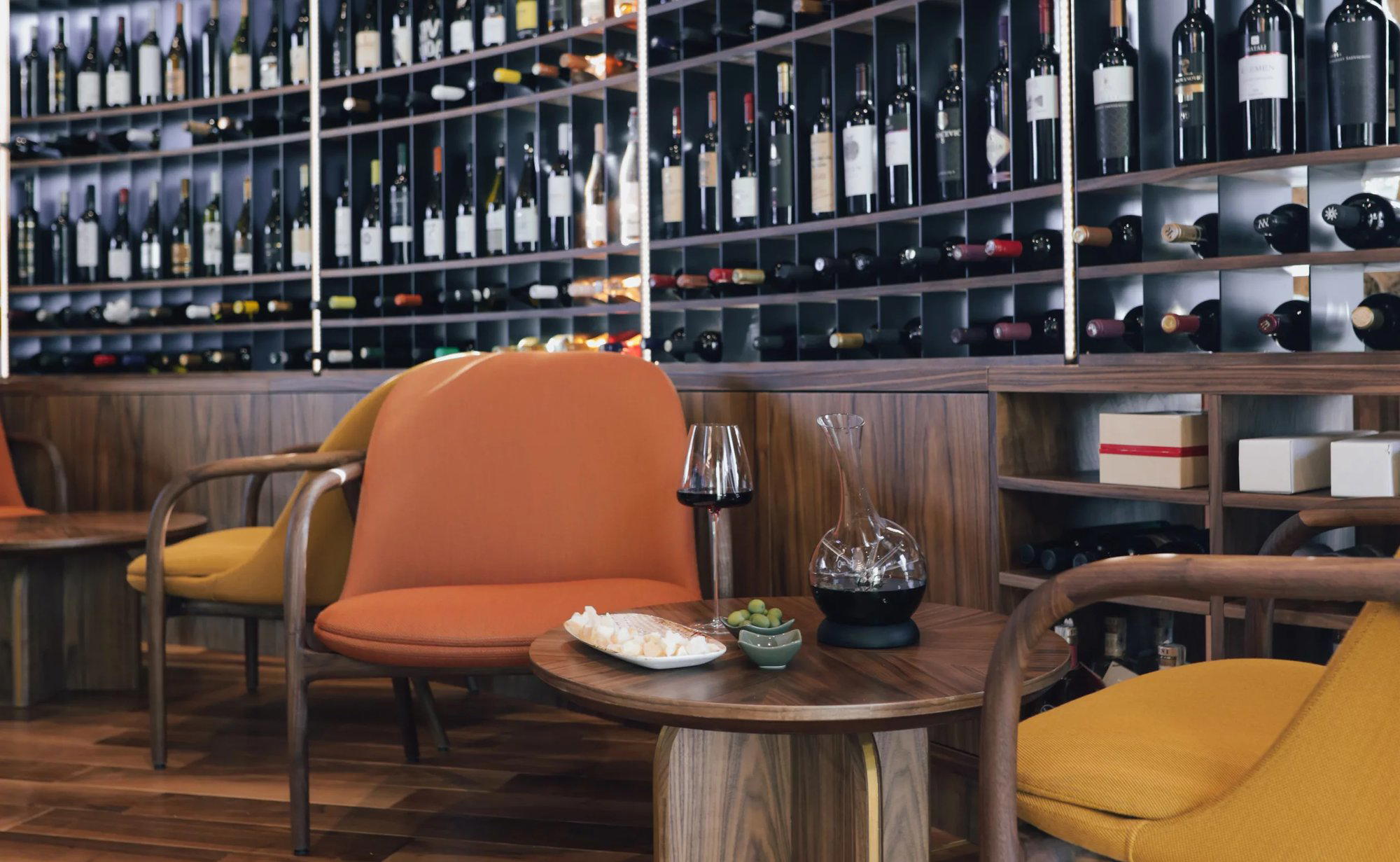
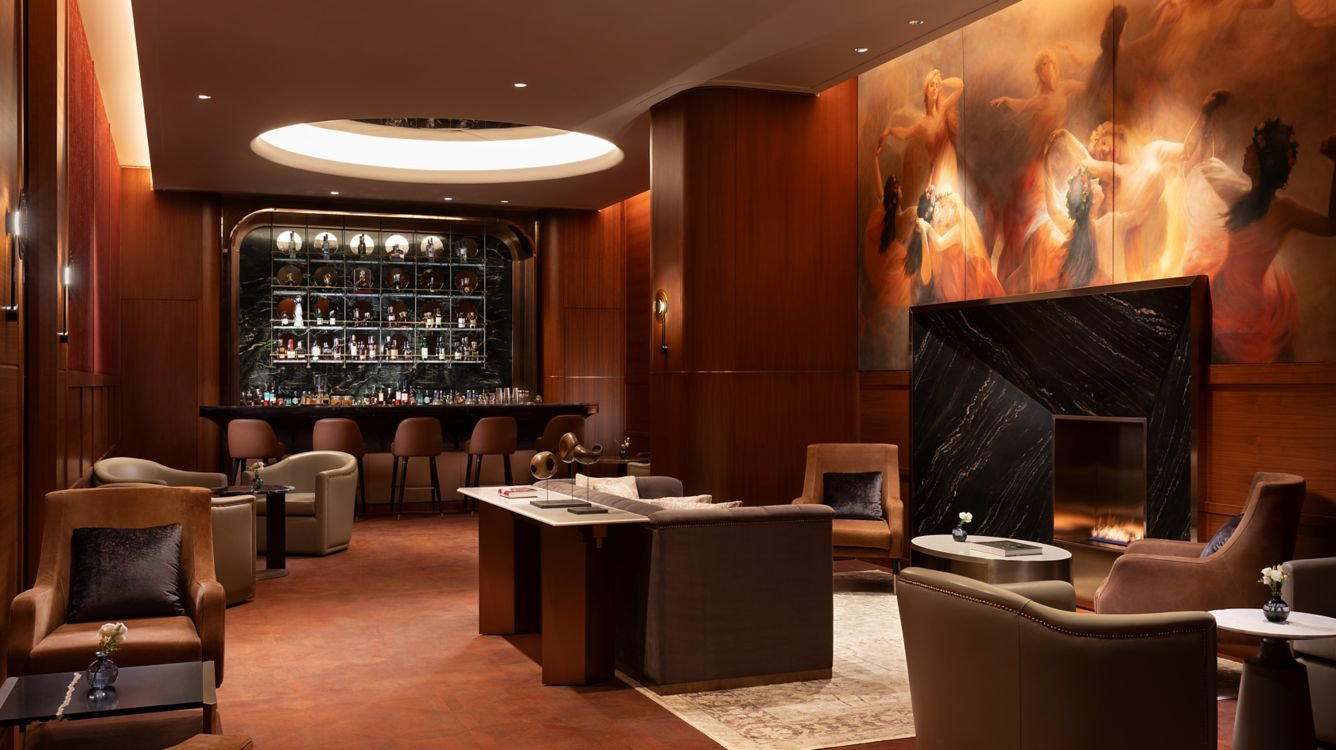
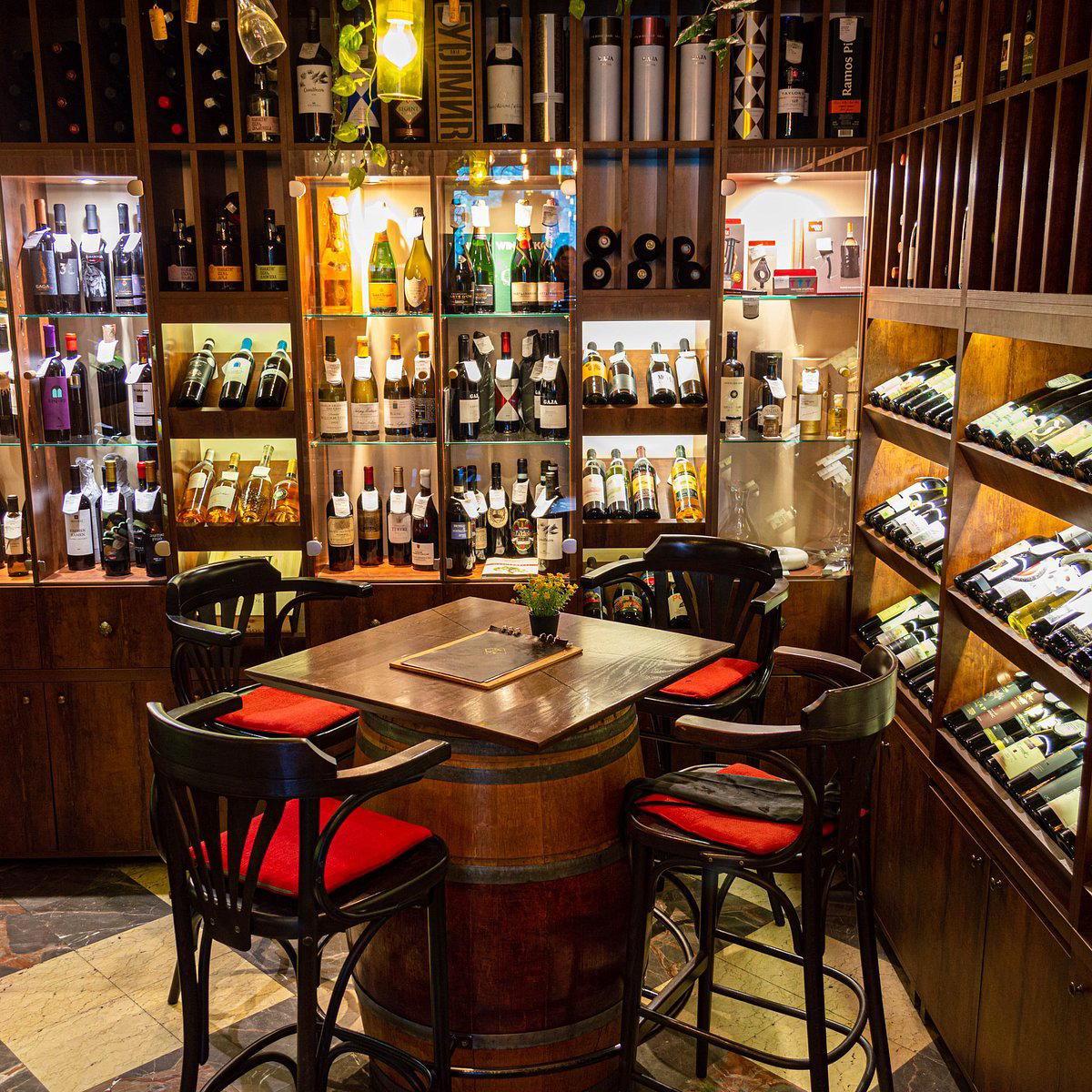
Hotels in Belgrade
Browse all →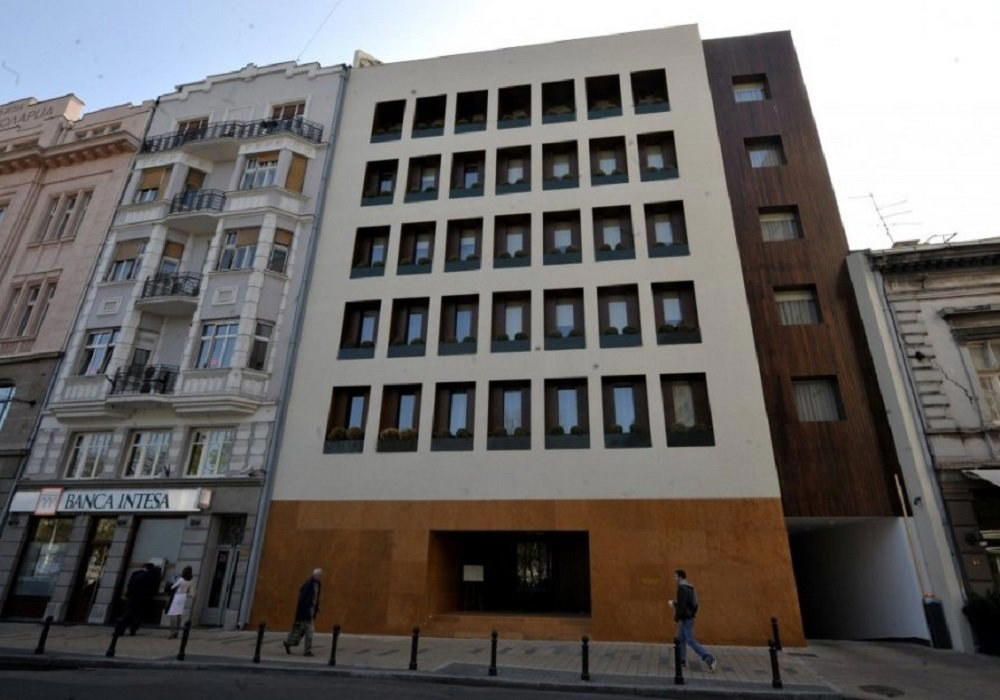

Restoran Vuk
The wine
- Wine program
- Curated wine list
- Extensive wine list
Details
- Classic
- Cozy
- Historic
- Casual Hangout
- Family
- Terrace
- Historic Building
- Extensive Wine List
- Local Sourcing
- Street Scene
- A La Carte
- Local Wines
- Local Beers
- Vegetarian Friendly
- Vegan Options
Current opening hours
- Monday
- 9 AM–11 PM
- Tuesday
- 9 AM–11 PM
- Wednesday
- 9 AM–11 PM
- Thursday
- 9 AM–11 PM
- Friday
- 9 AM–11 PM
- Saturday
- 9 AM–11 PM
- Sunday
- 9 AM–9:30 PM
Hours can change for holidays and private events. Last verified .
Cozy with classic decor and nostalgic Serbian dining culture, featuring both indoor and outdoor terrace seating in a quiet city center spot.