
Star Wine List
A Dalmatian-coast outpost in Belgrade's Stari Grad district, Konoba & Wine Bar Tata Mata brings Adriatic seafood and regional wine to a city more associated with grilled meats and rakija. The wine bar format places it in a growing Belgrade niche where coastal Dalmatian traditions meet the Serbian capital's appetite for sit-down drinking culture. Worth knowing for those working through the city's emerging wine bar circuit.

Pearl is the En Primeur Club membership app — saves, bookings, and concierge access live there. Same editors, same standards.
- Address
- Dalmatinska 98, Beograd 11000, Serbia
- Phone
- +381 11 3806347
- Website
- tatamatakonoba.rs
- Directions
- Get directions
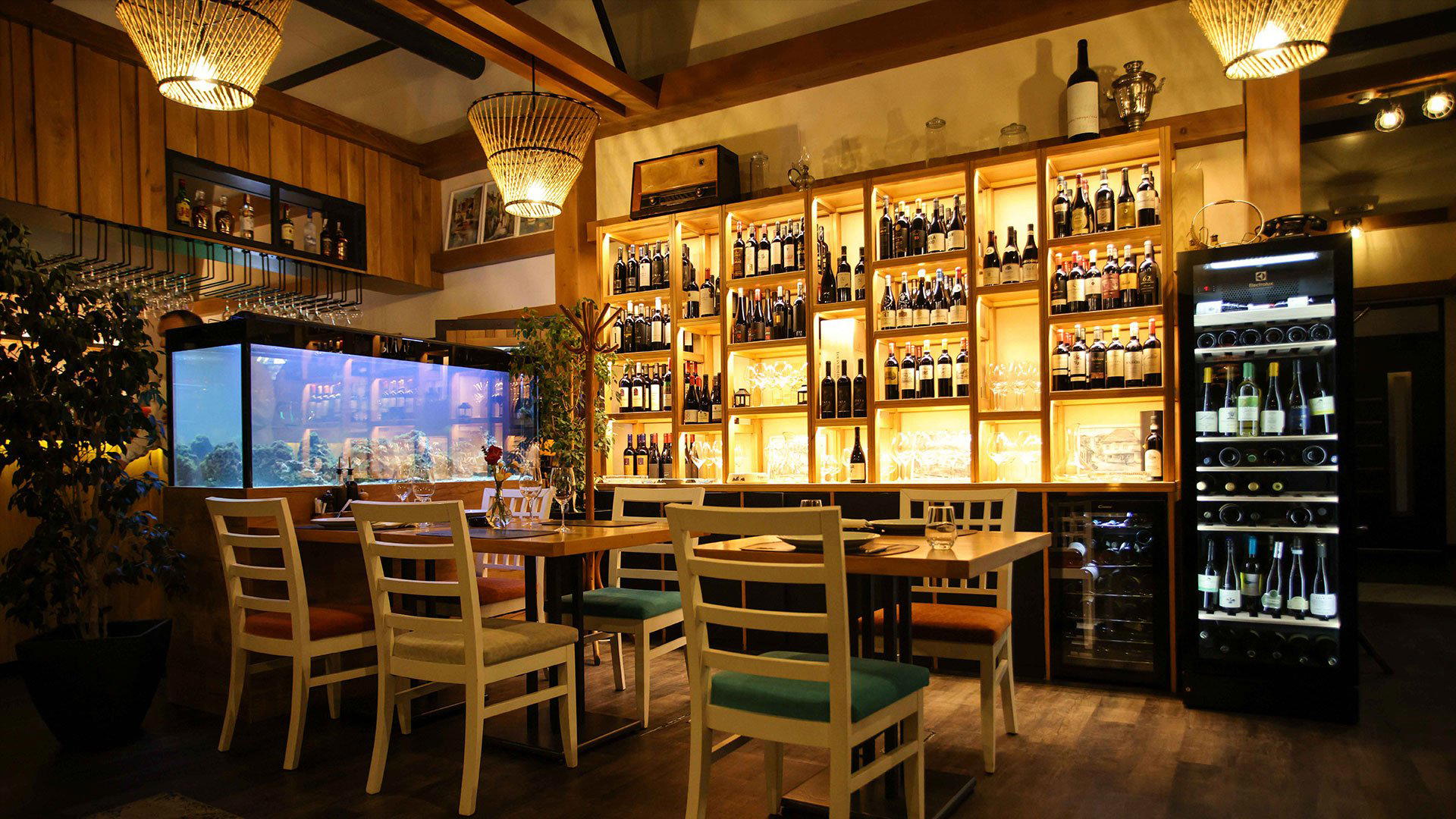
Adriatic Reach in a Landlocked Capital
Belgrade sits more than 400 kilometres from the nearest coastline, yet the city has long maintained an appetite for Dalmatian food and wine. The konoba format — a term rooted in Croatian coastal dining, referring to a casual, family-style tavern where wine pours freely alongside shared seafood and cured fish — has found a receptive audience among Belgraders who associate the Adriatic with summer, leisure, and a slower pace. Konoba & Wine Bar Tata Mata, on Dalmatinska Street in Stari Grad, works within that cultural memory, presenting Adriatic dining to an urban audience that doesn't necessarily need to be near the sea to want it.
The address itself signals something. Dalmatinska is a residential-commercial street in the older northern section of the city, away from the tourist-dense blocks around Knez Mihailova and the waterfront development of Beograd na vodi. That positioning puts Tata Mata in a neighbourhood where locals still outnumber visitors, and where a wine bar with coastal leanings competes primarily on what it pours and serves rather than on foot traffic from sightseers.
The Wine Bar Format in Belgrade's Drinking Culture
Wine bars as a distinct category are a relatively recent development in Belgrade's hospitality scene. For most of the city's modern history, drinking culture centred on kafanas, coffee houses, and rakija-forward socialising. The shift toward wine-focused venues, sit-down, bottle-list-driven, pairing-oriented, has accelerated over the past decade, producing a small but increasingly defined circuit of wine bars with editorial points of view.
Tata Mata's Dalmatian framing gives it a clearer geographic identity than many of its peers. Rather than offering a pan-Balkan selection or an international list built around familiar appellations, the wine bar organises itself around the Adriatic coastal tradition, where indigenous Croatian and Dalmatian varieties, Plavac Mali, Pošip, Grk, Debit, carry the list. These are grapes that remain largely unfamiliar to drinkers outside the region, which means the venue functions partly as an introduction to a wine culture that sits just across the border from Serbia but rarely gets serious attention in Belgrade's wine retail or hospitality contexts.
For reference on how Belgrade's wine bar scene varies in approach, Srpska Kuća Vina focuses on domestic Serbian production, while Vinoteka Decanter operates with a broader European scope.
Seafood in a City That Prefers Meat
The konoba menu tradition is built on seafood: grilled fish, marinated anchovies, octopus salad, salt cod preparations, shellfish when available. Bringing that format to Belgrade requires working against a culinary default that runs heavily toward grilled meats, offal, and bread-based dishes. The city's restaurant culture has room for fish, but dedicated seafood-focused venues, particularly those operating in the coastal tavern register rather than the fine dining register, are a smaller cohort.
Tata Mata sits in that smaller cohort alongside a handful of other Belgrade venues that have built identity around non-native culinary traditions. The konoba format, because it is casual and convivial rather than formal and tasting-menu-oriented, carries an inherent social ease that translates well across the Adriatic-to-Belgrade distance. It is drinking and eating in roughly equal measure, which aligns comfortably with how Belgraders tend to use restaurants, as extended social venues rather than primarily gastronomic destinations.
For a different take on the Adriatic-meets-Belgrade approach, Restoran Jerry and Riddle Bar each represent adjacent points on the city's food-and-drink map, with different format emphases that round out the picture for visitors planning several evenings in the city.
Approaching the Drinks Programme
The editorial angle that matters most at a konoba-format wine bar is the relationship between what's poured and what's eaten. In the Dalmatian tradition, wine is not an afterthought or an accessory to a meal; it is the structural anchor around which the food is organised. A plate of pršut, a bowl of marinated olives, or a small octopus preparation exist partly to create the conditions in which wine shows well. That logic inverts the conventional restaurant model, where wine supports food rather than the other way around.
If Tata Mata maintains that logic, the drinks programme would naturally emphasise white and rosé wines from the Dalmatian coast, where warm, dry summers produce whites with weight and salinity, and rosés made from Plavac Mali carry more structure than their colour suggests, alongside the occasional amber or skin-contact wine that has become a marker of wine-literate venues in Belgrade and across the region. Whether by the glass or bottle, the list's value in this format comes from specificity: narrow focus on coastal producers, attention to vintage and origin, and the knowledge to explain varieties that most Belgrade drinkers will not encounter elsewhere.
Internationally, wine bars with a tight regional focus, such as those organised around natural Dalmatian producers or coastal Croatian estates, have become a recognisable hospitality format in cities including Vienna, Ljubljana, and Trieste, where proximity to the Adriatic region gives the concept geographical logic. Belgrade is farther removed, which makes the format there a slightly more deliberate act of cultural positioning, and one that depends on the wine list and staff knowledge to carry the weight that geography would otherwise provide. For comparison, cocktail-forward venues with similar curatorial seriousness, such as Kumiko in Chicago, Jewel of the South in New Orleans, or Bar Leather Apron in Honolulu, demonstrate how format discipline and a defined geographic or cultural identity can sustain a drinks programme in a city where the concept requires some explanation. Julep in Houston, Superbueno in New York City, and Kumiko all operate on a similar principle: regional identity made legible through programme depth.
Planning a Visit
Tata Mata sits on Dalmatinska 98 in Stari Grad, which places it within walking distance of the city centre without being in the densest tourist corridor. The konoba format typically rewards longer visits, arriving early for a glass before the room fills, or settling in for a full evening of plates and bottles rather than treating it as a quick stop. For visitors building a wider picture of Belgrade's wine bar circuit, pairing an evening here with a visit to Srpska Kuća Vina or Vinoteka Decanter provides a useful contrast between Dalmatian-focused and domestically-focused Serbian wine culture. Further afield in the country, Kano in Kragujevac and Korpa Deli Market & Bistro in Novi Sad represent how the food-and-wine format has developed outside the capital. Our full Belgrade restaurants guide covers the broader scene for those planning several days in the city.
How Konoba & Wine Bar Tata Mata compares with similar nearby venues.
| Venue | Price | Awards |
|---|---|---|
| Konoba & Wine Bar Tata MataThis venue — the venue you are viewing | $50–100 | Star Wine List |
| Riddle Bar | $20–30 | Top 500 Bars Best Bars #488 |
| Vinoteka Decanter | $20–30 | Star Wine List |
| Srpska Kuća Vina | Not listed | Star Wine List |
Recognition history
Dated appearances from independent guides and award organizations, with the underlying list record or original source where available.
Star Wine List
Star Wine List
Continue exploring
More in Belgrade
Bars in Belgrade
Browse all →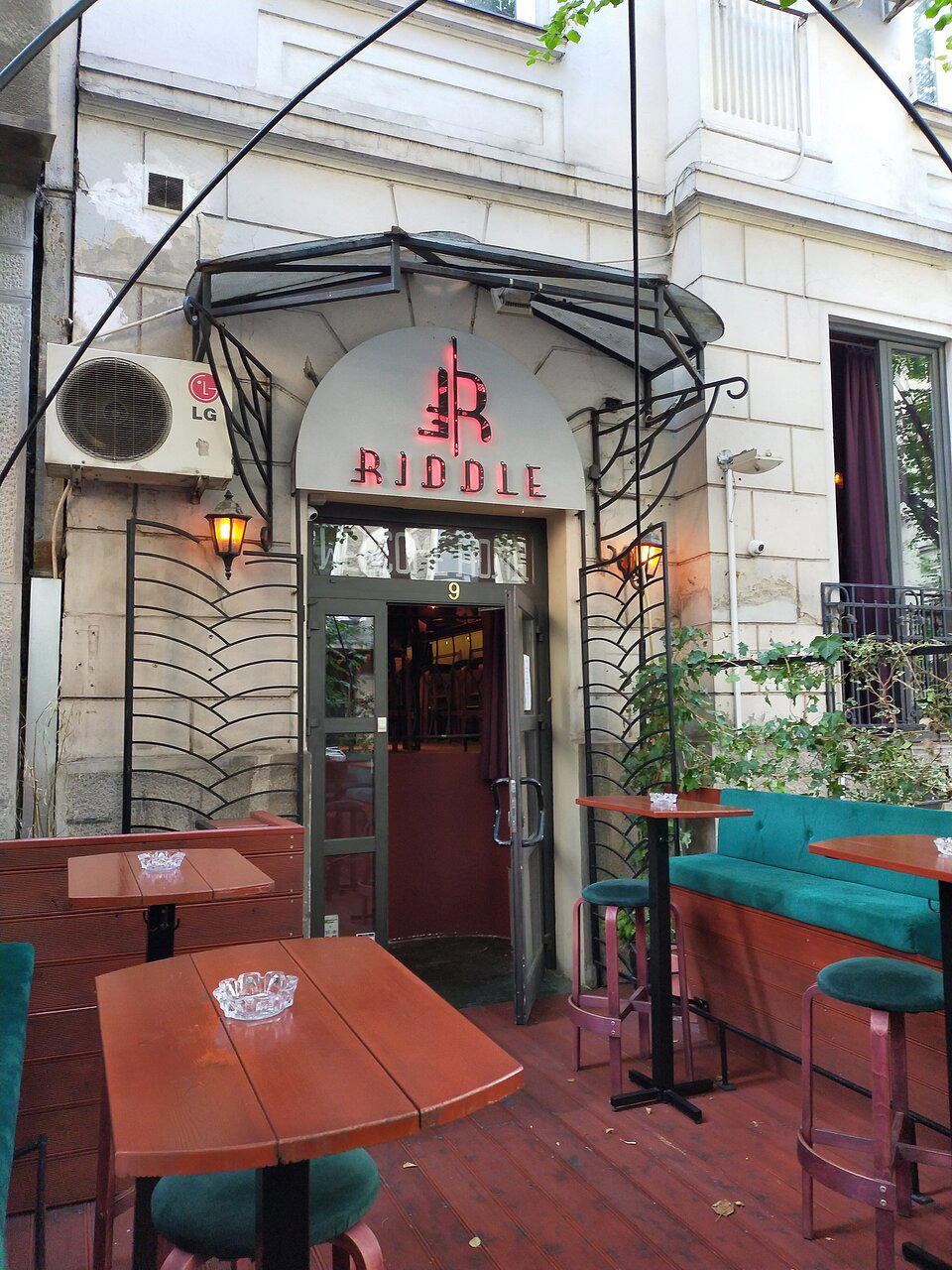
Restaurants in Belgrade
Browse all →
Hotels in Belgrade
Browse all →

Konoba & Wine Bar Tata Mata
The wine
- Wine program
- Curated wine list
- Natural wine
Details
- Rustic
- Cozy
- Elegant
- Date Night
- Special Occasion
- Garden
- Historic Building
- Lounge Seating
- Outdoor Terrace
- Natural Wine
- Conventional Wine
- Garden
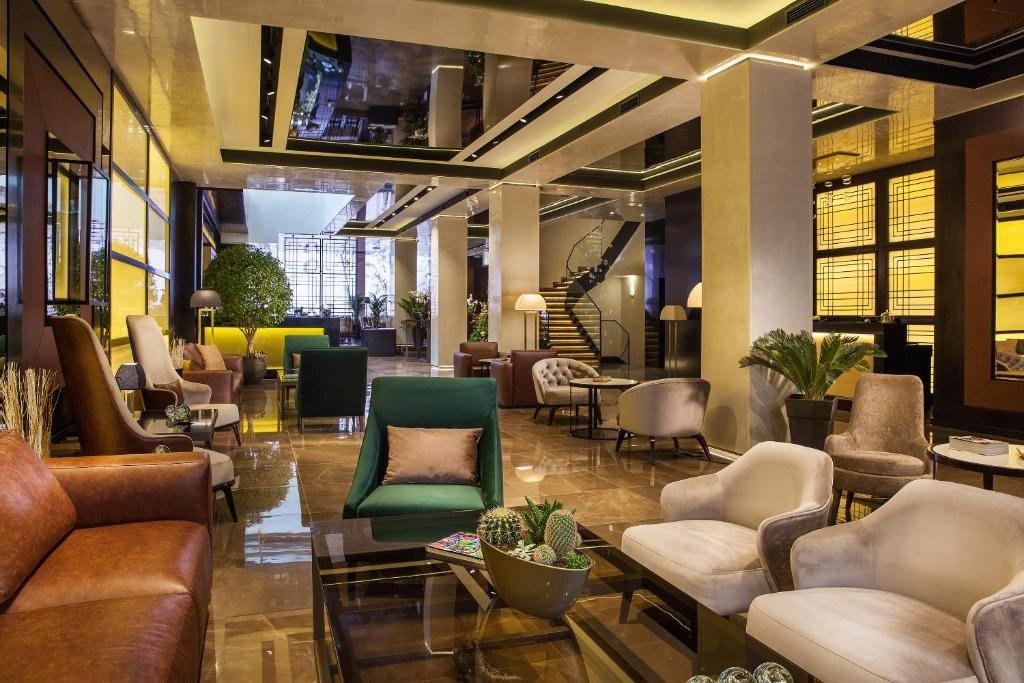
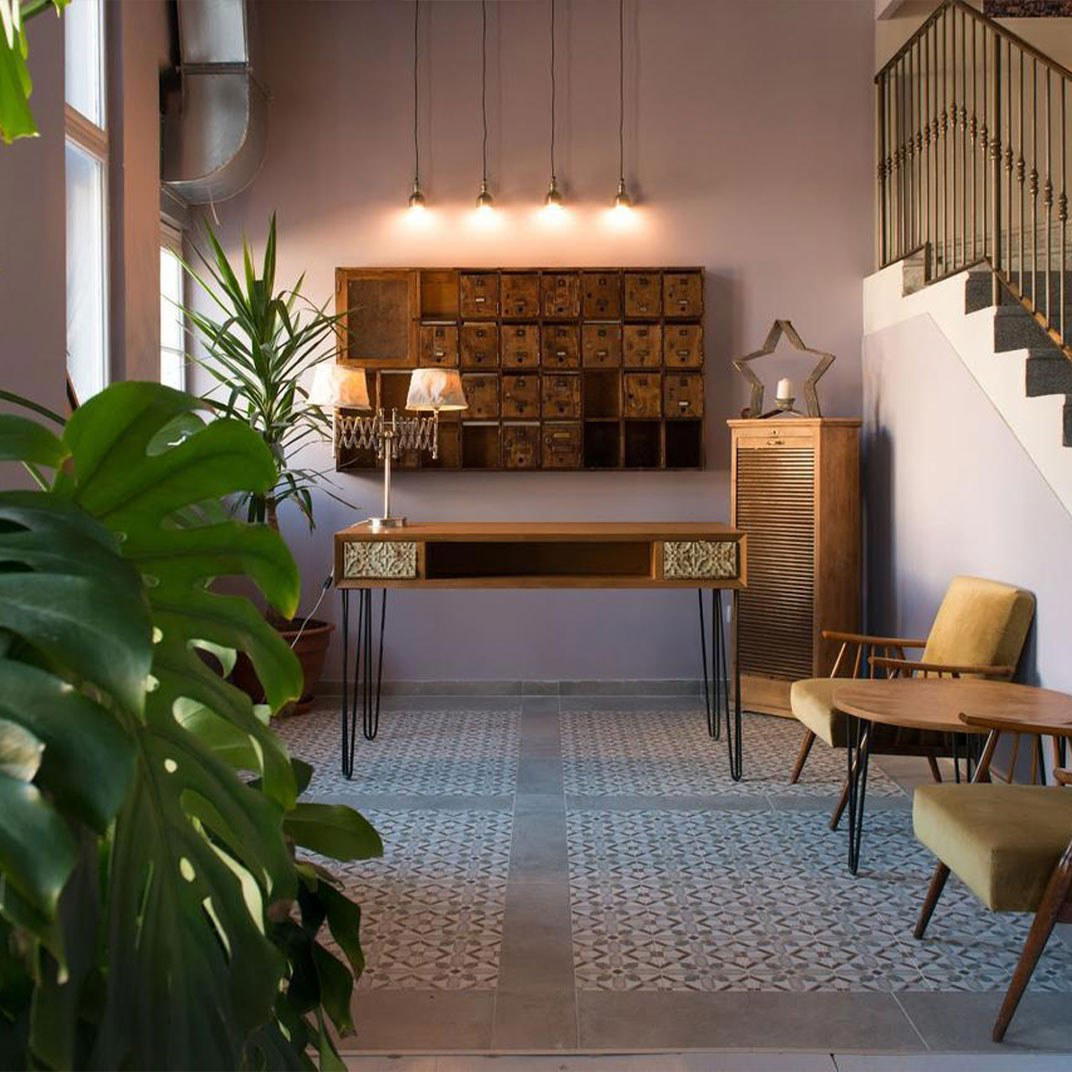
Nonchalant elegance with warm, nautical-themed interior featuring white-and-blue bar in a boat-like setting and charming garden mosaic.