Aleksandar Gold occupies a prominent address on Kralja Petra Prvog in Užice, placing it within reach of the city's main commercial and civic thoroughfare. The restaurant operates in a regional dining scene shaped by western Serbian produce traditions, where proximity to mountain pastures and river valleys defines what reaches the kitchen. For visitors exploring Užice beyond its industrial identity, Aleksandar Gold offers a grounded entry point into the local table.
Pearl is the En Primeur Club membership app — saves, bookings, and concierge access live there. Same editors, same standards.
- Address
- KRALJA PETRA PRVOG 31000, Užice 31000, Serbia
- Phone
- +38131518110
- Website
- aleksandargold.com
- Directions
- Get directions
 Saves & bookings on Pearl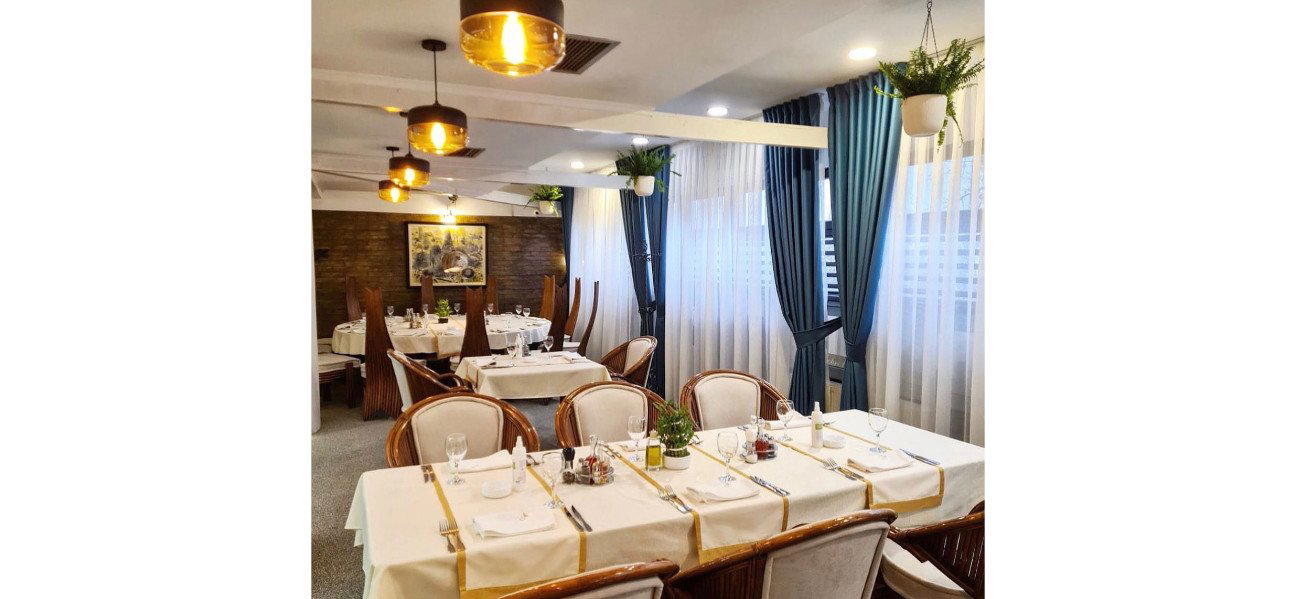
Kralja Petra Prvog and the Plate It Anchors
Užice sits in a river basin carved by the Đetinja, ringed by the Zlatibor highlands to the south and forested ridges to the north and west. That geography is not incidental to the city's food culture. Western Serbia's dining rooms have long drawn from a supply chain defined by altitude and season: highland lamb, freshwater fish from fast-running streams, fermented dairy from small producers who have worked the same pastures for generations. Aleksandar Gold, addressed at Kralja Petra Prvog in the centre of Užice, sits inside that tradition rather than apart from it.
The street itself is one of Užice's primary civic axes, running through the urban core where the city's commerce and civic life concentrate. Arriving on foot from the old town, the transition from the pedestrian-heavy lower streets to this stretch of the city takes only a few minutes, which places Aleksandar Gold in a position that Užice visitors tend to pass through rather than detour toward. That kind of central positioning matters in a mid-sized Serbian city where dining options are spread across a compact area and the walk between them rarely exceeds fifteen minutes.
What Western Serbian Kitchens Draw From
The ingredient logic underpinning restaurants in this part of Serbia is worth understanding before you sit down anywhere in Užice. The region sits within easy reach of Zlatibor, one of Serbia's most referenced mountain plateaus, where prosciutto-style cured meats, aged cheeses, and smoked preparations have developed distinct local identities over centuries. The kajmak produced in these highlands, a clotted cream product closer to fresh cheese than butter, appears on tables across the region as a marker of provenance rather than as a generic condiment.
Freshwater fish, particularly trout from the Đetinja and rivers fed by Zlatibor springs, have historically occupied a specific place in western Serbian menus. These are cold, fast-moving waters that produce lean, firm-fleshed fish with a flavour profile quite different from farmed alternatives. In restaurants that track seasonal availability, trout tends to peak in late spring and early autumn, when water temperatures and stocking cycles align.
Grilled meats in Serbia follow a preparation logic that resists simplification. The ćevapi and pljeskavica served across the country carry regional variations that a Serbian diner can read immediately, in fat ratio, in seasoning, in char level, even when the dish looks superficially uniform to a visiting eye. In Užice, the lamb influence from Zlatibor herds gives the meat-heavy dishes a slightly different character than the pork-dominant preparations more common in Vojvodina or the Morava valley further east.
Where Aleksandar Gold Sits in the Užice Dining Frame
Užice's restaurant scene operates without the kind of formal recognition infrastructure that organises dining hierarchies in Belgrade or Novi Sad. There are no Michelin listings for this city, and the regional press that covers Serbian dining tends to focus on the capital and the northern urban centres.
Within that context, the restaurant's address on the city's central street positions it in the mid-to-upper tier of Užice's accessible dining, where the expectation is a full-service meal rather than a quick counter stop. Comparable options in Užice include Restoran Cveta, RESTORAN SIESTA, and Viskonti, each occupying its own niche in a relatively compact field.
For comparison with what a more formally recognised tier of Serbian dining looks like, Langouste in Belgrade and Ananda in Novi Sad represent the kind of operation that draws national press attention. Regional restaurants such as Fleur de Sel in Novi Slankamen and Borkovac in Ruma show how western Serbia and Vojvodina handle the gap between local institution and destination-grade dining.
Across Serbia's smaller cities, ethno-style restaurants have also claimed significant ground, with addresses like Etno Kuća Dinar in Vrsac, ETNO PODRUM BRKA in Nis, Etno Restoran Fijaker in Sombor, and etno restoran Gaziya in Novi Pazar each building followings around regional ingredient identity and traditional format. That category pressure is part of what shapes how a centrally located Užice restaurant like Aleksandar Gold defines its own offer. Further afield, Cafe Boem in Pirot, ČARDA ZLATNA KRUNA in Apatin, Burrito Madre Big Pančevo in Pancevo, and Fish & Zeleniš in Novi Sad demonstrate how Serbian dining spans formats from river-fish institutions to international casual. For international reference points at the premium end of the dining spectrum, Le Bernardin in New York City and Lazy Bear in San Francisco illustrate how sourcing-led kitchens communicate provenance at scale.
Planning a Visit
The restaurant is located at Kralja Petra Prvog in central Užice, accessible on foot from the main pedestrian zone and the old town quarter. Užice is reached by road from Belgrade in approximately two and a half hours via the E763 motorway, or by train on the Belgrade-Bar line with a stop at Užice station. Reservations are recommended, and the restaurant is open daily: Monday through Saturday from 12 PM to 12 AM, and Sunday from 12 PM to 11 PM.
For visitors whose itinerary centres on western Serbia's mountain and river terrain, Užice works well as a base rather than a single-day stop. The proximity to Zlatibor, Tara National Park, and the Mokra Gora railway experience means that evening dining in the city follows a full day of activity in the surrounding region, a pattern that shapes what Užice restaurants serve and at what pace.
Comparable Venues
Comparable venues nearby, for context on price, style, and recognition.
| Venue | Cuisine | Price | Notes |
|---|---|---|---|
| Aleksandar GoldThis venue — the venue you are viewing | Barbecue and European | $$ | Not listed |
| Viskonti | Authentic Serbian | $$ | Mokra Gora |
| RESTORAN SIESTA | European & Serbian | $$ | Užice |
| Restoran Cveta | Mediterranean & Serbian | $$ | center |
| RESTORAN OPERA | Serbian & International | $$ | Stari Grad |
| Restoran Tri | Creative Balkan-Italian Fusion | $$ | Stari Grad |
Continue exploring
More in Uzice
Restaurants in Uzice
Browse all →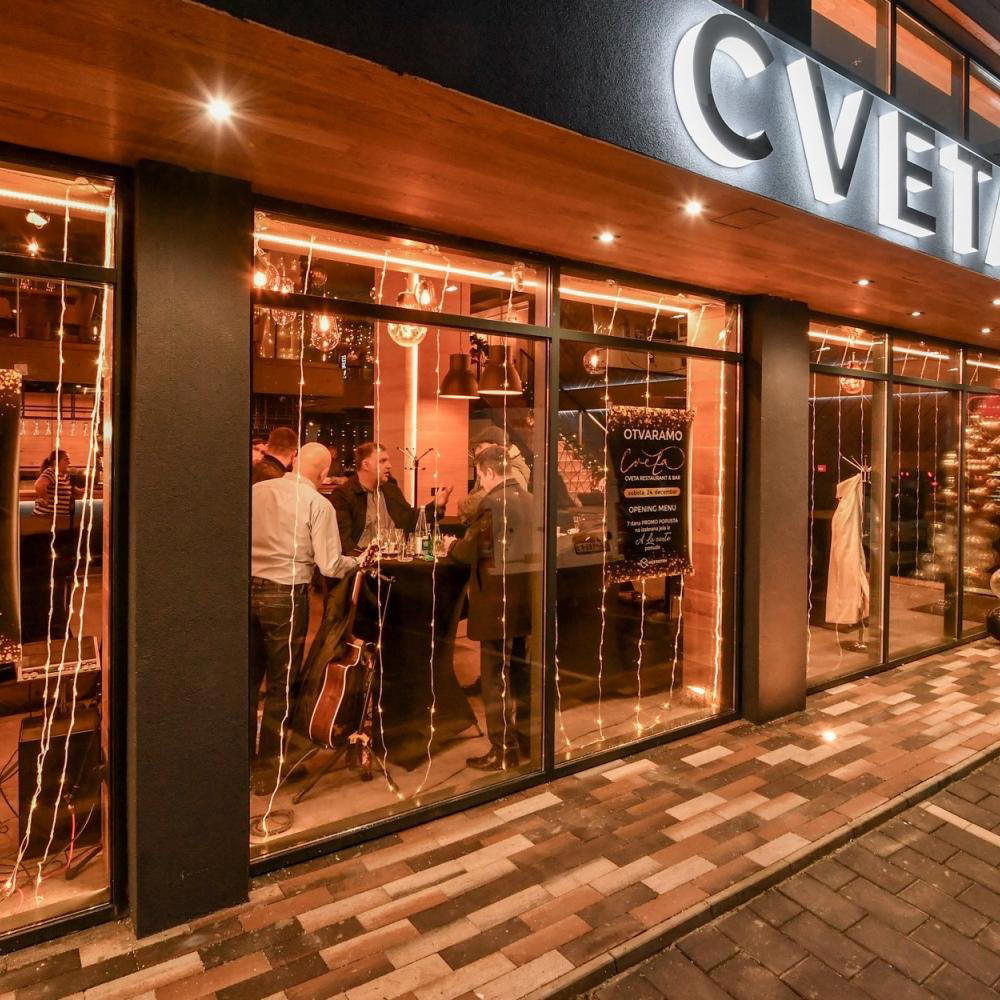
Hotels in Uzice
Browse all →
Wineries in Uzice
Browse all →
At a Glance
- Casual Hangout
- Late Night
Current opening hours
- Monday
- 12 PM–12 AM
- Tuesday
- 12 PM–12 AM
- Wednesday
- 12 PM–12 AM
- Thursday
- 12 PM–12 AM
- Friday
- 12 PM–12 AM
- Saturday
- 12 PM–12 AM
- Sunday
- 12–11 PM
Hours can change for holidays and private events. Last verified .
Casual dining atmosphere with table service suitable for lunch and dinner.