Etno Kuća Dinar occupies a traditional house on Dimitrija Tucovića in Vršac, positioning itself within Serbia's growing network of etno-style restaurants that anchor menus to regional produce and inherited cooking methods. For travellers moving through the Banat wine country or stopping in Vršac before the Romanian border, it represents the kind of grounded, locally-rooted dining that the area's restaurant scene increasingly prizes over imported culinary formats.
Pearl is the En Primeur Club membership app — saves, bookings, and concierge access live there. Same editors, same standards.
- Address
- Dimitrija Tucovića 82 26300, Vršac, Serbia
- Phone
- +38113830024
- Website
- etnokucadinar.rs
- Directions
- Get directions
 Saves & bookings on Pearl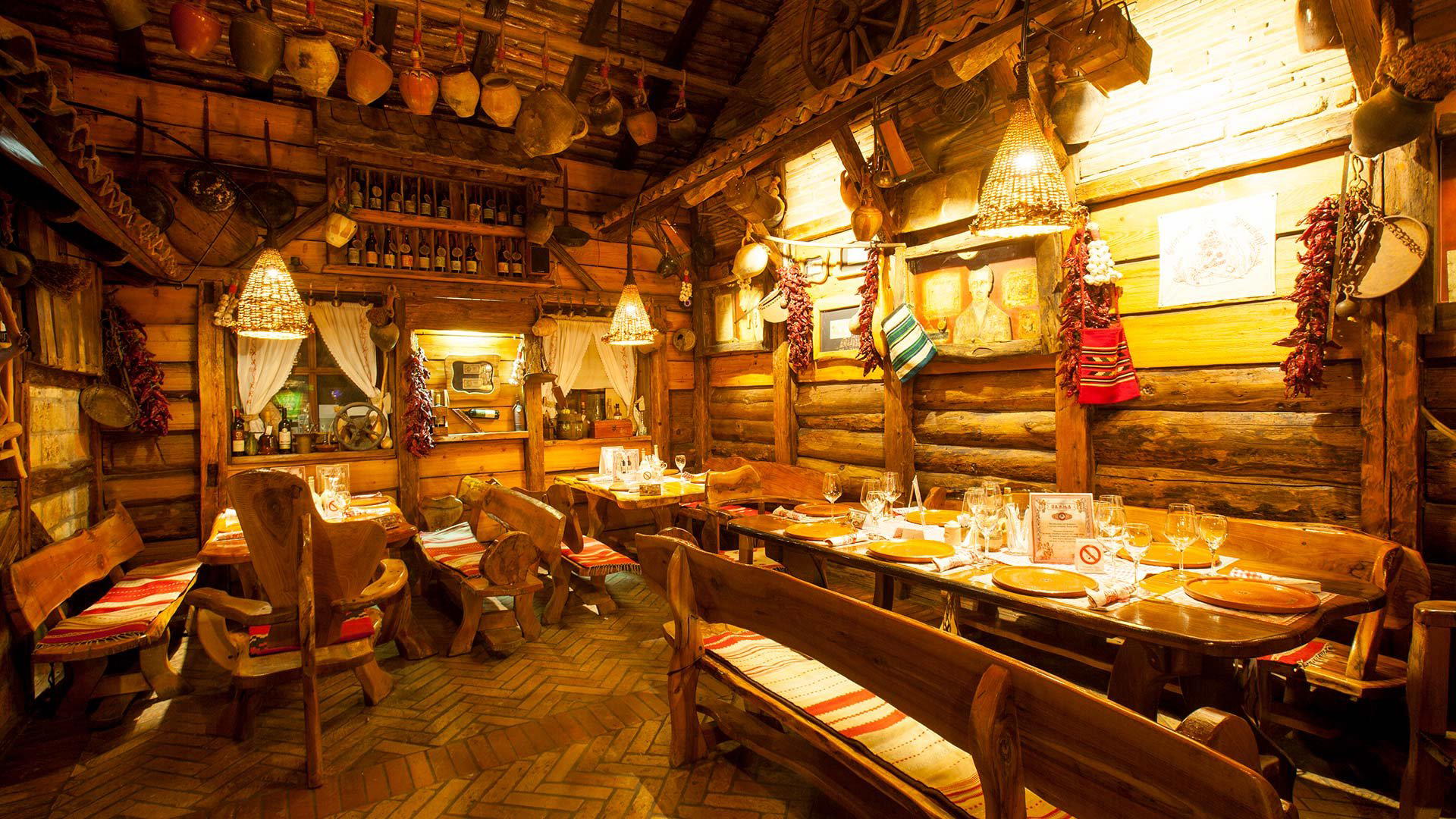
Where Banat Agriculture Meets the Table
Vršac sits at the southeastern edge of the Vojvodina plain, where the Banat region's flat, mineral-rich farmland presses up against the low Vršac Hills. This geography has always shaped what people eat here: the soil produces wheat, sunflower, and paprika in quantity, the hills support vineyards that have been in continuous production for centuries, and the proximity to the Danube basin means freshwater fish has long been a staple rather than a treat. Etno Kuća Dinar, at Dimitrija Tucovića 82, operates within this food tradition, presenting the kind of cooking that draws its authority from the land surrounding the town rather than from imported culinary references.
The etno-restoran format has spread across Serbia over the past two decades, driven by a recognisable set of conditions: urban diners reorienting toward domestic produce after years of European food trend imports, rural towns looking for a hospitality anchor that reflects local identity, and a broader cultural reassertion of Serbian peasant cooking as a sophisticated, rather than merely rustic, tradition. Etno Kuća Dinar fits that pattern in Vršac, a town that already carries some regional weight as a wine-producing centre and as one of the more architecturally preserved Austro-Hungarian market towns in Vojvodina.
The Sourcing Argument
These venues succeed or fail on whether the produce on the plate is genuinely traceable to local farms, local curing traditions, and local seasonal rhythms, or whether the etno branding is a design decision that stops at the tablecloth. In the Banat context, the ingredients with the credibility are those embedded in the regional agricultural system: home-cured meats from Mangalica pig breeds, kajmak produced locally rather than sourced from distant dairies, paprika-forward preparations that use the dried and fermented pepper varieties specific to Vojvodina, and freshwater fish preparations tied to the region's river and lake culture.
Broader Vojvodina table is also influenced by the area's multi-ethnic agricultural history: Hungarian, Romanian, Slovak, and German farming communities each left deposit marks on how food is preserved, spiced, and served. A kitchen in Vršac drawing honestly from its local pantry is drawing from that layered archive. This is what separates Banat cooking from a generic Serbian menu and what gives the etno format in this part of the country a distinct character compared to similar restaurants in the Šumadija region to the south or along the Morava corridor.
ČARDA ZLATNA KRUNA in Apatin represents the riverine variant of this tradition, where the Danube directly determines the menu. Borkovac in Ruma applies a similar local-sourcing logic in a Srem context. These restaurants occupy an overlapping comparable set: regional, produce-driven, priced accessibly by Serbian standards, and sustained by a combination of local regulars and passing travellers.
Vršac as a Dining Context
Vršac is a town that rewards attention. Its compact Austro-Hungarian centre, the hillside fortress ruins above, and the wine cellars operating on the slopes give it a layered character unusual for a town of its size. The local wine appellation, Vršac, produces Riesling and Chardonnay in a cooler microclimate than the broader Vojvodina plain and has attracted renewed interest as Serbian wine exports have grown. A meal at an etno restaurant here is logically paired with wines from those hills, and the combination of local food and local wine represents a direct case for Vršac as a short-trip destination from Belgrade, approximately 80 kilometres to the west.
For travellers accustomed to the density of options in Belgrade or even Novi Sad, Vršac requires adjustment of expectations: the value of eating here is not selection, it is rootedness. Etno Kuća Dinar sits on Dimitrija Tucovića, a street that connects into the town's walkable centre. The address is reachable on foot from the main square, which matters in a town where the practical rhythm of a visit tends to involve walking between the historic centre, the wine-adjacent sites on the hill, and a sit-down meal.
Planning a Visit
Serbia's etno restaurants operate on a format that is typically suited to longer, unhurried meals rather than quick service. This applies in regional towns like Vršac more than in city restaurants, where pace is faster. Reservations are recommended, particularly on weekends when local demand can be strong. The address at Dimitrija Tucovića 82 is in a residential quarter that requires no particular local knowledge to find, but
Travellers arriving via Belgrade will find the drive direct and manageable as a day trip, though the town's wine culture and unhurried pace make an overnight stay a reasonable argument. Those crossing from or toward the Romanian border at Vatin will pass through Vršac directly, making a meal here a natural stop rather than a detour. At the international end of the spectrum, Le Bernardin in New York and Lazy Bear in San Francisco represent the kind of sourcing-led thinking that, in its own regional idiom, the etno format is also attempting to express.
How It Stacks Up
Comparable venues nearby, for context on price, style, and recognition.
| Venue | Cuisine | Price | Notes |
|---|---|---|---|
| Etno Kuća DinarThis venue — the venue you are viewing | Traditional Serbian | $$ | Not listed |
| Barrel House | Modern Serbian & International Grill | $$ | Old Dorćol |
| Filter | Modern Cafe & Breakfast | $$ | Belgrade |
| Dušanovački Cvet | Traditional Serbian | $$ | Dušanovac |
| Znak pitanja (?) | Traditional Serbian Kafana | $$ | Stari Grad |
| etno restoran Gaziya | Traditional Serbian Ethnic Cuisine | $$ | Novi Pazar |

At a Glance
- Rustic
- Cozy
- Classic
- Family
- Group Dining
- Special Occasion
- Historic Building
- Extensive Wine List
Current opening hours
- Monday
- 12 PM–12 AM
- Tuesday
- 12 PM–12 AM
- Wednesday
- 12 PM–12 AM
- Thursday
- 12 PM–12 AM
- Friday
- 12 PM–12 AM
- Saturday
- 11 AM–12 AM
- Sunday
- 11 AM–12 AM
Hours can change for holidays and private events. Last verified .
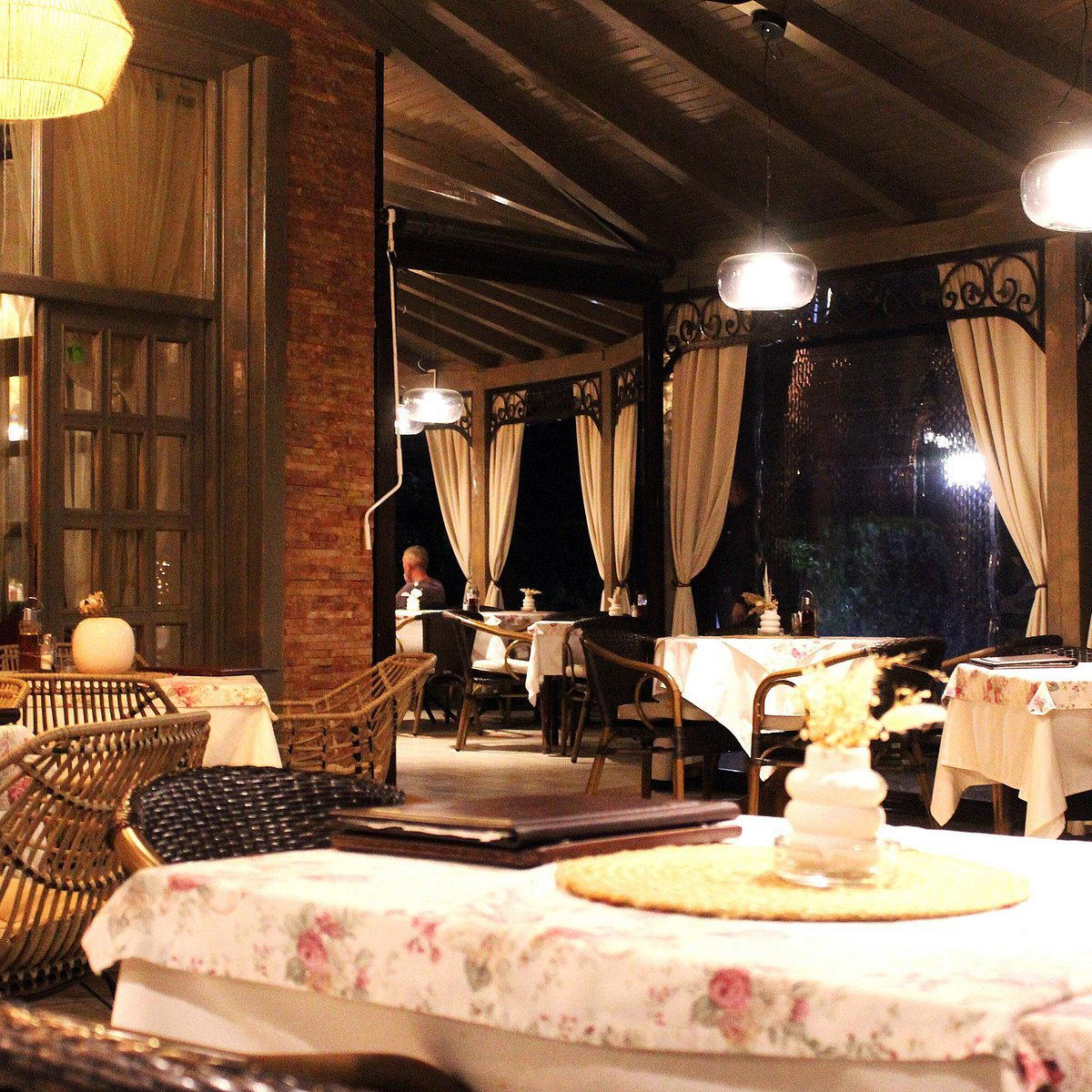
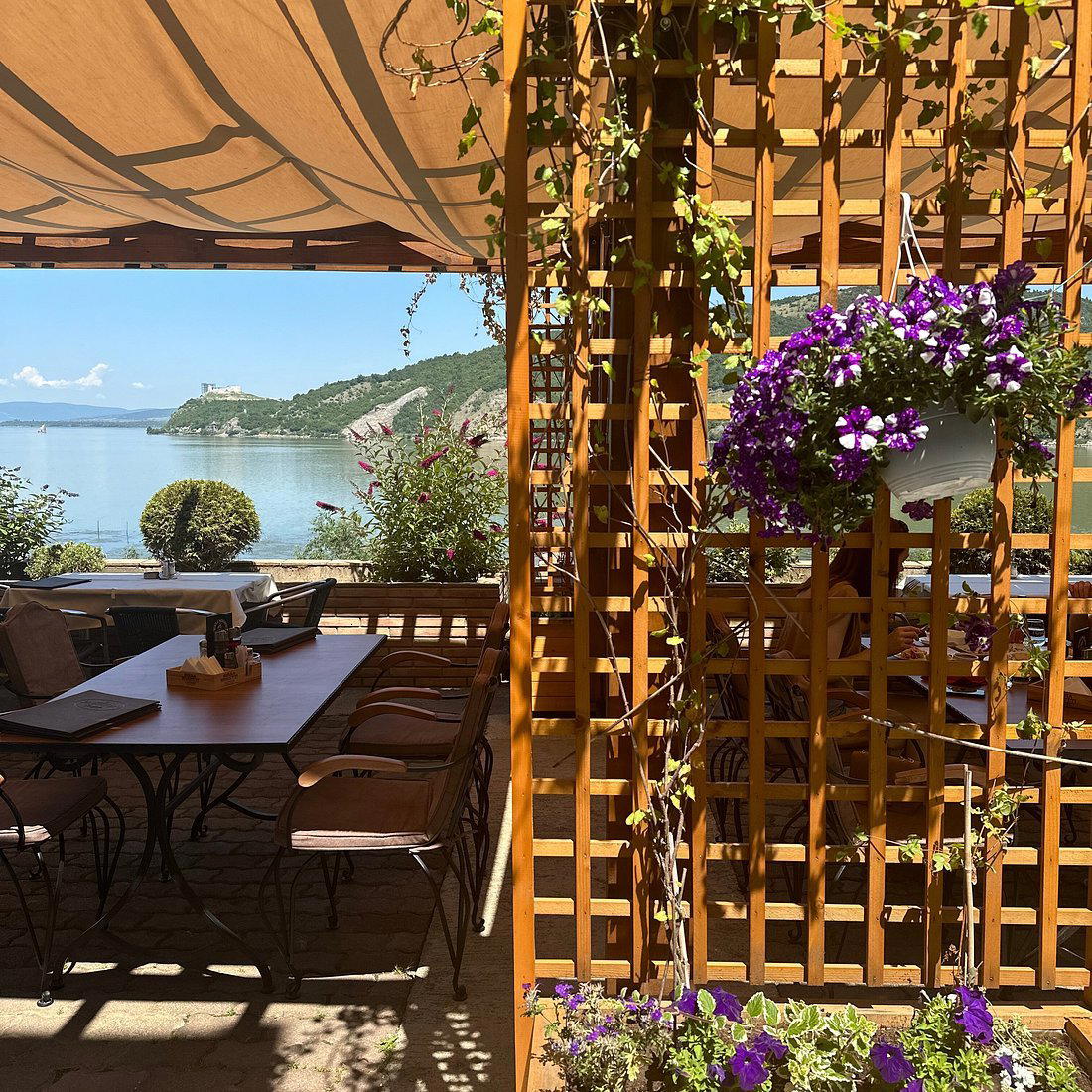
Rustic and cozy atmosphere with wooden interiors, vintage decor, brick walls, and warm lighting evoking traditional Serbian charm.