
Azuma belongs to Takamatsu’s serious udon circuit, where craft is measured less by luxury than by flour handling, broth discipline, and the rhythm of a short daytime service. Its 2024 Tabelog 100 Udon Kagawa selection and long-running local presence put it in the conversation for travelers who want Sanuki udon in its home prefecture rather than a polished restaurant performance.
Pearl is the En Primeur Club membership app — saves, bookings, and concierge access live there. Same editors, same standards.
- Address
- 340-1 Maeda Higashimachi, Takamatsu, Kagawa 761-0322, Japan
- Phone
- +81 87-847-6111
- Website
- tabelog.com
- Directions
- Get directions
 Saves & bookings on Pearl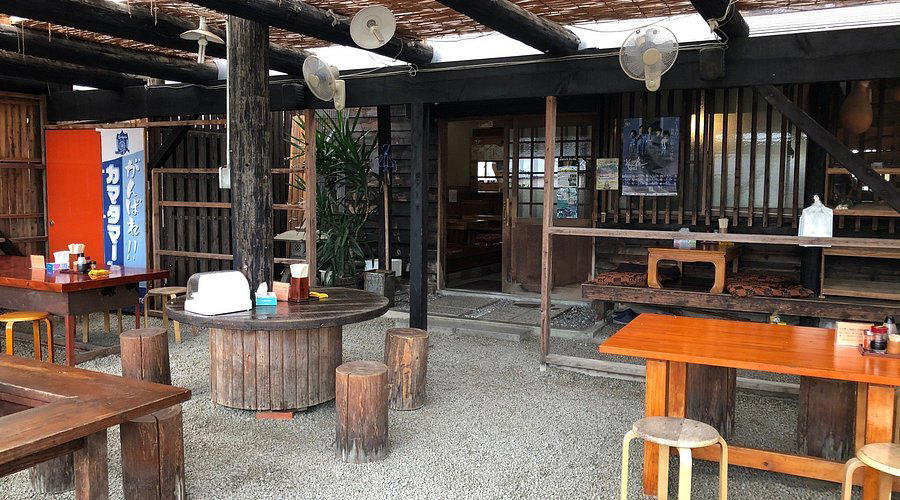
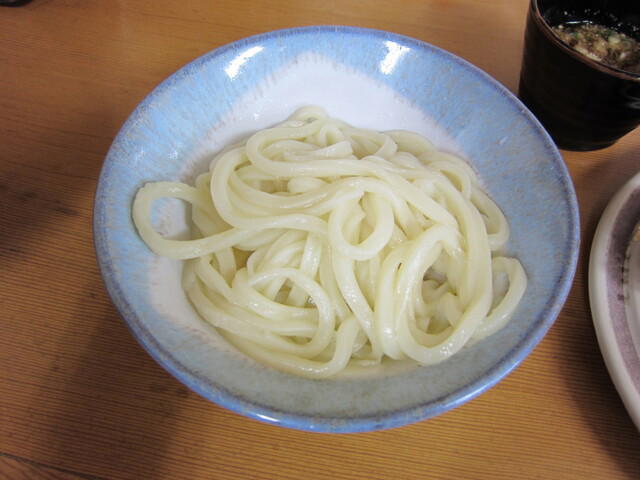
Approaching a house-style udon shop in Takamatsu is a useful corrective to restaurant culture elsewhere in Japan. The cues are modest: a practical room, counter seating, tatami space, an open terrace, and the quick turnover of people who have come for noodles rather than ceremony. In Kagawa, that lack of theatre is part of the point. Sanuki udon is not built around spectacle; it is built around wheat, water, kneading, resting, boiling, and the timing that separates a slack bowl from one with proper chew.
Azuma sits inside that everyday but highly competitive tradition. The category is udon, specifically the Kagawa style that made the prefecture a national reference point for wheat noodles. Its 2024 selection for Tabelog 100 Udon Kagawa places it among a narrow group of shops being judged within the region that cares about the form with unusual intensity. That recognition matters because the comparison set is not general Japanese dining. It is Kagawa udon, where small differences in noodle texture, broth clarity, tempura timing, and self-service rhythm are treated with the seriousness other cities reserve for sushi counters.
Sanuki udon is a sourcing story before it is a restaurant story
Kagawa’s udon culture begins with a practical advantage: the Setouchi climate, a long wheat-growing history, and a food economy that turned noodles into a daily meal rather than a special-occasion dish. The resulting style is plain only to outsiders. In Sanuki udon, the noodle carries the argument. Broth and toppings matter, but the central question is whether the wheat has been handled with enough tension, hydration, and timing to produce a clean bite.
That is why shops in this tier rarely need a long menu narrative. The craft is exposed. A bowl of udon has few places to hide imprecision, and Kagawa diners know the difference between firmness and toughness, lightness and dilution, speed and haste. Azuma’s place in the 2024 Tabelog 100 Udon Kagawa list signals that it is being read by diners against this regional standard, not against the expectations of a destination tasting menu.
Within Takamatsu, that puts it beside a cluster of low-priced udon addresses where the real distinction is format and feel rather than spending level. Utsumi Udon, Udonya Matsuhama, Furusato Udon, Yume Kabou Takara Kasugachou honten, and out-of-metro Tada Seimensho all occupy the same everyday-price territory, so the decision comes down to route, service rhythm, and the kind of room a traveler wants. For a nearby comparison inside the EP Club city file, Furusato Udon offers another angle on the same regional obsession, while Furukawa Udon and Chikusei Honten show how many variations Takamatsu can sustain without leaving the basic grammar of noodles, broth, and quick service.
A daytime udon room, not a polished dining room
The useful way to read Azuma is as a specialist lunch stop rather than a restaurant built for lingering. Counter seating suits solo diners, tatami seating broadens the room for families, and the terrace gives the shop a looser, local feel than the city’s more central commercial addresses. Children are welcome, private rooms are not part of the format, and the room’s identity is closer to daily Kagawa eating than curated hospitality.
That matters for travelers because Takamatsu can be misunderstood if it is approached only through reservations and formal meals. The city’s food character is split between serious casual craft and a smaller group of conventional restaurants. Udon shops do much of the cultural work: they show how residents actually eat, how quickly a queue can move, and how little decoration is needed when the product is specific enough. The short service window reinforces that rhythm. This is a stop to plan around earlier in the day, not a flexible dinner fallback.
Azuma also reflects the payment and access habits of older regional shops. Cards are not part of the setup, while PayPay is accepted, and parking is available. The nearest rail point is Takata Station, but the shop’s position on the eastern side of Takamatsu makes it easier to fold into a car-based Kagawa itinerary than a purely pedestrian city crawl. That practical shape is part of its editorial appeal: it rewards travelers who are treating udon as a regional subject, not as a quick snack between larger attractions.
How to place it in a Takamatsu food itinerary
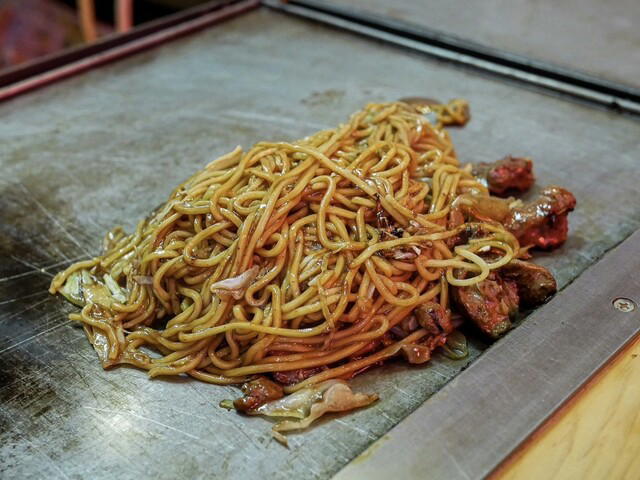
For a single-bowl stop, Azuma makes sense when the plan is built around Kagawa udon rather than a general restaurant sweep. Travelers comparing formats can pair it mentally with Fumiya Okonomiyaki Honten, where another everyday Japanese form carries a different kind of local comfort, or Grill a Table, which sits in a more conventional restaurant lane. The contrast clarifies what udon contributes to the city: speed, price discipline, and a direct line from ingredient handling to diner judgment.
The broader Takamatsu file is worth reading by category rather than by prestige. Our full Takamatsu restaurants guide maps the city’s dining range, while Our full Takamatsu hotels guide helps with positioning overnight stays around transit and island access. For drinking and non-restaurant planning, see Our full Takamatsu bars guide, Our full Takamatsu wineries guide, and Our full Takamatsu experiences guide. Broader Japan and overseas references, from -Grilled beef Sukiyaki- KAMAKURA TANUKIAN 鎌倉 たぬき庵 in Kamakura to. 鮪と炭火焼き うお炭 秋葉原店 in Tokyo.cafe in Osaka.know in Kumamoto, (Shoku) Vietnam in Kawasaki, [Curry Senmon Ten] Maruyama Kyoju. in Sapporo, Jōdo Saké Bar in Los Angeles, and Onigiri Time in Pasadena, underline the same editorial point: simple formats become serious when the product is narrow, repeatable, and judged by an informed local audience.
A Quick Peer Check
Comparable venues by cuisine and price in the same metro.
| Venue | Cuisine | Price | Notes |
|---|---|---|---|
| Azuma | Traditional Kagawa Udon | $ | Takamatsu |
| Honkaku Teuchi Udon Menmusubi | Traditional Sanuki Udon | $ | Takamatsu |
| Menya Shichifuku Honten | Sanuki udon shop | $ | Takamatsu |
| Oshima Udon | Traditional Sanuki udon | $ | Takamatsu |
| Teuchi Udon Fugetsu | Traditional Sanuki Udon | $ | Takamatsu |
| Teuchi Udon Masuya | Traditional Sanuki Udon | $ | Takamatsu |
Recognition history
Dated appearances from independent guides and award organizations, with the underlying list record or original source where available.
Tabelog 100 #100 · No. 100
Tabelog · Tabelog 100 - Udon - KAGAWA - 2024
Continue exploring
More in Takamatsu
Restaurants in Takamatsu
Browse all →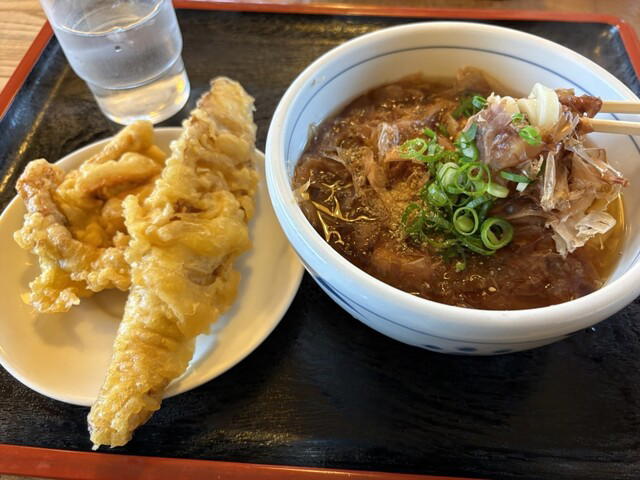
Bars in Takamatsu
Browse all →

At a Glance
- Cozy
- Classic
- Lively
- Rustic
- Solo
- Family
- Casual Hangout
- Group Dining
- After Work
- Standalone
- Terrace
Current opening hours
- Monday
- 11 AM–2 PM
- Tuesday
- 11 AM–2 PM
- Wednesday
- Closed
- Thursday
- 11 AM–2 PM
- Friday
- 11 AM–2 PM
- Saturday
- 11 AM–2 PM
- Sunday
- 11 AM–2 PM
Hours can change for holidays and private events. Last verified .