
Sushi Nakagawa places Takamatsu sushi in a serious regional frame: counter seating, private rooms, non-smoking service, and repeated selection for Tabelog Sushi WEST 100 in 2021, 2022, and 2025. The appeal is not spectacle but Kagawa’s relationship with fish and sake, read through the disciplined grammar of sushi rather than the city’s better-known udon culture.
Pearl is the En Primeur Club membership app — saves, bookings, and concierge access live there. Same editors, same standards.
- Address
- 10-7 Gobomachi, Takamatsu, Kagawa 760-0044, Japan
- Phone
- +81 87-821-4222
- Website
- blog.livedoor.jp
 Saves & bookings on Pearl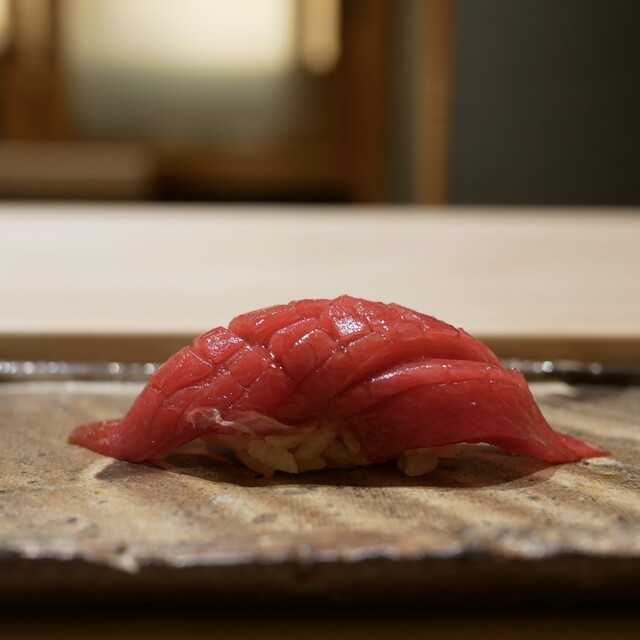
Gobomachi is not postcard Takamatsu. Its streets are compact, evening-led, and practical, with restaurants folded into the city’s working grid rather than staged as destination-dining theatre. That setting matters. Sushi in Kagawa carries a different charge from sushi in Ginza or Kitashinchi: it sits closer to the Seto Inland Sea, in a city whose everyday food identity is more often defined by Sanuki udon than high-spend counter dining.
Sushi Nakagawa belongs to the smaller, more deliberate side of that scene. Its Tabelog Sushi WEST 100 selections in 2021, 2022, and 2025 place it within a regional recognition system that looks beyond Tokyo and Osaka to serious sushi rooms across western Japan. The restaurant’s signals are tightly drawn: sushi, counter seating, private rooms for small groups, a non-smoking policy, and a stated focus on fish and nihonshu. Together, they sketch a restaurant built around rhythm and control rather than range.
Seto Inland Sea sushi in a city better known for udon
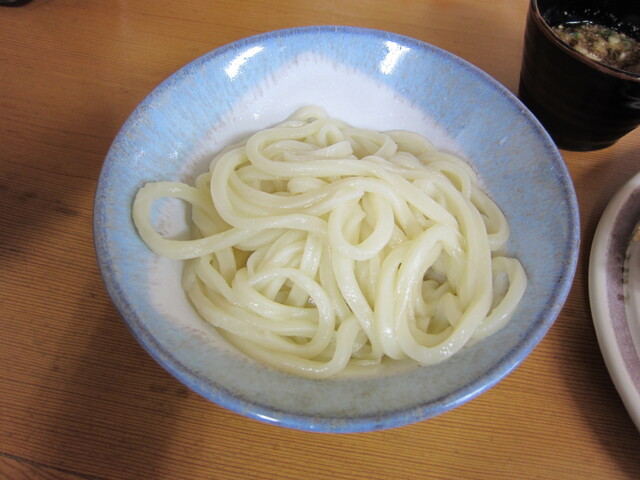
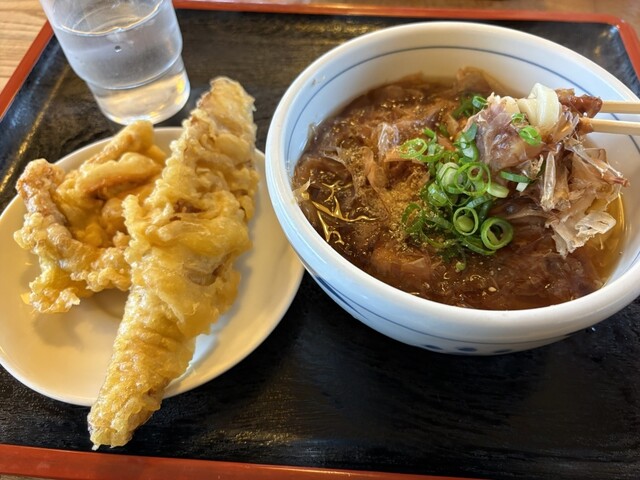
Takamatsu’s dining culture is often approached through wheat, broth, and speed. Sanuki udon is the city’s daily language, visible in places such as Chikusei Honten, Furukawa Udon, and Furusato Udon. Sushi asks for the opposite tempo. It turns Takamatsu’s maritime geography into a seated, sequence-driven experience, where the point is selection, temperature, cut, rice, and pacing rather than abundance.
That contrast gives the restaurant its editorial interest. In a city where casual regional staples can define an itinerary, a serious sushi counter changes the evening’s register. It also gives Kagawa a place in the broader West Japan sushi conversation without borrowing the language of Tokyo luxury. The Tabelog Sushi WEST 100 recognition is useful because it frames the restaurant among regional peers, not as an isolated local favorite.
The sake signal matters. In sushi, nihonshu is not an accessory; it helps manage the meal’s salt, fat, vinegar, and texture. The restaurant’s stated emphasis on sake places it within a Japanese dining tradition where beverage choice is structural, not an afterthought. That differs from Takamatsu’s lower-key staples, including okonomiyaki at Fumiya Okonomiyaki Honten or neighborhood cooking at Azuma.
Counter discipline, private rooms, and the quiet hierarchy of format
Japanese sushi rooms communicate through format before décor. Counter seating puts the meal in sequence and makes timing part of the craft; private rooms shift the experience toward conversation and group comfort. Sushi Nakagawa offers both, giving it useful flexibility in Takamatsu: serious enough for a focused sushi evening, but not limited to the single-counter orthodoxy that defines many destination sushi rooms.
Within the local comparison set, the restaurant occupies a higher-spend, narrower category. Osteria enne and Jidori Labo sit in a less expensive dinner bracket, while Honetsukidori Ranmaru and Udonya Goemon belong to a more casual Takamatsu rhythm. That does not make one category more culturally significant than another; it clarifies the decision. Choose this meal when the itinerary needs a controlled fish-and-rice format rather than a survey of local comfort dishes.
The non-smoking policy also matters more than it might in a broad guide listing. Sushi is exposed to ambient interference: vinegar, warmed rice, fish fat, seaweed, and sake all rely on a clean aromatic field. A smoke-free room is not just a comfort note; it supports the format’s logic.
There is restraint in what the restaurant makes public. No official website is listed, and the proposition is communicated through category, recognition, reservations, room format, and service constraints rather than an extended manifesto. For travelers used to English-language pages explaining every ingredient and biography, that can feel opaque. In Japan, especially outside major inbound dining corridors, such opacity is often practical reality: recognition travels through local platforms, regulars, and reservation habits rather than glossy self-description.
How to place it in a Takamatsu itinerary
The smarter Takamatsu itinerary does not treat sushi as a replacement for udon. It treats the two as different readings of the same region. Udon gives the city its public, everyday identity; sushi gives the Seto Inland Sea a more formal voice. Pairing both over a short stay is a sharper way to understand Kagawa than chasing one category.
For a food-focused visitor, keep the daytime loose and regional, then let dinner narrow in scope. A day might move through udon, coffee, shopping arcades, and the port-facing edges of the city before shifting to a reservation-led sushi evening in Gobomachi. The pattern suits Takamatsu: compact enough for food-led planning, but rewarding to those who separate casual daytime eating from deliberate dinner rooms.
Readers building a broader city map should start with Our full Takamatsu restaurants guide, then layer in where to stay via Our full Takamatsu hotels guide. Drinking and after-dinner planning sit separately in Our full Takamatsu bars guide, while regional context extends through Our full Takamatsu wineries guide and Our full Takamatsu experiences guide.
The wider Japan file helps calibrate category expectations. Beef sukiyaki in Kamakura at -Grilled beef Sukiyaki- KAMAKURA TANUKIAN 鎌倉 たぬき庵, casual seafood drinking at. 鮪と炭火焼き うお炭 秋葉原店 in Tokyo, café culture at.cafe in Osaka, and contemporary dining at.know in Kumamoto occupy different parts of the same national dining map. For readers crossing between Japan and Japanese-inflected dining abroad, Jōdo Saké Bar in Los Angeles and Onigiri Time in Pasadena show how sake and rice formats shift when they leave Japan; (Shoku) Vietnam in Kawasaki and [Curry Senmon Ten] Maruyama Kyoju. in Sapporo remind us Japanese city eating is never a single-cuisine story.
The verdict is narrow by design: this is a Takamatsu sushi address for travelers who want the city’s fish culture in a composed, reservation-led format, supported by regional award recognition and a room structure suited to both counter-focused dining and small private groups. It is not the way to understand all of Kagawa, but it is a serious counterpoint to the udon-first reading of the city.
Cost and Credentials
Nearby venues at a similar price tier for orientation.
| Venue | Cuisine | Price | Notes |
|---|---|---|---|
| Sushi NakagawaThis venue — the venue you are viewing | Takamatsu, Traditional Sushi Omakase | $$$ | Not listed |
| Standing Sushi Bar Shichiko (立ち喰い寿司 七幸) | 高松市中心部, Standing Sushi Bar | $$ | Not listed |
| Mendokoro Wataya Takamatsu ten | Takamatsu, Sanuki udon noodle shop | $ | Not listed |
| Udon no Den | Takamatsu, Traditional Sanuki udon shop | $ | Not listed |
| Grill a Table | Not listed | $$$ | Takamatsu, Modern Japanese Teppanyaki & Omakase |
| Honetsukidori Ikkaku Takamatsu ten | Not listed | $$ | Takamatsu, Kagawa honetsukidori & izakaya-style chicken dishes |
Recognition history
Dated appearances from independent guides and award organizations, with the underlying list record or original source where available.
Tabelog 100 #38 · No. 38
Tabelog · Tabelog 100 - Sushi - WEST - 2025
Continue exploring
More in Takamatsu
Restaurants in Takamatsu
Browse all →
At a Glance
- Elegant
- Intimate
- Classic
- Date Night
- Special Occasion
- Business Dinner
- Solo
- Chefs Counter
- Standalone
- Sake Program
- Local Sourcing
- Sustainable Seafood
Current opening hours
- Monday
- 5:30–9 PM
- Tuesday
- 5:30–9 PM
- Wednesday
- 5:30–9 PM
- Thursday
- 5:30–9 PM
- Friday
- 5:30–9 PM
- Saturday
- 5:30–9 PM
- Sunday
- 5:30–9 PM
Hours can change for holidays and private events. Last verified .
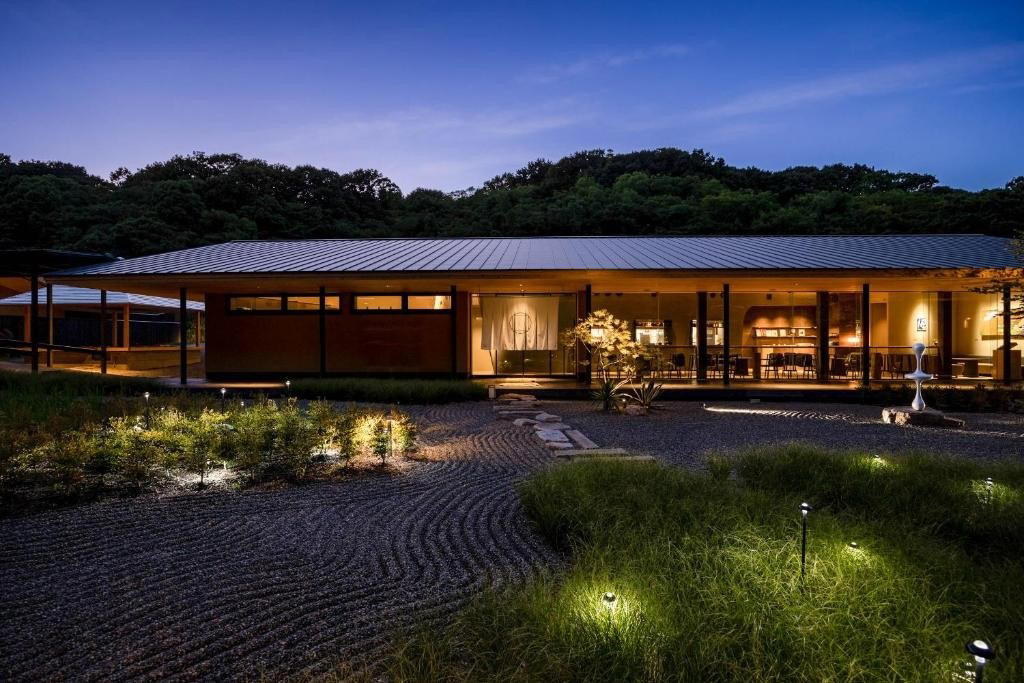
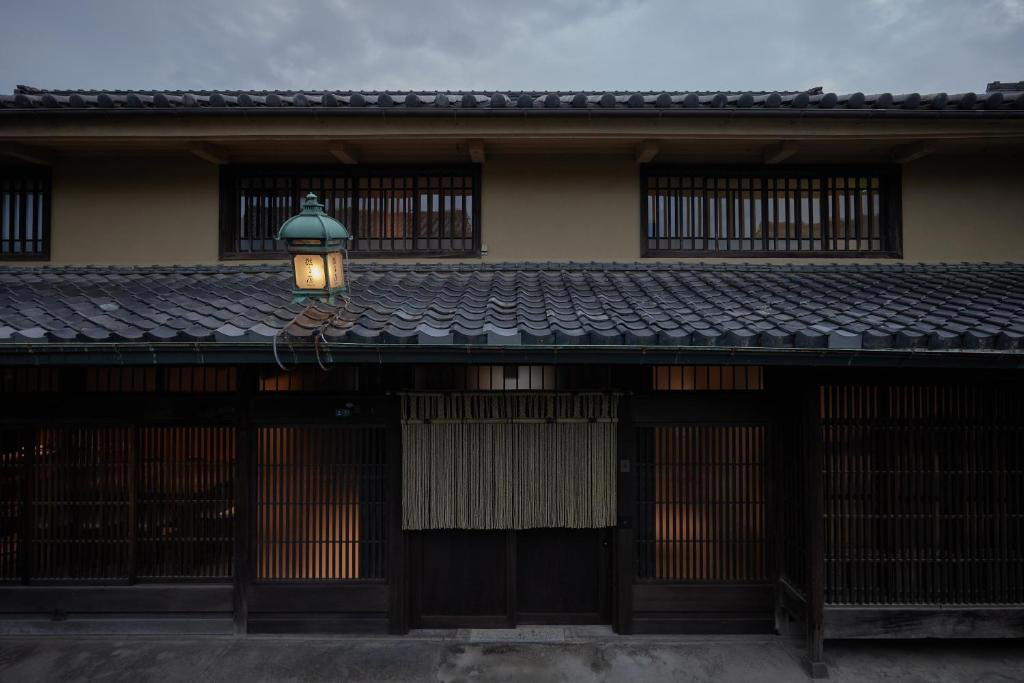
A quiet, refined counter-focused space with a traditional feel, limited seating, and a calm, almost hushed atmosphere where the chef’s work and the food take center stage.