1 Michelin Star · La Liste Top Restaurants · Tabelog Silver #126
Our verdict
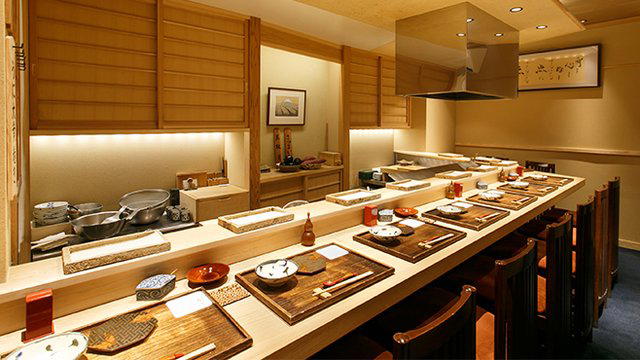
Opened in Nihonbashi Ningyocho in October 2016, Sonoji operates a nine-seat counter serving Edomae tempura with Shizuoka ingredients, closing each meal with hand-made soba topped with sakura shrimp kakiage. Tabelog Silver from 2023 through 2026, a Michelin star in 2024, and a La Liste ranking of 83 points in 2026 position it among Tokyo's most consistently recognised tempura counters. Dinner runs JPY 30,000–39,999 before drinks and service charge.

Pearl is the En Primeur Club membership app, where members save venues, book tables and use the concierge.
The menu
What to order
- Sea urchin tempura
- Shimada carrot tempura
- Venison tempura
- Soba
Ningyocho's Dual-Discipline Counter
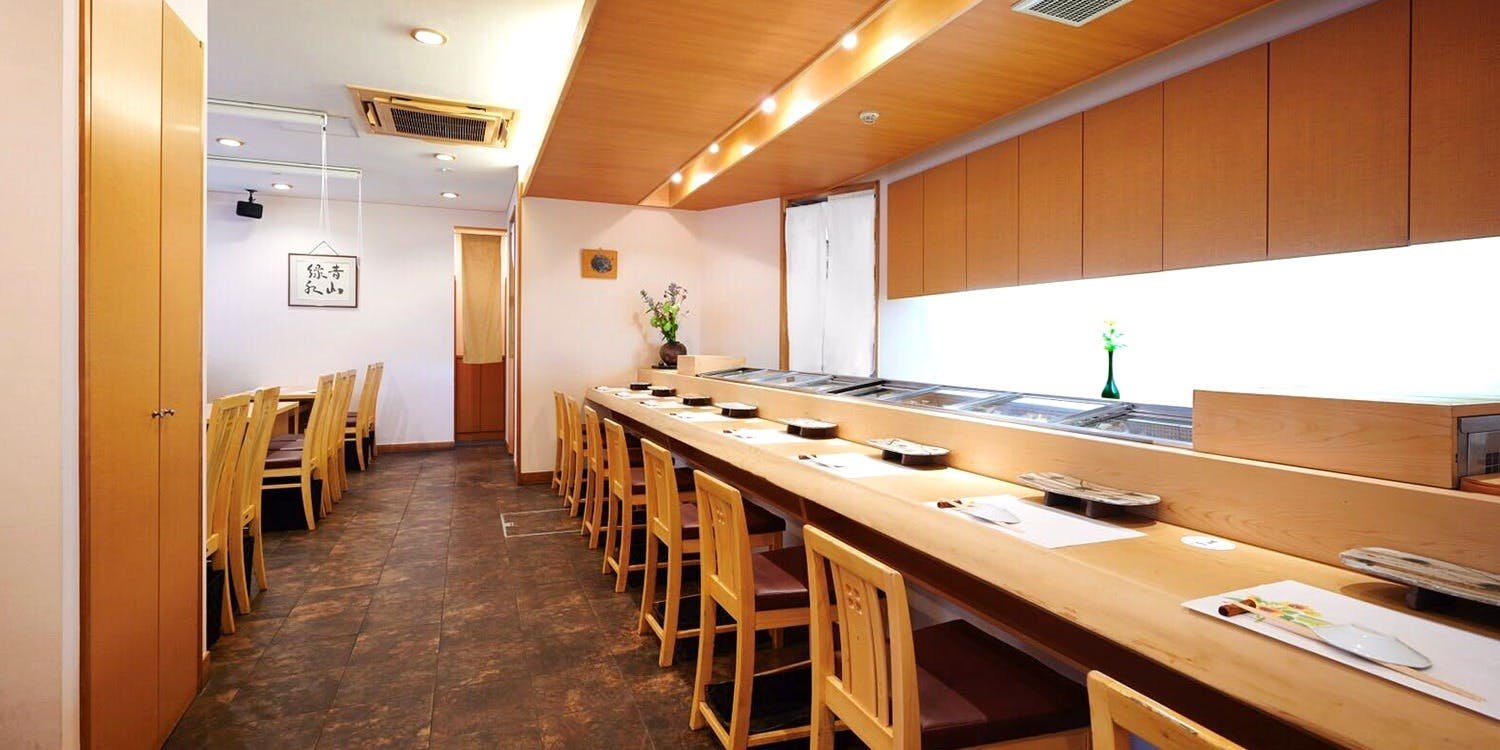
Tokyo's premium tempura scene clusters in two broad zones: the established Ginza and Shimbashi belt, where counters like Tempura Kondo and Fukamachi operate within dense competition, and the quieter Nihonbashi corridor to the east, where the pace is slower and the clientele tends toward neighborhood regulars and deliberate visitors rather than tourists in transit. Sonoji belongs to the latter geography. Its address in Ningyocho, a district that retains more Showa-era streetscape than most of central Tokyo, shapes the register of the experience before a guest even sits down. This is a counter shaped by the room rather than performance. The nine seats and relaxing counter format signal an older tempura tradition: cook, guest, and the immediate exchange between them.
Sonoji has accumulated a consistent award record that distinguishes it from the broader field. Tabelog Bronze from 2019 through 2022, Silver from 2023 through 2026, and a 4.48 Tabelog score, alongside selection for the Tabelog Tempura Top 100 in 2022, 2023, and 2025, mark it as one of the format's most stable performers. A Michelin star further confirmed its standing. La Liste placed it at 85 points in 2025 and 83 in 2026, and Opinionated About Dining ranked it 140th among Japan's restaurants in 2025. These recognitions span different methodologies and audiences, which matters: a venue that scores well across Japan-centric peer review (Tabelog), French curatorial tradition (La Liste), and specialist critic consensus (OAD) is covering ground that most single-specialty counters do not.
The Shizuoka Foundation
The geographic logic behind Sonoji's menu is not decorative regionalism. Edomae tempura historically drew from Tokyo Bay, but Suruga Bay, off the coast of Shizuoka Prefecture, has long supplied some of Japan's most prized seafood, particularly the sakura shrimp that are almost entirely unique to that bay and harvested in two short windows each year, spring and autumn. Chef Toshiyuki Suzuki learned both tempura and soba in Shizuoka before establishing this counter, and that dual training is the operative fact behind the menu's structure. The noren at the door carries the restaurant's guiding principle: finish tempura with soba. This is not a trend-driven format choice. Tempura-and-soba pairings have deep Edo-period roots, when both dishes occupied the lower registers of street food culture. Sonoji elevates that pairing into a formal counter sequence while preserving its internal logic: the soba that closes the meal is hand-made, and the kakiage that tops it is built from sakura shrimp, a direct through-line from the Shizuoka sourcing that defines the preceding tempura courses.
The sourcing focus on Shizuoka fish and vegetables shipped directly from farms positions Sonoji within a growing group of Tokyo counters that anchor their identity to a specific regional supply chain rather than simply sourcing from the morning Tsukiji or Toyosu markets. Compare this approach to counters at the more international end of the spectrum, at Tempura Ginya or Tempura Motoyoshi, where sourcing strategies and format emphases differ, and it becomes clear that premium Tokyo tempura is not a monolithic category. Counters are carving out distinct sourcing identities, and Sonoji's Shizuoka axis is among the more coherent of them.
Format and Rhythm
Omakase-only structure is non-negotiable. The sequence moves as a group at both lunch and dinner. This format prioritises the integrity of temperature and texture across each piece, a practical necessity in high-temperature frying where a two-minute delay between the fryer and the guest degrades a piece perceptibly. The nine-seat capacity is small even by the standards of specialist tempura counters in Tokyo, which typically run between eight and fifteen seats. Small capacity combined with simultaneous service is the clearest operational signal of where the kitchen's priorities lie.
Drinks reflect a similar level of attention. The program covers sake, shochu, and wine, with the venue described as particularly focused on sake and shochu selection. For a tempura counter, the interaction between alcohol and the course sequence matters: a well-chosen sake can extend the clean finish of a lightly battered piece; a poorly chosen one can flatten it. That the kitchen notes its fish sourcing specificity while the drink program signals similar attention to selection suggests a consistent house logic running through both.
Price Position and Competitive Context
At JPY 30,000–39,999 for dinner (with review data suggesting actual spend can reach JPY 40,000–49,999 after drinks and the 5% service charge), Sonoji prices at the upper tier of Tokyo's specialist tempura market without reaching the absolute ceiling occupied by a handful of counters charging JPY 50,000 and above. Lunch at JPY 20,000–29,999 offers access to the same format and sourcing at a materially lower price point, making it one of the more logical entry strategies for first-time visitors to the counter.
Within the ¥¥¥¥ Tokyo dining tier, Sonoji sits alongside counters for sushi (Edomae Shinsaku), kaiseki (RyuGin at ¥¥¥¥), and contemporary French (L'Effervescence, HOMMAGE). The tempura counter format competes for the same dinner slots and comparable spend as these categories, but it operates on different terms: the arc from first piece to closing soba is typically faster than a kaiseki sequence, and the tactile, immediate nature of frying-to-plate service creates a different kind of engagement.
Ningyocho as Context
Ningyocho deserves more attention as a dining neighborhood than it receives from visitors focused on Ginza or Shinjuku. The area has traditional craft roots, puppet-making and textile trades historically concentrated here, and a food culture that still skews toward old Tokyo forms: yakitori, unagi, and soba shops that have operated for decades without repositioning for tourist traffic. Sonoji's presence fits that pattern. The counter does not perform Edo nostalgia theatrically; it simply operates within a neighborhood where that register reads as normal rather than curated. Elsewhere in Japan, comparable levels of commitment to regional sourcing and multi-discipline mastery appear in the kaiseki work at Gion Sasaki in Kyoto, the ambitious tasting format at HAJIME in Osaka, and the highly individual approach at Goh in Fukuoka. For tempura specifically beyond Tokyo, Numata in Osaka and Mudan Tempura in Taipei offer useful comparators in different markets. Travellers rounding out their Japan trip can also consult akordu in Nara, 1000 in Yokohama, and 6 in Okinawa for the range of serious dining available across the country.
Planning a Visit
Reservations: Bookings can be made directly via the restaurant or through Shokuoku (shokuoku.com). A 50% cancellation fee applies from three days before the reservation; 100% from the day before. Hours: Tuesday through Sunday, lunch 12:00–14:00 (Saturday 12:30 start), dinner 18:30–21:00. Closed Monday. Budget: Dinner JPY 30,000–39,999 per person before drinks; lunch JPY 20,000–29,999. Seats: Nine at the counter; no private rooms. Solo dining is noted as particularly well suited to the format. Payment: Credit cards accepted (Visa, Mastercard, JCB, Amex, Diners). Electronic money and QR code payments not accepted. Transport: Three minutes on foot from Ningyocho Station (Tokyo Metro Hibiya Line), four minutes from Ningyocho Station (Toei Asakusa Line), five minutes from Suitengumae Station (Tokyo Metro Hanzomon Line). Note: Guests with soba allergies should contact the restaurant before booking. Strong perfumes are also asked to be avoided.
Frequently asked questions
What are Sonoji's hours?
Hours at Sonoji: Monday Closed Tuesday 12–2 pm, 6:30–9 pm Wednesday 12–2 pm, 6:30–9 pm Thursday 12–2 pm, 6:30–9 pm Friday 12–2 pm, 6:30–9 pm Saturday 12:30–2 pm, 6:30–9 pm Sunday 12–2 pm, 6:30–9 pm.
Who is the chef or culinary lead at Sonoji?
The chef associated with Sonoji is Toshiyuki Suzuki.
What's the signature dish at Sonoji?
The structural centerpiece of every meal is the closing course: hand-made soba topped with kakiage of sakura shrimp from Suruga Bay, a pairing that the noren motto, 'After having tempura, finish with soba', treats as a formal declaration of intent. The menu is omakase-only with no fixed published list, but this soba finish distinguishes Sonoji from the mainstream tempura-only counter format. The Tabelog 100 selection for both Tempura (2022, 2023, 2025) and Soba (2017) reflects the kitchen's credibility across both disciplines.
What kind of cuisine does Sonoji serve?
A Credentials Check
Comparable venues nearby, for context on price, style, and recognition.
| Venue | Cuisine | Price | Awards | Notes |
|---|---|---|---|---|
| SonojiThis venue (the venue you are viewing) | Shizuoka-Style Tempura with Soba | $150–200 | 1 Michelin Star · La Liste Top Restaurants | Not listed |
| Daigo | Shojin Ryori Kaiseki | $150–200 | 1 Michelin Star · La Liste Top Restaurants | Minato |
| Ginza Kitagawa 銀座 きた川 | Modern Kaiseki with Tempura | $200–300 | 1 Michelin Star · Tabelog Bronze #180 | Chūō |
| Ren Mishina | Michelin-Starred Kaiseki | $50–100 | 1 Michelin Star · Tabelog Bronze #357 | Chūō |
| Seiju | Premium Tempura Omakase | $100–150 | 1 Michelin Star · Tabelog 100 #54 | Chūō |
| Nishiazabu Noguchi | Kaiseki Omakase | $200–300 | Michelin Plate · Tabelog 100 #34 | Minato |
Recognition history
Dated appearances from independent guides and award organizations, with the underlying list record or original source where available.
Michelin 1 Star
Michelin
La Liste Top Restaurants
La Liste
Opinionated About Dining Top Restaurants in Japan Ranked #129
Opinionated About Dining
Tabelog Silver #126
Tabelog
Full recognition history (12 entries)
Opinionated About Dining Top Restaurants in Japan Recommended
Opinionated About Dining
La Liste Top Restaurants
La Liste
Opinionated About Dining Top Restaurants in Japan Ranked #140
Opinionated About Dining
Tabelog Silver
Tabelog
Tabelog 100 #9 · No. 9
Tabelog · Tabelog 100 - Tempura - 2025
Michelin 1 Star
Michelin
Opinionated About Dining Top Restaurants in Japan Ranked #227
Opinionated About Dining
Opinionated About Dining Top Restaurants in Japan Highly Recommended
Opinionated About Dining