Google: 4.8 · 176 reviews
sō–lō



A Michelin-starred Modern British restaurant occupying a converted pub on the edge of a Lancashire village, sō–lō sits in Aughton's quietly serious dining cluster and offers a six-course tasting format grounded in seasonal, largely local ingredients. Priced below its Michelin-starred neighbour Moor Hall, it delivers technical cooking, think aerated dashi, Cornish brill, Aynhoe Park venison, in a room that reads more warmly than formally. Closed for refurbishment until November 2025, with a new chef's table and revised menu format planned on reopening.
 Discover on Pearl
Pearl is the En Primeur Club membership app — saves, bookings, and concierge access live there. Same editors, same standards.
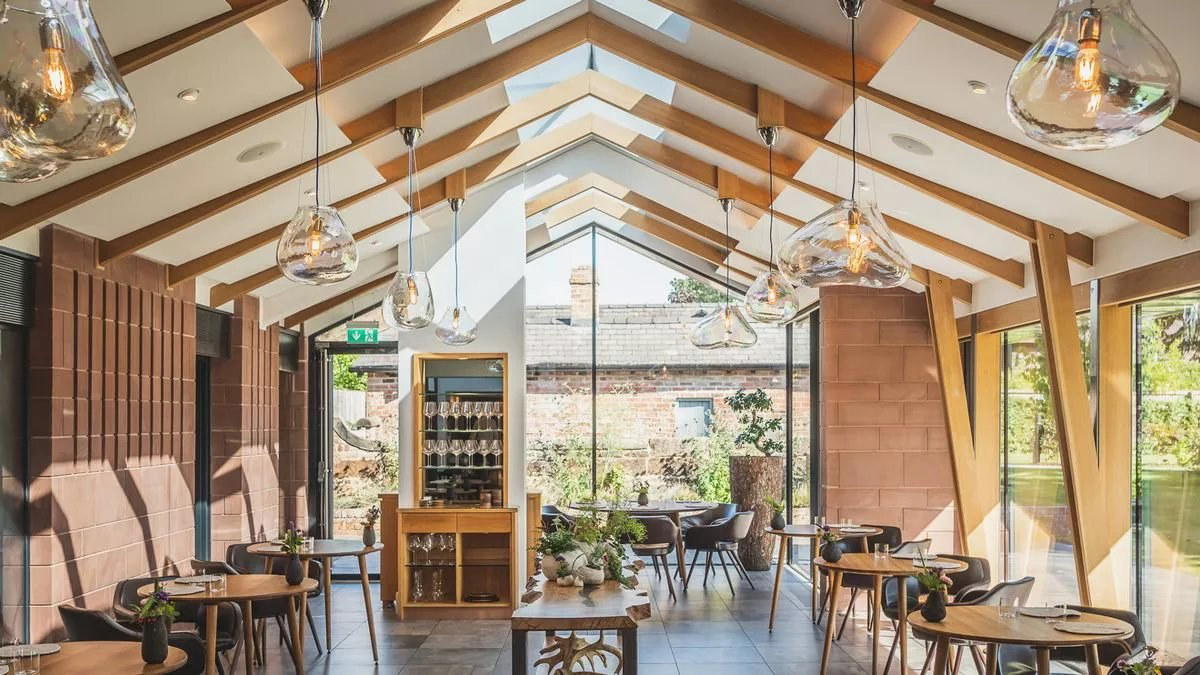
A Converted Pub at the Serious End of Lancashire Dining
sō–lō is a one-Michelin-star restaurant in Aughton, serving Modern British Fine Dining in a converted Lancashire pub. sō–lō sits inside that cluster, occupying a former roadside pub on Town Green Lane where the exterior gives little away. Tables are well spaced, chairs are padded, and on autumn evenings two open fires have reportedly done considerable work for the room's atmosphere. The conversion trades on warmth rather than drama, which is precisely the point. sō–lō leans toward the former, and it works.
Where Aughton Sits in the British Fine Dining Picture
What began with Tom Kerridge at the Hand and Flowers in Marlow, the first pub to hold two Michelin stars, established that the physical format of a pub need not constrain the ambition of the kitchen. Across the country, chefs have since used converted pubs, village inns, and roadside buildings as platforms for cooking that sits comfortably alongside destination restaurants in purpose-built dining rooms. L'Enclume in Cartmel, housed in a medieval forge, and hide and fox in Saltwood represent different expressions of the same instinct: serious technique deployed in spaces that carry the texture of their local setting.
Aughton's contribution to this pattern is quietly disproportionate. The village holds more Michelin star density than its size would suggest, with Moor Hall drawing international attention as the dominant presence. sō–lō operates in that shadow, as critics have freely acknowledged, but shadow here functions as a relative term. A Michelin star earned in 2024 places it in company that includes Midsummer House in Cambridge, Restaurant Andrew Fairlie in Auchterarder, and the broader cohort of British one-star restaurants where technique is consistent and seasonal sourcing is treated as foundational rather than promotional. For context on what that tier looks like at the other end of the price and scale range, CORE by Clare Smyth and The Ledbury in London represent the upper end of Modern British ambition. sō–lō does not compete on that axis, nor does it try to.
The Cooking: Seasonal, Technically Considered, and Priced for the Work
Modern British cooking at the one-star level has settled into a recognisable set of values: seasonal produce drawn from named British suppliers, occasional continental sourcing where quality justifies it, and a technical vocabulary that borrows selectively from classical French training without being enslaved to it. sō–lō's kitchen works within those parameters with evident confidence. The six-course evening tasting menu changes regularly, with the ingredient list tracking the British seasons and extending to France when the produce warrants it: Landes guinea fowl has appeared as an imported centrepiece, a bird whose flavour profile makes a reasonable case for the air miles.
Documented dishes from previous service give a clear read on the kitchen's sensibility. Agnolotti filled with spinach and dressed with Parmesan foam, sweetcorn, a poached quail's egg, and brown chicken jus signals precision in pasta work and a willingness to layer umami across multiple elements. Cornish brill with salt-baked celeriac, ceps, and smoked eel in a lovage-infused sauce speaks to a confident hand with fish and an understanding of how smoked and earthy notes function as counterweight to a delicate main protein. Aynhoe Park venison loin with beetroot and red verjus is a more direct seasonal pairing, but the sourcing, Aynhoe Park is a known estate with a reputation for quality venison, does the editorial work. A cauliflower dish built around Madras spices, lentil dhal, and lime buttermilk has drawn specific critical attention as a potential signature, the kind of vegetarian course that earns its place on a meat-forward menu. Textures across the menu are deliberately varied: aerated elements, crispy potato constructions, and considered soft-to-crunch progressions within individual dishes suggest a kitchen that treats texture as a structural decision, not an afterthought.
The Sunday format works differently. A four-course mini-taster built around a traditional roast is designed to occupy the space between the British Sunday lunch tradition and the tasting menu format, a pairing that earns it some goodwill from critics who note the absence of pretension in its presentation. The no-choice set lunch, available Thursday through Saturday, is cited consistently as representing good value for the cooking level. Pricing at ££££ is calibrated for the category rather than the postcode: this is one-star tasting menu pricing in a converted pub, which lands meaningfully below what a comparable dinner at Moor Hall or a London equivalent would cost.
Tim Allen and the Independent Venture Model
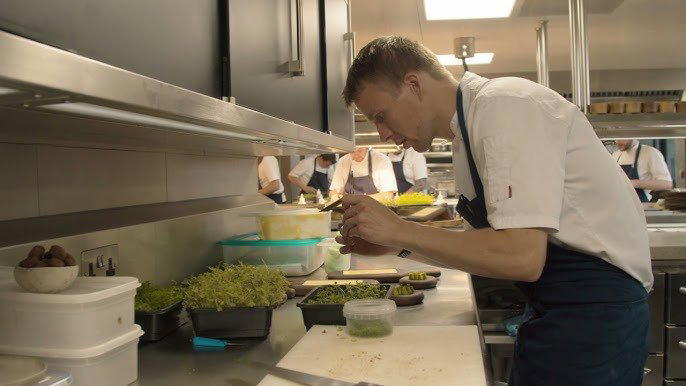
Britain's one-star cohort includes a significant proportion of chefs operating their first independent restaurants after years in senior positions elsewhere. The pattern is familiar: a long apprenticeship across well-regarded kitchens, followed by a move to independent operation where the cooking reflects accumulated experience rather than a single formative influence. Tim Allen's trajectory fits this model. He relocated approximately 250 miles from his previous position at the Flitch of Bacon in Essex to open sō–lō in Aughton, a commitment that makes the geographical specificity of his sourcing choices more legible. The investment in local relationships is not decorative; it is the operational logic of a chef who has chosen this particular location and is cooking for it. The restaurant's Google rating of 4.8 across 176 reviews, alongside the 2024 Michelin star, suggests the community response has matched the critical one. For a first independent venture, that alignment between local audience and national recognition is not automatic.
Closed for Refurbishment: What Changes in November 2025
sō–lō closed after lunch service on 27 July 2025 for a complete refurbishment, with a scheduled reopening in November 2025. The changes announced in advance are specific: a new chef's table and a revised aesthetic described as more modern and crisp. The shift toward flexibility is a directional move that reflects a broader pattern across British fine dining, where the fixed, long tasting menu model has faced pressure from guests who want access to the cooking without the three-hour commitment. Gidleigh Park in Chagford and Le Manoir aux Quat' Saisons in Great Milton have both made format adjustments in recent years that speak to the same tension between ceremony and accessibility. At sō–lō, the adjustment is described as an expansion of options rather than a replacement of format, which reads as a measured recalibration.
That is a position grounded in the logic of the upgrade rather than assumption: a kitchen that already holds a Michelin star and a Google score of 4.8 is not typically made worse by better furniture and a shorter menu option.
Planning a Visit
sō–lō operates Thursday through Saturday with lunch sittings from noon to 2pm and evening service from 6pm to 9pm, with Sunday lunch from 12:30pm to 4pm. The restaurant is dark on Mondays, Tuesdays, and Wednesdays. The address is 17 Town Green Lane, Aughton, Ormskirk L39 6SE.
Side-by-Side Snapshot
Comparable venues nearby, for context on price, style, and recognition.
| Venue | Cuisine | Price | Awards |
|---|---|---|---|
| sō–lōThis venue — the venue you are viewing | Modern British | ££££ | Michelin 1 Star |
| The Ledbury | Modern European, Modern Cuisine | ££££ | Michelin 3 Star |
| Sketch, The Lecture Room and Library | Modern French | ££££ | Michelin 3 Star |
| CORE by Clare Smyth | Modern British | ££££ | Michelin 3 Star |
| Restaurant Gordon Ramsay | Contemporary European, French | ££££ | Michelin 3 Star |
| Dinner by Heston Blumenthal | Modern British, Traditional British | ££££ | Michelin 2 Star |
Continue exploring
More in Aughton
Restaurants in Aughton
Browse all →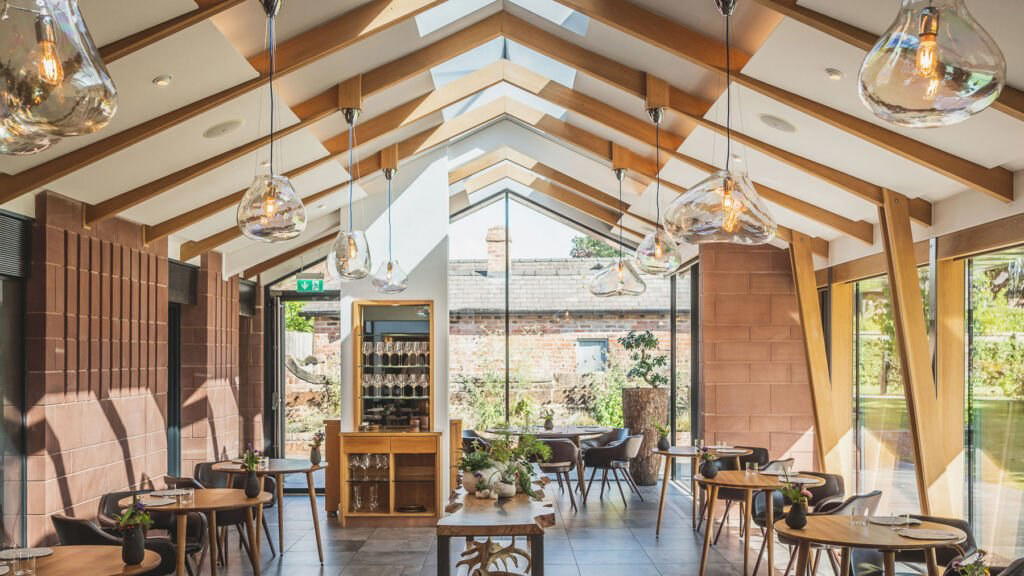
Bars in Aughton
Browse all →
Hotels in Aughton
Browse all →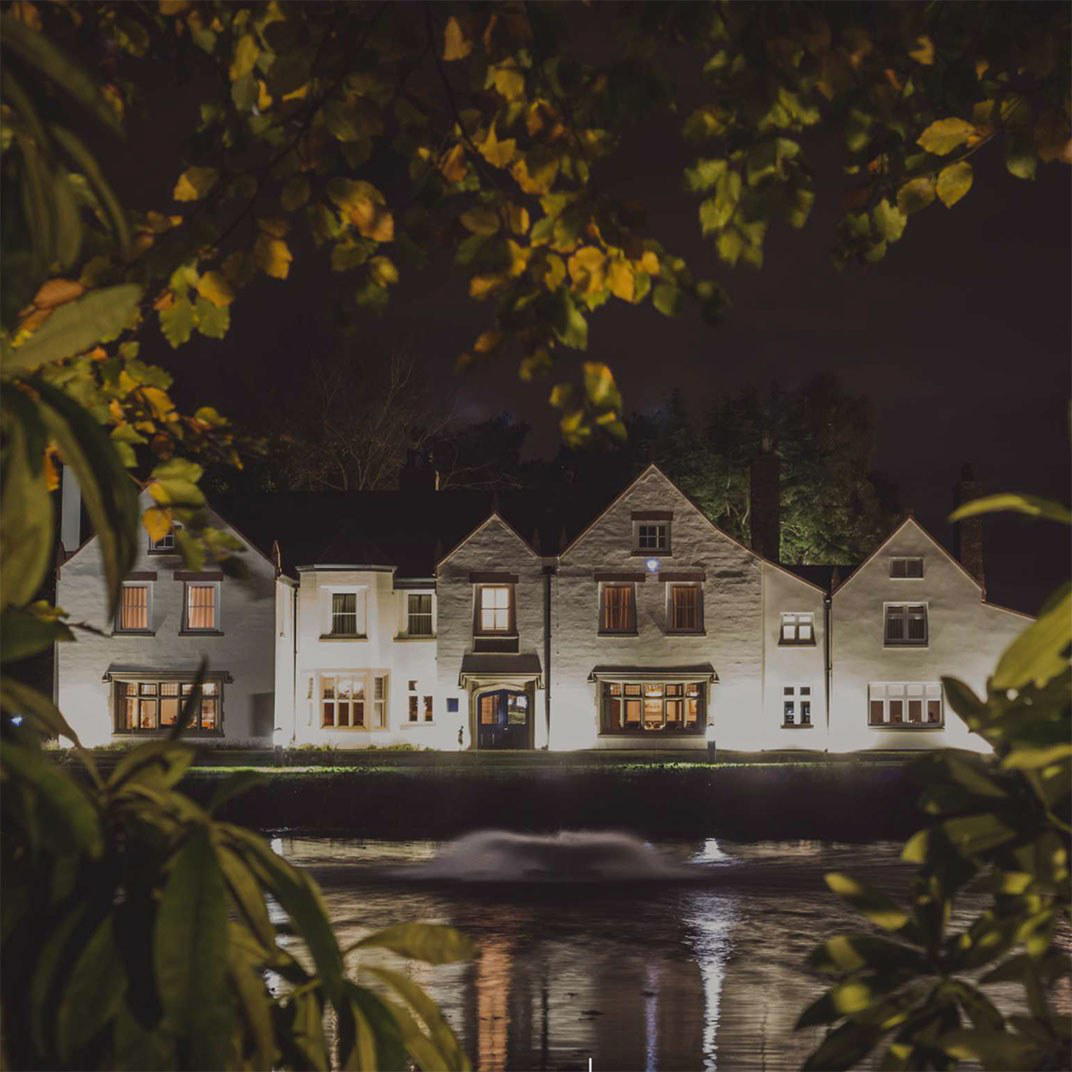
Wineries in Aughton
Browse all →
At a Glance
- Cozy
- Elegant
- Modern
- Intimate
- Date Night
- Special Occasion
- Celebration
- Open Kitchen
- Extensive Wine List
- Local Sourcing
Brightly decorated, warmly welcoming converted pub with cozy fireplaces, open kitchen views, relaxed and informal atmosphere.