Skur 33 occupies a converted warehouse on Akershusstranda, Oslo's working waterfront, placing it in a different register from the city's fine-dining corridor. The setting frames the fjord directly, and the address alone positions it as a destination for visitors who want the water as part of the meal, not merely the backdrop.
Pearl is the En Primeur Club membership app — saves, bookings, and concierge access live there. Same editors, same standards.
- Address
- Akershusstranda 11, 0150 Oslo, Norway
- Phone
- +4723357060
- Website
- skur33.no
- Directions
- Get directions
 Saves & bookings on Pearl
Where the Fjord Does the Work
Skur 33 is a restaurant on Akershusstranda 11 in Oslo, serving Italian Seafood and Pizza in a smart casual setting. At the leading sits a cluster of ambitious tasting-menu rooms, Maaemo, with its three Michelin stars, and Kontrast, working the New Nordic idiom at a slightly more accessible price point. Beneath that, a looser category of neighbourhood addresses and creative bars, places like Bar Amour and Hot Shop, have made the city interesting at mid-range. Skur 33 occupies a different slot entirely. Its address on Akershusstranda, the quayside strip running along the edge of the Oslofjord, gives it something no tasting room in Bjørvika or Grünerløkka can manufacture: an unmediated relationship with the water.
Arriving at a converted waterfront warehouse in any northern European city produces a particular sensation that precedes whatever is on the menu. The light in Oslo shifts dramatically by season, flat and grey in January, sharp and almost clinical in June when the sun barely sets, and a warehouse address with direct fjord exposure means the room's character changes with it. The industrial frame of the building, the sound of the harbour operating around it, the smell of salt air through open doors in summer: these are not design choices but structural facts, and they define the sensory register before a single dish arrives.
Akershusstranda and the Waterfront Dining Pattern
The Akershusstranda strip has developed incrementally as Oslo's waterfront has shifted from working port to a mixed leisure and residential zone. The Aker Brygge development anchored the western end of this transformation in the 1980s, but the stretch running east past the Akershus Fortress has remained more patchy in character, a mix of old harbour infrastructure, museums, and a handful of restaurants that have settled into the converted warehouse buildings that line the quay.
This is a meaningfully different address from the Barcode district or the Sørenga neighbourhood further east, where recent development has produced a more consistent, curated feel. Akershusstranda is older in its texture, and that age shows in the architecture: thick walls, high ceilings, the particular acoustics of large spaces that were built for cargo rather than conversation. For restaurants, these qualities present both an opportunity and a challenge. The atmosphere arrives for free; making a room of that scale feel warm and directed takes more effort than filling a purpose-built dining room.
The fjord is the context, and Norwegian coastal ingredients tend to follow naturally from that.
Norwegian Seafood and the Coastal Tradition
Norway's position as one of Europe's primary seafood producers shapes dining expectations along its coast in ways that inland European cities cannot replicate. From Anita's Sjømat in Lofoten to Fiskekrogen in Henningsvær, the country's most respected fish-focused addresses share an emphasis on provenance and minimal intervention, the quality of the raw material doing more work than the technique applied to it. Oslo, as the country's largest city and its primary tourist gateway, supports a version of this tradition at multiple price points and formality levels.
A waterfront address in this context carries an implicit promise. The proximity to the harbour, even in a city where fish no longer arrives by boat directly to restaurant back doors, communicates a particular orientation toward Norwegian coastal ingredients. Whether a kitchen actually delivers on that promise is a separate question, but the setting establishes the expectation.
Oslo's own waterfront addresses sit in a middle register: less remote than the Lofoten options, less conceptually extreme than Under, but more tied to the physical character of the fjord than the city's inland tasting rooms.
Those who want a French counterpoint to Oslo's Nordic-leaning dining corridor might consider Mon Oncle, while diners planning a longer Norwegian itinerary have strong options further afield: FAGN in Trondheim, Gaptrast in Bergen, Hardanger House in Jondal, Aurora Restobar in Kirkenes, and Børsen Spiseri in Svolværalong the northern coast.
Recognition, Side-by-Side
Comparable venues nearby, for context on price, style, and recognition.
| Venue | Cuisine | Price | Notes |
|---|---|---|---|
| Skur 33This venue — the venue you are viewing | Italian Seafood and Pizza | $$ | Not listed |
| Bettola | Italian Aperitivo Bar | $$ | Enerhaugen |
| Tranen | Modern Italian Pizza | $$ | Fredensborg |
| Trattoria Popolare | Rustic Italian Trattoria | $$ | Enerhaugen |
| Campo de' Fiori | Authentic Roman Italian | $$$ | Homans Byen |
| Ruffino | Authentic Italian Trattoria | $$$ | Ruselokka |
At a Glance
- Cozy
- Rustic
- Modern
- Scenic
- Date Night
- Group Dining
- Casual Hangout
- Waterfront
- Open Kitchen
- Terrace
- Extensive Wine List
- Local Sourcing
- Waterfront
Current opening hours
- Monday
- Closed
- Tuesday
- Closed
- Wednesday
- 4–9 PM
- Thursday
- 4–9 PM
- Friday
- 4–9 PM
- Saturday
- 12–9 PM
- Sunday
- Closed
Hours can change for holidays and private events. Last verified .
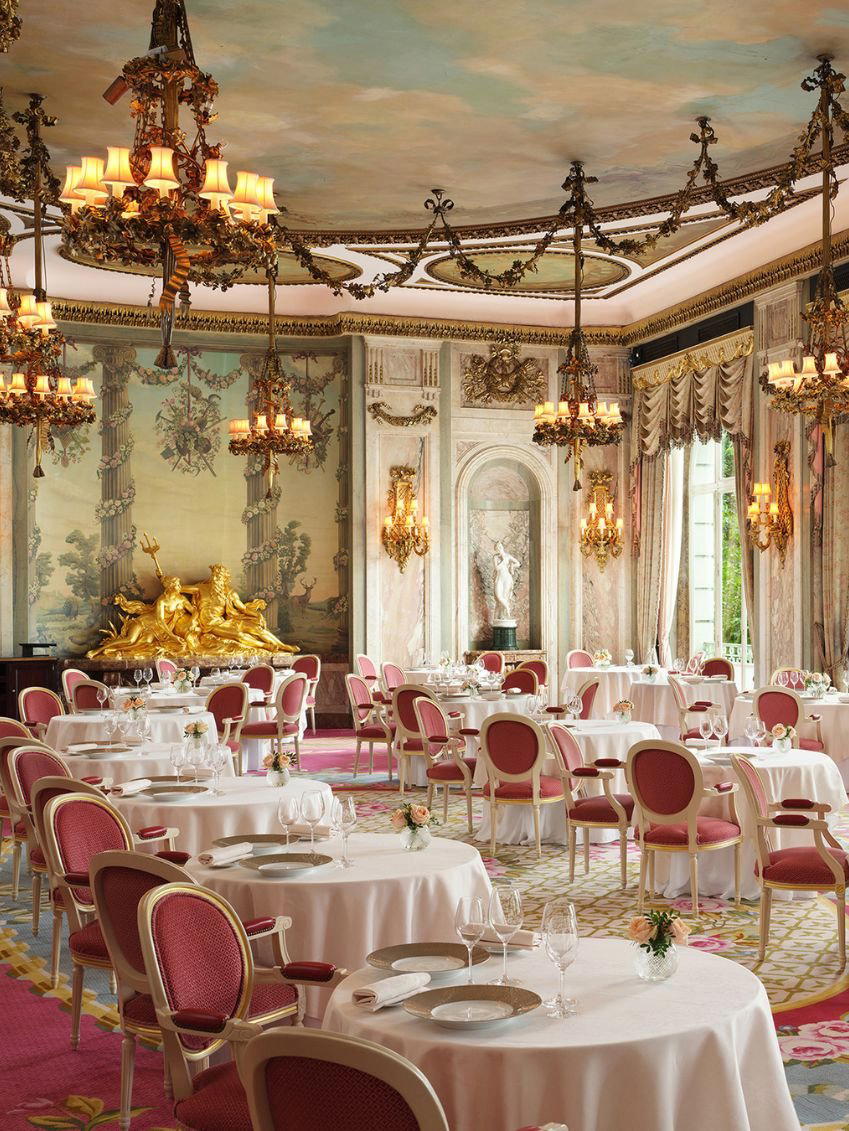
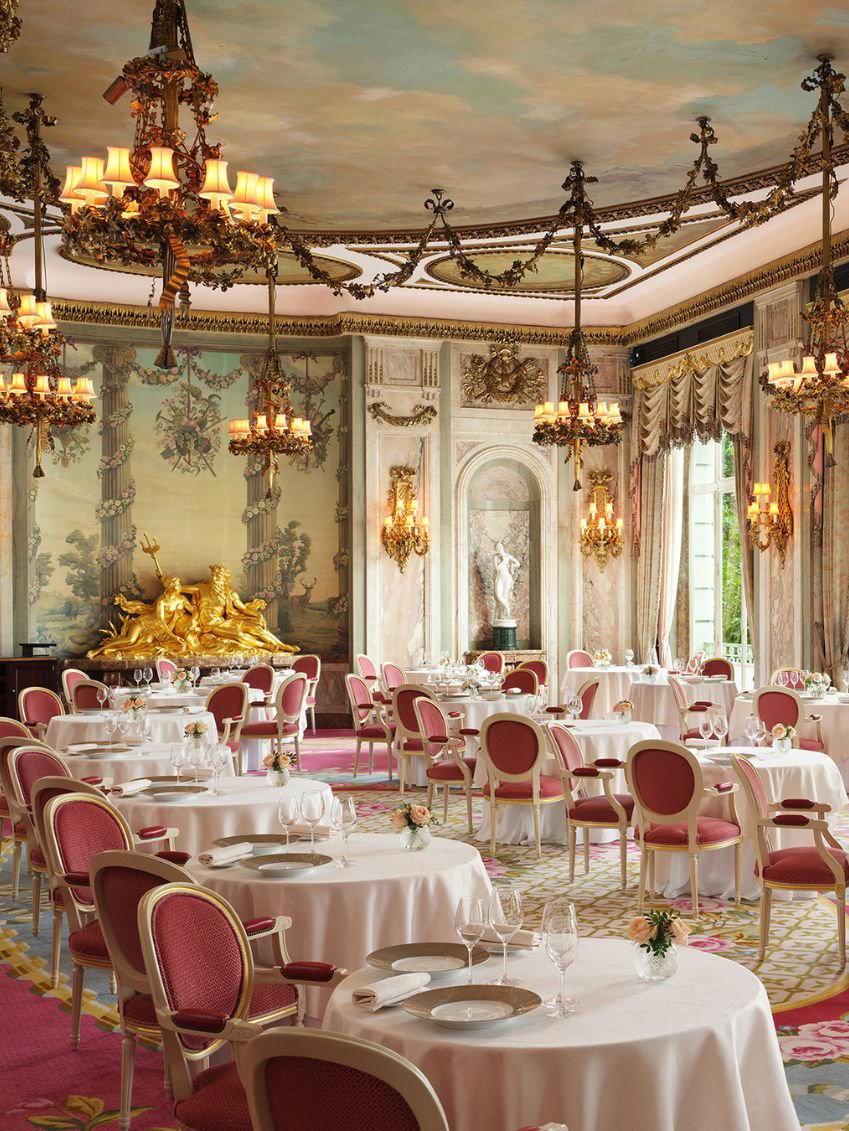
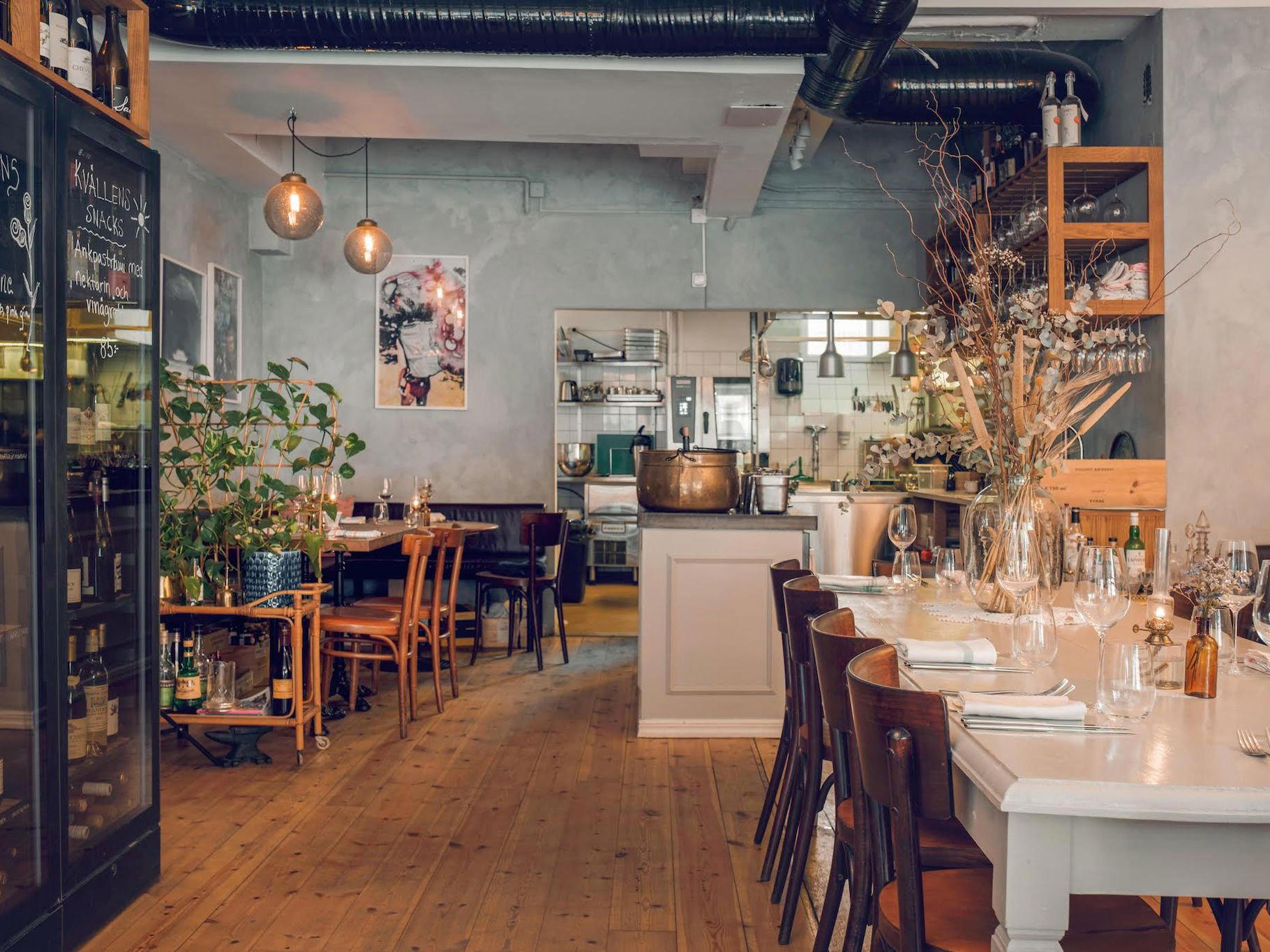
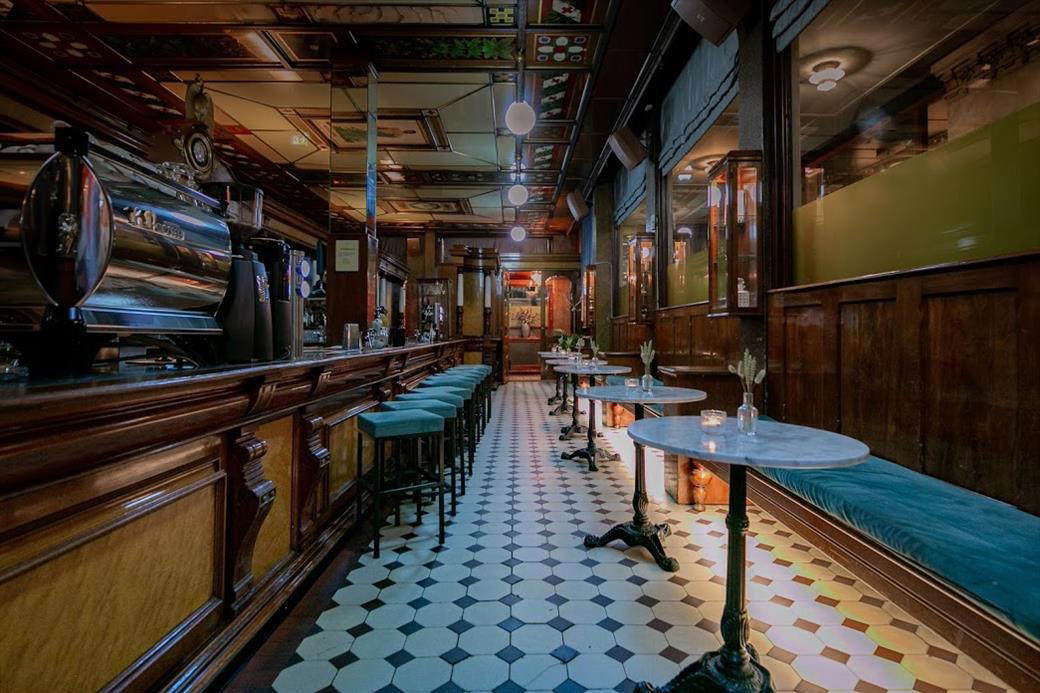
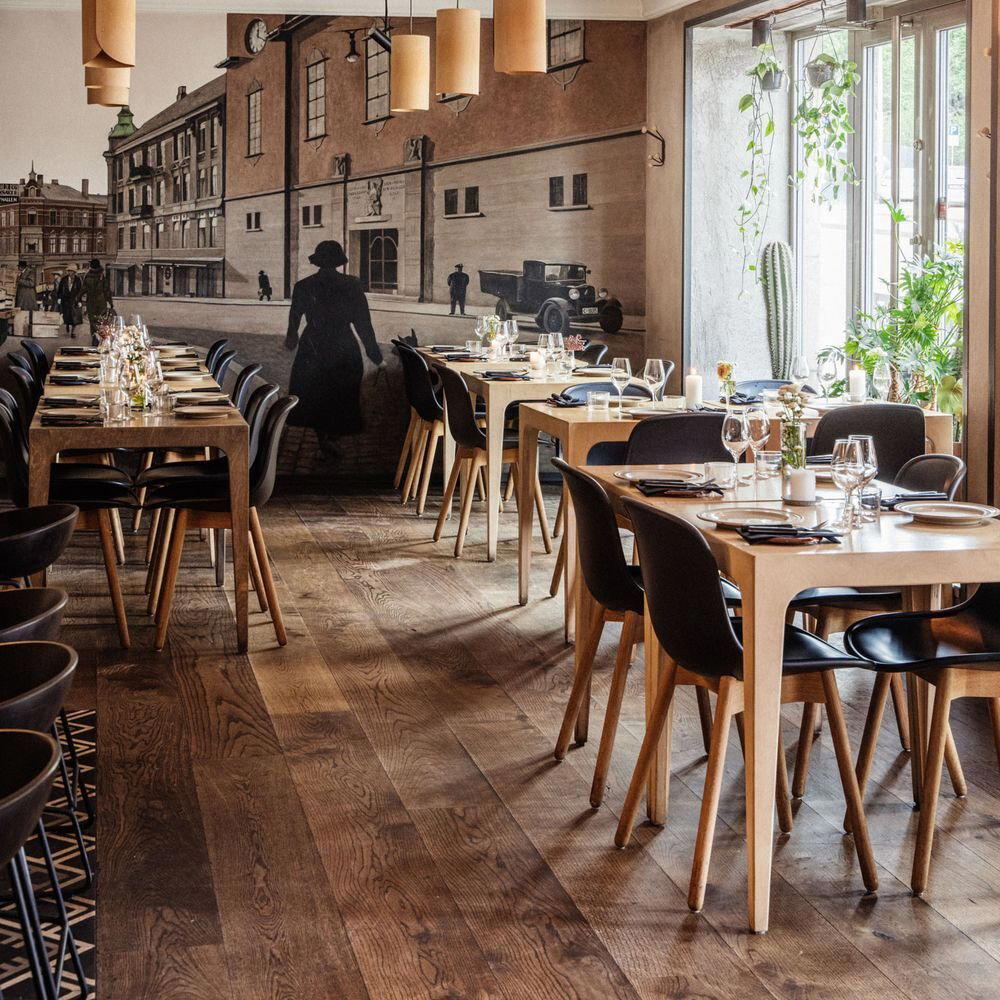
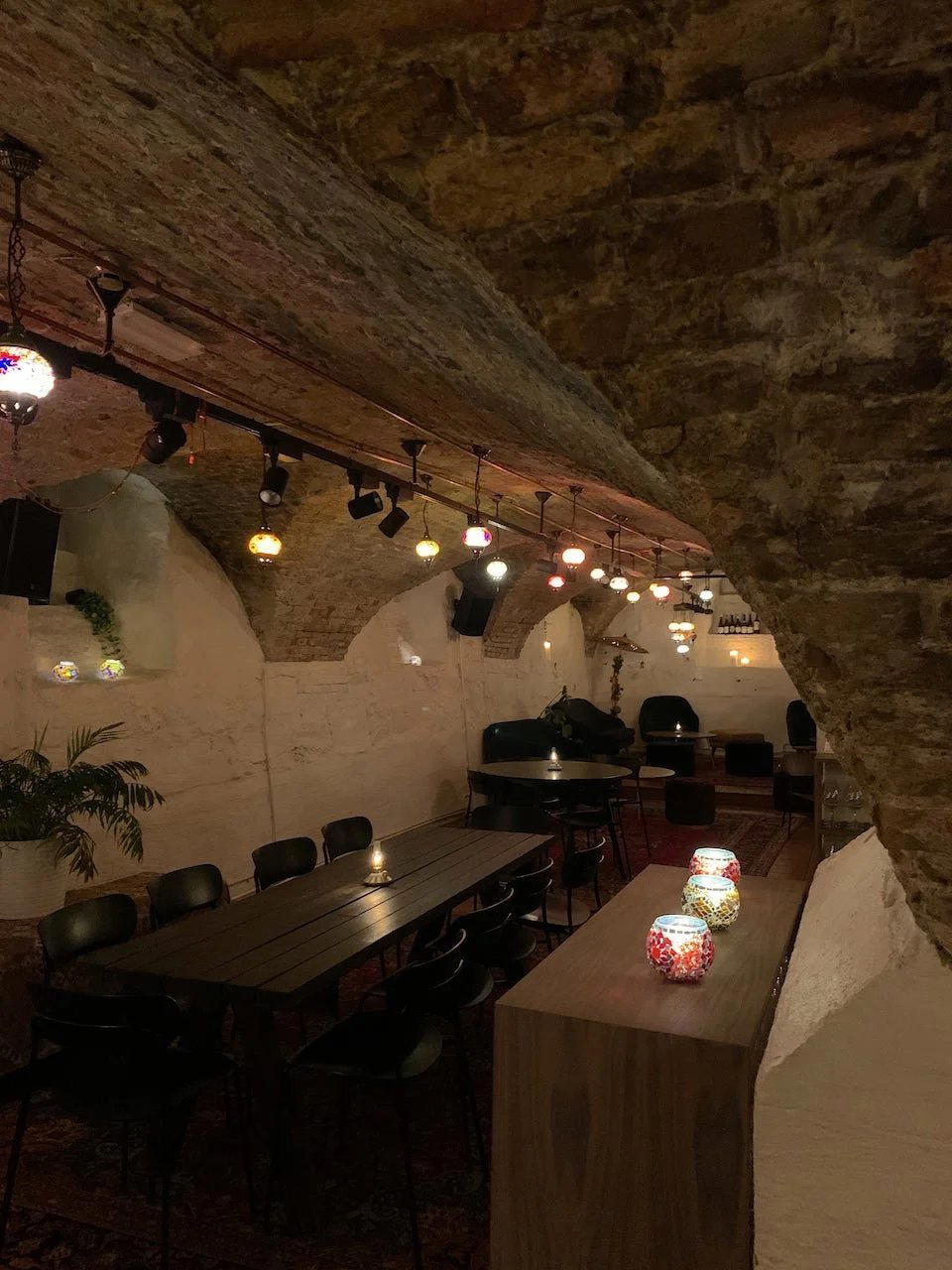
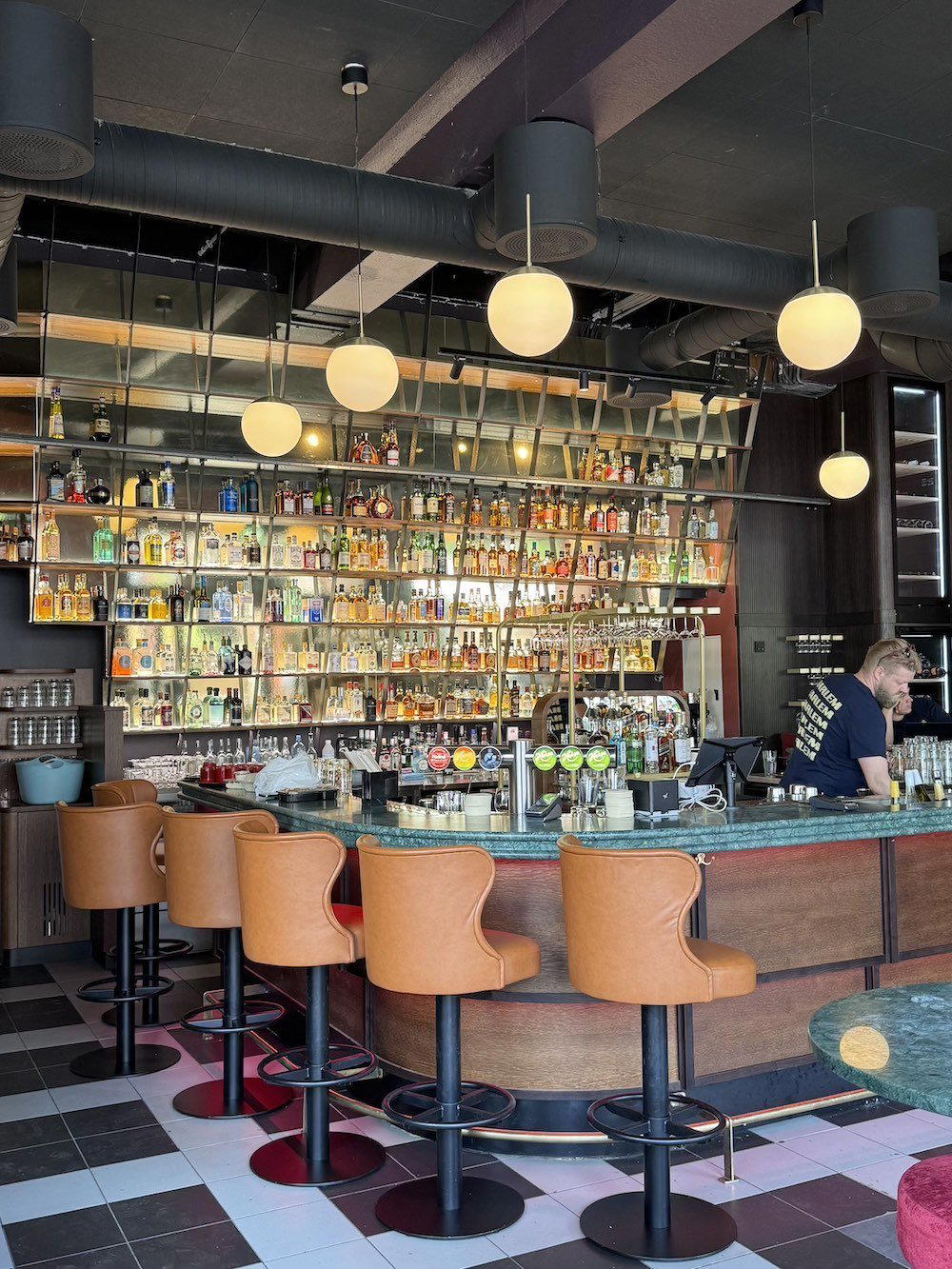
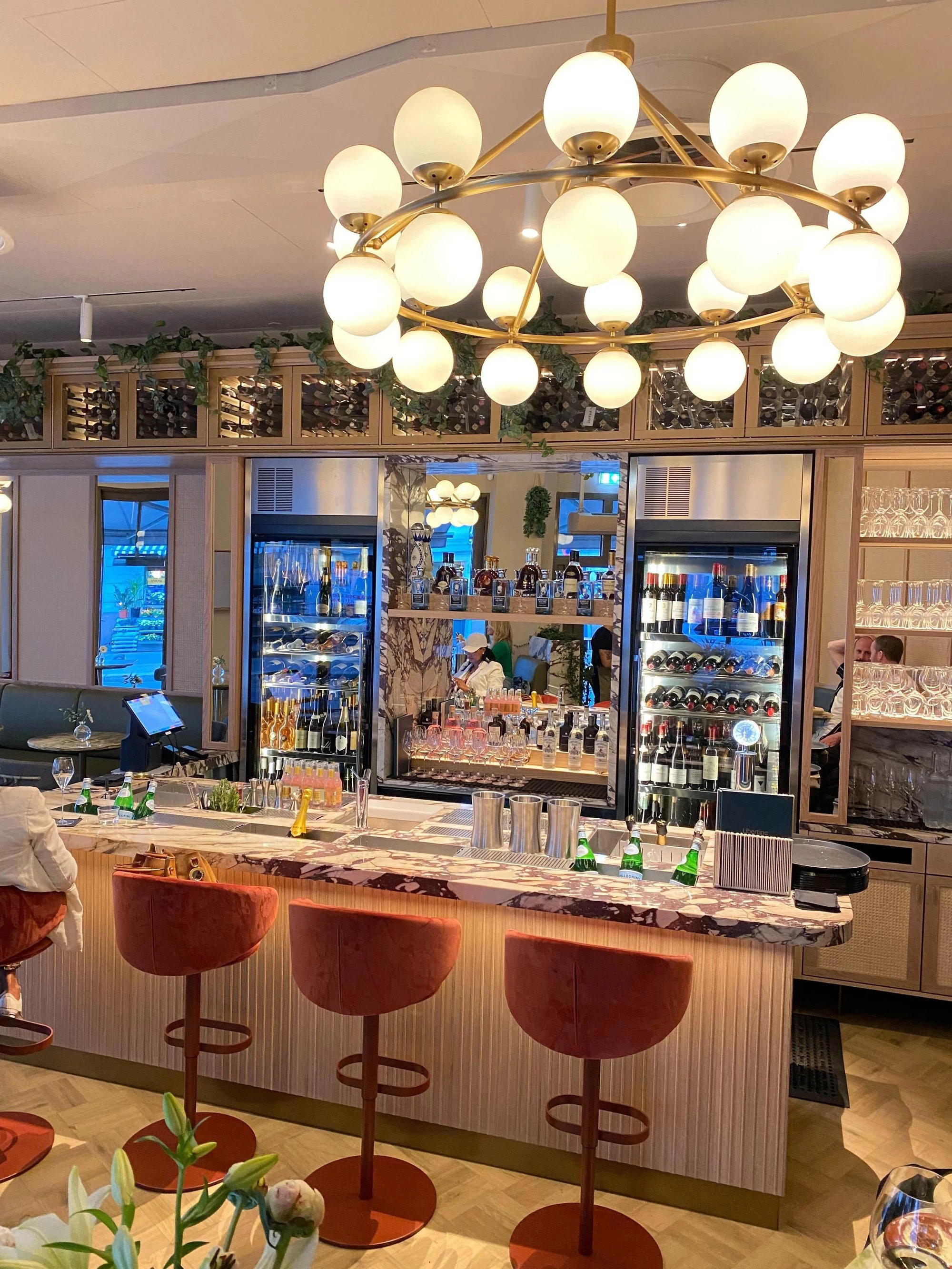
Warm and welcoming with rustic woodwork, modern details, and a cozy atmosphere enhanced by harbor views.