



1 Michelin Star · Falstaff Restaurant - 92 Falstaff Points · The Best Chef Two Knives
Our verdict
SAVAGE holds a Michelin star in consecutive years (2024 and 2025) and sits at the sharper, more experimental edge of Oslo's fine dining scene. Chef Andrea Selvaggini leads a creative menu at Nedre Slottsgate 2, placing the restaurant in Oslo's highest price tier alongside Maaemo and Kontrast.

Pearl is the En Primeur Club membership app, where members save venues, book tables and use the concierge.
Where Oslo's Fine Dining Has Been Moving
Oslo's fine dining scene has spent the last decade reorganising around a single axis: how Nordic identity gets expressed through technique. The early wave was declarative, heavy on foraged herbs and theatrical fermentation, keen to announce itself. What followed was quieter and more confident. Restaurants at the top end of the market began absorbing outside influences without losing local grounding, and the category label shifted from "New Nordic" toward something harder to pin down but more interesting to eat. SAVAGE, at Nedre Slottsgate 2 in the city centre, sits inside that evolution. Its cuisine classification is simply "Creative," which in Oslo's current context signals a deliberate step away from movement allegiance and toward a more fluid, technique-driven approach.
That positioning places it in a different register from neighbours like Maaemo, which has made Nordic provenance the explicit framework of everything on the plate, or Kontrast, where Scandinavian identity anchors a more ingredient-forward approach. SAVAGE, under chef Andrea Selvaggini, operates with a broader palette. The Italian name embedded in that chef credit is not incidental: creative restaurants in Oslo that carry non-Nordic culinary lineages have increasingly found their footing by working between traditions rather than within one.
The Michelin Signal and What It Means Here
Consecutive Michelin stars in 2024 and 2025 confirm SAVAGE's place in the city's upper tier, but the more useful reading is what those awards say about direction rather than status. A restaurant that holds its star across two guide cycles is not simply being recognised for consistency; it is being watched for development. Michelin's one-star category in Oslo is competitive. Hot Shop operates at a lower price point in the same city, demonstrating that the star tier spans price ranges, but SAVAGE's €€€€ pricing places it directly alongside the city's two- and three-star addresses in terms of the commitment required from a diner. At that price point, the expectation is not just technical competence but a coherent creative argument made through each service.
Google's reviewer score of 4.8 from 98 ratings is a secondary but meaningful data point. At the €€€€ level, dissatisfied diners are more likely to write and more likely to be specific. A score that high, across that volume, suggests the gap between expectation and delivery has been closing consistently rather than fluctuating.
Reinvention at the Creative End of the Market
The evolution angle is worth pressing on, because SAVAGE's trajectory illustrates something broader happening in Oslo's top-tier restaurants. The city's most interesting fine dining rooms have been quietly renegotiating what "creative" means in a Nordic context. For years, the pressure was centripetal: pull everything toward local identity, seasonal limitation, and forager-sourced ingredients. The restaurants that have built the most durable reputations since the mid-2010s have loosened that grip without abandoning it entirely.
Chef Andrea Selvaggini's presence at the pass is itself a data point about this shift. The Italian surname in a Norwegian kitchen at this level is not unusual in 2025, but it carries implications about where the creative influences are being drawn from. Enrico Bartolini in Milan and Alléno Paris au Pavillon Ledoyen represent the European creative fine dining tradition that Oslo's leading kitchens are in conversation with, even when they do not cite it directly. SAVAGE's classification as "Creative" rather than "New Nordic" or "Scandinavian" reads as a conscious framing decision, not a default category.
Within Oslo, this places SAVAGE closer to Mon Oncle's French-influenced sensibility and the looser reference set of Bar Amour than to the strict provenance-first approach of the New Nordic flagships. That is not a criticism; it is a description of where the more interesting creative work is currently happening.
Oslo's Fine Dining Geography and Where SAVAGE Sits
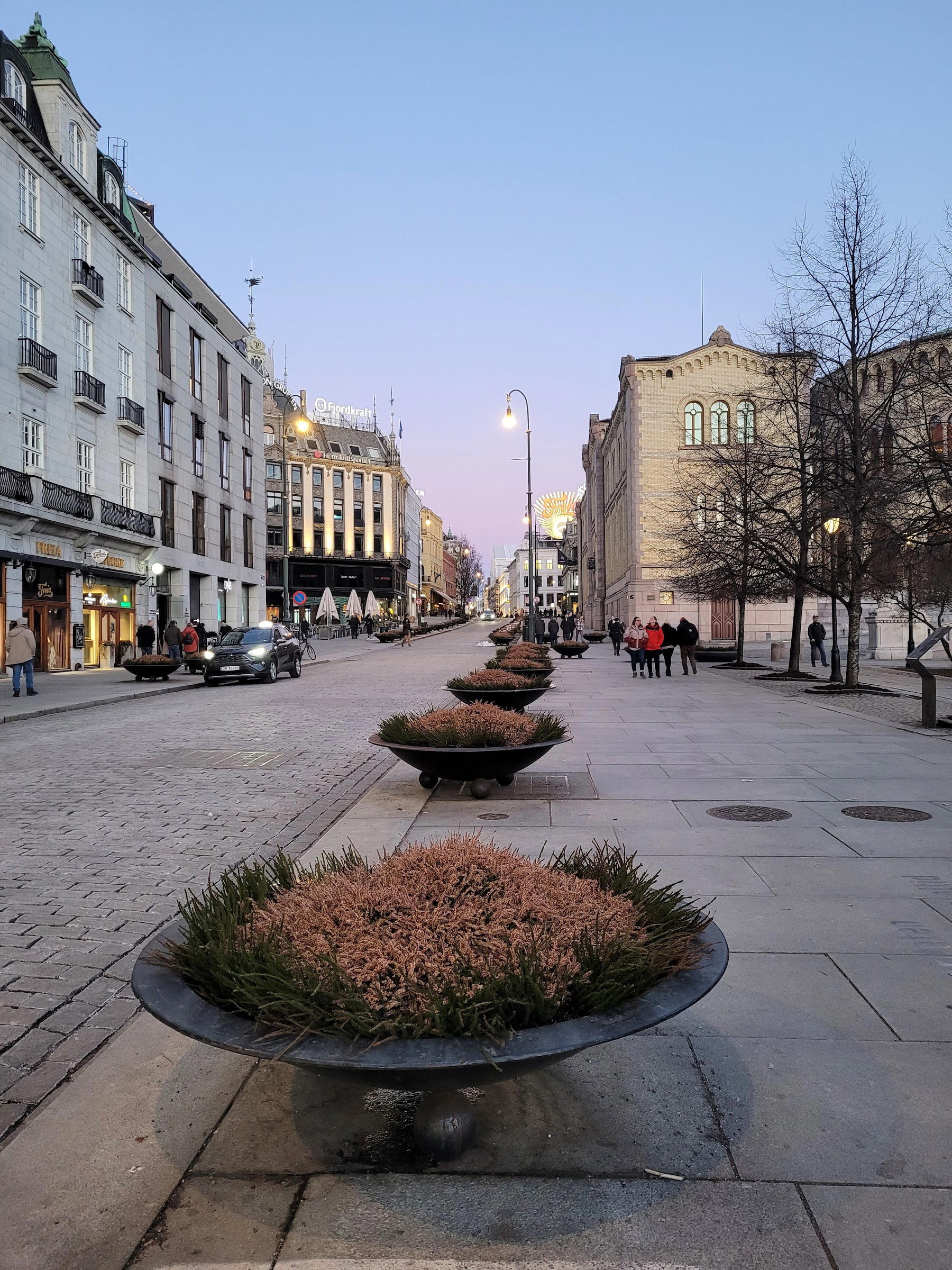
Nedre Slottsgate 2 puts SAVAGE within easy reach of Oslo's central dining corridor, which runs from Aker Brygge through the city core toward Grünerløkka. The address is not in a neighbourhood with the density of fine dining destinations found in some European capitals, but Oslo's leading restaurants have never clustered the way Paris or Copenhagen's tend to. They are spread across the city, which means the dining decision is rarely about proximity and almost always about what kind of evening you are building.
For a broader picture of where SAVAGE fits among Oslo's options, our full Oslo restaurants guide maps the city's dining scene across price points and styles. Those planning a longer stay can also consult our Oslo hotels guide, our Oslo bars guide, and our Oslo experiences guide for context beyond the table.
Norway's Fine Dining Beyond Oslo
SAVAGE sits at the Oslo end of a national fine dining story that has grown more geographically distributed over the past decade. RE-NAA in Stavanger holds Norway's highest Michelin recognition, while FAGN in Trondheim, Gaptrast in Bergen, Iris in Rosendal, Under in Lindesnes, and Boen Gård in Tveit each represent distinct regional approaches to what Norwegian fine dining looks and tastes like. Oslo remains the densest concentration of starred restaurants, but the national picture has become more interesting as kitchens outside the capital have developed their own identities. SAVAGE, holding consecutive stars in the capital at the €€€€ tier, is part of a city-level competitive set that has to justify its pricing against this broader national context.
Planning a Visit
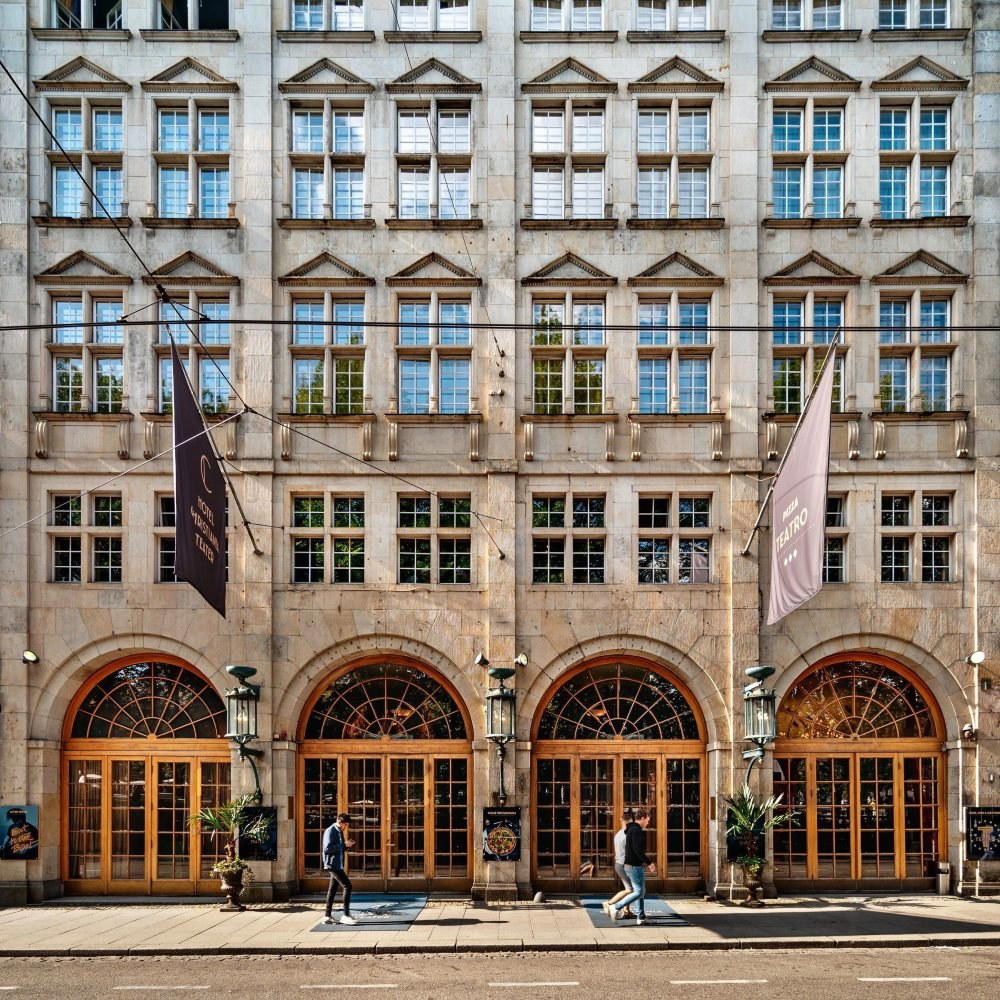
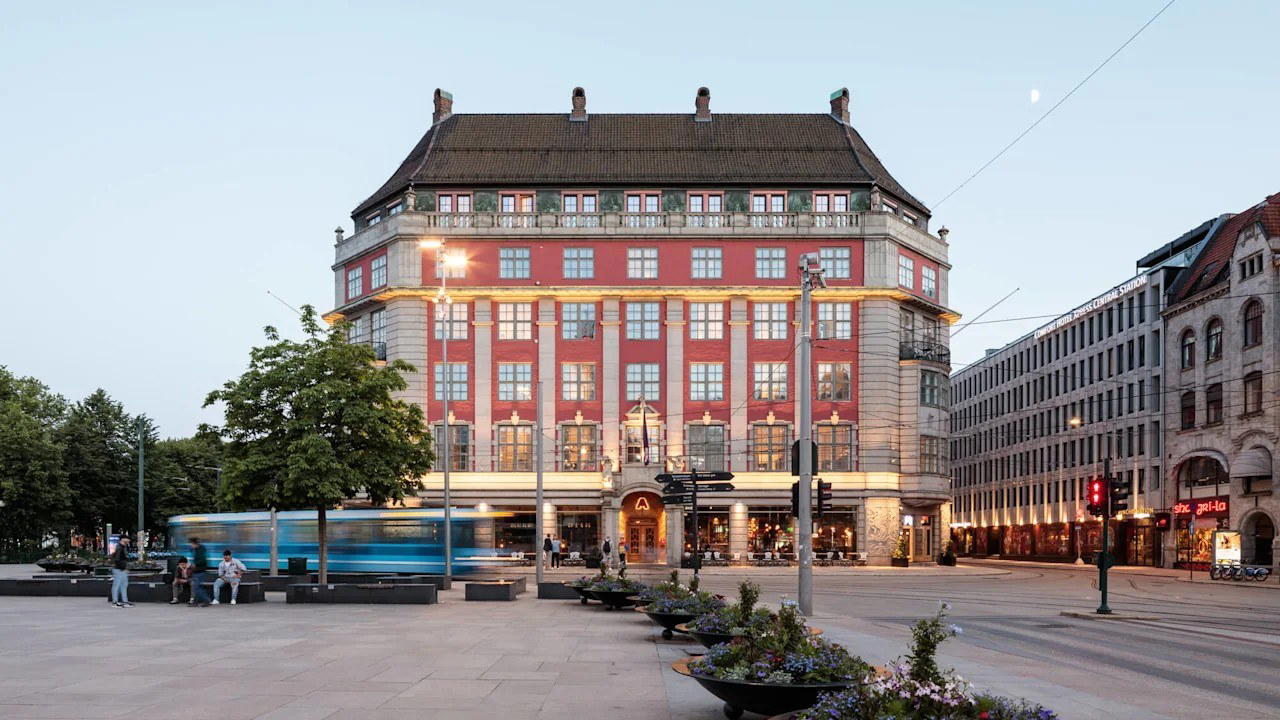
SAVAGE operates at the €€€€ price tier, which in Oslo means a per-person spend that puts it alongside the city's most expensive restaurant evenings. At that level and with a Michelin star held across two consecutive years, booking demand is predictable: tables at one-star restaurants in Oslo's upper price bracket tend to fill weeks ahead, and service windows on prime nights can close faster than the general availability calendar suggests. Booking as early as the reservation system allows is advisable, particularly for Friday and Saturday evenings. The restaurant is located at Nedre Slottsgate 2, 0153 Oslo, in the city centre and is accessible by public transport from central Oslo without difficulty. For those using Oslo's wine scene as part of a broader itinerary, the city's natural wine and specialist bottle-shop culture has developed enough that pre- or post-dinner drink planning is worth doing separately.
Frequently asked questions
Where is SAVAGE in Oslo?
SAVAGE is located at Nedre Slottsgate 2, 0153 Oslo, Norway, Oslo.
Who is the chef at SAVAGE?
The chef associated with SAVAGE is Andrea Selvaggini.
Should I book SAVAGE in advance?
Yes, and with meaningful lead time. A consecutively Michelin-starred restaurant at the €€€€ price tier in Oslo does not carry open tables. check the venue's official channels via their address at Nedre Slottsgate 2 or through current booking channels, and plan several weeks ahead at minimum.
Booking and Cost Snapshot
| Venue | Cuisine | Price | Awards | Notes |
|---|---|---|---|---|
| SAVAGEThis venue (the venue you are viewing) | Modern Scandinavian Fine Dining | $200–300 | 1 Michelin Star · Falstaff Restaurant - 92 Falstaff Points | Not listed |
| Maaemo | New Nordic Fine Dining | $300–500 | 3 Michelin Stars · World's 50 Best #47 | New Nordic, Modern Cuisine |
| Kontrast | Modern Nordic Fine Dining | $200–300 | 2 Michelin Stars · La Liste Top Restaurants | New Nordic, Scandinavian |
| Hot Shop | Modern Nordic Tasting Menu | $100–150 | 1 Michelin Star · Star Wine List | New Nordic, Modern Cuisine |
| Statholdergaarden | Classic Norwegian-French Fine Dining | $200–300 | 1 Michelin Star · La Liste Top Restaurants | Modern European, Classic Cuisine |
| Arakataka | Modern Nordic | $50–100 | Michelin Plate · Star Wine List | Nordic, Norwegian |
Recognition history
Dated appearances from independent guides and award organizations, with the underlying list record or original source where available.
Michelin 1 Star
Michelin
Falstaff Restaurant - 92 Falstaff Points
Falstaff
Opinionated About Dining Top Restaurants in Europe Recommended
Opinionated About Dining
The Best Chef Two Knives
The Best Chef
Full recognition history (6 entries)
Michelin 1 Star
Michelin
Michelin 1 Star
Michelin
Continue exploring
More in Oslo
Restaurants in Oslo
All restaurants in Oslo →
Bars in Oslo
All bars in Oslo →
SAVAGE
The wine
- Wine program
- Deep wine list
- Extensive wine list
- Sommelier-led
Details
- Modern
- Trendy
- Sophisticated
- Elegant
- Date Night
- Special Occasion
- Celebration
- Chefs Counter
- Open Kitchen
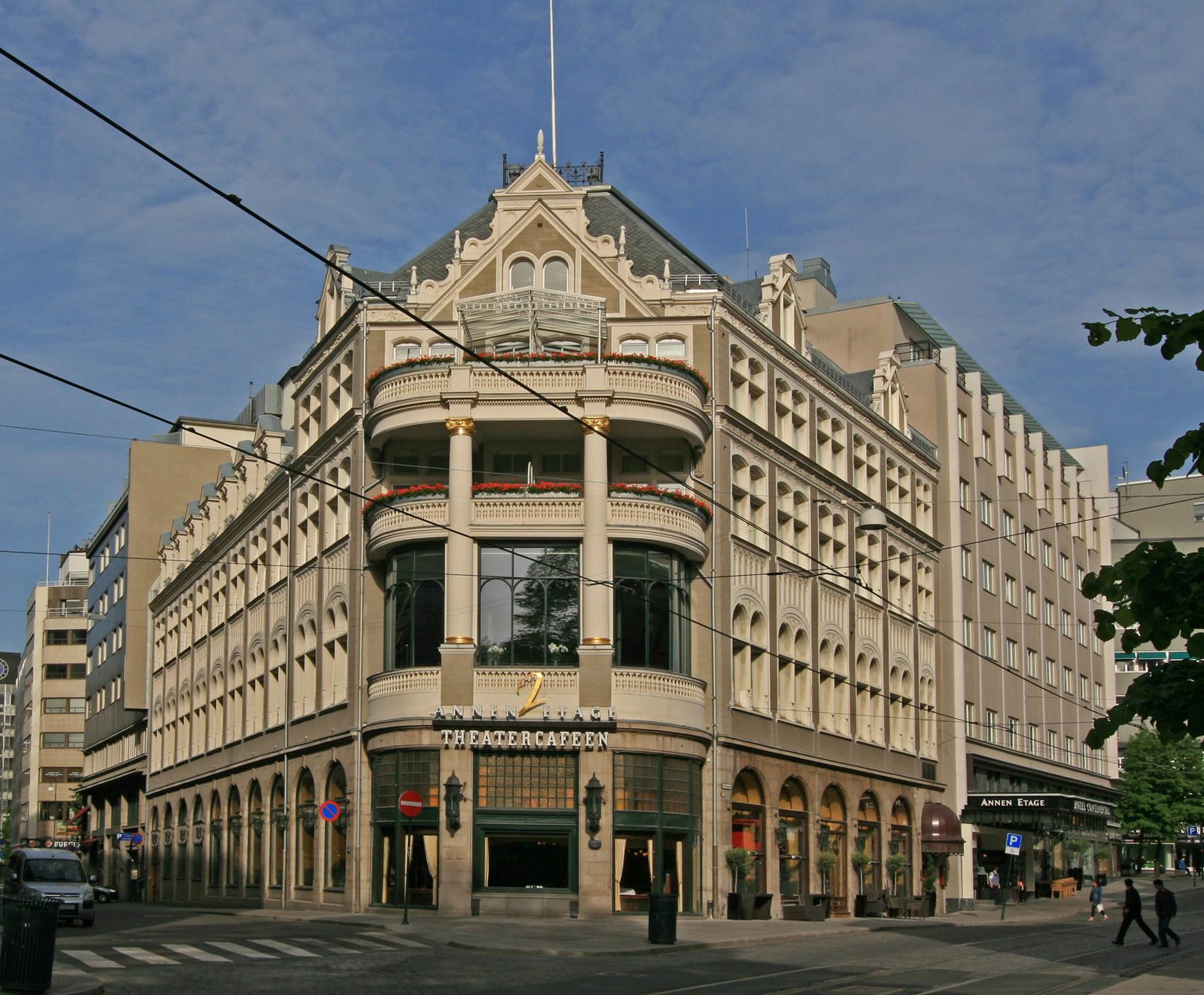
- Hotel Restaurant
- Extensive Wine List
- Sommelier Led
- Local Sourcing
- Tasting Menu
- Set Menu
Current opening hours
- Monday
- Closed
- Tuesday
- Closed
- Wednesday
- 6 PM–12 AM
- Thursday
- 6 PM–12 AM
- Friday
- 6 PM–12 AM
- Saturday
- 6 PM–12 AM
- Sunday
- Closed
Hours can change for holidays and private events. Hours as of .
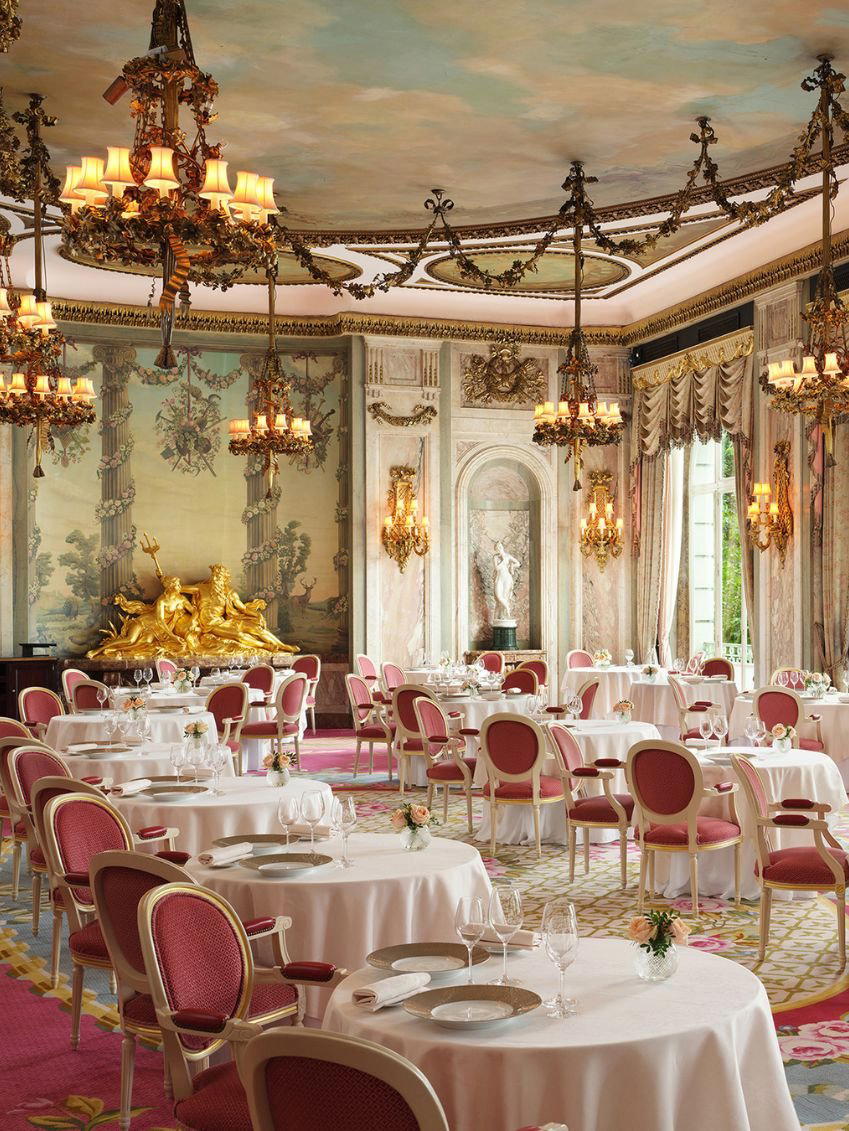
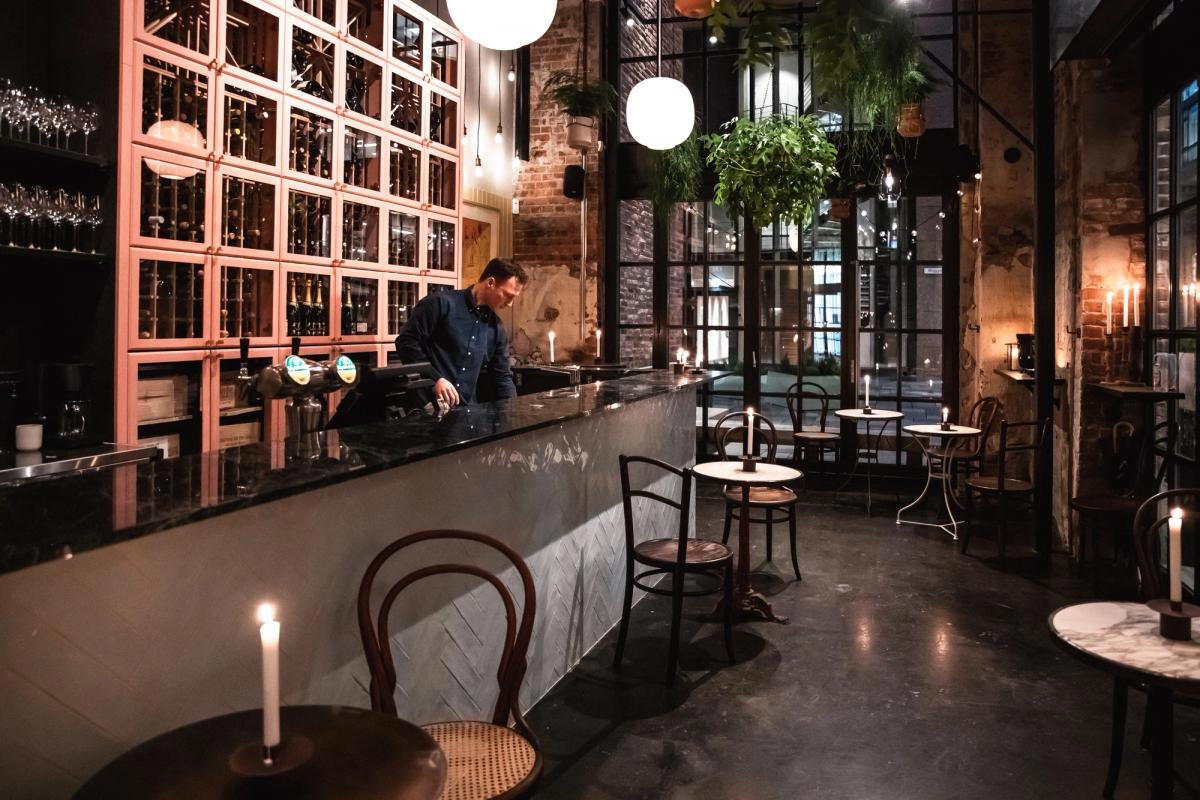
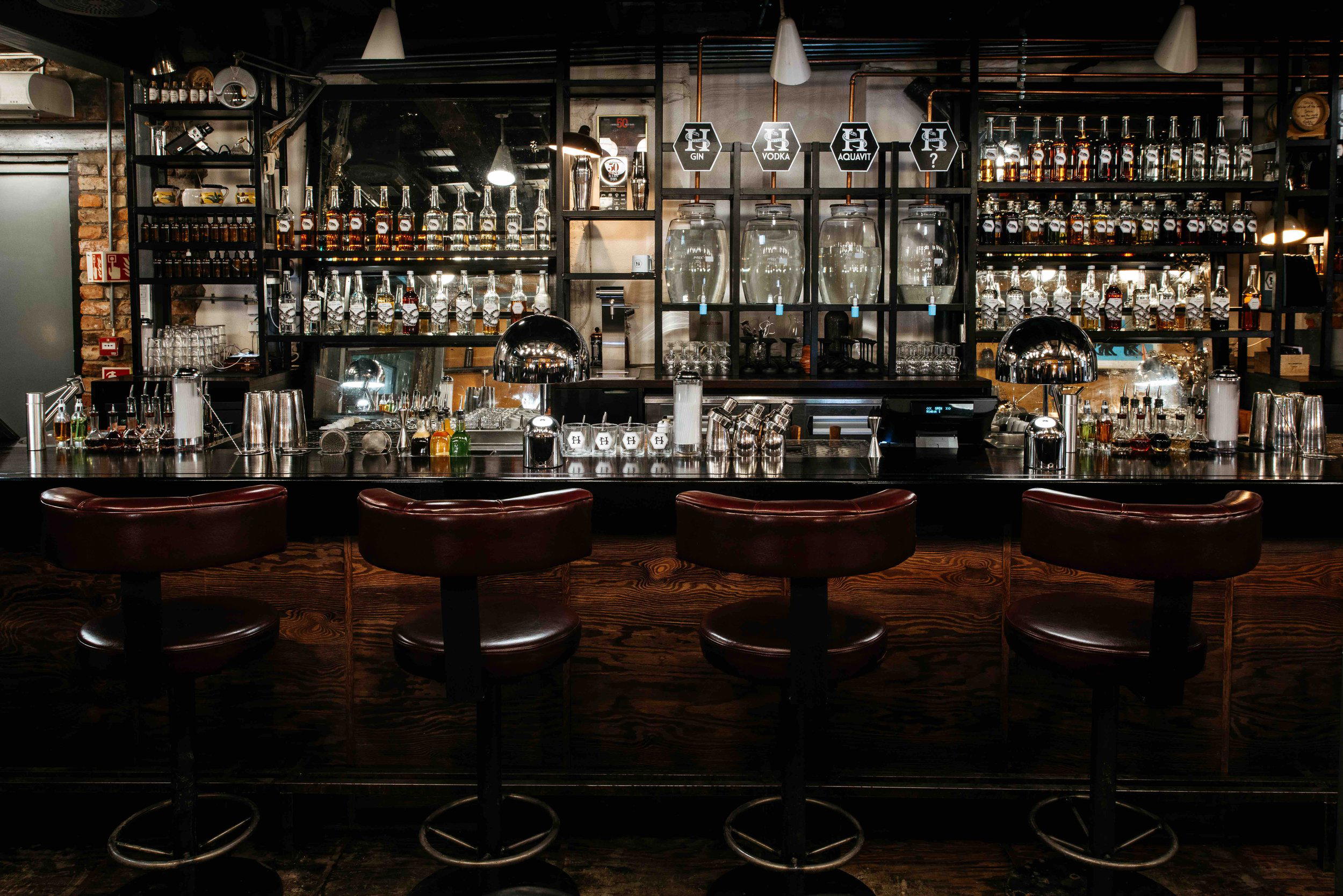
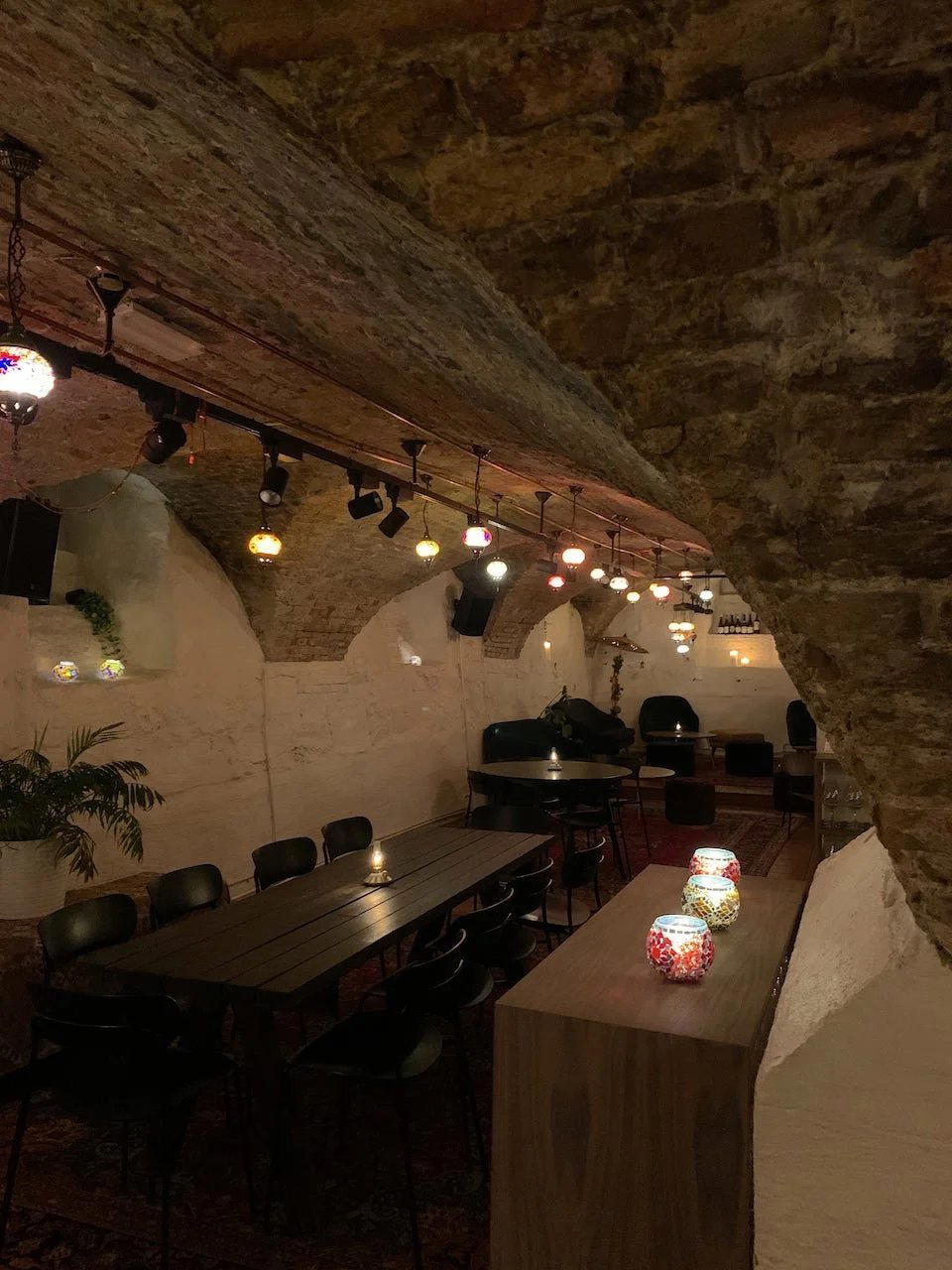
Relaxed yet ambitious fine dining atmosphere with laconic Scandinavian style, bold murals, natural materials, plants, counter seating, and pleasant music.