At Trondheimsveien 2 in Oslo's Grünerløkka-adjacent north, Bettola occupies a neighbourhood slot that sits at some distance from the city's tasting-menu circuit. The address alone signals a different kind of intention: not the formal dining room angling for a Michelin star, but a room built for return visits. Oslo's casual-but-serious dining tier has room for exactly this kind of place.
Pearl is the En Primeur Club membership app — saves, bookings, and concierge access live there. Same editors, same standards.
- Address
- Trondheimsveien 2, 0560 Oslo, Norway
- Phone
- +4796753676
- Website
- bettola.no
- Directions
- Get directions
 Saves & bookings on Pearl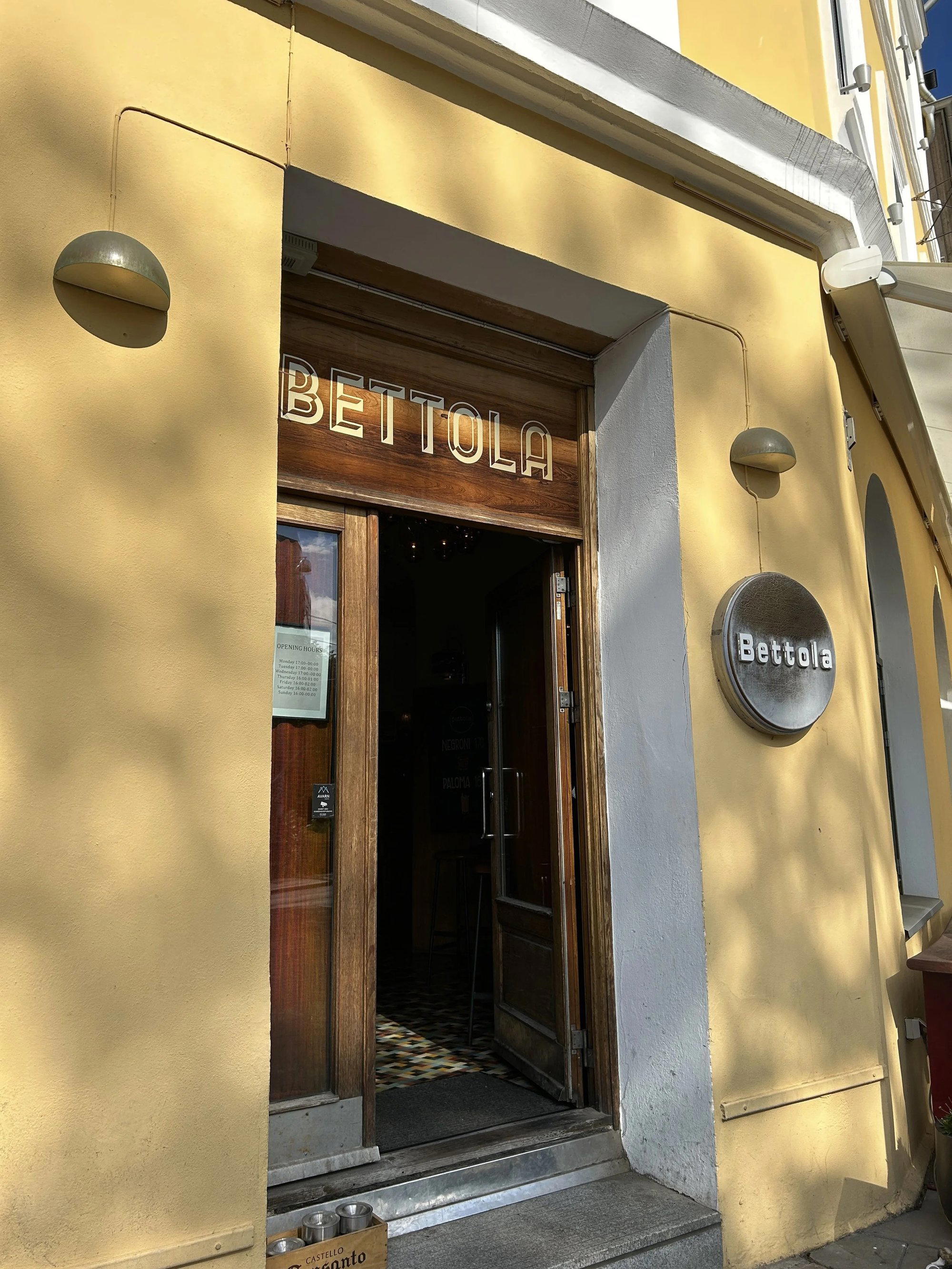
A Room Built for Return Visits
Oslo's dining conversation tends to anchor on the upper tier: the long tasting menus at Maaemo, the Kontrast approach to New Nordic rigour, the multi-course formats that require a calendar commitment and a considered budget. What sits beneath that tier, in the city's north and east, is a different category of room: neighbourhood restaurants that survive on regulars rather than tourists, where the menu earns trust over multiple visits rather than a single occasion. Bettola, at Trondheimsveien 2 in the 0560 postal zone, operates in that register. The address places it north of the Grünerløkka core, in a stretch of Oslo that has attracted residents rather than reviewers, which is precisely the condition that tends to produce honest cooking.
What the Address Tells You About the Cooking
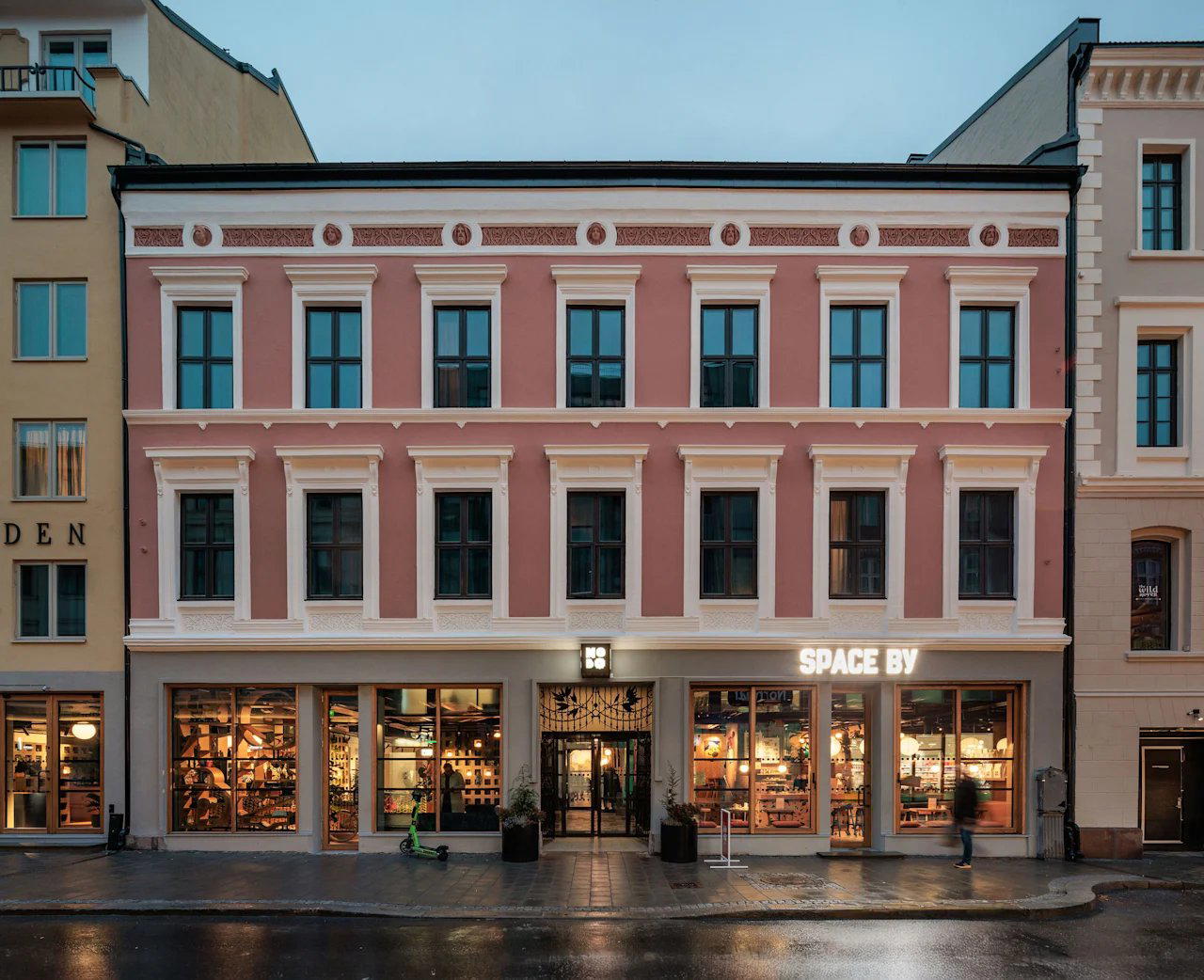
In most European cities, the gap between a restaurant's address and its ambition is instructive. A venue in a tourist corridor performs differently from one embedded in a working neighbourhood, where the clientele walks back in on a Thursday without much deliberation. Trondheimsveien is that kind of street: a long arterial road running north from the city centre, flanked by residential blocks, without the concentrated foot traffic that fills tables through novelty alone. A restaurant that sustains itself here does so through repetition, which places a specific kind of pressure on the menu. It needs to reward familiarity as much as first impressions. The editorial angle here is not spectacle but architecture: how a menu is structured to serve a room that depends on loyalty rather than occasion dining.
That structural logic, common across well-run neighbourhood restaurants in cities like San Francisco and New York, tends to favour breadth over depth at the upper end, and clear value anchors at the mid-range. A diner returning three times in a season needs enough variation to stay interested, but enough consistency to know what they are coming back for. Oslo's casual dining segment, which includes places like Bar Amour and Hot Shop, has developed this fluency over the past decade, moving away from the idea that serious food only happens inside a tasting-menu format.
Oslo's Neighbourhood Dining Tier in Context
The Norwegian dining scene, beyond its flagship tasting-menu addresses, has grown considerably more varied since the late 2010s. The country's wider restaurant culture is documented across multiple cities: RE-NAA in Stavanger holds two Michelin stars and anchors the southwest's fine-dining ambitions; Speilsalen in Trondheim and Lysverket in Bergen represent the regional tier at its most confident; while more remote addresses like Under in Lindesnes and Glime Restaurant in Hardanger Fjord have made destination dining a proposition outside Oslo entirely. Even smaller communities have developed serious tables: MiraBelle by Ørjan Johannessen in Bekkjarvik, Restaurant 1893 in Stokmarknes, Vianvang in Vågå, and Buer Restaurant in Odda all point to a country taking its food culture seriously beyond its capital. Within Oslo, that same seriousness shows up at the neighbourhood level, in rooms that are not competing for Michelin attention but are building something more durable: a local dining culture with depth.
Bettola sits inside that movement. The name itself, Italian in origin, signals something about the intended register: a bettola in Italian is a modest tavern, a place without pretension. Whether that etymology is intentional or coincidental, the framing fits the address and the type of dining it implies. Mon Oncle, the French-inflected room elsewhere in Oslo, operates on a similar principle: European reference points, Oslo prices, neighbourhood rhythm.
Menu Architecture as Positioning Signal
In the absence of verified menu data, one useful lens here is structural. A restaurant at this address, at this apparent register, faces a specific menu design problem: how to price accessibly enough to encourage repeat visits without undercutting the kitchen's costs in a city where labour and ingredient expenses are among the highest in Europe. Oslo's food costs sit well above Western European averages, which means that even casual neighbourhood restaurants operate at price points that would classify them as mid-to-upscale in other markets. That constraint tends to produce menus that are carefully edited rather than sprawling, with each section doing specific work.
The Norwegian dining tier that Bettola occupies sits between the accessible end represented by Arakataka at the €€ level and the full four-course formats at venues like Kontrast and Maaemo. That middle ground is where particularly interesting menu decisions happen: how many sections to offer, whether to anchor on a particular protein or technique, how to signal cuisine identity without locking the kitchen into a format that limits flexibility. Restaurants that get this right in Oslo tend to be the ones that outlast the hype cycles, because they are solving a real problem for a real audience rather than constructing an experience designed for a single visit.
Planning a Visit
Bettola is located at Trondheimsveien 2, 0560 Oslo. The address is in the northern part of the city, accessible from the centre by tram along the Trondheimsveien corridor. As a neighbourhood restaurant operating at a casual register, current booking conditions and seasonal shifts in the menu are best confirmed directly with the venue before visiting. Oslo's dining scene moves at pace, and reliable current information on smaller neighbourhood tables tends to come from local sources rather than aggregators. For a broader orientation to the city's dining options across all tiers and neighbourhoods, the EP Club Oslo restaurant guide covers the full range, from fine-dining benchmarks to rooms like Bettola that earn their place through consistency rather than occasion. Beyond Oslo, venues like Lily Country Club in Kløfta extend the country's neighbourhood dining conversation into the Oslo hinterland.
Recognition, Side-by-Side
Comparable venues nearby, for context on price, style, and recognition.
| Venue | Cuisine | Price | Notes |
|---|---|---|---|
| BettolaThis venue — the venue you are viewing | Italian Aperitivo Bar | $$ | Not listed |
| Tranen | Modern Italian Pizza | $$ | Fredensborg |
| Vesuvio Café og Pizza | Authentic Neapolitan Pizza | $$ | Fredensborg |
| Bono | Traditional Italian Osteria | $$ | Briskeby |
| Rugantino Oslo | Authentic Roman Trattoria | $$ | Youngstorget |
| Café Tekehtopa | Italian Homestyle | $$ | St. Olavs Plass |
Continue exploring
More in Oslo
Restaurants in Oslo
Browse all →
At a Glance
- Cozy
- Trendy
- Intimate
- Date Night
- Casual Hangout
- Open Kitchen
- Craft Cocktails
- Street Scene
Current opening hours
- Monday
- 4 PM–12 AM
- Tuesday
- 4 PM–12 AM
- Wednesday
- 4 PM–12 AM
- Thursday
- 4 PM–1 AM
- Friday
- 4 PM–2 AM
- Saturday
- 4 PM–2 AM
- Sunday
- 4 PM–12 AM
Hours can change for holidays and private events. Last verified .
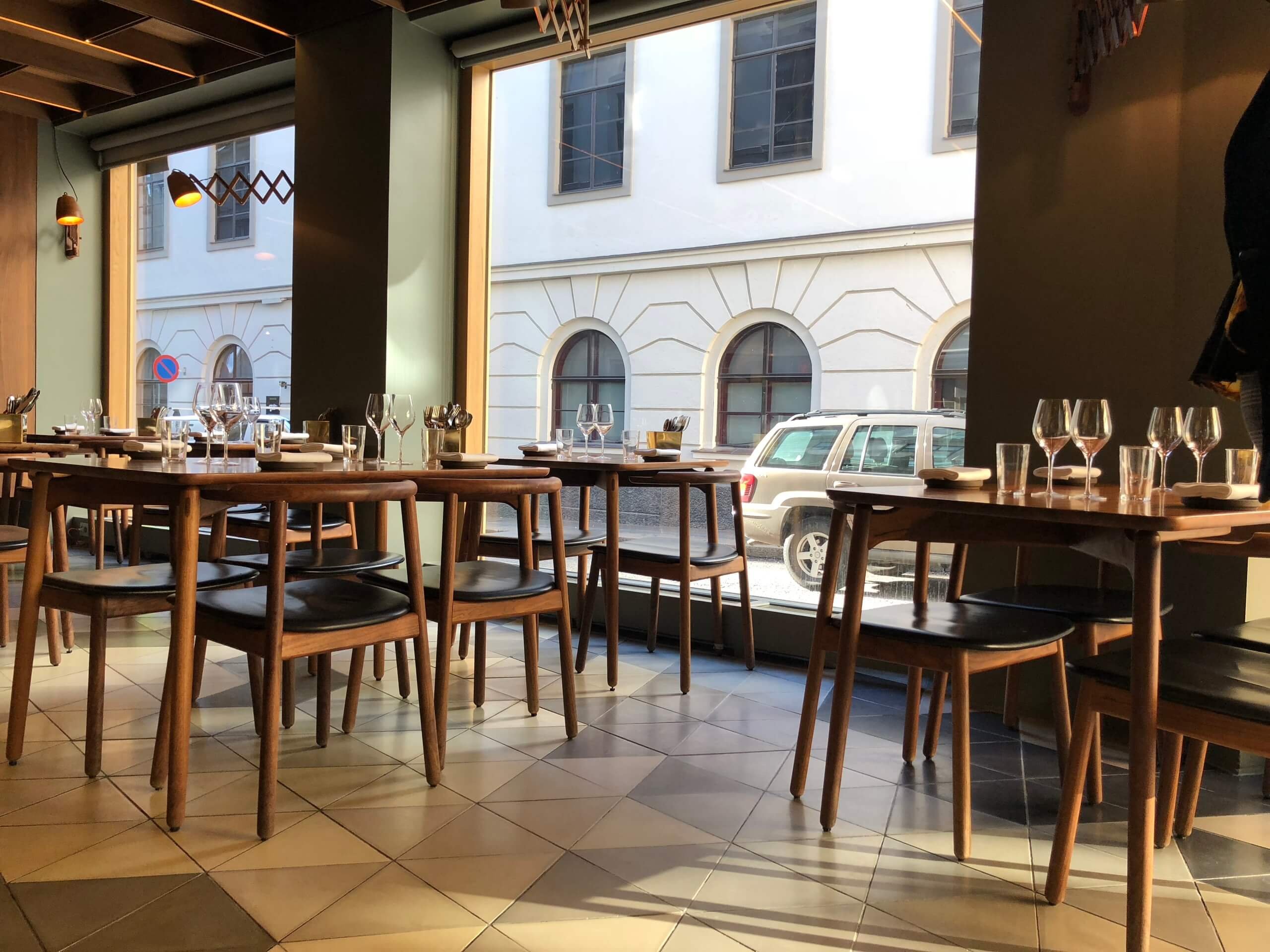
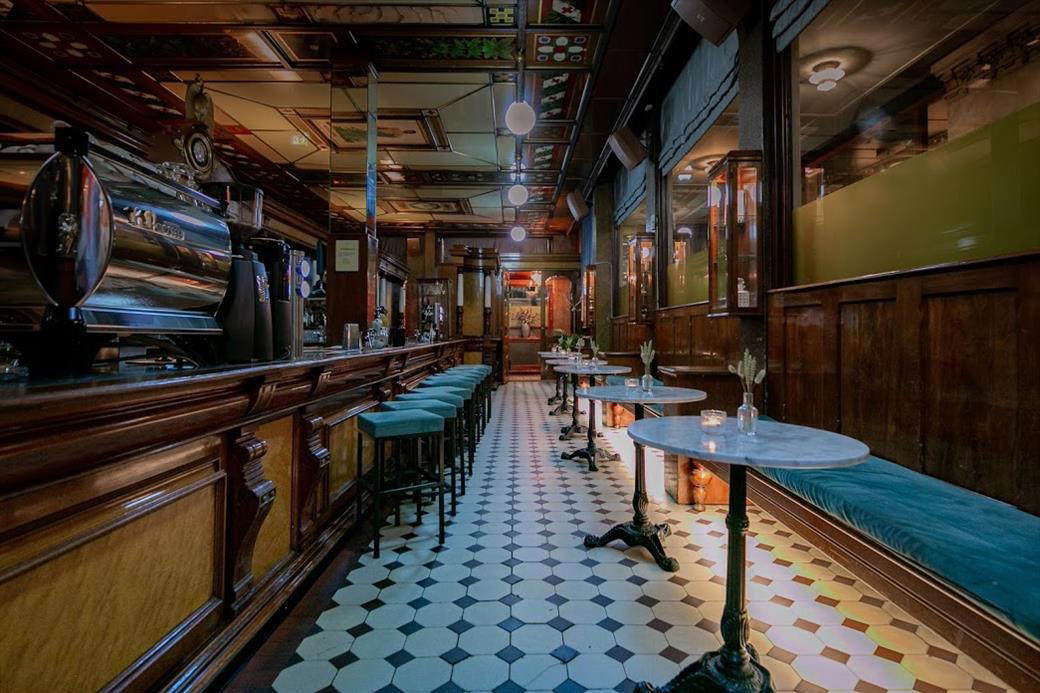
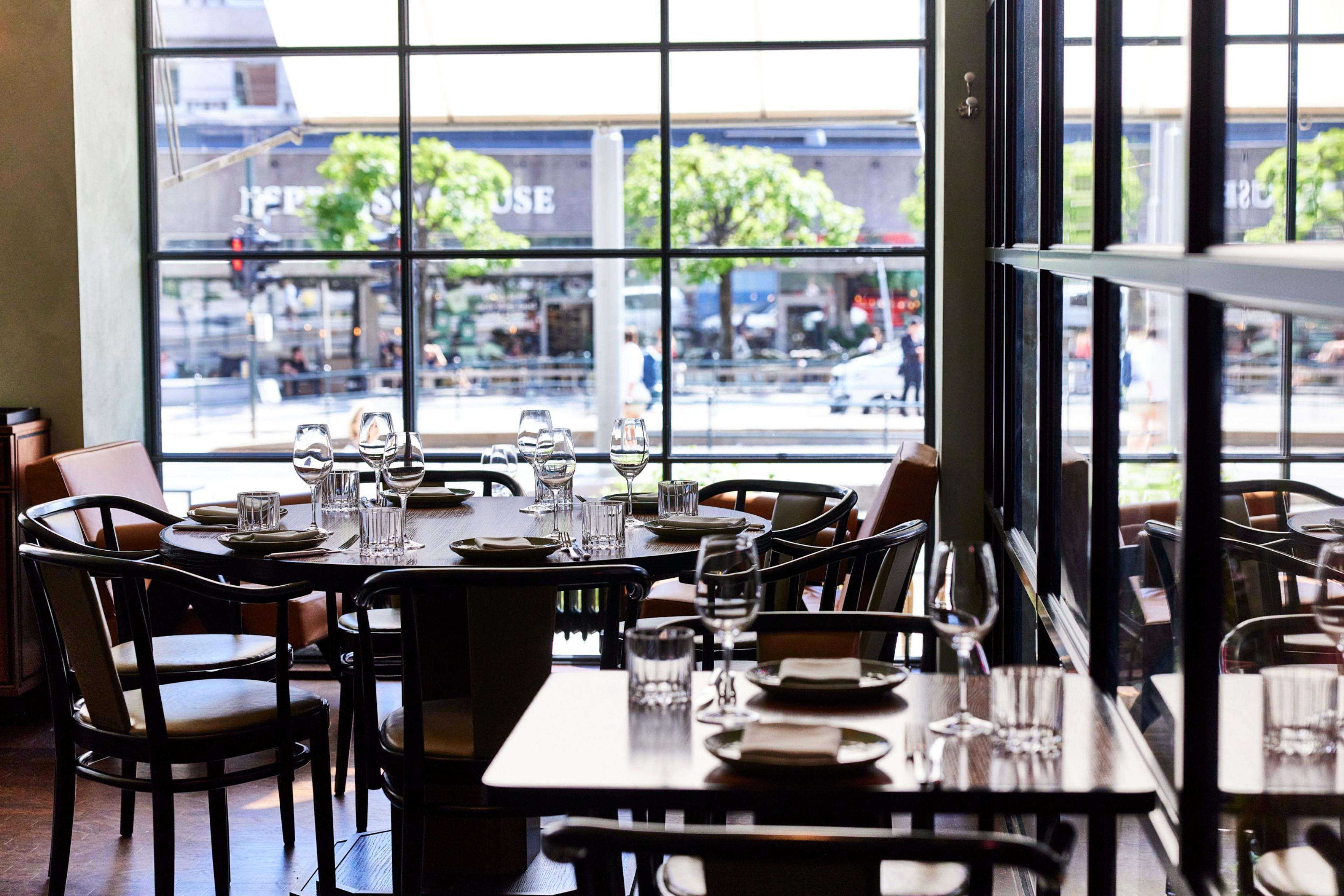
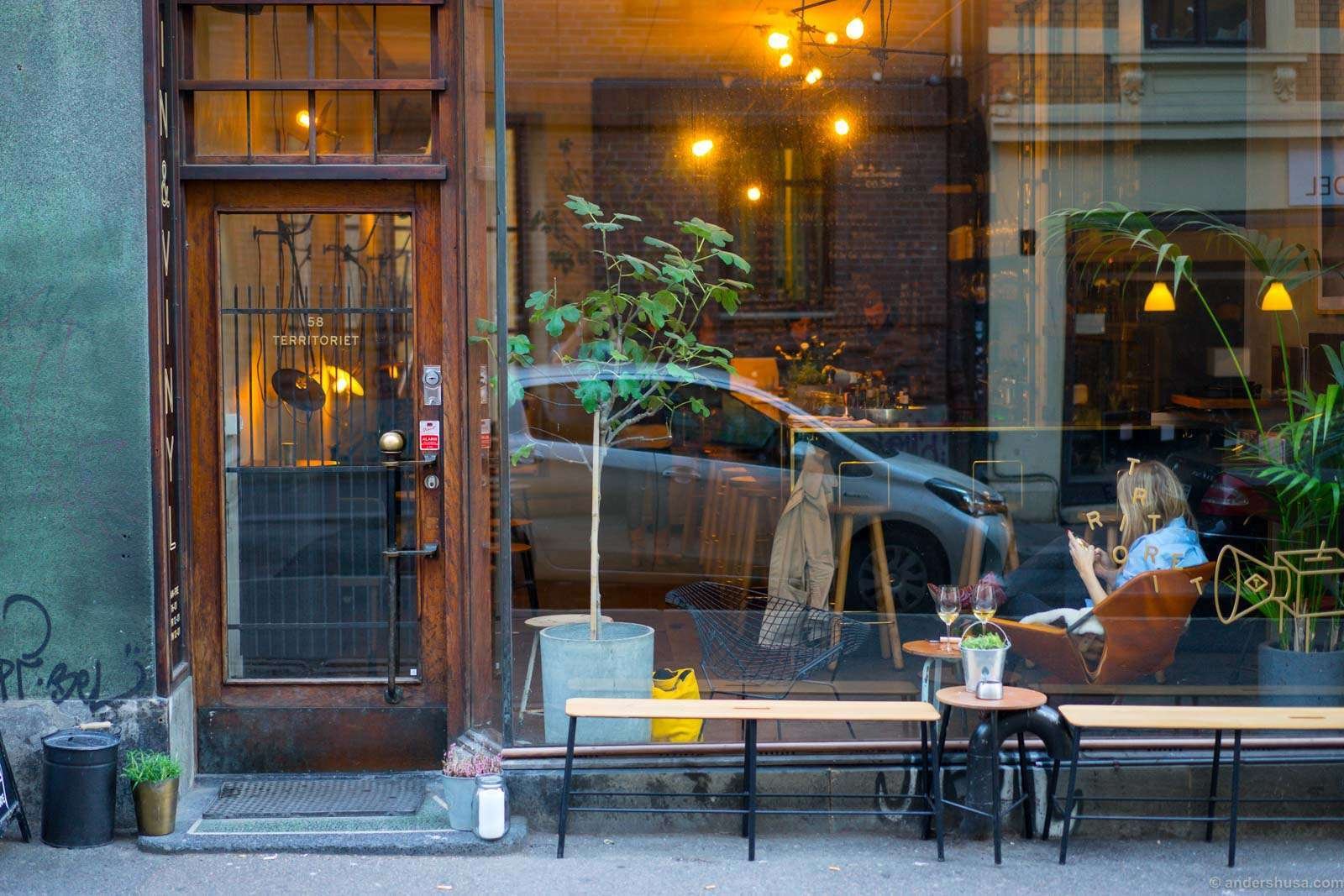
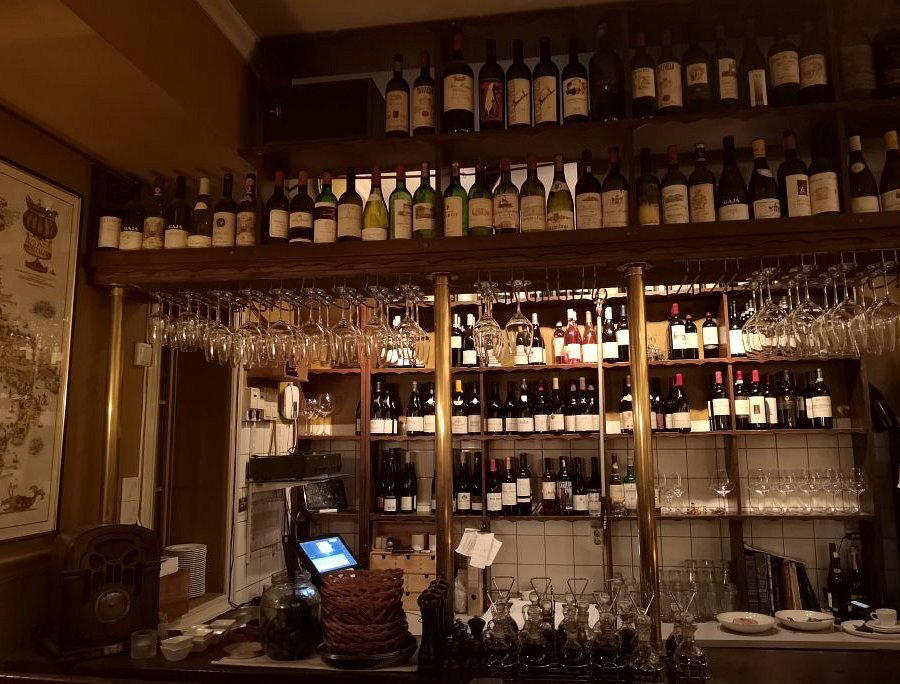
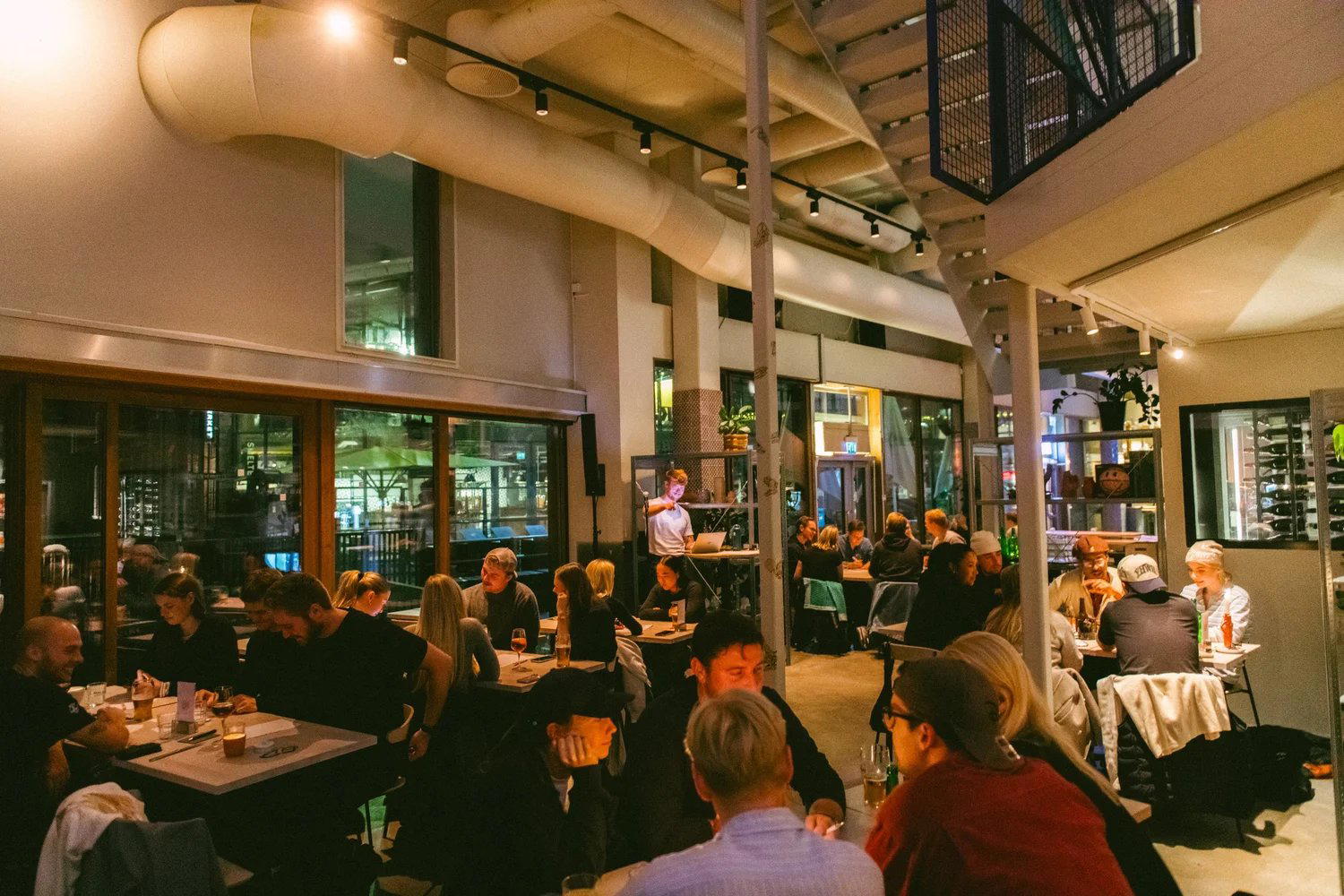
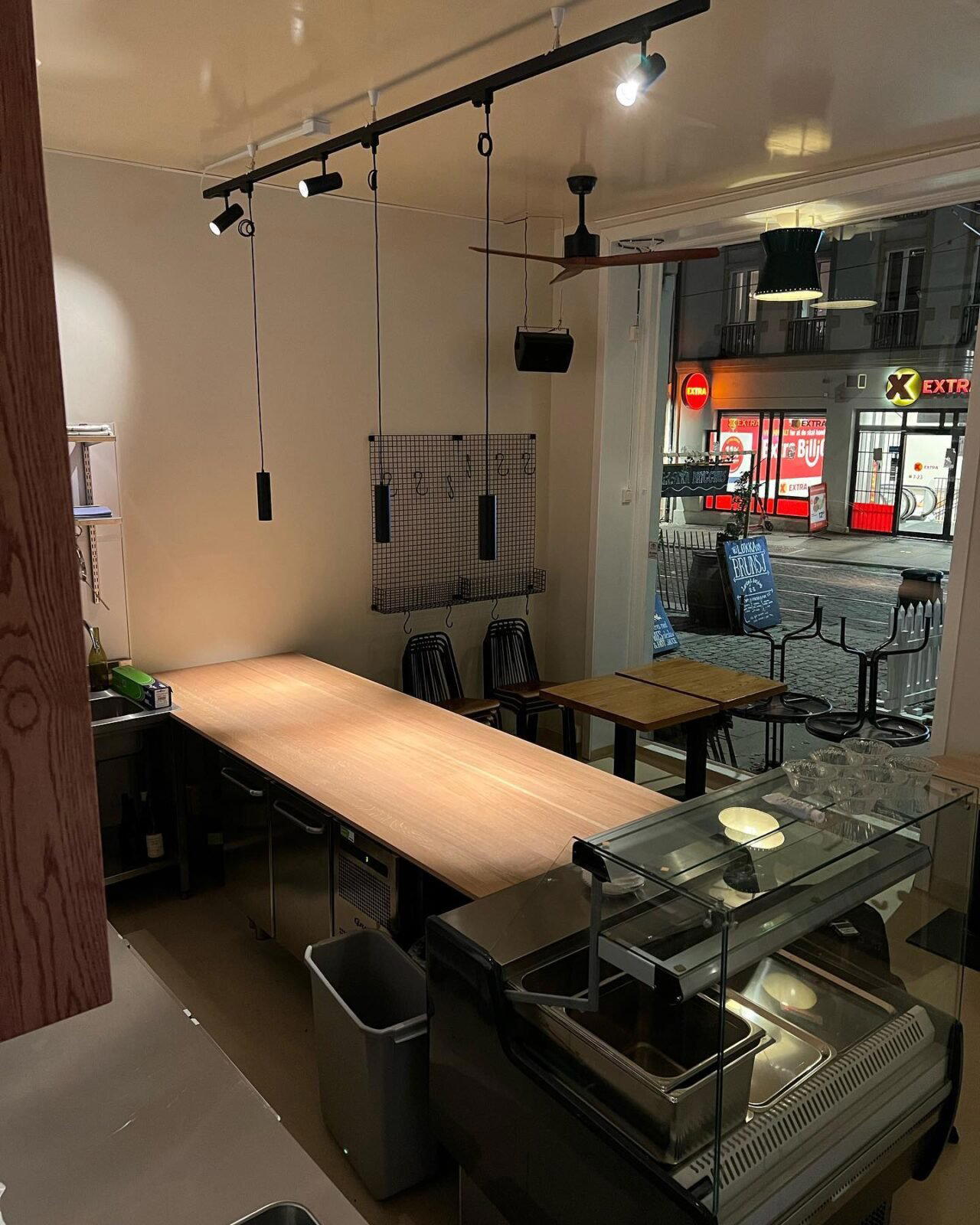
Cozy and social with vintage Scandinavian furniture, wood-paneled retro-inspired design, and a chic 1950s/60s vibe.