




1 Michelin Star · La Liste Top Restaurants · Star Wine List
Our verdict
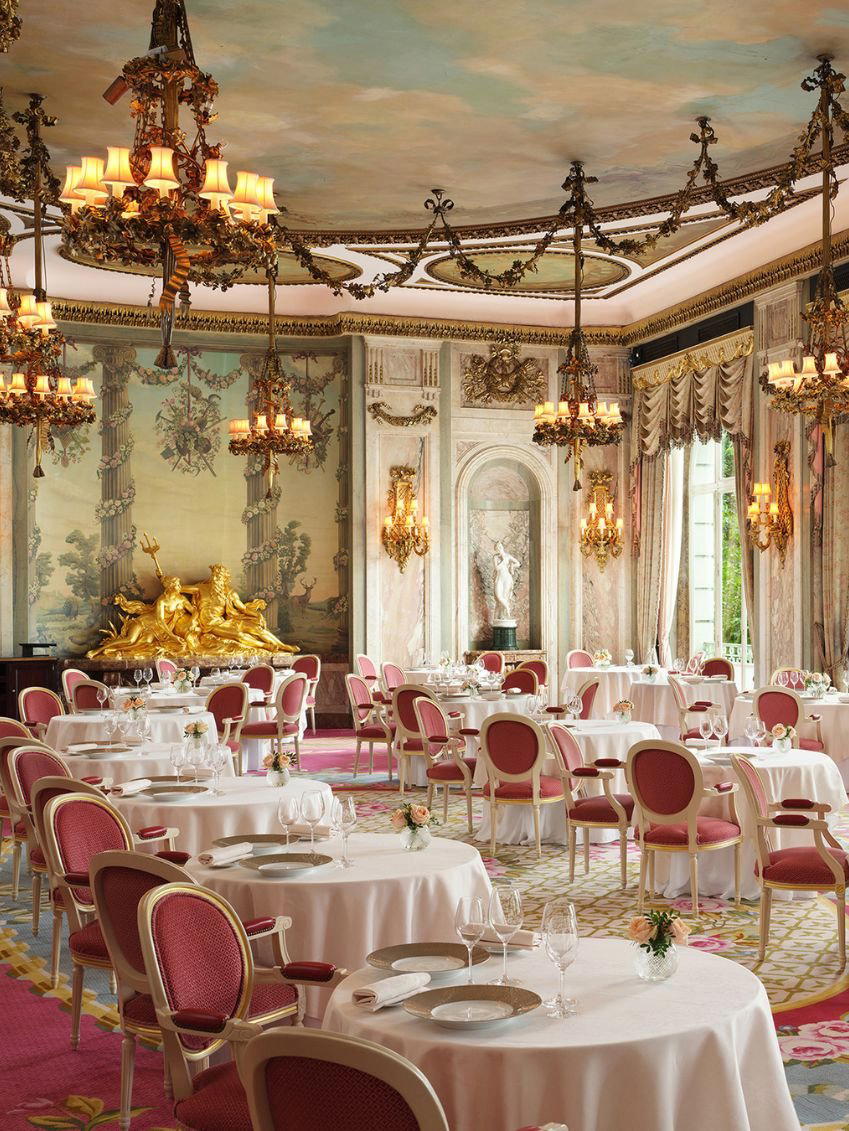
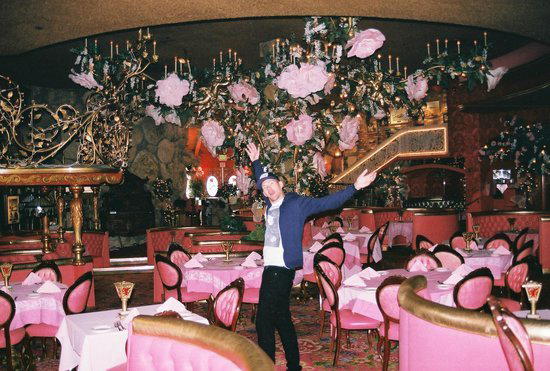
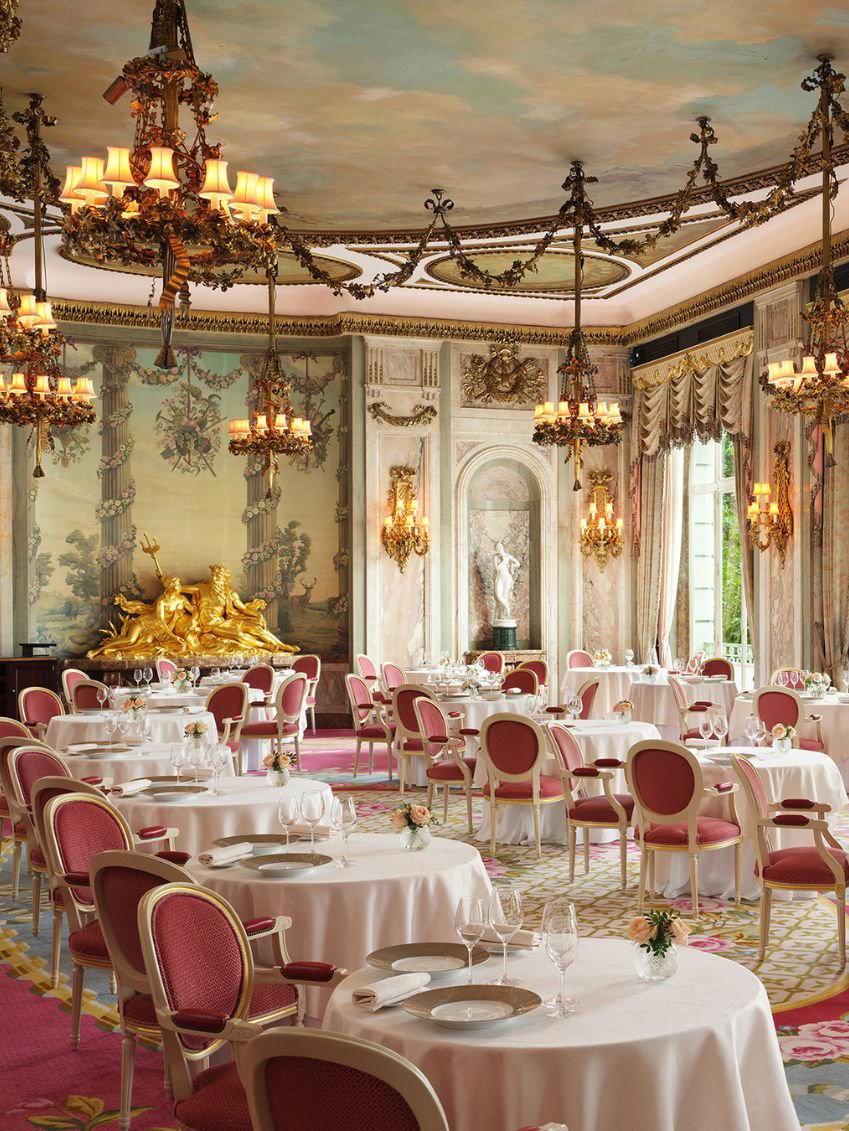
Inside a 17th-century building on Rådhusgata, Statholdergaarden holds a Michelin star and consistent placement in La Liste's top-tier rankings, making it Oslo's most recognised address for classical European cooking. Chef Bent Stiansen's seasonal menu works within familiar combinations, deploying precision in seasoning where others reach for novelty. The three ornate dining rooms, with stucco ceilings and chandeliers, set a tone that most of Oslo's New Nordic wave has deliberately walked away from.

Pearl is the En Primeur Club membership app, where members save venues, book tables and use the concierge.
A 17th-Century Address in a City That Keeps Pulling Forward
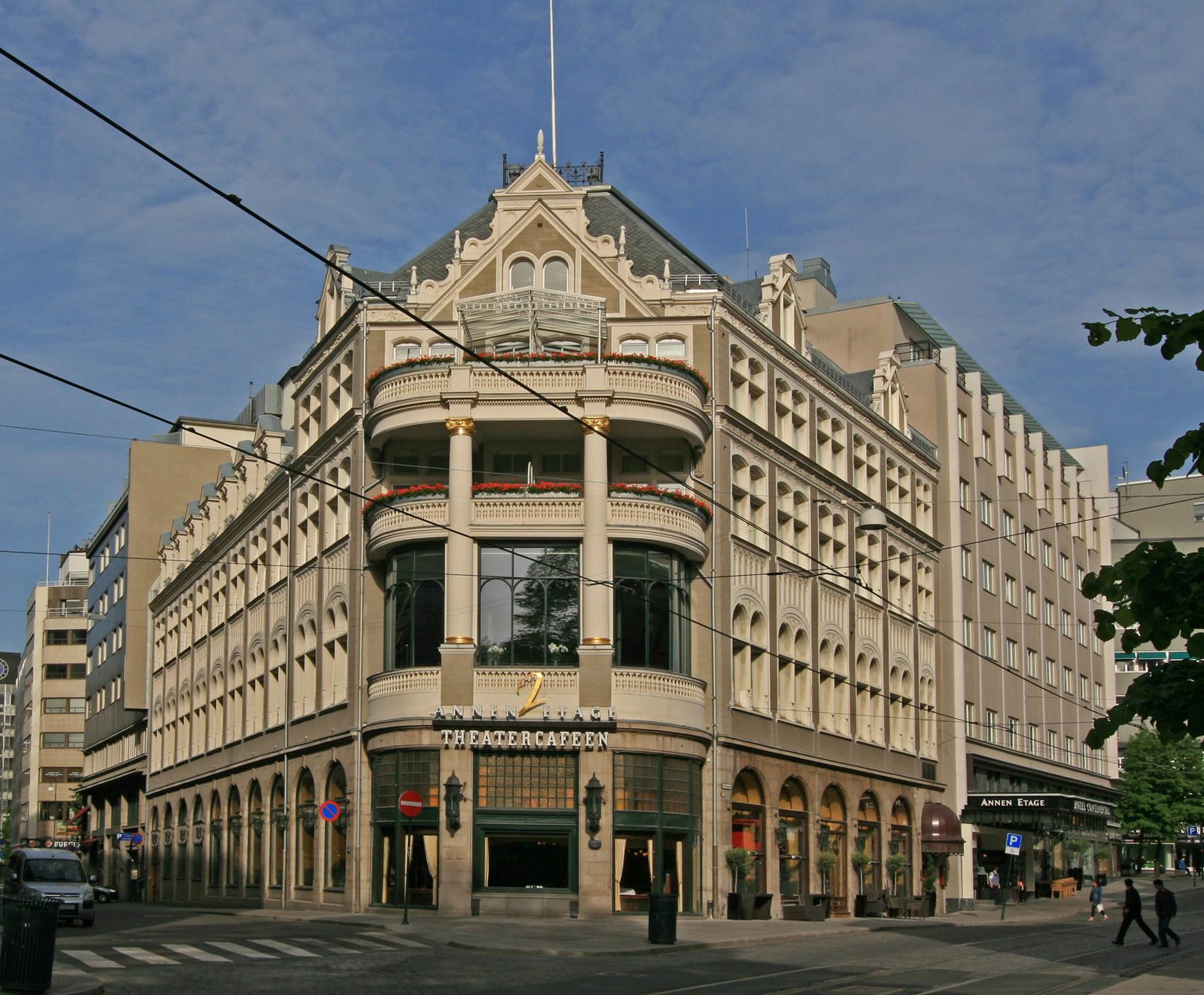
Rådhusgata runs through the older administrative core of Oslo, a few minutes' walk from the waterfront and the Akershus Fortress. The street is not where Oslo's dining conversation typically starts in 2025. That conversation tends to begin further east, in Grünerløkka or around Vulkan, where kitchens are younger, formats more casual, and references more likely to point north than south. Statholdergaarden sits at number 11, in a house built in the 17th century, and it makes no effort to join that conversation. That is, deliberately, its position.
The building itself does significant work before a dish arrives. Three dining rooms carry stucco ceilings, chandeliers, and an assembled collection of antiques and curios that read as accumulated rather than curated for effect. In a city where much of the premium dining scene has oriented itself around stripped-back Nordic minimalism, at Maaemo and Kontrast, both operating at the same €€€€ price tier, the aesthetic tends toward wood, stone, and deliberate restraint, the ornate quality of Statholdergaarden's rooms functions as an editorial statement. Classical European cooking needs a room with some weight behind it, and this one has three centuries of it.
Classical Cooking Inside Oslo's New Nordic Moment
The broader Norwegian fine dining scene in 2025 is heavily indexed toward New Nordic identity. RE-NAA in Stavanger, FAGN in Trondheim, and Gaptrast in Bergen all work within a framework shaped by local forage, Nordic technique, and a strong sense of place. Even outside the cities, properties like Iris in Rosendal and Under in Lindesnes have built international reputations through the same vocabulary. Statholdergaarden does something different: it positions itself within classical European tradition and uses Norwegian seasonality as the ingredient source rather than the ideological frame.
That distinction matters. Chef Bent Stiansen's kitchen applies classical technique to seasonal produce, arriving at combinations that read as familiar in structure but precise in execution. Opinionated About Dining, which tracks classical European restaurants with particular rigour, ranked Statholdergaarden at #252 in Europe in 2024 and #284 in 2025, a slight softening in relative position, but still a placement that puts it among a couple of hundred addresses across the continent practising this style at a recognised level. La Liste scored the restaurant at 83.5 points in 2025, dropping to 81 points in 2026.
Within Oslo specifically, the classical European category is a smaller niche than New Nordic. Most of the city's destination-level spending goes toward restaurants that have built their identity on Nordic specificity. Statholdergaarden draws a different kind of diner: one less interested in the question of what Norwegian cuisine can become, and more interested in the question of what classical technique can do with Norwegian ingredients at their seasonal peak.
The Food: Seasonal Ingredients, Classical Architecture
The kitchen works within the language of classical European cooking: bisques, seared proteins, spiced seafood, combinations that have a named tradition behind them. Seared halibut appears alongside spiced scallops; langoustine arrives in bisque. These are not dishes designed to unsettle or provoke. They are dishes designed to be executed at the level where the quality of the ingredient, the precision of the heat, and the calibration of the seasoning carry the full argument. Opinionated About Dining's description points specifically to the personal touch appearing in the seasoning, which in classical cooking is where most of the craft lives, it is the place where a kitchen either justifies its position or merely competently replicates a formula.
The wine list is described as comprehensive, which at this price tier and with this culinary orientation suggests classical European coverage: Burgundy, Bordeaux, the Rhône, and likely structured German and Italian representation. A kitchen cooking halibut with spiced scallops and langoustine bisque is matching to whites and light reds with enough structure to hold against bisque weight. Oslo has developed an increasingly serious wine culture over the past decade, venues like Bar Amour and Hot Shop have helped push that conversation, and a house with Statholdergaarden's classical orientation should sit comfortably in that broader shift.
Neighbourhood and Context: Old Oslo, Specific Purpose
Rådhusgata address is close to Oslo City Hall and a short walk from Aker Brygge. It is a part of the city that functions well for dinner before or after cultural programming: the National Theatre, the Oslo Philharmonic, and the National Museum are all within reasonable walking distance. This is relevant because Statholdergaarden's format, three formal dining rooms, classical cooking, top-tier service, aligns with a pre- or post-concert dinner audience in a way that most of Oslo's New Nordic tasting-menu operations do not, given their longer format and higher concentration demand.
For visitors staying in the western hotel districts around Aker Brygge or the centre, the restaurant is easier to reach on foot than the eastside dining cluster around Grünerløkka. That matters in Oslo, where the geography of premium dining has stretched considerably over the past decade. EP Club's Oslo hotels guide and full Oslo restaurants guide map the city's accommodation and dining options across those different zones, and understanding where you are staying shapes which restaurants are practically accessible for a multi-night itinerary.
The kitchen opens Tuesday through Saturday from 6 pm, with last orders before midnight. Sunday and Monday are closed. For Oslo's classical European bracket, this is a standard mid-week-through-Saturday format; the same shape applies at most formal European dining rooms operating at this tier.
Statholdergaarden does not belong to any hotel group and operates as a standalone address. That independence is common among classical European restaurants of this type; peer venues like Boen Gård in Tveit demonstrate how independently operated classical houses in Norway maintain distinct identity outside the branded-hospitality ecosystem.
Where It Sits in Oslo's Dining Picture
Oslo's €€€€ dining tier in 2025 is essentially three categories: New Nordic tasting menus (Maaemo, Kontrast), modern creative formats, and Statholdergaarden. The classical European slot is occupied by this address almost alone at this recognition level. That concentration means a diner specifically looking for precise classical cooking, formal service, and an ornate historic room has one primary answer in the city. The restaurants in Oslo's broader scene worth knowing across other formats are covered in the Oslo bars guide, Oslo wineries guide, and Oslo experiences guide, alongside Mon Oncle for French-influenced options at a different price point.
The La Liste trajectory, 83.5 to 81 points across 2025 and 2026, is worth watching. Among classical European houses, small point movements in ranking systems often reflect generational questions: whether the kitchen is adapting its sourcing and technique in response to how the category itself is evolving across Europe, or holding a defined position. At Statholdergaarden, the evidence suggests a house that has chosen definition over adaptation, and is assessed accordingly by reviewers who track the classical tier closely. For a visitor whose interest is in classical European cooking at its technically careful end, that definition is the point.
Frequently asked questions
Is Statholdergaarden more mid-range or high-end?
Pricing at Statholdergaarden is listed as €€€€.
Who runs the kitchen at Statholdergaarden?
The chef associated with Statholdergaarden is Bent Stiansen.
What do people recommend at Statholdergaarden?
Michelin inspectors and OAD reviewers have singled out the kitchen's classical seafood preparations: seared halibut with spiced scallops and langoustine in bisque appear regularly in editorial descriptions. The cooking stays within established classical European frameworks, so the experience rewards those who value precision in seasoning and composition over experimental formats. At the €€€€ price tier, expect the full service sequence with a comprehensive wine list to carry equal weight alongside the food.
What style of cooking does Statholdergaarden do?
How It Stacks Up
A quick peer list to put this venue’s basics in context.
| Venue | Cuisine | Price | Awards | Notes |
|---|---|---|---|---|
| StatholdergaardenThis venue (the venue you are viewing) | Classic Norwegian-French Fine Dining | $200–300 | 1 Michelin Star · La Liste Top Restaurants | Not listed |
| Maaemo | New Nordic Fine Dining | $300–500 | 3 Michelin Stars · World's 50 Best #47 | New Nordic, Modern Cuisine |
| Kontrast | Modern Nordic Fine Dining | $200–300 | 2 Michelin Stars · La Liste Top Restaurants | New Nordic, Scandinavian |
| Hot Shop | Modern Nordic Tasting Menu | $100–150 | 1 Michelin Star · Star Wine List | New Nordic, Modern Cuisine |
| Arakataka | Modern Nordic | $50–100 | Michelin Plate · Star Wine List | Nordic, Norwegian |
| Kolonialen Bislett | Modern Scandinavian Bistro | $50–100 | Michelin Plate · White Guide Nordic Restaurants - Masters Level | Modern Cuisine |
Recognition history
Dated appearances from independent guides and award organizations, with the underlying list record or original source where available.
Michelin 1 Star
Michelin
La Liste Top Restaurants
La Liste
Star Wine List
Star Wine List
Falstaff Restaurant - 94 Falstaff Points
Falstaff
White Guide Nordic Restaurants - Masters Level
White Guide
Full recognition history (11 entries)
La Liste Top Restaurants
La Liste
Michelin 1 Star
Michelin
Opinionated About Dining Classical in Europe Ranked #284
Opinionated About Dining
Michelin 1 Star
Michelin
Opinionated About Dining Classical in Europe Ranked #252
Opinionated About Dining
Opinionated About Dining Classical in Europe Recommended
Opinionated About Dining