최순옥 명품국밥 선릉점
Seolleum's Everyday Counter: Where Gukbap Holds Its Ground In the Daechi-dong corridor south of Seolleung station, the rhythm of lunch is set not by reservation apps or tasting menus but by the sound of ceramic bowls arriving at formica tables....
Pearl is the En Primeur Club membership app — saves, bookings, and concierge access live there. Same editors, same standards.
- Address
- 대치4동, 서울특별시, 서울특별시, 06197
- Directions
- Get directions
 Saves & bookings on Pearl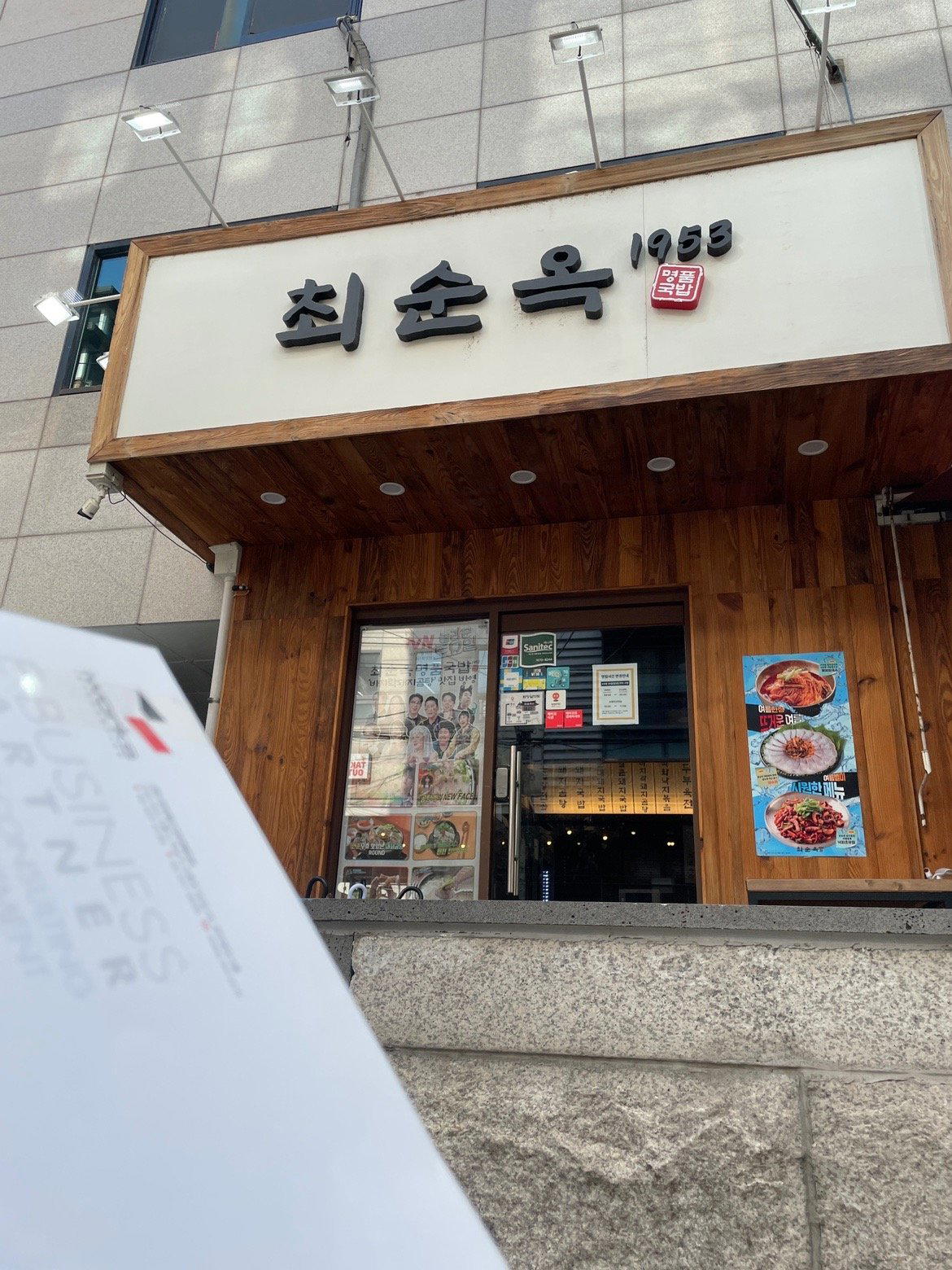
Seolleum's Everyday Counter: Where Gukbap Holds Its Ground
In the Daechi-dong corridor south of Seolleung station, the rhythm of lunch is set not by reservation apps or tasting menus but by the sound of ceramic bowls arriving at formica tables. This is the terrain of gukbap, the Korean rice-and-broth tradition that predates Seoul's contemporary dining moment by centuries, and it is the terrain that 최순옥 명품국밥 선릉점 occupies. While the neighbourhood's glass towers fill with workers seeking the quick and the fortifying, the gukbap counter endures as a format that prizes continuity over spectacle.
Gukbap sits at the opposite end of the Seoul dining spectrum from the multi-course Korean tasting rooms that have drawn international attention in recent years. Places like Mingles, Kwonsooksoo, and Jungsik have reframed Korean cuisine for a global audience willing to commit an evening and a significant budget. Gukbap asks for neither. It is built on speed, economy, and a broth that takes hours to produce so the diner does not have to wait at all.
The Physical Container: Reading the Space
The design grammar of a serious gukbap shop is deliberate in its plainness. Counter seating, communal tables, fluorescent or warm-panel overhead light, condiment trays within arm's reach: these are not signs of indifference to the diner but of a format that concentrates its effort entirely in the bowl. The spatial arrangement at a working gukbap shop in a district like Daechi-dong is organised around throughput and proximity. You sit close to strangers. The kitchen is visible or at least audible. The tabletop holds everything you need without ceremony.
This design logic is worth reading carefully, because it shapes the experience in ways that more formally designed rooms do not. There is no acoustic insulation between table and kitchen, which means the pace of the room is transparent. You hear when it is busy and when it is not. The condiment station, typically carrying kkakdugi (cubed radish kimchi), sliced green onions, and fermented shrimp paste, gives the diner a degree of control over the final bowl that is unusual in more composed formats. In that sense, the plainness of the room is a transfer of authorship: the kitchen delivers the broth and the rice, and the diner finishes the dish.
This contrasts notably with Seoul's innovative restaurant tier, where spaces like Soigné or alla prima use interior architecture to signal narrative and sequencing. In the gukbap shop, the room signals the opposite: no sequence, no ceremony, arrive and eat.
Gukbap as a Culinary Category
The gukbap tradition has strong regional anchors across Korea. Busan's dwaeji gukbap, the pork-broth version central to that city's food identity, is arguably the most internationally recognised variant. Restaurants like Mori in Busan operate in a dining culture shaped by proximity to the sea and a blue-collar port history, and gukbap is part of that character. In Seoul, the tradition persists across neighbourhoods but is not as tightly associated with civic identity as it is in Busan. What it retains in the capital is its function: affordable, filling, fast, and capable of absorbing the condiment preferences of a wide range of diners.
The 명품 (myeongpum) character in the restaurant's name translates roughly as premium or signature quality, a claim made frequently in Korean food naming conventions to signal that a standard dish has been executed with greater care than the baseline. It is a marker worth noting in context: the claim is not to innovation or reinvention but to mastery within a fixed form. The broth is the variable that matters. Time, bone quality, and the balance of salt and fermented additions determine whether a gukbap shop earns repeat visits or operates on foot traffic alone.
For comparison across Korean regional food traditions, the Gyeongju Wonjo Kongguk in Gyeongju similarly anchors itself to a single preparation, konggukmul, the cold soy milk soup that is its own category of institution. The shared logic is that depth in one dish, executed consistently, builds the kind of local trust that generic menus cannot.
The Daechi-Dong Context
The Daechi 4-dong address places this restaurant inside one of Seoul's densest concentrations of private education institutes, the hagwon belt that extends along Teheran-ro's southern side. The lunch population in this area skews toward office workers, instructors, and students with time limits. It is not a neighbourhood built for lingering, and the gukbap format fits that pace. Dinner in the same area draws from the same residential density that makes Gangnam-gu one of Seoul's more affluent ZIP codes, but the gukbap shop is not competing for that dinner occasion in the way that a Korean barbecue house or a pojangmacha would.
For those arriving from outside the neighbourhood, Seolleung station on Line 2 is the practical entry point. The Daechi 4-dong block is walkable from the station's exits and well served by the dense bus network that connects Gangnam-gu's interior streets. This is a lunch destination, and timing arrival for the midday window, roughly 11:30 to 13:00 on weekdays, reflects when the kitchen is at its operating peak and the broth has had the morning to settle.
Broader Seoul dining context and neighbourhood comparisons are available in our full Seoul restaurants guide, which maps venues from this category tier to the multi-course rooms where Korean cuisine has attracted international critical attention. For those travelling the Korean peninsula more widely, regional food traditions in Jeju are documented through venues like 88돼지 in 제주시 and Black Pork BBQ in Seogwipo, while the galbi tradition in Gyeonggi Province is anchored by houses like Gobojeong Galbi #1 in Suwon and Doosoogobang in Suwon. Additional coastal and resort dining context comes from Badang Lounge in Jeju and Hinode in 서귀포시, and for those tracking traditional baked goods as regional markers, Hwangnam Bread and Busan Steamed Bun in Gyeongju is a useful reference. Fine dining in Busan is charted through Dining Room (다이닝룸), and for those cross-referencing Korean culinary precision against international critical benchmarks, Le Bernardin in New York City and Atomix in New York City represent the tier against which Korean-American fine dining is increasingly measured.
Know Before You Go
- Address: Daechi 4-dong, Gangnam-gu, Seoul (postal code 06197)
- Getting there: Seolleung station, Seoul Metro Line 2, walkable from main exits
- Ideal time to visit: Weekday lunch, 11:30 to 13:00, when kitchen output is at full pace
- Contact / booking: No website or phone number on record; walk-in format expected for this category
- Dress code: None; the format is casual by definition
Comparable Spots
| Venue | Cuisine | Price |
|---|---|---|
| 최순옥 명품국밥 선릉점This venue — the venue you are viewing | This venue | Not listed |
| 7th Door | Korean, Contemporary | ₩₩₩₩ |
| Eatanic Garden | Contemporary | ₩₩₩₩ |
| Onjium | Korean | ₩₩₩₩ |
| L'Amitié | French | ₩₩₩ |
| Zero Complex | Korean-French, Innovative | ₩₩₩₩ |


At a Glance
- Casual
- Solo
- Casual Hangout
- After Work
- Late Night
- Standalone
Casual, direct Korean soup-house atmosphere geared toward quick meals and drinking with soju rather than formal dining.
Know Before You Go
- Getting there
- 대치4동, 서울특별시, 서울특별시, 06197