Google: 4.4 · 58 reviews

Shunseki Suzue holds a Tabelog score of 4.37 and has earned Tabelog Gold recognition as recently as 2019 and 2020, placing it among the upper tier of Kyoto's Japanese cuisine counters. The Okazaki address, eight counter seats, and dinner-only format signal a focused operation where fish sourcing takes precedence over volume. Private rooms accommodate groups of two to eight, making it a serious option for occasion dining in Sakyo Ward.
 Discover on Pearl
Pearl is the En Primeur Club membership app — saves, bookings, and concierge access live there. Same editors, same standards.
Okazaki and the Counter Tradition
Kyoto's premium Japanese cuisine scene has always been geographically distributed, but the concentration of serious counters around Okazaki and the Higashiyama foothills reflects something specific about how the city's dining culture evolved. This is a neighbourhood that sits between Nanzenji's temple precincts and the Heian Shrine, where the density of traditional architecture and the relative absence of tourist-facing commerce has allowed a certain kind of restaurant to operate quietly at the leading of its category. Shunseki Suzue, located at 58-1 Okazaki Enshojicho in Sakyo Ward, belongs to that cohort: a counter-led Japanese cuisine restaurant that has accumulated a decade-long run of Tabelog recognition without the mass-market visibility of Kyoto's more central addresses. The venue sits a four-minute walk from Higashiyama Station on the Kyoto Municipal Subway, which keeps it accessible without placing it on the obvious tourist circuit.
A Decade of Tabelog Recognition
The Tabelog award history here is worth reading in detail, because the trajectory tells you something about where this restaurant sits in the competitive order. Shunseki Suzue received Tabelog Gold in both 2018 and 2019, then again in 2020, before settling into Silver in 2021 and 2022, Bronze in 2023 and 2024, Silver again in 2025, and Bronze in 2026. The current Tabelog score stands at 4.37. That pattern, Gold at peak and a sustained presence in Silver and Bronze thereafter, is characteristic of a restaurant that built its reputation in a particular window and has maintained credibility across a period when Kyoto's upper-tier Japanese cuisine field became considerably more crowded. It has also been selected for the Tabelog Japanese Cuisine WEST "Tabelog 100" list in 2021, 2023, and 2025, which is the kind of repeated inclusion that signals consistency rather than a single strong year. For comparison, Kyoto peers like Gion Sasaki, Kikunoi Honten, and Hyotei operate at the same price tier and carry similarly sustained Tabelog histories, which means diners choosing between them are making distinctions at the margin.
Fish-Forward Sourcing in the Kaiseki Tradition
The database flags the restaurant as "particular about fish," which in the context of Kyoto's Japanese cuisine tradition is a meaningful signal rather than a generic descriptor. Kyoto is an inland city, and the historical relationship between its cuisine and seafood has always been mediated by the question of access and freshness. The kaiseki tradition resolved this partly through preserved and cured preparations, partly through the cultivation of relationships with specific coastal suppliers. At the leading end of contemporary Kyoto Japanese cuisine, those supplier relationships have become one of the primary differentiators between restaurants operating at similar price points. A counter that positions itself explicitly around fish sourcing is making a claim about procurement depth, suggesting that what arrives on the plate is determined upstream, at the point of selection and relationship with fishing communities, rather than simply at the point of preparation. This sourcing emphasis connects Shunseki Suzue to a broader pattern visible in Japanese haute cuisine internationally: compare the fish-sourcing focus at places like Harutaka in Tokyo or the ingredient-led framing at Le Bernardin in New York City, where the identity of the restaurant is built around what the kitchen chooses to source rather than what technique it applies.
Counter Format, Private Rooms, and What Each Signals
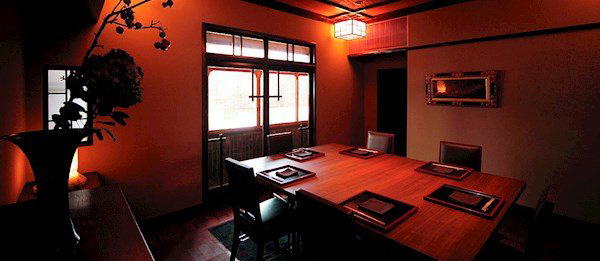
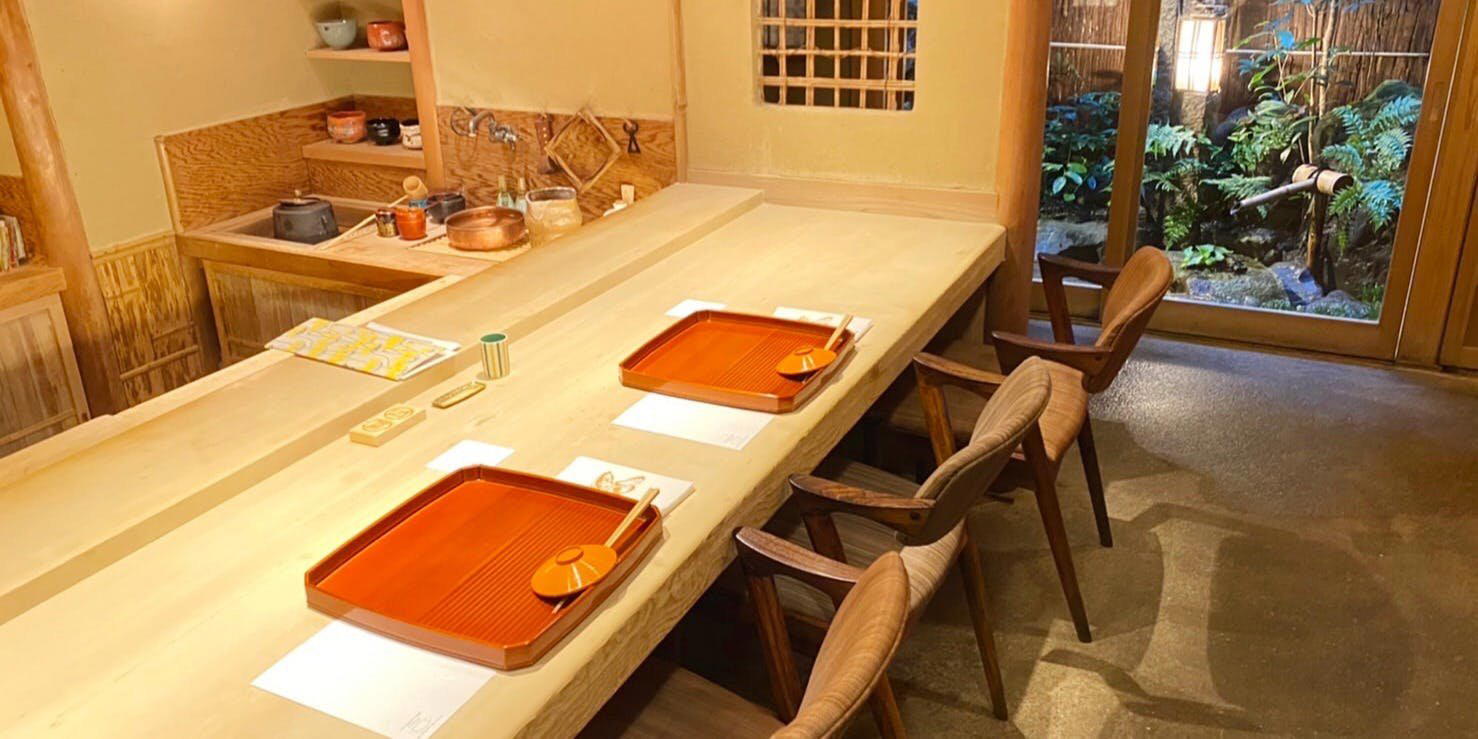
Physical configuration at Shunseki Suzue is worth understanding as an editorial point about format. Eight counter seats and three private rooms operating simultaneously is a specific architectural choice common to a tier of Kyoto restaurants that want to serve both the solo or paired diner who values counter proximity and the group or occasion diner who requires enclosure and privacy. The private rooms here scale from two to eight people, which covers the range from a private dinner for a couple to a small corporate or family occasion. The tatami room and sunken seating options place this squarely in the traditional format end of the Kyoto dining spectrum, rather than the contemporary minimalist counter style that has become more common in younger restaurants. For those exploring the full range of format options across the city, our full Kyoto restaurants guide maps the field in more detail.
Drink program leans on sake and shochu alongside wine, with the database noting a particular emphasis on wine curation. That combination, sake as the default pairing register and wine as a secondary but considered option, reflects the practical reality of what the upper tier of Kyoto Japanese cuisine has become: a dining environment where international guests arrive with wine fluency and expect the cellar to meet them. Venues like Mizai and Isshisoden Nakamura occupy a similar position in this regard.
Price Tier and Where It Sits
Dinner at Shunseki Suzue runs JPY 80,000 to JPY 99,999 per person based on Tabelog's review-aggregated spending data. That places it at the upper end of Kyoto's Japanese cuisine price spectrum, alongside peers such as Gion Sasaki and within range of what diners pay at similarly credentialed counters in Osaka, such as HAJIME, or in smaller Kansai cities like akordu in Nara. At this price point, the expectation is a multi-course seasonal menu where ingredient sourcing and presentation carry equal weight, and where the counter experience, if chosen over a private room, offers a level of interaction with the preparation process that justifies the format. The dinner-only operation, running from 17:00 to 20:00 daily, is a narrow service window by any standard. No lunch service is offered. The restaurant is closed during mid-August and the year-end and New Year holiday period, so timing a visit requires planning around those closures. Parking is unavailable, which is standard for this part of Okazaki; the four-minute walk from Higashiyama Station is the practical route.
Booking and Practical Logistics
Reservations are available and can be made by phone at 075-771-7777. The restaurant accepts major credit cards including Visa, Mastercard, JCB, American Express, and Diners, as well as electronic money and QR code payments, which covers the full range of payment methods a visiting diner is likely to carry. Private use of the full venue is also available, which makes it a viable option for exclusive event bookings. The non-smoking policy applies throughout. For those building a longer Kyoto itinerary, the full Kyoto hotels guide, bars guide, and experiences guide provide the surrounding context. Regionally, Goh in Fukuoka, 1000 in Yokohama, and 6 in Okinawa represent the same tier of focused Japanese dining in different geographic registers, as does Atomix in New York City for those tracking how Korean-inflected Japanese fine dining translates internationally. See our Kyoto wineries guide for context on the regional beverage scene.
Comparable Spots, Quickly
A quick context table based on similar venues in our dataset.
| Venue | Cuisine | Price | Awards | Notes |
|---|---|---|---|---|
| Shunseki Suzue | {"Year":"2026","Award Source":"Tabelog",… | This venue | ||
| Gion Sasaki | Kaiseki, Japanese | ¥¥¥¥ | Michelin 3 Star | Kaiseki, Japanese, ¥¥¥¥ |
| cenci | Italian | ¥¥¥ | Michelin 1 Star | Italian, ¥¥¥ |
| Ifuki | Kaiseki | ¥¥¥¥ | Michelin 2 Star | Kaiseki, ¥¥¥¥ |
| Kyokaiseki Kichisen | Japanese | ¥¥¥¥ | Michelin 2 Star | Japanese, ¥¥¥¥ |
| Kyo Seika | Chinese | ¥¥¥ | Michelin 1 Star | Chinese, ¥¥¥ |
Continue exploring
More in Kyoto
Restaurants in Kyoto
Browse all →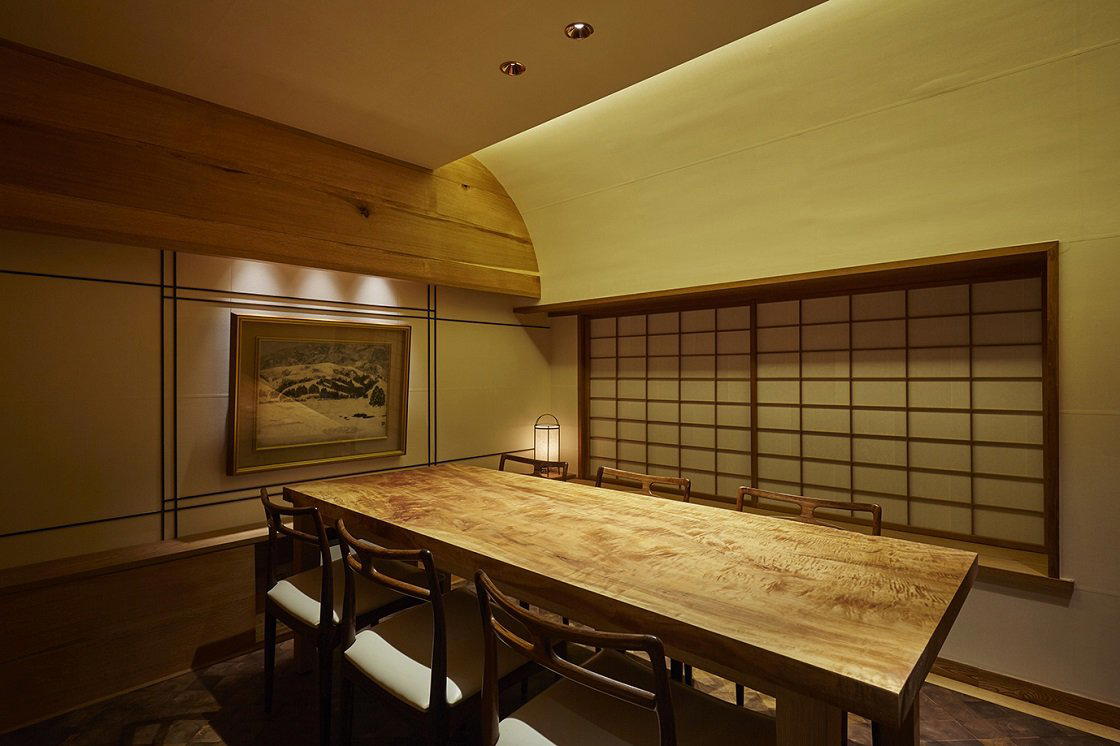
Bars in Kyoto
Browse all →

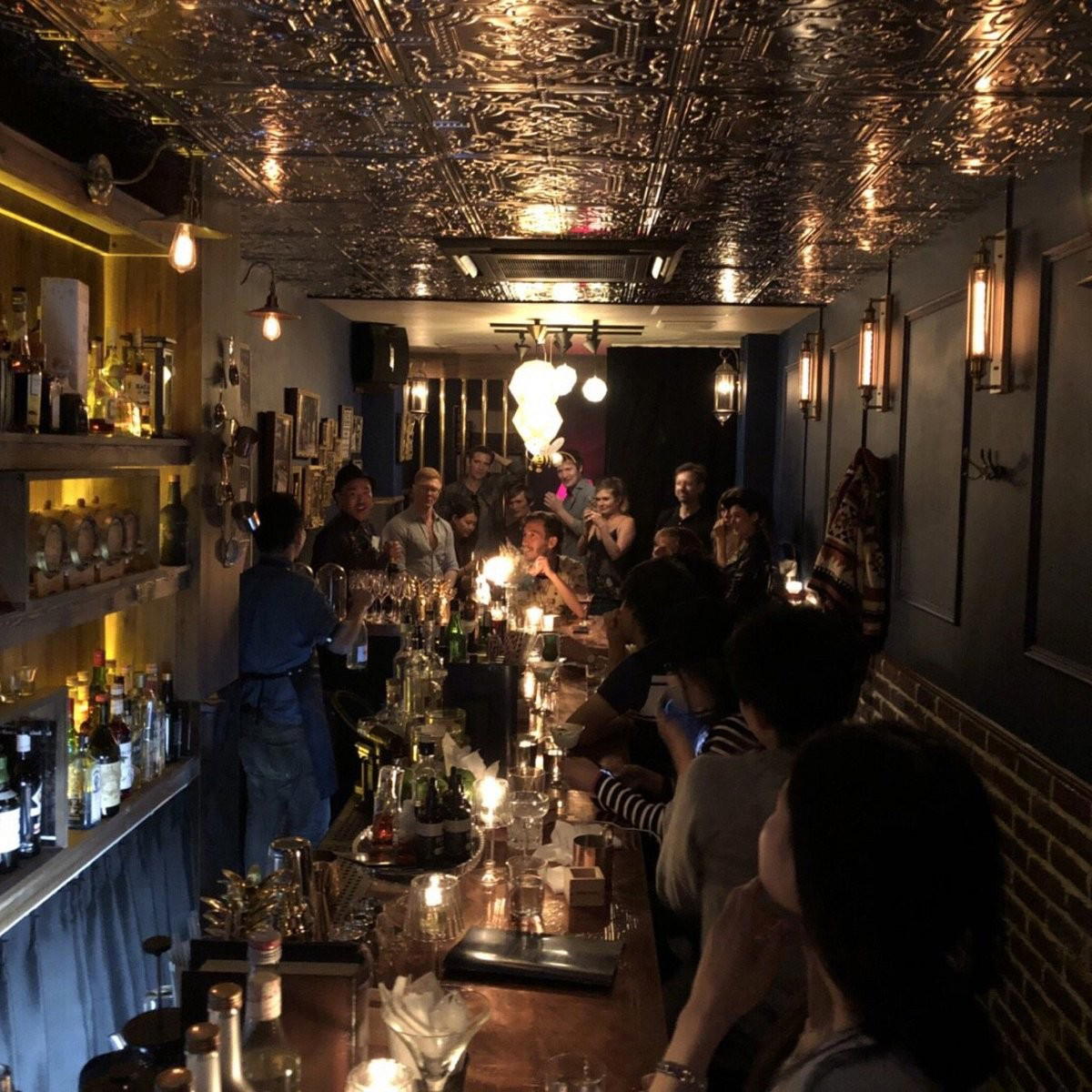
Hotels in Kyoto
Browse all →
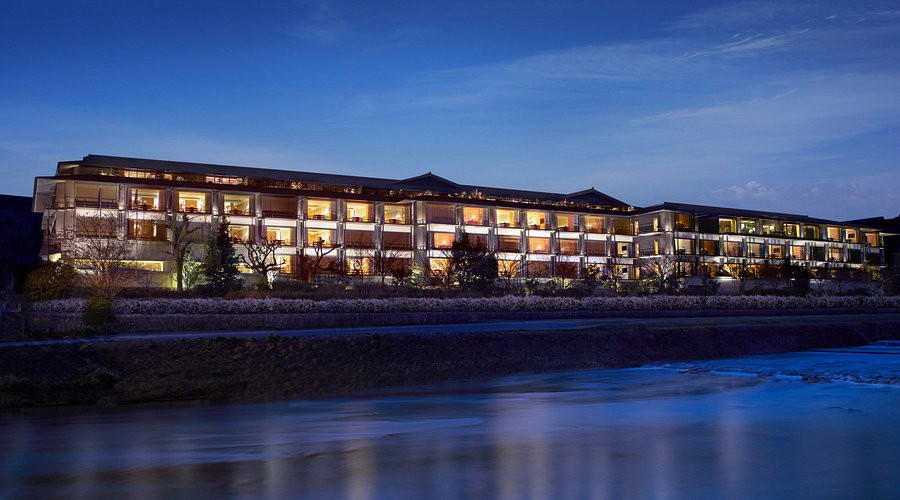
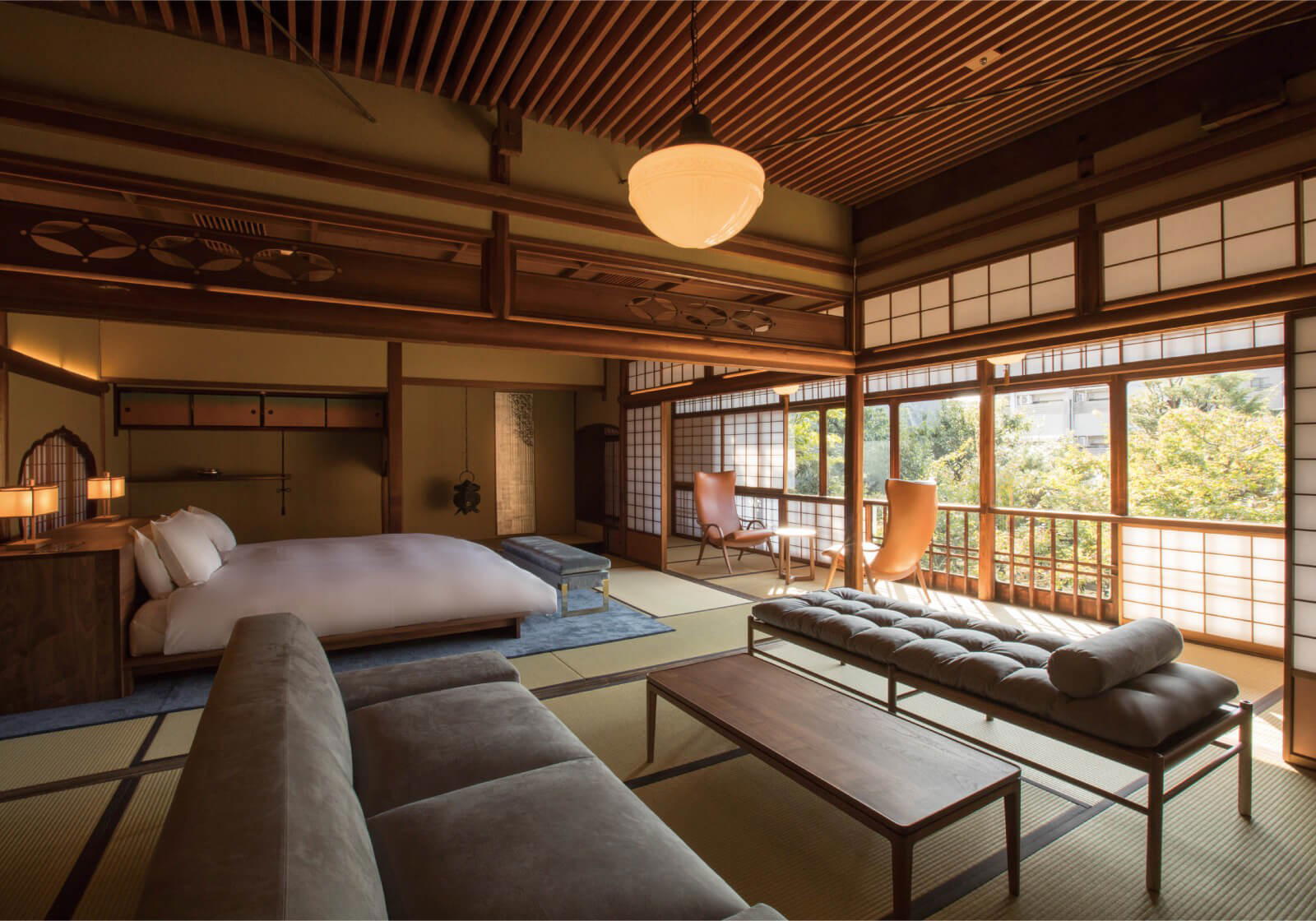
Wineries in Kyoto
Browse all →
At a Glance
- Intimate
- Elegant
- Quiet
- Sophisticated
- Special Occasion
- Celebration
- Date Night
- Chefs Counter
- Open Kitchen
- Waterfront
- Sake Program
- Local Sourcing
- Waterfront
Restrained and serene with natural wood interiors, low lighting, and canal-side views; water reflections and narrow alley lighting create a calm backdrop that complements rather than competes with the food.